Why Do We Accumulate So Much Junk? 6 Eye-Opening Reasons
Closets bulge, drawers refuse to shut, and garages slowly turn into storage units. Somehow, the stuff multiplies faster than anyone can keep up with. Most homes hold far more than the people inside them ever actually use.
Clutter rarely arrives by accident. Each item gets a reason to stay, even when that reason makes little sense later. Emotions, habits, and quiet fears all play a role in how piles grow.
The mess on the counter often reflects something happening inside the mind. Objects carry meaning far beyond their price tag or use.
The following are six honest reasons behind the clutter problem.
1. Fear of Change Keeps Belongings in Place
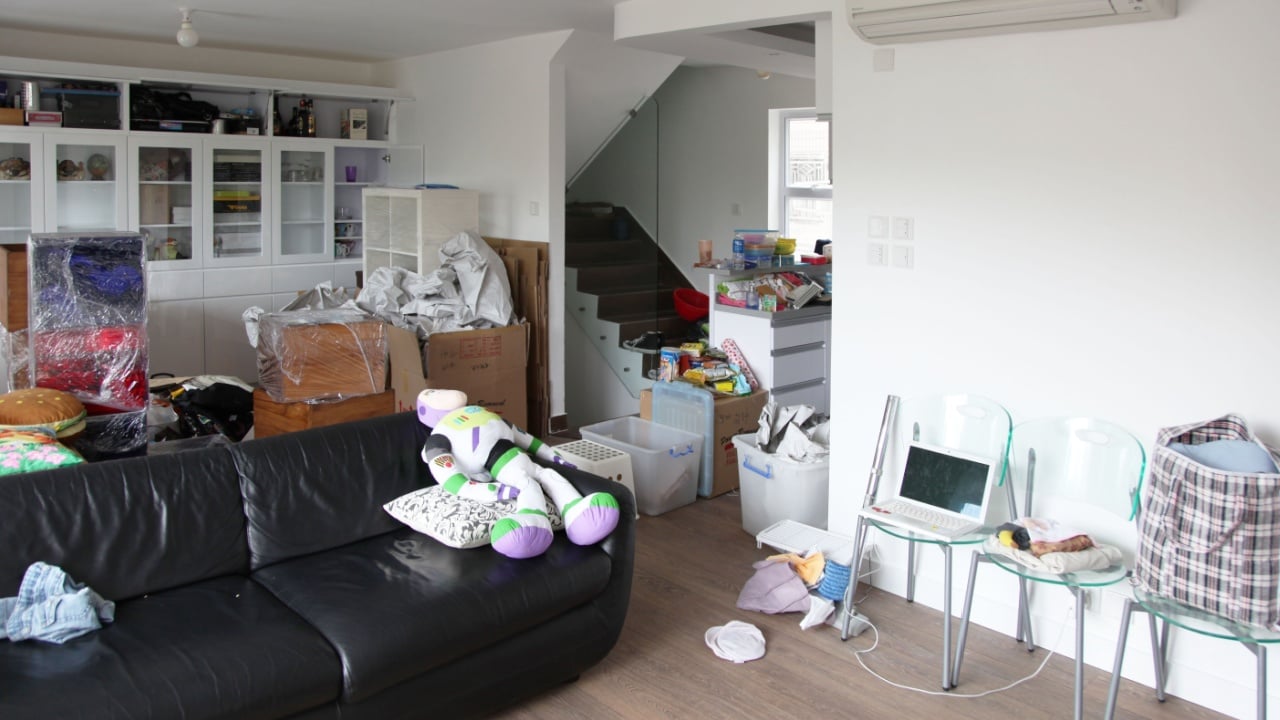
Familiar surroundings feel safe, even when they cause daily frustration. A crowded room still offers a sense of stability because everything stays exactly where it has always been.
Removing items means altering that environment, and change can feel risky to a mind that craves predictability. So the clutter remains as a kind of comfort blanket.
This fear grows stronger when life already feels uncertain in other areas. Holding onto possessions becomes a way to keep at least one thing constant.
The discomfort of an overstuffed home feels smaller than the discomfort of facing the unknown. Naming that fear directly often loosens its grip.
2. Attachment to the Past Holds Things Hostage
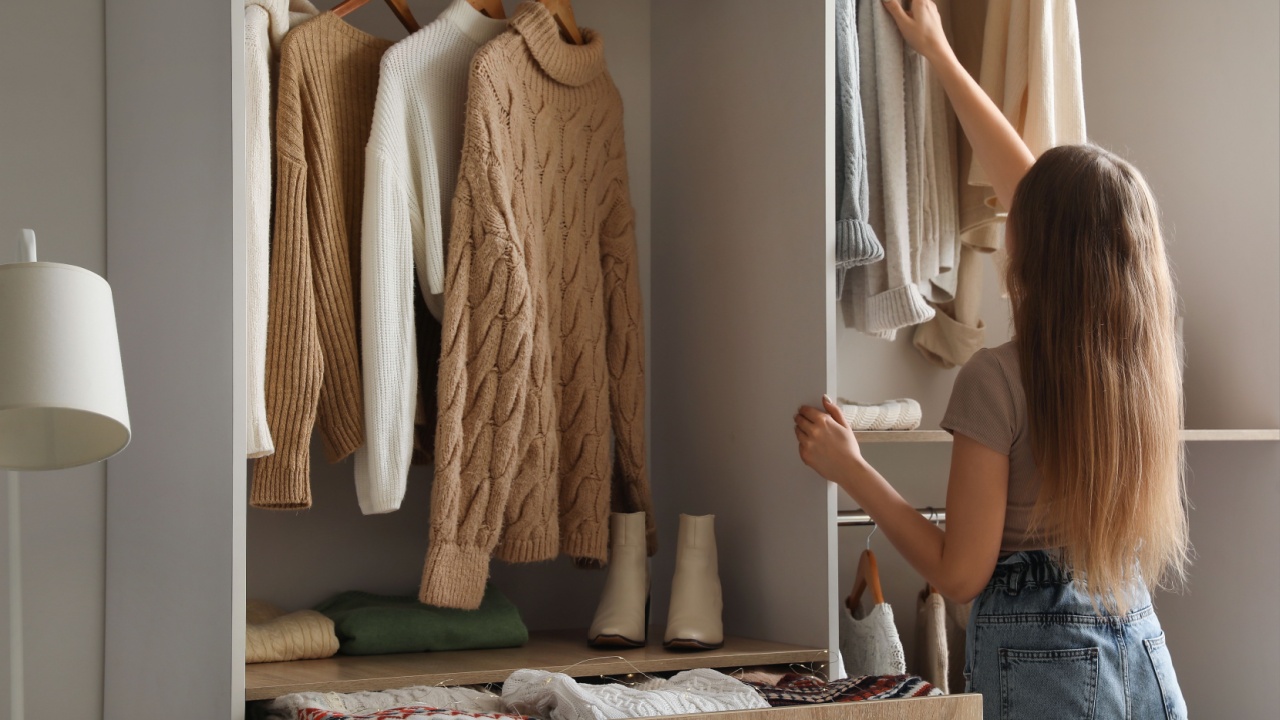
Old belongings act as physical proof that certain moments really happened. A ticket stub, a worn sweater, or a childhood toy links a person back to a version of themselves they miss.
Letting these items go can feel like erasing the memory attached to them. So the boxes stack up, full of frozen time.
Memory does not actually live inside the object, though it feels that way. The experience stays in the mind whether the keepsake survives or not.
Choosing a small number of meaningful pieces honors the past without burying the present beneath it. That distinction frees up both space and emotional energy.
3. Shopping Fills Emotional Gaps

A new purchase delivers a quick burst of excitement that briefly covers deeper feelings. Boredom, loneliness, or stress can all push someone toward the checkout for relief.
The thrill fades fast, but the item stays behind and joins the growing collection. Soon the home fills with objects bought for a mood rather than a need.
Advertising fuels this cycle by promising happiness in every product. The message suggests that the right item will finally satisfy some inner hunger.
Real comfort, of course, comes from connection, rest, and purpose rather than packaging. Spotting the emotional trigger behind a purchase weakens the urge to buy on impulse.
4. Perfectionism and Fear of Failure Stop the Cleanup

A messy space can feel so overwhelming that the cleanup never begins. The sheer scale of the task convinces people that they will fail before they even start, especially if they are perfectionists who want to do a clean job.
Avoiding it entirely feels safer than trying and falling short. So the mess sits untouched while guilt quietly builds underneath.
This avoidance creates a painful loop that feeds on itself. The longer the clutter stays, the more impossible the job appears, which deepens the dread.
Breaking the project into one small drawer or shelf removes the pressure of perfection. Progress, even tiny progress, proves that the task was never truly hopeless.
5. Keeping Items to Please Others
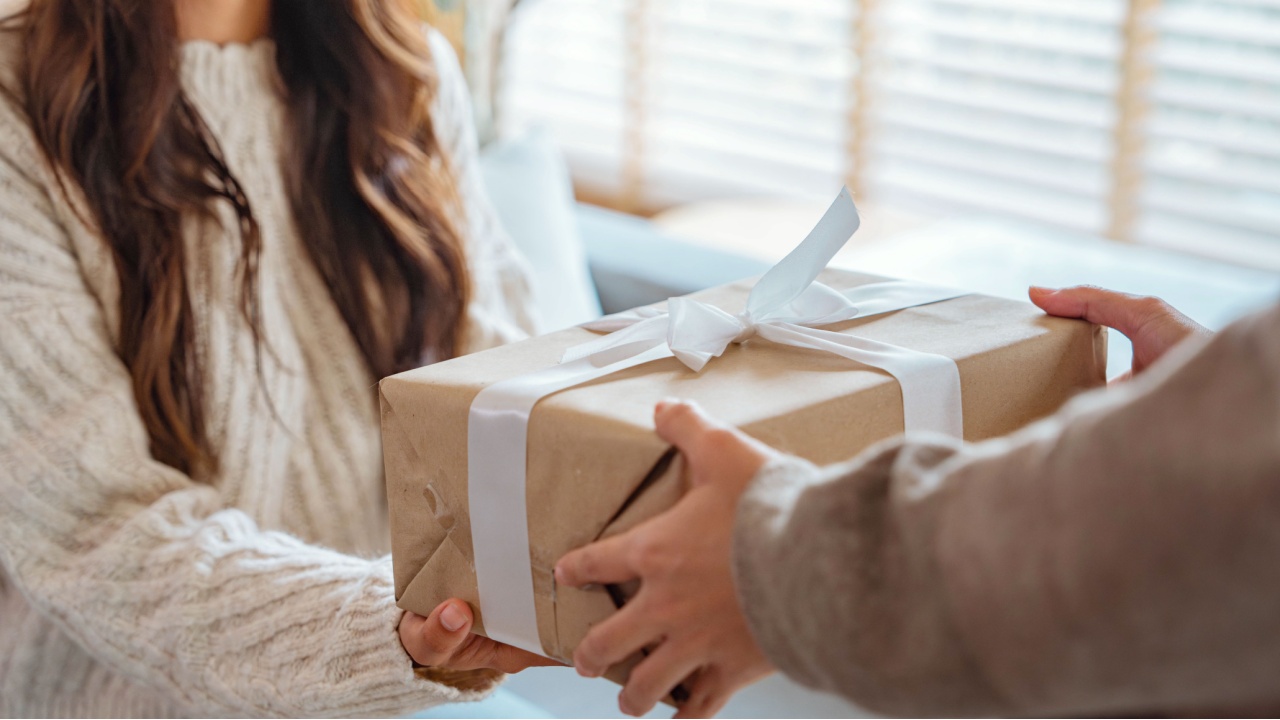
Gifts carry a sentimental, invisible weight of obligation that makes them hard to release. Tossing a present can feel like rejecting the person who gave it, even years later.
The same pressure applies to hand-me-downs and items linked to relationships. So the home becomes a museum of things kept purely out of guilt.
Saying no, or letting go, can feel like risking someone’s approval or love. Yet most givers never expect their gift to become a lifelong burden.
The thought behind a present remains intact regardless of where the object ends up. Releasing these items honors the relationship without sacrificing peace at home.
6. Tying Self-Worth to Possessions

Some people quietly measure their value by the things they own. A full home can feel like proof of success, security, or status to the outside world.
When confidence runs low, possessions step in as evidence that life is going well. So the accumulation continues as a search for reassurance.
The trouble is that no amount of stuff can settle a doubt that lives inside. Worth built on objects stays fragile because items break, age, and lose their shine.
Genuine self-respect grows from character, relationships, and personal growth instead. Separating identity from belongings makes letting go far less threatening.
A Lighter Way Forward

Clutter rarely responds to willpower alone, which explains why tidying tips often fall flat. The patterns above show that belongings tend to anchor emotions, memories, and fears.
A home stays cleaner once the feeling beneath each item is acknowledged honestly. That awareness turns decluttering from a chore into a form of quiet self-understanding.
A useful habit involves a short pause before any new item enters the home. One simple question, asking what role the object will truly play, filters out most impulse buys.
The same question works in reverse for things already gathering dust. With practice, the home becomes a reflection of intention rather than a record of avoidance.
Read More:
7 Best Methods for Decluttering That’ll Actually Stick, According to Experts