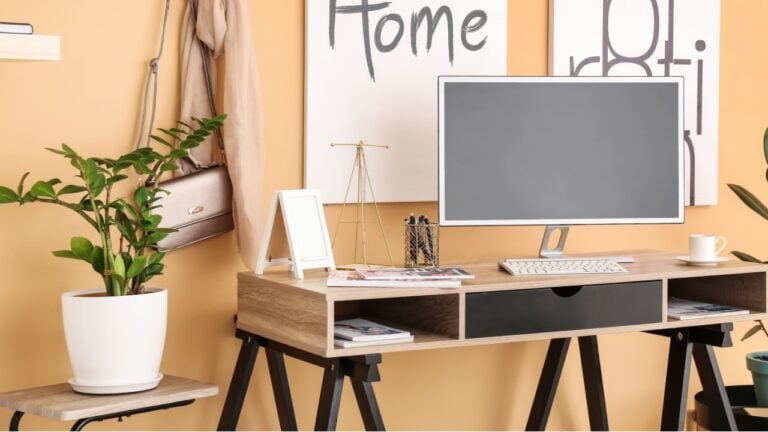
6 Questions That’ll Help you Declutter Ruthlessly
For many of us, if we had a penny for every time we heard the word “declutter”, we would be buying land in Hawaii. Sometimes, we genuinely don’t know if an item sparks joy or if we’ve just had it for too long to tell the difference.
You want a tidy space where you can actually find the remote, but every item seems to have a reason to stay. Maybe that broken toy has sentimental value, or perhaps those jeans from three sizes ago represent hope. How do we determine what to keep and what to discard?
This guide cuts through the mental fog of cleaning up. Instead of aimlessly moving piles from one room to another, you will find six practical questions designed to help you make decisions.
You get actionable advice on how to evaluate utility, emotional connection, and necessity, helping you reclaim your home for your family.
1. Does This Item Actually Do Its Job?
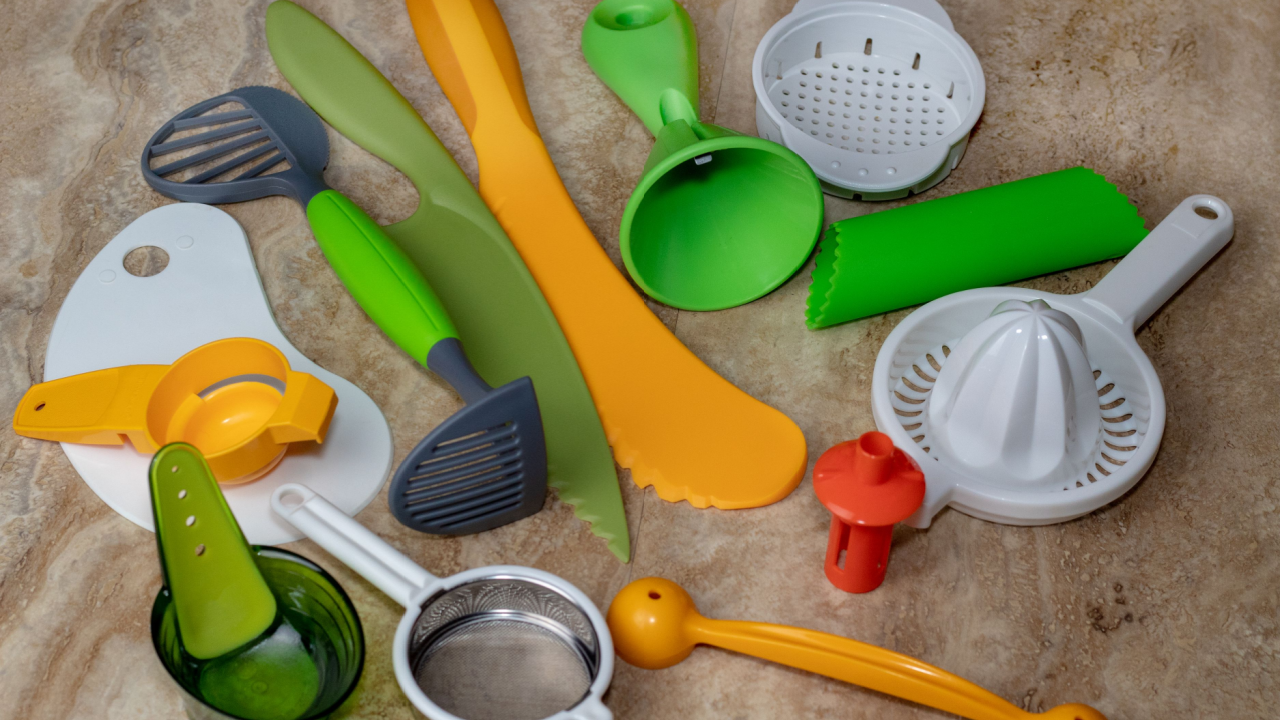
We often hold onto things because they are supposed to be useful, not because they actually are. That vegetable spiralizer seemed like a gateway to a healthier lifestyle, but if it jams every time you try to make zucchini noodles, it is just an oddly shaped paperweight. Ask if the item functions as intended. Feng Shui experts recommend discarding broken items; tools or appliances should make life easier, not harder.
If a can opener struggles to open cans or a vacuum cleaner leaves more dirt than it picks up, it fails at its primary purpose. Keeping malfunctioning items creates low-level frustration every time you open that drawer or closet. Consider the “hassle factor.” If you have to jiggle the handle, tape the battery cover, or say a small prayer for an item to work, it is time to let it go.
2. Does It Make You Feel Good or Guilty?
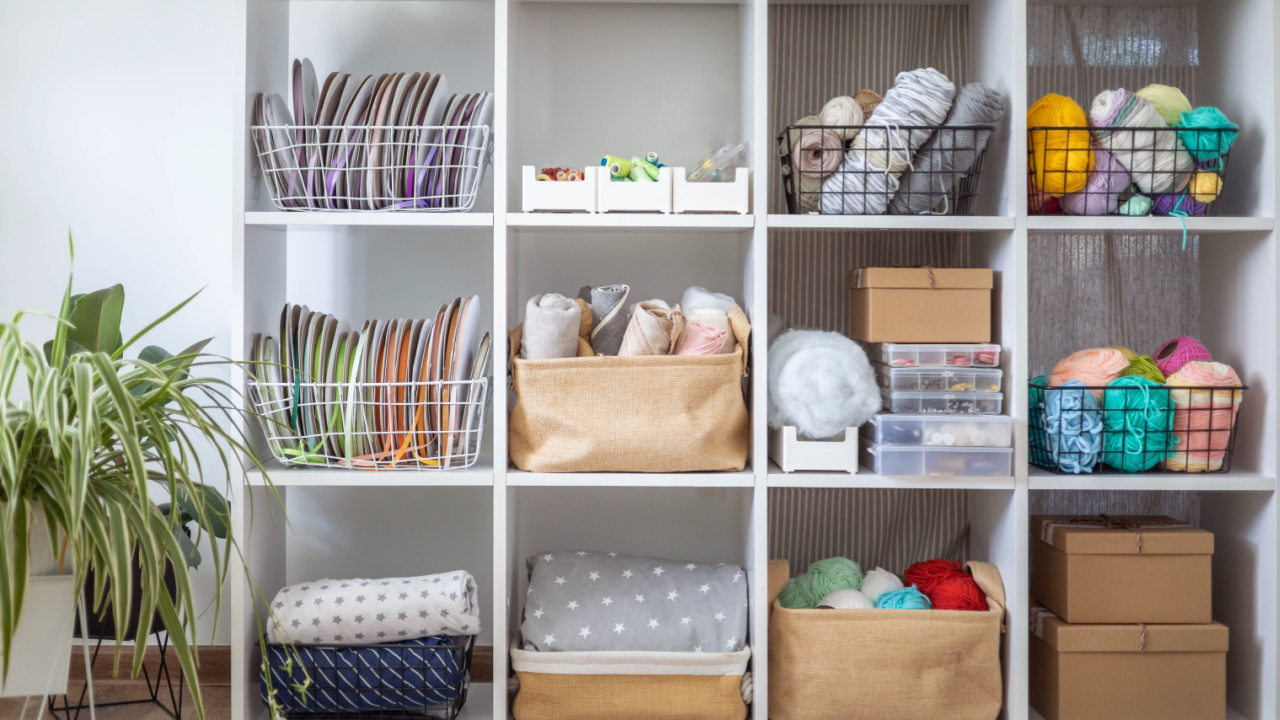
Our homes should be sanctuaries, not museums of regret. Yet, closets are often full of guilt-inducing items: the unread books you promised to finish, the craft supplies for that hobby you abandoned, or the gift from a relative that isn’t quite your style. When you hold an item, pay attention to your immediate emotional reaction. If looking at those expensive running shoes just reminds you that you haven’t run in six months, they aren’t motivating you; they are judging you.
Keeping items out of obligation creates a negative atmosphere in your home. It is okay to admit that a certain phase of life has passed or that a gift didn’t land. Passing these items along removes that visual reminder of “failure” and frees up mental energy. Your home should reflect who you are now, not who you thought you should be five years ago.
3. When Was the Last Time You Actually Used It?
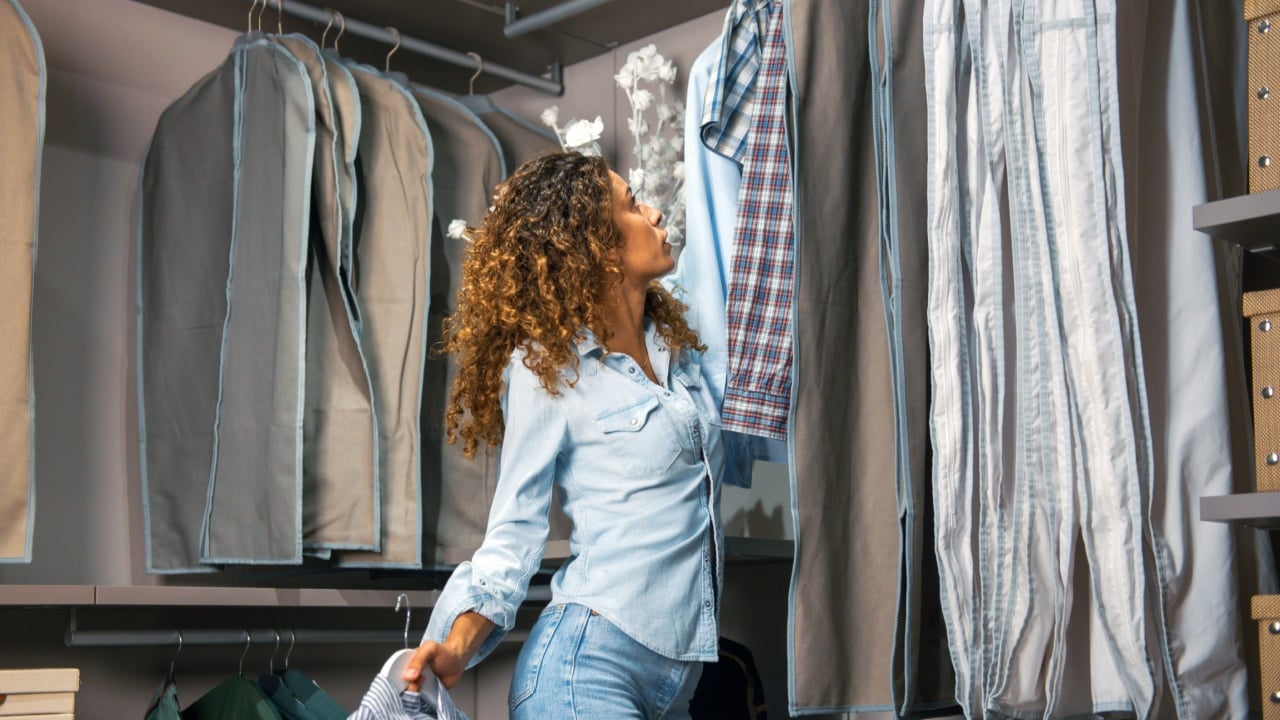
Memory is a tricky thing. We tend to overestimate how often we use things. You might swear you use that bread maker “all the time,” but a layer of dust says otherwise. This question forces a reality check against our perceptions. Try to pinpoint a specific timeline. Did you use it last week? Last month? Last year? If you haven’t touched those specialty baking pans since your child’s first birthday party, and they are now seven, it is safe to say they aren’t a staple in your kitchen.
Experts recommend using the 90/90 rule. If you have not used it for the last 90 days, or see yourself using it for the next 90 days, it can go. Seasonal items are the exception, but even then, apply scrutiny. If two winters have passed and you still haven’t worn that heavy coat, you likely never will.
4. Would I Buy This Item Again Today?

This is the ultimate litmus test for value. Imagine you are shopping right now. You see this exact item on the shelf at full price. Do you put it in your cart, or do you keep walking? If the answer is “no,” you are keeping it simply because you already own it. This is known as the “sunk cost fallacy“, the idea that you can’t get rid of something because you spent money on it. But the money is already gone. Keeping the item doesn’t bring the cash back; it just costs you space and peace of mind.
Applying this perspective helps detach the emotion from the object. It allows you to view your possessions through a lens of current relevance. If it isn’t good enough to buy today, it isn’t good enough to take up prime real estate in your home.
5. Is This Something I Want to Manage?
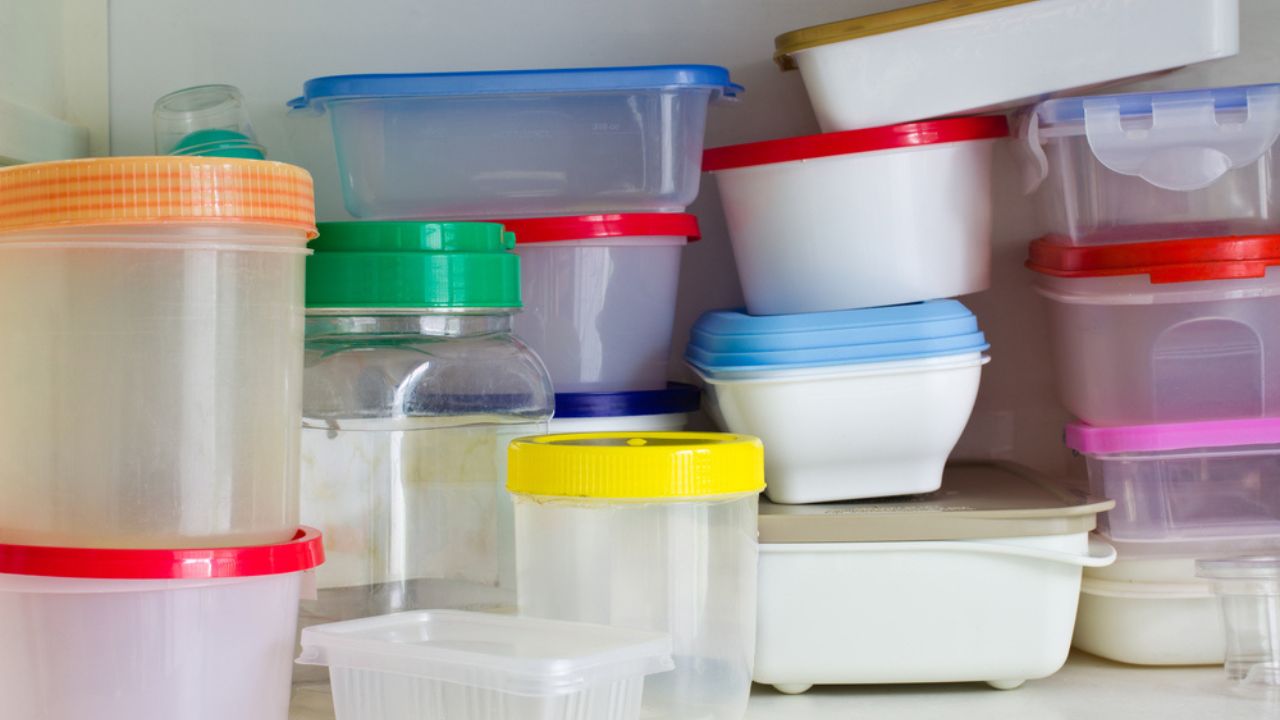
Every item you own requires management. You have to clean it, store it, organize it, and move it around to clean under it. This is the hidden cost of ownership. We often think of things as free once we buy them, but they charge rent in the form of your time and energy.
Look at that collection of decorative figurines or the stack of extra Tupperware. Are you willing to continue dusting them? Are you willing to spend five minutes searching for the matching lid every time you pack lunch? If the effort to maintain an item outweighs the benefit it provides, it becomes a burden. Reducing the number of things you have to care for gives you back time to care for yourself and your family.
6. Could Someone Else Use This More?
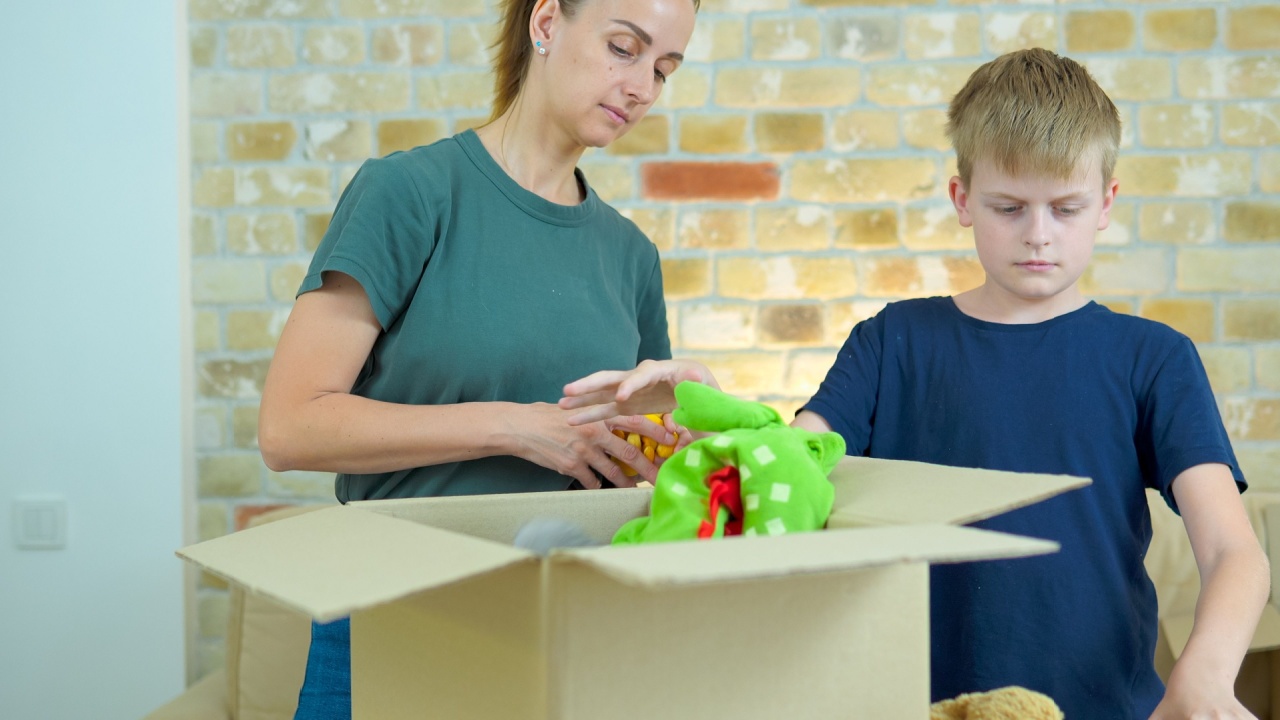
Sometimes we hold onto things because they are “perfectly good.” Throwing away a decent coat or a working toy feels wasteful. But if it is sitting in a box in your basement, it isn’t doing anyone any good. It is wasted potential. Shift your mindset from “getting rid of” to “giving to.” That baby gear gathering dust could be a lifeline for a new parent. Those books could inspire a teenager. By donating, you extend the life of the item and help someone who actually needs it.
This question transforms decluttering into an act of generosity. It feels much better to know your unused items are out in the world being useful rather than stagnating in your attic. It makes the separation process easier and more positive for everyone involved.
Moving Forward With a Lighter Load

Decluttering is rarely a one-and-done event; it is a habit you build alongside raising a family. Once you have cleared a space, try to protect it. Be mindful of what crosses the threshold into your home.
Follow a few decluttering rules, like decluttering by categories, and focus on maintaining the progress you have made. Maybe you keep a donation box in the closet that you fill gradually. Perhaps you apply the “one in, one out” rule for toys. Enjoy the breathing room you have created. You earned it.
Read more
16 Awesome Benefits of Simplifying and Decluttering a Home
6 Reasons Marie Kondo’s Decluttering Method Doesn’t Work for Everyone, and What to Try Instead