4 Ways to Remove Allergens at Home and Finally Breathe Easier
It starts with a little sniffle. Then a tickle in the throat. Before you know it, you’re in a full-blown battle with your own sinuses, and your home feels less like a sanctuary and more like a pollen-coated battleground. If seasonal sniffles have become your year-round reality (from indoor allergens in winter, and a mix in the spring or summer), you’ve come to the right place.
Relief doesn’t always require a trip to the pharmacy. You can significantly reduce the sneeze-inducing particles floating around your living space with a few strategic adjustments. This guide will walk you through four straightforward methods to effectively remove allergens from your home, helping you breathe easier and reclaim your comfort.
1. Upgrade Your Vacuuming Routine
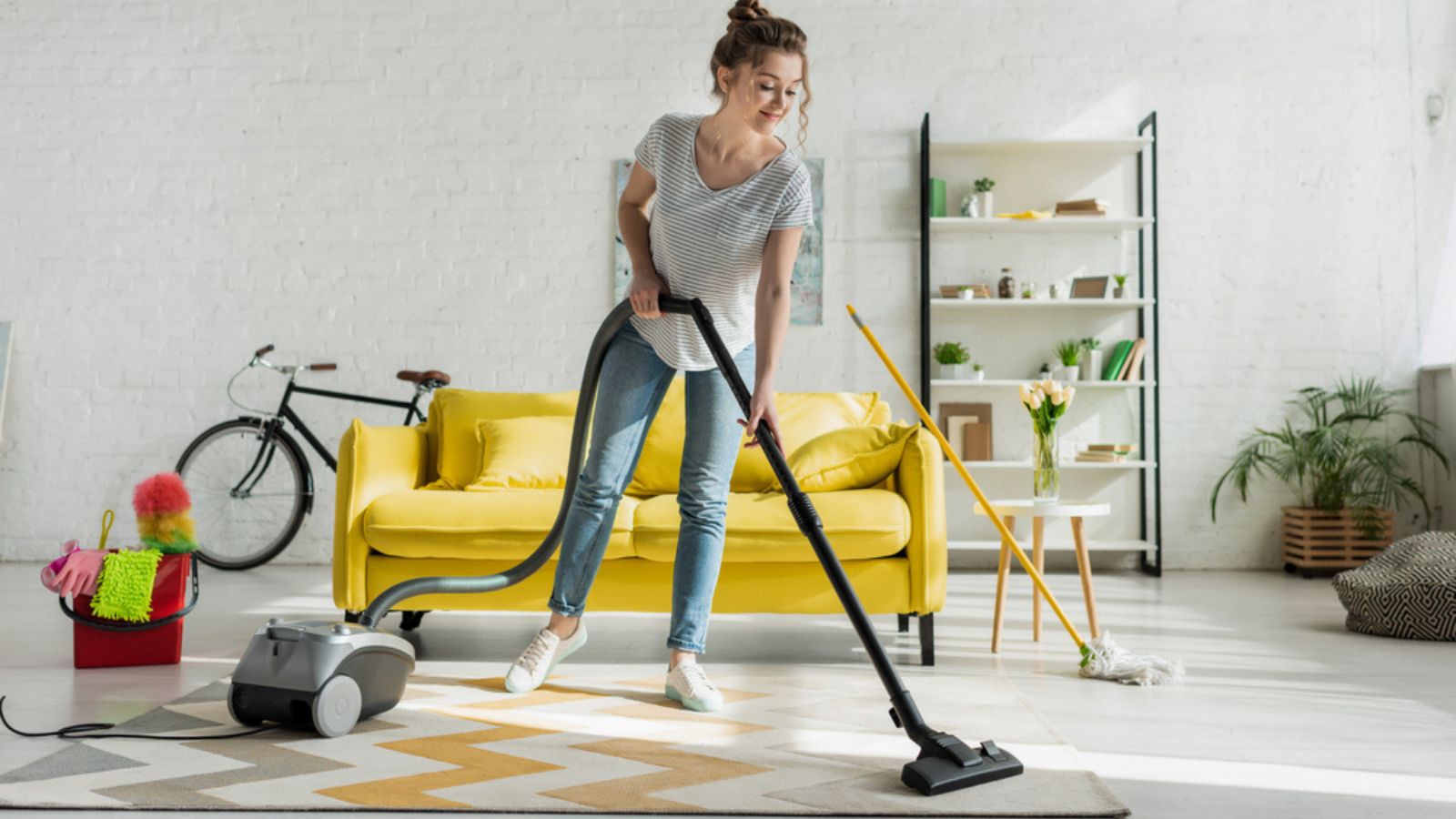
A good vacuuming session can feel productive, but the wrong machine or technique might just be stirring up trouble. For a truly effective clean, aim to vacuum once or twice a week using a vacuum equipped with a HEPA filter. These filters are designed to capture 99.97% of airborne particles as small as 0.3 microns.
This includes common irritants like dust mite debris, pet dander, and pollen that a standard vacuum might spit right back into the air. A sealed system is another important feature, as it prevents allergens from leaking out of the machine before they hit the filter. By adopting this approach, you are actively pulling allergens out of your carpets, rugs, and upholstery instead of just redistributing them.
2. Dust with a Damp Cloth

That feather duster might look classic, but it’s an allergen’s best friend. Dry dusting tends to fling dust particles into the air, where they can linger for hours before settling back onto your surfaces or, worse, getting inhaled. The solution is remarkably simple: switch to a damp microfiber cloth.
Microfiber is made of ultra-fine synthetic fibers that create a static charge, attracting and grabbing dust like a magnet. Adding a little water enhances this effect. When you wipe down surfaces with a damp cloth, you trap the dust, dander, and pollen instead of sending them airborne. The particles cling to the damp fibers, allowing you to rinse them down the drain and remove them from your home permanently.
3. Run an Air Purifier

Even with diligent cleaning, some allergens will remain suspended in the air. An air purifier is your dedicated defense against these invisible intruders. Look for a model that contains both a HEPA filter and an activated carbon filter. The HEPA filter, just like in a vacuum, will capture tiny physical particles like mold spores, dander, and pollen.
The activated carbon filter works on a molecular level, adsorbing odors, gases, and volatile organic compounds (VOCs) that can also contribute to irritation. Proper placement and sizing are vital for an air purifier to do its job. A small unit in a large living room won’t make a dent. Check the manufacturer’s recommendation for room size, often listed as a Clean Air Delivery Rate (CADR). For the best results, place the purifier in the room where you spend the most time, like the bedroom, to create an allergen-reduced zone while you sleep.
4. Wash Bedding in Hot Water
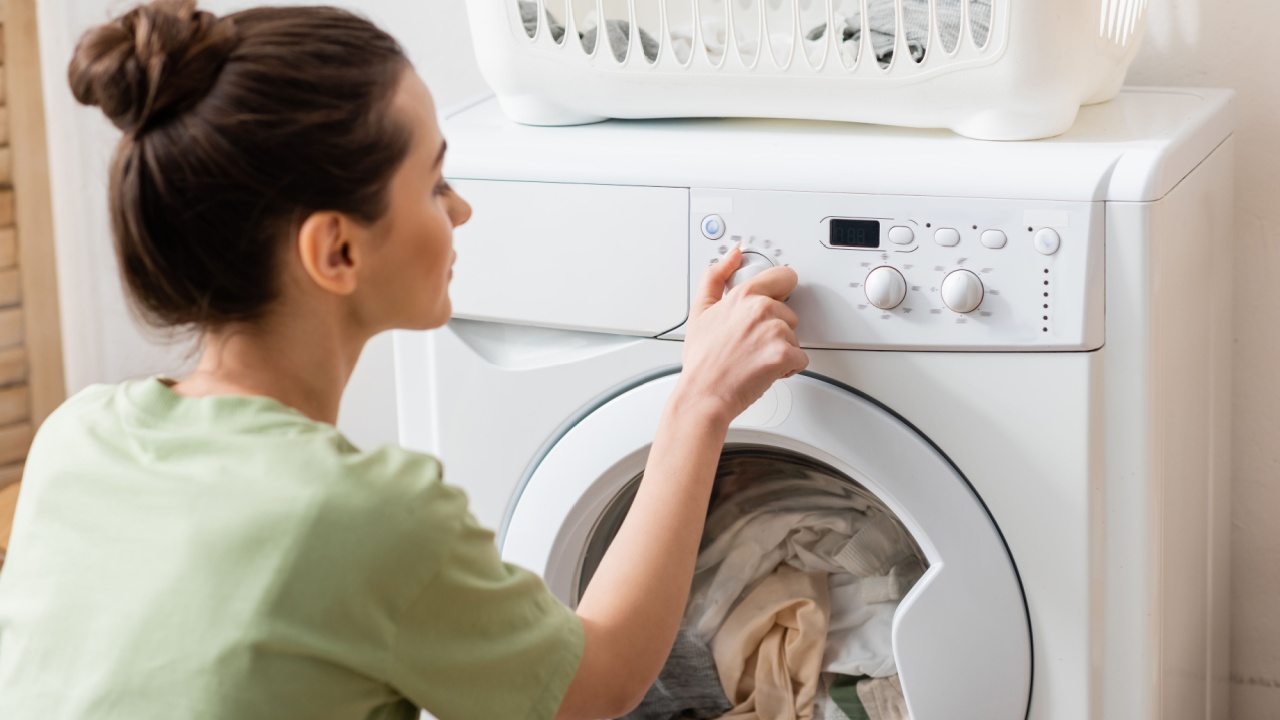
Your bed can be a major reservoir for allergens, particularly dust mites. These microscopic creatures thrive in the warmth and humidity of bedding and feed on dead skin cells. The proteins in their waste are a potent allergen for many people. To combat this, make a habit of washing all your bedding sheets, pillowcases, and blankets at least once a week in hot water. The water temperature should be at least 130°F (54°C) to effectively kill the mites.
After washing, drying your bedding on high heat provides a second wave of defense, finishing off any stragglers. This weekly hot-water laundry routine drastically reduces the dust mite population in your most personal space, leading to a healthier sleep environment. If you have pillows or comforters that aren’t machine washable, you can also use allergen-proof covers. These zippered casings create a barrier that prevents mites and their allergens from getting in or out.
Taking Control of Your Comfort
Creating an allergy-friendly home is an ongoing process. The goal is to build simple, repeatable habits that consistently lower the number of irritants in your environment. Begin with the task that seems most manageable, be it committing to a weekly hot-water wash for your bedding or investing in a quality air purifier for your bedroom.