12 Ways to Use a Greenhouse in Winter
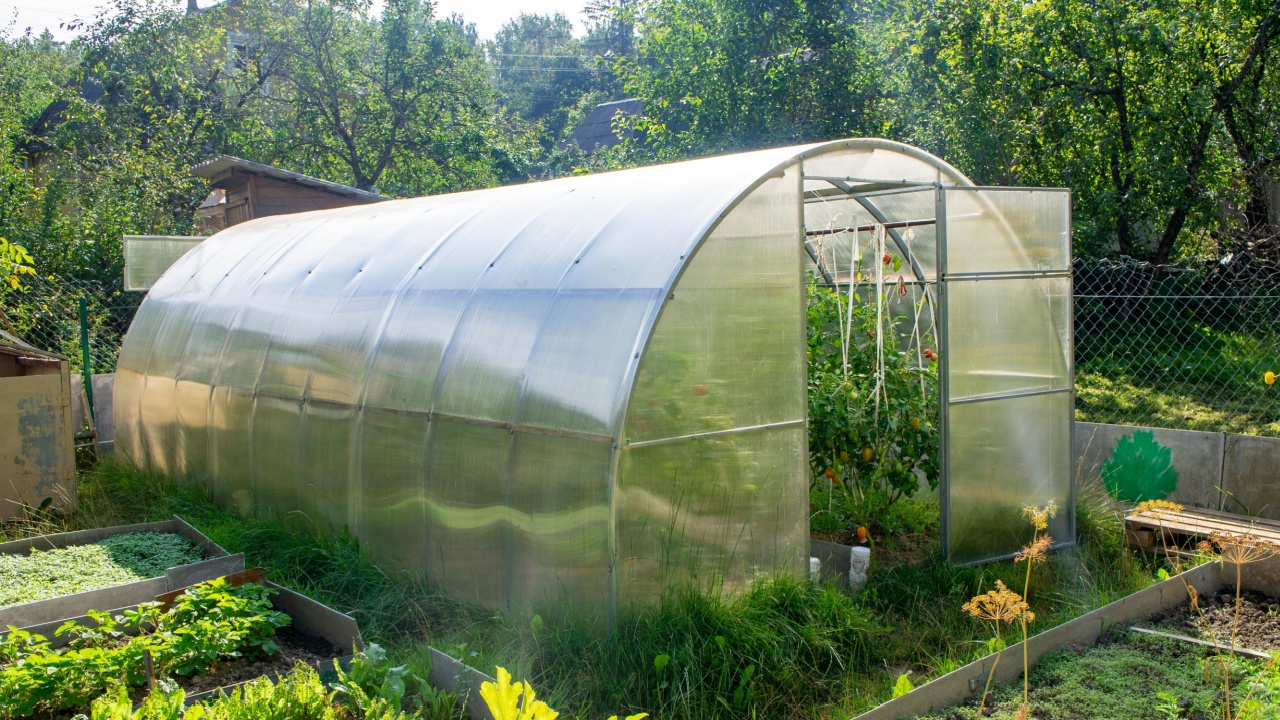
If you live somewhere with harsh winters (hello Northern and Eastern states), the greenhouse in winter can sometimes feel like an empty, lifeless glass box, a quiet monument to the lush gardening successes of summers gone by. It sits there, its panes fogged with cold, looking a bit forgotten, while you sit inside staring out the window, longing for the feeling of dirt under your fingernails and the vibrancy of growing things.
However, that structure doesn’t have to be reduced to just a seasonal storage unit for lawn furniture, neglected watering cans, and the tools you won’t touch until spring. Imagine starting seedlings for early vegetables or nurturing hardy herbs through the cold months. Here are 12 ways you can put your greenhouse to good use in winter.
Note: In some growing zones, a greenhouse will likely need to be heated.
1. Store Tender Plants

Some of your tender plants look at the first sign of frost and promptly give up. Instead of letting them wilt, you can store them in your greenhouse. Plants like fuchsias, geraniums, and brugmansias are prime candidates for this protective custody. Moving them indoors protects them from freezing temperatures and harsh winds that would otherwise be their doom.
This method allows you to keep mature, beloved plants year after year. It saves you the money and effort of buying new ones each spring. Before bringing them in, check for any pests to avoid getting unwanted guests into your greenhouse. Give them a light trim to remove any dead or weak growth.
Note: Whether this is possible will depend on what growing zone you are in.
Quick Guide:
- What: Move tender perennials like geraniums and fuchsias into the greenhouse.
- Why: Protects them from frost and cold, saving money on replacement plants.
- How: Inspect for pests, prune lightly, and water sparingly throughout the winter.
2. Overwinter Corms and Tubers
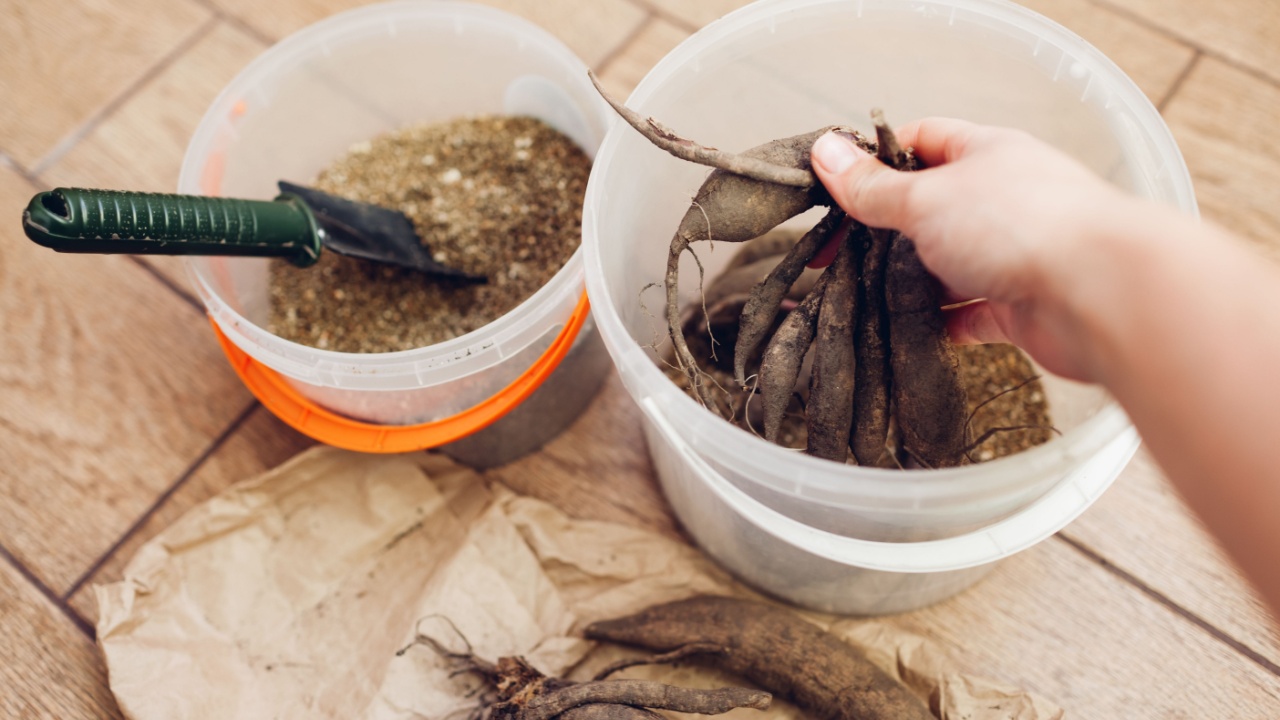
Dahlias, cannas, and gladioli put on a spectacular show all summer, but their fleshy corms and tubers are susceptible to rot and frost if left in cold, wet ground. The greenhouse is the perfect spot to overwinter corms and tubers, keeping them safe until it’s time to plant them again.
Dig them up after the first light frost has blackened their foliage. Gently brush off the soil and let them dry for a few days in a well-ventilated spot. Storing them properly prevents them from turning to mush in the garden or shriveling up in a dry shed. Your greenhouse provides a balanced environment, not too damp, not too dry, to keep them dormant and healthy. Just be sure to check on them every few weeks for any signs of rot or dehydration.
Quick Guide:
- What: Store tubers and corms from plants like dahlias and cannas.
- Why: Prevents them from rotting or freezing in the ground.
- How: Lift from the ground, clean off soil, dry for a few days, and store in trays of dry sand or compost.
3. Nurture Cuttings

Winter is an excellent time for taking hardwood cuttings from dormant shrubs and trees like dogwood, forsythia, and roses. Your greenhouse acts as a nursery, providing a stable, protected environment for these new plants to develop roots without battling the elements.
Taking cuttings in winter allows them to slowly form roots and be ready for planting out in the spring. Simply place your prepared cuttings into pots filled with a gritty compost mix. Water them once, and the cool, bright conditions of a winter greenhouse are just what they need.
Quick Guide:
- What: Take hardwood cuttings from deciduous shrubs and trees.
- Why: A free and easy way to create new plants from existing ones.
- How: Place cuttings in pots with gritty compost, water, and let them root over winter.
4. Sow Hardy Seeds
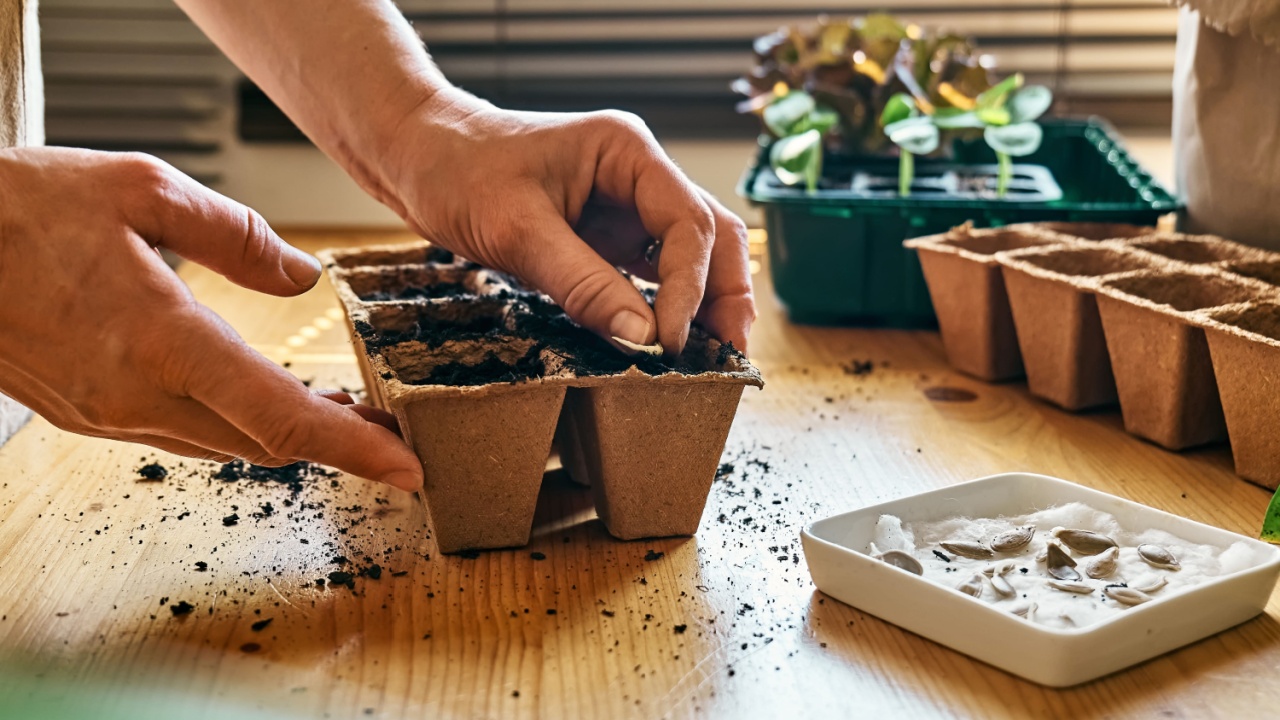
Get a jump on the growing season by sowing seeds of hardy annuals and vegetables. Plants like sweet peas, calendula, and broad beans can be started in the protected confines of your greenhouse. While it’s too cold for them outside, the greenhouse gives them the gentle start they need.
Sowing seeds in late winter means you’ll have sturdy, well-established seedlings ready to plant out as soon as the soil warms up. This leads to earlier flowers and harvests. You get to enjoy your garden’s bounty weeks ahead of schedule. Use seed trays or pots with a quality seed-starting mix, keep the soil lightly moist, and provide good air circulation to prevent issues like damping off.
Quick Guide:
- What: Start seeds of hardy plants like sweet peas and broad beans.
- Why: Produces strong seedlings for an earlier start in the spring garden.
- How: Sow in trays, keep moist, and ensure good ventilation.
5. Grow Winter Salads and Herbs
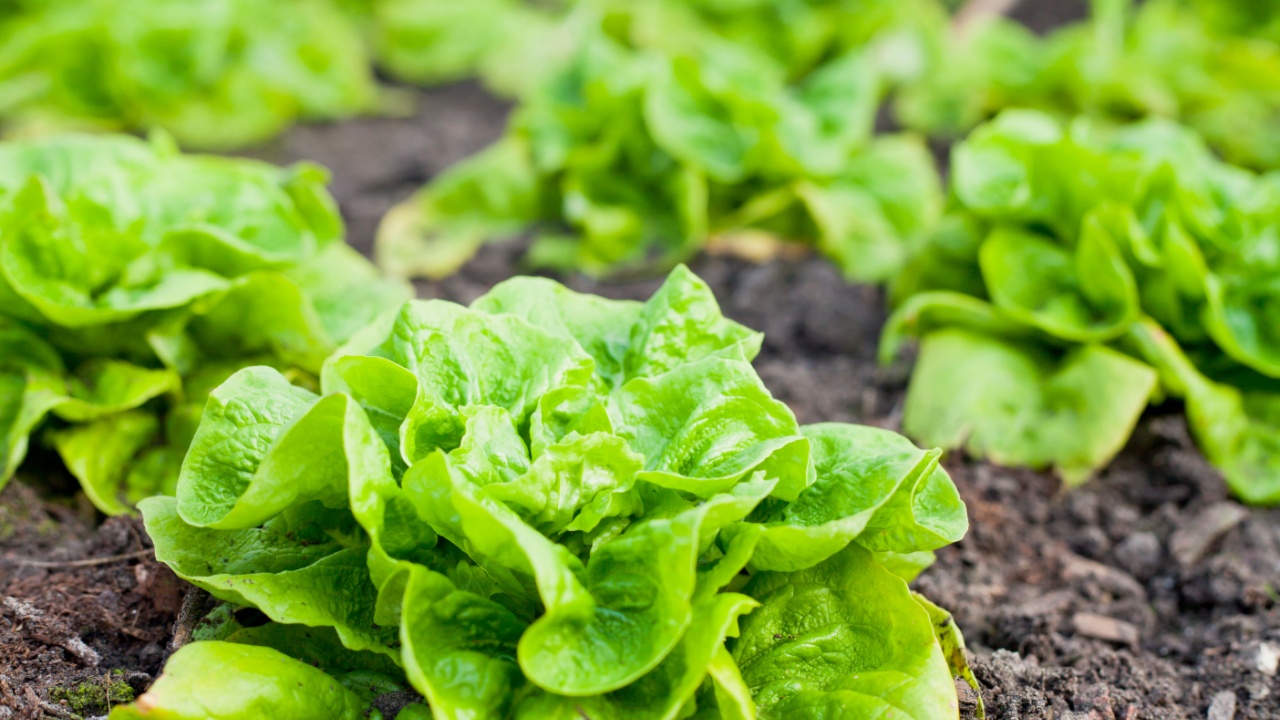
You don’t have to give up fresh greens just because it’s cold. Many salad leaves and herbs are surprisingly tough and will happily grow in an unheated greenhouse through winter. Varieties like mizuna, mustard greens, lamb’s lettuce, and winter lettuces are excellent choices. Hardy herbs like parsley and chives will also thrive.
Having fresh greens available for a winter salad is a simple luxury. The flavor of homegrown produce is unmatched, especially when store-bought options are looking tired. Sow seeds in succession in pots or grow bags to have a continuous supply.
Quick Guide:
- What: Grow cold-hardy salad greens and herbs.
- Why: Provides fresh, homegrown produce throughout the winter.
- How: Sow seeds in pots or grow bags, water sparingly, and harvest as needed.
6. Sow Fava Beans

Fava beans, also known as broad beans, are famously resilient. Sowing them in pots in the greenhouse during late fall or winter gives you super-early, robust plants. They can be started in individual pots or root trainers, which encourages a strong root system.
This early start gives the beans a defense against common pests like blackfly, which tend to appear later in spring. By the time the pests arrive, your plants will be so big and tough they’ll hardly notice. Once the seedlings are a few inches tall and the weather outside begins to improve, you can transplant them into your garden beds.
Quick Guide:
- What: Start fava bean seeds in pots.
- Why: Results in earlier, stronger plants that are less susceptible to pests.
- How: Sow one bean per pot in late fall or winter and transplant outside in early spring.
7. Propagate Strawberries
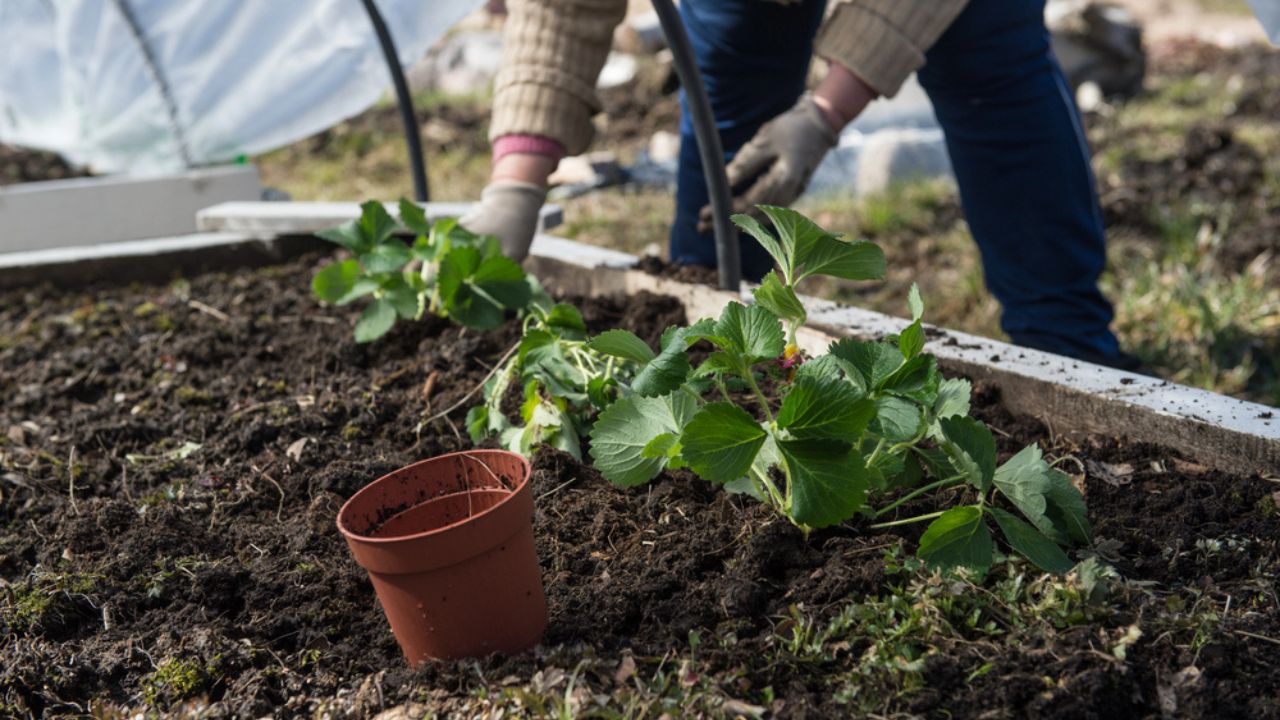
If you have established strawberry plants, they’ve likely sent out runners, that is long stems with baby plants at the end. Instead of letting them root wherever they please, you can guide them into pots and shelter them in the greenhouse over winter.
This is a simple way to increase your strawberry patch for free. These new plants will have a protected environment to establish strong roots, leading to a more productive crop next summer. Pin the runner down into a pot of compost while it’s still attached to the mother plant. Once it has rooted, you can snip the connection and move the new plant into the greenhouse.
Quick Guide:
- What: Pot up the runners from your existing strawberry plants.
- Why: An easy, no-cost method to get more strawberry plants for next year.
- How: Pin runners into pots of compost, let them root, then move them to the greenhouse.
8. Store Citrus Plants

Lemon, lime, and orange trees add an exotic touch to a patio, but they are not fans of frost. An unheated greenhouse is the perfect winter home for them. It shields them from freezing temperatures while still providing the bright light they need to stay healthy.
Bringing citrus plants indoors guarantees their survival and promotes better fruit production the following year. A winter rest period in a cool, bright spot is exactly what they require. Water them much less frequently than in summer, just enough to keep the soil from drying out completely. Check for pests like scale insects that can sometimes appear in indoor conditions.
Quick Guide:
- What: Move potted citrus trees into the greenhouse for the winter.
- Why: Protects them from frost and provides the cool, bright conditions they need.
- How: Place in a bright spot, reduce watering, and monitor for pests.
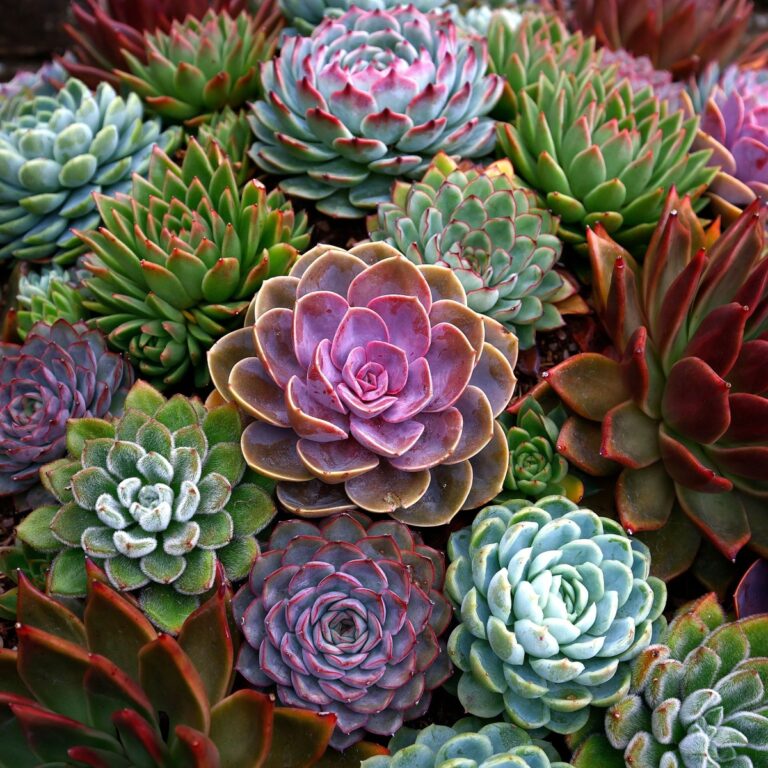
9. Create a Succulent Planter
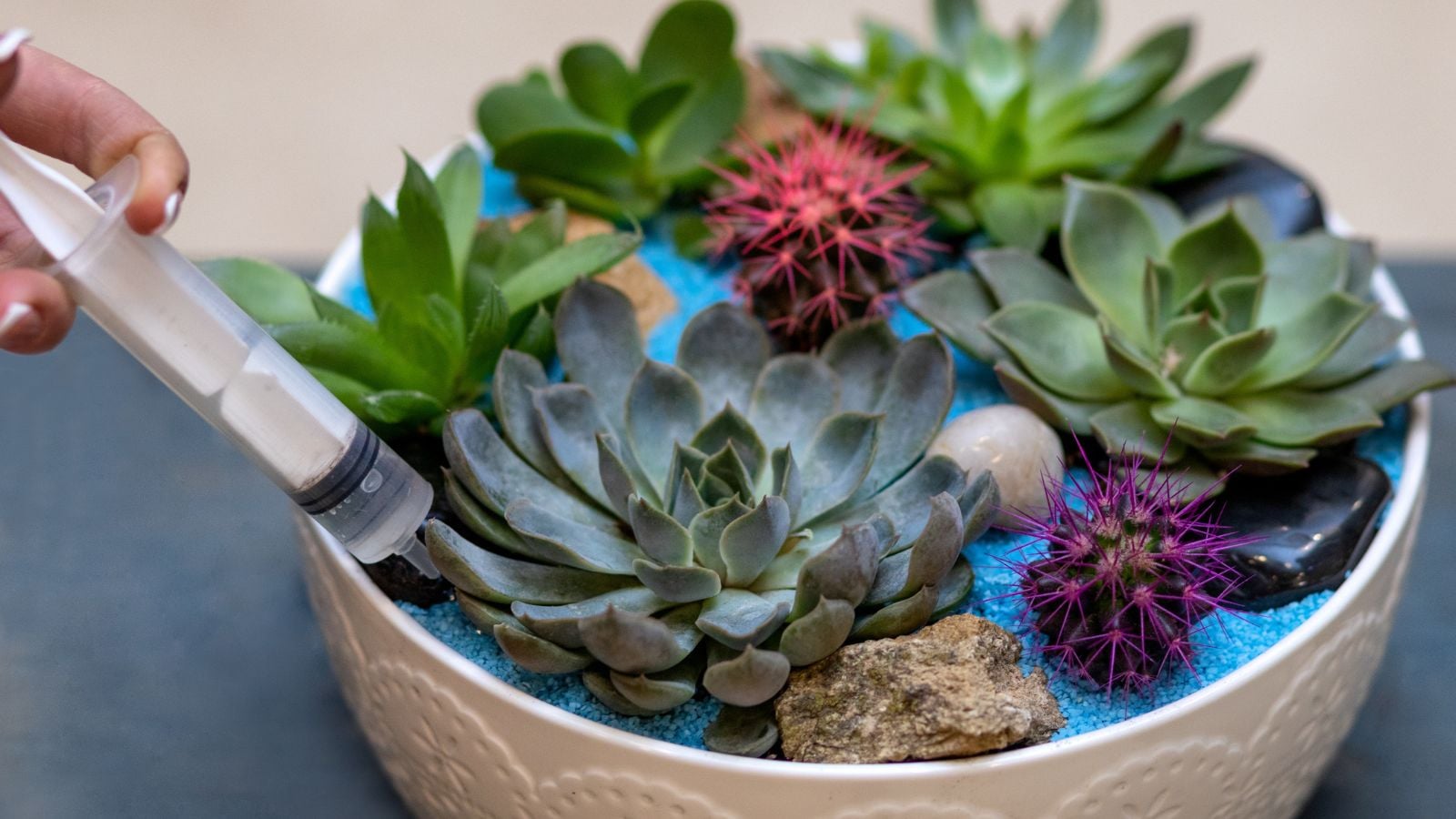
Succulents are tough, but many popular varieties can’t handle a hard freeze. Winter is an ideal time to gather your collection and create a stunning mixed succulent planter inside your greenhouse. The dry, bright conditions mimic their native habitat.
You can combine different shapes, colors, and textures to make a living work of art. It also protects your plants from rot caused by cold, wet soil. Use a container with excellent drainage and a cactus/succulent potting mix. Water very rarely.
Quick Guide:
- What: Combine various succulents into a large, decorative planter.
- Why: Protects tender succulents from frost and creates a beautiful indoor feature.
- How: Use a well-draining container and soil, and water sparingly.
10. Restart Tender Tubers
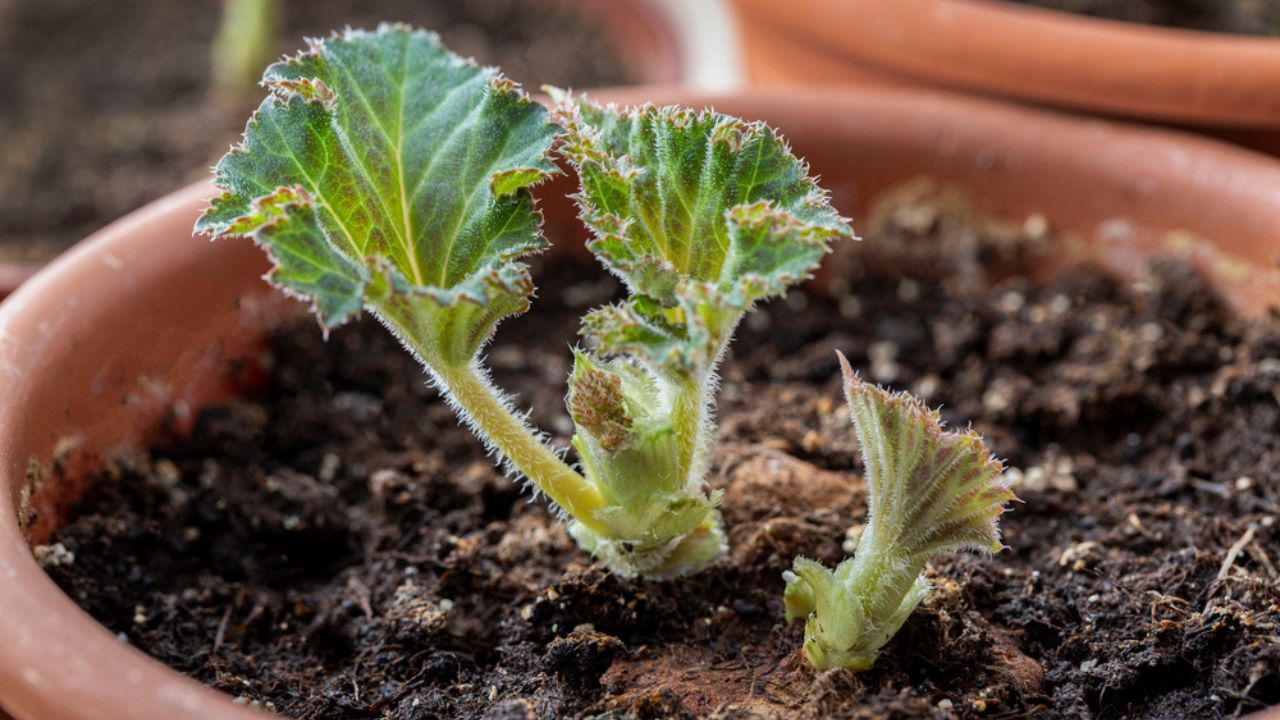
For some tubers, like those of tuberous begonias, a winter rest is followed by an early wake-up call. Starting them into growth in the greenhouse in late winter gives them a head start for a summer of continuous blooms.
By gently warming them and encouraging them to sprout early, you can have flowering plants much sooner than if you planted them directly outside in spring. This is how you get those huge, cascading begonias you see in professional displays. Place the tubers, hollow side up, in a tray of damp compost and keep them in a warm, bright spot.
Quick Guide:
- What: Encourage tubers like begonias to start growing in late winter.
- Why: Leads to earlier flowers and larger plants in summer.
- How: Place tubers in trays of moist compost in a warm part of the greenhouse.
11. Plant Lily Bulbs
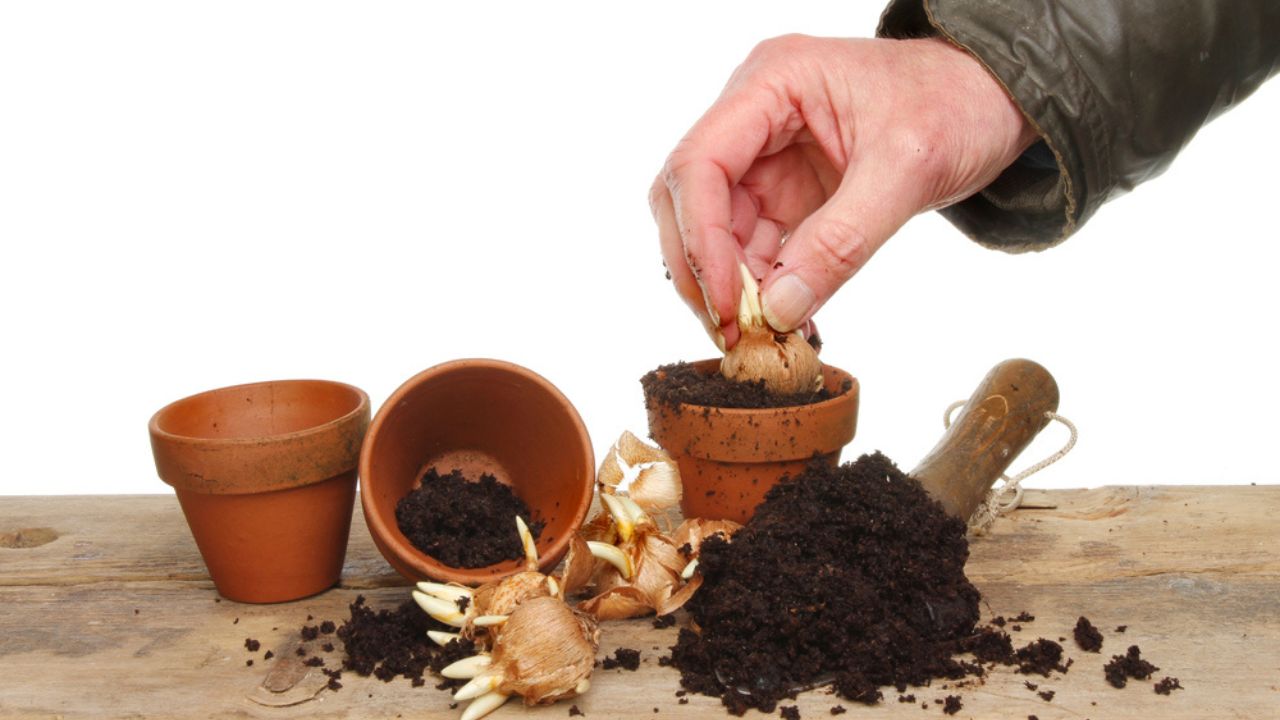
Planting lily bulbs in pots during late winter or early spring is a fantastic way to use your greenhouse space. It gives them a protected start, leading to stronger stems and more impressive flowers.
Pot-started lilies can be moved onto the patio for a stunning display or transplanted into the garden once they are actively growing. This method also helps protect the tender new shoots from slugs and snails, which can decimate them in the garden. Plant the bulbs in deep pots with a well-draining compost mix.
Quick Guide:
- What: Plant lily bulbs in containers.
- Why: Produces stronger plants and protects new growth from pests.
- How: Use deep pots and well-draining soil, then move them outside as they grow.
12. Build a Cold Frame Inside Your Greenhouse
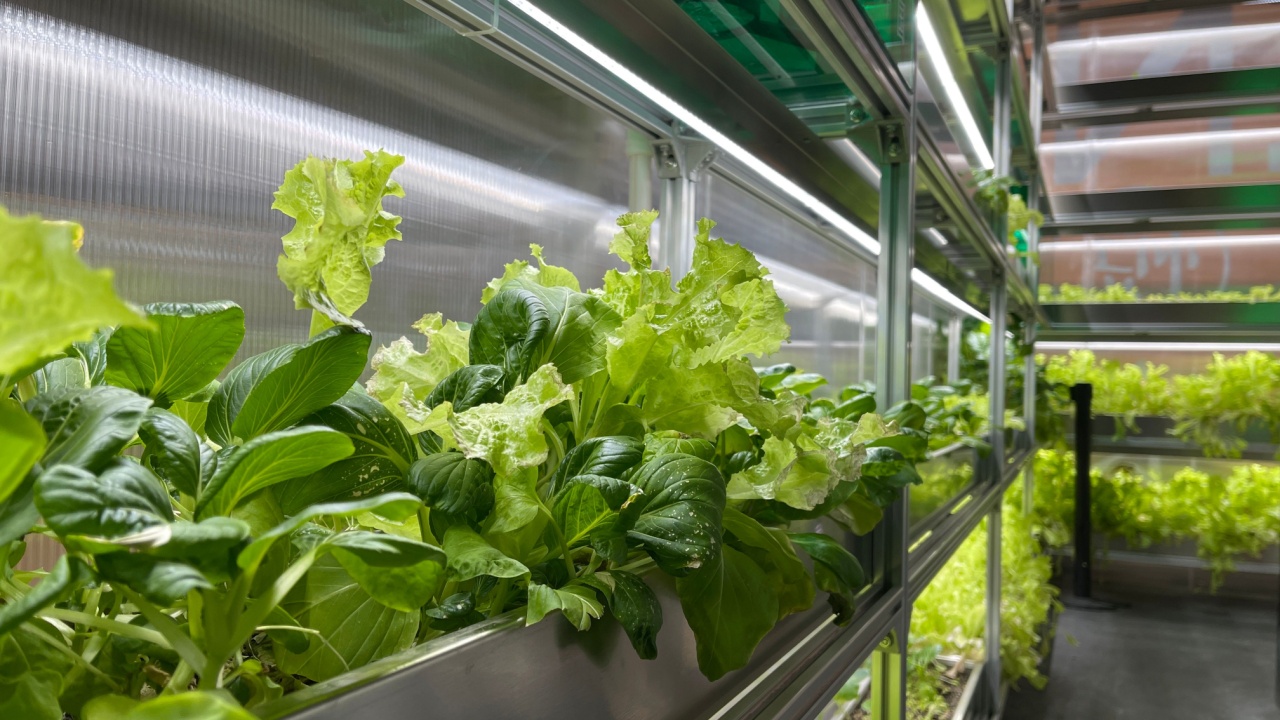
A cold frame within your greenhouse creates a microclimate, ideal for ultra-sensitive seedlings or extending the harvest of late crops. It’s essentially a greenhouse within a greenhouse, offering double insulation and protection from temperature swings.
This setup is especially useful for gardeners in colder zones or those growing crops that need extra warmth and shelter. You can use it to harden off young plants, overwinter borderline-hardy greens, or start early sowings of carrots, spinach, and radishes. Construct it from reclaimed windows or polycarbonate panels and place it in the sunniest corner of your greenhouse.
Quick Guide:
- What: Build a cold frame inside your greenhouse for added insulation.
- Why: Creates a microclimate for sensitive crops and extends growing options in deep winter.
- How: Use reclaimed materials or panels to build a box with a hinged lid; position in full sun.
Making it Happen
Your greenhouse is a tool, so don’t let it sit empty this winter. Take a look at your garden and decide on your goals. Want more flowers next year? Focus on propagating cuttings and overwintering tubers. This will keep your gardening skills sharp during the off-season and set you up for your most successful spring yet.