

When the days get shorter and colder, it’s easy to feel disconnected from the outdoors. You spend more time curled up inside, missing the vibrant green of summer. But just because your garden is slumbering under a blanket of frost doesn’t mean your home can’t have a touch of nature’s calm.
Bringing natural elements indoors has many benefits. Interacting with nature, even indoors, can reduce stress and increase feelings of well-being. This guide offers twelve simple yet elegant ways to incorporate the beauty of the outdoors into your home this winter, proving you don’t need a green thumb to cultivate a nature-inspired space.
Where We Got This Data
All care tips, benefits, and recommendations in this article are based on verified information from expert-backed sources, including university extension programs, peer-reviewed studies, botanical and interior design guides, and reputable lifestyle publications. We’ve prioritized practical advice supported by horticultural research, aromatherapy findings, and sustainable design principles to ensure accuracy and relevance for winter home living.
1. Add Air-Purifying Succulents
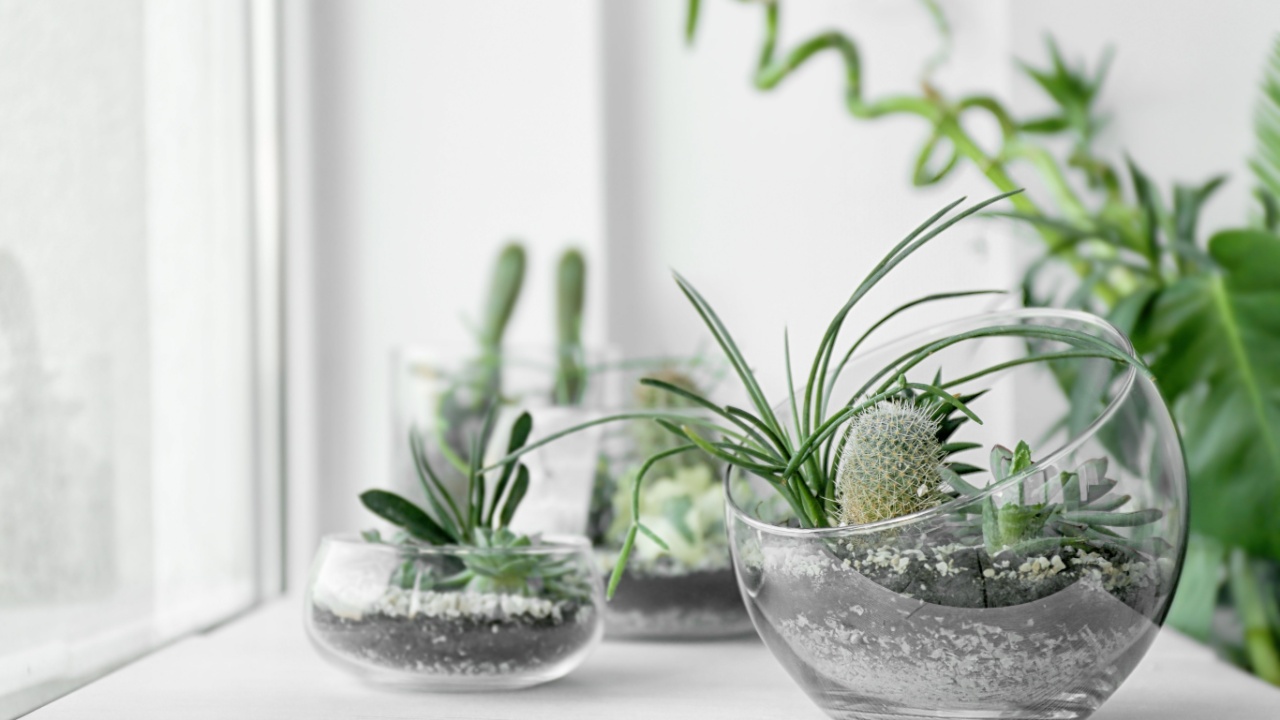
Image Credit: Shutterstock.
If you’re new to houseplants, succulents are a great place to start. They’re super forgiving. These hardy plants store water in their leaves, so they don’t mind if you forget to water them. Plus, many succulents like Snake Plants and Aloe Vera can purify the air in your home. Their unique shapes add a modern, sculptural touch to any room. Try placing one on a sunny windowsill or a bookshelf.
- Why it’s a good option: Succulents are drought-tolerant and thrive on a bit of neglect, making them perfect for busy or forgetful owners. They also improve indoor air quality.
- Care tips: Place them in a spot with plenty of bright, indirect sunlight. Water thoroughly, but only when the soil has completely dried out, once every 2-4 weeks in winter. Avoid overwatering, as this can lead to root rot.
- Next steps: Start with a few easy-to-care-for varieties like Echeveria, Haworthia, or Gasteria. You can find them at any local garden center.
2. Create Dried Flower Arrangements
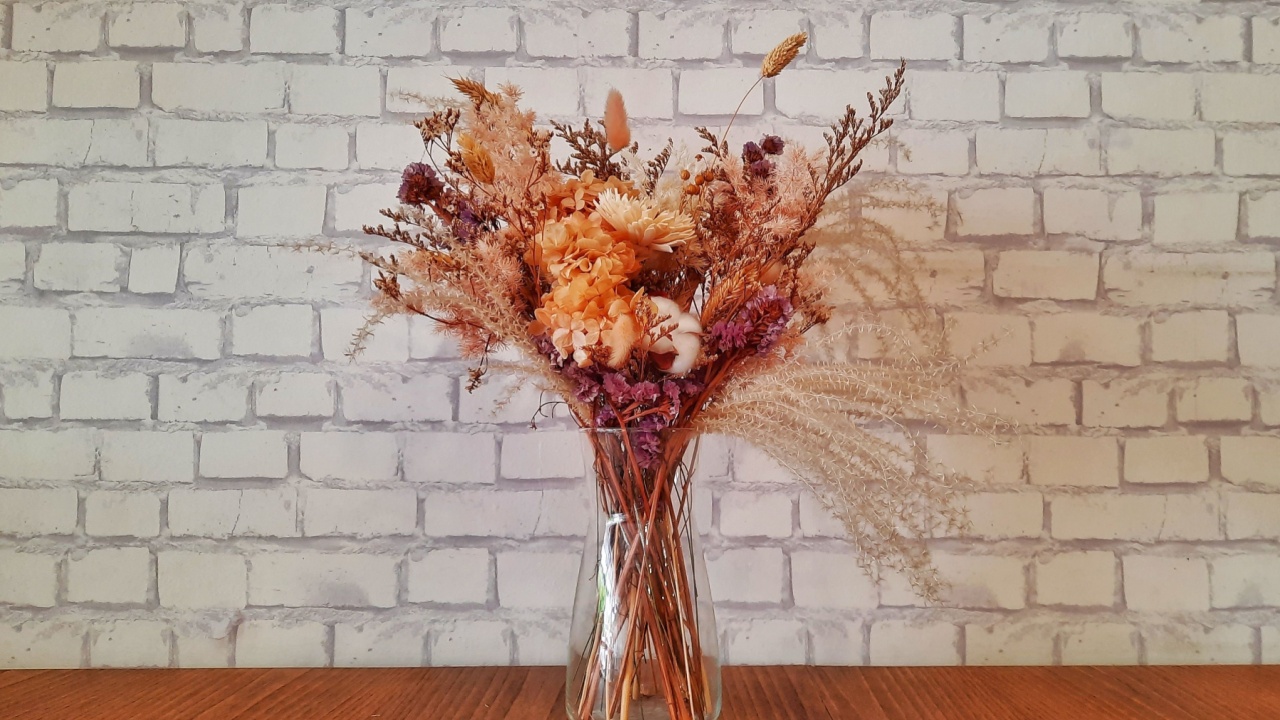
Image Credit: Shutterstock.
Unlike fresh bouquets that quickly wilt, dried arrangements offer lasting natural charm for months, even years. From fluffy pampas grass and subtle dried lavender to rustic eucalyptus, create stunning, zero-upkeep displays. Dried florals bring soft tones and intriguing textures to your decor, adding a romantic, nostalgic feel.
- Why it’s a good option: This is a zero-maintenance way to enjoy florals. They require no water or sunlight and won’t drop petals, making them a clean and long-lasting decor choice.
- Care tips: To preserve their color, keep dried arrangements out of direct sunlight and away from humidity. A light dusting with a hairdryer on a cool, low setting can keep them looking fresh.
- Next steps: You can purchase pre-made arrangements or try drying flowers from your own garden. Tie a bunch together and hang them upside down in a dark, dry, well-ventilated area for a few weeks.
3. Decorate with Botanical Wall Prints
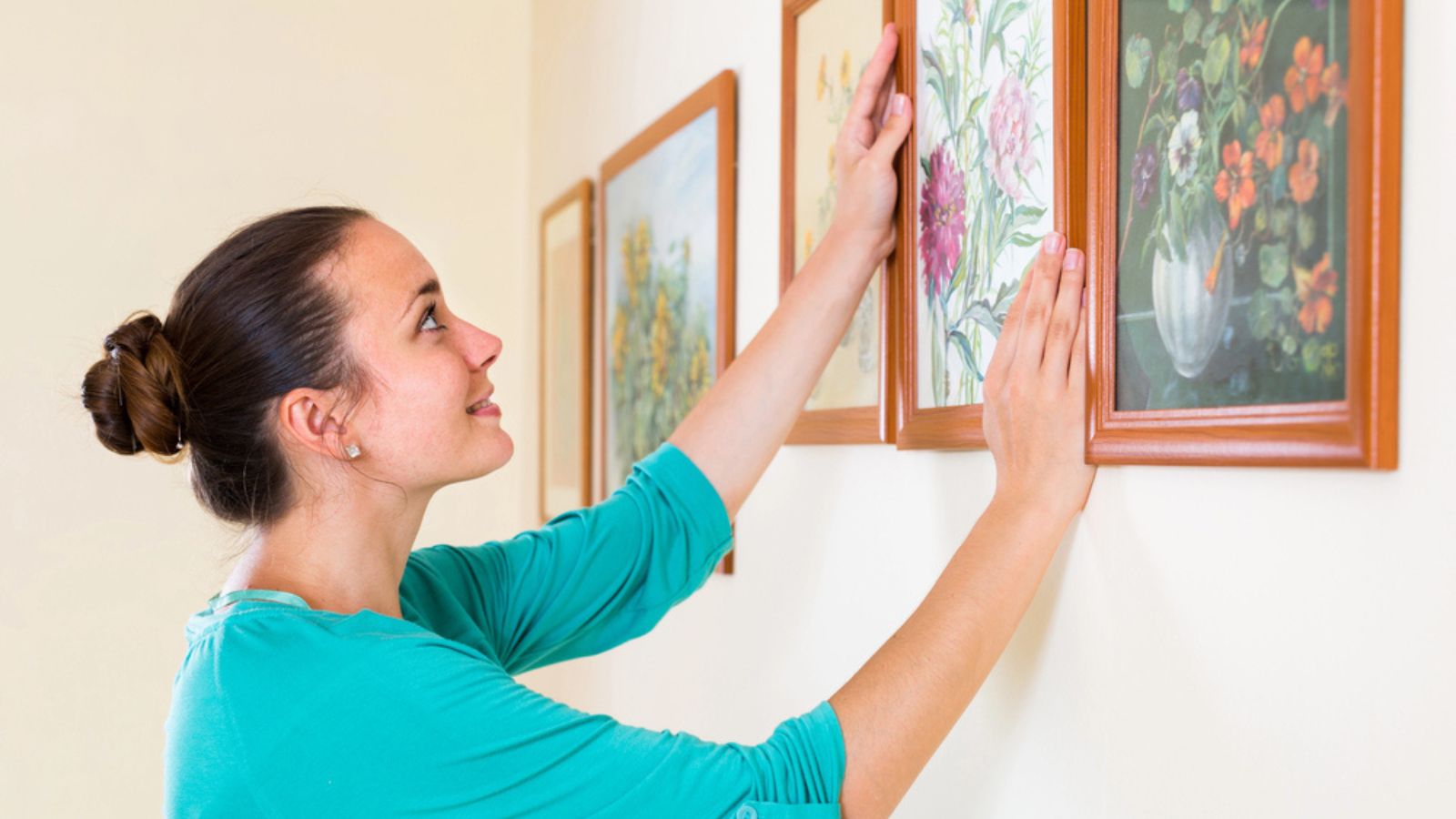
Image credit: Depositphotos.com.
If you love the look of plants but aren’t ready for the commitment, botanical prints are a perfect solution. Vintage-style illustrations of ferns, flowers, and foliage bring a sophisticated touch to your walls.
They allow you to enjoy the beauty of the plant world with no watering or sunlight required. Grouping several prints can create a powerful gallery wall, turning a blank space into a lush, visual garden..
- Why it’s a good option: Botanical prints offer the aesthetic of greenery with absolutely no maintenance. They are a timeless decor choice that fits with various interior styles.
- Care tips: To protect your prints, frame them under UV-protective glass, especially if they are hung in a room that gets a lot of natural light.
- Next steps: Search for high-resolution public domain botanical illustrations online that you can print yourself, or browse online art stores for curated sets of prints.
4. Use Natural Fiber Rugs
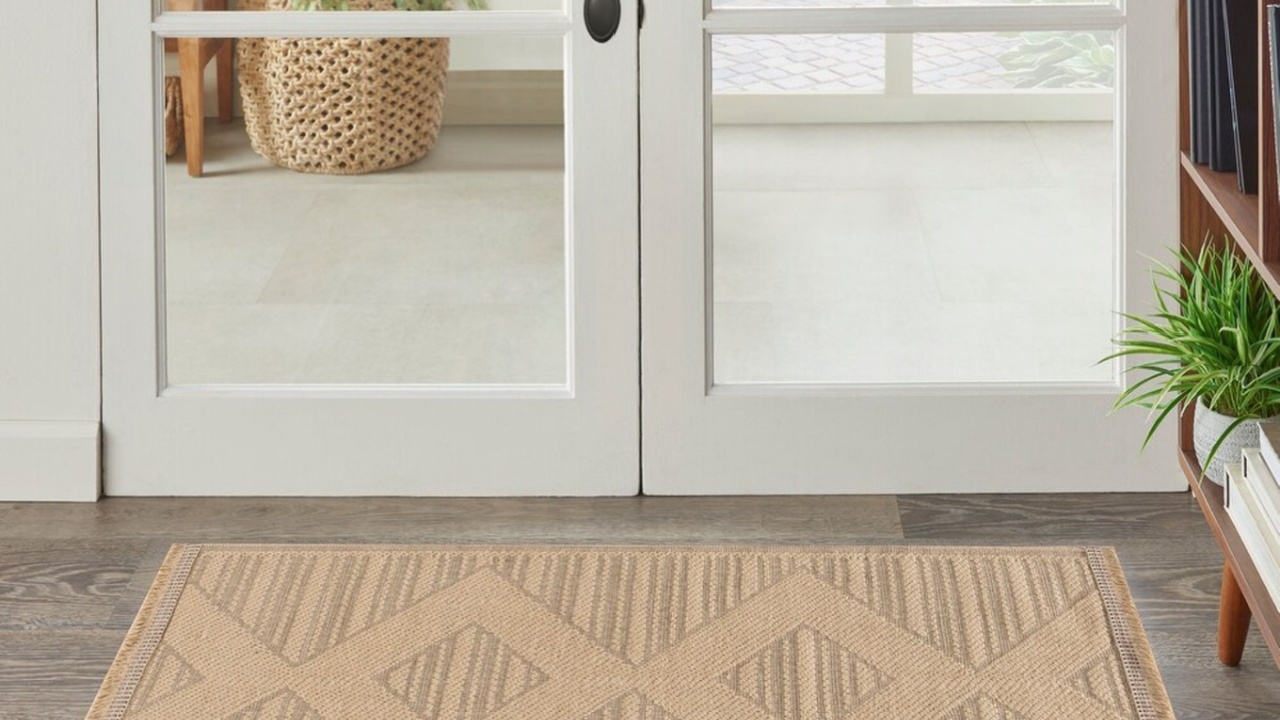
Image Credit: Shutterstock.
Use natural fiber rugs to add an earthy feel to your space. Materials like jute, sisal, and seagrass bring an organic, textured element to your floors. Their warm, neutral tones work well with almost any decor. Walking on a jute or sisal rug connects you to the natural world..
- Why it’s a good option: These rugs are durable, often eco-friendly, and add incredible texture and warmth to a room, making it feel more inviting during the cold winter months.
- Care tips: Regular vacuuming is the best way to keep natural fiber rugs clean. For spills, blot the area immediately with a clean, dry cloth. Avoid using water, as it can stain the fibers.
- Next steps: Consider the foot traffic of the room when choosing a material. Jute is softer and best for bedrooms, while the more durable sisal is a great choice for living rooms and hallways.
5. Incorporate Driftwood and Wood Slices

Image Credit: Shutterstock.
Incorporate the quiet beauty of the forest and shore into your home with natural wood accents. A piece of driftwood on the mantel or a stack of wood slices as a centerpiece can add rustic charm and texture.
Each piece of wood tells its own story through its unique grain and shape. You can also use them as serving platters, coasters, or candle bases to create an earthy focal point in any room.
- Why it’s a good option: Wood is a completely maintenance-free decorative element that adds warmth and a connection to nature. Each piece is one-of-a-kind.
- Care tips: Keep wood accents dry and away from direct heat sources to prevent cracking. An occasional wipe with a dry cloth is all that’s needed to keep them clean.
- Next steps: Look for interesting branches or driftwood on your next nature walk (where permitted). Alternatively, craft stores sell pre-cut and treated wood slices perfect for home projects.
6. Display Seashells and Stones

Image Credit: Shutterstock.
Collected beach or riverbed treasures become beautiful indoor decor. A clear vase of seashells or a bowl of smooth river stones brings calming, coastal energy, reminding us of peaceful outdoor moments. Arrange them in a shadow box or place a beautiful stone on books for a personal, serene touch.
- Why it’s a good option: This is a free, personal, and zero-maintenance way to connect your home to cherished memories of outdoor adventures.
- Care tips: Rinse shells and stones thoroughly before displaying them indoors. A simple dusting is all that’s required for upkeep.
- Next steps: Get creative with your display. Use a large conch shell as a standalone statement piece, or fill a glass lamp base with smaller shells for a unique lighting feature.
7. Use an Essential Oil Diffuser
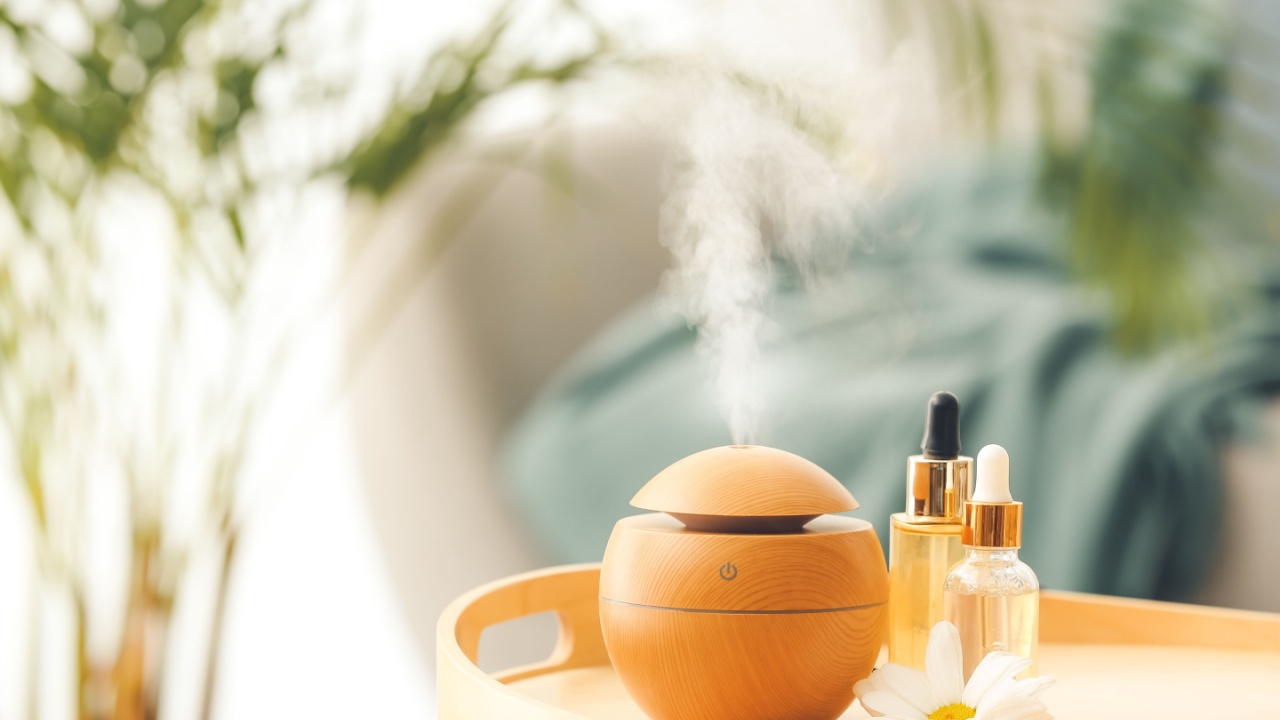
Image Credit: Shutterstock.
Bring the outdoors in with an essential oil diffuser. Fill your home with scents like fresh pine, calming lavender, or invigorating eucalyptus. This powerful method sets a mood, connecting you to nature even when indoors. Many diffusers are also designed beautifully, often with wood or ceramic finishes that complement a natural aesthetic.
- Why it’s a good option: Scent has a profound impact on our mood. Using nature-inspired scents can help reduce stress and make your home feel like a refreshing sanctuary.
- Care tips: Clean your diffuser regularly according to the manufacturer’s instructions to prevent mold and ensure it runs efficiently. Use high-quality, pure essential oils for the best results.
- Next steps: Experiment with different oil blends to find your favorite natural scents. Try pine, fir, or cedar for a woodsy feel, or lemon and bergamot for a fresh, bright aroma.
8. Fill Bowls with Pinecones

Image Credit: Shutterstock.
For a simple, rustic touch, a bowl of pinecones is perfect. This classic winter decoration is easy to arrange, instantly adding woodland charm to any surface. Their intricate patterns showcase nature’s artistry. Leave them natural or add a festive touch with a light dusting of white paint to mimic snow.
- Why it’s a good option: Pinecones are free, long-lasting, and bring a wonderful textural element indoors.
- Care tips: If you collect pinecones from outside, it’s a good idea to bake them on a foil-lined tray at 200°F (93°C) for about 30 minutes to get rid of any lingering pests or sap.
- Next steps: Arrange your pinecones in a wooden or ceramic bowl. You can mix in other natural elements like acorns, dried oranges, or cinnamon sticks for a more complex and fragrant display.
9. Hang Preserved Moss Wall Art

Image Credit: Shutterstock.
For a dramatic statement, consider preserved moss art. This real, sustainably harvested moss is treated to permanently keep its lush green color and soft texture. Requiring no water, sunlight, or trimming, it’s the ultimate maintenance-free “living wall.” A framed piece brings the vibrant, verdant feel of a forest floor indoors, creating a stunning, serene focal point.
- Why it’s a good option: It provides the high-impact look of a vertical garden with absolutely zero maintenance. It’s a long-lasting piece of natural art.
- Care tips: Keep it out of direct sunlight to prevent fading and avoid high-humidity areas. That’s it!
- Next steps: You can buy pre-made moss art online or from specialty floral designers. For a DIY project, purchase preserved moss and a shadow box frame to create your own custom design.
10. Maximize Natural Light

Image Credit: Depositphotos.com.
One of the most effective ways to feel connected to nature during winter is to maximize the amount of natural daylight that enters your home. Sunlight is a natural mood-booster and helps regulate our internal clocks.
Heavy drapes can make a room feel dark and cave-like, so consider swapping them for sheer curtains that let light filter through while still providing privacy. Strategically placing mirrors opposite windows can also work wonders, bouncing light around the room and making the space feel brighter and more open.
- Why it’s a good option: It’s a free and simple change that can have a huge impact on your mood and well-being during the darker winter months.
- Care tips: Keep your windows clean, inside and out, to let in the maximum amount of light. Trim any tree branches outside that may be blocking sunlight.
- Next steps: Assess each room and identify ways to enhance natural light. This might mean rearranging furniture to unblock a window or adding a large mirror to a darker wall.
11. Choose Nature-Inspired Textiles
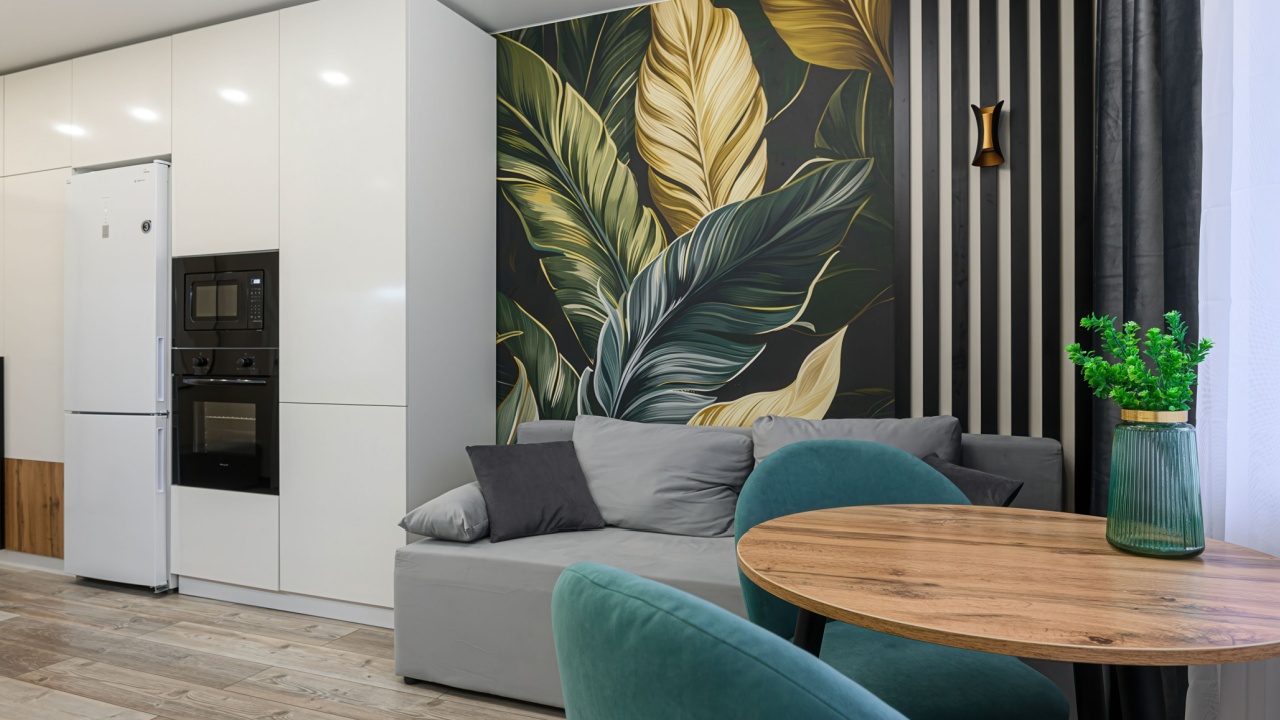
Image Credit: Shutterstock.
Wrap yourself in nature by incorporating textiles with botanical or landscape patterns. Throw pillows with fern prints, a duvet cover featuring a forest scene, or a blanket with a subtle leaf motif can bring the essence of the outdoors to your soft furnishings.
These items add color, pattern, and texture, making your space feel cozier and more connected to the natural world.
- Why it’s a good option: Textiles are an easy and often inexpensive way to change the feel of a room seasonally. They add a layer of comfort and visual interest.
- Care tips: Follow the washing instructions on the label to keep your textiles looking their best.
- Next steps: Look for fabrics made from natural materials like cotton, linen, or wool to further enhance the organic feel of your decor.
12. Try High-Quality Faux Plants
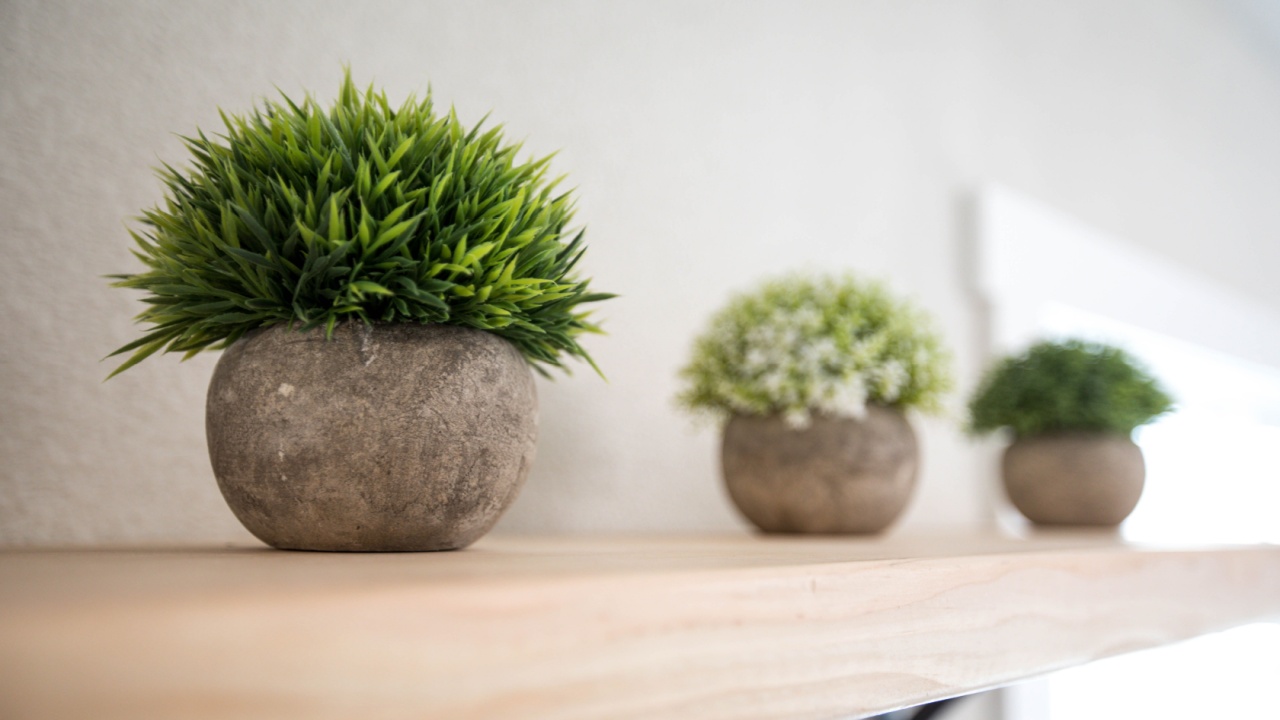
Image Credit: Shutterstock.
If you lack a green thumb or have a room with no natural light, high-quality faux plants are a surprisingly chic and realistic option.
Unlike the plastic-looking fakes of the past, today’s artificial plants feature detailed leaves, natural color variations, and even textured soil. A tall faux fiddle leaf fig or olive tree can bring life and greenery to a dark corner where a real plant couldn’t survive.
- Why it’s a good option: It offers the visual appeal of a large, lush plant with zero maintenance, making it a perfect solution for low-light spaces or for people who travel frequently.
- Care tips: Dust the leaves with a soft cloth or a feather duster every few weeks to keep them looking vibrant and realistic.
- Next steps: Invest in a high-quality faux plant for the most realistic look. Place it in a stylish ceramic or terracotta pot to complete the illusion.
Bring Nature Indoors This Winter

Image Credit: Shutterstock.
Bringing nature indoors is a wonderful way to make your home a more peaceful and restorative place. As you prepare for winter, consider which of these ideas resonates most with you.
You might start small with a bowl of pinecones or go big with a statement piece of moss art. For more inspiration on creating beautiful living spaces inside and out, explore our other articles on home and garden design.