5 Vintage Decor Trends We’re Stealing From Grandma
Nostalgia acts as a powerful current in the world of interior design. Just when sleek lines and gray palettes seemed destined to rule forever, the pendulum swung back toward comfort, history, and intricate details.
The styles that defined childhood visits to family members are finding fresh life in modern homes. This resurgence goes beyond simply copying the past. It involves blending those classic, comforting elements with contemporary living to create spaces with soul.
Read on to discover which vintage design choices are ready for a revival in your own space.
1. Traditional Curtains and Hardware
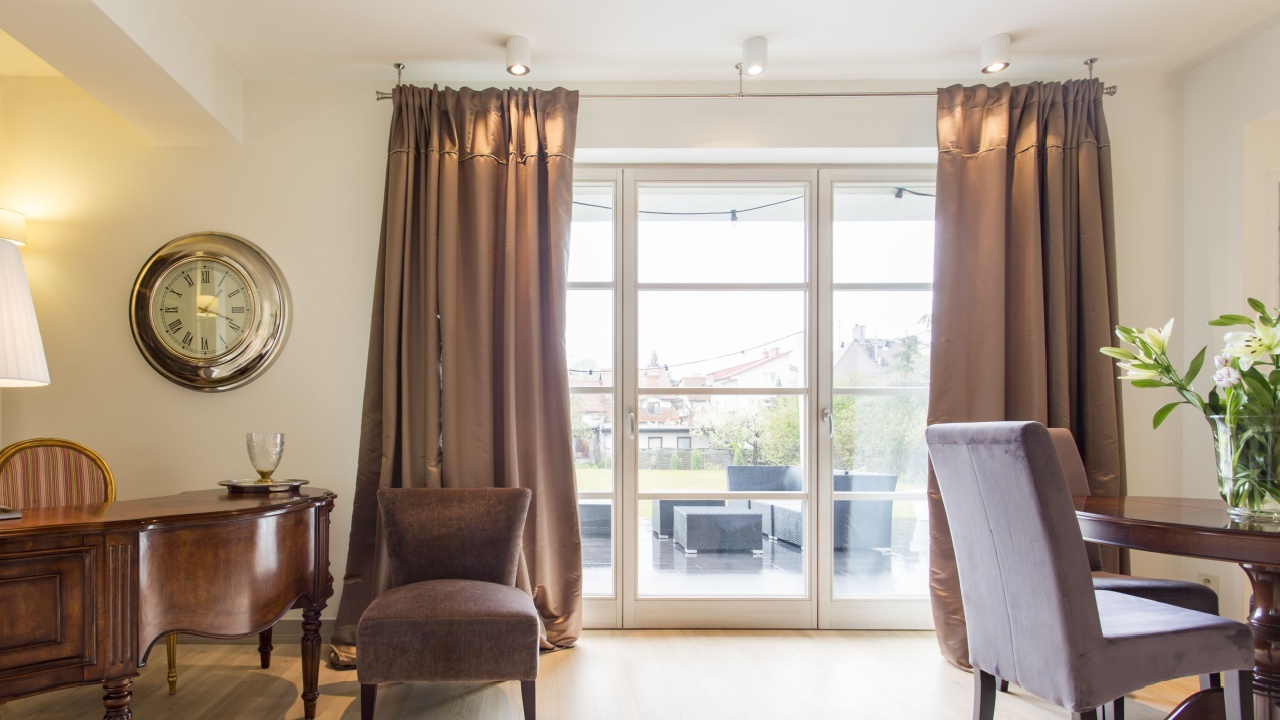
Window treatments often fade into the background in modern design. Homeowners frequently choose invisible tracks or plain blinds to keep the focus elsewhere. However, there is a shift happening toward window dressing that demands attention. Designers are moving back to traditional rods with ornamental finials. This look embraces the hardware as a piece of jewelry for the room rather than just a functional necessity.
The fabric choices are evolving as well. Floral chintz, toile, and lace are appearing in stylish homes once again. These materials add softness and texture that rigid blinds cannot replicate. It creates a finished, polished look that frames the view outside.
2. Wallpaper Borders
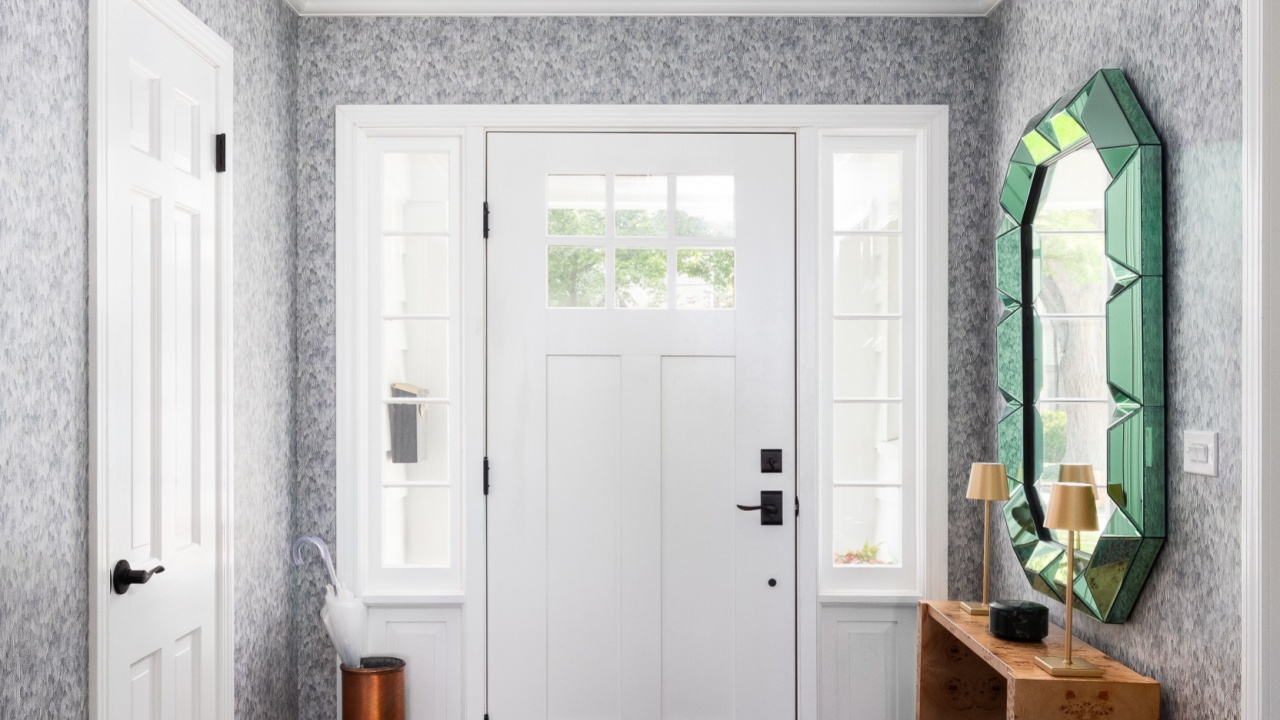
Every home in the 1980s and 1990s seemed to feature a wallpaper border in at least one room. It was a standard way to introduce a pattern without the labor of papering an entire wall. For a long time, this look felt stuck in the past. Now, designers are reclaiming the border as a tool for adding whimsy and architectural interest.
A wallpaper border breaks up large expanses of paint and draws the eye upward or around the room. It offers a low-stakes way to experiment with color and print. The modern application tends to be more intentional, placing borders along the ceiling line, above baseboards, or even framing doorways to create a unique focal point.
3. Scalloped and Embroidered Details

Frills and intricate stitching were once staples of a well-appointed home. The current revival of these details leans into a soft, romantic aesthetic that many call “grandmillennial.” Scalloped edges on pillows, lampshades, and furniture add a playful, organic shape to rooms full of straight lines.
Embroidery brings a sense of craftsmanship and tactile luxury. Small stitched details on table linens or bedding suggest a slower pace of life and an appreciation for handmade items. These touches soften modern furniture and make spaces feel welcoming. It creates a look that is sophisticated yet entirely approachable.
4. Rich Wood Furniture
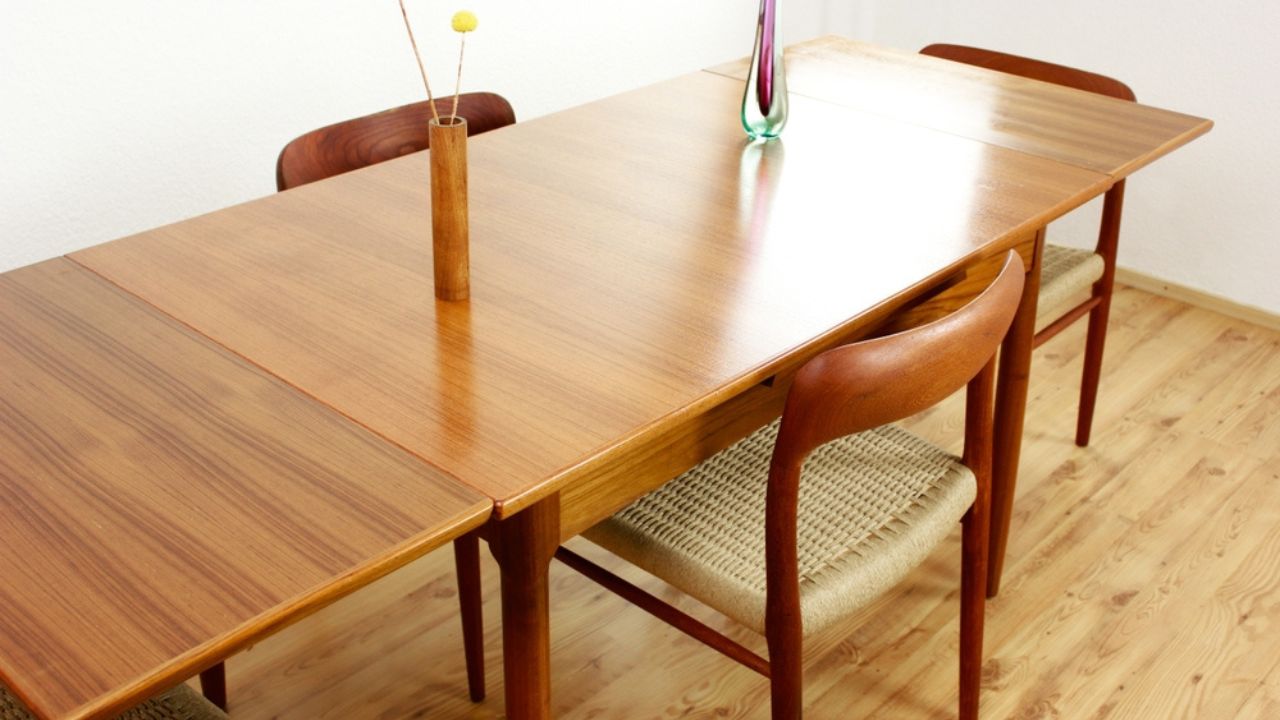
For years, the trend was to paint every piece of wood furniture white or replace it with fast-fashion particle board. Now, there is a renewed appreciation for “brown furniture.” Solid wood pieces in walnut, mahogany, or oak bring warmth and gravity to a room.
Older pieces of furniture often feature better construction and materials than their modern counterparts. A heavy wooden chest or a dark wood dining table anchors a space. It provides a natural element that grounds lighter colors and airy fabrics. The contrast between dark wood and light walls creates a timeless dynamic that feels established and permanent.
5. The Display Hutch
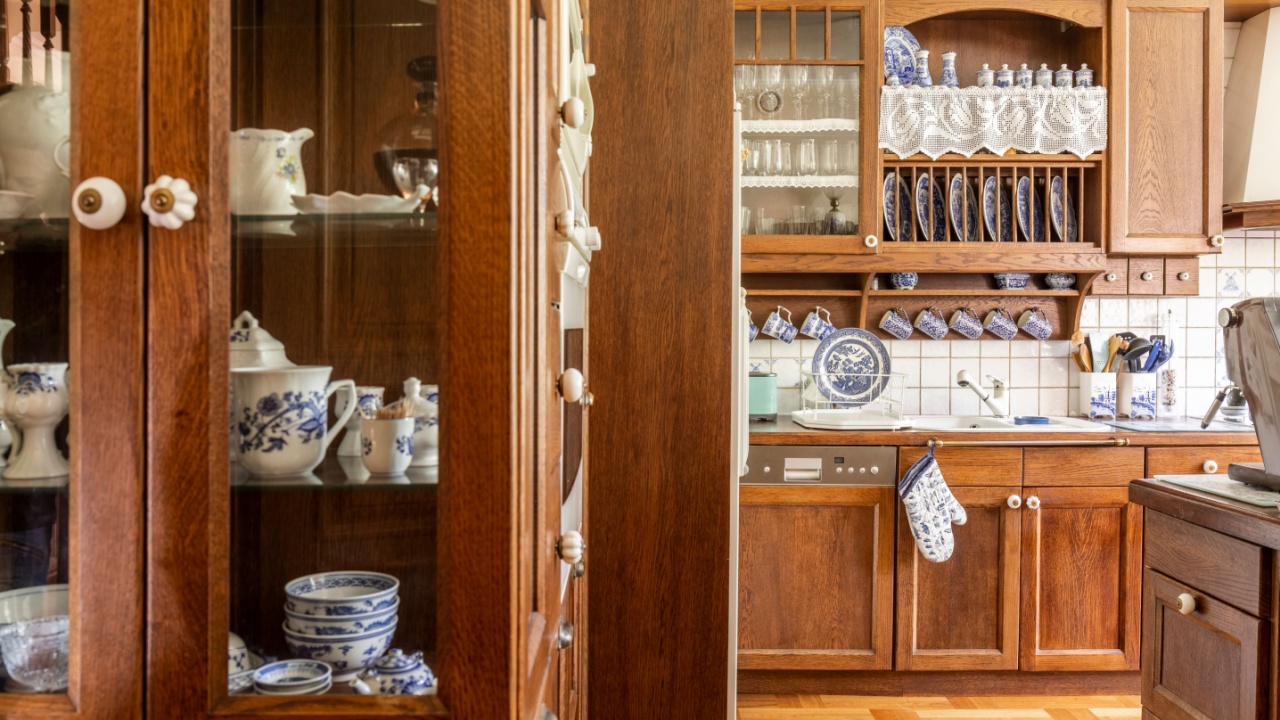
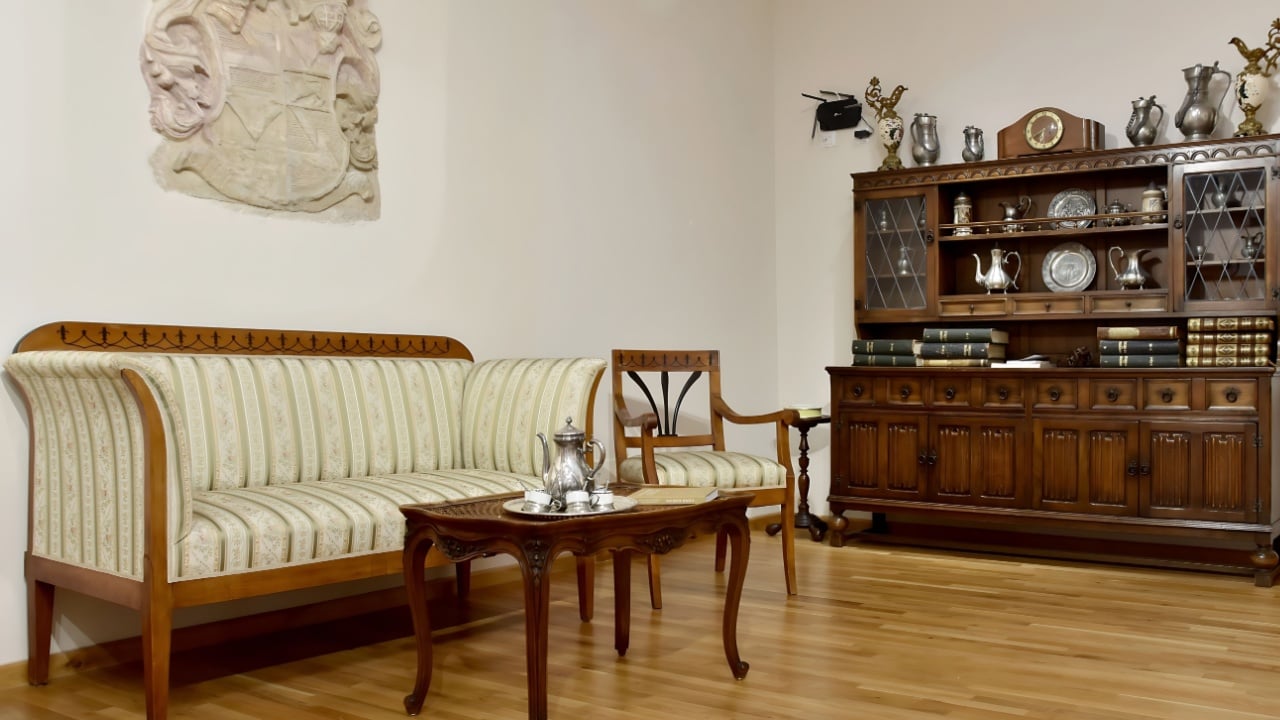
Minimalism taught people to hide everything behind closed cabinet doors. Grandma, however, knew the joy of a china cabinet or hutch. The trend of displaying collections is back. It allows homeowners to showcase cherished items, from vintage teacups to interesting glassware, rather than keeping them locked away.
This design choice adds personality and layers to a room. It turns everyday objects into decor. A glass-front cabinet protects items from dust while still allowing them to contribute to the visual story of the home. It encourages curation and appreciation of the objects you own.
Bring the Charm Home
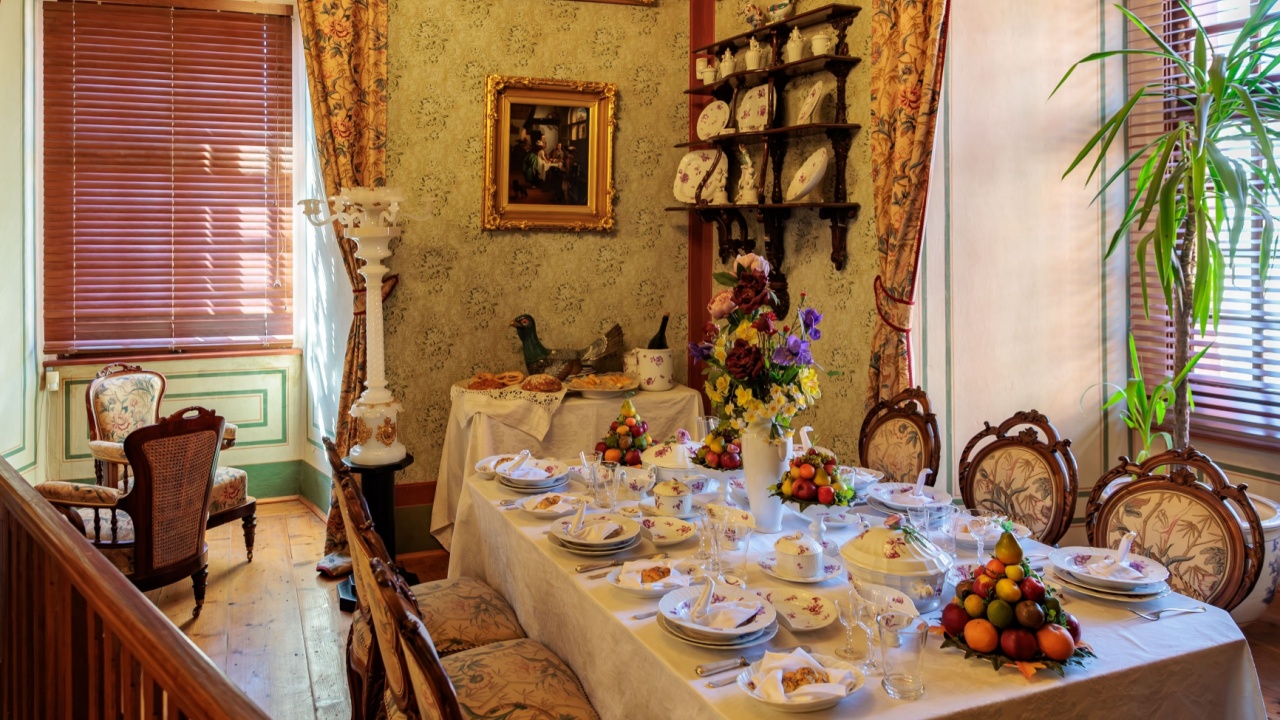
Embracing these retro styles allows for a home that feels curated and personal rather than mass-produced. It is a chance to honor the past while creating a space that feels uniquely yours.