Waiting for The Perfectly Ripe Tomato? 8 Vegetables You’re Probably Picking at the Wrong Time
That tomato you’ve been waiting on all summer? You should have picked it three days ago. And those green potatoes you dug up early? They might belong in the trash, not on your plate.
Most home gardeners assume that patience is always a virtue in the vegetable patch. Wait a little longer, let it grow a little bigger, and you’ll be rewarded with the best flavor. But the University of Georgia Cooperative Extension has documented exactly what happens when you wait too long: sugars convert to starches, fiber develops, texture turns woody, and the changes are permanent. No amount of cooking can undo what an extra 48 hours on the vine already ruined.
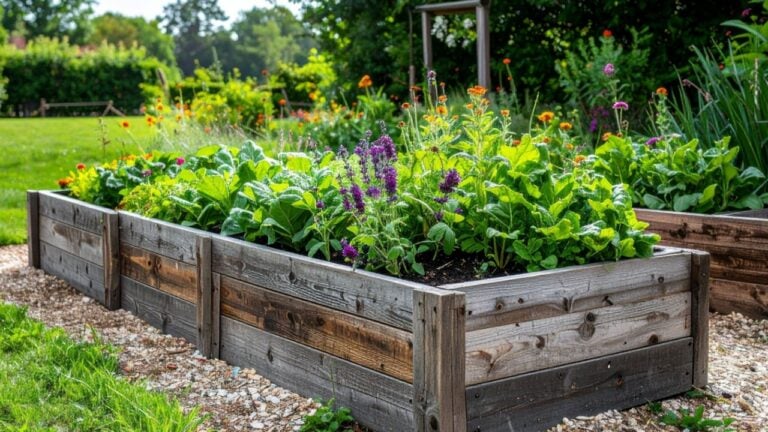
A well-tended backyard vegetable garden can produce up to $1,250 worth of groceries from a $50 investment, according to University of Missouri Extension. That is real money sitting in your raised beds right now in July. Every zucchini that turns into a baseball bat, every cucumber that goes bitter, and every tomato that splits in the rain is grocery savings rotting on the vine. For gardeners who have spent decades growing their own food, this is the mistake that quietly costs hundreds of dollars each season.
The good news is that harvest timing is the single highest-leverage skill in the garden, and once you learn the signs, you will never second-guess a ripe tomato again. These are the eight vegetables most gardeners get wrong, when to actually pick them, and the one crop that could genuinely make you feel ill if you get the timing wrong.
1. Tomatoes: Stop Waiting for Perfection
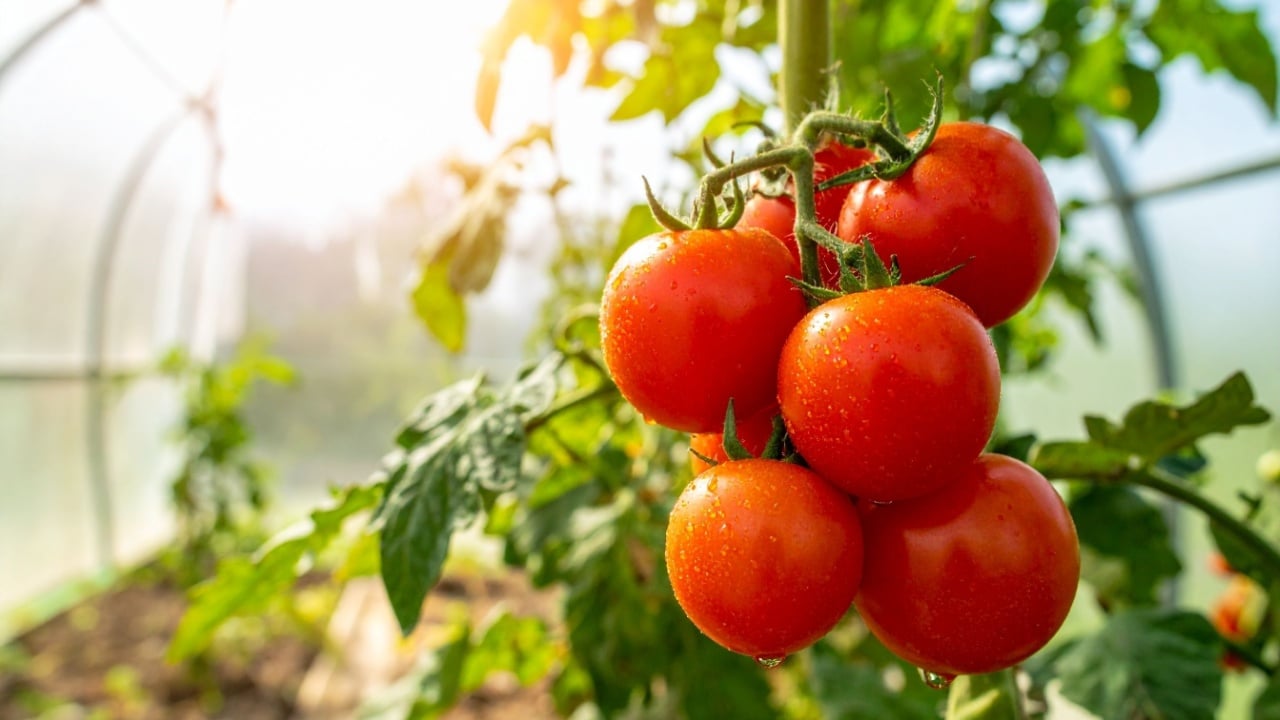
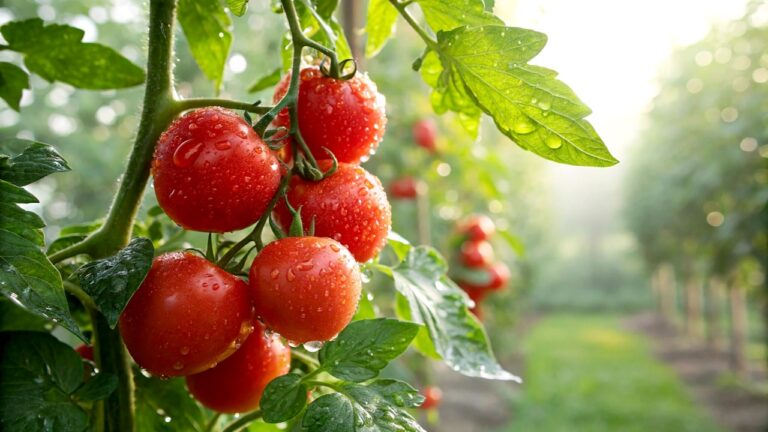
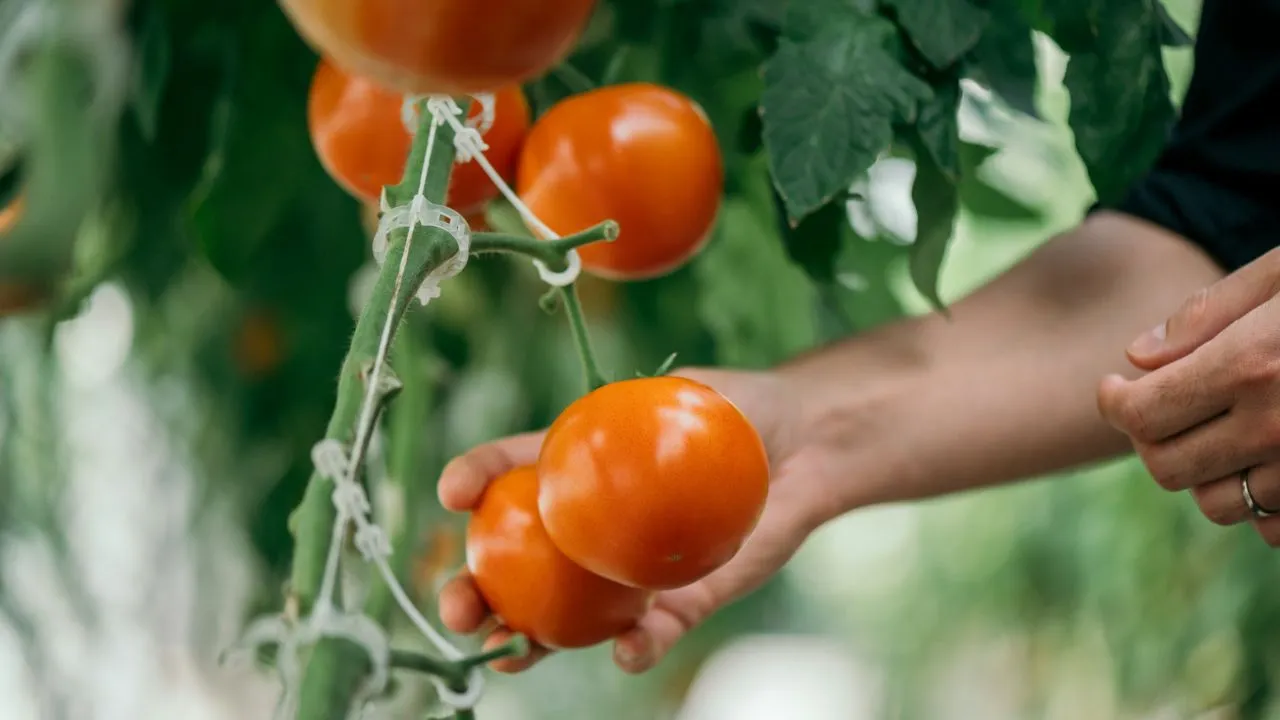
The biggest myth in backyard gardening is that a tomato must be vine-ripened to taste good. Professional growers and experienced gardeners know that picking tomatoes at the “breaker stage,” when the first blush of color appears on the blossom end, and letting them finish on a warm kitchen counter produces nearly identical flavor. “For large-fruited slicing tomatoes, I prefer to harvest when about 50 percent of the fruit has colored up,” writes Niki Jabbour in Horticulture Magazine. Fully ripe tomatoes left on the vine are a magnet for critters, and they crack and split after a single rainstorm. A single tomato plant can produce 10 to 30 pounds of fruit; at grocery prices, that is $30 to $90 you are protecting with every early pick.
2. Zucchini and Summer Squash: Smaller Is Better
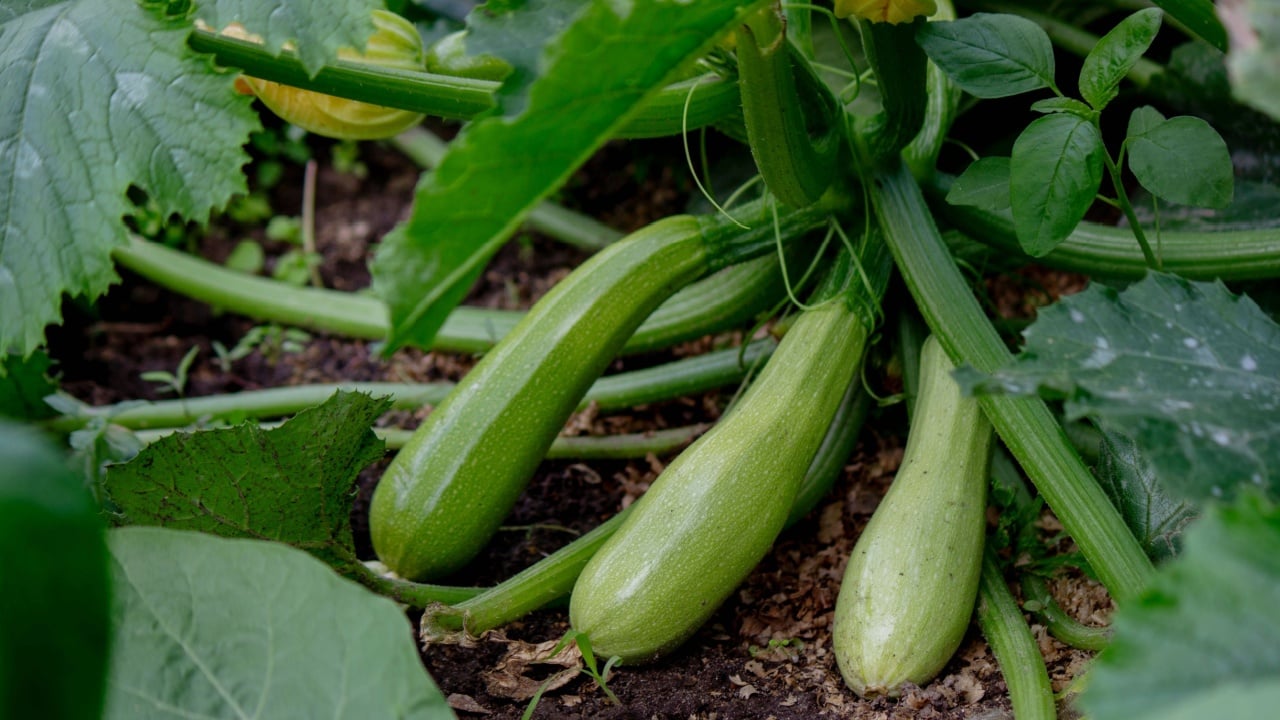
Summer squash is one of the few vegetables that must be harvested while still immature. According to Clemson University’s Home & Garden Information Center, the rind of a properly picked summer squash should be tender enough to penetrate with a thumbnail. Once the skin toughens, the flesh inside turns spongy, and the seeds become large and unpleasant. Zucchini grows so fast during July that a two-inch fruit can balloon to two feet in a matter of days. Check your plants every single morning.
3. Cucumbers: Bitterness Means You Waited Too Long
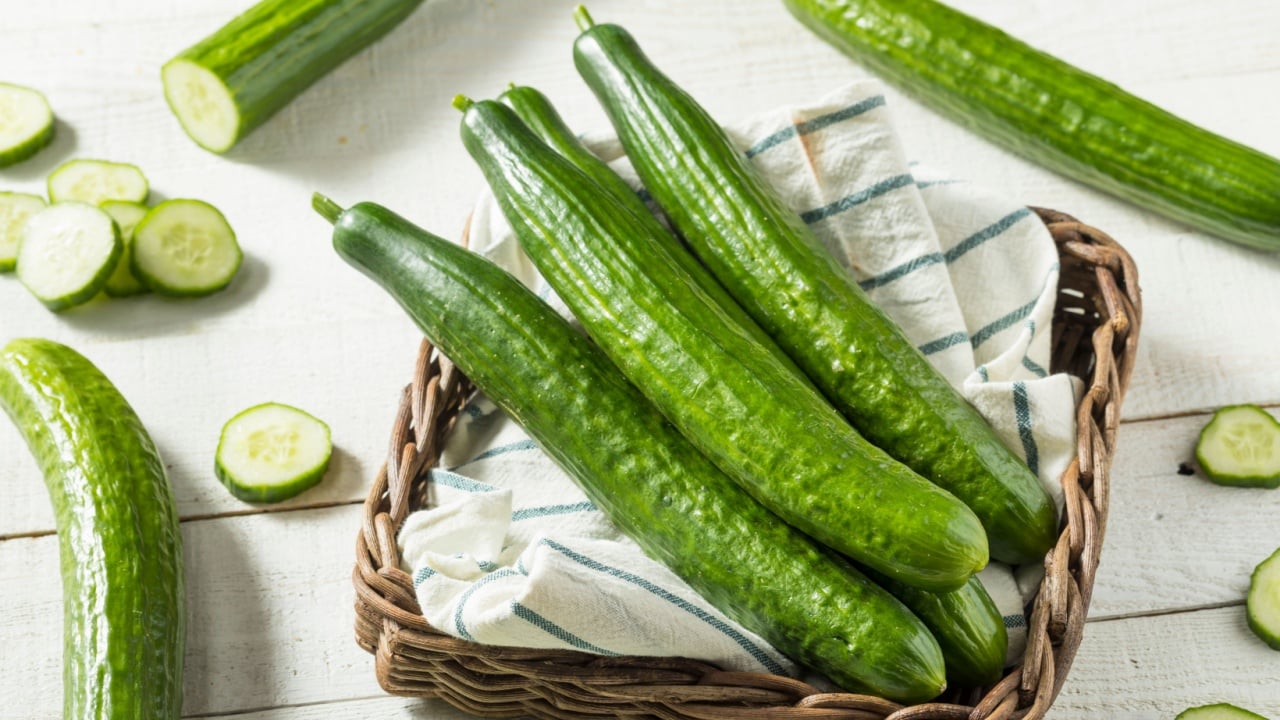
If your cucumbers taste bitter, you did not get a bad variety. You waited too long to pick them. The Old Farmer’s Almanac recommends harvesting slicing cucumbers at five to eight inches and pickling types at two to three inches, before the seeds harden and the skin begins to yellow. The bitterness compounds concentrate as the fruit matures past its peak, and no peeling or salting will fully remove them. Pick them a day early rather than a day late.
4. Green Beans: The 48-Hour Window You Keep Missing

Snap beans have a deceptively narrow harvest window. The pods should be full but not bulging; the University of Georgia’s harvest guide notes that seeds should be “just visible” inside turgid pods. Once the seeds swell visibly and the pods turn fibrous, the texture is ruined. More importantly, leaving old pods on the vine signals the plant to stop producing entirely. Pick every single day during peak season, and a ten-foot row of bush beans will keep producing for weeks instead of quitting after one flush.
5. Sweet Corn: You Have About One Day
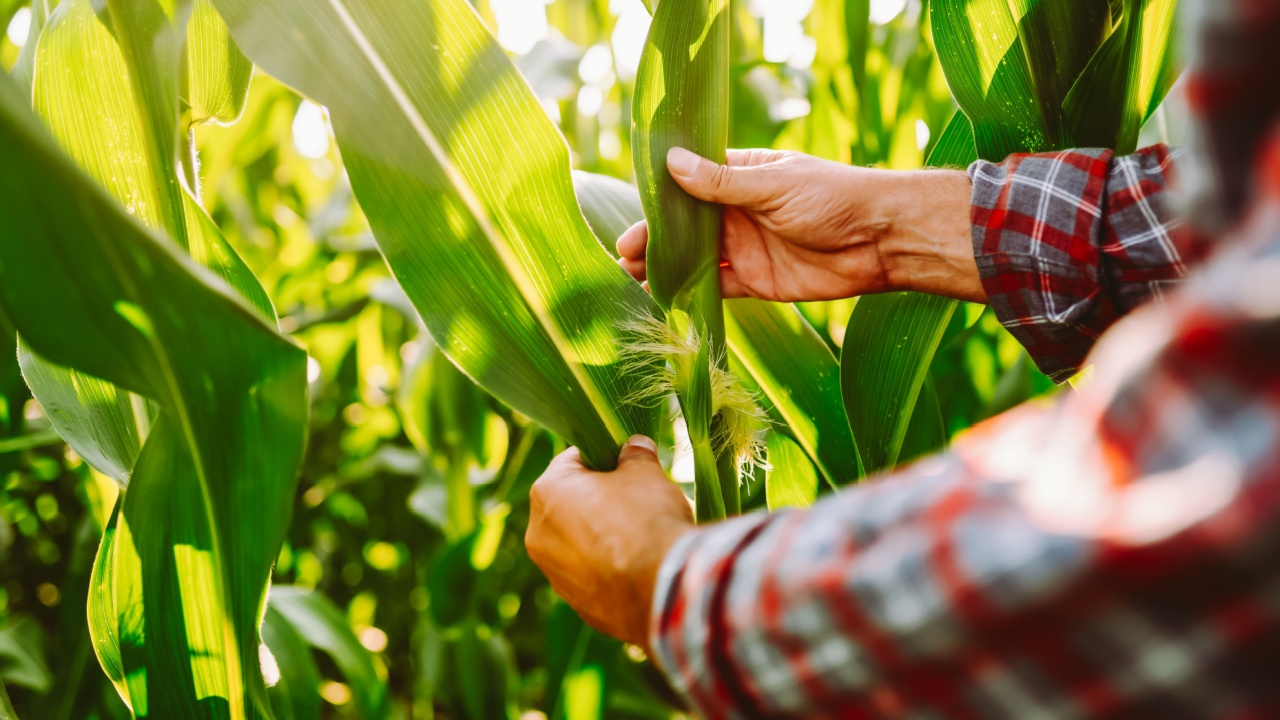
Sweet corn is the most unforgiving vegetable in the garden. The kernels should be plump with a milky sap when pierced with a fingernail, a stage that lasts roughly 24 hours before the sugars begin converting to starch. The UGA Extension confirms that corn loses quality faster than almost any other crop after harvest. Pick it, husk it, and eat it. If your grandmother ever told you to start the water boiling before you walk out to pick the corn, she was not exaggerating.
6. Potatoes: The One That Can Actually Make You Sick
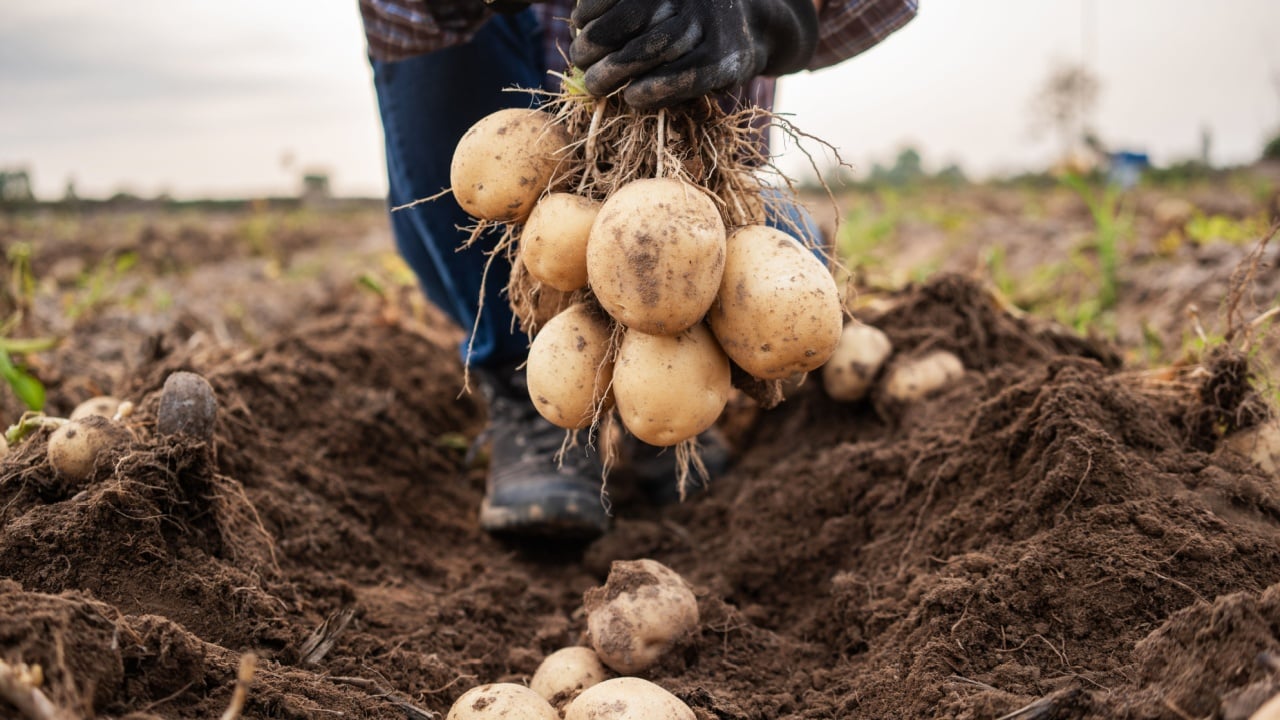
This is the vegetable that earns the safety warning. Green-skinned potatoes contain solanine, a naturally occurring glycoalkaloid that causes nausea, vomiting, cramping, and in severe cases neurological symptoms. Potatoes that are harvested too early, exposed to sunlight during or after harvest, or stored improperly develop that telltale green color along with dangerously elevated solanine levels. The National Institutes of Health have documented solanine toxicity from as little as 2 to 5 mg per kilogram of body weight. Wait until the foliage begins to die back before digging. Brush off excess soil, let them cure for 10 to 14 days in a cool, dark place, and discard any tuber with green patches or a bitter taste. This is not a flavor issue; it is a food safety one.
7. Eggplant: Glossy Means Go, Dull Means Done
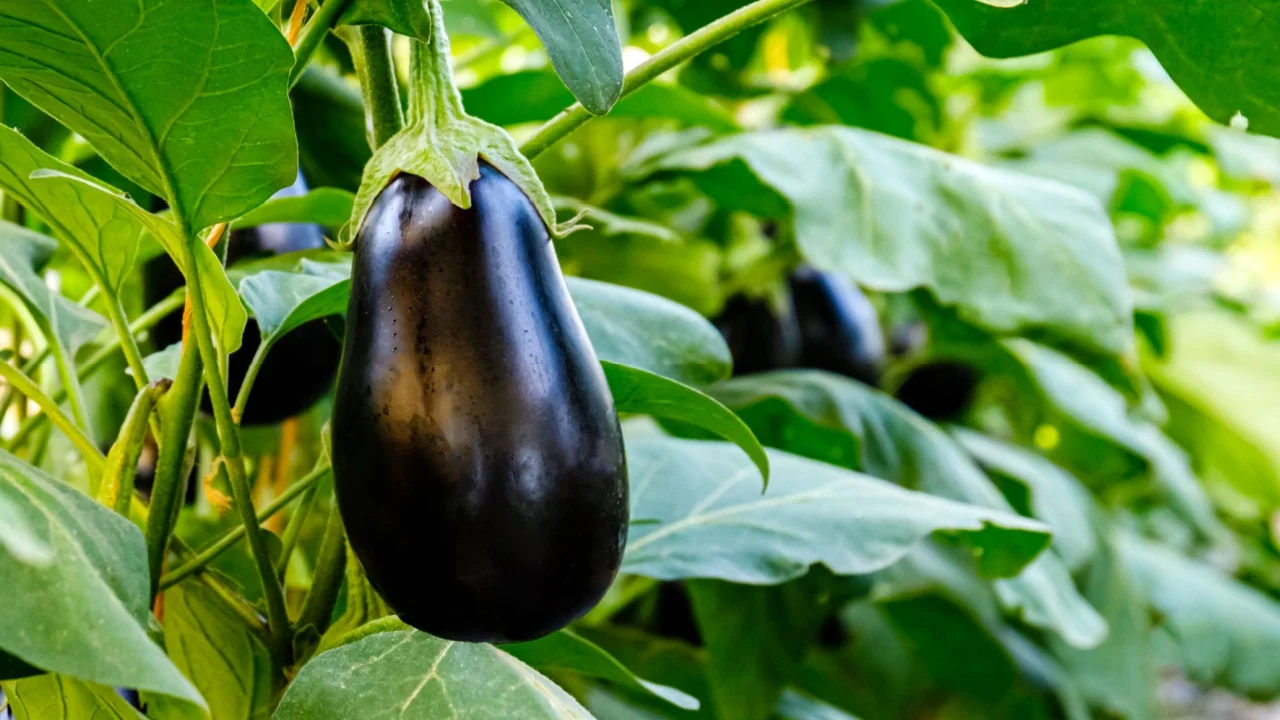
Eggplant is the vegetable that trips up experienced gardeners the most. The skin should be deeply colored, firm, and glossy; when you press the side gently, it should spring back. “If the skin turns dull, you’ve waited too long,” writes Niki Jabbour. Overripe eggplant develops brown seeds, spongy texture, and a bitter flavor that no amount of salting will fix. Use sharp garden shears to cut the fruit from the plant rather than pulling, which can damage both the fruit and the stem.
8. Broccoli: Once You See Yellow, It’s Over

Broccoli has one of the shortest harvest windows of any garden vegetable. The head should be tightly packed with bright green buds, typically six to eight inches across, according to Clemson Extension. The moment any of those buds begin to loosen or show a hint of yellow, the window has closed. The flavor turns bitter, the texture becomes grainy, and no cooking method will bring it back. Here is the insider trick that saves the season: after cutting the main head, leave the plant in the ground. Most varieties will produce a secondary flush of smaller side shoots that are just as tender and flavorful as the original.
A Little Attention Goes a Long Way
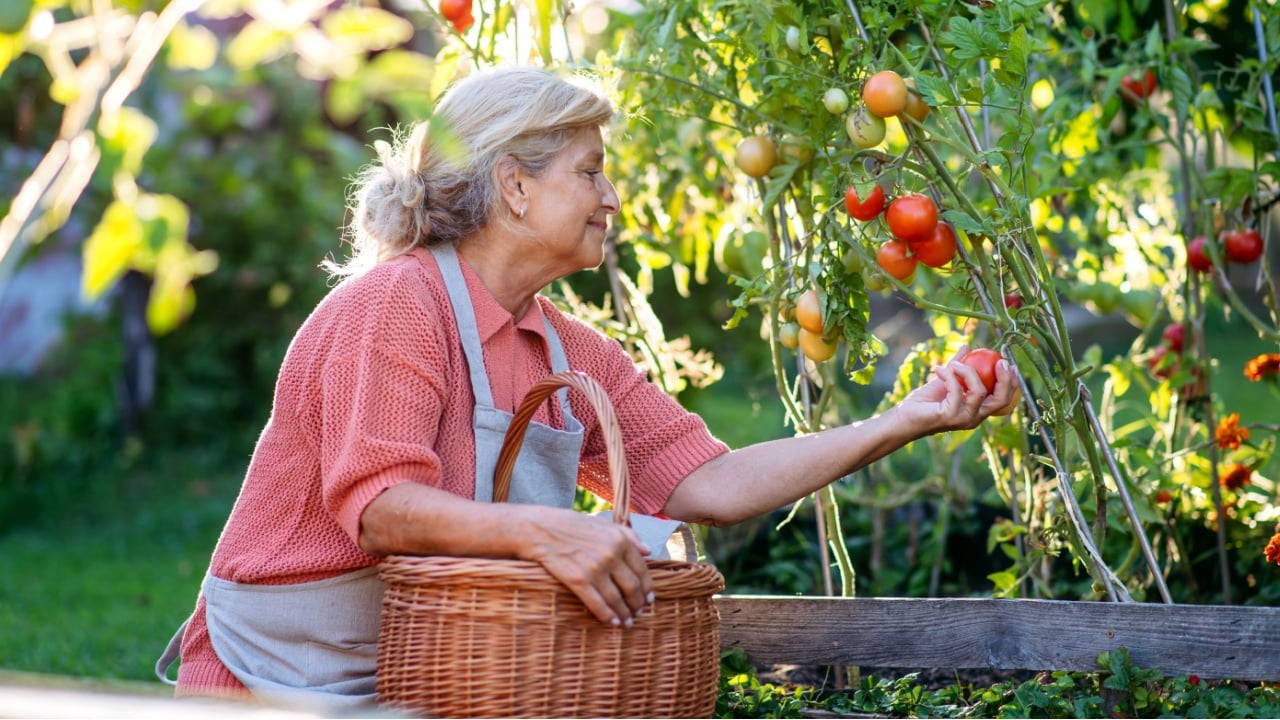
The single best habit you can adopt this July is checking your garden every morning before the day heats up. Harvest leafy greens, beans, cucumbers, and squash first thing, when the plants are hydrated and the sugar content is high. For tomatoes and peppers, pick them in the afternoon on a dry day for the sweetest flavor.
Keep your seed packets. They list the days to maturity, the expected size, and often a photo of what ripe looks like for that specific variety. If you have been gardening for years and never once consulted the packet after planting, you have been guessing at the most important decision of the growing season.
When in doubt, pick it a day early. A slightly underripe cucumber or zucchini still tastes good. An overripe one tastes like nothing you would ever buy at a farmers’ market, and it just told your plant to stop making more.
The difference between a garden that feeds your family $600 worth of fresh produce this summer and one that feeds the compost bin is not soil, sunlight, or seeds. It is five minutes of attention every morning during harvest season. The gardeners who grew up watching their parents and grandparents walk the rows each day with a basket in hand understood something that no seed catalog explains: the harvest is where all the value lives, and it waits for no one.
Read more:
7 perennial planting mistakes to stop making right now
How to Grow Zucchini Vertically: 7 Steps That Save Space and Double Your Harvest