17 Vegetables You Should Try Fermenting at Home (They Taste So Good)
Ready for your next project while waiting for warmer temps? Try the edible experiment that’s trendy these days: fermentation.
Bringing the magic of fermentation to your kitchen is a fantastic way to preserve your garden’s harvest, unlock new flavors, and boost your health. Fermenting vegetables is an age-old practice that transforms simple produce into probiotic-rich superfoods. The process uses beneficial bacteria to break down sugars, creating a tangy, complex flavor while making nutrients more available for your body to absorb.
If you’re looking for a simple, rewarding project that extends the life of your vegetables, you’ve come to the right place. Let’s explore seventeen incredible vegetables you can easily ferment at home, sourced from our favorite neighborhood gardeners, fermenting friends, and the USDA.
1. Beets
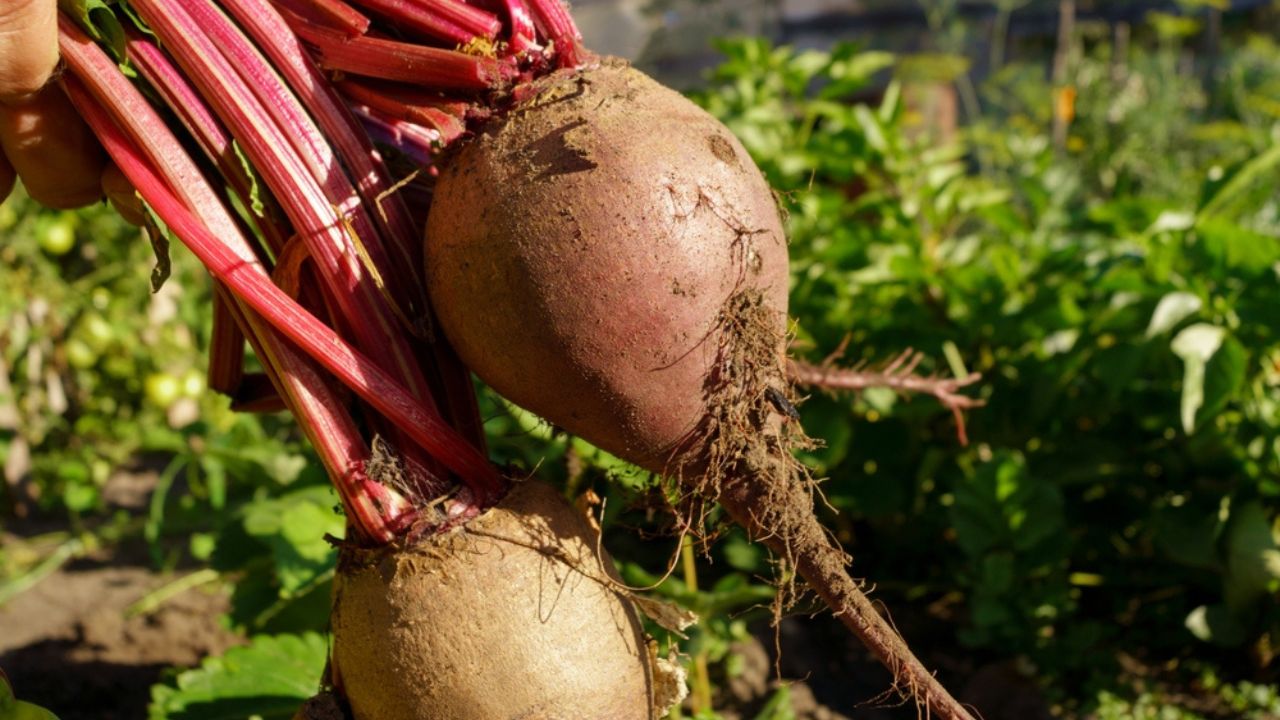
Earthy, sweet, and vibrant, beets become even more delicious when fermented. This Eastern European favorite develops a delightful tangy flavor that balances its natural sweetness. Fermentation also softens their dense texture while retaining a pleasant bite.
Why It’s a Good Option: Fermented beets are a powerhouse of probiotics, which aid digestion and support a healthy gut. The fermentation process can also make the iron and other minerals in beets more accessible. They’re a colorful and flavorful addition to salads, grain bowls, or as a simple side dish.
Fermenting Tips:
- Preparation: You can shred, cube, or slice beets. Shredding leads to a faster ferment.
- Flavor Pairings: Classic additions include dill, juniper berries, or caraway seeds. For a different twist, try adding orange peel and coriander seeds.
- Keep in Mind: Beets will turn everything, including the brine and any other vegetables in the jar, a brilliant pink.
2. Broccoli

While you might not think of broccoli for fermenting, it’s a wonderful candidate. The stems stay delightfully crunchy, even if the florets soften a bit. After about a week, you’ll have a tangy, savory snack that’s great for adding to veggie bowls or even as a pizza topping.
Why It’s a Good Option: Broccoli is already a nutritional superstar. Fermenting it adds a healthy dose of probiotics and enhances its flavor profile, making it more complex and interesting than its raw or steamed counterparts.
Fermenting Tips:
- Preparation: Cut broccoli into small, bite-sized florets and stems. The stems are particularly great for fermenting because they hold their texture well.
- Flavor Pairings: Garlic, red pepper flakes, and mustard seeds are excellent companions for fermented broccoli.
- Keep in Mind: The florets can sometimes become soft, but the stems will provide that desired crunch.
3. Cabbage

Cabbage is the undisputed king of fermentation, giving us classics like sauerkraut and kimchi. It’s incredibly easy to work with because its high water content means you often don’t need to add a brine. You can simply massage it with salt until it releases its own liquid.
Why It’s a Good Option: Fermented cabbage is packed with probiotics, fiber, and vitamins. It supports digestion, boosts your immune system, and adds a zesty crunch to everything from sandwiches to sausages.
Fermenting Tips:
- Preparation: Shred the cabbage finely. For sauerkraut, simply massage it with salt (about 1.5-2% of the cabbage’s weight) until it becomes limp and releases a significant amount of liquid.
- Flavor Pairings: Caraway seeds are classic for sauerkraut. For a different profile, try adding juniper berries or dill.
- Keep in Mind: Ensure the cabbage stays submerged in its own brine to prevent mold growth. You can use a fermentation weight or a spare cabbage leaf to hold it down.
4. Carrots
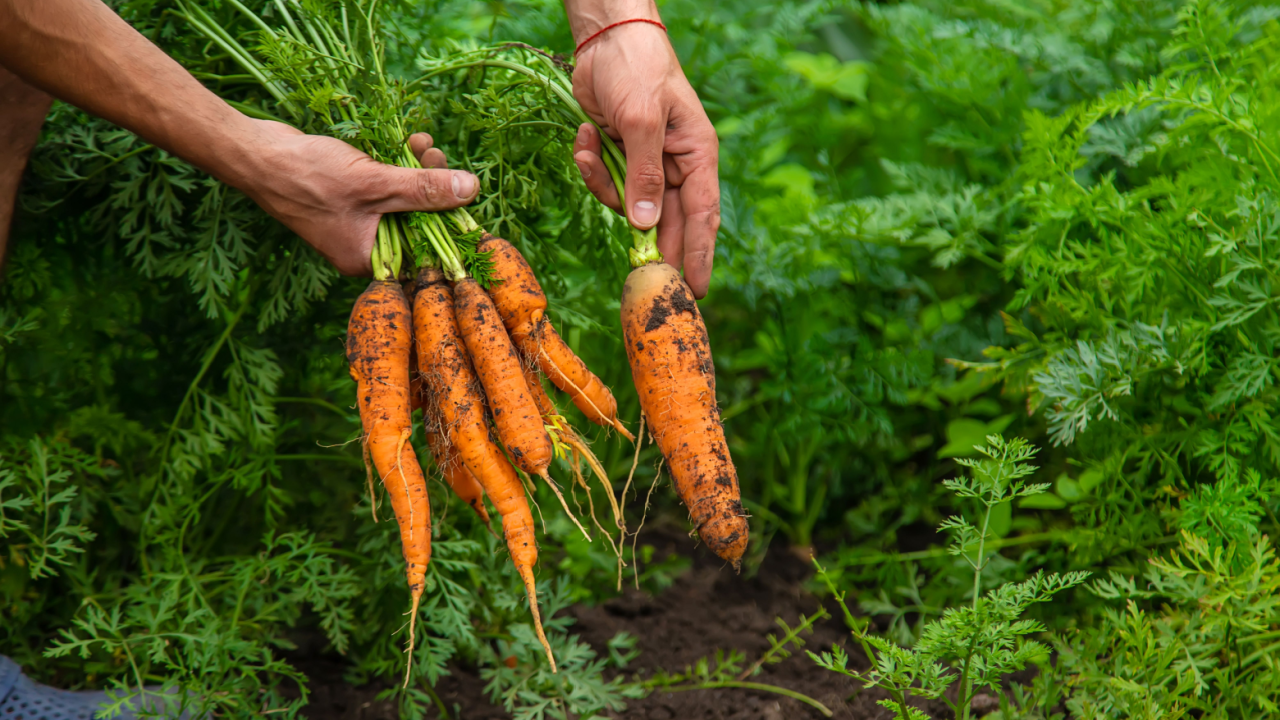
Fermented carrots are a revelation. They retain their satisfying crunch while developing a bright, tangy flavor that complements their natural sweetness. They are a perfect, colorful addition to salads, sandwiches, or just for snacking on straight from the jar.
Why It’s a Good Option: Carrots are rich in beta-carotene and other antioxidants. Fermentation can potentially increase the bioavailability of these compounds while adding beneficial probiotics for gut health.
Fermenting Tips:
- Preparation: You can ferment carrots as sticks, coins, or shredded. Sticks and coins are great for snacking, while shredded carrots are perfect for a condiment.
- Flavor Pairings: Dill, garlic, and coriander are fantastic flavor partners. For a little heat, add a slice or two of jalapeño.
- Keep in Mind: Carrots are dense, so they hold their crunch exceptionally well throughout the fermentation process.
5. Cauliflower
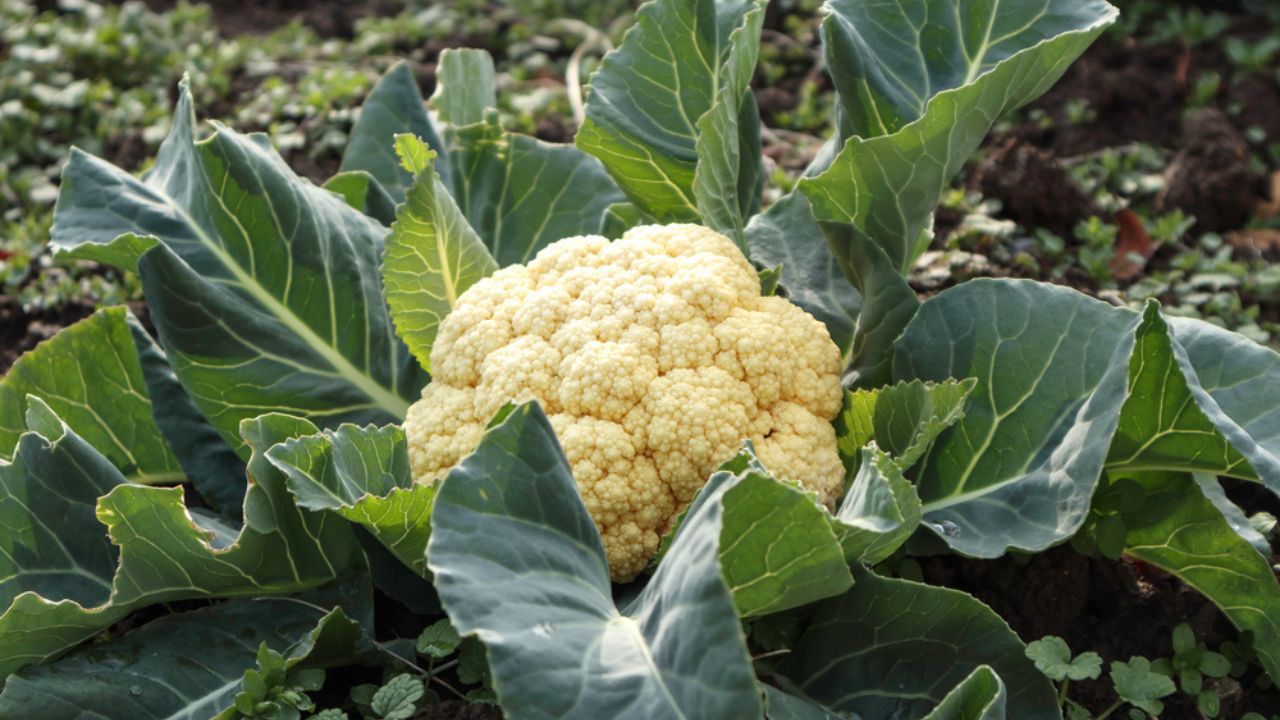
If you find raw or cooked cauliflower a bit bland, try fermenting it. The process gives it a salty, tangy kick and a wonderful crunch that can win over even the pickiest eaters. It’s an easy way to transform this humble vegetable into an exciting and flavorful treat.
Why It’s a Good Option: Like its cousin broccoli, cauliflower is full of vitamins and antioxidants. Fermenting enhances these benefits by adding probiotics, which are great for your digestive system and overall immunity.
Fermenting Tips:
- Preparation: Break the cauliflower down into small, bite-sized florets.
- Flavor Pairings: Turmeric not only adds flavor but also gives the cauliflower a beautiful golden color. Try adding black peppercorns, mustard seeds, or sliced carrots as well.
- Keep in Mind: Fermented cauliflower is a great addition to a relish tray or antipasto platter.
6. Celery

Don’t overlook celery when it comes to fermenting! This often-underestimated vegetable becomes crisp, salty, and wonderfully tangy. It’s a fantastic way to use up extra celery from the garden or fridge, transforming it into a zesty snack or a unique addition to salads.
Why It’s a Good Option: Fermented celery is not only a probiotic-rich food but also provides anti-inflammatory benefits. The flavor becomes more pronounced and complex, making it a great ingredient for adding a savory pop to dishes.
Fermenting Tips:
- Preparation: Cut celery stalks into sticks or half-moon slices.
- Flavor Pairings: Dill and garlic are excellent choices. You can also add a bay leaf or mustard seeds for more depth.
- Keep in Mind: The brine from fermented celery is delicious and can be used in salad dressings or as a starter for your next ferment.
7. Cucumbers
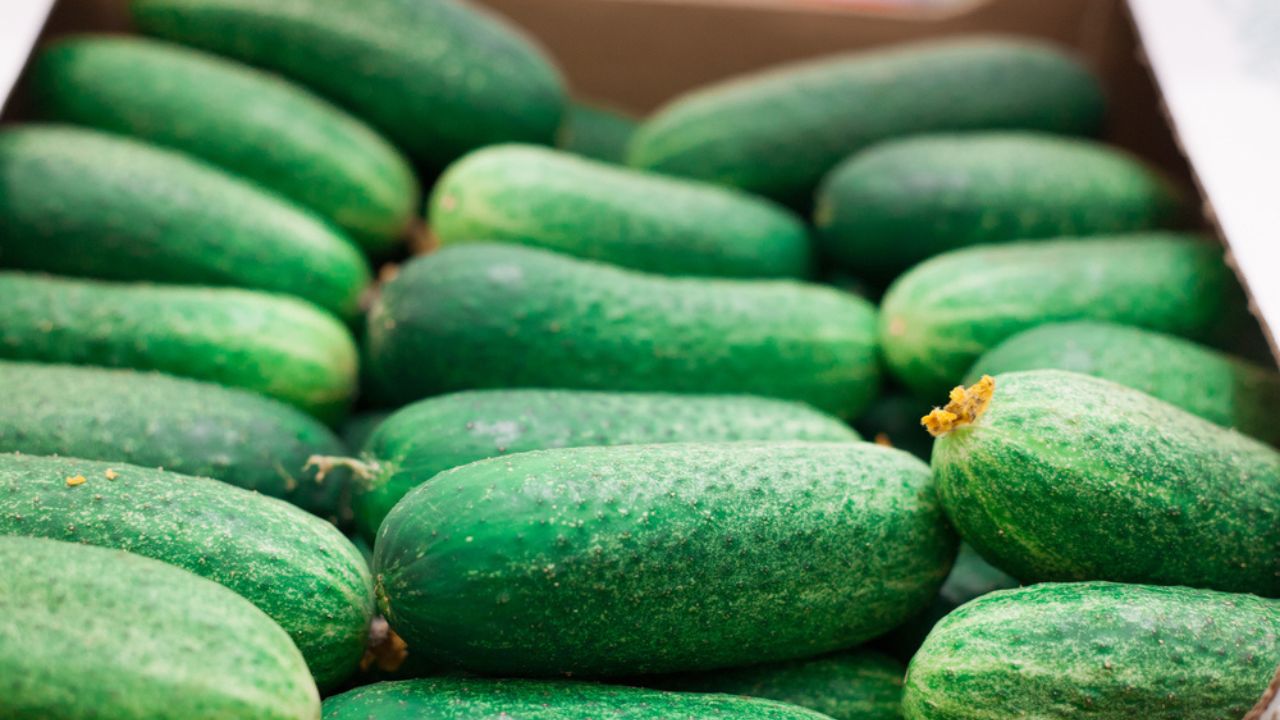
Fermented cucumbers are the original pickle. Unlike the vinegar-pickled variety you typically find at the store, these are naturally soured through lacto-fermentation, resulting in a complex flavor and a host of health benefits. They are crunchy, tangy, and incredibly satisfying.
Why It’s a Good Option: Real fermented pickles are full of live, active cultures that support gut health. They’re a classic for a reason—easy to make, economical, and delicious.
Fermenting Tips:
- Preparation: Use small, firm pickling cucumbers for the best results. You can leave them whole or slice them into spears or coins.
- Flavor Pairings: Garlic, dill, and mustard seeds are the classic trifecta. Bay leaves and peppercorns are also great additions.
- Keep in Mind: To keep your pickles crunchy, add a tannin-rich leaf like a grape leaf, oak leaf, or a few black tea leaves to the jar. Trimming off the blossom end of the cucumber also helps.
8. Daikon Radish
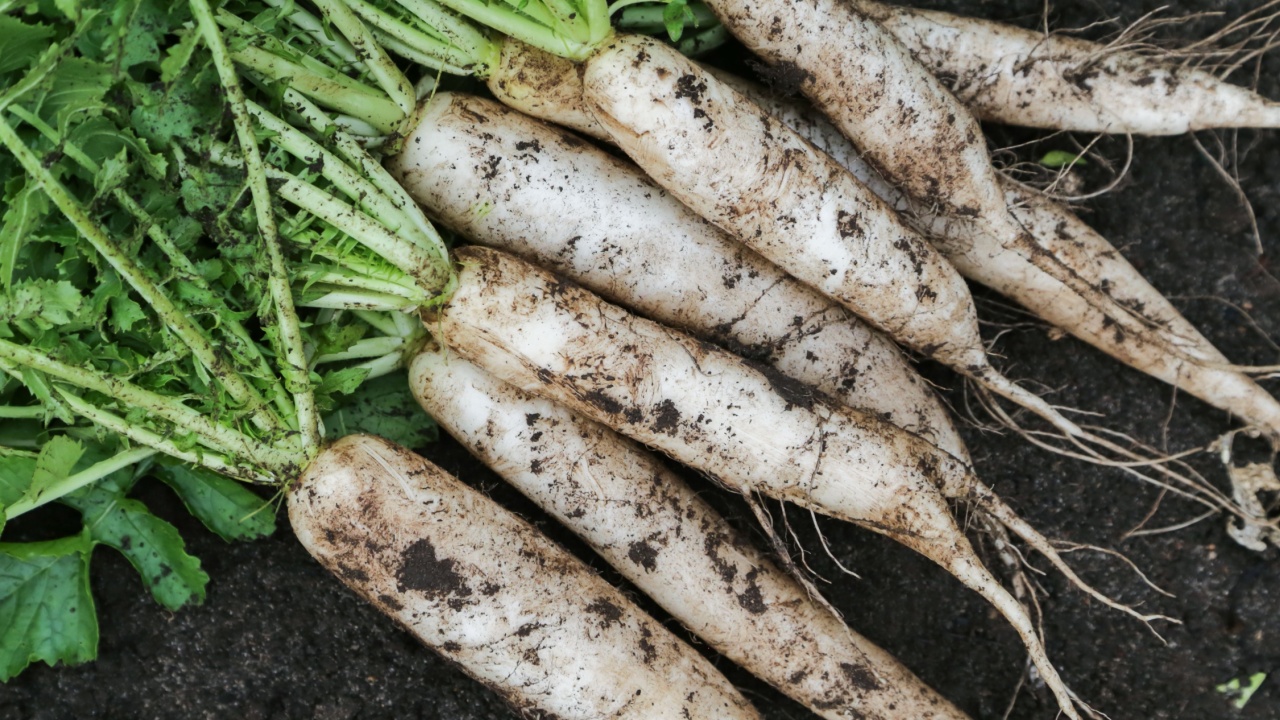
A staple in many Asian cuisines, daikon radish is perfect for fermenting. This large, mild winter radish develops a tangy, slightly pungent flavor and maintains a wonderful crunch. It’s often shredded and served as a side dish or condiment.
Why It’s a Good Option: Daikon is known for its digestive benefits, and fermenting it adds a probiotic boost. It also has antimicrobial properties and contributes to bone health.
Fermenting Tips:
- Preparation: You can shred daikon, cut it into sticks (like French fries), or slice it into thin rounds.
- Flavor Pairings: Add some chili flakes for a spicy kick, or keep it simple with ginger and turmeric. It also ferments well with carrots.
- Keep in Mind: Daikon can release a strong, sulfurous smell during fermentation. This is normal! The final product will have a much milder, more pleasant aroma.
9. Garlic

Fermented garlic is a culinary game-changer. The fermentation process tames garlic’s sharp, pungent bite, leaving you with mellow, slightly sweet, and savory cloves. The resulting “black garlic” (a different process but similar outcome) or honey-fermented garlic is a true delicacy.
Why It’s a Good Option: Fermentation not only mellows the flavor but also enhances garlic’s renowned health benefits. It boosts the immune system, improves cholesterol levels, and is easier on the stomach than raw garlic.
Fermenting Tips:
- Preparation: Peel whole cloves of garlic. You can make a simple brine or try fermenting them in raw honey for a sweet and savory treat.
- Flavor Pairings: For a brine ferment, add herbs like rosemary or thyme. For honey-fermented garlic, just use garlic and honey.
- Keep in Mind: Honey-fermented garlic will become very liquid as the honey draws moisture from the cloves. Be sure to “burp” the jar daily, as it can be a very active ferment.
10. Hot Peppers

Fermenting hot peppers is an excellent way to preserve your spicy harvest and create your own custom hot sauce. The process mellows the heat slightly while deepening the flavor, adding a complex tanginess that vinegar-based sauces lack.
Why It’s a Good Option: Fermented peppers are the base for many of the world’s best hot sauces (like Tabasco or Sriracha). The process unlocks rich, fruity notes in the peppers you might not have noticed before.
Fermenting Tips:
- Preparation: You can ferment peppers whole, sliced, or as a mash. Removing the seeds will reduce the heat.
- Flavor Pairings: Adding garlic, onion, or even sweet fruits like mango or pineapple can create a unique and balanced hot sauce.
- Keep in Mind: Fermentation time can range from a week to several months. The longer it ferments, the more complex and less fiery the flavor becomes.
11. Napa Cabbage
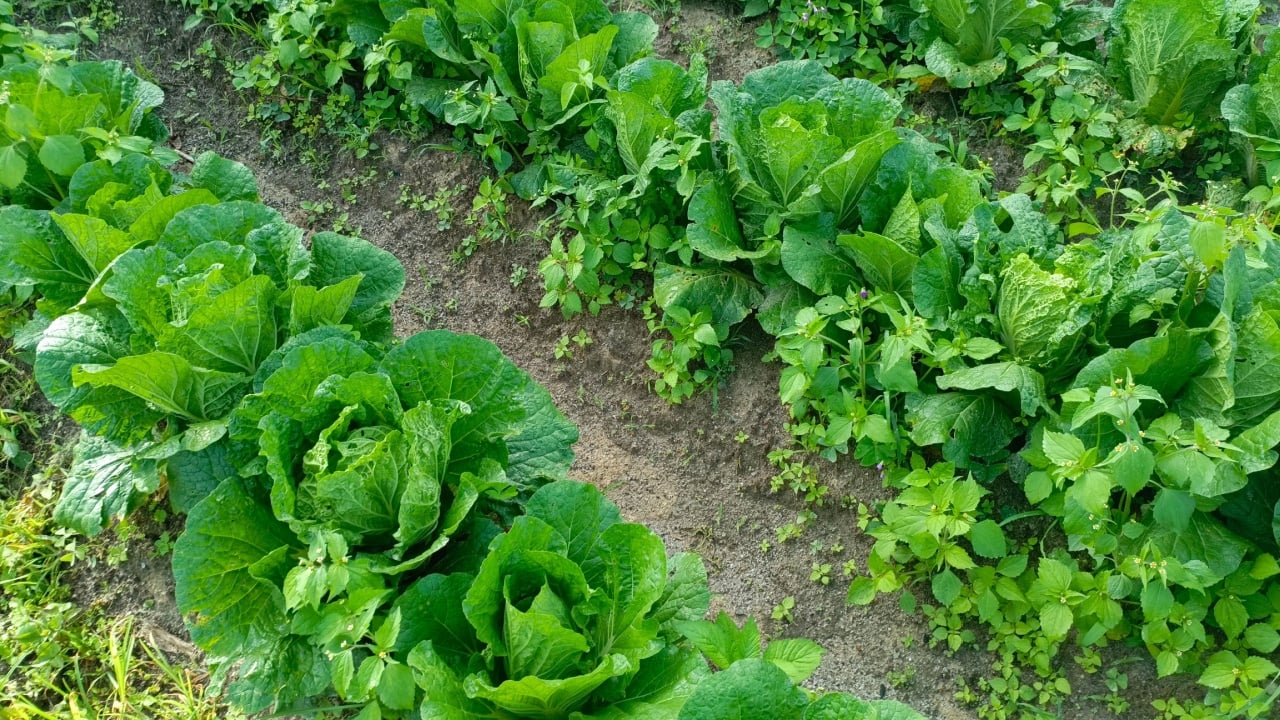
Napa cabbage is the star ingredient in kimchi, the famous Korean fermented vegetable dish. It has a tender-crisp texture and a mild, sweet flavor that makes it ideal for soaking up the bold flavors of a spicy kimchi paste.
Why It’s a Good Option: Kimchi is celebrated for its incredible flavor and health benefits. It’s packed with probiotics, vitamins, and antioxidants that support everything from digestive health to immune function.
Fermenting Tips:
- Preparation: Typically, you’ll salt the cabbage to draw out water, then rinse it and coat it with a paste made from gochugaru (Korean chili flakes), garlic, ginger, and other seasonings.
- Flavor Pairings: Common additions include shredded daikon radish, carrots, and scallions.
- Keep in Mind: Kimchi can be eaten “fresh” after a day or two, or you can let it ferment for weeks or months for a deeper, more sour flavor.
12. Okra

If you’re on the fence about okra because of its sometimes slimy texture, you have to try it fermented. The fermentation process significantly reduces the slime factor, leaving you with a crisp, tangy, and delicious pickle.
Why It’s a Good Option: Fermented okra is a fantastic way to enjoy this nutritious vegetable. It’s a good source of fiber, folate, and vitamins, and fermentation adds a probiotic punch that aids digestion.
Fermenting Tips:
- Preparation: Use small, young okra pods for the best texture. You can leave them whole.
- Flavor Pairings: Garlic, dill, and a few hot pepper flakes make for a classic and delicious fermented okra.
- Keep in Mind: Pack the jars tightly to keep the okra submerged in the brine, as the pods tend to float.
13. Onions
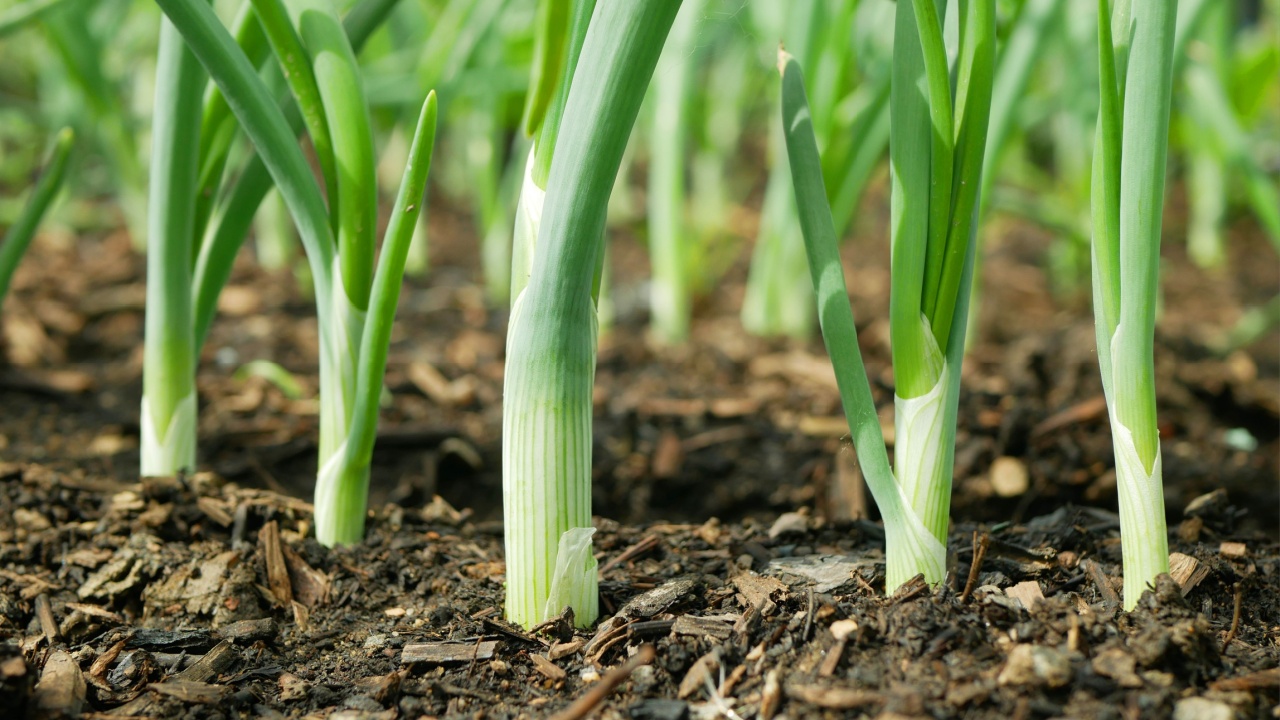
Fermented onions have a delightful, tangy flavor without the sharp bite of their raw counterparts. Their texture softens to something closer to a cooked onion, making them an incredibly versatile condiment.
Why It’s a Good Option: Onions, especially red ones, are rich in quercetin, a plant compound with antioxidant and anti-inflammatory properties. Fermenting them preserves these nutrients and adds probiotics.
Fermenting Tips:
- Preparation: Slice onions thinly for the best results.
- Flavor Pairings: Add whole peppercorns, bay leaves, or mustard seeds to the brine.
- Keep in Mind: Don’t throw out the brine! It makes a fantastic base for salad dressings or a savory splash in cocktails.
14. Snap Peas
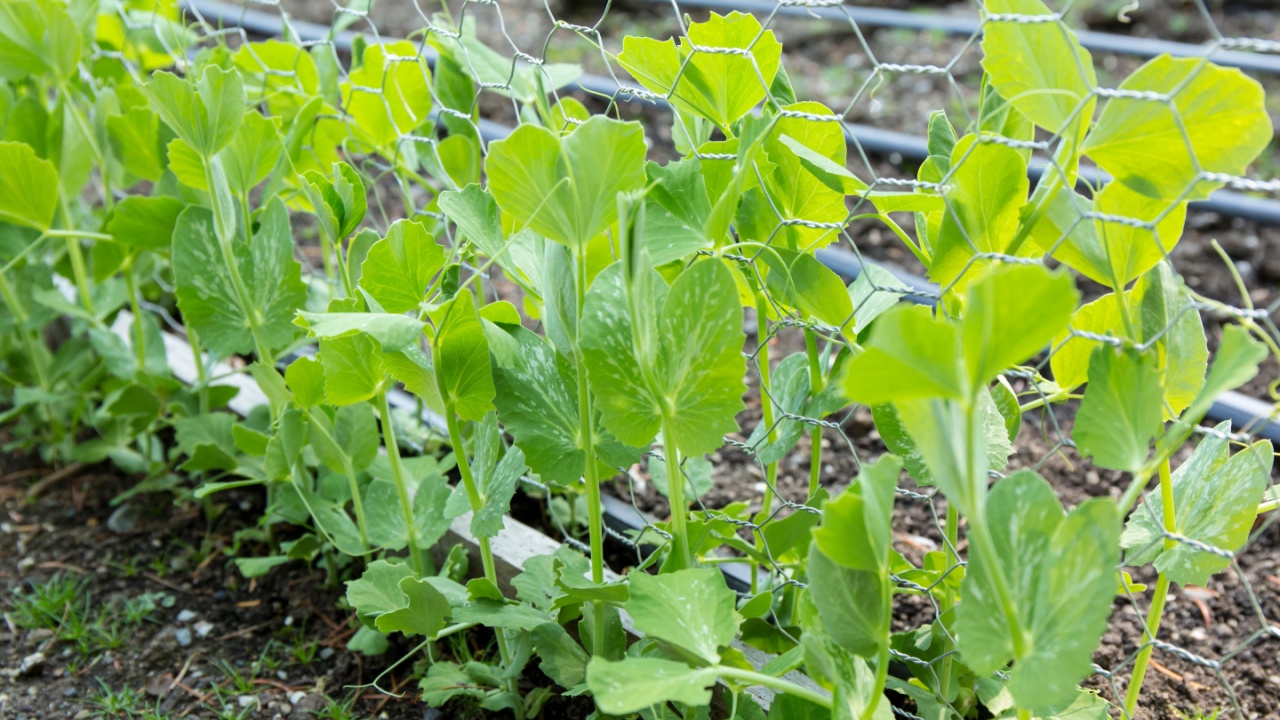
Capture the essence of spring by fermenting snap peas. This process preserves their delightful crispness while adding a light, tangy flavor. They become an irresistible, healthy snack right out of the jar.
Why It’s a Good Option: Snap peas are a great source of fiber, potassium, and vitamins A, C, and K. Fermenting them is a simple way to preserve them while boosting their nutritional profile with probiotics.
Fermenting Tips:
- Preparation: You can ferment snap peas whole. Just be sure to trim off the stems.
- Flavor Pairings: A few cloves of garlic and a sprig of fresh dill are all you need to complement their fresh flavor.
- Keep in Mind: They ferment relatively quickly, often being ready in just 3-5 days. Taste them daily to find your perfect level of tang.
15. Turnips

Turnips, members of the radish family, are excellent for fermenting. The process mellows their peppery bite, leaving them with a pleasant tang and a satisfying crunch. They are a staple ferment in many Middle Eastern cuisines.
Why It’s a Good Option: Turnips are a good source of vitamin C, manganese, and potassium. Fermenting boosts their antioxidant content and makes them a gut-healthy food.
Fermenting Tips:
- Preparation: Cut turnips into sticks or cubes.
- Flavor Pairings: Fermenting them with a slice of beet will give them a stunning, bright pink color. Garlic and bay leaves are also great additions.
- Keep in Mind: Like daikon, turnips can produce a strong odor during fermentation, but the final product is delicious.
16. Green Beans
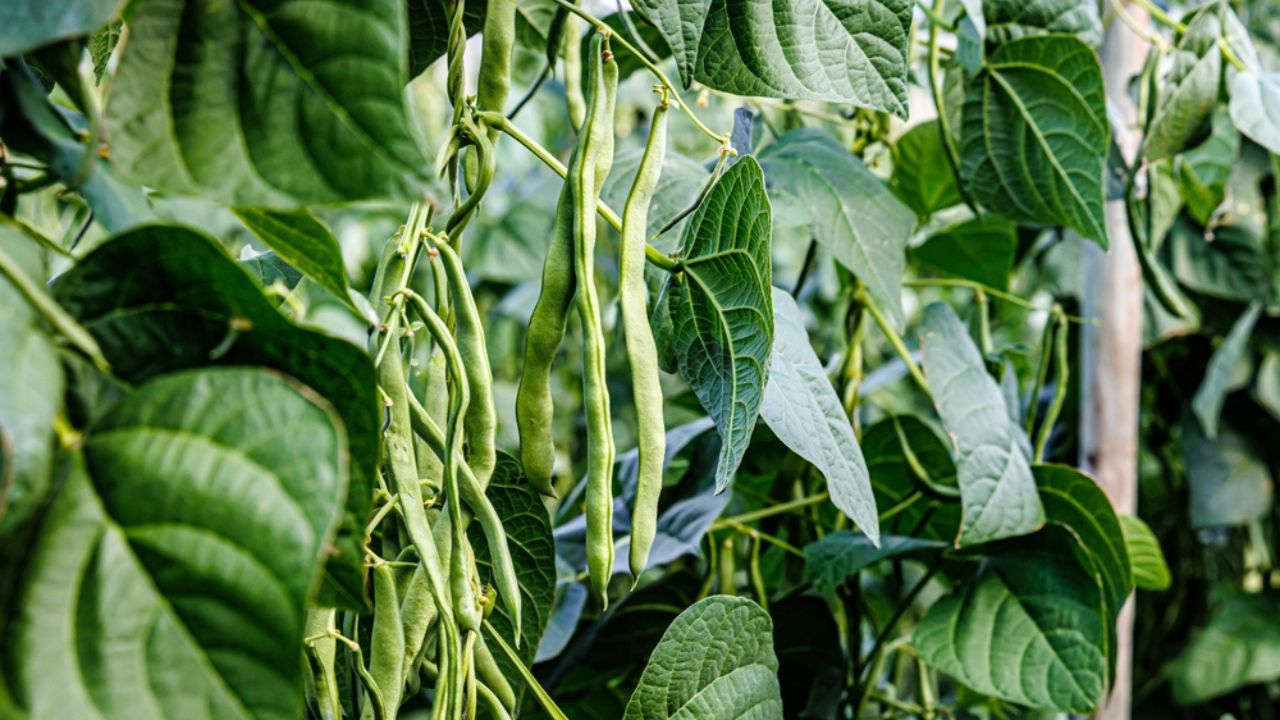
Fermented green beans, often called “dilly beans,” are a true delight. They stay wonderfully crisp and absorb the flavors of the brine beautifully, resulting in a tangy, garlicky, and dill-infused pickle that’s far superior to any canned version.
Why It’s a Good Option: Green beans are a great source of vitamins and fiber. Fermenting them not only preserves them without heat but also makes them a fantastic probiotic-rich snack. Their crisp texture makes them a satisfying replacement for less healthy crunchy snacks.
Fermenting Tips:
- Preparation: Trim the ends off the beans. Pack them vertically into a jar for a beautiful presentation and to keep them submerged.
- Flavor Pairings: The classic “dilly bean” combination includes plenty of fresh dill, garlic cloves, and mustard seeds. A pinch of red pepper flakes adds a nice warmth.
- Keep in Mind: Use fresh, firm green beans for the best crunch. They will be ready in about 5-7 days, but you can let them go longer for more sourness.
17. Bell Peppers
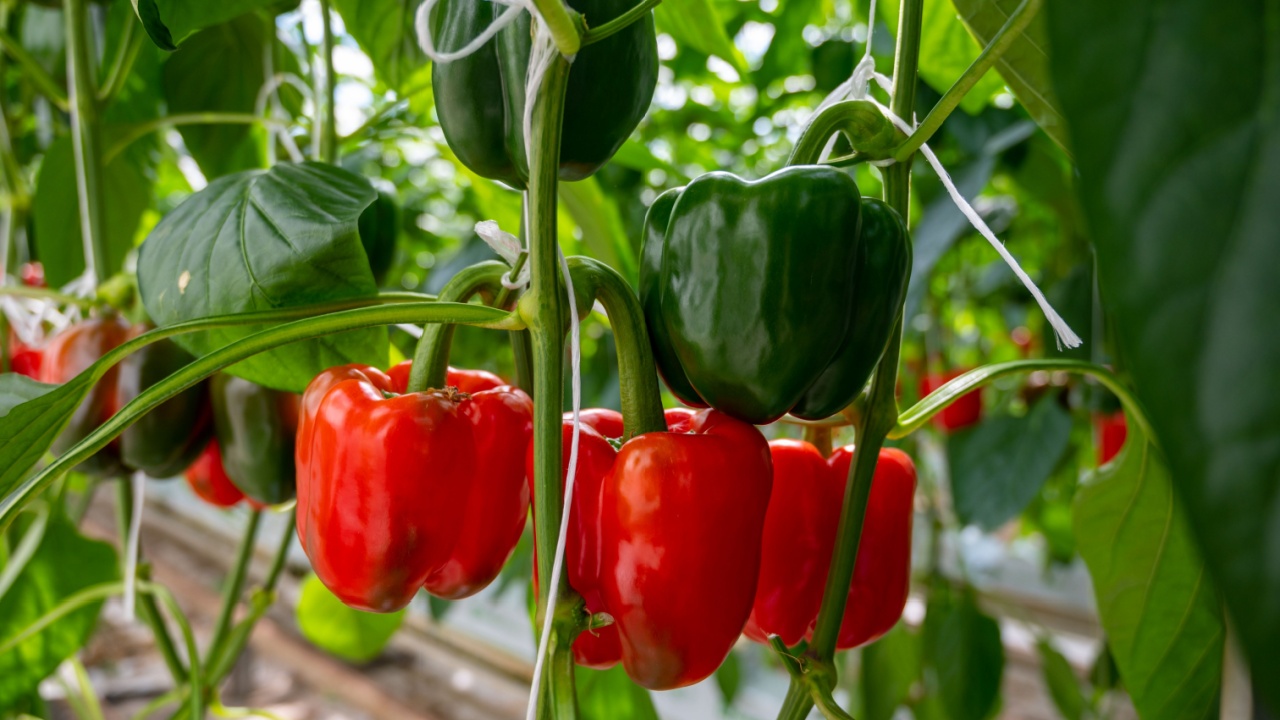
While hot peppers are common, sweet bell peppers also ferment wonderfully. The process gives them a soft, silky texture and a tangy-sweet flavor that is incredibly versatile. It’s a great way to preserve a bumper crop of peppers from your garden.
Why It’s a Good Option: Bell peppers are packed with vitamin C and antioxidants. Fermentation enhances their flavor, making them a delicious addition to salads, sandwiches, antipasto platters, or blended into a savory sauce.
Fermenting Tips:
- Preparation: Remove the seeds and membranes, then slice the peppers into strips.
- Flavor Pairings: Garlic cloves and whole peppercorns are simple and effective. You can also add sliced onions or Italian herbs like oregano and basil.
- Keep in Mind: Using a mix of red, yellow, and orange peppers will create a visually stunning and flavorful ferment.
Your Next Steps to Fermenting Success
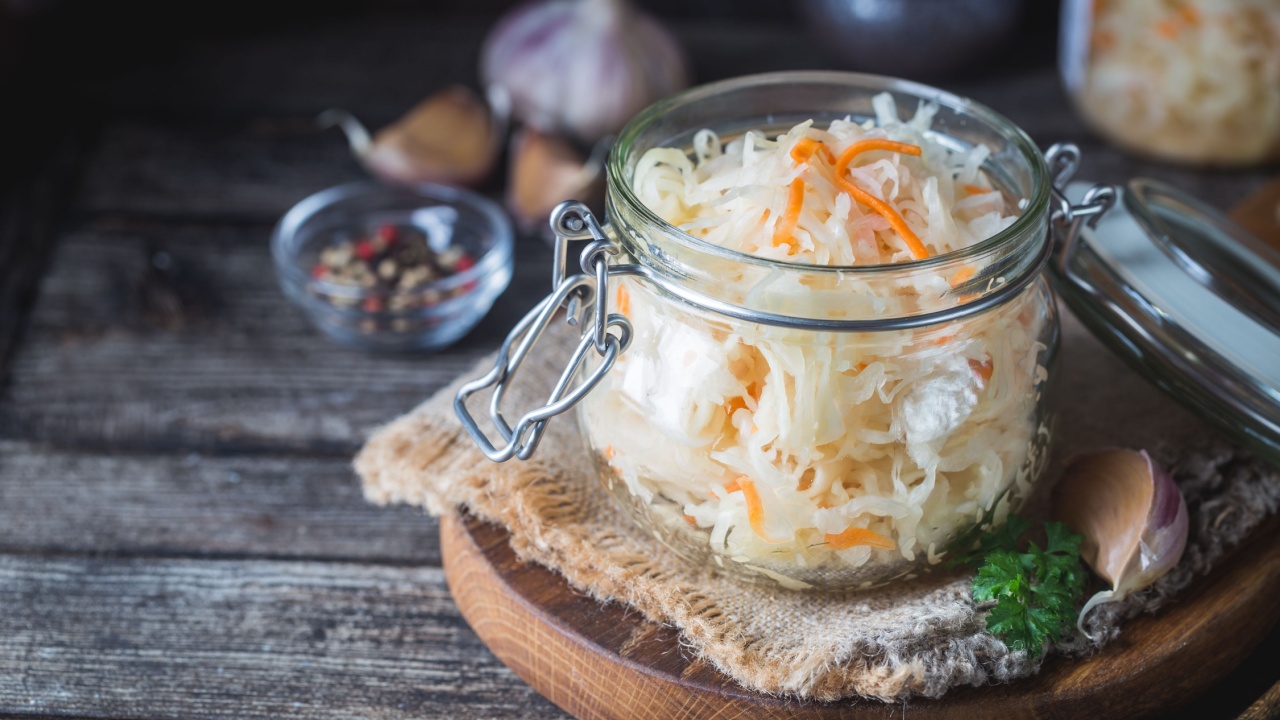
Feeling inspired to start your fermenting journey? It’s easier than you think. Here are a few tips to get you started on the right foot:
- Start Simple: Begin with an easy vegetable like carrots or cabbage (sauerkraut). This will help you get comfortable with the process before moving on to more finicky ferments.
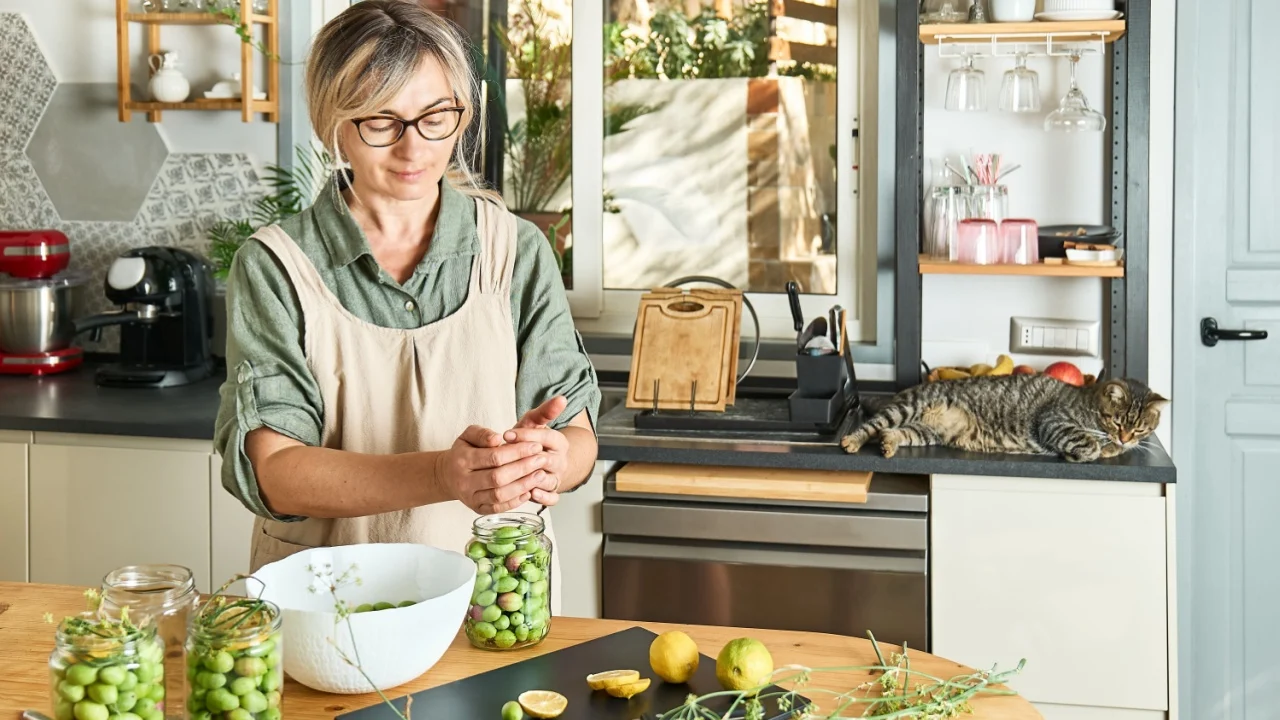
- Get the Right Equipment: You don’t need much. Glass jars (like Mason jars) are perfect. While not essential, fermentation weights (glass or ceramic discs) and airlock lids can make the process nearly foolproof by keeping veggies submerged and letting gas escape without letting air in.
- Mind Your Ratios: A good starting point for your brine is about 2 tablespoons of non-iodized salt (like sea salt or kosher salt) per quart of non-chlorinated water. Chlorine can inhibit the good bacteria you’re trying to cultivate.
- Taste, Taste, Taste! The “doneness” of a ferment is up to you. Start tasting after 3-5 days. If you like the flavor, move it to the fridge to slow the fermentation. If you want it more sour, let it keep going!
Fermenting your own vegetables is a rewarding way to connect with your food, reduce waste, and create healthy, delicious additions to your meals. Grab a jar, pick a vegetable from this list, and give it a try.
Read more:
9 Vegetables and Herbs to Grow and Cut the Grocery Bill by $400
The Easiest Vegetables to Grow for Beginners