Turn the Yard Into a Hummingbird Haven with These 15 Trees
Watching a hummingbird zip up to a flower is a magical moment. These tiny birds have a massive appetite, needing to drink half their body weight in nectar every single day. By planting trees that provide this sweet treat, you can turn your yard into a bustling pit stop for these energetic visitors.
The best trees for hummingbirds often have tube-shaped flowers, which are perfect for their long beaks. Experts from garden centers and wildlife groups agree that native trees are usually the best choice, offering top-quality fuel for these birds.
This list covers fifteen beautiful trees that will not only look great in your yard but also help out your local hummingbirds. We’ll explain why each tree is a good choice for the birds and how to care for it. Before you plant, think about how much sun the spot gets and how well the soil drains.
Once your tree is settled, it will become a permanent source of food that brings in wildlife for years to come. Here are our top picks for a bird-friendly yard.
1. Mimosa Tree
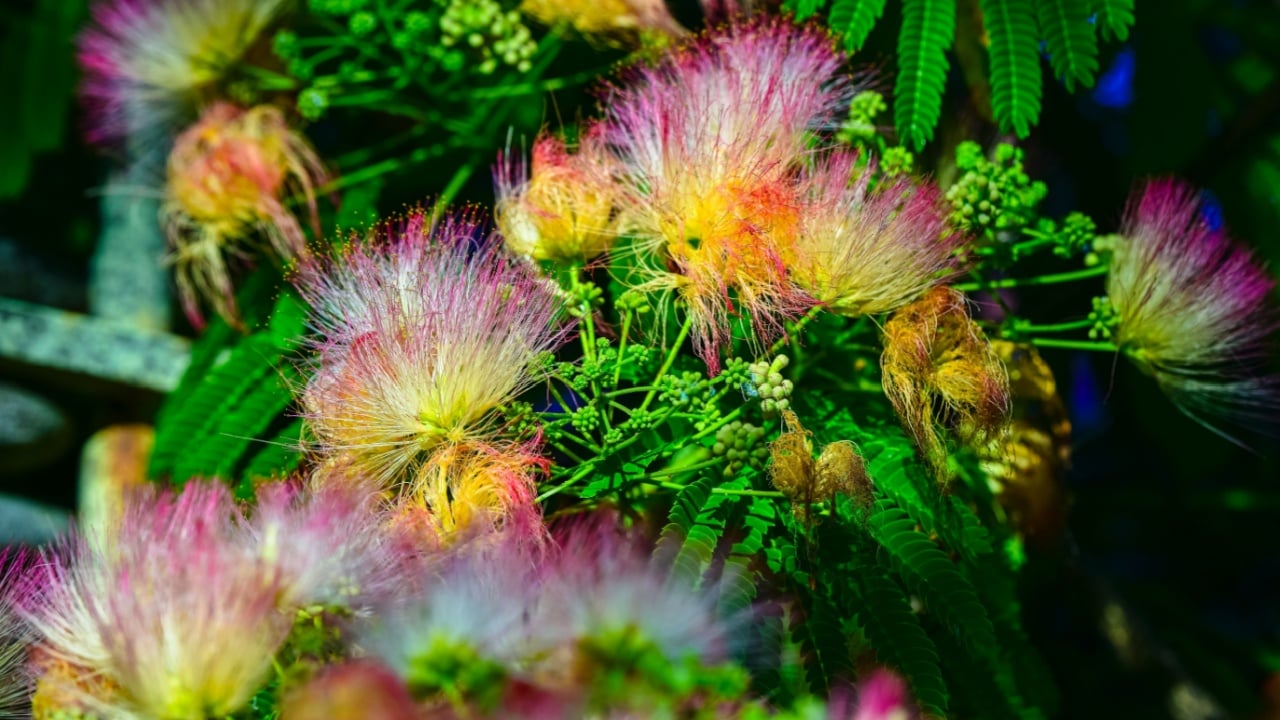
The Mimosa tree stands out with its pink, feathery blooms that look like silk threads. These flowers have a strong fragrance that wafts across the yard on warm afternoons. It grows fast and creates a wide canopy of fern-like leaves that provide great shade.
Hummingbirds can’t resist the nectar-rich puffball flowers in the middle of summer. The open shape of the blossoms makes it easy for birds to feed while hovering. It acts as a stunning centerpiece that immediately grabs the attention of any passing pollinators.
Keep an eye on seedlings, as this tree can spread quite a bit in certain areas. Pruning after it flowers helps keep it tidy and controls its size. Regular watering for the first couple of years helps the root system get established.
2. Tulip Poplar
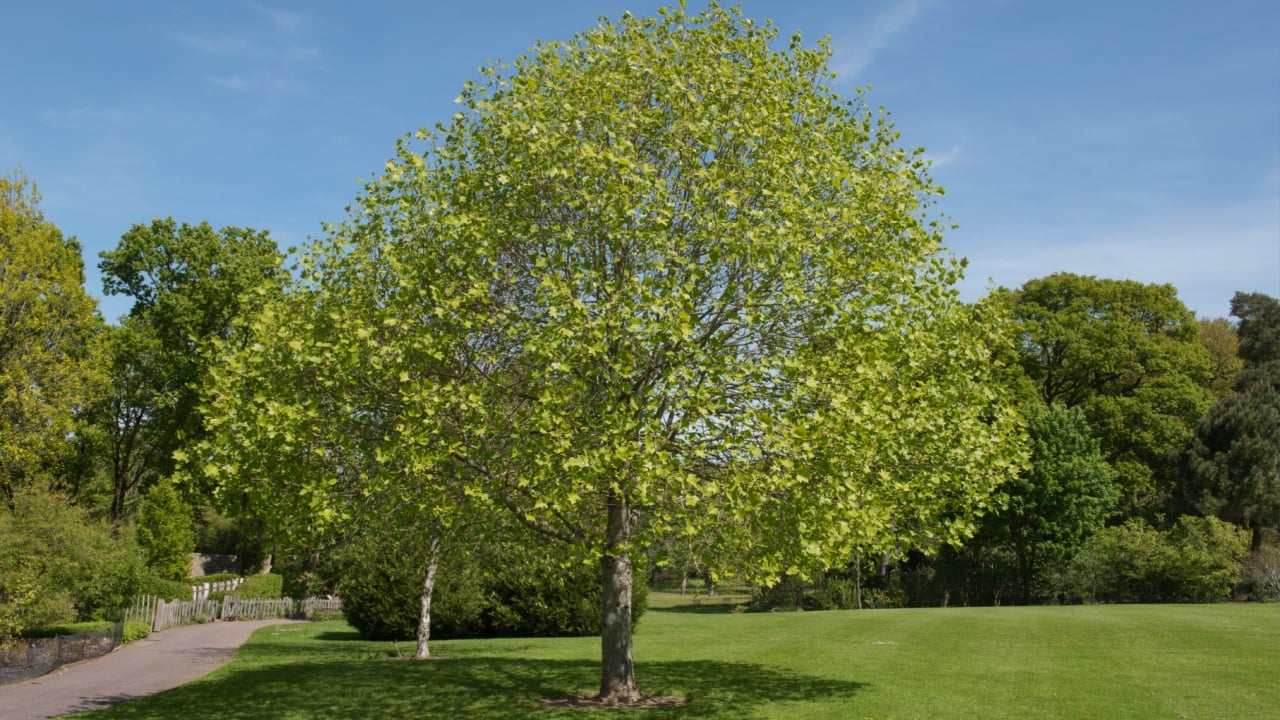
The Tulip Poplar is one of the tallest hardwood trees in North America, and it produces huge yellow and orange flowers. These blooms look like tulips and sit high up in the canopy in late spring. The large, glossy leaves turn a brilliant gold color when the weather cools down in the fall.
Birds love these trees because each flower holds a lot more nectar than smaller plants. The tree’s height gives hummingbirds a safe place to perch and guard their territory. It’s both a cafeteria and a lookout post for local wildlife.
Give this tree plenty of room to grow since it gets impressively tall and wide. It prefers deep, moist soil and full sun to show off its full flowering potential. Planting it away from buildings will prevent future problems with its big root system.
3. Crabapple
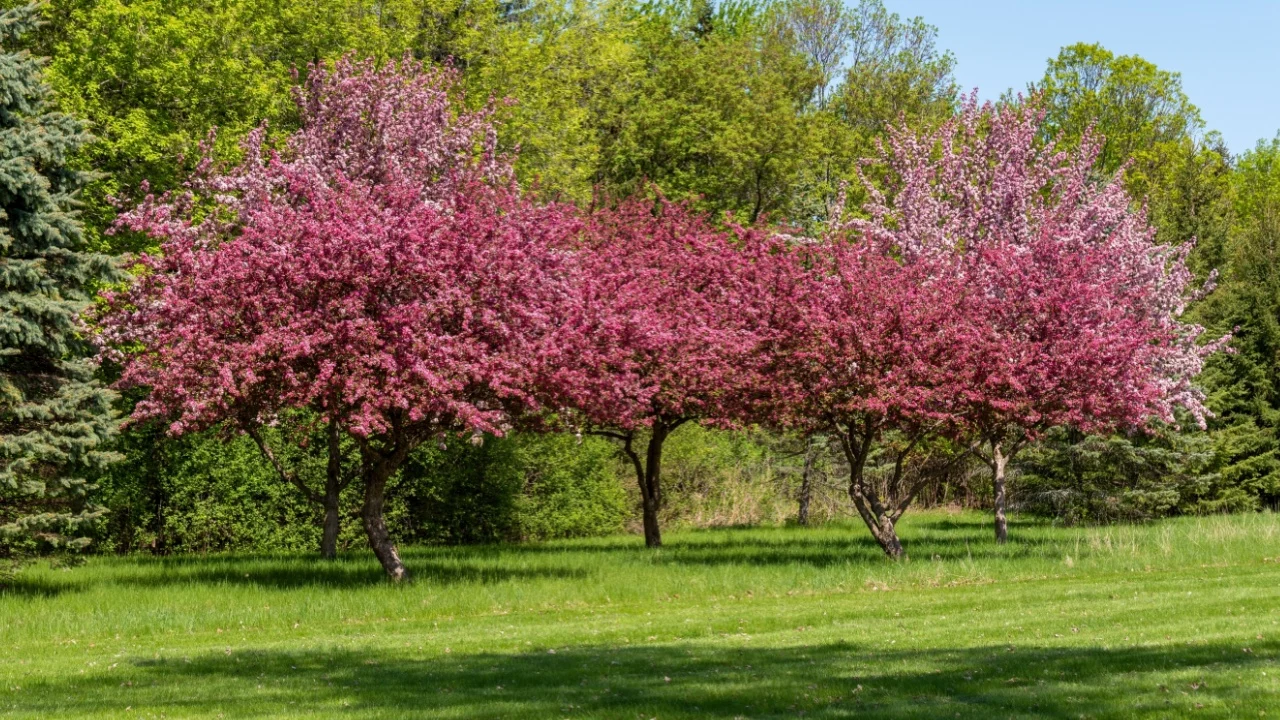
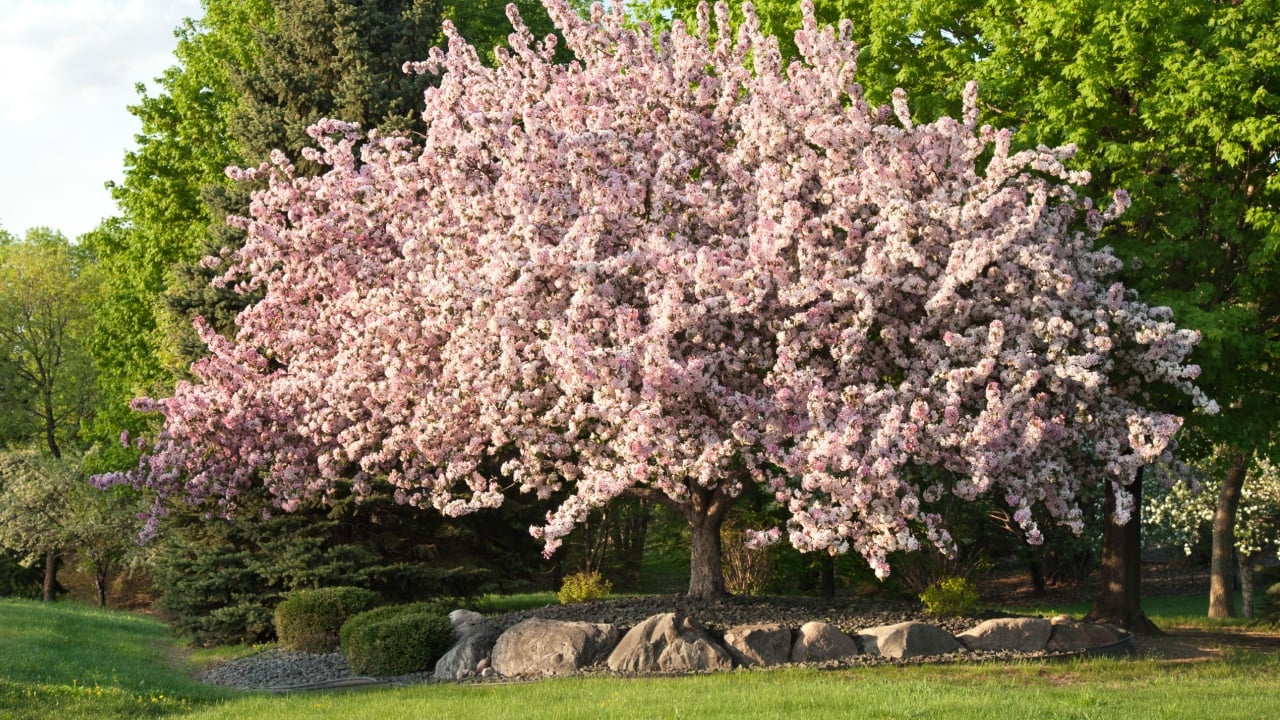
Crabapple trees put on a spectacular show of white, pink, or red blossoms in the early spring. These compact trees are a great fit for smaller yards and provide year-round interest with their colorful fruit. The dense branches also offer excellent cover for nesting birds.
Early-season hummingbirds depend on these blooms when other food sources are still hard to find. The sheer number of flowers on one tree means a bird can feed for a long time without going far. This makes it a favorite stop during their spring migration.
Choose disease-resistant varieties to avoid common problems like apple scab or rust. You should prune in late winter to get rid of any dead wood and open up the center for better airflow. A layer of mulch around the base will help keep moisture in during dry spells.
4. Red Buckeye
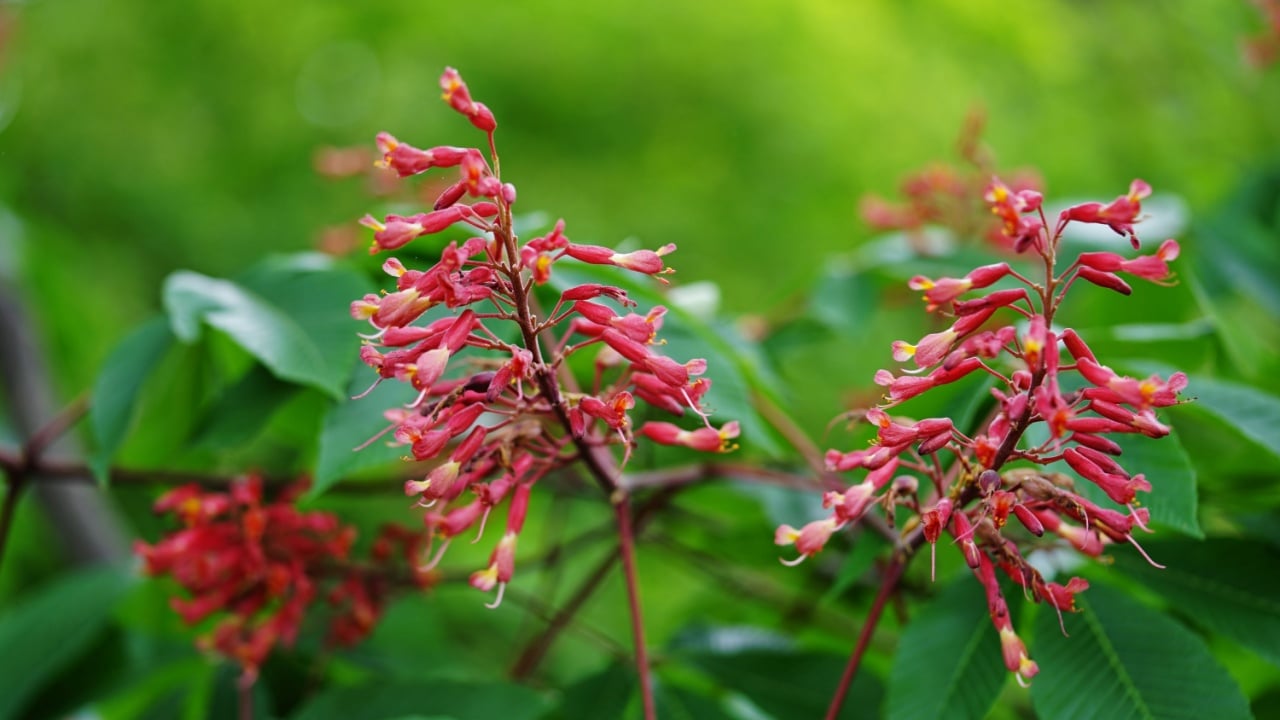
The Red Buckeye is a small tree or large shrub known for its upright clusters of bright red flowers. These tube-shaped blooms show up in early spring, just as hummingbirds are heading north. The dark green, palm-shaped leaves create a lush backdrop for the vivid flowers.
Red is a color that grabs hummingbirds’ attention from a distance. The flower’s shape is perfectly evolved to fit a hummingbird’s beak. This tree offers a high-calorie meal when many other nectar plants are still dormant.
This tree does well in partial shade, which makes it a good pick for the edge of a wooded lot. It likes moist, well-drained soil and might drop its leaves early if the ground gets too dry. Plant it near a window or patio to get some great close-up views of the birds.
5. Chaste Tree
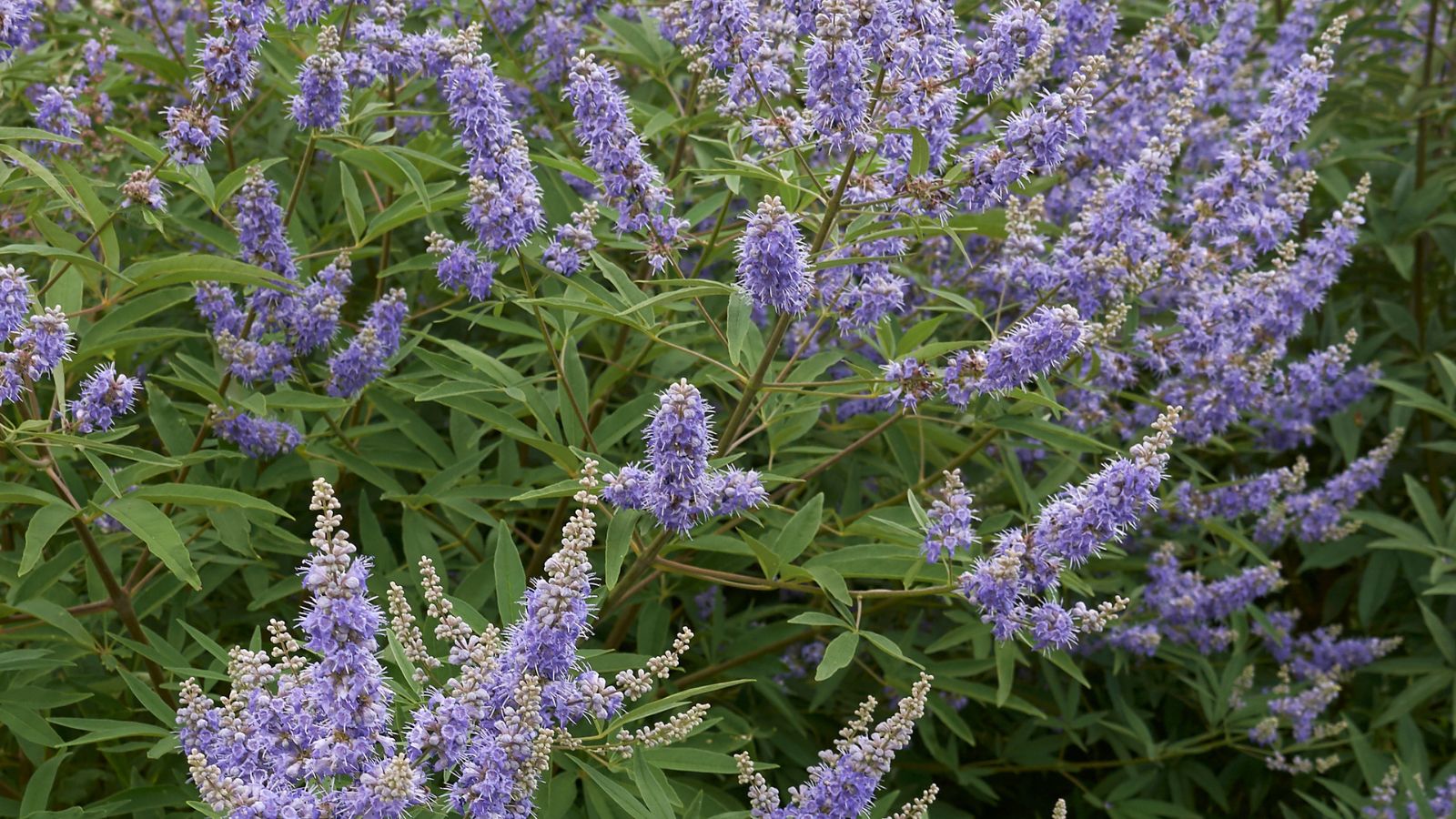
The Chaste Tree produces long spikes of lavender or blue flowers that look a lot like butterfly bushes. It usually blooms in mid-to-late summer when many other trees have finished flowering. Its aromatic leaves add another layer of sensory appeal to the garden.
The nectar in these purple spikes provides a steady food source during the hottest months. Hummingbirds work their way up and down the flower wands to gather fuel. It acts as a reliable bridge between spring and fall blooms.
This tree loves heat and thrives in sunny spots with well-drained soil. Cut back the dead flower spikes to encourage a second round of blooms later in the season. It’s drought-tolerant once it’s established and needs very little care.
6. Northern Catalpa
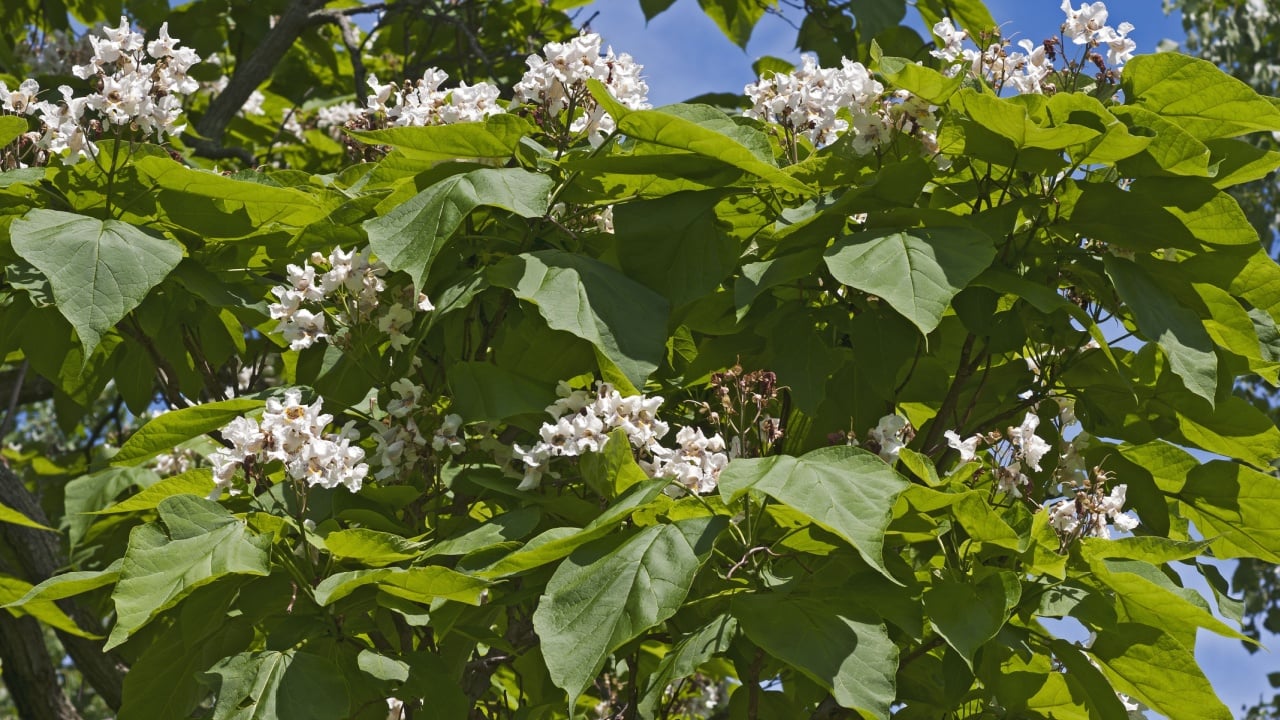
The Northern Catalpa is famous for its huge, heart-shaped leaves and large clusters of white, orchid-like flowers. These blooms have yellow and purple spots inside that guide pollinators. It gives a bold, tropical look to gardens in temperate climates.
The big, bell-shaped flowers provide a ton of nectar for visiting birds. Because the flowers are so large, they’re easy for birds to spot from high up. The broad leaves also offer excellent shelter from rain and wind.
Be ready for the long, bean-like seed pods that fall in the autumn. This tree grows fast and can handle tough soil conditions, including heavy clay. Plant it where it has plenty of room to spread its wide branches.
7. Eucalyptus
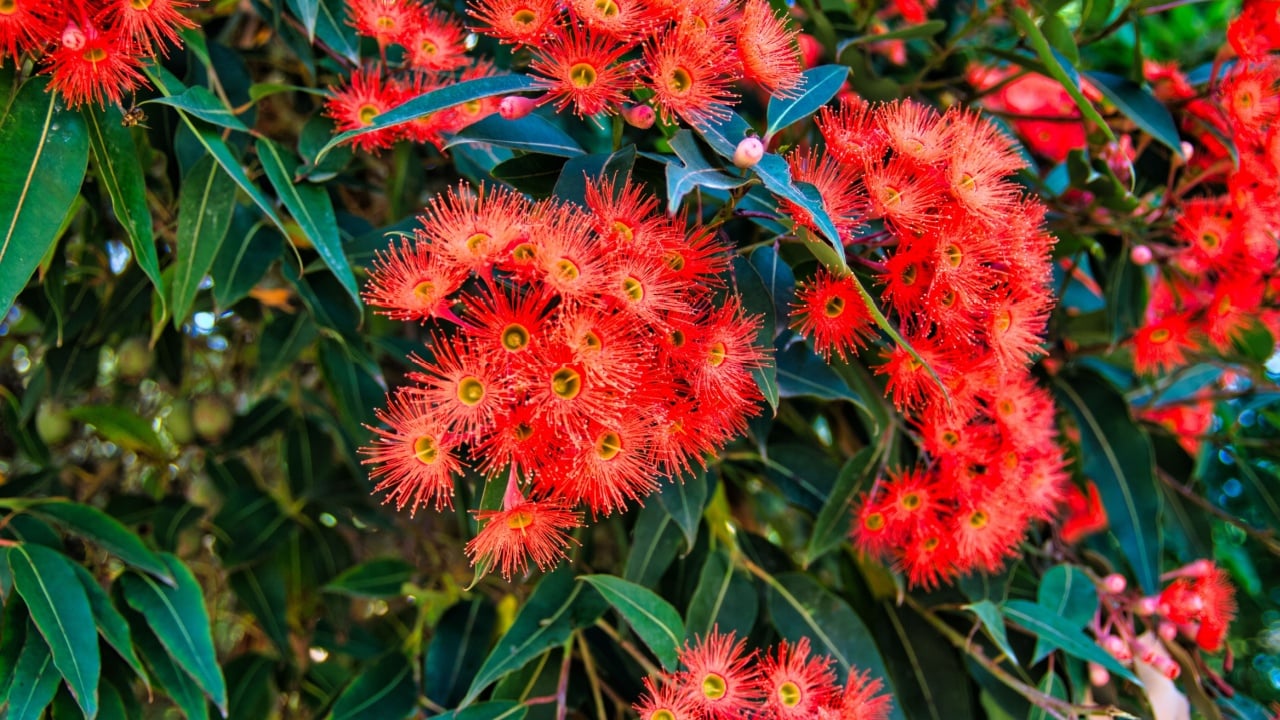
Certain types of Eucalyptus produce amazing red or pink flowers that are filled with sweet liquid. These evergreen trees have year-round foliage and a distinct, refreshing scent. The peeling bark often reveals beautiful colors and textures on the trunk.
In warmer climates, these trees offer a consistent nectar source that keeps birds hanging around for longer. The flowers are made of many stamens that hold large droplets of nectar. They’re often the most popular spots in a drought-resistant garden.
Make sure you pick a variety that’s hardy for your local climate zone. They need very little water once their roots are deep and should be planted in full sun. Minimal pruning is needed to keep their natural, elegant shape.
8. Desert Willow

The Desert Willow is a small, drought-tolerant tree with trumpet-shaped pink or violet flowers. It’s not a true willow, but its leaves have a similar shape that sways beautifully in the breeze. The blooms appear in clusters and have a delicate, sweet fragrance.
This tree is a major nectar source in dry regions where water is scarce. Its long blooming season provides food from late spring all the way into early fall. Hummingbirds are often seen darting between the wispy branches.
Plant this in the sunniest spot you have, with soil that drains very quickly. It needs almost no extra water once it’s settled in. Prune it as a multi-trunked tree to create a more dramatic, architectural look.
9. Strawberry Tree
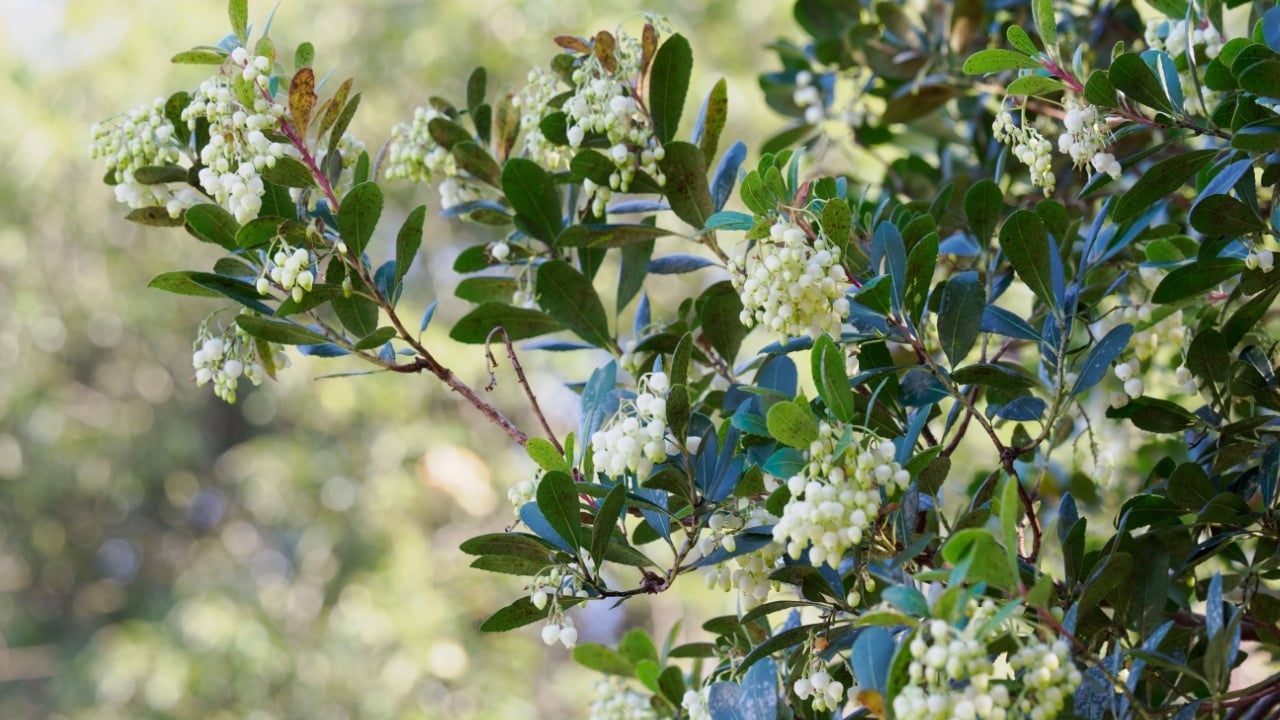
The Strawberry Tree is an evergreen that produces small, white, bell-shaped flowers and red, textured fruit at the same time. The bark turns a rich cinnamon color as the tree gets older. It stays green all winter, giving structure to your yard.
The flowers appear in late fall and winter, which provides a rare food source for birds that stick around. Having a winter bloomer helps support local wildlife when food is scarce. The birds also appreciate the dense foliage for protection from the cold.
This tree grows slowly and can handle different soil types, including coastal salt spray. It thrives in full sun to partial shade and needs regular watering for the first few years. It works well as a privacy screen or as a standalone feature tree.
10. Horse Chestnut
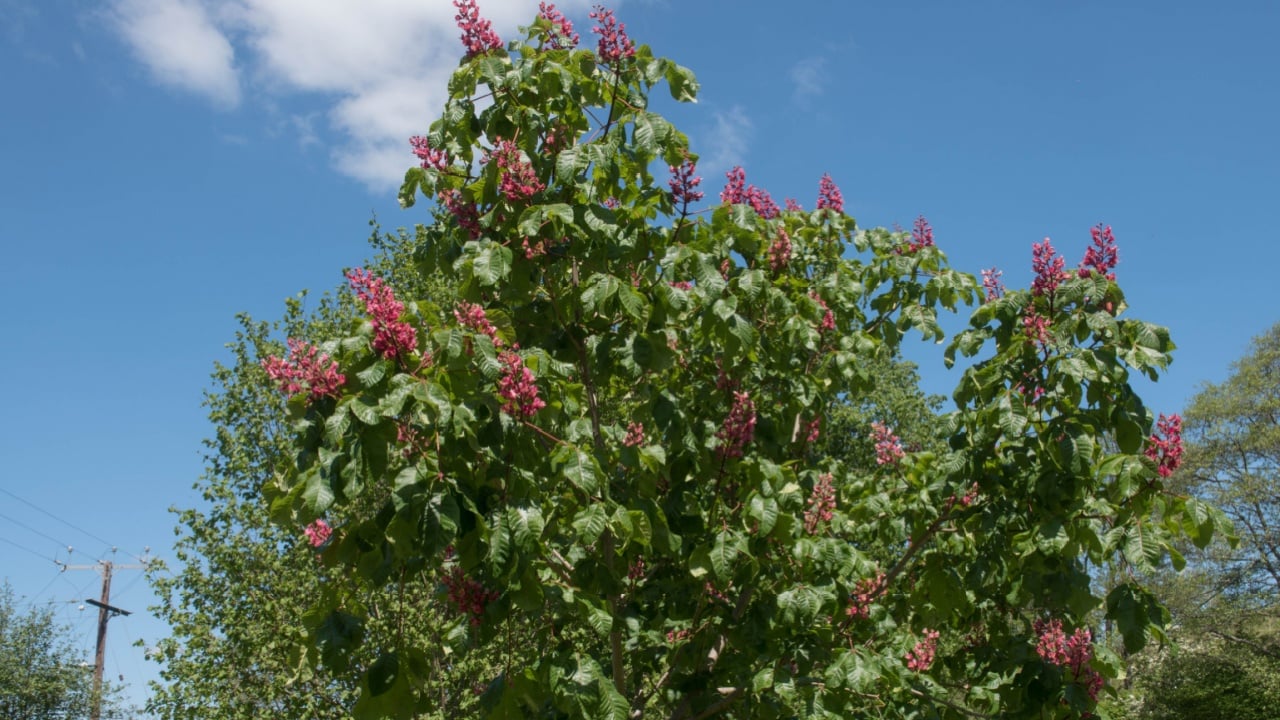
The Horse Chestnut is a huge tree that produces upright towers of white flowers with reddish centers. These impressive flower spikes can be nearly a foot tall and cover the whole canopy. The large, fan-like leaves create deep shade in the summer.
The vertical flower spikes make it easy for hummingbirds to get around the tree. Each little floret in the spike contains nectar that draws in all kinds of pollinators. It’s a high-volume food source that can support several birds at once.
This tree needs a lot of space and moist, fertile soil to do well. It can be prone to leaf blotch in humid areas, so picking a spot with good air circulation is a good idea. The falling nuts are interesting but do require some cleanup in the fall.
11. Eastern Redbud
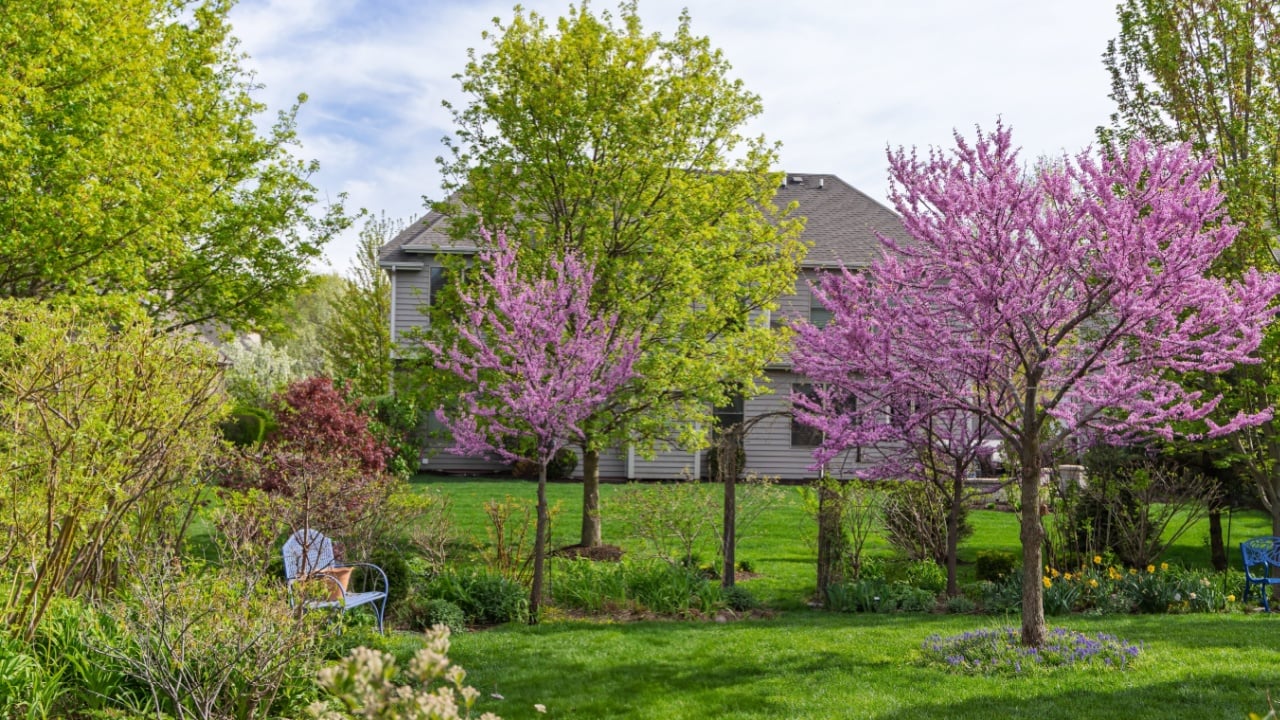
The Eastern Redbud is famous for the tiny pink or purple flowers that grow right on the bark of its branches and trunk. This unique flowering happens before the leaves come out in the spring. The heart-shaped leaves then provide a lovely green canopy for the rest of the season.
The early blooms make this a vital resource for the first hummingbirds of the year. The flowers are small but show up in such huge numbers that the whole tree looks like it’s glowing. It provides a quick burst of energy for birds on the move.
Plant this tree in partial shade to mimic its natural home in the forest understory. It likes consistent moisture and doesn’t like to be moved once planted. It stays a relatively small tree, making it perfect for suburban yards.
12. Golden Chain Tree

The Golden Chain Tree has long, drooping clusters of yellow flowers that look like pouring gold. These stunning chains of flowers can hang down several inches and create a dramatic look in late spring. The green bark adds interest even when the leaves are gone.
Hummingbirds are attracted to the bright yellow color and the high nectar content of the hanging blooms. The dangling shape allows birds to feed while hovering underneath. It adds a sophisticated look while also being a hub for wildlife.
Just a heads-up: all parts of this tree are toxic if eaten, so you should plant it away from play areas for pets or kids. It likes cool summers and well-drained soil with plenty of organic matter. Pruning should be kept to a minimum to preserve its natural weeping form.
13. Serviceberry

The Serviceberry is a versatile tree that offers white, starry flowers in spring, followed by delicious dark berries. Its leaves turn brilliant shades of orange and red in the fall. It often grows as a multi-stemmed tree that looks great in naturalized gardens.
The nectar in the spring flowers attracts hummingbirds, while the summer berries feed many other bird species. It’s a multi-purpose resource that supports the whole local ecosystem. The open branch structure makes it easy for birds to get around.
This tree is very hardy and can handle both cold winters and hot summers. It grows well in full sun or light shade and prefers acidic soil if possible. It’s a great alternative to more fussy flowering trees.
14. Smoke Tree
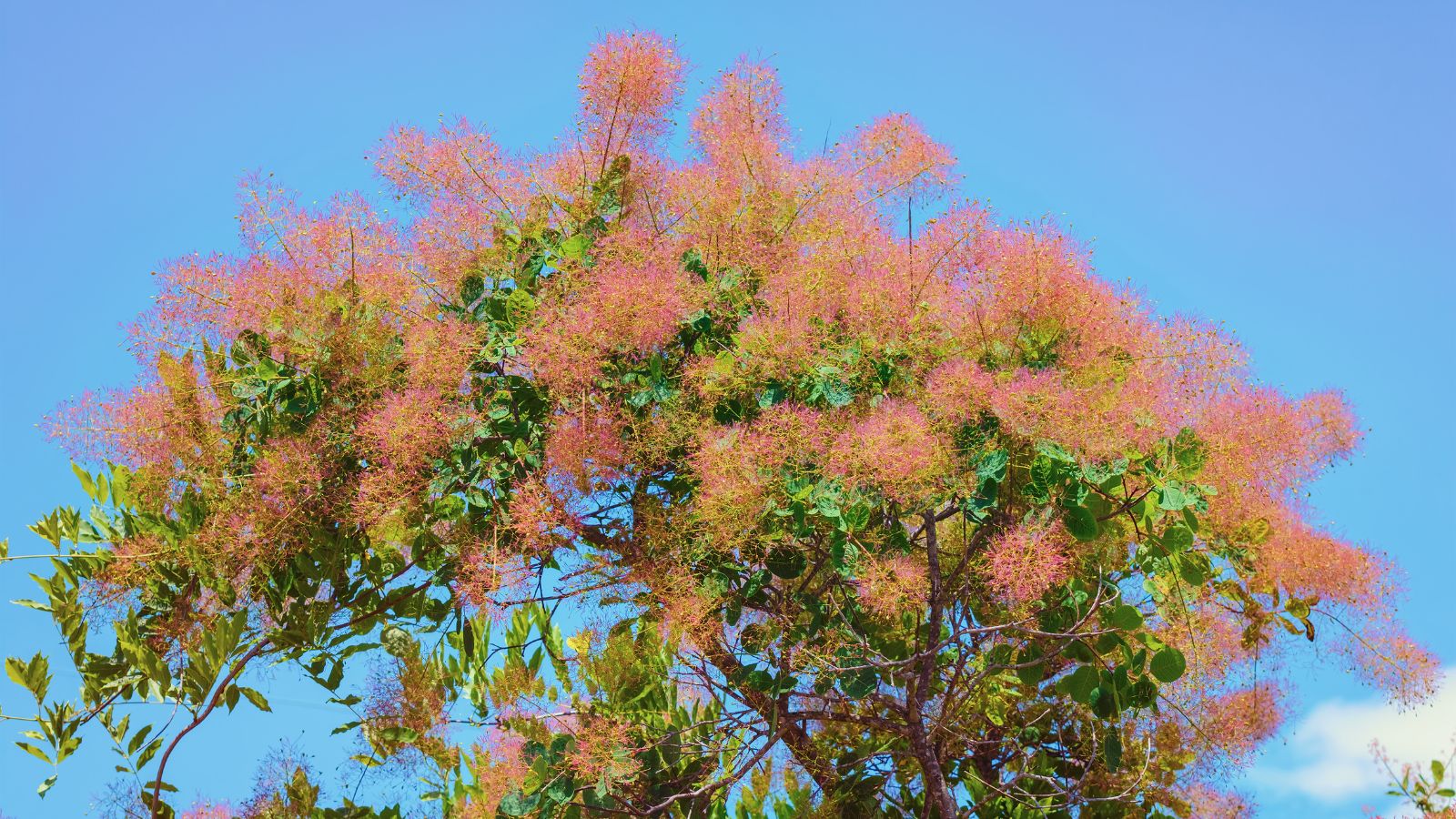
The Smoke Tree gets its name from the fluffy pink or purple clouds of flower filaments that pop up in summer. These airy clusters look like puffs of smoke floating among the dark purple or green leaves. It’s a slow-growing tree that can also be kept as a large shrub.
While the flowers themselves are tiny, the large, misty clusters hold many small nectar points. Hummingbirds enjoy darting through the soft filaments to find the blossoms hidden inside. The intense foliage colors make the birds easier to spot against the leaves.
This tree is exceptionally tough and can grow in poor, rocky soils without much help. It needs full sun to keep its deep purple leaf color. Prune it back hard in the winter if you want a more compact and bushy shape.
15. Silk Oak
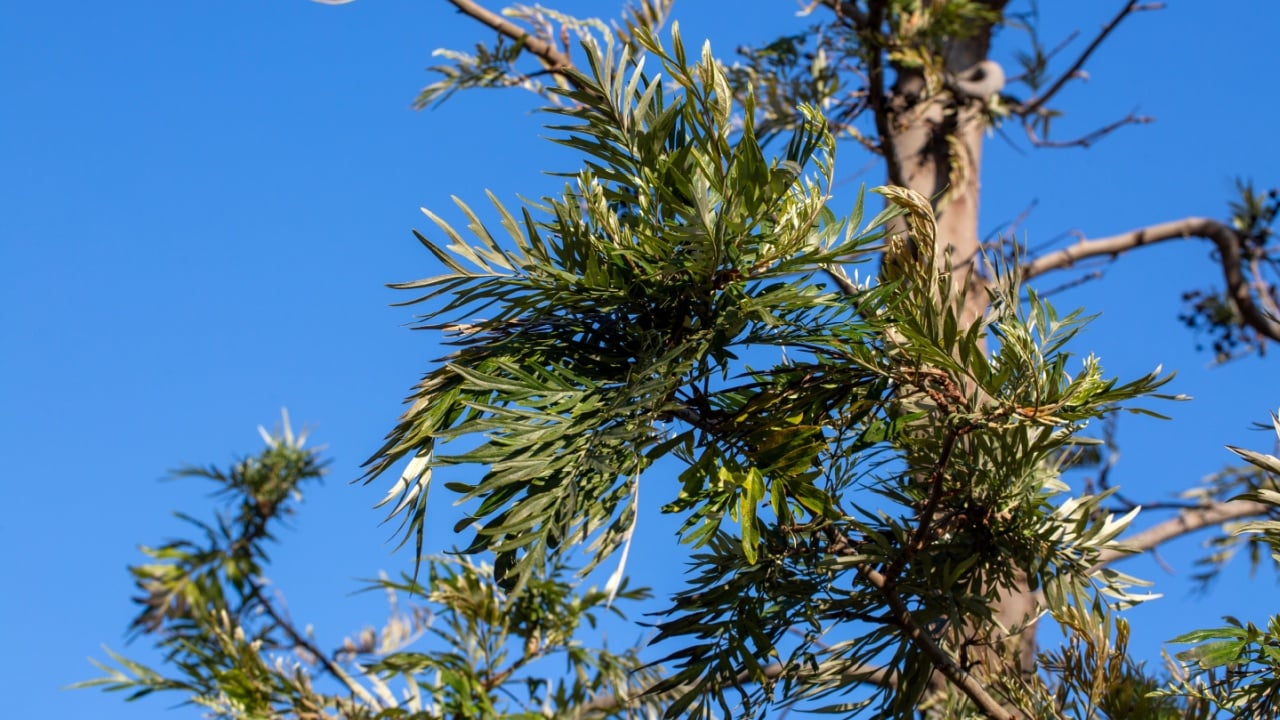
The Silk Oak is a fast-growing evergreen with fern-like leaves and striking orange, bottlebrush-style flowers. It can get quite large and is known for its durable wood and pretty golden blooms. You’ll mostly find it in warmer regions where it can grow year-round.
The flowers produce so much nectar that it can sometimes drip right from the branches. This abundance makes it a top-tier destination for nectar-seeking birds. A single tree can provide enough food for a whole colony of hummingbirds.
Because it grows so fast, it needs plenty of room to expand without hitting power lines or buildings. It’s very drought-tolerant and prefers sunny spots with deep soil. It provides a bold, structural element to a large garden.
Creative Landscape Growth
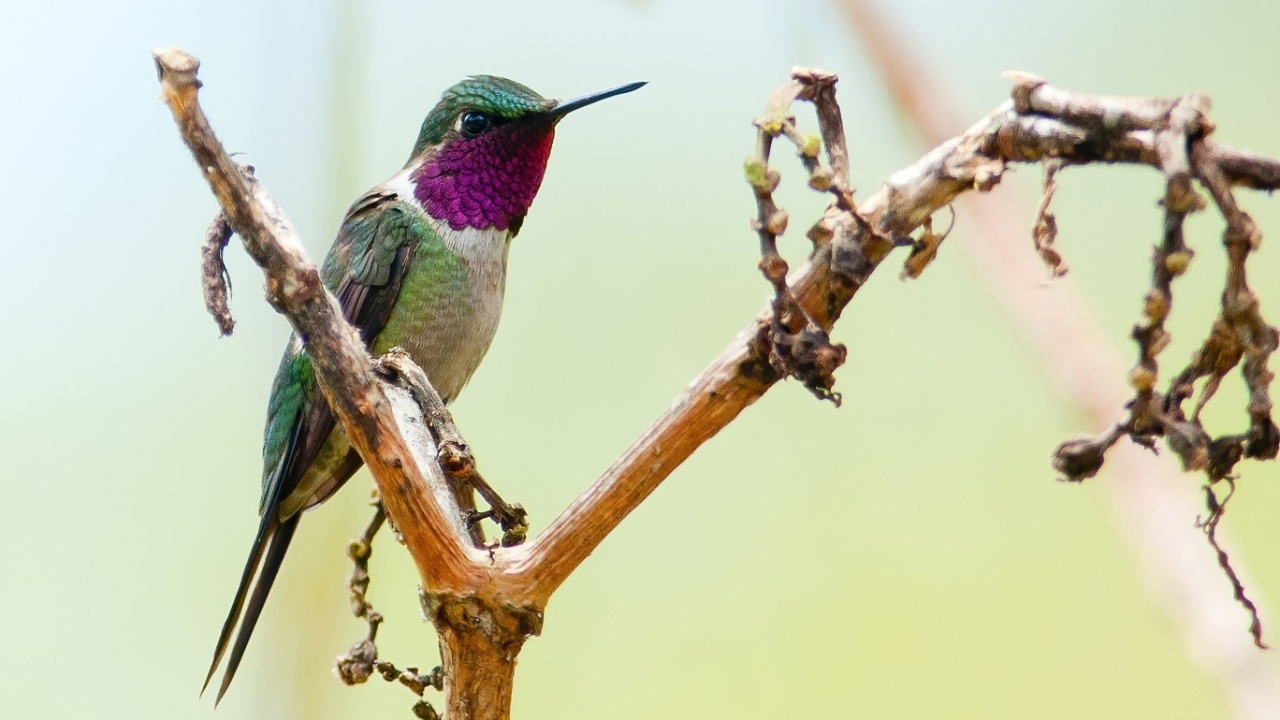
Building a sanctuary for hummingbirds starts by picking a few of these trees to anchor your yard. Layer in smaller shrubs and perennial flowers to provide food at different heights.
Watching which trees the birds visit most often will help you plan for future seasons. Expanding the variety of bloom times ensures that your yard remains a buzzing hub of activity from the first day of spring until the final migration of autumn.
Read More:
14 Tubular Flowers That Hummingbirds Love
The #1 Reason Hummingbirds Are Avoiding Your Yard (And 15 Plants That Will Fix It)