This Is One of the Most Toxic Beautiful Flowers to Think Twice About
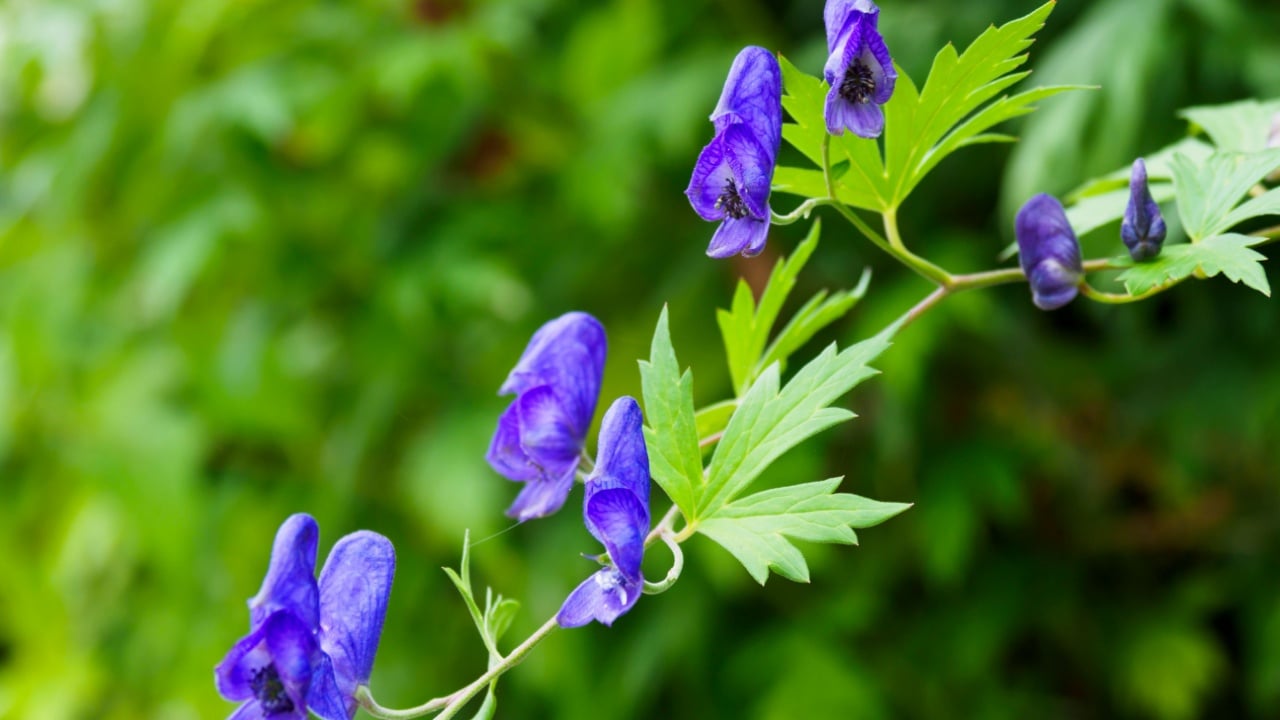
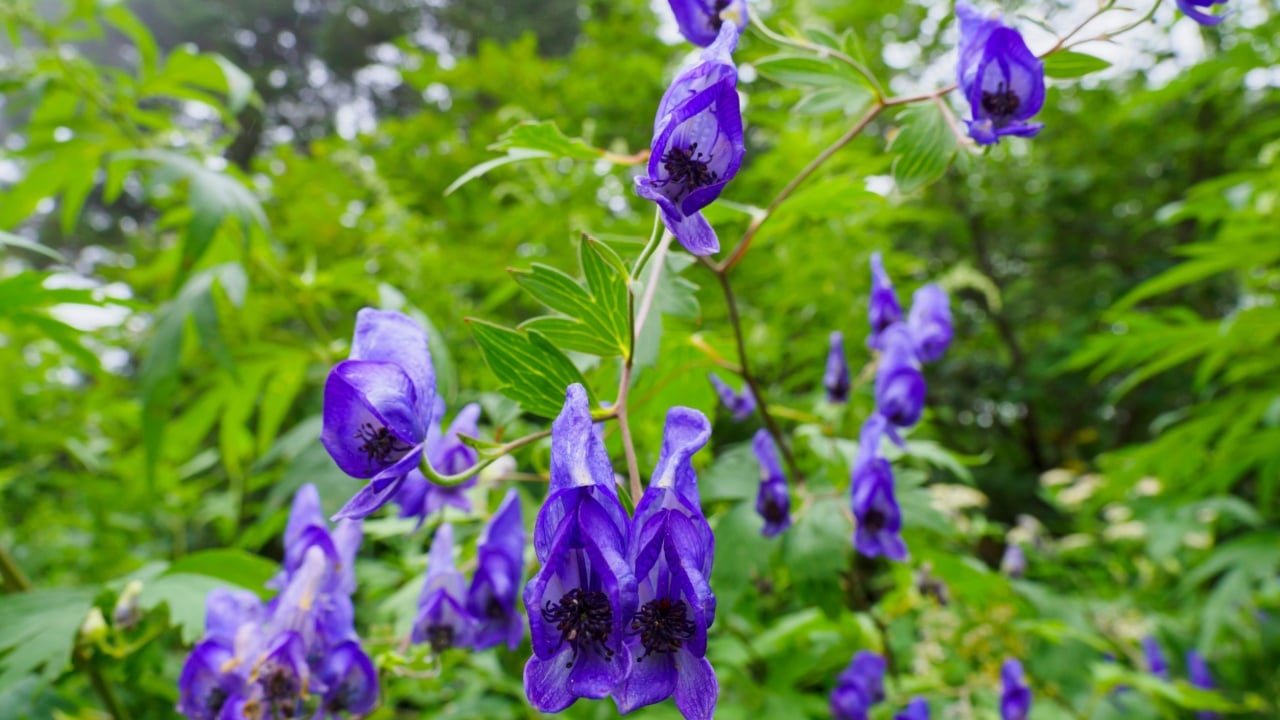
Monkshood looks almost too pretty to fear. Its tall stems and deep blue or purple blooms can make a border look rich and full in late summer, which is part of why so many gardeners fall for it at first sight.
The problem is that monkshood is far more dangerous than its graceful shape suggests. Every part of the plant contains potent toxins, and even light contact can be risky if bare skin is exposed for long enough.
This makes monkshood a poor fit for many home landscapes, especially yards used by pets, children, or anyone who likes to handle plants without heavy protection. It can still show up in older gardens, passed-down beds, or neglected corners where nobody remembers planting it.
Here is why monkshood is so risky, how to remove it with care, and what to do so it does not come back.
Monkshood is Dangerous from Top to Root
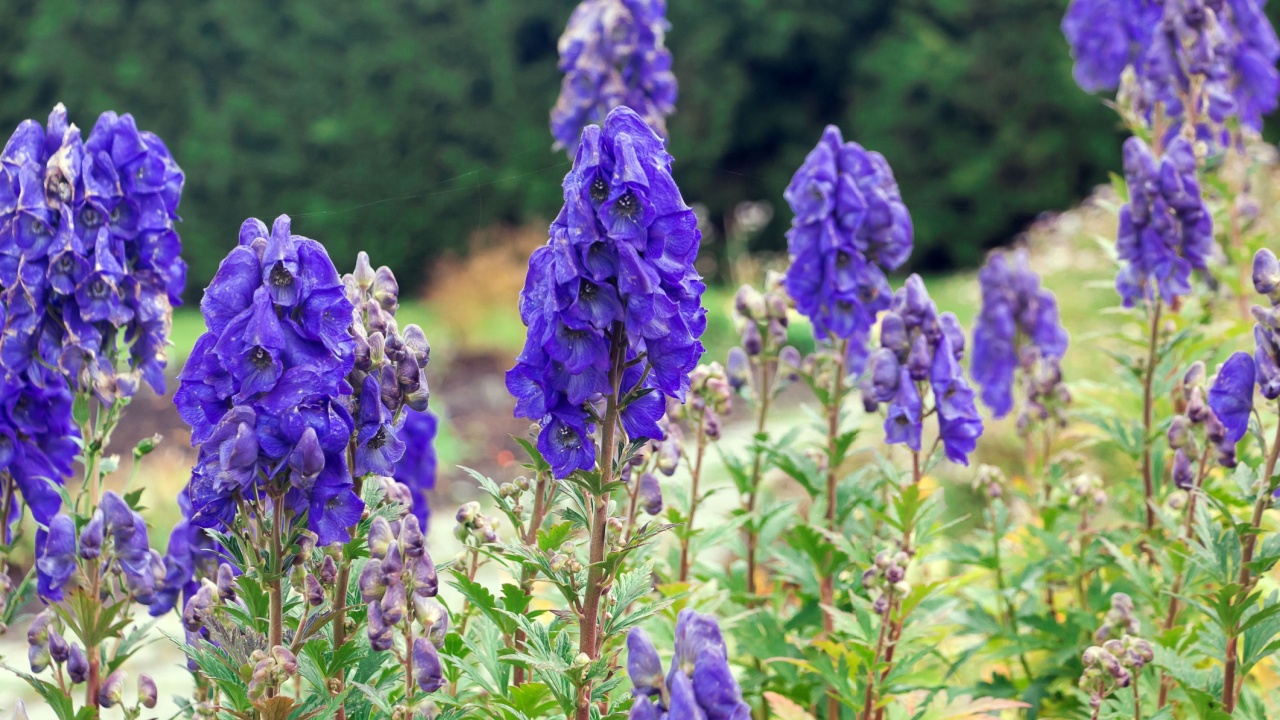
Monkshood, also called aconite or wolfsbane, contains aconitine, a toxin that can affect the nerves and the heart. The whole plant is poisonous, including the flowers, leaves, stems, and roots, with the roots often holding the highest concentration.
That means there is no safe part to handle casually, even if the plant looks dry, faded, or past bloom. This is what makes monkshood different from many other problem plants in home gardens.
A gardener might avoid eating it and still be at risk during routine chores like weeding, dividing, or clearing a bed. If you suspect you have monkshood, treat the entire plant as hazardous from the first touch to final disposal.
Contact Can Harm People Without Ingestion
One of the most alarming facts about monkshood is that the toxin can enter the body through the skin. Sap or plant juices may cause numbness, tingling, or irritation, and in more serious cases, the toxin can affect heart rhythm after enough exposure.
Wet conditions, broken skin, and long handling time can raise the danger. That means a quick pull with bare hands is a bad idea, even for an experienced gardener. Gloves, long sleeves, long pants, and closed shoes are basic protection, not extra caution.
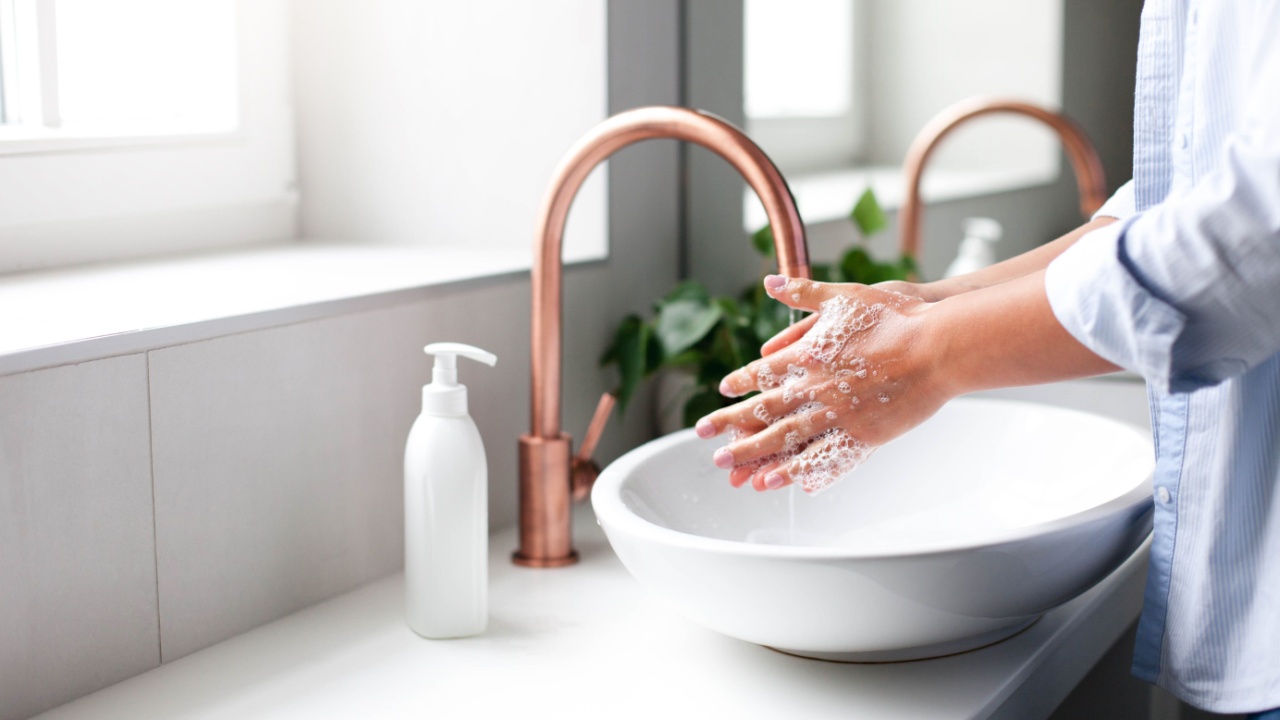
If skin touches the plant, wash the area right away with soap and water and keep an eye out for unusual symptoms such as dizziness, nausea, or tingling.
Kids and Pets Face the Highest Risk

Monkshood is a serious hazard in any yard used by curious children or roaming pets. A child may grab the flowers out of interest, and dogs or cats may brush against the plant, dig near the roots, or chew fallen pieces.
Even a small amount can lead to vomiting, stomach pain, weakness, abnormal heartbeat, or far worse outcomes.
If monkshood is growing where family members or animals spend time, removal should move up the priority list.
Do not wait for the plant to spread or bloom again. Until it is gone, block access to the area and pick up any dropped leaves or flowers with protected hands and sealed bags ready nearby.
How to Safely Remove It- First, Wear Protective Dress
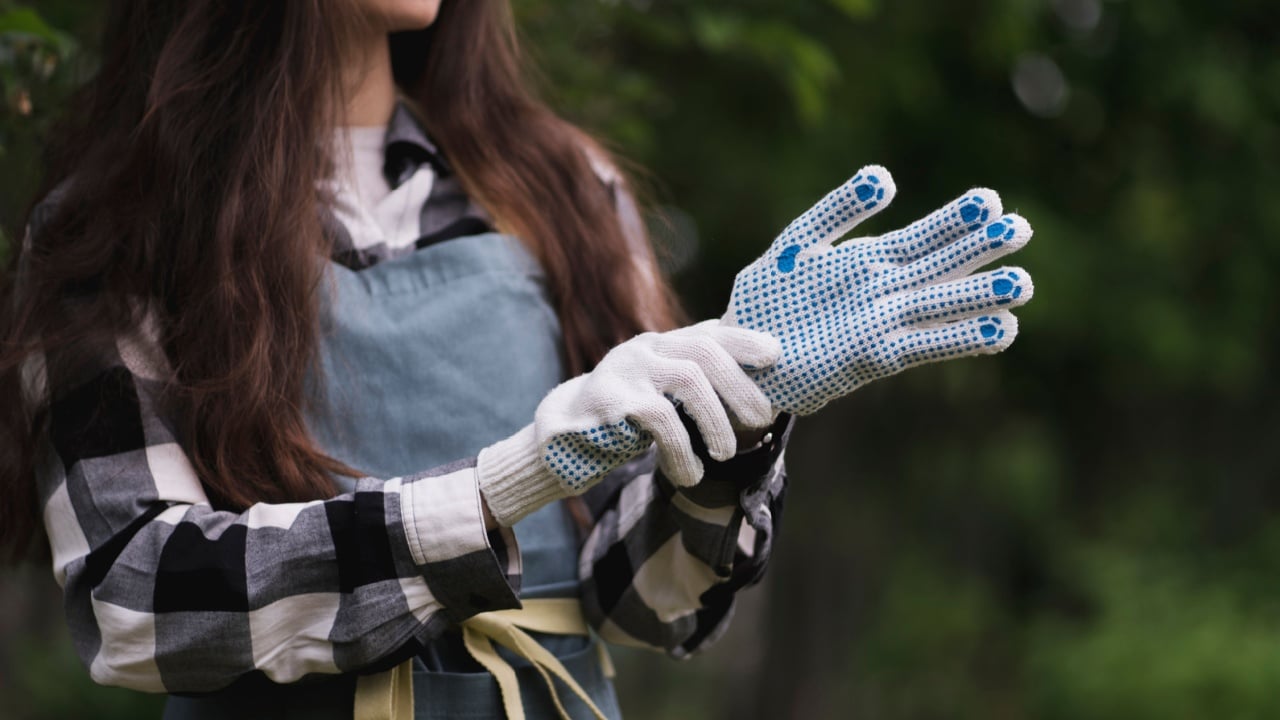
Before you start digging, put on gear that covers as much skin as possible. Thick gloves, long sleeves, sturdy pants, socks, and boots help reduce exposure, and eye protection is smart if stems may snap or sap may flick upward.
Avoid thin fabric garden gloves that can soak through once the plant gets damp or damaged.
Keep your tools close so you do not have to stop and touch door handles, phones, or other surfaces with contaminated gloves. It also helps to choose a dry day, since wet leaves and muddy soil can spread plant residue more easily.
Once you begin, stay focused on the task and keep children and pets well away from the area.
Dig Out the Entire Root System
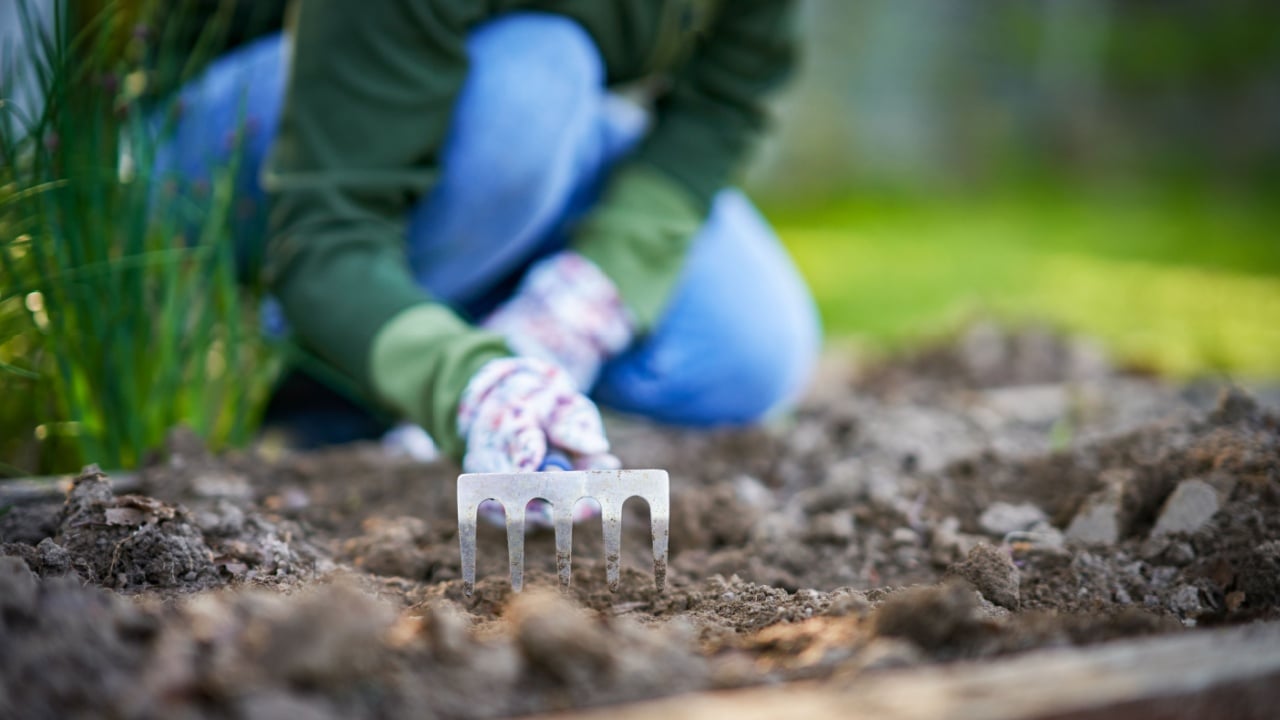
The safest removal method is careful digging, not yanking from the top. Use a garden fork or spade to loosen the soil several inches from the base, then lift the plant slowly so the roots come up intact.
If roots break apart and stay in the ground, monkshood can return and force you to handle the site again later.
Work in a slow circle around the plant rather than pulling straight up. This lowers the chance of snapping stems and spraying sap onto your clothes or skin.
After removal, inspect the hole for leftover root pieces and bag everything you remove, including loose fragments, dead leaves, and any nearby debris that may have mixed with the plant.
Bag It and Keep It Out Of Compost
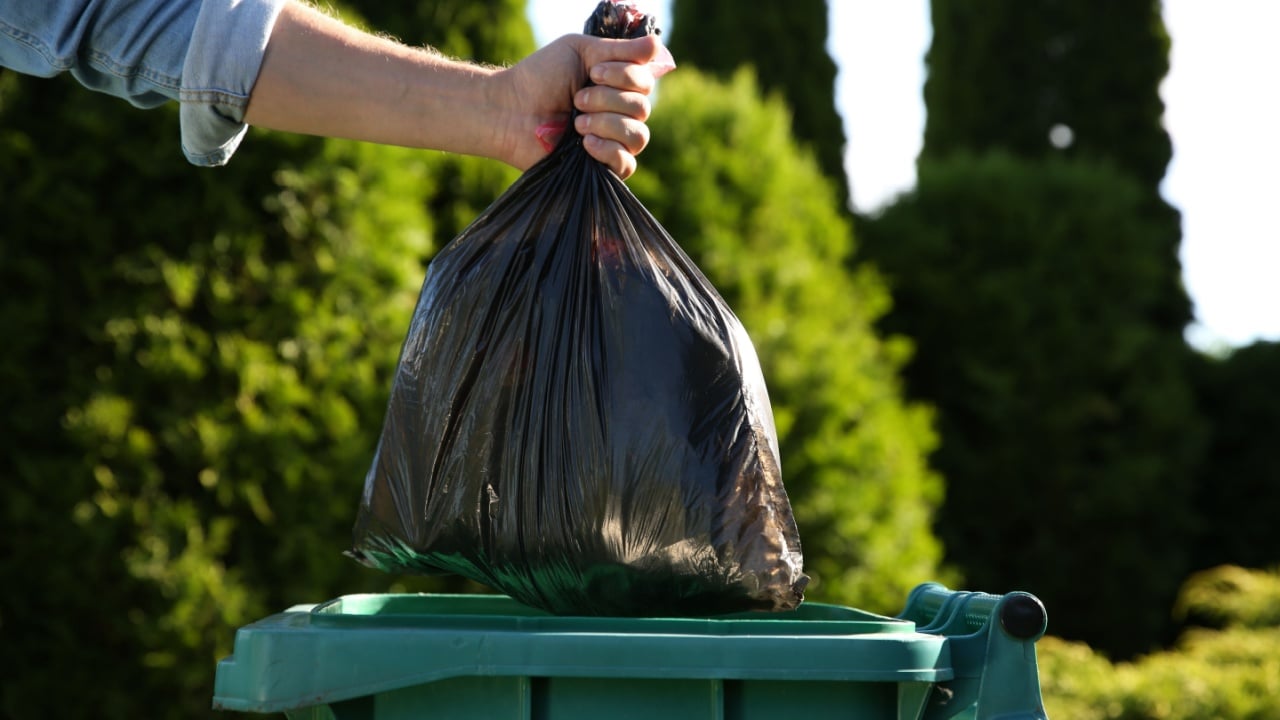
Once monkshood is out of the ground, place it directly into a heavy-duty plastic bag. Seal the bag, then place it inside a second bag if possible, especially if roots or stems were cut during removal.
Compost is not an acceptable destination because toxic material can remain in the pile, posing a risk during subsequent handling.
Check local disposal rules for hazardous yard waste or sealed toxic plant disposal. If your area does not offer a special option, keep the plant tightly bagged and away from people and animals until collection day.
Labeling the bag is a smart move in case someone else handles it before it leaves your property.
Clean Tools, Clothes, and Hands Right Away

After removal, your cleanup routine matters almost as much as the digging. Wash tools with hot soapy water, then disinfect them so any remaining plant residue is less likely to spread to other parts of the garden.
Gloves should be washed or discarded based on the material, and clothing should go straight into the laundry on its own.
Do not touch your face while cleaning up, and wash your hands well, even if you wore gloves the whole time.
If boots picked up soil from the area, rinse the soles before walking through the yard or garage. A careful cleanup helps stop accidental contact long after the plant itself is gone.
Stop Regrowth Before It Starts Again
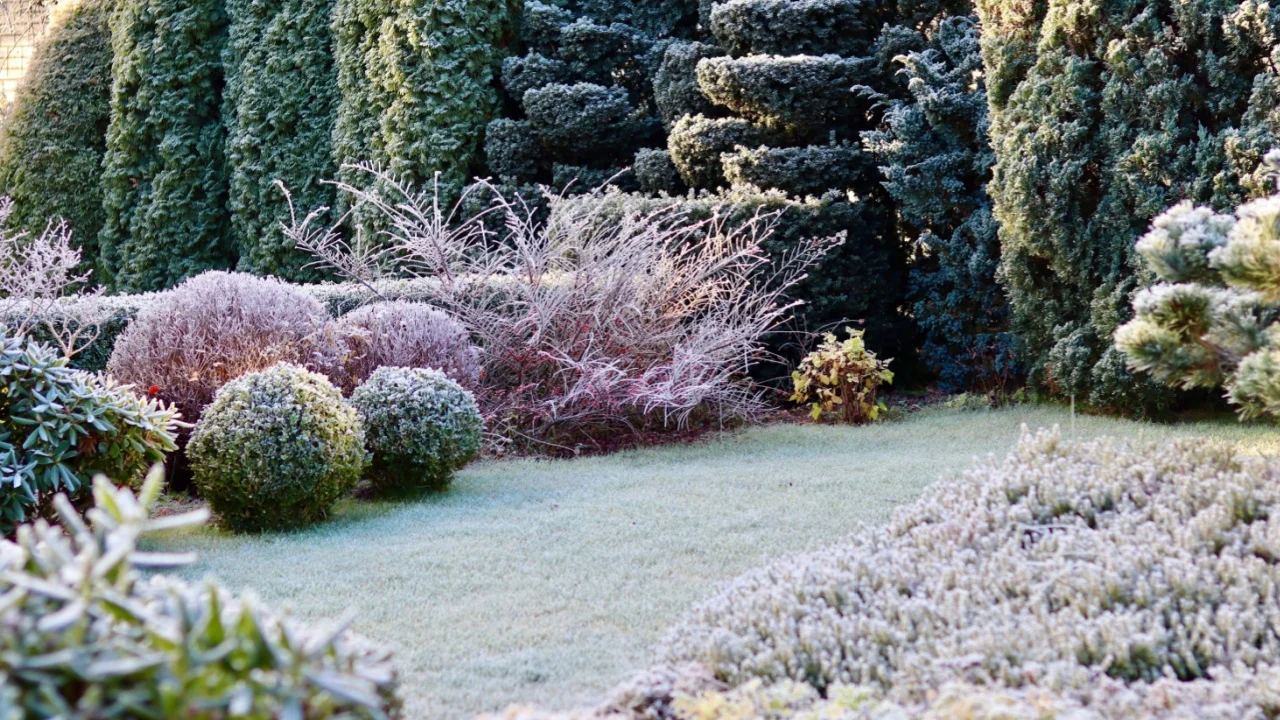
The best time to remove monkshood is during dormancy in fall or winter, when the garden is quieter, and the root system can be easier to target without dense top growth in the way. After removal, keep watch on the site during the next growing season and pull any new shoots with full protective gear before they gain strength. A missed root piece can be enough to restart the problem.
In hard-to-reach spots, some gardeners use a targeted herbicide treatment on fresh regrowth, applied directly to the plant instead of being sprayed across the bed. If you go that route, follow the label exactly and keep the product off nearby soil and desirable plants. Replanting the cleared area with dense, non-toxic ground cover can also help fill the space and reduce the odds of unwanted shoots getting established.
A Safer Yard Starts Here
Monkshood is one of those rare plants that can be stunning and still have no real place in a family garden. Its beauty is easy to admire, yet the risk tied to its sap, roots, and stray plant parts is far too high for casual handling.
If it is growing in your yard, treat removal as a careful safety job, not a normal weekend cleanup. With the right clothing, slow digging, sealed disposal, and close follow-up, you can clear it out and make that part of the garden far safer for everyone who uses it.