

Your porch pumpkins looked magnificent for Halloween (and fall). They were plump, vibrant, and perfectly captured the spirit of autumn. Now, they look a little sad. The once-proud gourds are slumping, developing soft spots, and generally signaling that their decorative duty is done. Before you unceremoniously toss them in the trash, know that your mushy pumpkin still has a lot to offer your backyard.
Giving your pumpkin a second life is a great way to reduce waste and benefit your garden and local wildlife. From enriching your soil to providing a feast for critters, these eight ideas will help you dispose of your decaying decor responsibly. We’ll also cover what you absolutely should not do with a pumpkin that’s seen better days.
1. Compost It for a Nutrient Boost

Image Credit: Shutterstock.
Adding your old pumpkin to a compost pile is one of the best things you can do with it. Pumpkins are packed with nutrients like nitrogen, potassium, and phosphorus. As they decompose, they release these goodies into your compost, creating a rich organic amendment that will supercharge your garden soil next season. It’s a simple, effective way to recycle your gourd and improve your soil’s health.
To help it break down faster, chop the pumpkin into smaller pieces before adding it to your bin. The increased surface area gives microorganisms more to work with, speeding up decomposition. If you notice your compost is a bit dry, the moisture from the pumpkin can help get things active again.
Quick Tips:
- Remove seeds before composting if you don’t want volunteer pumpkin vines next year.
- Chop the pumpkin into small chunks to accelerate decomposition.
- Mix the pumpkin pieces with “brown” materials like dried leaves or cardboard.
2. Bury It Directly in the Garden

Image Credit: Shutterstock.
No compost pile? No problem. You can bury your pumpkin directly in a garden bed that needs a little love. This method, sometimes called trench composting, allows the pumpkin to decompose right where its nutrients are needed most. As it breaks down underground, it will enrich the soil, improve its structure, and attract beneficial earthworms.
Choose a spot in your garden that you plan to plant in next spring. Dig a hole about a foot deep, toss in the pumpkin pieces, and cover it back up with soil. By planting season, the pumpkin will have mostly decomposed, leaving behind a pocket of incredibly fertile soil ready for your new plants.
Quick Tips:
- Dig a hole at least a foot deep to discourage animals from digging it up.
- Chop the pumpkin into pieces before burying it.
- Mark the spot so you remember where you buried your natural fertilizer.
3. Create a Wildlife Buffet

Image Credit: Shutterstock.
Your local wildlife will gladly take that pumpkin off your hands. Squirrels, deer, rabbits, and birds see a softening pumpkin as a delicious and easy meal, especially as other food sources become scarce. Setting it out for them provides a valuable food source that helps them prepare for the colder months ahead.
Simply place the pumpkin in a corner of your yard away from your house. You can cut it into pieces to make it more accessible for smaller animals. This is a wonderful opportunity to observe your backyard critters up close while helping them out.
Quick Tips:
- Place the pumpkin far from doors and high-traffic areas.
- Cut the gourd open to make it easier for animals to access.
- Monitor it and remove what’s left after a few days to avoid attracting unwanted pests.
4. Make a Natural Bird Feeder

Image Credit: Shutterstock.
Transform your pumpkin into a temporary, all-natural bird feeder. This is a creative way to attract birds to your yard and provide them with a high-energy snack. The pumpkin itself is edible for many birds, and filling it with seeds makes it even more appealing.
Cut the top off your pumpkin and hollow it out, then fill it with a quality birdseed mix. You can place it on a stable surface or even hang it from a sturdy tree branch. Birds like chickadees, finches, and cardinals will flock to this festive feeder.
Quick Tips:
- Place the pumpkin feeder somewhere you can see from a window.
- Use a mix of seeds to attract a wider variety of birds.
- Replace the pumpkin once it becomes too soft or moldy.
5. Save the Seeds for Roasting or Planting
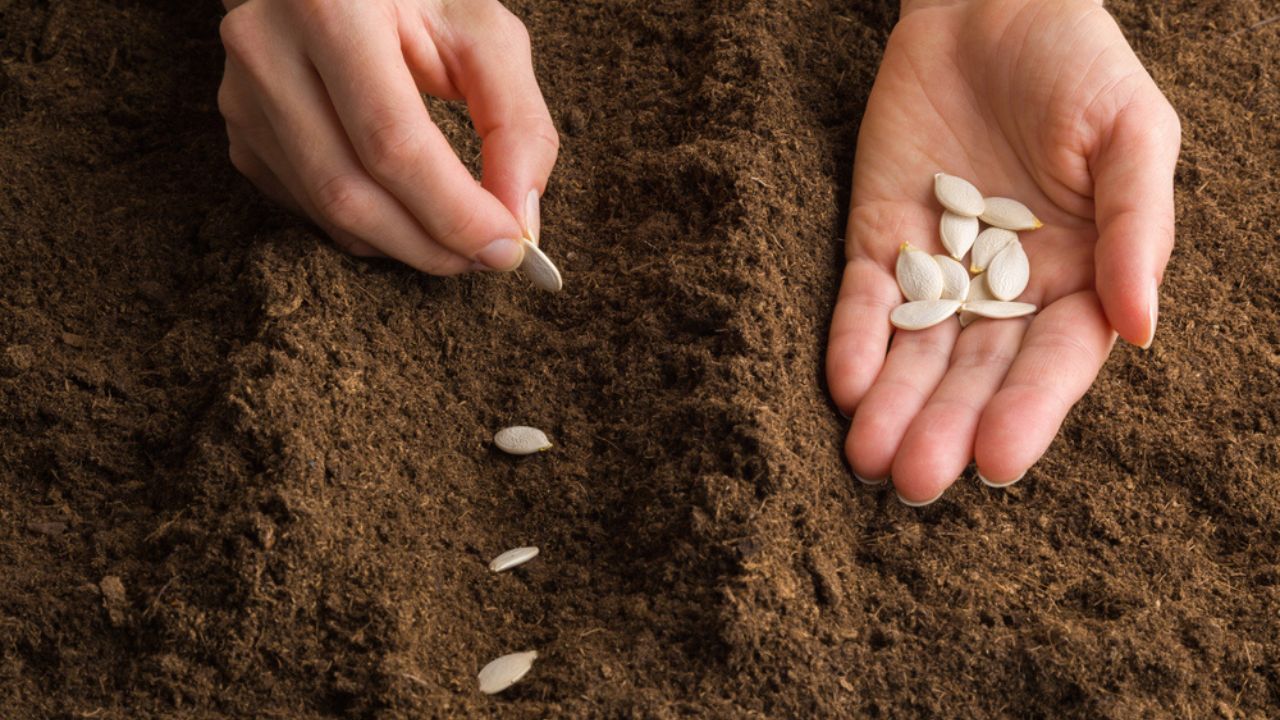
Image Credit: Shutterstock.
Before you do anything else, check if the seeds are still salvageable. If the pumpkin is just starting to soften but isn’t a puddle of goo, the seeds inside are likely still good. Pumpkin seeds are a nutritious snack when roasted and a promise of a future harvest when saved for planting.
Scoop out the seeds and separate them from the stringy pulp. For roasting, toss them with a little oil and your favorite seasonings before baking. For planting, rinse the seeds thoroughly, let them dry completely on a paper towel for about a week, and then store them in a cool, dark, and dry place until spring.
Quick Tips:
- Only save seeds from a pumpkin that is just beginning to soften.
- Ensure seeds are completely dry before storing them to prevent mold.
- Store seeds in a labeled paper envelope in your refrigerator.
6. Donate It to a Local Farm or Zoo

Image Credit: Shutterstock.
Many local farms, animal sanctuaries, and even zoos accept pumpkin donations after Halloween. These pumpkins are used as food and enrichment for the animals. Pigs, goats, chickens, and many other farm animals love to munch on pumpkins. It’s a treat for them and an easy disposal method for you.
Do a quick search online for “pumpkin recycling” or “pumpkin donation” in your area, or call local farms directly. This is a fantastic community-oriented option that supports local organizations and keeps a large amount of organic waste out of landfills.
Quick Tips:
- Check donation guidelines; most places only accept undecorated pumpkins.
- Organize a neighborhood pumpkin collection drive to make a bigger impact.
- Remove any lingering candle wax before donating.
7. Conduct a Fun Science Experiment

Image Credit: Shutterstock.
If you have curious kids, a rotting pumpkin is a perfect subject for a hands-on science lesson. The process of decomposition is fascinating, and observing it up close can teach children about biology, decay, and the life cycle.
Place the pumpkin in a designated spot in your yard and have your kids check on it daily. They can document the changes through drawings, photos, or a journal. Watch as mold grows, the structure collapses, and insects arrive to do their work. A jack-o’-lantern is particularly interesting as its facial expression will contort as it decays.
Quick Tips:
- Choose a location where the pumpkin can rot without being a nuisance.
- Provide a journal or camera for kids to document the changes.
- Use the experiment to teach about the role of decomposers like fungi and bacteria.
8. Make a Pumpkin Planter

Image Credit: Shutterstock.
If your pumpkin is still structurally sound but past its prime, you can use it as a biodegradable planter for fall flowers like pansies or mums. It’s a charming and temporary way to display seasonal plants. When you’re done with the display, you can plant the entire thing in the ground.
Cut the top off the pumpkin, scoop out the insides, and add some potting soil. Then, place your plant inside. The pumpkin will provide nutrients to the plant as it slowly decomposes. Once the pumpkin starts to collapse, you can bury it in your garden, where it and the plant will continue to thrive.
Quick Tips:
- Drill a few holes in the bottom for drainage before adding soil.
- Choose cold-hardy plants that can withstand the weather.
- This works best with pumpkins that are firm but just starting to show age.
What Not to Do With Your Pumpkin

Image Credit: Shutterstock.
While there are many great uses for an old pumpkin, there are a few things you should avoid. First, never leave a truly rotten, liquified pumpkin on your porch or sidewalk. It can stain surfaces and attract unwanted pests like rodents.
Second, do not throw pumpkins that have been painted, glittered, or treated with chemicals into your compost or leave them out for wildlife. These materials can be toxic to animals and will contaminate your soil. Unfortunately, decorated pumpkins should go in the trash.
Moving from Fall to Winter Months
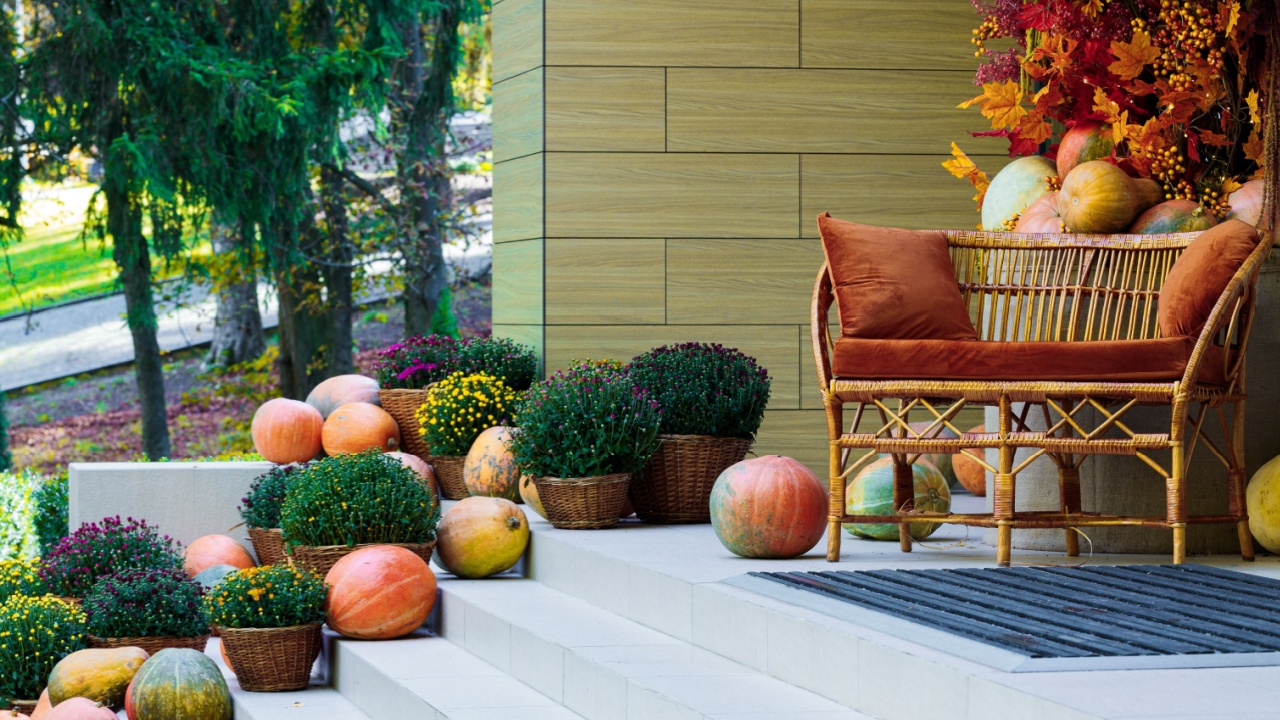
Image Credit: Shutterstock.
Your pumpkin’s journey doesn’t have to end when its looks fade. By choosing one of these options, you can give it a new purpose that benefits your garden, your local wildlife, or even your community. So go ahead, give that sad-looking pumpkin a dignified end. Chop it up for compost, bury it in a garden bed, or turn it into a feast. Your backyard ecosystem will appreciate the effort.