
Are These People Type A or Just Plain Smart? 9 Habits That Keep Dirty Dishes Out of the Sink Overnight
I love a clean kitchen sink; I don’t always like it when I’m responsible for making it clean. The kitchen sink at night can be a scary place. It’s a graveyard of dinner’s past, where rogue spaghetti noodles cling to life, and a single spoon is hoarding the leftover tomato sauce. For many of us, facing that pile of dishes after a long day feels like being asked to climb a small, greasy mountain.
We tell ourselves, “I’ll do it in the morning.” Yet, some people manage to go to bed with a sparkling clean sink every single night. How do they do it? Are they even human? And are they perfect or just making smart choices for their future selves? Maybe a bit of both.
It’s more than just a deep-seated hatred for crusty plates. Psychologists say these folks have high self-discipline and balance self-care with responsibility. They have cultivated specific habits and mindsets that transform this dreaded chore into a manageable, almost automatic, part of their day. Here are nine habits that help people conquer the nightly dish pile.
1. They Think Ahead, Not Just About Now
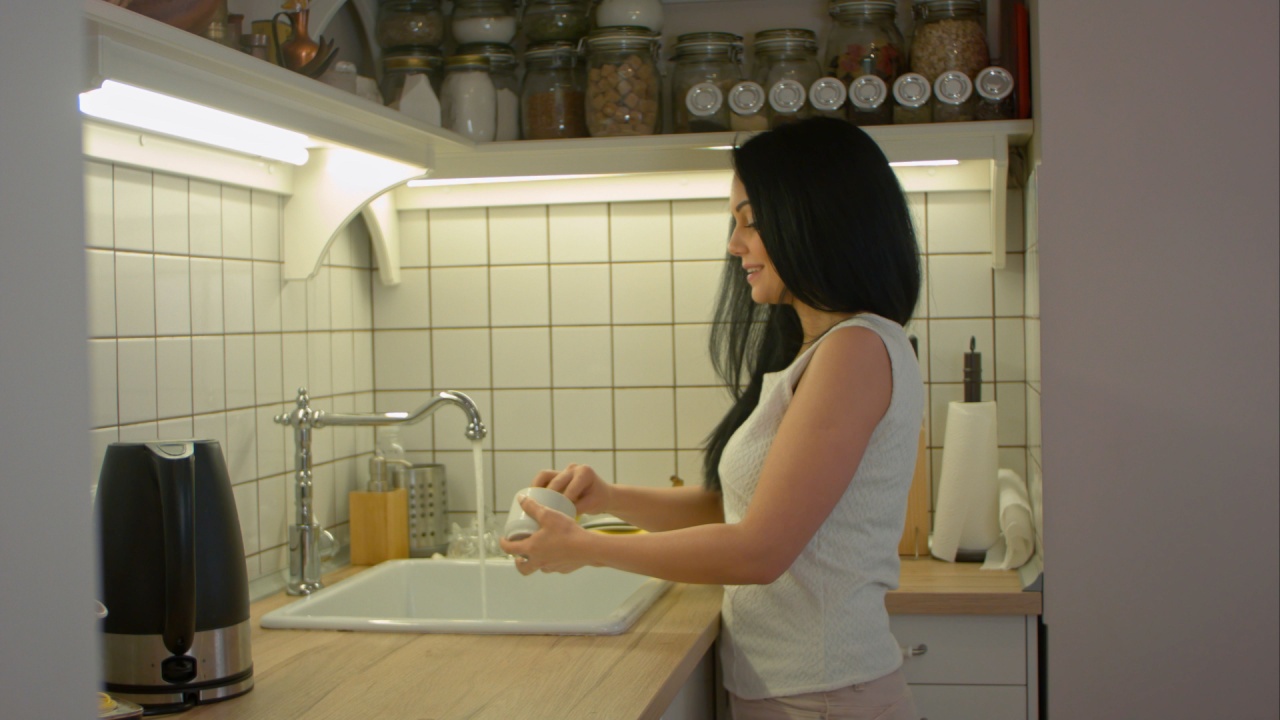
People who clean up at night aren’t focused on the mess in front of them. They’re thinking about what they’ll need in the morning: a clear counter, a ready coffee mug, and no distractions. The task is practical. It’s a way to avoid stress later, and an efficient start to the day.
This habit reflects a broader mindset: they plan for ease, not just order. They know that small actions taken now can prevent bigger frustrations later. A clean kitchen isn’t just a visual reset; it’s a functional one. It means fewer decisions, fewer delays, and a smoother start to the day. That kind of foresight becomes a quiet form of self-respect.
Try This:
- Before you start, ask yourself what you want your morning to feel like.
- Set out one item for tomorrow — a clean pan, a mug, a spoon — and build from there.
2. They Rely on Routine to Stay Grounded

People who always clean the kitchen at night don’t wait to feel motivated. They’ve built the habit into their evening rhythm, so it happens without debate. The task isn’t exciting, but it’s familiar. That familiarity creates stability, especially after a long or unpredictable day.
Health experts say that routines are good for your mental health. This predictability creates a sense of order and control. It’s one less decision to make, one more thing they can count on.
Try This:
- Choose a consistent time to clean up each night. Let it become part of your natural rhythm.
- Pair it with something steady, like putting away leftovers or feeding the dog, to reinforce the habit.
3. A Clean Kitchen is Self-Care
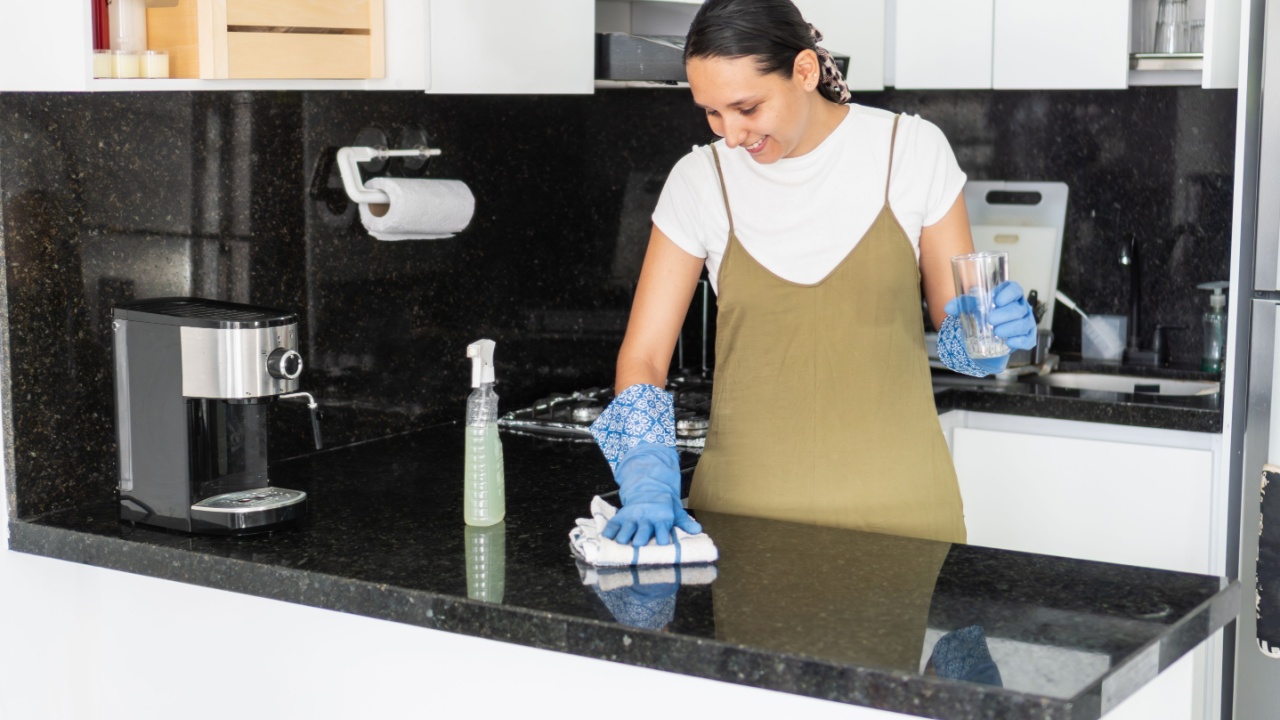
A bubble bath or a face mask is a great form of self-care, but for some, so is a tidy environment. People who prioritize a clean kitchen often view the act of tidying up as a direct way to care for their mental well-being. A cluttered, messy space can contribute to feelings of stress and anxiety, while an orderly one promotes a sense of peace and calm.
Washing the dishes becomes a mindful practice, a way to reset their space and their mind. It’s a clear, definable task with a satisfying outcome. Completing it provides a small but tangible sense of accomplishment, which is a powerful mood booster. It’s less about scrubbing plates and more about creating a sanctuary where they can relax and recharge.
Try This:
- Elevate the Experience: Put on a favorite podcast, an audiobook, or a music playlist while you wash. Use a nice-smelling dish soap. Make it a pleasant sensory experience.
- Focus on the Feeling: Pay attention to how you feel after the kitchen is clean. Acknowledge the sense of calm and relief. This positive reinforcement will make you more likely to repeat the behavior.
4. They Dislike Visual Clutter

Some people are simply more sensitive to their surroundings. For them, a sink full of dishes isn’t just a pending task; it’s visual noise. It’s a distraction that pulls their attention and prevents them from focusing. The pile of pots and pans represents unresolved business, and it silently screams for attention every time they walk past it.
This sensitivity to visual clutter acts as a powerful motivator. The discomfort of seeing the mess becomes greater than the discomfort of doing the cleaning. They clean the dishes not because they love washing up, but because they can’t stand looking at the mess. Tidying the space is their way of quieting the visual chaos so their minds can be at peace.
Try This:
- Clear the Counters First: Before tackling the sink, clear everything else off the counters. Having a clean surrounding area can make the pile of dishes feel less overwhelming.
- Use the “One-Touch” Rule: If you pick something up, deal with it immediately instead of putting it down to handle later. This prevents small messes from accumulating.
5. They Act Immediately

Procrastination is often born from letting small things pile up into one giant, intimidating task. People with perpetually clean sinks live by a simple rule: if a task takes less than two minutes, do it now. Rinsing a single plate and putting it in the dishwasher, washing a knife right after using it, or scrubbing a pot before the food hardens all fall into this category.
This habit, sometimes called the “two-minute rule,” prevents the dreaded pile-up. By dealing with dishes as they are used throughout the day, the final cleanup after dinner is significantly smaller and less daunting. It’s a series of tiny, manageable actions instead of one marathon cleaning session.
Try This:
- Clean As You Cook: Instead of letting everything pile up, wash prep bowls, cutting boards, and utensils during moments of downtime while cooking, like when you’re waiting for water to boil.
- Empty the Dishwasher: Make it a habit to empty the dishwasher first thing in the morning or right when you get home from work. A ready-to-be-loaded dishwasher is your best ally.
6. They Use Cleanup to Mark the Day’s End
For some people, washing dishes is how they close the book on the day. It’s the final task before they shift into rest mode. The act of scrubbing, rinsing, and wiping down the counters signals that everything is done.
This kind of ritual helps the brain settle. It draws a clear line between work and rest. Without it, the day can feel unfinished, like something’s still hanging in the air.
Try This:
- Create a short sequence that wraps up your night: load the dishwasher, wipe the counters, turn off the kitchen light.
- Add something small you enjoy at the end, like a cup of tea or a few pages of a book, to reinforce the transition.
7. They Don’t Wake Up to Yesterday’s Mess

For many, they want a peaceful morning. People who clean at night protect that time. They don’t want to start the day by revisiting old tasks (or stress, as we mentioned earlier). A dirty kitchen pulls attention backward. A clean one lets them move forward.
This isn’t about perfection. It’s about momentum. When the space is ready, they’re more likely to follow through on other habits — making breakfast, journaling, heading out on time. The absence of clutter removes friction. It gives them a head start, not just physically but mentally. They begin the day with a sense of readiness instead of repair.
Try This:
- After dinner, take five minutes to reset the space.
- Leave one small sign of readiness — like a clean coffee setup — to greet you in the morning.
8. They Pair the Task with Something Enjoyable

This is a classic habit-building technique known as “temptation bundling.” It involves pairing an activity you need to do (like washing dishes) with an activity you want to do (like listening to your favorite true-crime podcast). Psychologists agree that by linking the chore to something genuinely enjoyable, the brain begins to associate the task with a positive experience.
Over time, the dread associated with the chore lessens because it becomes the ticket to indulging in a small pleasure. You can only listen to the next chapter of your audiobook while you are at the sink. This makes the task feel less like a punishment and more like an opportunity.
Try This:
- Save a Specific Entertainment for Dishes: Reserve a particular show on a tablet, a specific podcast, or a phone call with a friend exclusively for dishwashing time.
- Share the Task: If you live with a partner or roommate, try tackling the dishes together. One can wash while the other dries, turning a solo chore into a moment to connect.
9. They Organize Tasks Around Their Energy Levels

Smart workers know that not all hours of the day are created equal. People who consistently get the dishes done are often masters of their own energy. They recognize that their willpower and physical energy are highest at certain points in the day and plan accordingly.
Instead of waiting until they are completely exhausted at 10 p.m., they might do the dishes immediately after dinner when they still have some post-meal momentum. They know that if they sit on the couch “for just five minutes,” their energy will plummet, and the chore will feel ten times harder. They work with their natural energy rhythms, not against them.
Try This:
- Identify Your “Energy Window”: Pay attention to your energy levels for a few days. Do you feel a burst of energy right after eating? Or perhaps an hour later? Schedule your cleanup for that window.
- Use the “Just Stand Up” Trick: The hardest part is often getting off the couch. Tell yourself you’ll just stand up and put one dish in the dishwasher. Often, that small start is enough to get you to finish the rest.
Build Your Clean-Sink Habit
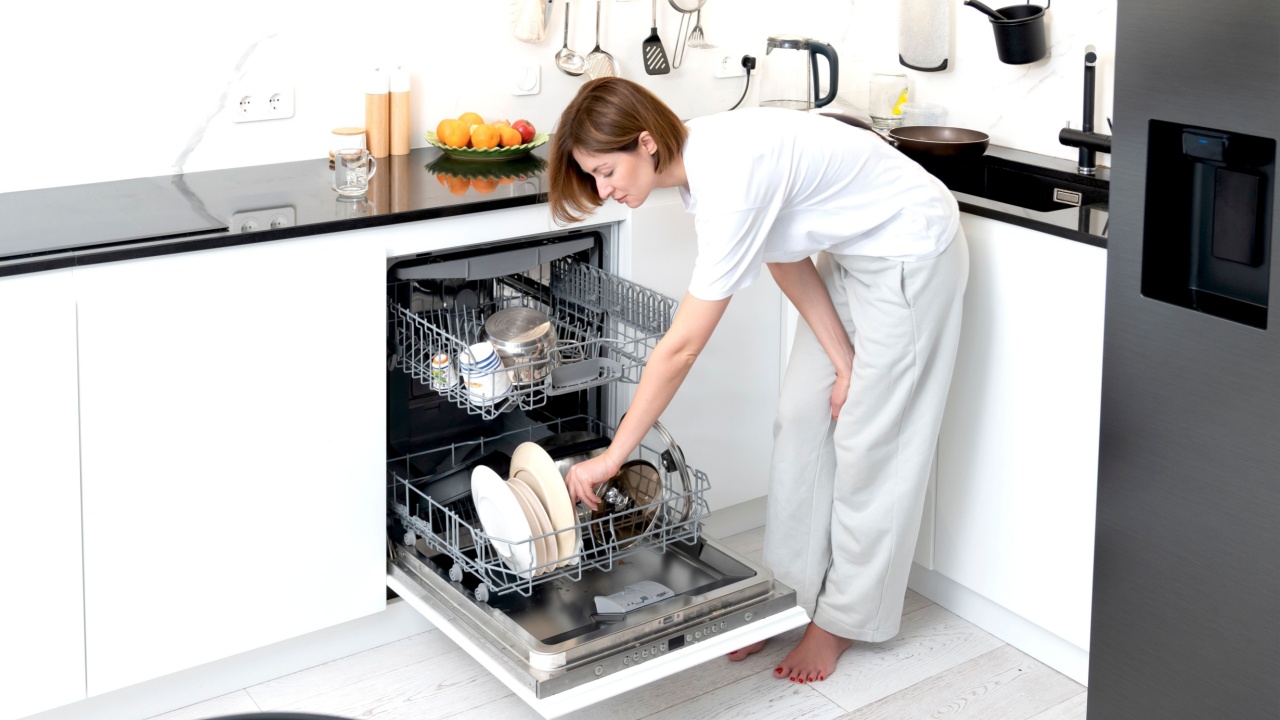
You are probably wondering if there is a spider bite for this superpower, too, but it doesn’t call for a complete personality overhaul. Find a mindset or technique that resonates with you and put it into practice.
Perhaps you like the idea of waking up free, or maybe pairing the chore with a podcast is the motivation you need. For the next week, focus solely on that one habit. Put a sticky note on your fridge to remind you. The goal isn’t perfection; it’s consistency. By transforming your approach from one of dread to one of strategy, you too can become one of those people who enjoys the quiet satisfaction of a clean kitchen sink at night.