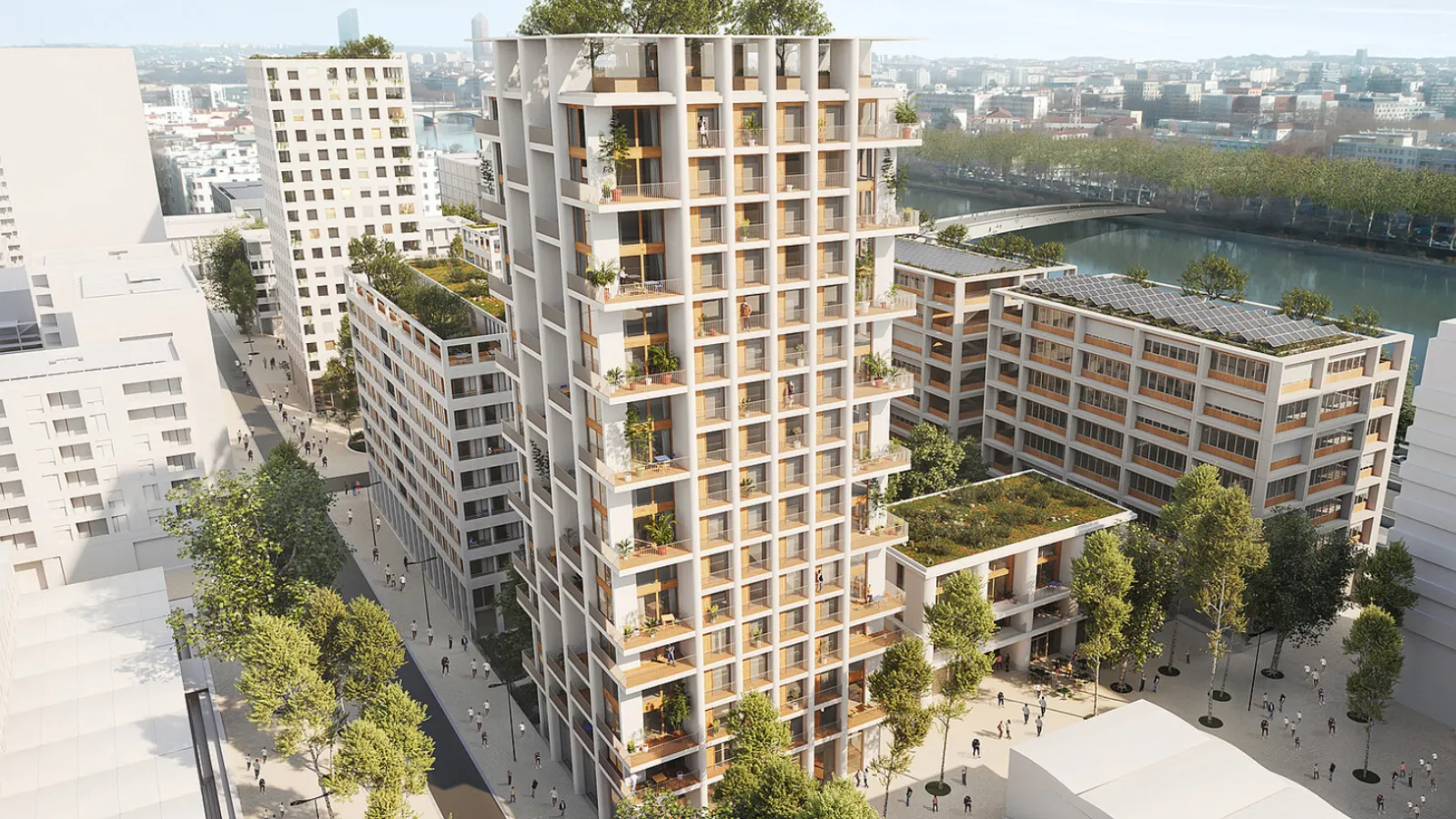
As Energy Bills Climb, European Architects Are Designing Homes That Heat and Cool Themselves
During a time when energy costs feel like they’ve reached an all-time high, the idea of living somewhere with zero heating or cooling bills sounds like a dream come true. But for some people, homes without certain energy-draining features are becoming a reality.
They are known as 22·26 buildings, and they are being designed in response to the ongoing climate crisis. According to Euronews, people like Dietmar Eberle are leading the charge in this type of architecture, finding ways to maintain comfortable interior temperatures through a series of both high- and low-tech solutions.
Some of those include wooden slats connected to sensors that will open or close based on things like air quality and weather. The architects also used glass wool insulation to protect the building’s interior from the warming effects of sunlight during the summer.
The buildings are popping up in places like Switzerland, Germany, and France. And while the outlet notes that the new technology being used by builders has yet to be proven, it seems to have a lot of promise.
A 22·26 Building Has Opened in France
Buildings like a mixed residential building on the River Rhône in Lyon’s Confluence district are an excellent example of the types of 22·26 buildings that experts are hoping will become more common in the future. According to Baumschlager Eberle Architekten’s website, this building is based on a prototype located in Lustenau, Austria.
“The 22·26 building is particularly innovative in that it adapts and develops the method 22·26 to both the specific demands of homebuilding and French building regulations,” the website says. However, it is worth noting that the building is still equipped with a mechanical ventilation and radiator system as required by the country’s building codes.
What Is a 22·26 Building?
Never heard of a 22·26 building? These buildings are named for the temperatures needed to provide comfort all year long. That means maintaining a goal temperature of 22-26 degrees Celsius (or 71.6-78.8 Fahrenheit) all year long without the help of mechanical ventilation.
The buildings are able to maintain these temperatures in a variety of ways, including window ventilation flaps, which can be automatically and manually adjusted based on things like air quality and room temperature. Architects also design the buildings with materials in mind, adding an extra insulating layer that can help keep the buildings cooler during the summer months and warmer during the winter months.
They are also designed to utilize daylight, using the sun to help warm the building as needed.
Could 22·26 Buildings Come to the U.S.?
Anyone curious about whether a 22·26 building will be coming to a city near them soon may have to wait a while. It doesn’t look like there have been any announcements from Baumschlager Eberle or the architect about bringing this type of construction to the U.S.
That could be because the U.S. faces more climate extremes than Europe, which means that these types of buildings may not be as good a fit here.