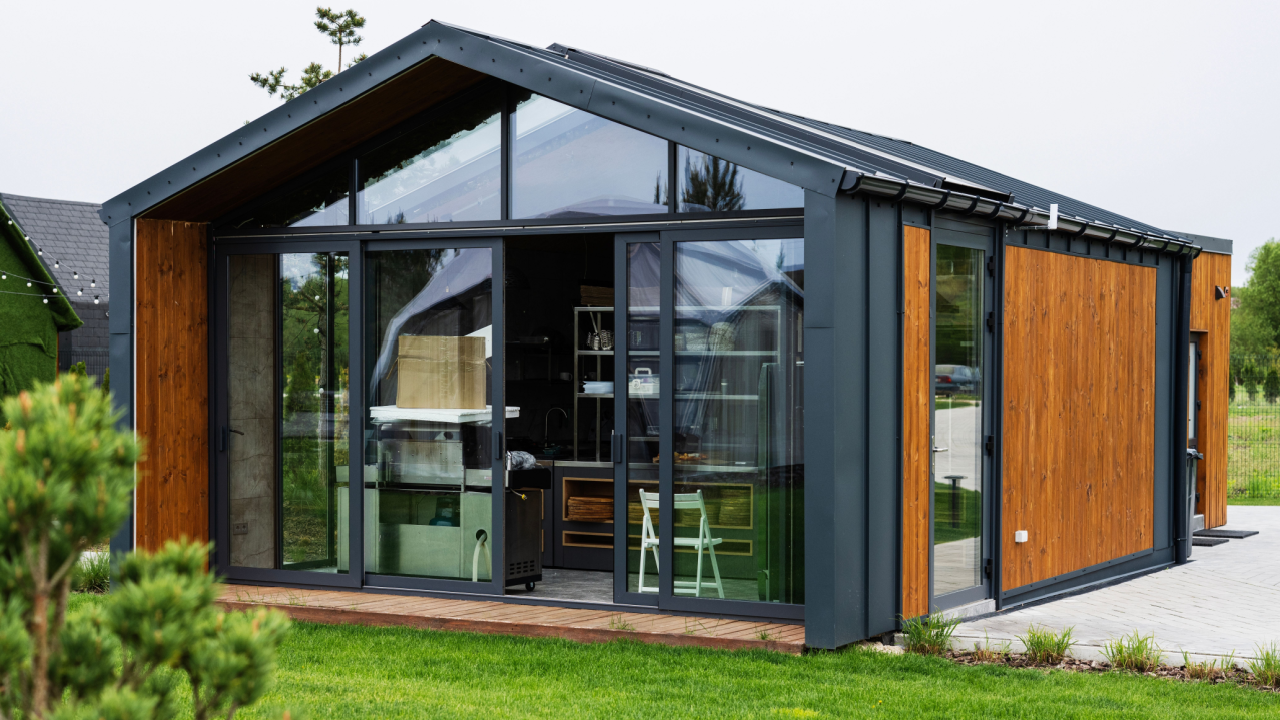
These 5 States Will Pay to Build a Tiny Home in the Yard
Adding a small structure to your backyard often starts with a dream of a quiet she-shed or a workshop for that hobby you swear you’ll start. What if that dream could also ease a housing shortage and put some money back in your pocket?
A growing number of states are offering financial incentives to homeowners who build Accessory Dwelling Units (ADUs), often called granny flats or tiny homes. These programs aim to increase housing options, and you could be part of the solution. This article will guide you through five states that have programs to help fund your backyard building project.
We will explore the details of what each state offers, why it’s a beneficial opportunity, and what it means for you as a homeowner.
1. California
California has been a leader in the ADU movement, and its financial incentives reflect a serious commitment to adding housing. With some of the highest property values in the country, the state recognized the need for creative housing solutions. The California Housing Finance Agency (CalHFA) offers grants to help homeowners with the initial costs of building an ADU.
The CalHFA ADU Grant Program provides up to $40,000 to reimburse homeowners for pre-development and non-recurring closing costs. This includes expenses like site prep, architectural designs, soil tests, permits, and impact fees. These are the upfront costs that frequently stop projects before they even begin. By covering these initial hurdles, California makes the process much more manageable for the average homeowner. The goal is to encourage the construction of more rental units, which is why the program is often geared toward creating affordable housing options.
2. Vermont
Vermont is addressing its housing needs with a program that helps homeowners add a supplemental unit to their property. The Vermont Housing Improvement Program (VHIP) provides grants to property owners who create new accessory dwelling units. This initiative is designed to quickly bring more rental units to the market, especially in a state with a significant need for affordable housing.
Through VHIP, homeowners can receive up to $50,000 to cover the costs of building a new ADU or bringing an existing, non-compliant unit up to code. A major condition of the grant is that the new unit must be rented at an affordable rate to a tenant who meets certain income criteria. This makes the program a partnership between the state and the homeowner. The state gets a needed rental unit, and the homeowner gets substantial financial help to build a long-term, income-generating asset. For someone looking to create a rental property with less financial risk, Vermont’s program is a powerful tool.
3. Hawaii

In a state where land is precious and housing is expensive, Hawaii is using ADUs to expand living options for its residents. The City and County of Honolulu, in particular, have worked to make ADU construction more accessible. While direct grant programs have fluctuated, the city has streamlined the permitting process and waived certain fees to lower the barrier to entry for homeowners.
The primary incentive has been the waiver of expensive facilities reserve charges and sewer connection fees, which can save homeowners thousands of dollars. The goal is to encourage the creation of long-term rental units for local residents. This approach helps combat the housing shortage and provides homeowners with a way to generate rental income. Building an ADU in Hawaii allows property owners to contribute to the local housing supply while adding value to their property in a market where every square foot counts.
4. Colorado
Colorado, particularly cities like Denver and Boulder, is actively promoting ADU construction to increase housing density in established neighborhoods. The state and various municipalities have launched pilot programs and grants to assist homeowners. For example, Denver has offered financial assistance and pre-approved ADU plans to streamline the building process and reduce costs for residents.
These programs often provide grants or forgivable loans to cover a portion of the construction costs, especially for homeowners who agree to rent the unit at an affordable rate for a set period. By offering pre-approved designs, the city also helps reduce the time and money spent on architects and engineers. This makes the entire process faster and more predictable. For Colorado homeowners, this support can turn a backyard into an opportunity to create community housing and a new stream of income.
5. New York

New York is another state grappling with a severe housing shortage, and it is exploring ADUs as a key part of the solution. While a statewide incentive program is still developing, several legislative proposals aim to provide funding and remove restrictive zoning laws that hinder ADU construction. The Plus One ADU program, for example, has been proposed to offer grants and technical assistance to homeowners.
The focus of New York’s budding initiatives is to empower homeowners to build small, affordable rental units in their backyards. Proposed grants would help cover planning and construction costs, making it financially viable for more people to build. By easing zoning restrictions, the state hopes to unlock thousands of potential new homes in existing residential areas. For New Yorkers, getting involved early could mean capitalising on new programs as they roll out, adding significant value and utility to their property.
Turning Your Backyard into a Solution

The movement toward tiny houses or the Accessory Dwelling Units is more than a trend; it’s a practical response to a national housing challenge. These five states are at the forefront, offering tangible financial support to homeowners willing to be part of the solution. If you live in one of these areas, exploring the specific local programs is a wise first step.
Start by visiting your city or county’s housing or planning department website. Look for terms like “ADU,” “Accessory Dwelling Unit,” “granny flat,” or “housing grants.” These resources will provide the most current information on available funding, eligibility requirements, and application processes. Understanding these programs can help you turn an underused patch of grass into a valuable asset that serves both your family and your community.