
Is It Still Good? Deciphering Sell By, Use By, and Best By Dates
Staring into the refrigerator at a carton of milk or a container of yogurt often leads to a moment of hesitation. The date stamped on the package passed yesterday. Does that mean the food is suddenly dangerous? Or is it perfectly fine to eat? This confusion is widespread. In fact, nearly 40 percent of the food produced in the United States goes to waste every year, and a significant portion of that waste comes from consumers tossing out perfectly edible items.
Americans are throwing away money and resources because of a lack of standardization. A recent survey shows that 88 percent of people discard food after the date on the package passes because they believe it will make them sick. However, federal law does not regulate these dates, with one specific exception.
Manufacturers set these timelines based on quality and flavor rather than safety. Understanding the terminology can help reduce waste and save money on grocery bills.
1. The “Best-By” Date
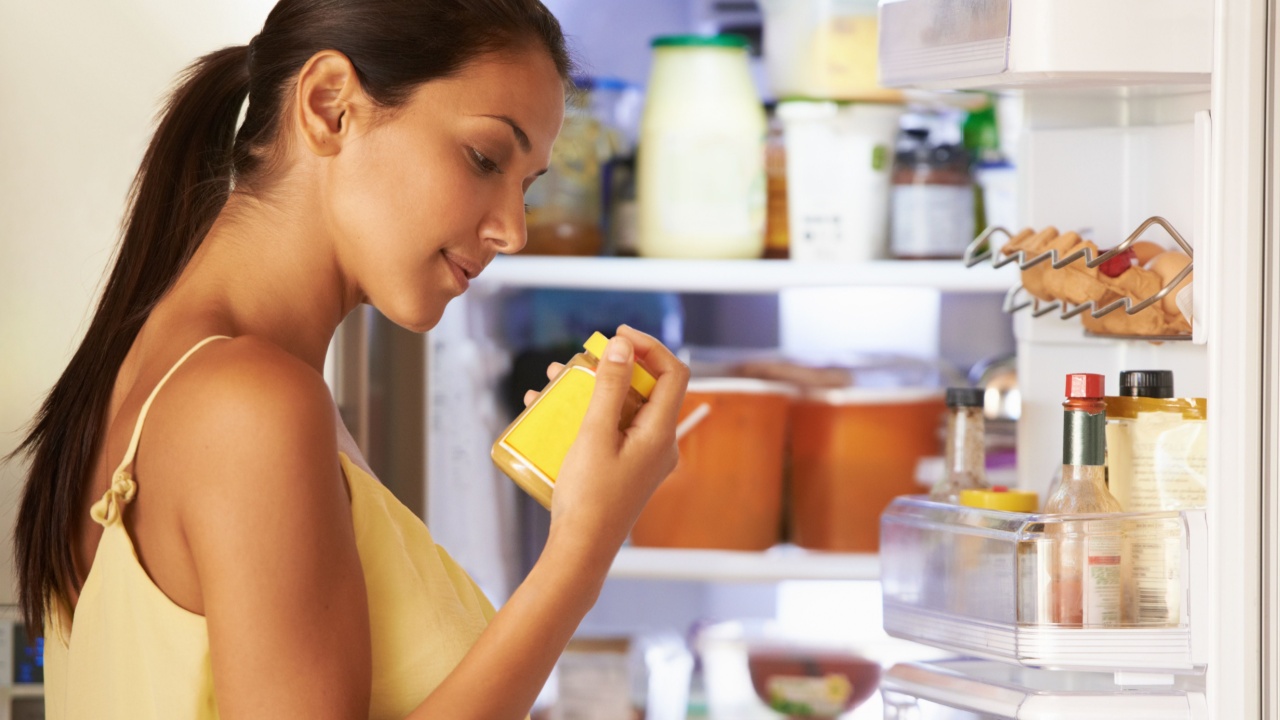
This label is one of the most common sources of anxiety for consumers. You will typically see “Best By,” “Best if Used By,” or “Best if Used Before” on shelf-stable goods like crackers, canned vegetables, and spices, as well as perishables like eggs. This date refers strictly to the quality of the product. The manufacturer is stating that the food will hold its peak flavor and texture until that specific day.
Once the “Best-By” date passes, the food does not become toxic. Instead, the crackers might lose a small amount of crunch, or the salsa might lose a bit of its spicy kick. It is generally safe to consume these items well after the stamp, provided they have been stored correctly.
Tip: Before throwing away a box of cereal or a jar of pasta sauce past its date, perform a quick quality check. If the seal is intact and it looks normal, it is likely safe to enjoy.
2. The “Sell-By” Date

The “Sell-By” date is not actually for the consumer. This date serves as a communication tool between the manufacturer and the retailer. It tells the grocery store inventory manager how long to display the product for sale. You will frequently see this on dairy products, meats, and baked goods. The goal is to maximize shelf turnover so customers always see fresh inventory.
Food remains edible for days, and sometimes weeks, after the “Sell-By” date. Milk, for instance, is often good for a week past this date if kept at the proper temperature. Stores pull these items to keep their stock rotating, not because the food immediately spoils.
Tip: When shopping for milk or meat, look at the items toward the back of the shelf. Stores typically place the newest stock with the latest “Sell-By” dates behind older inventory.
3. The “Use-By” Date
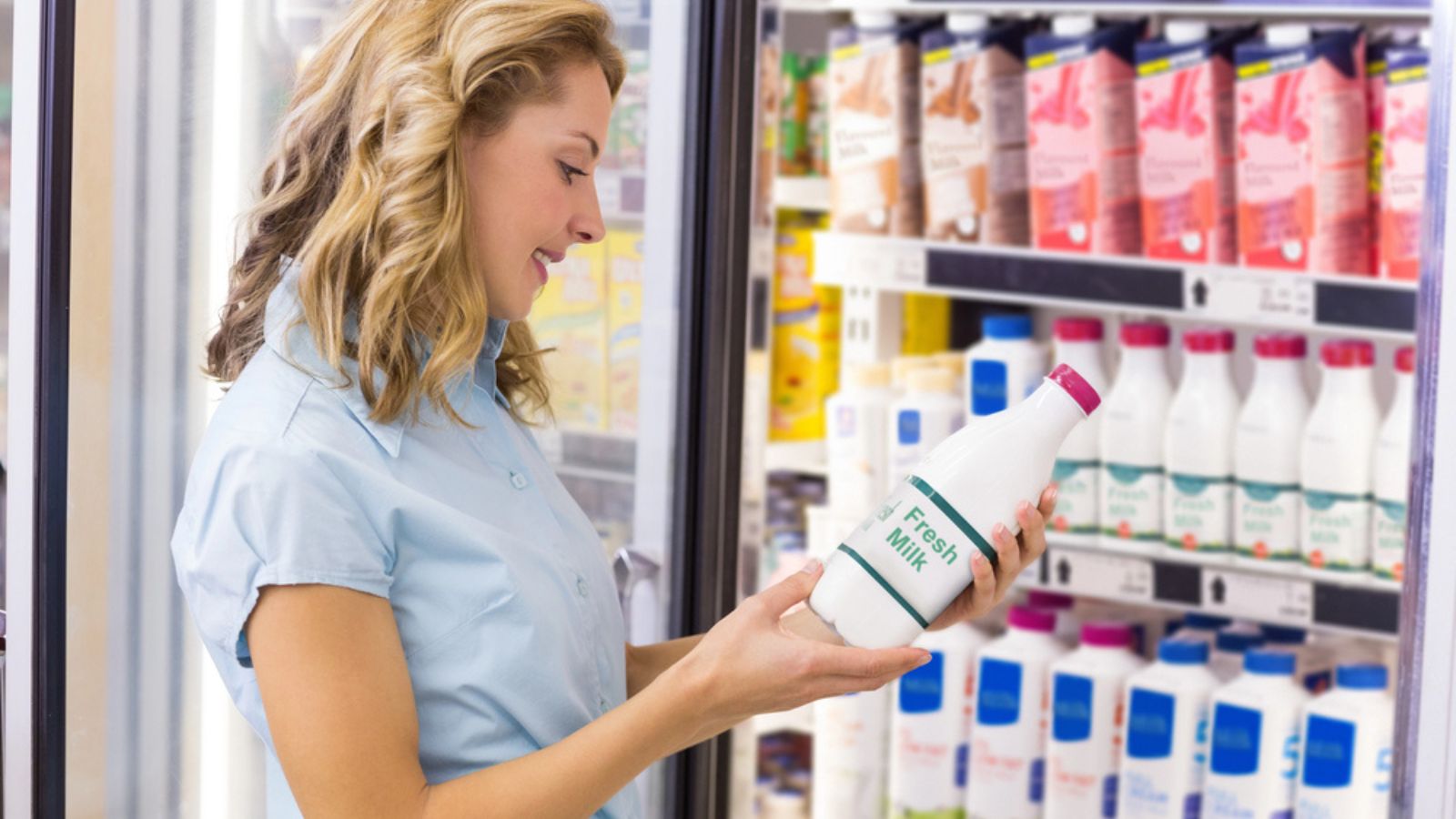
This phrase signals the end of the window for peak quality as determined by the manufacturer. While it sounds more urgent than “Best-By,” it follows a similar logic. The brand is indicating that after this date, the quality will begin to decline noticeably. It does not automatically mean the food is contaminated or dangerous.
There is a distinction here regarding proper storage. If perishable items like sliced turkey or salad greens are kept at 40 degrees Fahrenheit or below, they can last beyond this date. However, due to the nature of these foods, consumers should exercise slightly more caution here than with shelf-stable goods.
Tip: If a “Use-By” date is approaching on fresh meat or poultry and you know you will not cook it in time, put it in the freezer immediately to extend its life.
4. The “Freeze-By” Date
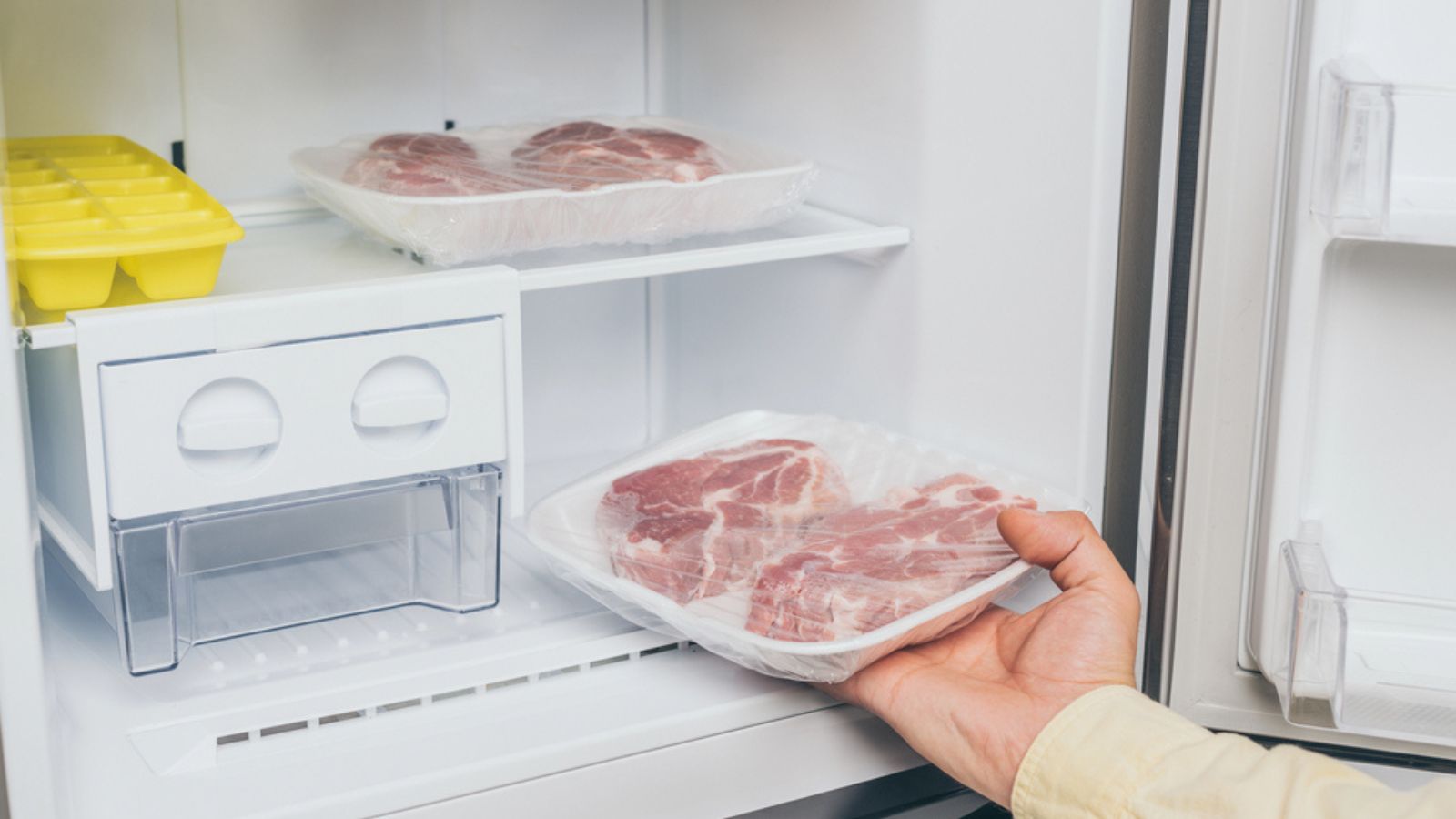
You might spot this label on fresh meat, poultry, or seafood. It is a helpful guide for preservation. The manufacturer is advising you to freeze the product by this specific date to maintain its peak quality. Freezing food effectively pauses the aging process.
Once frozen, the food remains safe indefinitely, though the texture and flavor may eventually degrade over a long period. The “Freeze-By” date simply suggests the optimal time to stop the clock to get the best result when you eventually thaw and cook the meal.
Tip: Use airtight, heavy-duty foil or freezer bags when freezing meat to prevent freezer burn, which can ruin the texture of the food even if it remains safe to eat.
Save Money by Reducing Waste

Understanding these labels empowers you to make better decisions in the kitchen. By ignoring the arbitrary deadlines of “Sell-By” dates and trusting your senses, you can keep perfectly good food out of the landfill and keep more money in your bank account.