18 Soil Mistakes Causing Your Garden to Fail (And What to Do Instead This April)
Stop blaming the weather or your seeds. If your garden keeps failing year after year, the soil is almost certainly the villain, and most gardeners never think to look there first.
According to Dr. Amy Enfield, senior horticulturist at ScottsMiracle-Gro, interviewed in Real Simple, soil structure, water retention, microbial activity, pH balance, and nutrient availability are all interconnected, meaning that a single soil mistake can cascade into total plant failure. Many people, even those who have gardened for decades, still make the same foundational soil mistakes, pouring money into fertilizers and replacement plants without ever fixing what’s broken below the surface.
This April, before you put a single plant in the ground, learn which soil mistakes are silently destroying your garden, and what to do instead.
1. Never Designating a Foot-Traffic-Free Zone
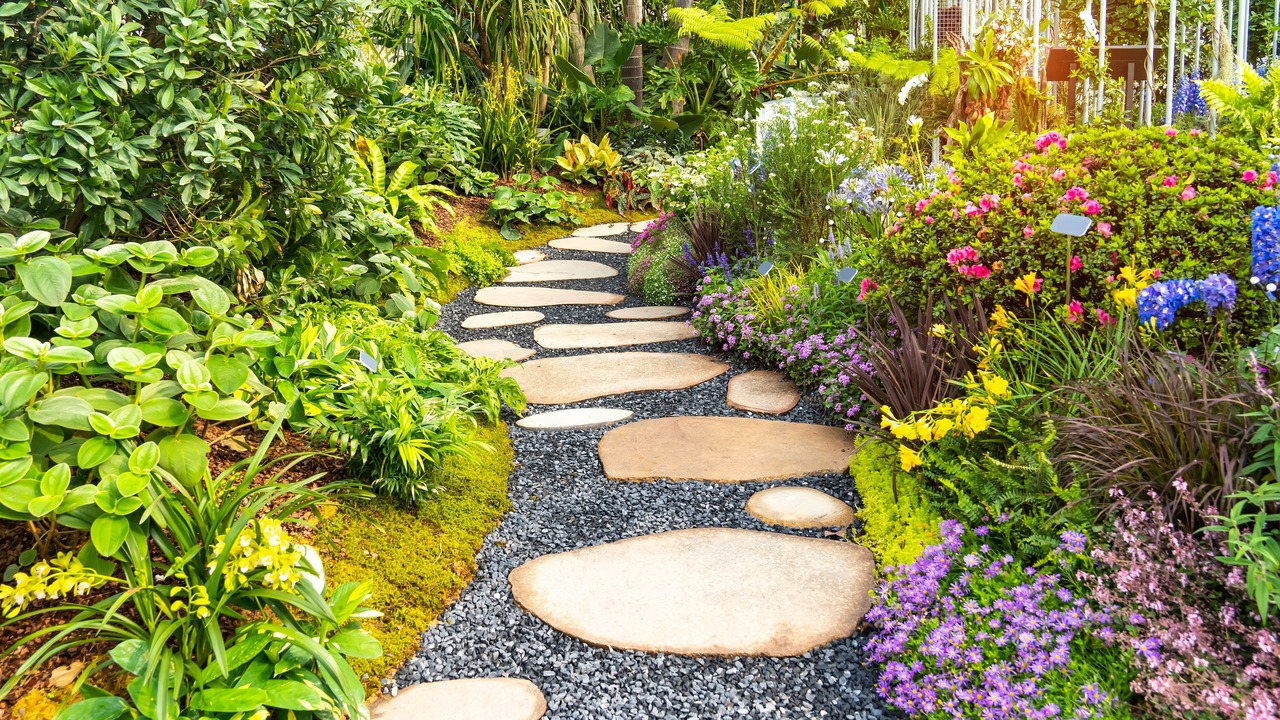
Every time someone walks across a garden bed, they compress soil particles and crush the tiny air pockets that plant roots need to breathe. Dr. Enfield explains that heavy foot traffic leads to compaction, which restricts root growth, water infiltration, and air circulation.
The fix is simple: install stepping stones or narrow board paths, then commit to staying off the planting area.
2. Ignoring Soil pH Until Plants Start Dying
Soil pH is the most misunderstood factor in home gardening, and ignoring it is expensive. The ideal range for most vegetables, flowers, and shrubs sits between 6.0 and 7.0. Outside that window, something called nutrient lockout occurs: your soil may be full of nitrogen, phosphorus, and potassium, but your plants literally cannot access them.
According to the UC Cooperative Extension IPM Program, high pH causes interveinal chlorosis and bleaching, which are symptoms that are easily mistaken for a disease or pest problem. Gardeners who add more fertilizer to fix yellowing leaves while ignoring pH are throwing money away. A $15 soil test kit solves what $200 in fertilizer cannot.
3. Never Testing Your Soil Before You Plant.
Soil testing is the step most home gardeners skip in their eagerness to get started, and it’s the one that costs them the most over time. Dr. Enfield notes that a soil test reveals whether pH needs adjusting and which nutrients are lacking, allowing gardeners to make informed decisions about amendments before planting rather than troubleshooting after failure.
Local cooperative extension offices often offer tests for under $20, with specific amendment recommendations included.
4. Skipping Mulch Is Costing You Money
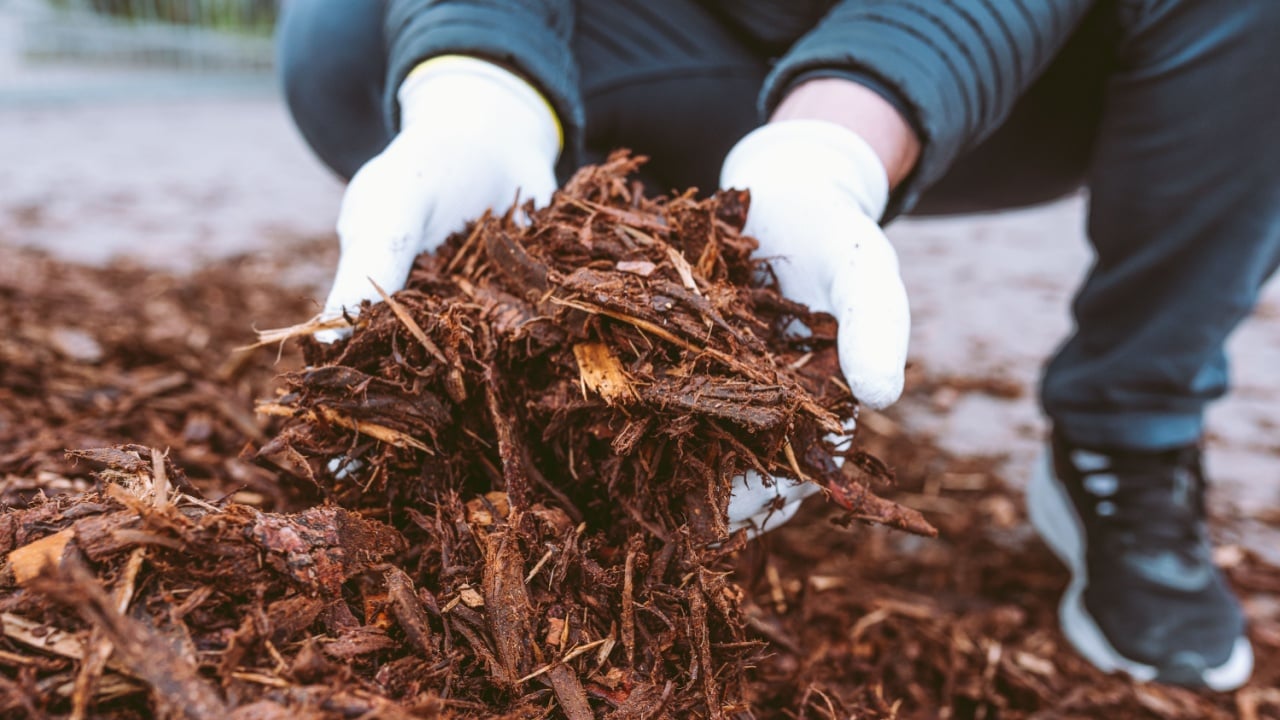
Failing to mulch is one of the costliest soil mistakes a gardener can make. Data from Texas A&M show that mulched beds retain up to 30% more moisture than bare soil, meaning that gardeners who skip mulch use significantly more water, pay higher water bills, and still lose plants to heat and drought stress.
According to Real Simple, mulch slows moisture loss, suppresses weeds, regulates soil temperature, and adds organic matter as it breaks down. A 3-inch layer of shredded leaves or straw costs almost nothing. Use it everywhere.
5. Leaving Soil Bare Between Seasons
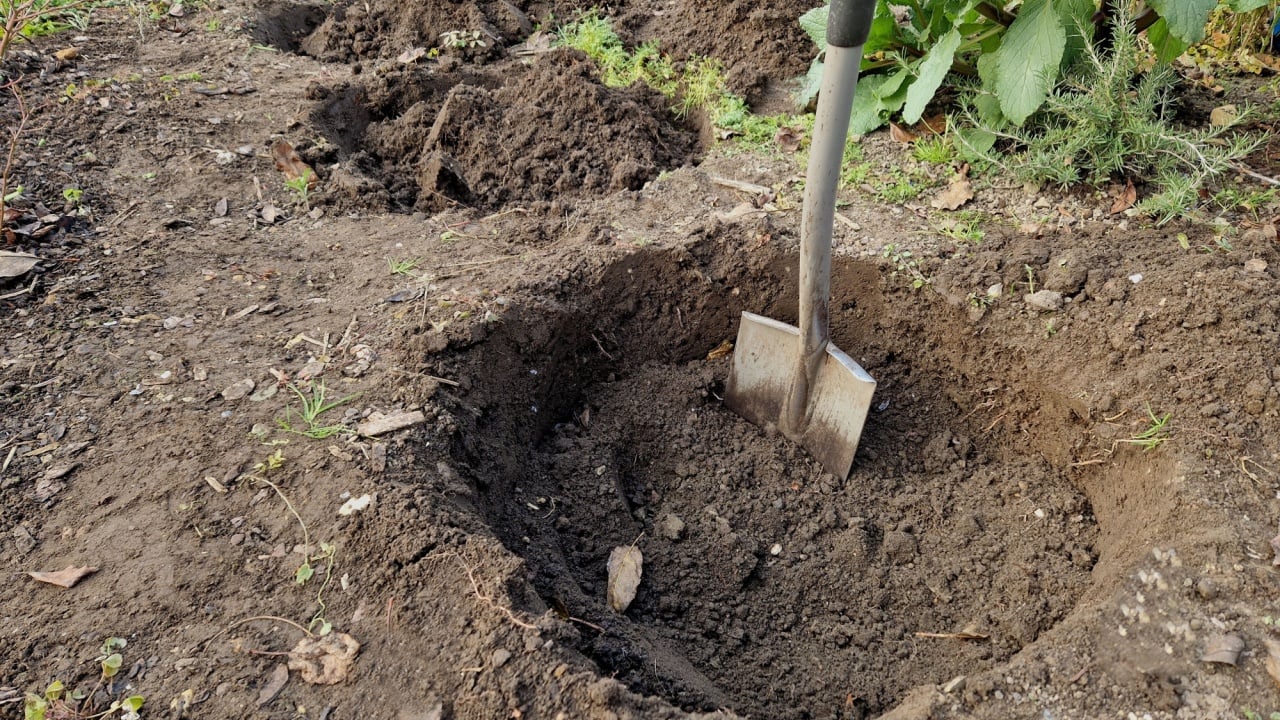
Bare soil is not resting; it’s dying. Exposed topsoil loses organic matter, compacts under rainfall, invites weed seeds, and loses the microbial habitat that keeps it fertile.
According to gardening educator Nicole Burke of Gardenary, one teaspoon of healthy soil contains more living organisms than there are humans on the planet. When you leave soil uncovered, that ecosystem collapses. Plant cover crops like clover or winter rye in fall, or blanket beds with 2 to 3 inches of compost to protect and feed the soil through the off-season.
6. Over-Tilling Is Destroying Your Soil’s Architecture
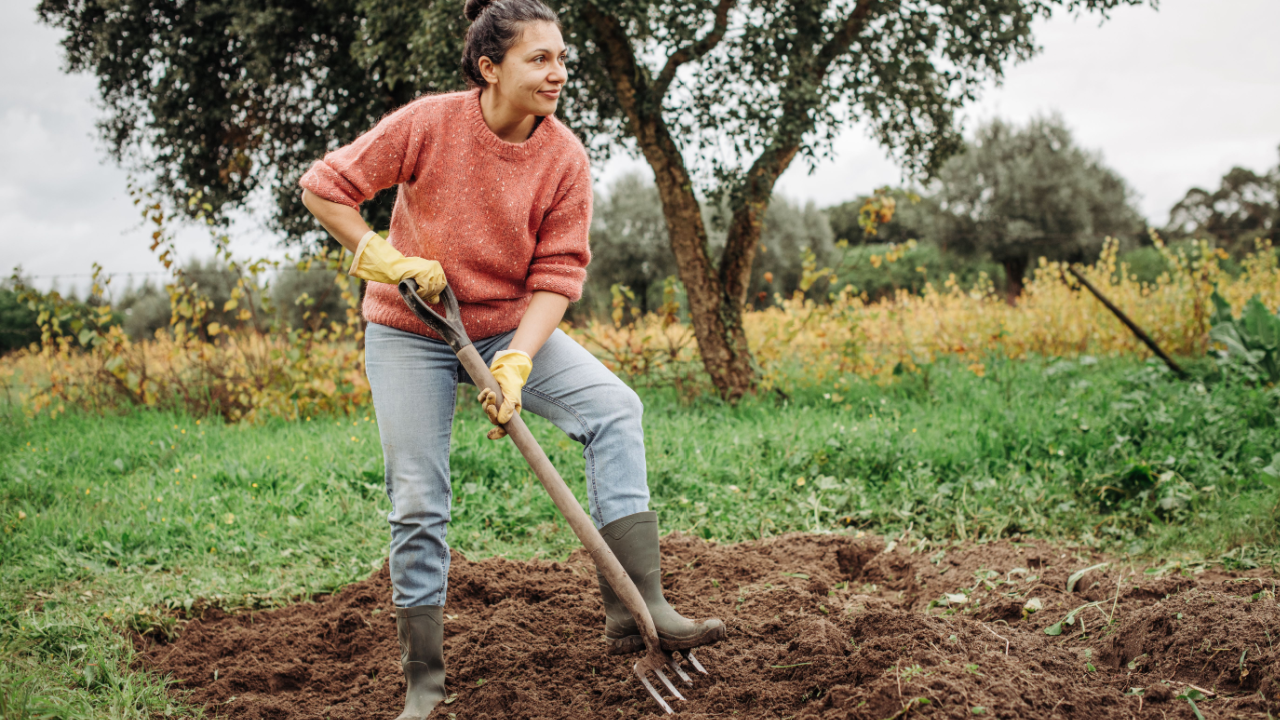
Many gardeners till their beds every spring out of habit, convinced they’re improving soil structure. They’re doing the opposite.
The University of Nebraska Extension warns that excessive tilling, particularly with rototillers, harms soil structure and reduces drainage. Tilling also kills beneficial fungal networks, releases stored carbon, and leaves soil vulnerable to compaction. A no-dig approach, which consists of layering compost on top rather than turning it in, preserves everything that makes soil productive.
7. Never Rotating Your Crops

Planting tomatoes, peppers, or squash in the same spot year after year depletes specific nutrients and creates a reservoir of soilborne diseases and overwintering pests.
Experienced vegetable gardeners rotate on a three to four-year cycle, moving plant families to different beds each season. This one habit prevents nutrient depletion, reduces disease pressure, and saves gardeners hundreds of dollars in replacement plants and treatments over time.
8. Putting Rocks in the Bottom of Pots
This is one of the most persistent myths in home gardening, and it actively harms your plants.
Placing gravel or rocks at the bottom of containers creates what soil scientists call a perched water table: water accumulates at the interface between soil and rocks rather than draining through. The result is waterlogged roots, even in a container with drainage holes.
Skip the rocks entirely. A piece of mesh or a coffee filter over the drainage hole keeps soil in place while allowing water to escape freely.
9. Watering Shallow and Often Instead of Deep and Rarely
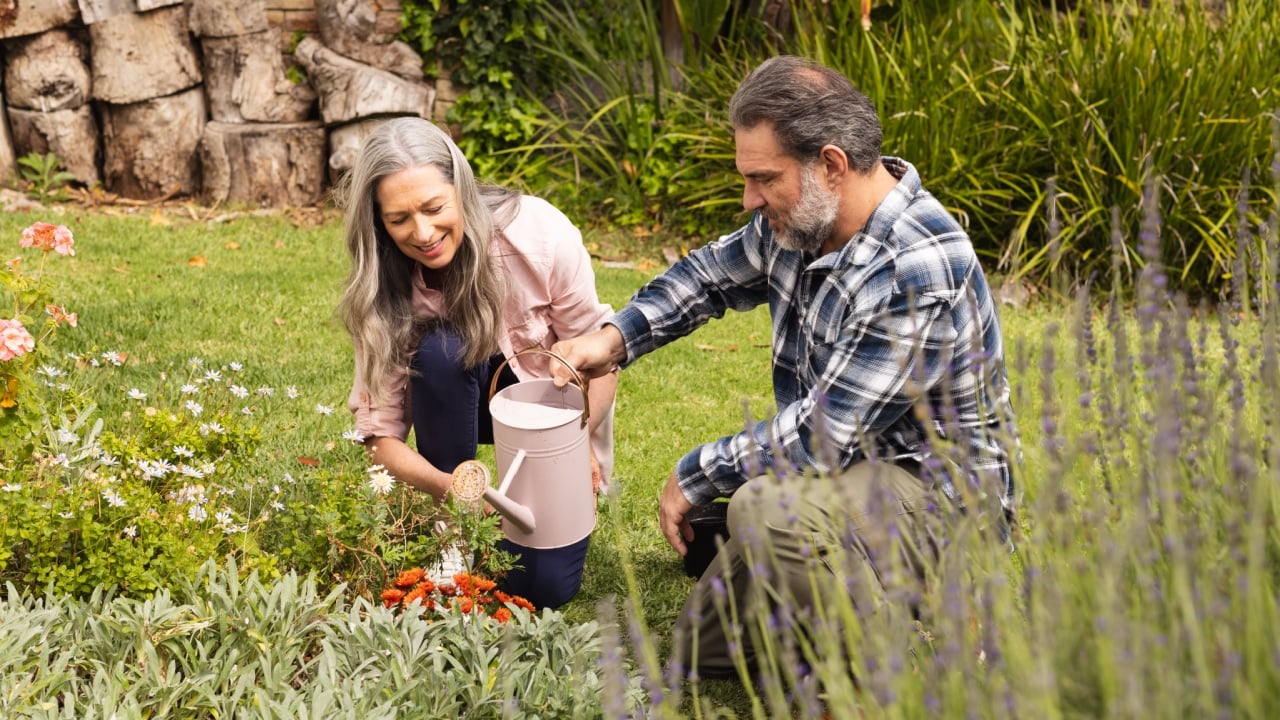
Daily light watering keeps plant roots near the surface, where they are most vulnerable to heat, drought, and physical disturbance.
University of Nebraska Extension guidance recommends deep, infrequent watering that encourages roots to grow downward in search of moisture. A simple finger test — insert a finger 2 to 3 inches into the soil; if it is still damp, wait — prevents overwatering, which creates anaerobic conditions and root rot just as damaging as drought stress.
10. Adding Fresh Manure Without Aging It
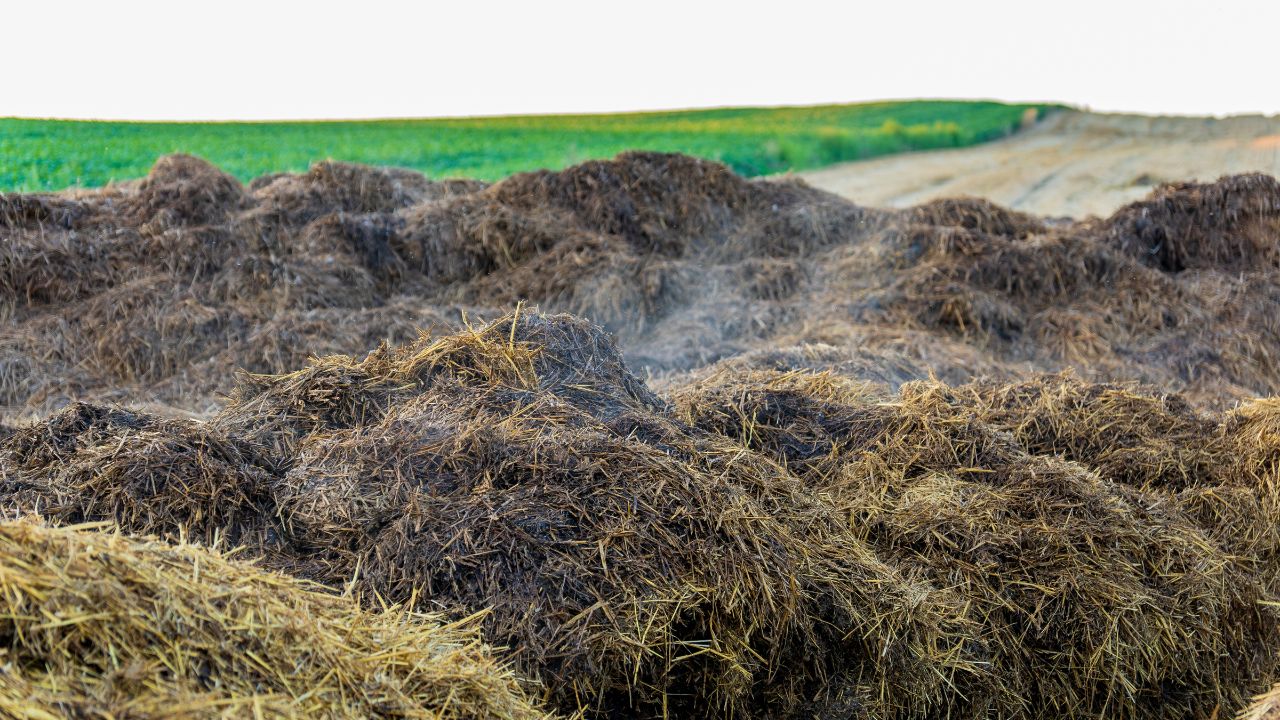
Fresh manure from cows, horses, or chickens contains high ammonia levels that burn plant roots and may harbor pathogens, including E. coli and Listeria. Gardenary founder Nicole Burke advises aging manure for at least one year, or hot-composting it thoroughly before application. After undergoing either process, aged manure becomes one of the most nutrient-rich amendments available. Fresh manure is a liability that can contaminate edible crops and destroy the very soil life it is meant to support.
11. Relying on Synthetic Fertilizers Instead of Feeding the Soil
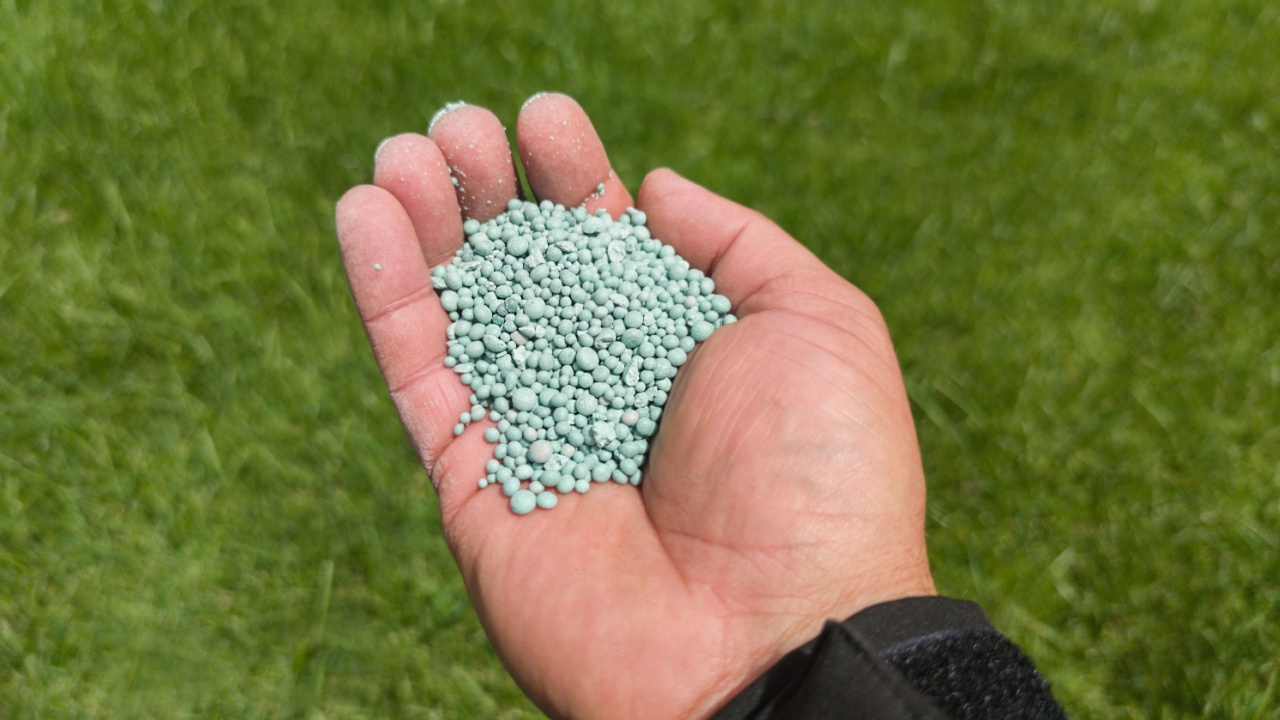
Heavy synthetic fertilizers deliver a fast nutrient hit but damage the microbial life that makes soil productive long-term.
According to Gardenary, synthetic fertilizers disrupt soil pH, create salt buildup, and kill beneficial microorganisms, meaning each application makes the soil slightly less capable of supporting healthy plants on its own. Research also suggests that crops grown in chemically fertilized soil contain fewer key nutrients than those grown in living, organically fed soil.
Compost, aged manure, and worm castings feed the soil ecosystem rather than bypassing it.
12. Planting Heavy Feeders in the Same Spot Every Year
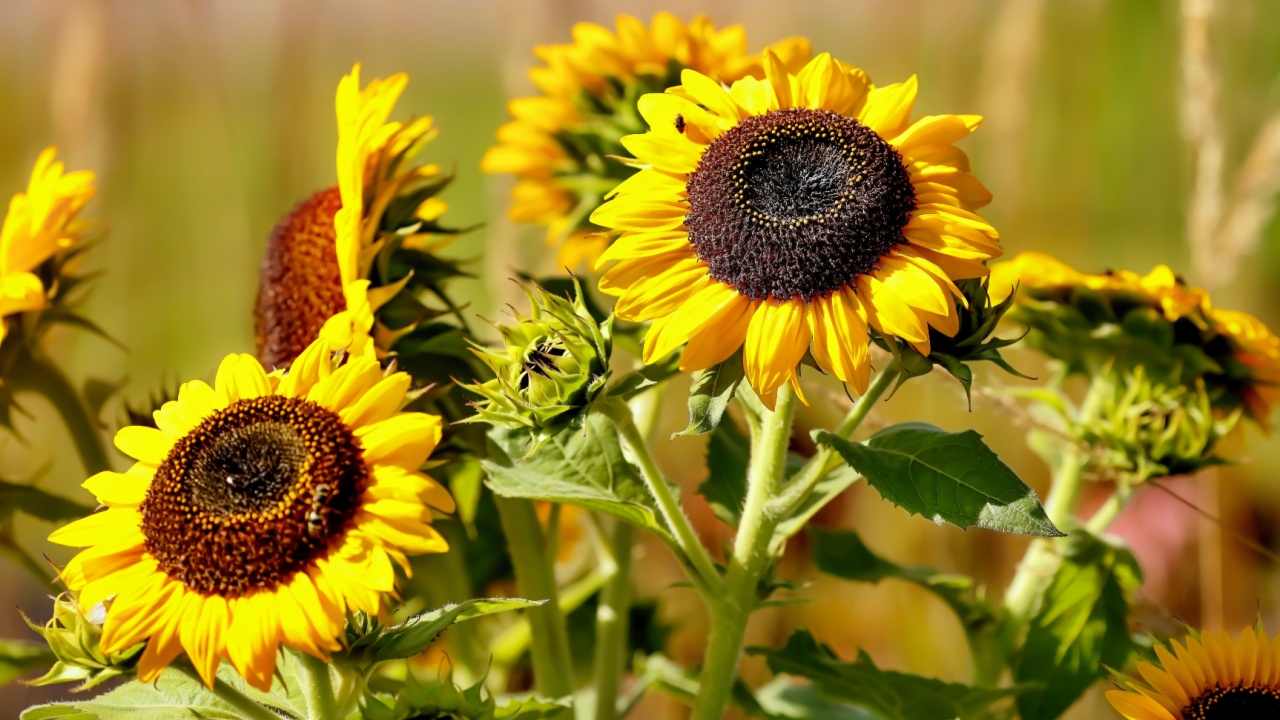
Tomatoes, sunflowers, and corn are extraordinarily demanding of soil nutrients, especially nitrogen, phosphorus, and potassium. Repeated planting in the same area exhausts those nutrients and invites soilborne diseases specific to each crop family. Rotating these heavy feeders to fresh ground each season, and following them with nitrogen-fixing legumes like beans or clover, restores what was taken and protects against disease buildup.
13. Never Amending Clay or Sandy Soil
Clay soil drains poorly, compacts easily, and suffocates roots. Sandy soil drains too fast and holds almost no nutrients. Both are problematic as-is, but both can be transformed with consistent organic matter additions.
The Utah State University Extension recommends incorporating compost and aged manure into clay soils to improve drainage and loosen particles, while sandy soils benefit from compost and cover crops that increase moisture retention. Neither problem is fixed overnight, but both improve substantially within a single season of active amendment.
14. Ignoring Drainage Problems Until It’s Too Late
According to Dr. Enfield in Real Simple, soils with poor drainage lead to waterlogging that deprives roots of oxygen, causing plant decline, root rot, and ultimately plant death.
Drainage problems can be identified before planting: fill a hole with water and check whether it drains within 24 hours. If it does not, consider raised beds, subsurface tile drains, or incorporating organic matter and gypsum to improve structure before plants go in. Catching drainage problems early in the spring (such as now, in April) can save an entire growing season.
15. Planting Invasive Species That Deplete Your Soil
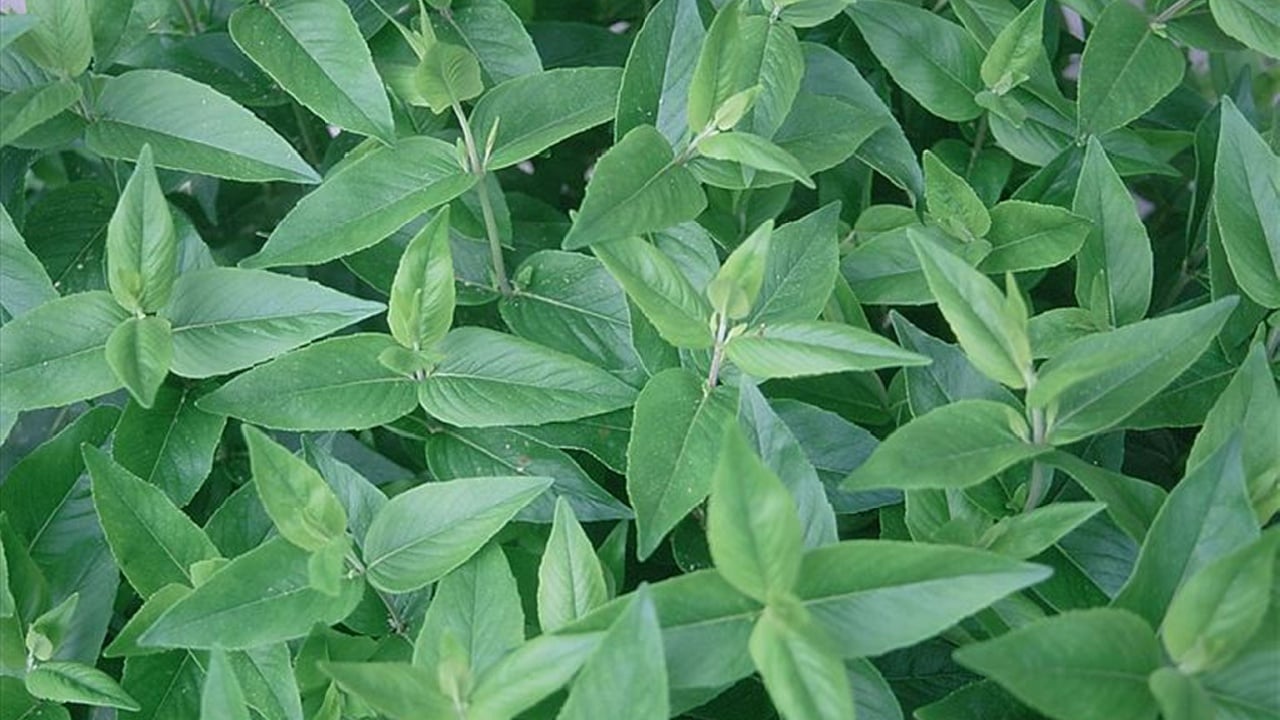
Mint, English ivy, bamboo, and eucalyptus are among the most commonly planted garden species that silently wreck soil health. Mint spreads through underground runners and pulls nutrients unevenly from the surrounding soil. Running bamboo compacts and depletes the soil as it expands. English ivy forms a mat that blocks oxygen and light from reaching the soil surface.
Dr. Enfield advises choosing native species that support local biodiversity and soil health, and containing aggressive spreaders like mint in buried pots rather than open beds.
16. Using Garden Soil in Containers
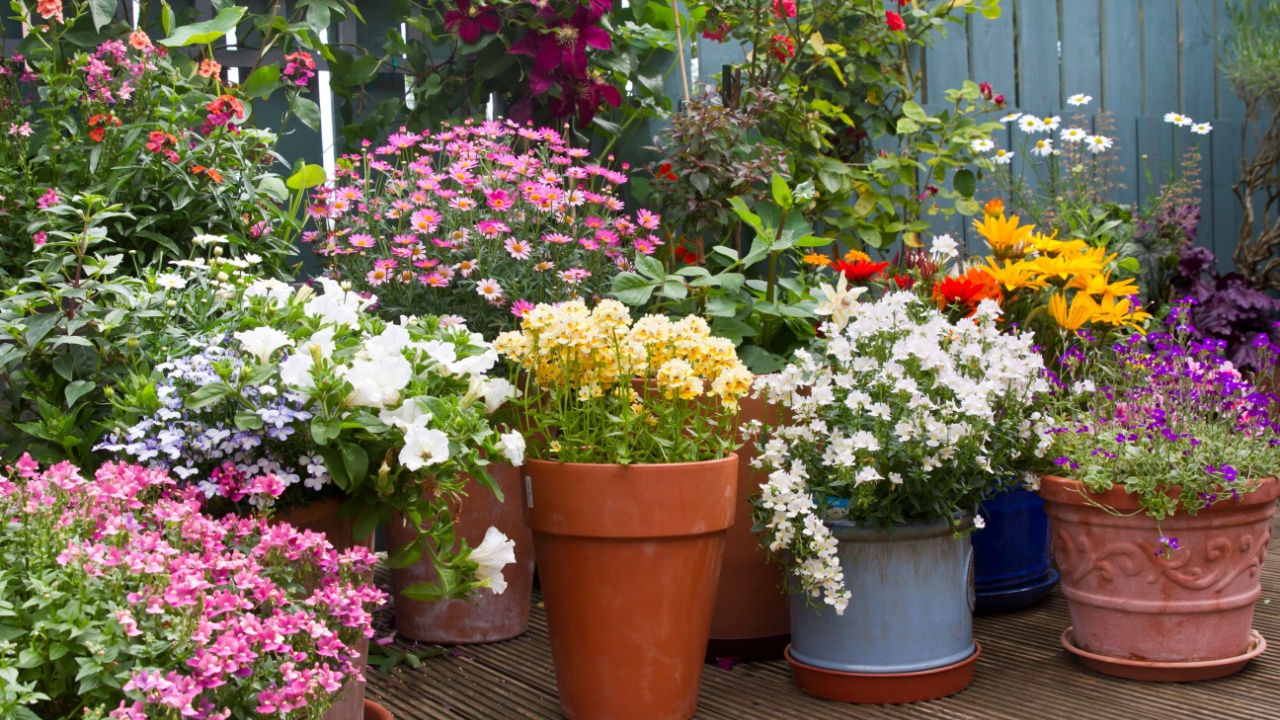
Garden soil is formulated for open ground where rainfall, earthworms, and soil biology work together to maintain its structure. In the confined space of a container, it compacts rapidly into a dense mass that prevents water movement and root growth.
The Alluvial Soil Lab recommends using potting mixes specifically formulated for containers, which include perlite, coconut coir, or vermiculite to maintain air spaces and drainage regardless of repeated watering.
17. Using Only Compost as Your Entire Soil Mix
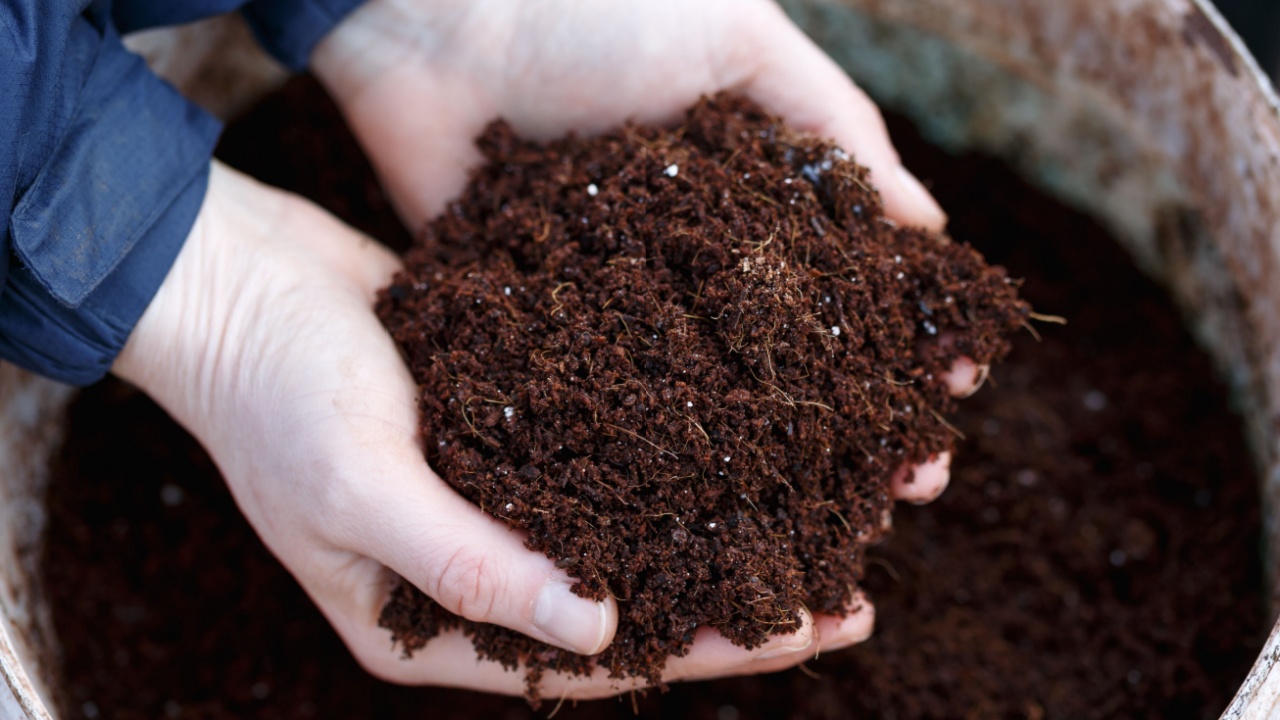
Compost is rightly called black gold, but using it alone as a complete soil mix is a common and costly mistake. Pure compost drains inconsistently, can compact over time, and does not provide the mineral content or structural support that plant roots need.
The Gardenary recommends blending compost with materials like perlite, coarse sand, or topsoil to create a mix that retains moisture while draining freely. A balanced blend outperforms compost alone every time.
18. Tilling or Working Wet Soil

Soil is most vulnerable to compaction damage when it is saturated. Walking across, digging into, or rototilling wet soil crushes air pockets at their most fragile point, creating a compacted layer that can persist for years.
The University of Nebraska Extension explicitly advises avoiding driving, walking on, or working wet soils. A simple squeeze test works: grab a handful of soil and squeeze. If it crumbles apart when you open your hand, it’s ready. If it holds together in a ball or sticks to your palm, wait.
Start with the Soil, And Then Everything Else Follows
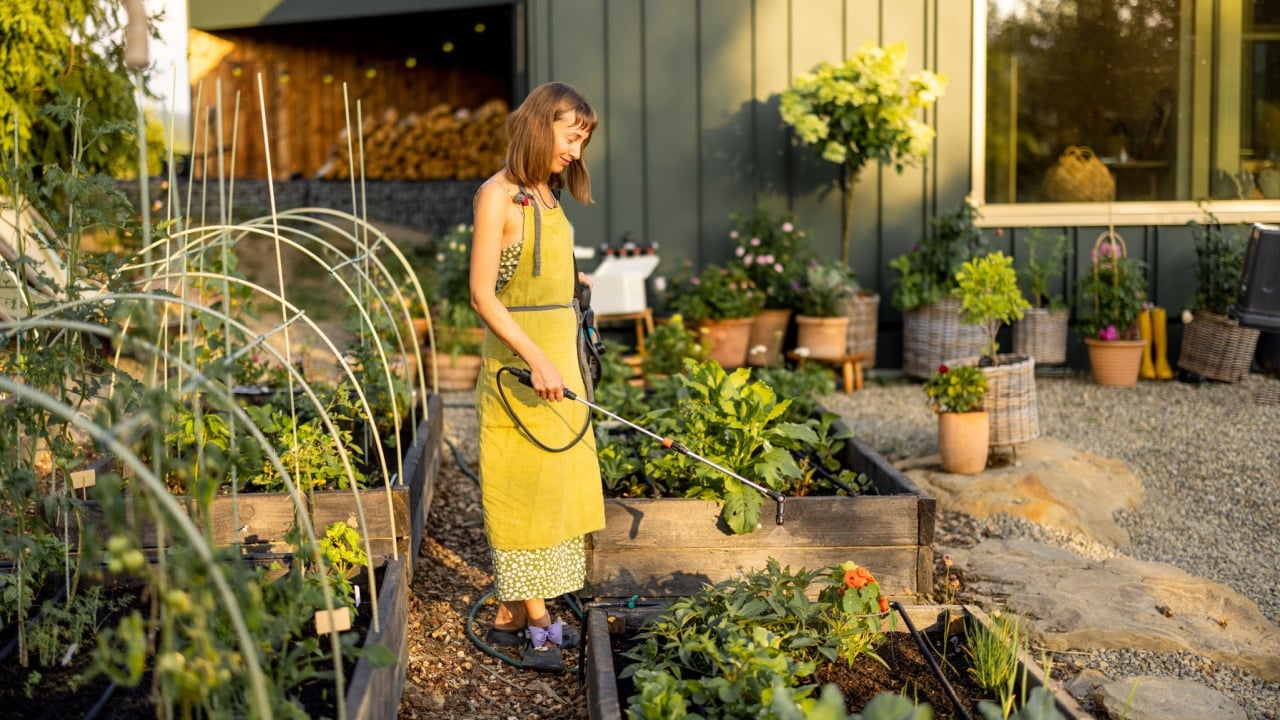
Gardeners who plant before fixing their soil are always working against themselves. The good news is that most soil mistakes are correctable, and many are free to fix: stop walking on beds, start mulching, test your pH this week, and put away the rototiller for good.
The Old Farmer’s Almanac has promoted soil-first gardening for over 200 years, and that wisdom holds just as strongly in April 2026 as it ever did. Fix the foundation, and your garden will reward you with results no fertilizer bag can promise.
Read more:
Plant these 10 companion plants with your tomatoes — and stop planting these 4
12 set it and forget it perennials that thrive on neglect