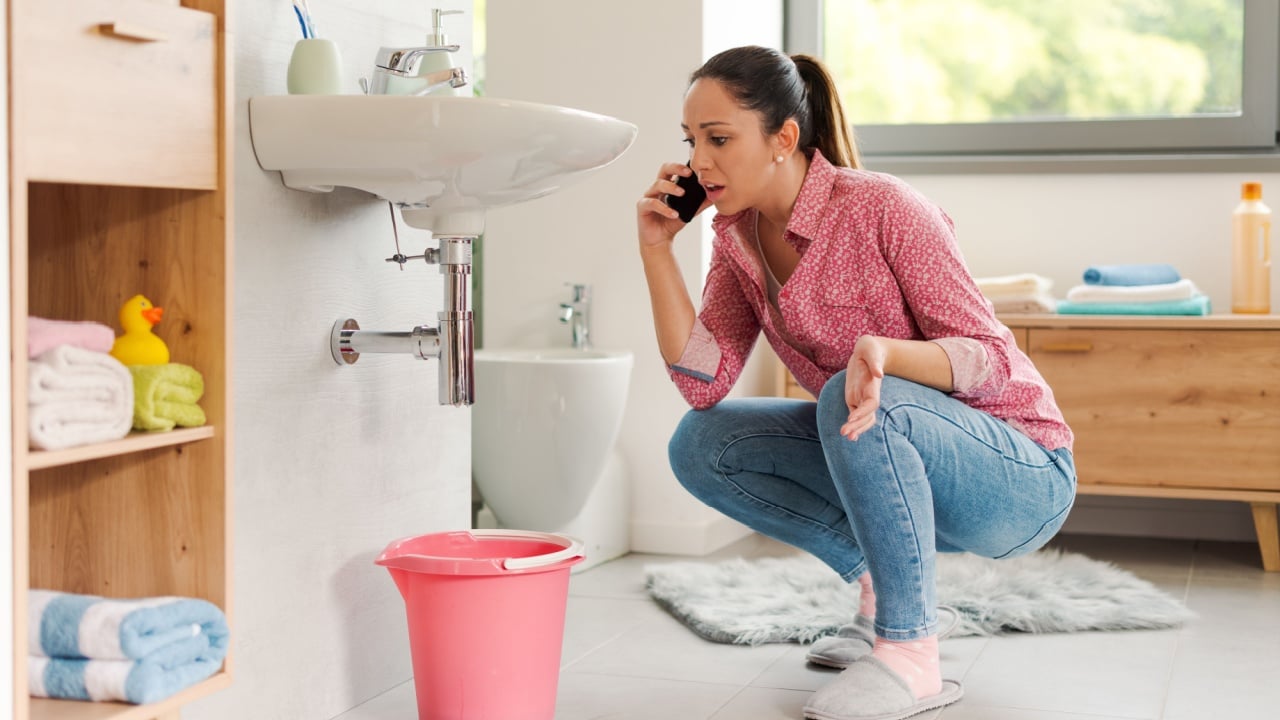
These 10 “Harmless” Habits Are Slowly Destroying Your House
Most damage in a home doesn’t announce itself. It builds slowly, in the background, through routines that feel too small to matter. There’s that drip that never quite gets fixed; a shortcut that becomes habit.
Some things don’t look serious until the day they suddenly are, following too many oversights. Over time, those patterns can wear down even a well-kept house.
What’s more, when the damage finally shows, it rarely traces back to a single moment. It’s the accumulation of innocent neglect that does the damage.
In fact, 10 particular habits can form one almighty headache for any homeowner, which can bring heartache further down the line.
1. Ignoring Small Leaks
-
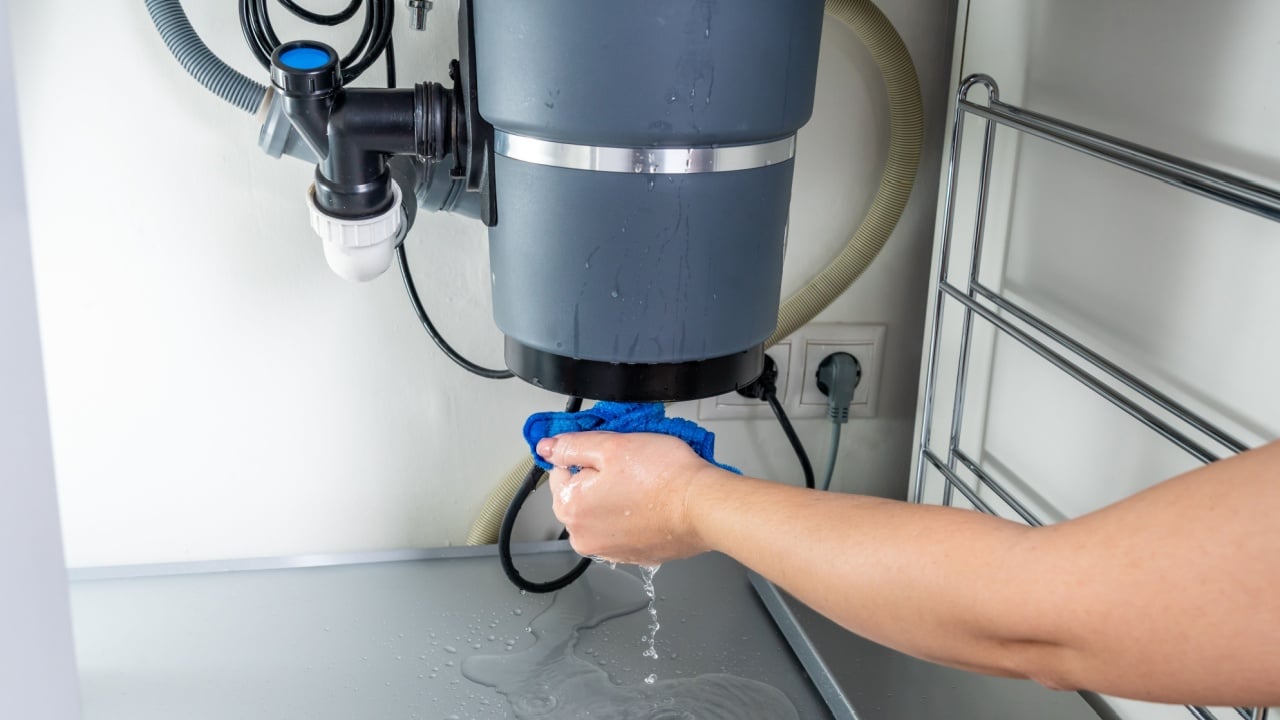
Image Credit: Shutterstock.
A minor leak has a way of staying out of sight long enough to become a real problem. Water doesn’t stay contained. It spreads into surrounding materials, softening wood, weakening joints, and creating the kind of damp environment where deterioration accelerates quietly.
By the time there’s visible staining or warping, the issue has usually moved well beyond the source. Worse still, dreaded mold and mildew can start colonizing your drywall or ceilings.
2. Not Running the Bathroom Fan Long Enough
-
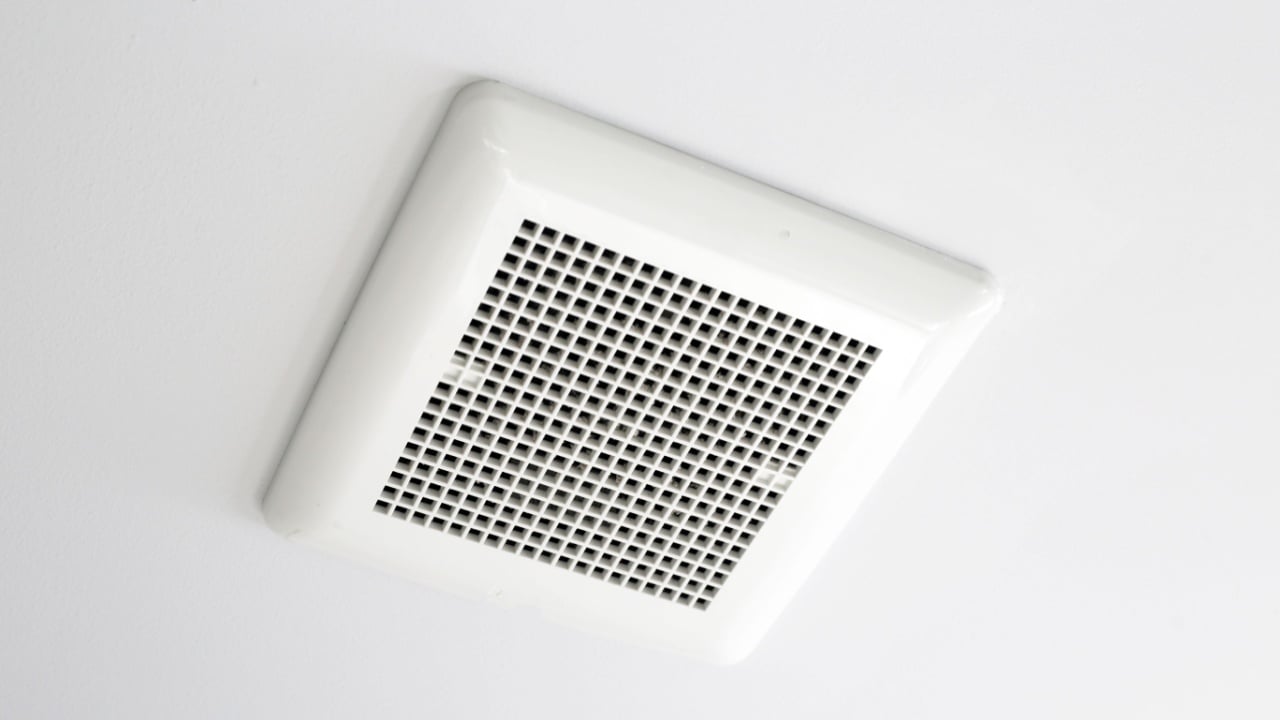
Image Credit: Shutterstock.
Moisture from a hot shower doesn’t vanish when the water stops. It lingers in the air and gradually settles into ceilings, walls, and fixtures. Over the years, it shows itself in peeling paint, persistent odors, and surfaces that never quite look as clean as they should.
In spaces that see daily use, repeated exposure builds up, turning into harmful bacteria that can affect not only your health but your wealth, too. The sweet spot for leaving the fan running after a shower can range from 30-54 minutes, according to HVAC experts at AITEC Air Conditioning.
3. Pouring Grease Down the Sink
-
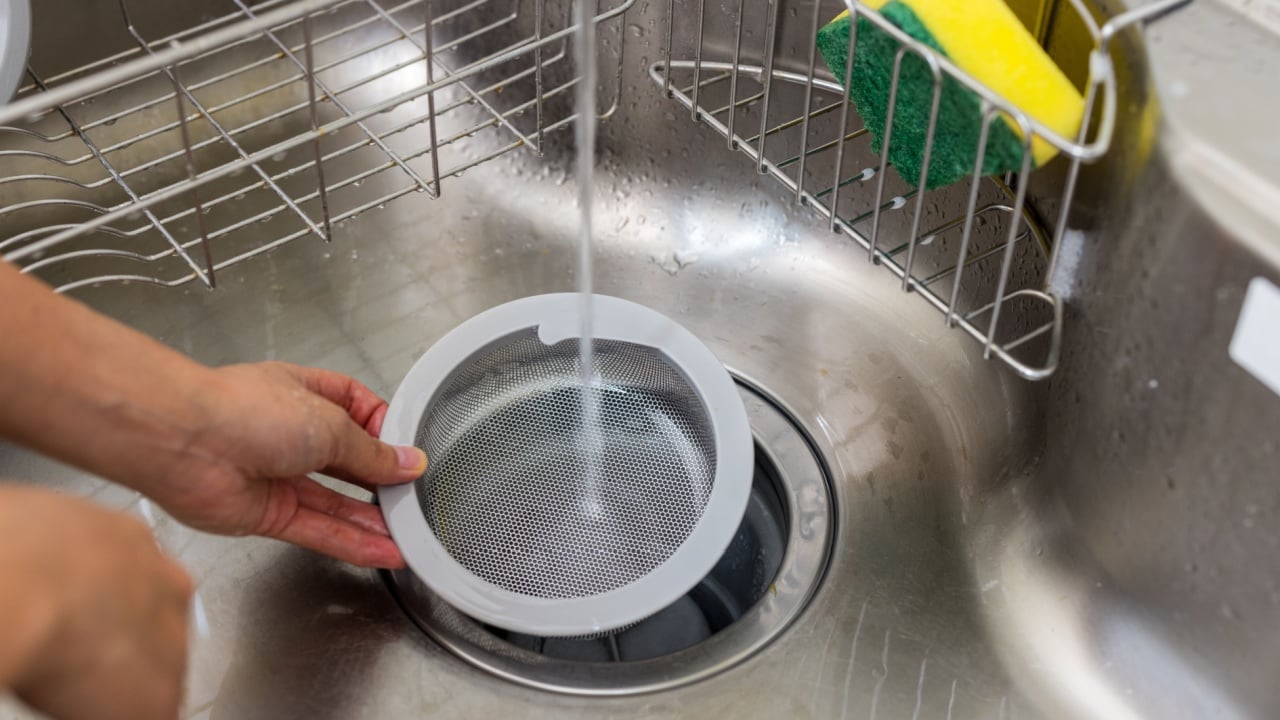
Image Credit: Shutterstock.
Hot grease flows easily enough to seem harmless, but it doesn’t stay in that state for long, so pouring it down your drain is fatal. As it cools, it begins to cling to the inside of pipes, narrowing them little by little.
That slow buildup doesn’t usually cause immediate failure. Instead, it changes how the system works over time, until drainage slows, pressure increases, and something eventually gives.
4. Skipping Gutter Cleaning
-
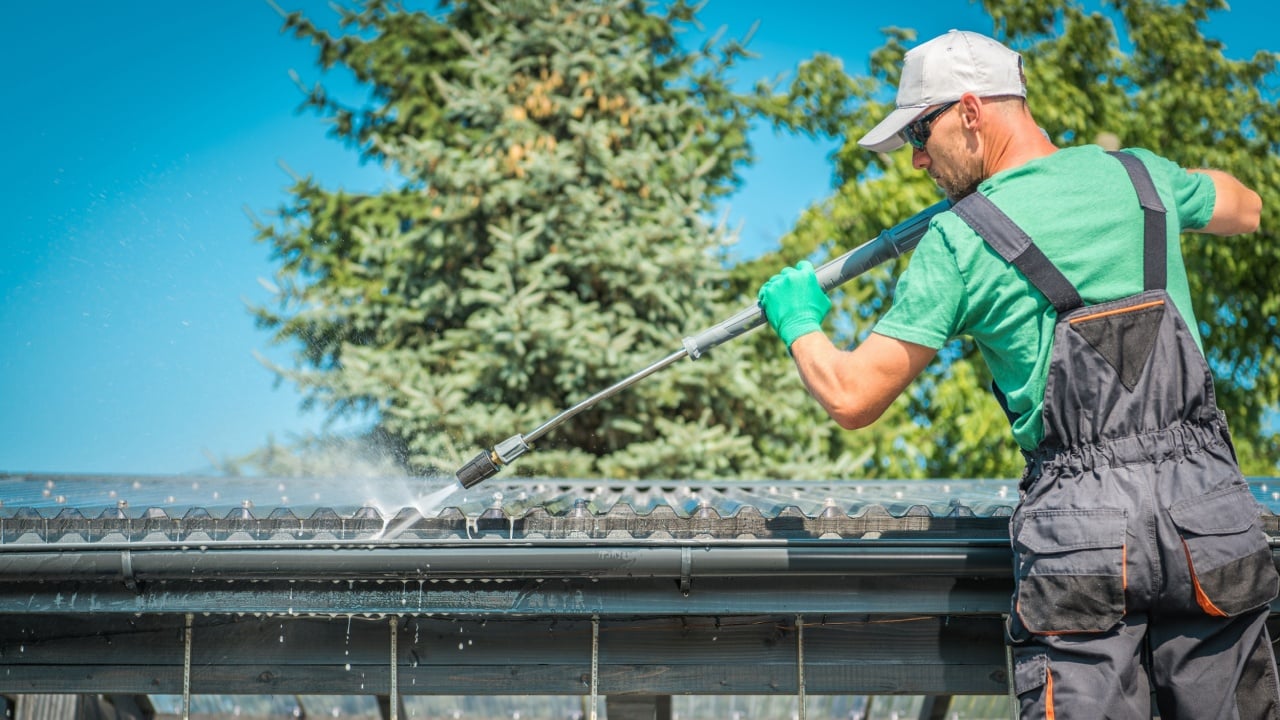
Image Credit: Shutterstock.
Gutters are easy to forget because they sit just out of view, doing their job quietly. When they clog, water stops following the path it was designed to take.
Instead of moving safely away from the house, it spills over edges, runs down exterior walls, and settles near the foundation. Over time, that repeated exposure begins to affect areas that were never meant to handle it.
As for how often one must clear out the gutter, the consensus in our research shows that at least twice a year is recommended.
5. Overloading Electrical Outlets
-
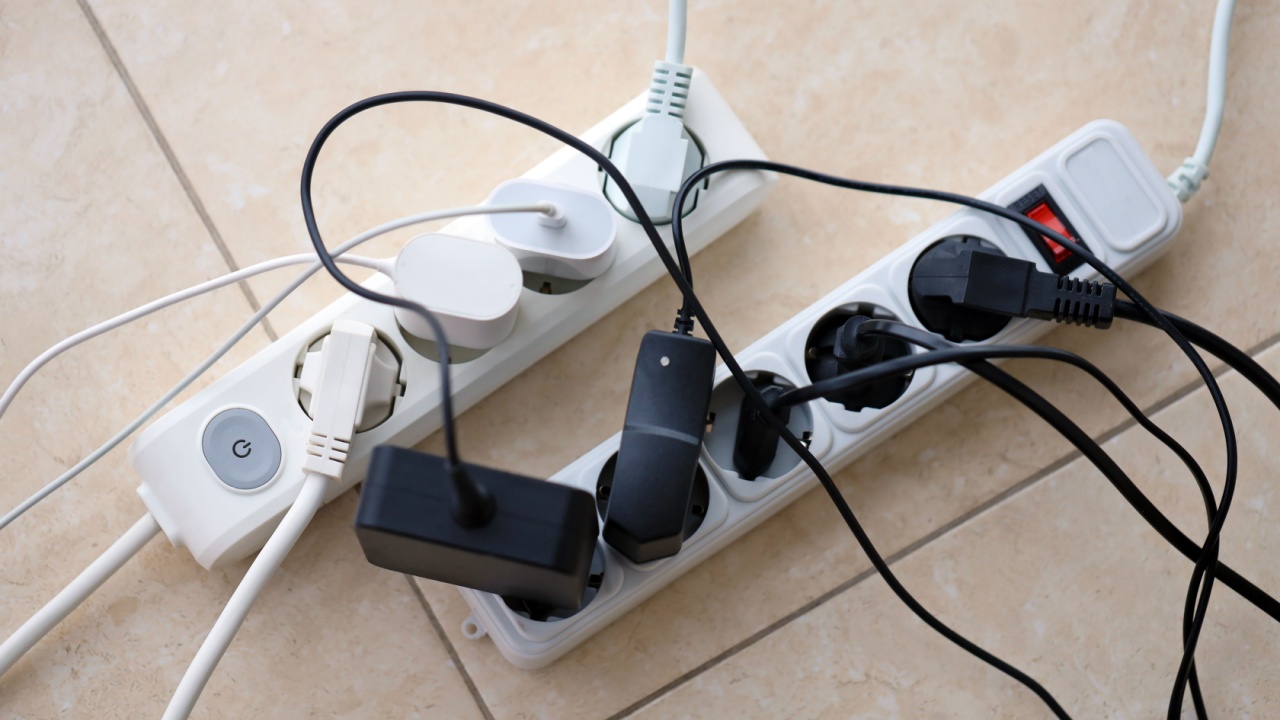
Image Credit: Shutterstock.
Some value a clear, wire-free existence in their homes; many of us fall into the opposing cohort. We just struggle to wrangle all the leads modern living requires; there is an art to it. Yet, overloading on electrical appliances is very common regardless of your wiring ethos.
Modern living brings more devices than many homes were originally designed to handle. The solution often becomes adding another adapter or another extension until a single outlet is doing far more than it was intended to.
That added demand doesn’t always show immediate consequences. It builds heat, strain, and wear in places that aren’t visible, gradually increasing the likelihood of failure behind the walls. It is also one of the leading causes of residential fires in the world, according to the Electrical Safety Foundation.
6. Forgetting to Change HVAC Filters
-
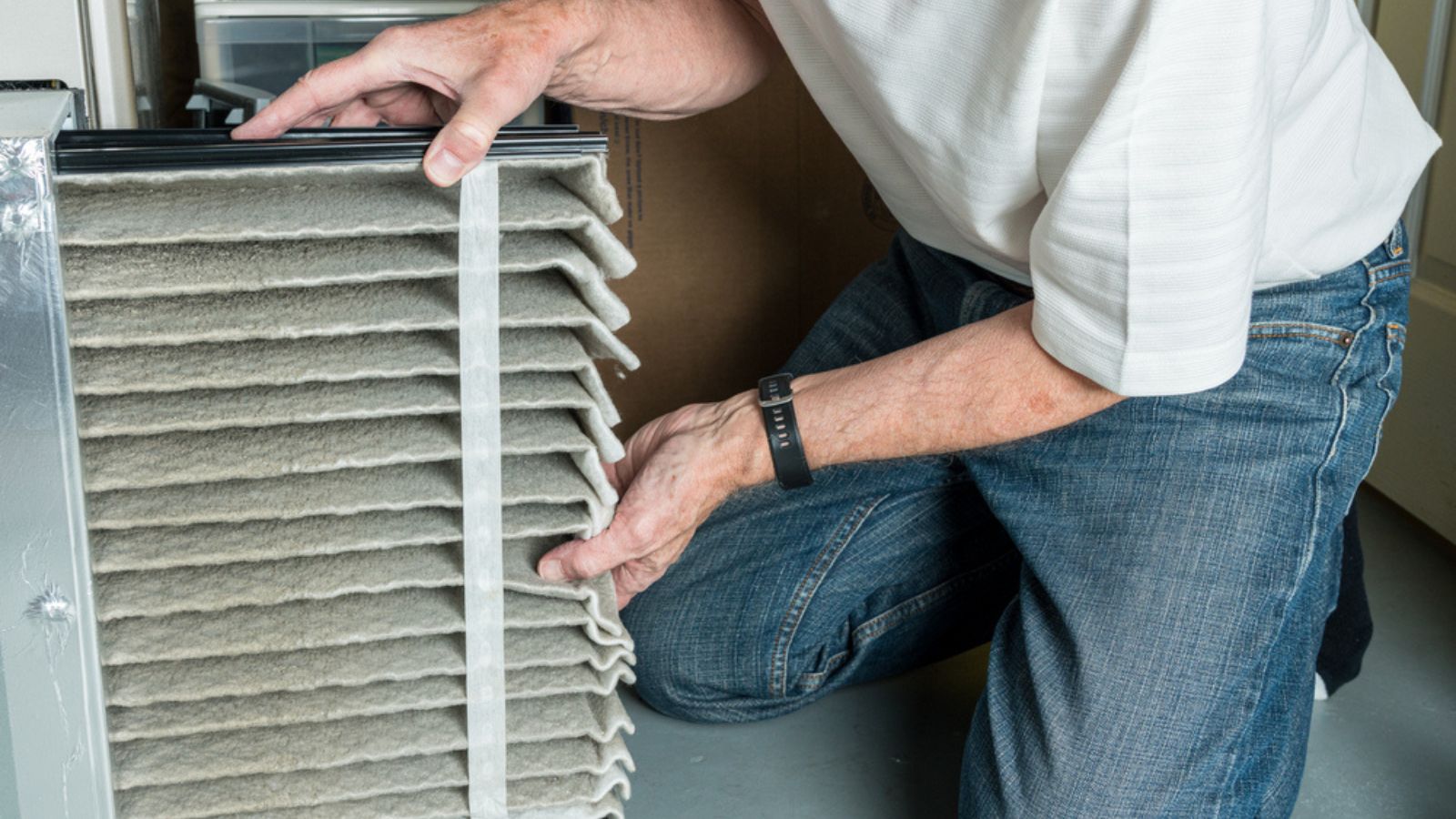
Image Credit: Deposit Photos.
“For the low cost of a replacement HVAC air filter generally, from $5 to $20, you may be able to substantially lower your energy bill,” writes Lee Wallender of The Spruce. Here’s the catch: forget to, and you are likely to see the opposite outcome.
An air system depends on steady airflow, and that flow becomes restricted when filters are left unchanged. The system compensates by working harder, running longer, and operating under conditions it wasn’t designed to sustain indefinitely.
Over time, that extra strain shortens the lifespan of components that are expensive to replace and easy to overlook while they’re still functioning.
7. Planting Too Close to the House
-

Image Credit: Shutterstock.
Landscaping often starts small and manageable, but growth changes the equation. Roots expand beneath the surface, seeking moisture and space, sometimes extending much farther than expected.
In the process, they can shift soil, press against structures, and find their way into systems that were never meant to accommodate them.
Of course, certain plants can bring more problems than others, such as wisteria, roses, and English ivy.
8. Using Harsh Chemical Cleaners Repeatedly
-
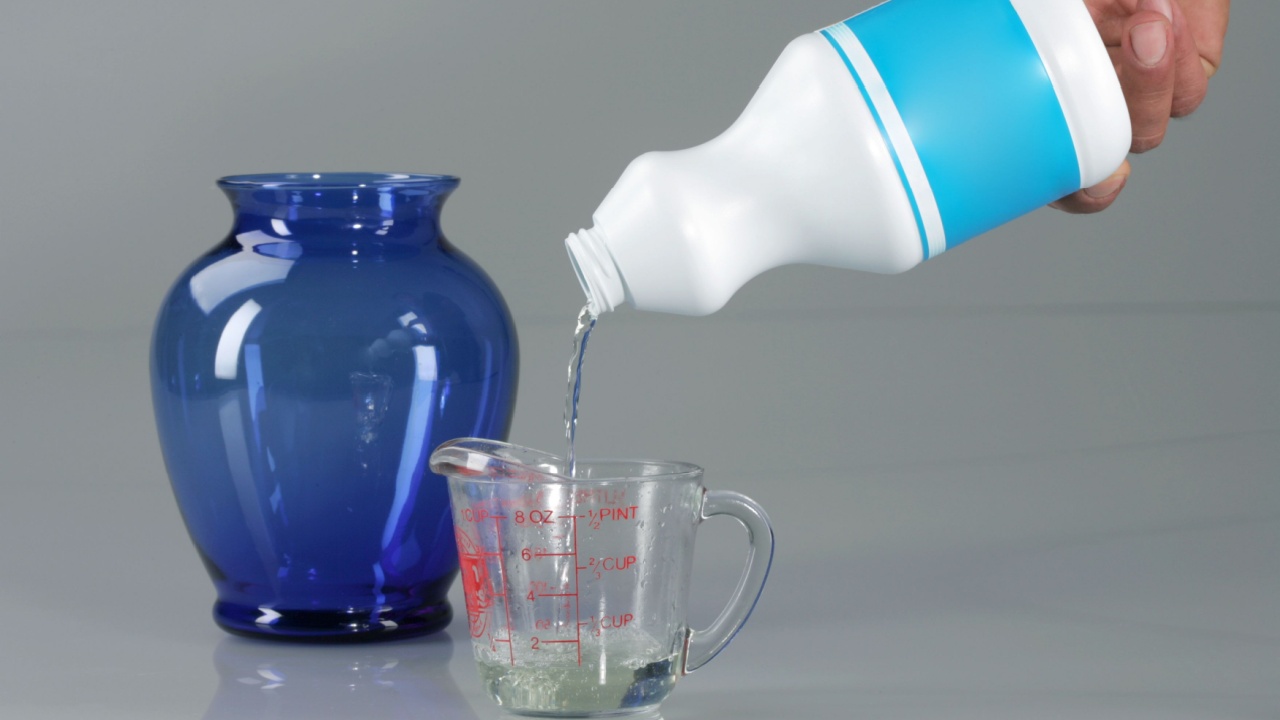
Image Credit: Shutterstock.
Strong cleaners tend to deliver immediate results, which makes them easy to rely on. Over time, though, repeated use can wear down the very surfaces they’re meant to protect.
It means finishes dull, sealants weaken, and materials begin to lose the resilience they once had, often without any single catalyst. Even innocuous additions like air fresheners might contain carcinogenic or volatile organic compounds, says home living expert Elissa Goodman.
Whenever possible, use nature’s bounty for cleaning or domestic hygiene. Naturally, there are some instances when those harsh chemicals are needed, but these can be reserved for a needs-must situation.
9. Keeping Interior Doors Closed
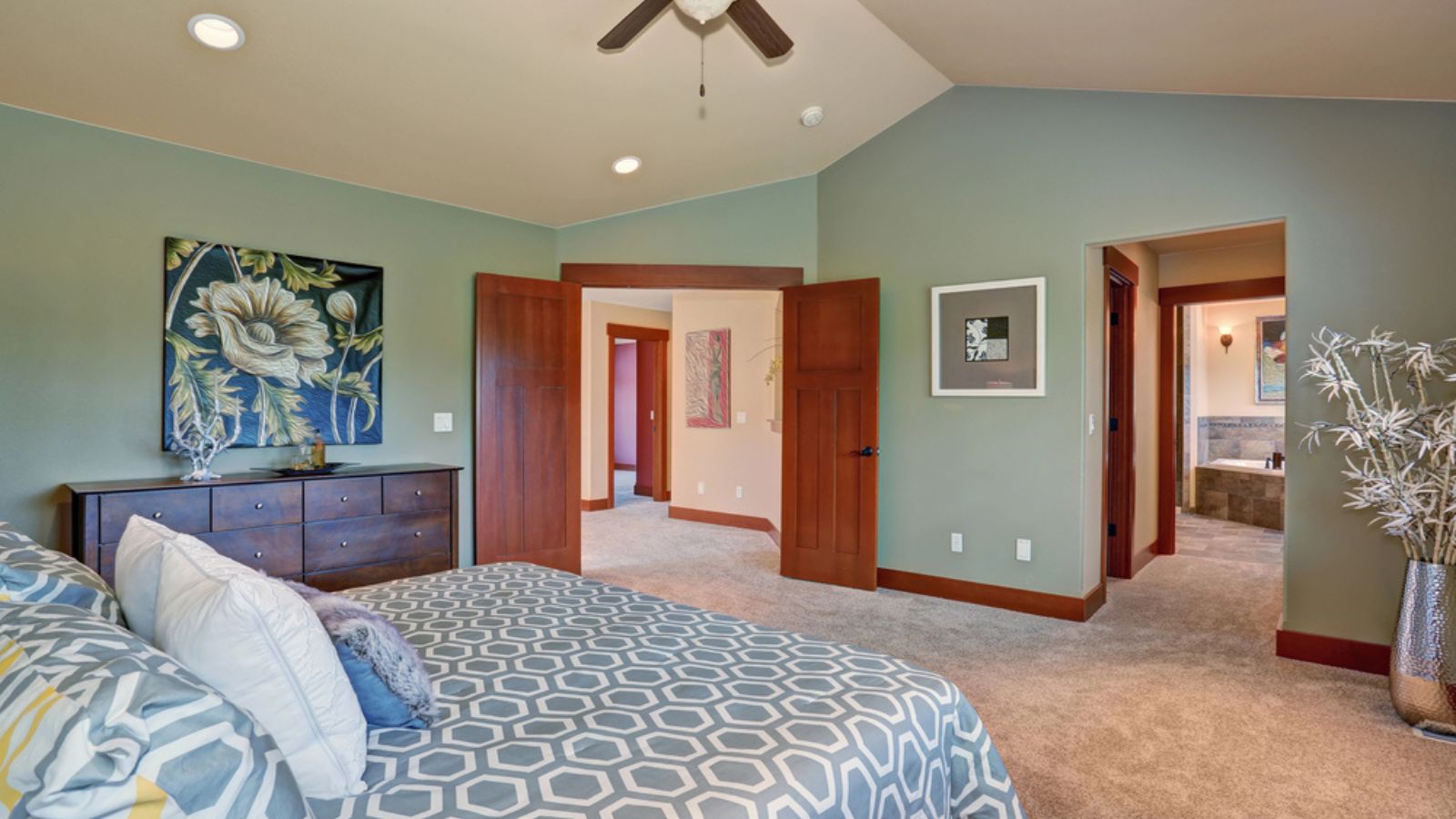
Air moves through a home in ways that aren’t always obvious. Systems designed to heat and cool depend on that movement staying balanced. When it doesn’t, pressure shifts and airflow is redirected into spaces that weren’t meant to carry it.
The effects tend to show up gradually, in rooms that never feel quite right or areas where moisture seems to linger longer than it should. Fresh air is an underrated natural detoxifying resource that should not be taken for granted.
“A tight, energy-efficient house holds more moisture inside,” states the Environmental Protection Agency (EPA) webpage. “You may need to run a kitchen or bath ventilating fan sometimes, or open a window briefly,” the guide adds.
10. Using a Pressure Washer Too Aggressively
-

Image Credit: Shutterstock.
Pressure washing can give surfaces a clean, restored look in a matter of minutes. The force that makes that possible can also push water into places it wouldn’t normally reach. However, what may appear gleaming on the surface can hide an ugly truth: your house may not be suitable for pressure washing.
Water in the walls is just one problem caused by jetwashing that will not go away once it soaks in. Once inside, that moisture doesn’t always have a clear path out. It settles, stays, and begins to affect materials from the inside rather than the surface.