12 Vining Plants That Turn Any Fence Into a Pollinator Garden
The fence running along your yard could be one of the most powerful pollinator habitats in your neighborhood. Most gardeners spend years perfecting their flower beds while a perfectly good trellis sits empty, a bare arbor collects cobwebs, and the chain-link along the back property line hosts nothing but bindweed. This year, there is a better use for all of that vertical space.
A 2025 study published in the Proceedings of the National Academy of Sciences by NatureServe found that over one-fifth of North American native pollinators are at elevated risk of extinction, with 34.7% of native bee species in jeopardy. Meanwhile, the average backyard has more vertical growing space than horizontal bed space.
Vines are the obvious solution, and they remain the most underused tool in American pollinator gardening.
Why Vines Are the Missing Piece in Every Pollinator Garden
Most pollinator garden advice focuses on flat ground: beds, borders, meadow patches. But vines operate in a completely different layer of the garden, one that pollinators actively use and that most gardeners leave completely bare. A single coral honeysuckle trained along a 10-foot fence provides nectar sources at multiple heights, nesting cover within its stems, and berries for songbirds in fall, all from one plant on one structure.
“Floral abundance is one of the strongest ways to promote bee diversity in gardens,” said Gail Langellotto, entomologist and professor at Oregon State University. Vines let gardeners achieve that abundance without adding a single square foot of new bed space. Train them on a trellis, an old tree stump, a pergola, or even a mailbox post, and you have effectively multiplied your garden’s ecological footprint.
The urgency here is real. According to the Bee Informed Partnership, surveyed annually through NC State University, managed honey bee colonies have averaged a 40% annual loss rate for 15 consecutive years. Wild bumblebee species have fared even worse in some regions, with some populations declining by up to 96% in recent decades. Pollinators support roughly one in three bites of food we eat. The empty trellis in your backyard is not a small thing.
Here are 12 vining plants that bees, butterflies, and hummingbirds genuinely need, planted on structures most of us already have.
1. Coral Honeysuckle (Lonicera sempervirens)

This is the vine most horticulturists reach for first when designing a pollinator garden, and for excellent reason. Its long, tubular coral-red flowers evolved specifically for Ruby-throated Hummingbirds; the color is vivid to birds and relatively invisible to most insects, which means the nectar stays where hummingbirds can find it.
Unlike invasive Japanese honeysuckle, coral honeysuckle stays politely in bounds and is non-aggressive. The NC State Extension Plant Toolbox lists it as a nectar source for Ruby-throated Hummingbirds and a larval host for the spring azure butterfly and the snowberry clearwing moth.
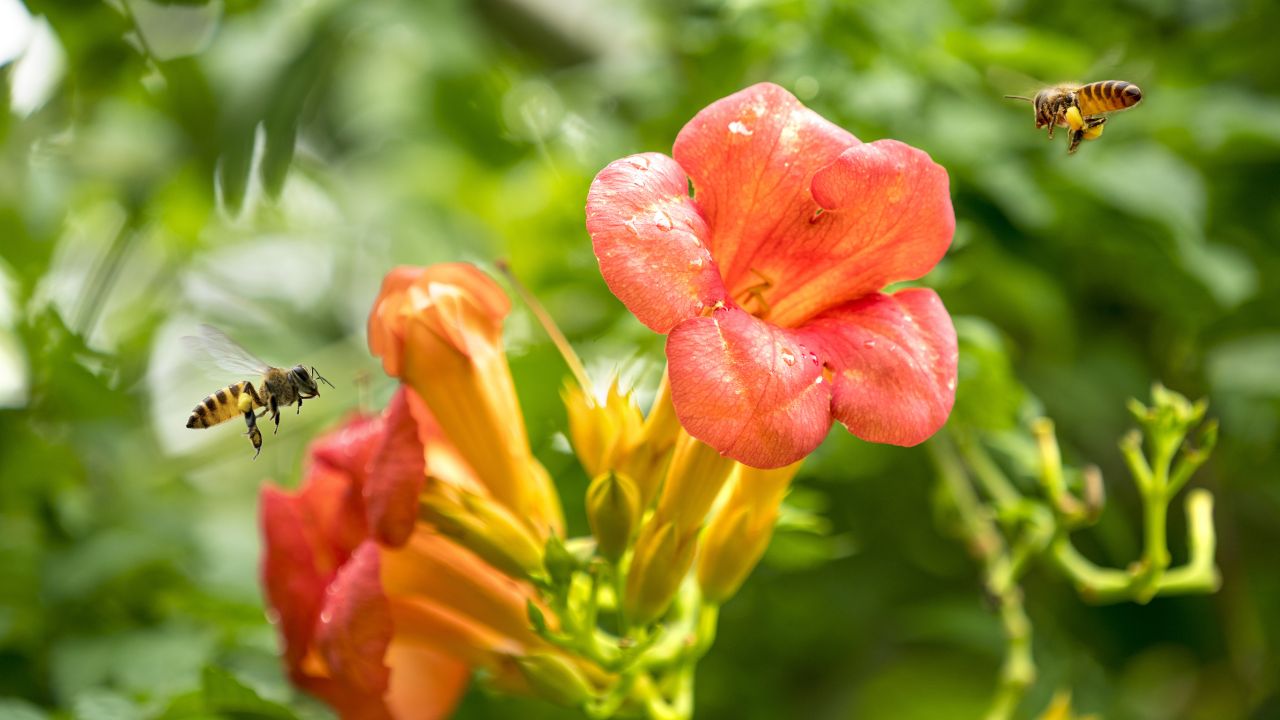
2. Trumpet Vine (Campsis radicans)

Birds & Blooms has reported that trumpet vine can offer hummingbirds up to 10 times more nectar than most other plants, making it one of the most efficient wildlife investments a gardener can make. Its 3- to 4-inch orange-red trumpet flowers are irresistible to hummingbirds, bees, and butterflies alike, and its foliage serves as a host plant for the plebeian sphinx moth caterpillar.
A fair warning: trumpet vine spreads aggressively via underground runners and can damage wood siding with its aerial roots. Plant it where it has room to run, away from your house.
3. Passionflower (Passiflora incarnata)
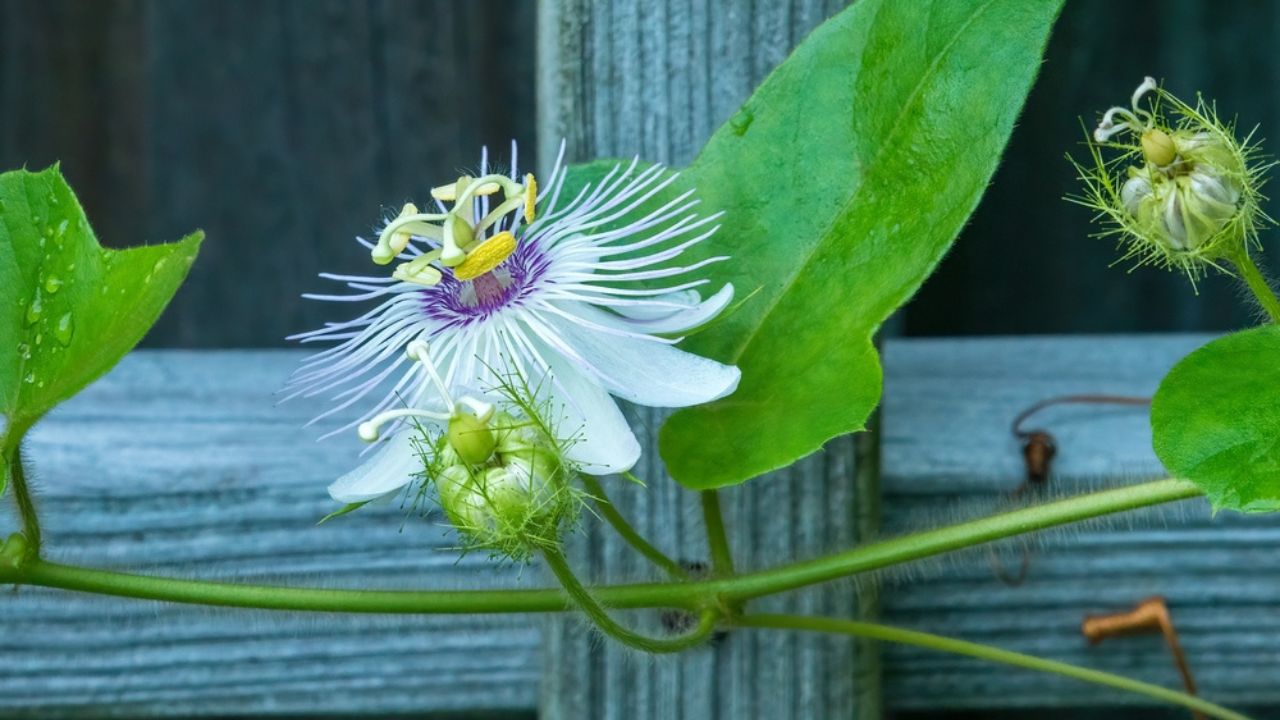
Few plants in the American garden carry the ecological weight of native passionflower. As the Florida Wildflower Foundation documents, Gulf Fritillary caterpillars rely on passionflower as their essential host plant; without the vine, the butterfly cannot complete its life cycle. It also hosts variegated fritillary, zebra longwing, Julia, and Mexican fritillary butterflies, making it a multi-species nursery in vine form.
Passionflower blooms from late spring through late summer in pale purple, produces edible kiwi-size fruit, and grows vigorously to 20 feet. Plant it in full sun and give it something sturdy to climb.
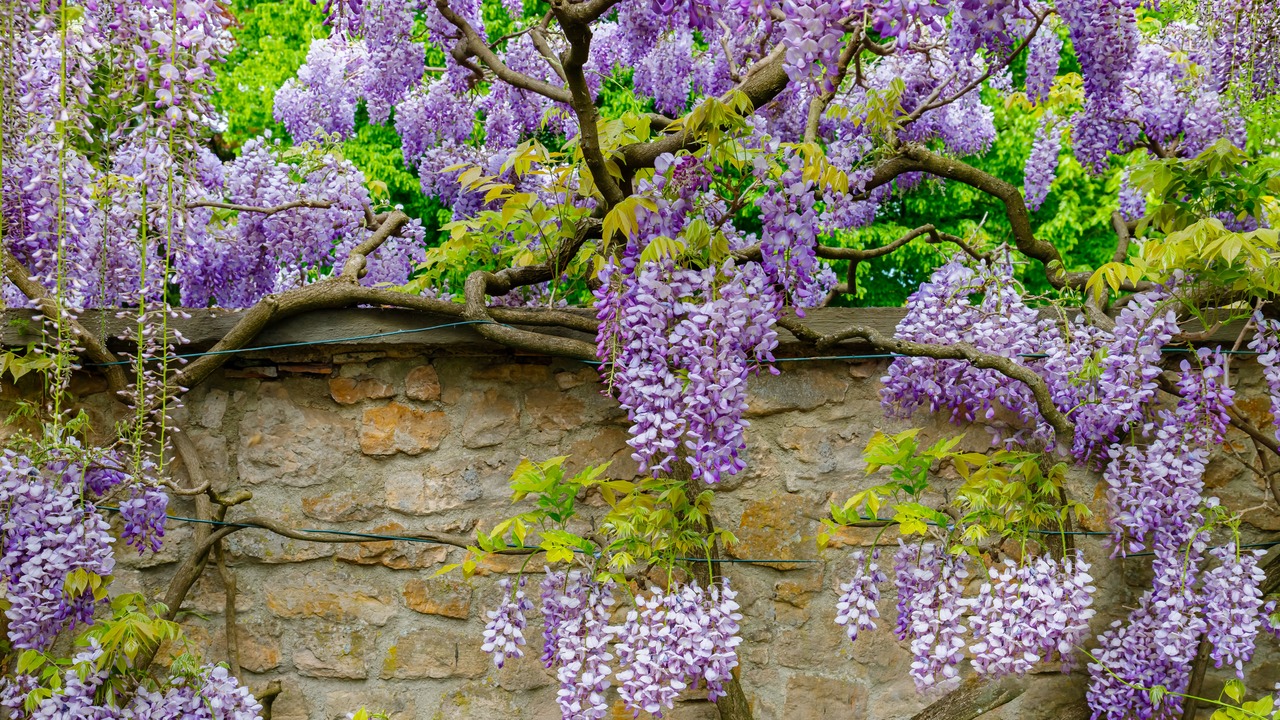
4. American Wisteria (Wisteria frutescens)
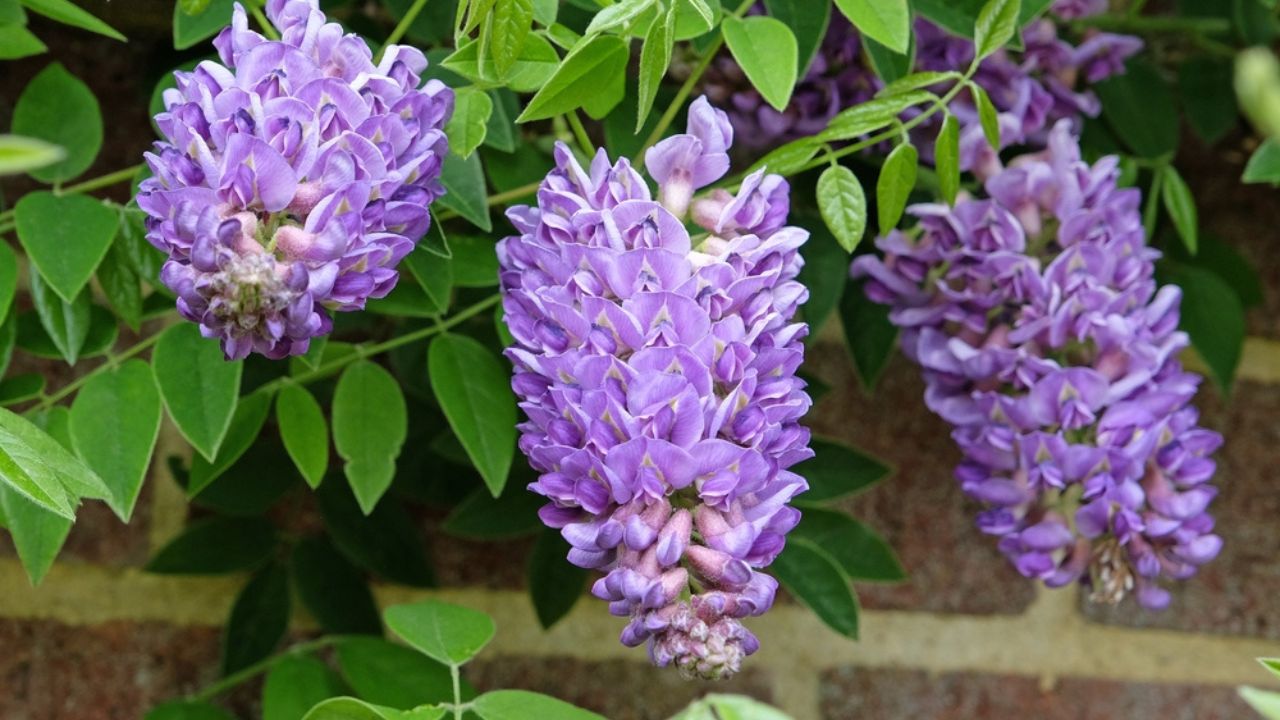
If you have ever admired wisteria draped over a Southern porch, there is a very good chance it was the invasive Chinese or Japanese variety, both of which have strangled native trees across the eastern United States. American wisteria offers the same cascading purple-blue blooms with none of the destruction.
According to The Plant Native, it supports at least 17 species of native Lepidoptera and is a key nectar source for bumblebees, carpenter bees, and Ruby-throated Hummingbirds. The Virginia Native Plant Society named it Wildflower of the Year in 2021. Cultivar ‘Amethyst Falls’ stays compact enough for smaller gardens.
5. Dutchman’s Pipe (Aristolochia macrophylla)
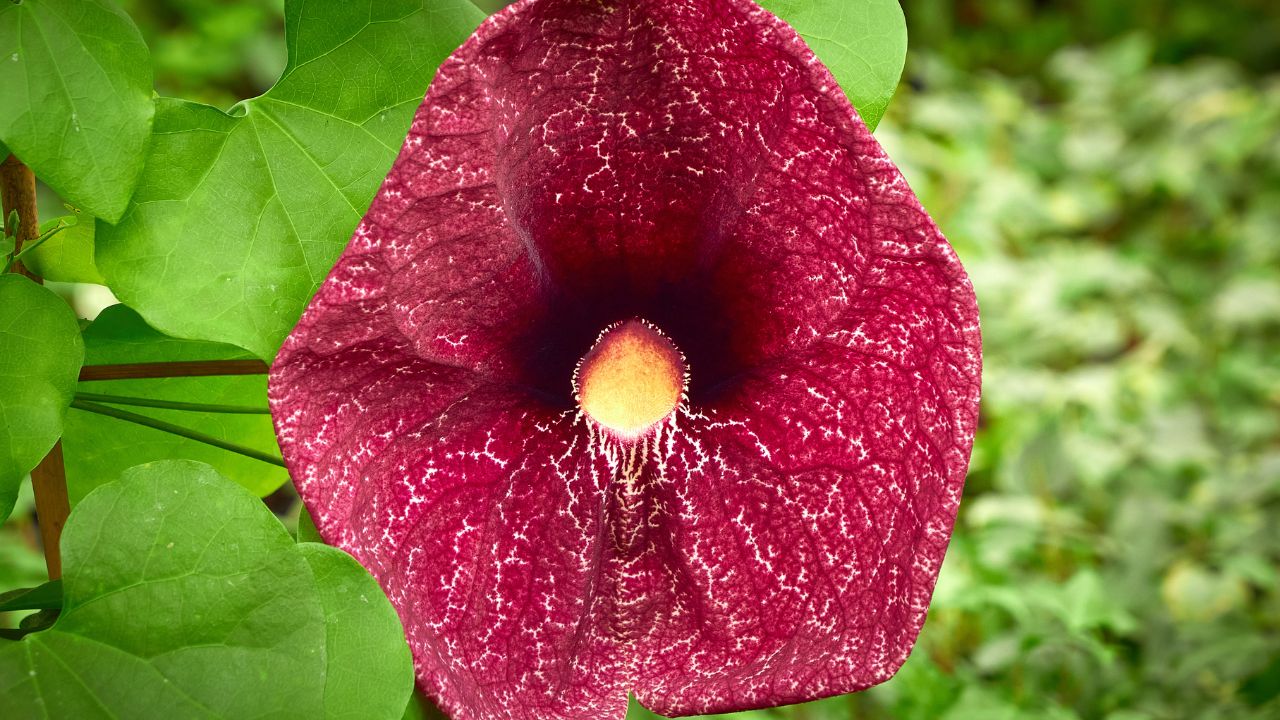
This is the vine the pipevine swallowtail butterfly cannot live without. The large-leafed, fast-growing twiner produces small, pipe-shaped flowers and was a fixture on Victorian porches across New England, where it was trained over large trellises for shade and privacy.
The Tandem Global Wildlife Habitat Council lists it among the essential native vines for butterfly habitat in North America. Plant it on a pergola where it can cover a wide area; it establishes quickly and provides dense, layered canopy cover by its second season.
6. Crossvine (Bignonia capreolata)
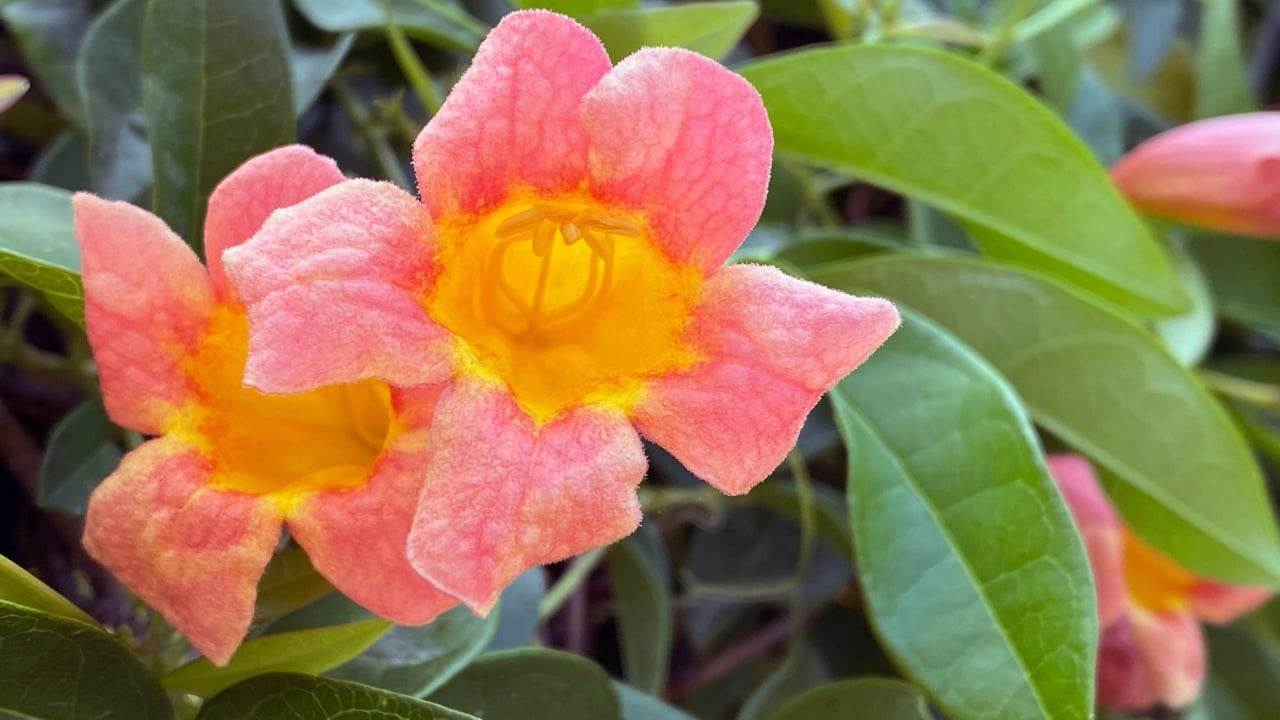
An underappreciated native, crossvine produces clusters of burnt-orange and yellow tubular flowers in early spring that hummingbirds visit as soon as they return from migration. It is semi-evergreen, holds its foliage through mild winters, and climbs by tendrils and adhesive disks.
The University of Wisconsin Extension horticulture program lists it among the woody vines with documented pollinator value. It is better behaved than trumpet vine and works well on arbors and sturdy fences across the Southeast and Mid-Atlantic.
7. Virgin’s Bower (Clematis virginiana)
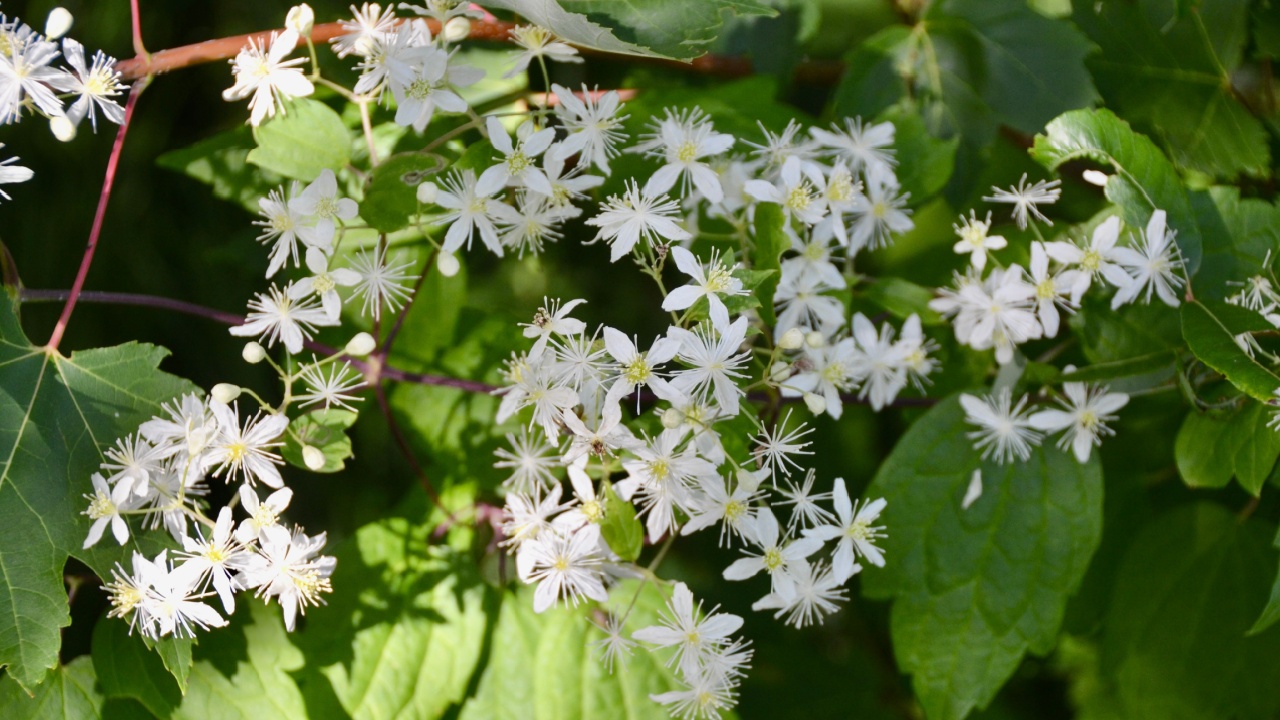
Among the most pollinator-accessible vines in the native garden, virgin’s bower produces masses of small white flowers in mid-summer that bees, butterflies, and hummingbirds all readily visit. Unlike many clematis cultivars bred for large, showy blooms that are harder for insects to navigate, this native species has open, flat flowers that make foraging easy.
The University of Wisconsin Extension plant database lists it as a mid-summer bloomer that attracts bees and hummingbirds, filling a critical window between spring and late-summer flushes.
8. Climbing Hydrangea (Hydrangea anomala petiolaris)
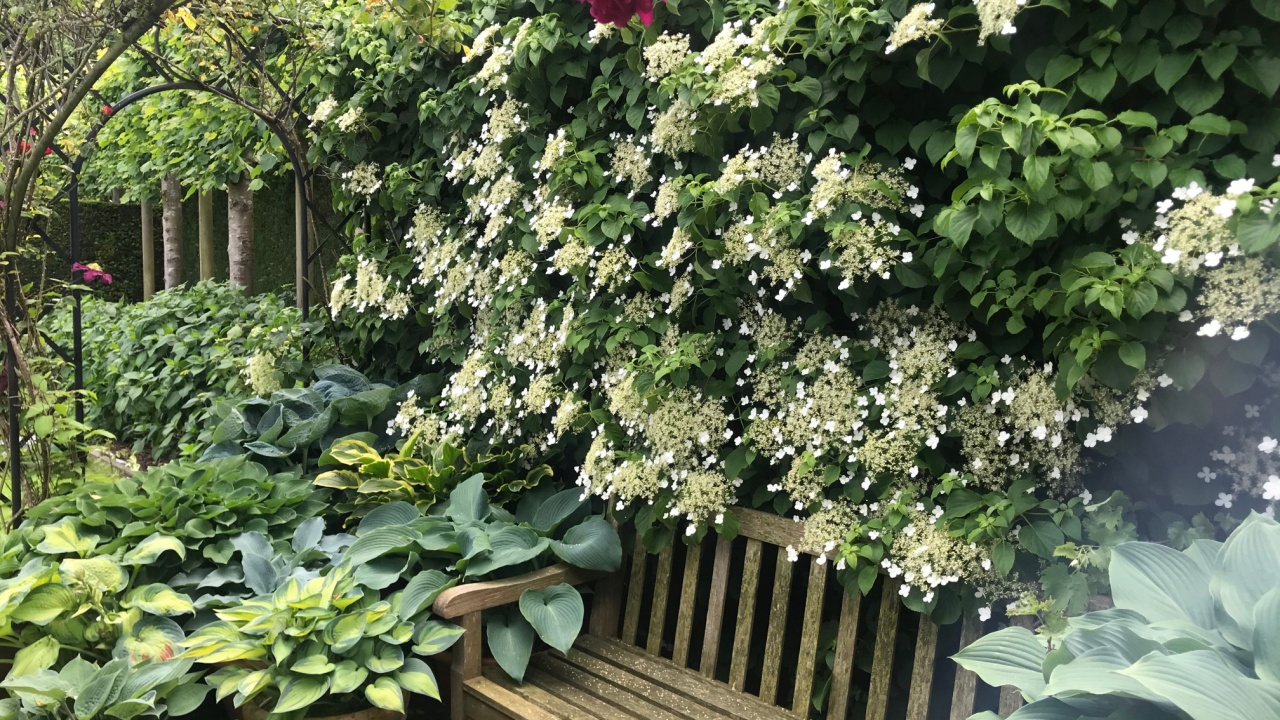
For shaded fences and north-facing walls where almost nothing else blooms, climbing hydrangea is the answer. Its lacy flat-topped white flower clusters open in June and July, offering pollen and nectar to bees and butterflies in a location and season when other sources are often sparse.
The Cornell Cooperative Extension notes that it is a vigorous, well-behaved alternative to invasive English ivy, providing nectar in summer and nesting sites within its stems year-round. Patience is required: a climbing hydrangea takes two to three years to establish itself, but the investment is decades-long.
9. Scarlet Runner Bean (Phaseolus coccineus)
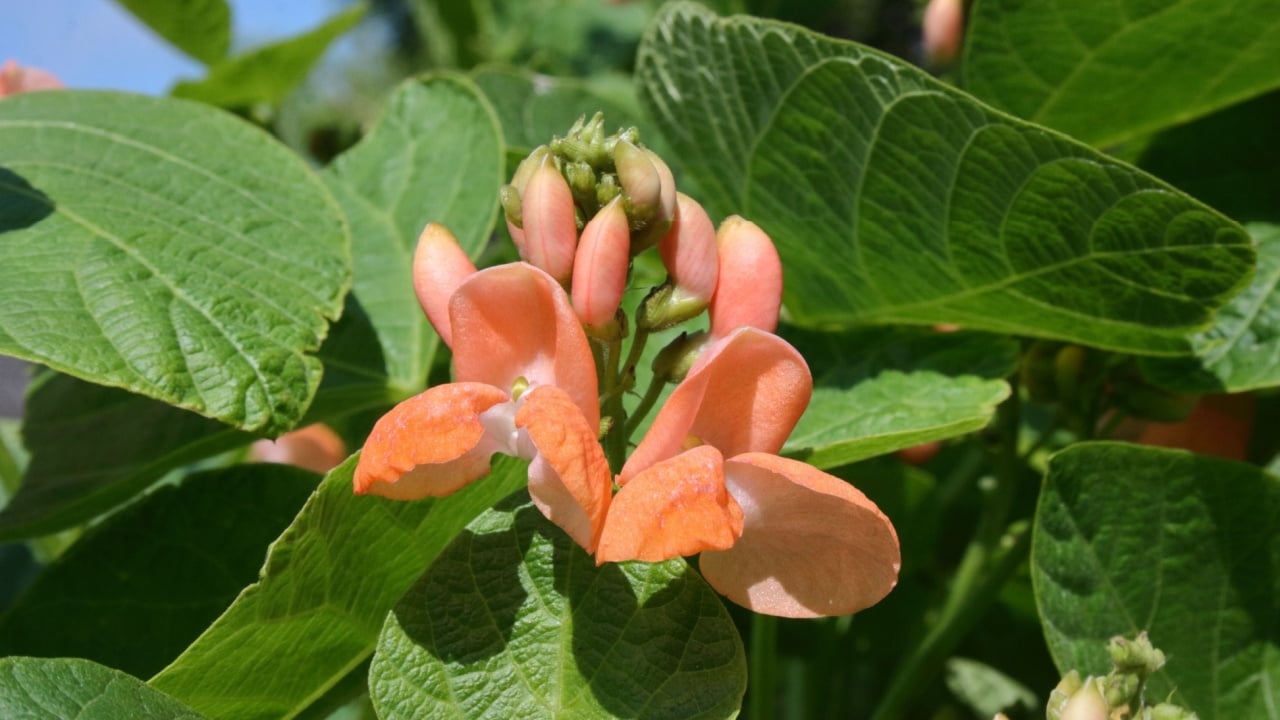
An annual that overwinters as a perennial in zones 7 and above, scarlet runner bean pulls double duty: its blazing red flowers attract hummingbirds and long-tongued bumblebees from early summer through fall, and its pods produce edible beans.
Birds & Blooms lists it among the top 10 vines for hummingbirds, and its quick establishment makes it ideal for filling gaps while slower woody vines mature. Train it on a trellis, arbor, or fence in full sun.
10. Cypress Vine (Ipomoea quamoclit)
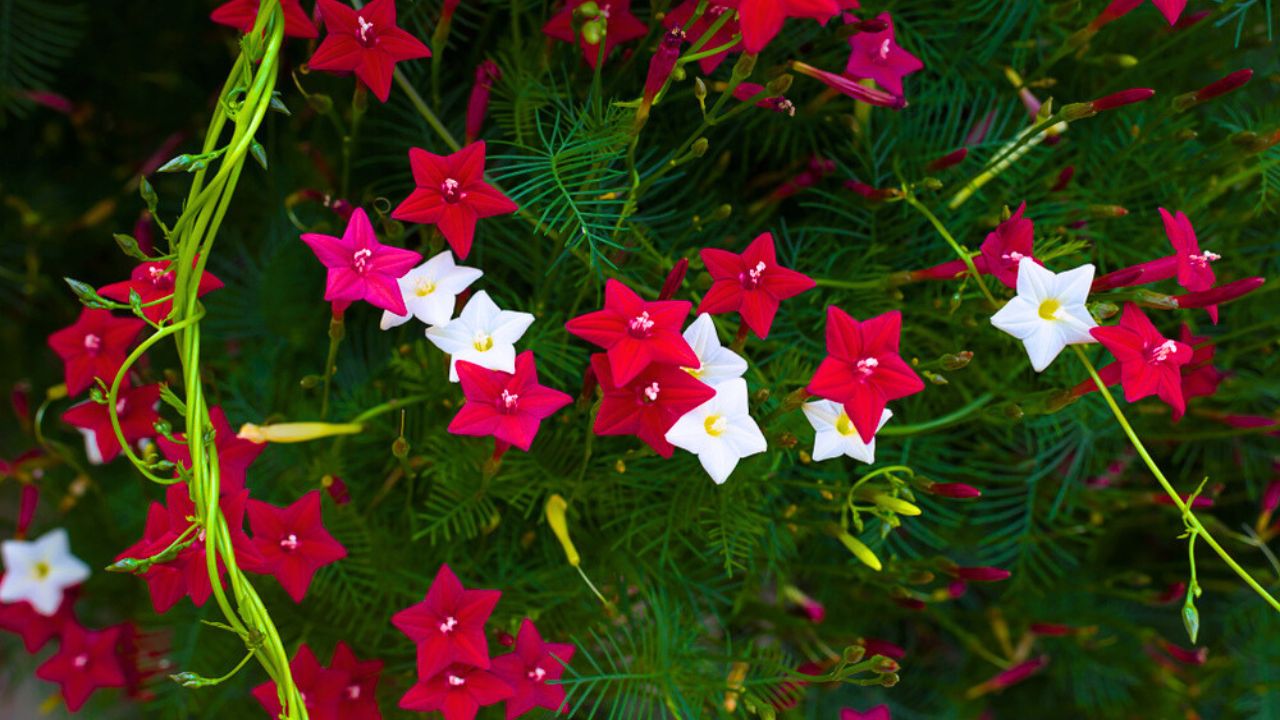
A fast-growing annual vine with feathery, fern-like foliage and brilliant scarlet star-shaped flowers, cypress vine is a consistent hummingbird favorite from early summer through frost.
The Cornell Cooperative Extension notes that cypress vine is a reliable choice for adding hummingbird-attracting red to the summer garden. It self-seeds readily in warm climates, returning year after year with minimal effort.
11. Carolina Jessamine (Gelsemium sempervirens)
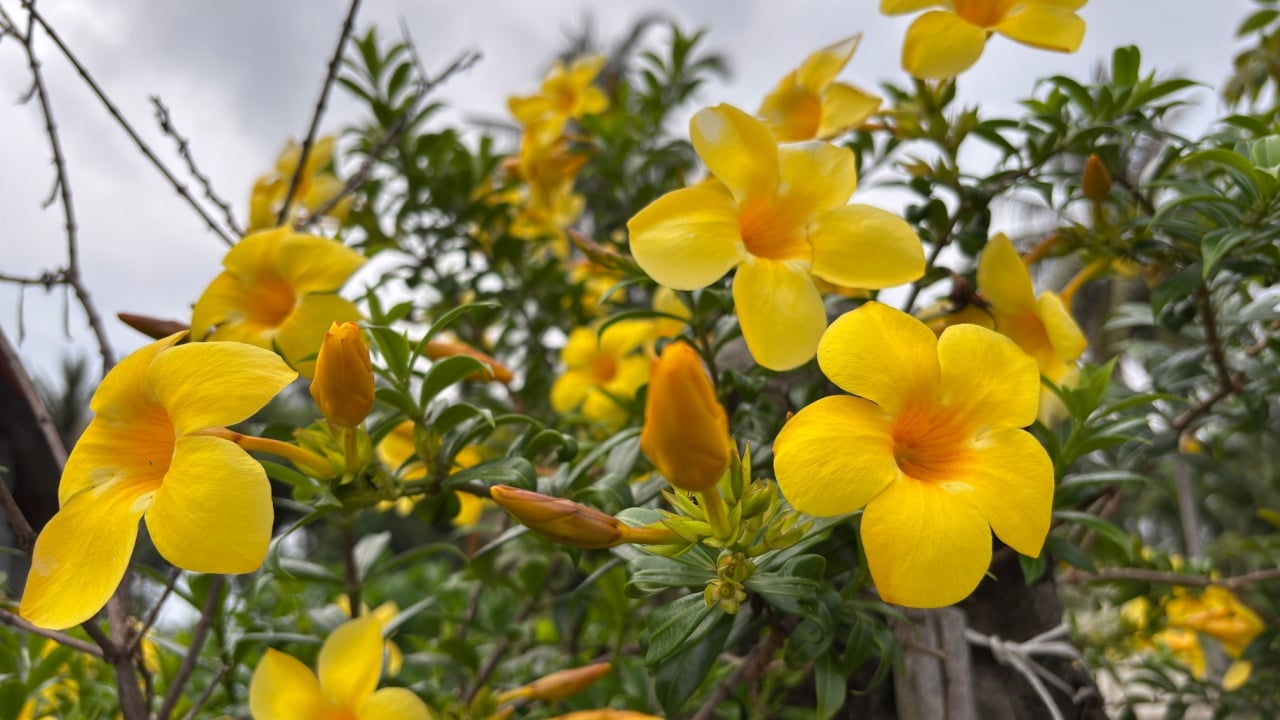
The first burst of golden-yellow tubular flowers in late winter or early spring makes Carolina jessamine one of the most valuable early-season nectar sources for pollinators emerging from dormancy.
It is evergreen, fragrant, and deer-resistant, and it appears in the Tandem Global Wildlife Habitat Council’s list of native vines for butterfly habitat across the Southeast. Note that all parts of the plant are toxic to humans and livestock; plant it where it will not be accessed by children or animals.
12. Maypop (Passiflora incarnata ‘Maypop’)
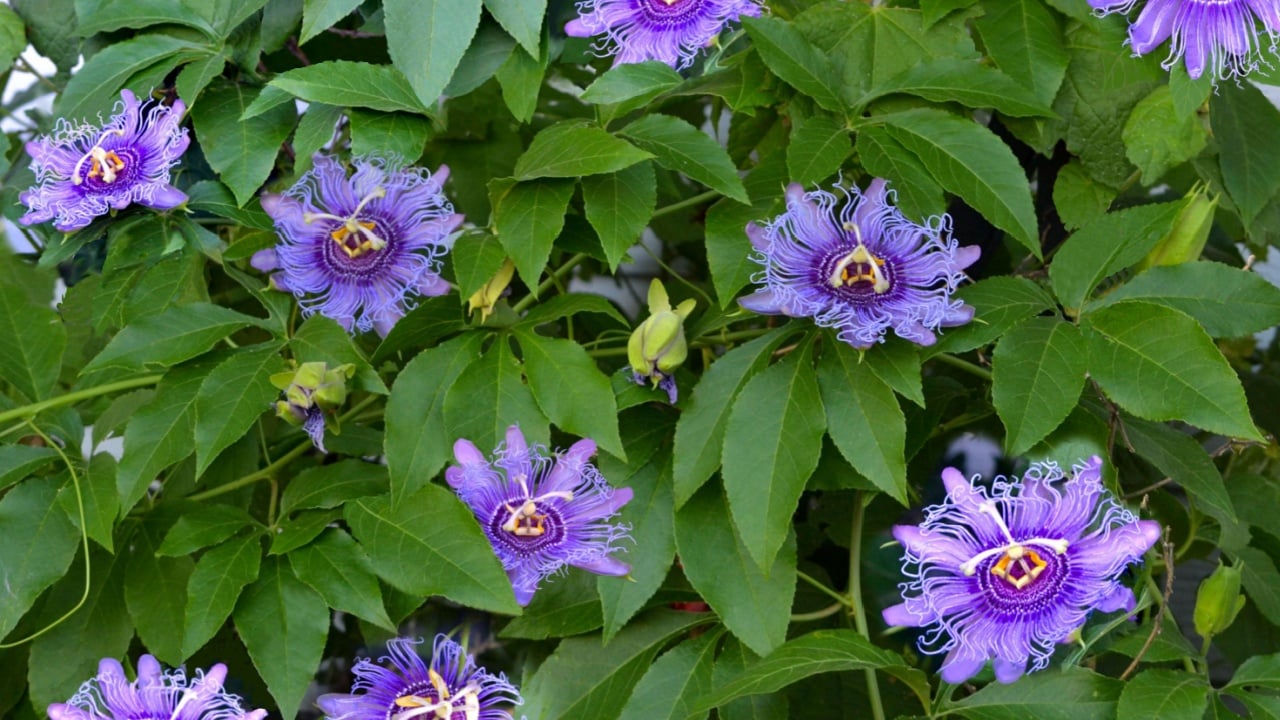
For gardeners in zones 5 and 6 who thought passionflower was out of reach, maypop is the cold-hardy passionflower that extends the species’ range northward. It behaves as an herbaceous perennial in colder zones, dying to the ground in winter and re-emerging vigorously in spring, and it supports the same roster of fritillary butterflies as its southern relatives.
The Cornell Cooperative Extension lists it as a host plant for Gulf Fritillary and Variegated Fritillary butterflies as far north as Long Island.
How to Keep Pollinators Coming Back All Season
A single spectacular vine is not a pollinator habitat; a sequence of vines is. The goal is to have something in bloom from the moment hummingbirds return in spring through the last warm weeks before migration. Pollinators need food across the entire season, not just during the June peak.
In spring, lead with coral honeysuckle and American wisteria, both of which begin blooming in April or May across most of the country. Through summer, let trumpet vine, passionflower, and scarlet runner bean carry the season. In late summer and fall, cypress vine and virgin’s bower extend the bloom window into the weeks when monarch butterflies and hummingbirds are fueling up for migration.
The Xerces Society, one of the leading pollinator conservation organizations in North America, recommends pairing nectar vines with small water sources and patches of bare ground, as over 75% of native bee species nest underground, and bare soil near a trellis is nesting habitat.
Apply no pesticides to or near blooming vines. Even organic options can harm the bees and butterflies you are trying to attract. If aphids appear on honeysuckle, a strong blast of water does the job without collateral damage.
Plant one vine this spring. One. Then watch what happens.
Read More
Washing Your Lettuce Won’t Remove Cyclosporiasis, But Growing Your Own Will
Your Grandmother Stored These 8 Foods All Winter Without Canning a Single Jar