The Urban Homesteading Guide: 7 Ways to Embrace Self-Reliance in a Small Apartment
The word “homestead” usually conjures images of sprawling acreage, early mornings milking cows, and endless rows of corn. For the city dweller squeezed into a 500-square-foot studio, this lifestyle can seem like a distant, inaccessible fantasy. You might assume that without a barn or a backyard, self-sufficiency is off the table.
This assumption is wrong. Homesteading is less about the size of your property and more about your relationship with consumption. It is the shift from passively buying everything you need to actively producing some of what you use.
You can cultivate this independence anywhere, even on the fourth floor of a walk-up. The following guide outlines practical methods to begin your urban homesteading journey today.
1. Map Your Sunlight Zones Accurately
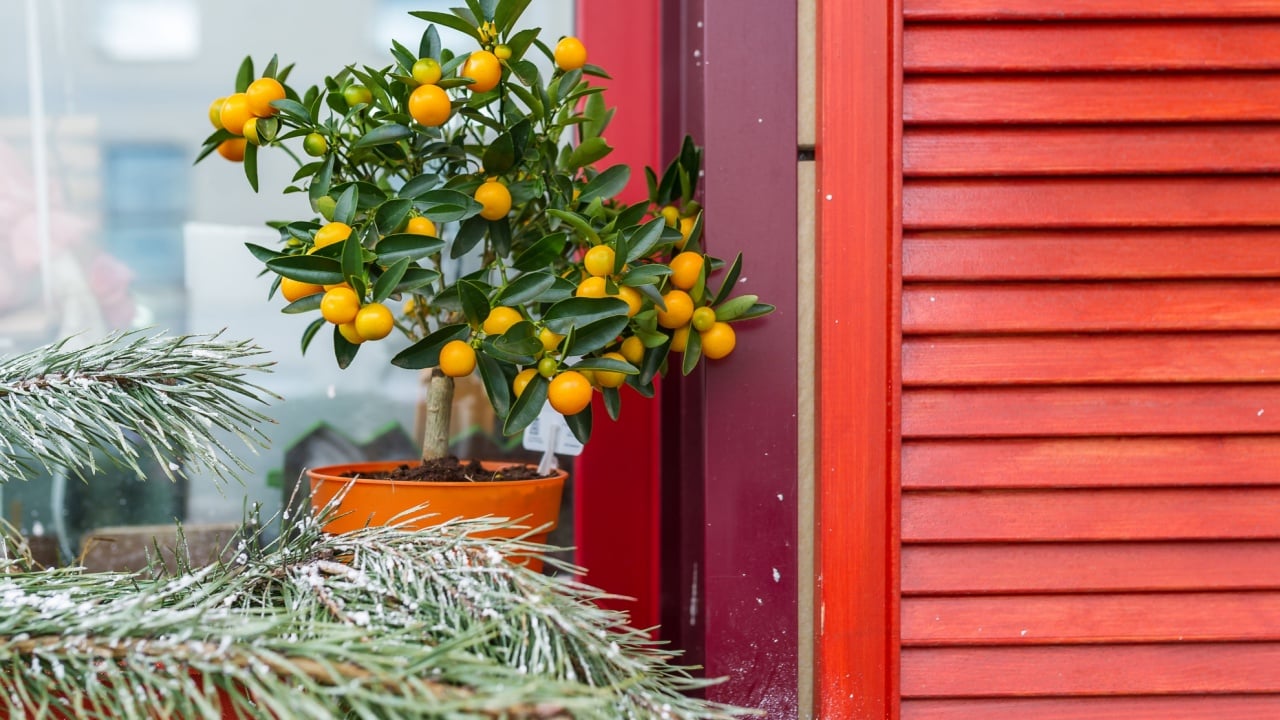
Windows and patios are great places to grow plants. But it is essential to choose plants that’ll thrive, based on how much light you have (unless you want to invest in grow lights, that is). So, before buying seeds, assess your light carefully. Many overestimate how much sunlight their windows get, as human eyes adapt to low light. Observe your windows for a day, noting direction and hours of direct sunlight.
South-facing windows are best for fruiting plants, while north-facing ones suit shade-tolerant greens. Proper lighting ensures healthier plants and fewer disappointments.
2. Utilize Vertical Gardening Techniques

Maximize limited apartment space by utilizing your walls. Instead of crowding floors and counters, use floating shelves, tiered stands, or hanging planters to grow herbs and greens.
Even over-the-door organizers work for shallow-rooted plants. This vertical approach multiplies your garden area several times over without sacrificing a single square foot of your living space.
3. Start a Microgreens Operation
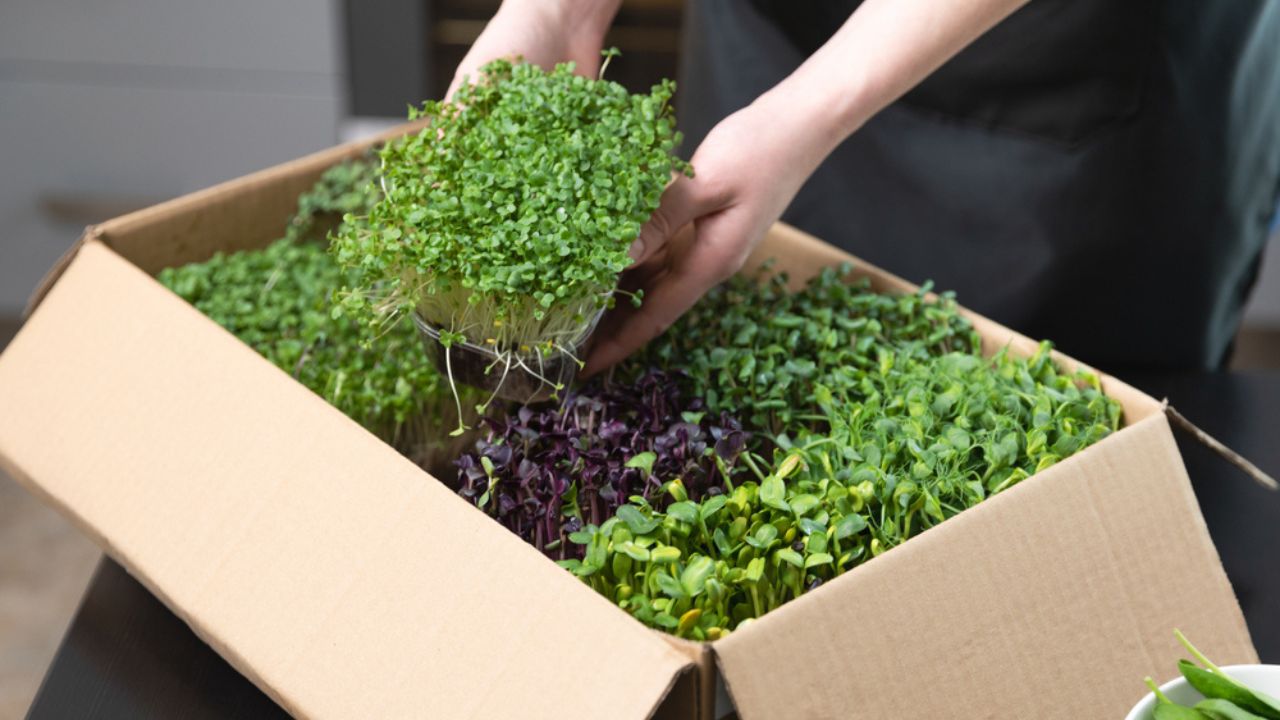
Don’t have much patience or natural light? Try growing microgreens. These vegetable greens are harvested right after their first leaves develop. You can grow trays of radish, arugula, or sunflower shoots on a small table using a simple grow light or a moderately bright spot.
The process takes less than two weeks from seed to harvest. Plus, microgreens can contain up to 40 times more vital nutrients than their mature counterparts, offering a rapid, continuous source of fresh, nutritious vegetables.
4. Master the Art of Regrowing Scraps
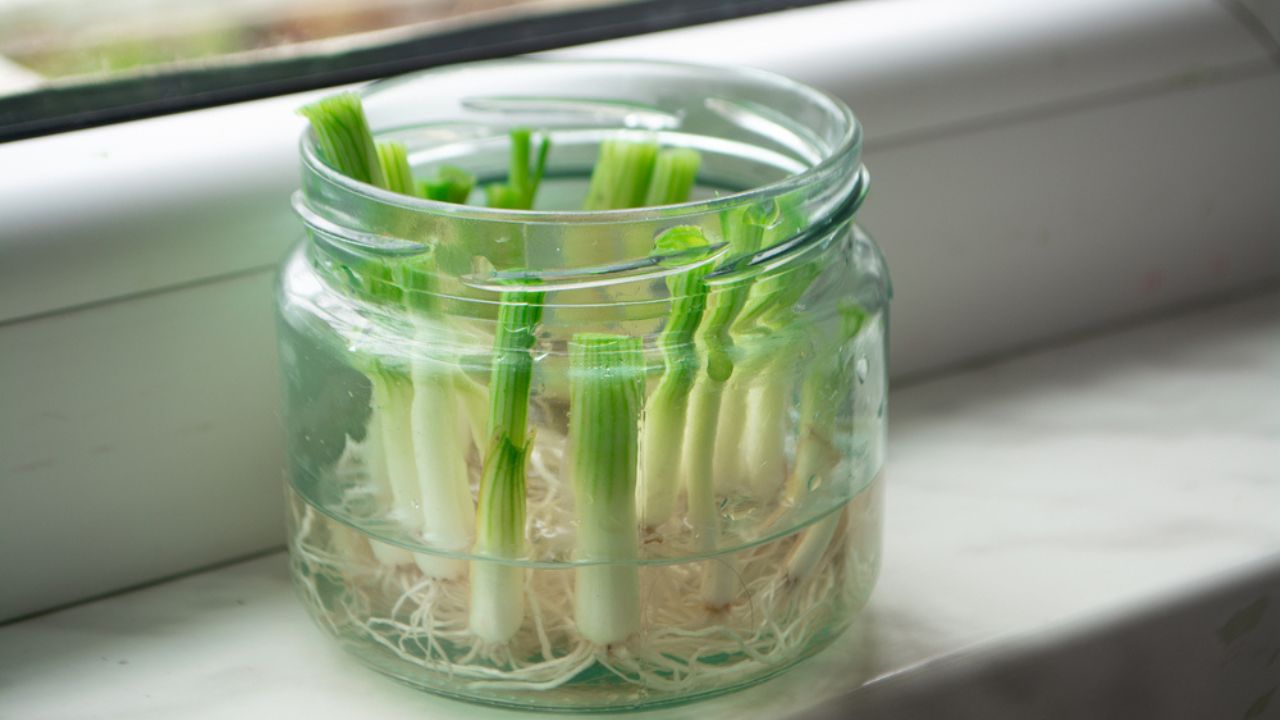
Turn kitchen waste into free food by regrowing common grocery store scraps. Vegetables like green onions, celery, and romaine lettuce regenerate quickly in just a glass of water. This simple method reduces food waste and lowers your grocery bill, offering an easy, soil-free introduction to the sustainable cycles of homesteading.
5. Implement an Odorless Compost System

Don’t send organic waste to a landfill, compost it! While a huge outdoor pile isn’t possible in an apartment, indoor options are totally doable. A Bokashi bin uses fermentation to break down all food scraps without bad smells, and a vermicomposting bin (worm farm) can live quietly under your sink, turning veggie scraps into rich fertilizer for your container garden.
Composting creates free, high-quality plant food and reduces your household trash, completing the nutrient cycle right inside your apartment.
6. Grow High-Yield Container Herbs
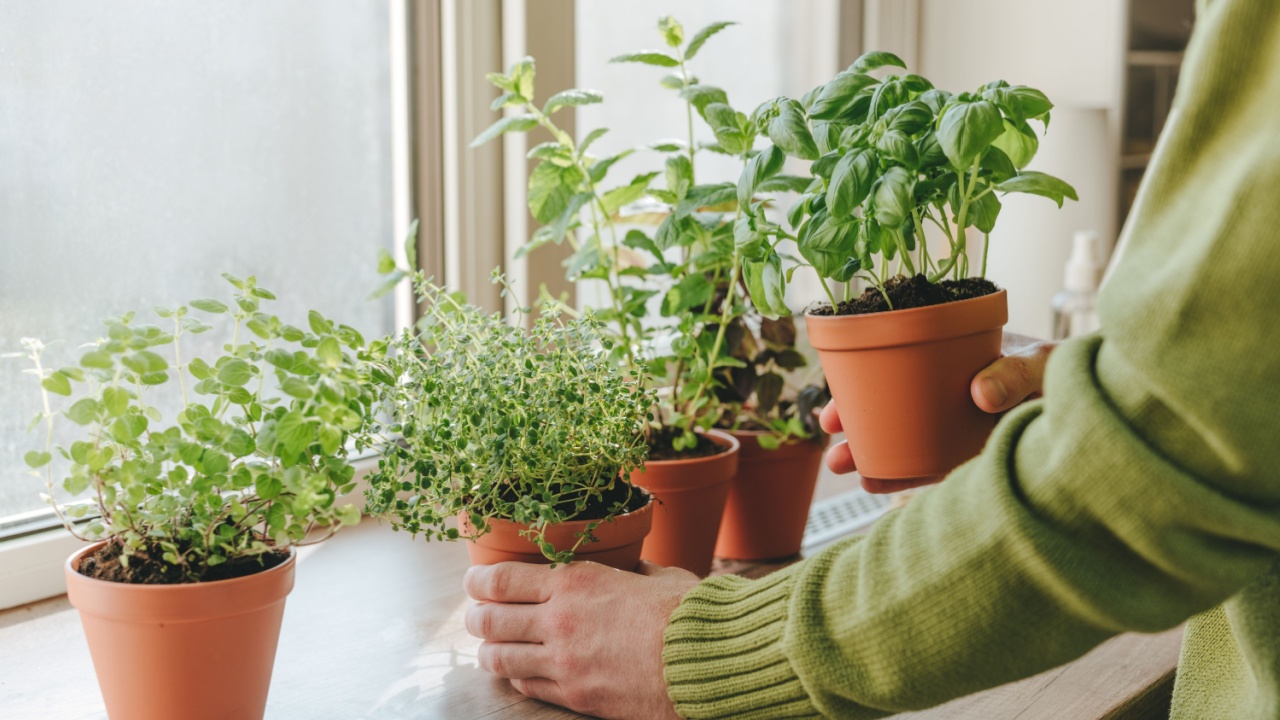
Herbs give you the most bang for your buck, especially in a small space. A bunch of organic rosemary can cost several dollars at the store, but the plant is easy to grow and will produce for months or even years.
Focus on “cut-and-come-again” herbs like basil, parsley, chives, and mint. These thrive in pots and get bushier the more you harvest them. Having fresh herbs on hand also encourages you to cook from scratch (a fundamental homesteading habit).
7. Think Beyond Plants

Homesteading isn’t just about gardening. It’s about self-sufficiency. That can translate to hobbies like repurposing towels and blankets, making your own clothes, canning, and learning to bake from scratch. These skills make you less reliant on the supply chain and consumerist habits. It is all a win-win.
Just picking one new skill to learn at a time will keep your mini-homsteading endeavors more enjoyable.
From Apartment to Abundant: Your Journey Starts Here

Urban homesteading is a journey of small, intentional steps. You do not need to do everything on this list at once. Select one or two areas that interest you most, perhaps setting up a worm bin or planting a single pot of basil, and master those before moving on. As you build these systems, you will find your apartment feeling less like a temporary box and more like a productive home.
Ready to start? Assess your window light this weekend and order your first packet of seeds. Or pick a new bread recipe to try from scratch. Your homestead begins now.