
How to Stay Warm Without Central Heating: 6 Practical Survival Strategies
Winter weather creates a specific kind of dread when your home lacks a functioning heat source. A broken boiler, power outage, or an intentional decision to cut energy costs can turn a living room into an icebox and make morning routines feel like a polar expedition.
While piling on every sweater you own offers some relief, maintaining a comfortable body temperature requires a more tactical approach. By employing specific methods to trap heat and generate warmth, you can transform a freezing environment into a habitable sanctuary.
1. Embrace the Hot Water Bottle

The hot water bottle remains a champion of thermal comfort for a reason. While modern technology offers high-tech solutions, a simple rubber bottle filled with hot water provides immediate, targeted relief that few gadgets can match.
Opting for a bottle with a faux-fur or thick wool cover significantly improves performance. These fabrics act as insulation, releasing the heat slowly over several hours rather than delivering a short, scalding burst. Placing one at the bottom of a sleeping bag or under a duvet 20 minutes before sleep transforms cold sheets into a warm haven. For safety, replace these bottles every two to three years to prevent rubber degradation and leaks.
2. Keep Your Body in Motion
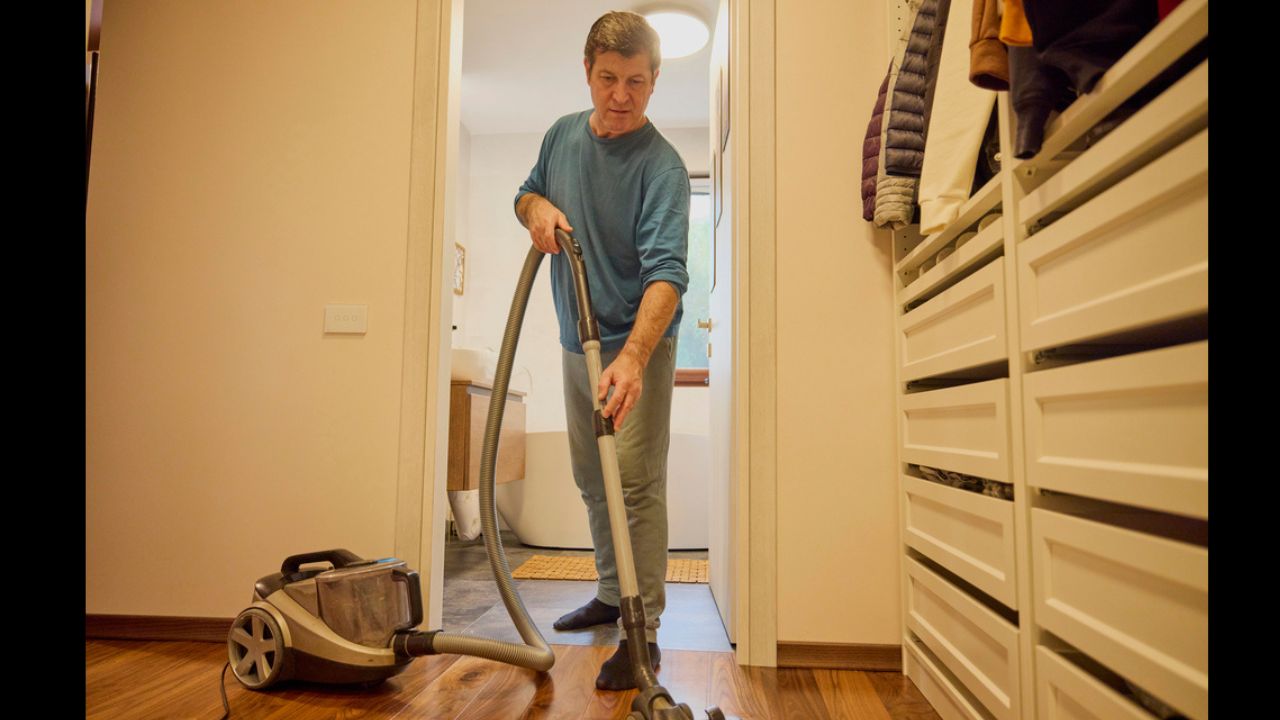
The instinct during a cold snap is to curl up in a tight ball and remain motionless. However, remaining sedentary allows your metabolic rate to drop, making you feel colder. Brief bursts of activity act as an internal furnace.
Taking a brisk walk around the neighborhood or engaging in vigorous housework generates substantial body heat. Tasks like vacuuming, scrubbing floors, or simply walking up and down the stairs force your muscles to work, increasing blood flow and core temperature.
You return to your relaxation spot with a natural warmth that lingers long after the activity stops.
3. Use Blow Heaters Strategically

When central heating is unavailable, small electric blow heaters offer a lifeline. These devices excel at rapidly raising the air temperature in a confined space. To maximize efficiency and minimize electricity costs, adopt a “one room” policy.
Close the door to a smaller area, such as a study or bedroom, and use the heater to warm that specific zone. This concentrates the warmth where you actually are, rather than dissipating energy across an empty, drafty house. Always check the wattage and keep the unit away from flammable materials.
4. Invest in a Wearable Electric Blanket
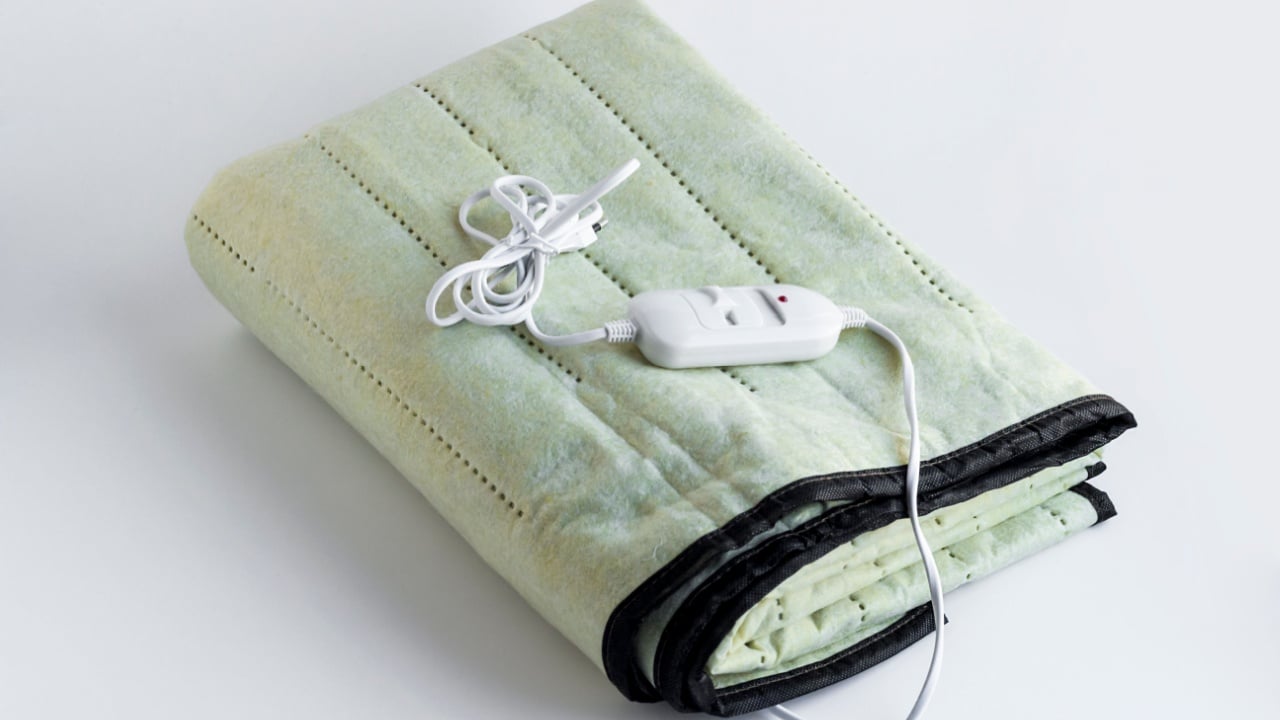
Traditional electric blankets warm the bed, but modern wearable versions warm the person. These heated throws or ponchos drape over your shoulders and plug into a standard outlet or USB bank.
They are particularly useful for sedentary tasks like working at a computer or reading, where your body naturally cools down. Unlike heating an entire room, a wearable blanket delivers thermal energy directly to your torso and back. Many models cost pennies to run per hour, making them a budget-friendly alternative to space heaters.
5. Adopt the Onesie for Insulation

While they may not win awards for high fashion, adult onesies serve a critical function in extreme cold. The design eliminates the gap between pants and tops, preventing warm air from escaping and cold drafts from touching your midriff. Materials like fleece or heavy cotton act as excellent insulators.
By encasing the body in a single, continuous layer, you effectively trap a layer of warm air against your skin. This mimics the insulation principles used in sleeping bags. For the best results, wear thermal underwear beneath the onesie for maximum heat retention.
Staying Warm Without Central Heating
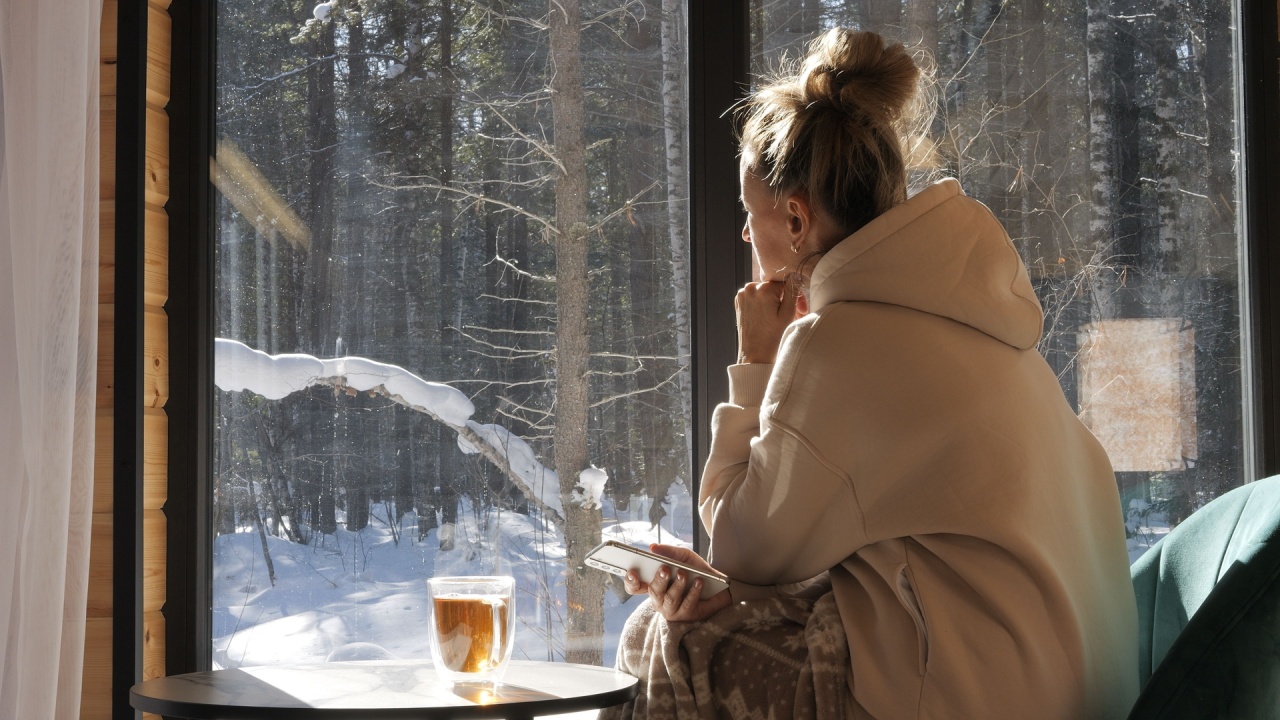
Living without central heating requires preparation and a shift in daily habits. By combining these strategies, you can maintain comfort and safety until the boiler is fixed or spring arrives. If you are looking to upgrade your home’s insulation or need emergency heating supplies, browse our full range of winter-ready home essentials today.