The Top 8 August Garden Chores You Shouldn’t Skip, According to Experts
Right now, while you are inside waiting for the heat to break, something quiet and destructive is happening in your garden. Squash bugs are laying eggs in the debris you left around your zucchini. Fungal spores are spreading through the leaf litter you meant to clean up last weekend. And every weed you walked past this morning is days away from dropping hundreds of seeds that will haunt you for the next three years.
August is not the month your garden winds down. Instead, it is the time that your garden decides what next year looks like. The pests that overwinter in uncleaned beds, the diseases that establish in neglected soil, the invasive weeds that set seed while you are not watching; all of these compound silently into problems that are ten times harder to fix next May.
Experienced gardeners know that a tidy August garden is not just about appearances; it is about pest control, disease prevention, and setting next year’s harvest up for success, all rolled into a few simple tasks.
Here are the eight August garden chores that matter most, and what you are risking by letting them slide.
1. Stop Ignoring Your Watering Schedule
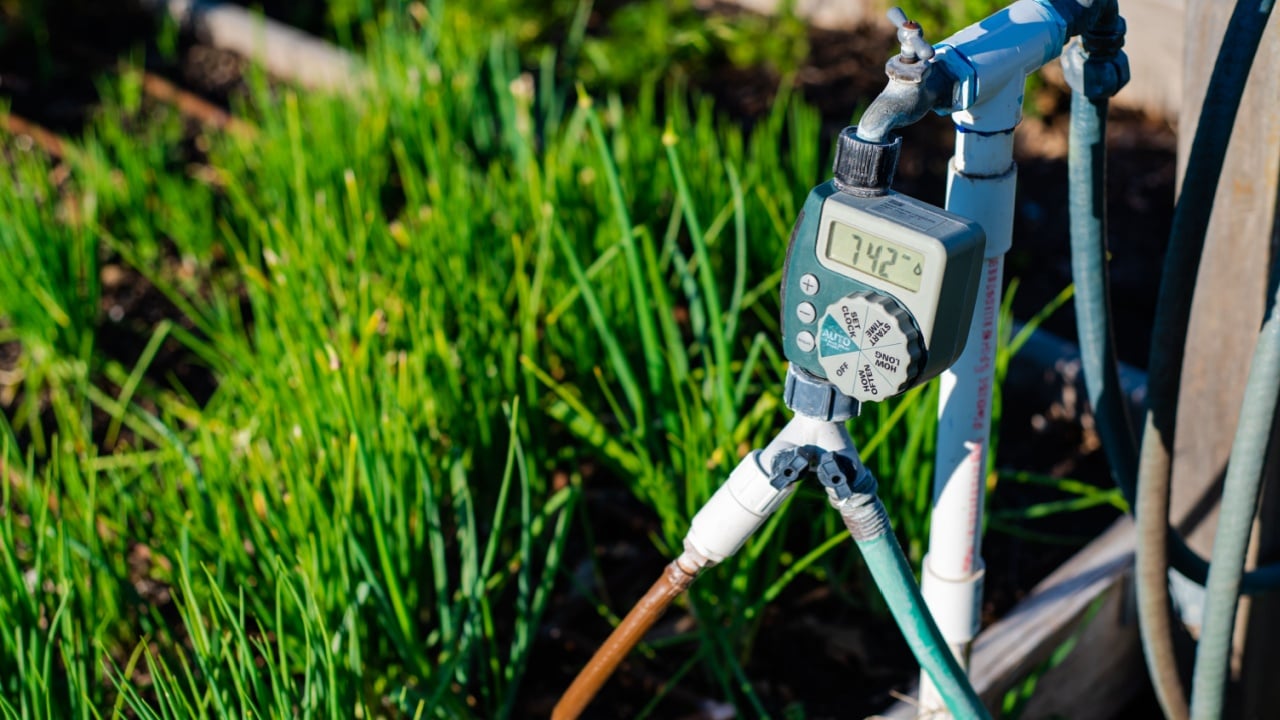
The number one August garden mistake is watering wrong. Sprinkling the garden for a few minutes in the heat of the afternoon feels productive, but it is one of the fastest ways to stress your plants. According to the University of Maryland Extension, shallow watering encourages roots to stay near the surface, making plants more vulnerable to drought and heat, not less. Water deeply and early in the morning, before 9 a.m., to reduce evaporation by up to 30 percent.
If your tomatoes wilt at midday, check the soil first; the University of Florida IFAS Extension notes that heat wilting is often mistaken for drought stress, and adding more water to already moist soil can cause root rot. A single soaker hose running for 30 minutes twice a week costs almost nothing and delivers better results than daily spraying with a handheld nozzle.
2. Stop Letting Weeds Go to Seed Before August Ends
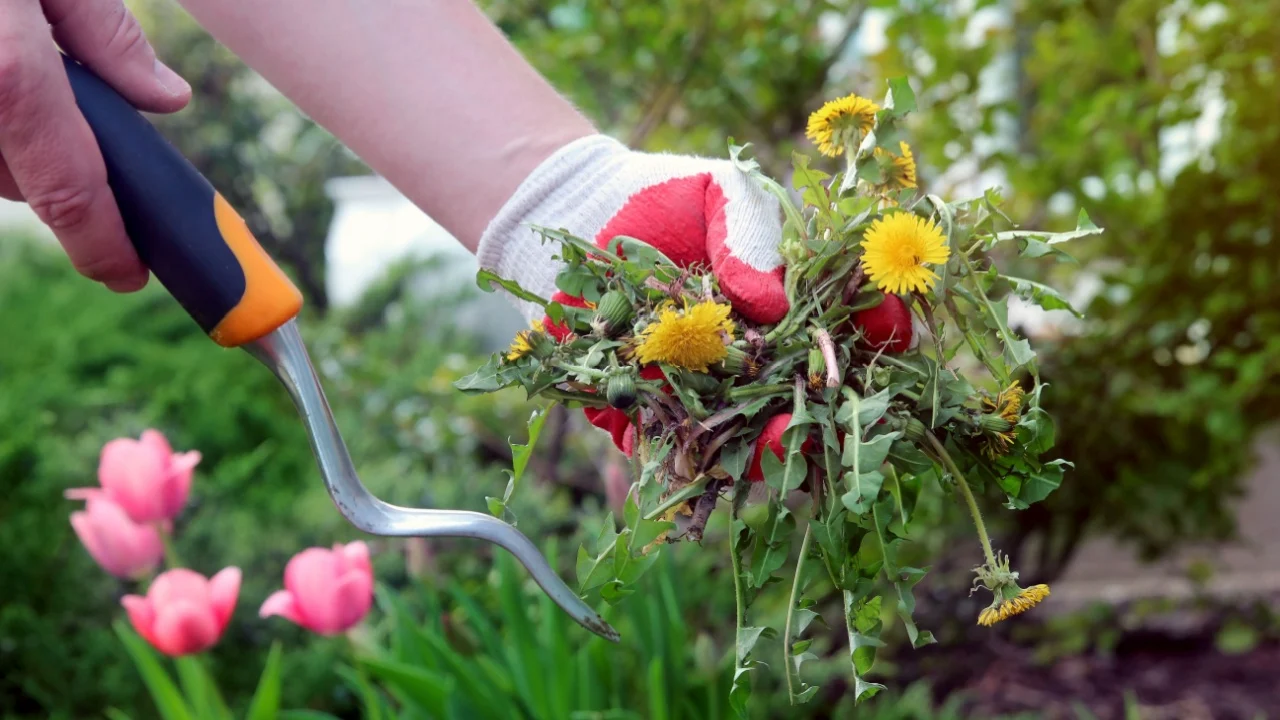
Every weed you ignore in August is planting hundreds of future problems. According to Margaret Roach of A Way To Garden, August weeds are not just unsightly; they steal moisture, nutrients, and light from the plants you actually want. Pulling annual weeds now, before they set seed, is the single most effective way to reduce your weeding workload next spring.
The New York Botanical Garden‘s August gardening checklist specifically advises removing weeds before they set seed, and topping up mulch afterward. A 2 to 4 inch layer of mulch around your plants conserves moisture, cools soil temperature, and suppresses the next round of weeds, saving you hours of labor and gallons of water.
3. Stop Throwing Away Money by Not Planting a Fall Garden
This is the chore most gardeners skip, and it is the most expensive mistake on this list. Seeds you plant this week for lettuce, kale, radishes, carrots, and spinach will produce food from September through November, and in many areas, well beyond.
According to The Penny Hoarder, a backyard vegetable garden can save a household up to $500 on annual grocery costs, and fall crops are actually easier to grow than summer ones because pest pressure drops and cooler temperatures produce sweeter, more flavorful greens. Radishes mature in as few as 30 days, meaning seeds planted this weekend could be on your plate by Labor Day. A single packet of lettuce seeds costs $3 and can produce $40 to $60 worth of salad greens. If you only do one thing in your garden this August, do this.
4. Never Skip Deadheading in August
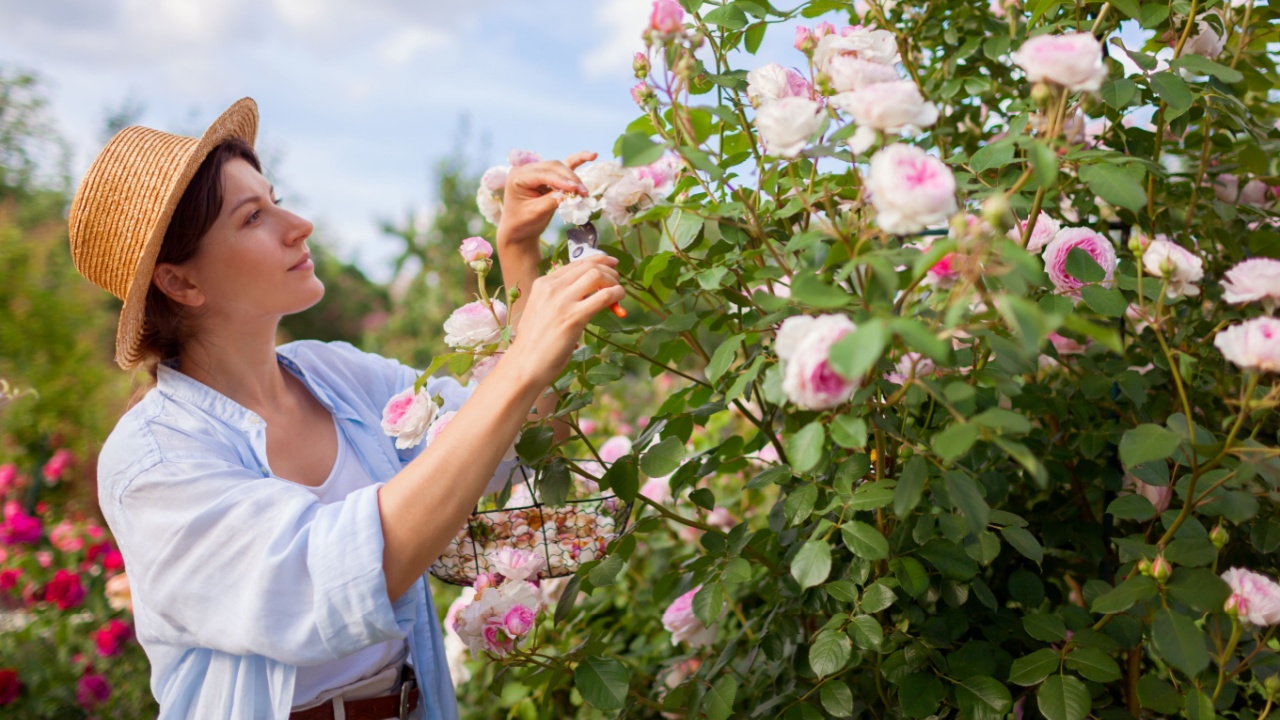
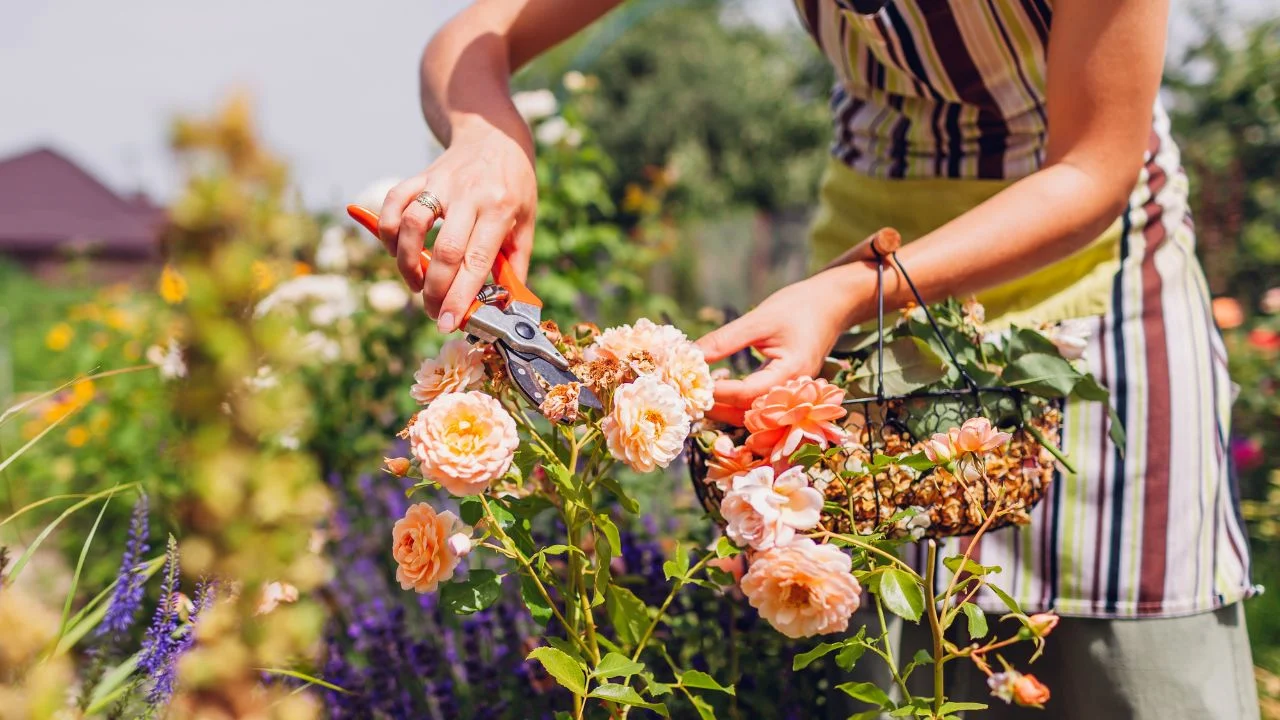
When you stop removing spent flowers, you are telling your annuals that their job is done. According to Good Housekeeping‘s gardening expert Arricca Elin SanSone, a plant’s sole purpose is to reproduce via seeds, and as long as you keep deadheading, annual flowers like marigolds, zinnias, and cosmos will keep pushing new blooms well into fall. The same principle applies to your vegetable garden: harvesting ripe tomatoes, cucumbers, and squash regularly signals the plant to keep producing. Stop picking, and production slows dramatically. Five minutes of deadheading every few days can extend your bloom season by six weeks or more, for free.
5. Stop Fertilizing Woody Plants After August Begins
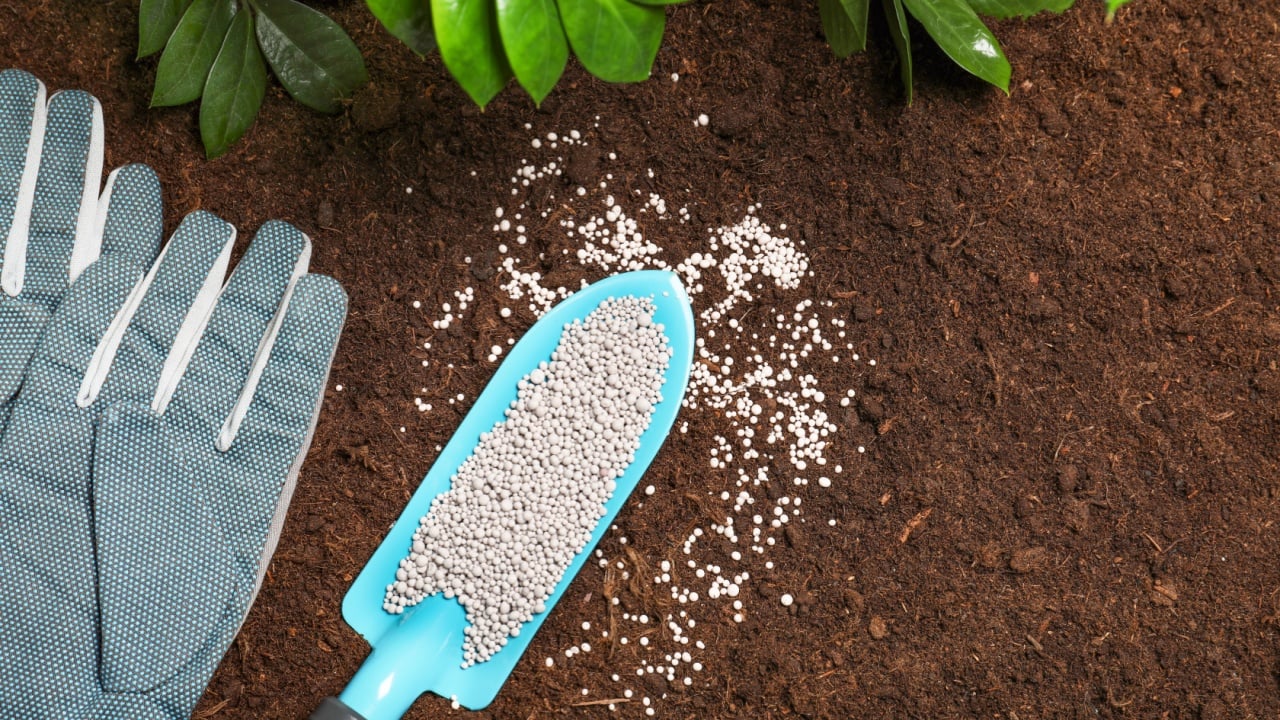
This mistake can actually damage your trees and shrubs, and it is one most gardeners do not realize they are making. According to A Way To Garden, fertilizing woody plants after July promotes soft new growth that will not have time to harden off before frost. That tender growth is extremely vulnerable to winter damage and can kill branches or even entire young trees. The New York Botanical Garden’s checklist confirms that August is the time to stop feeding trees and shrubs entirely and let them begin their natural hardening-off cycle. The exception is container plants and annual flowers, which should continue receiving a water-soluble fertilizer about once a week through the end of the growing season.
6. Stop Neglecting August Pest Patrol
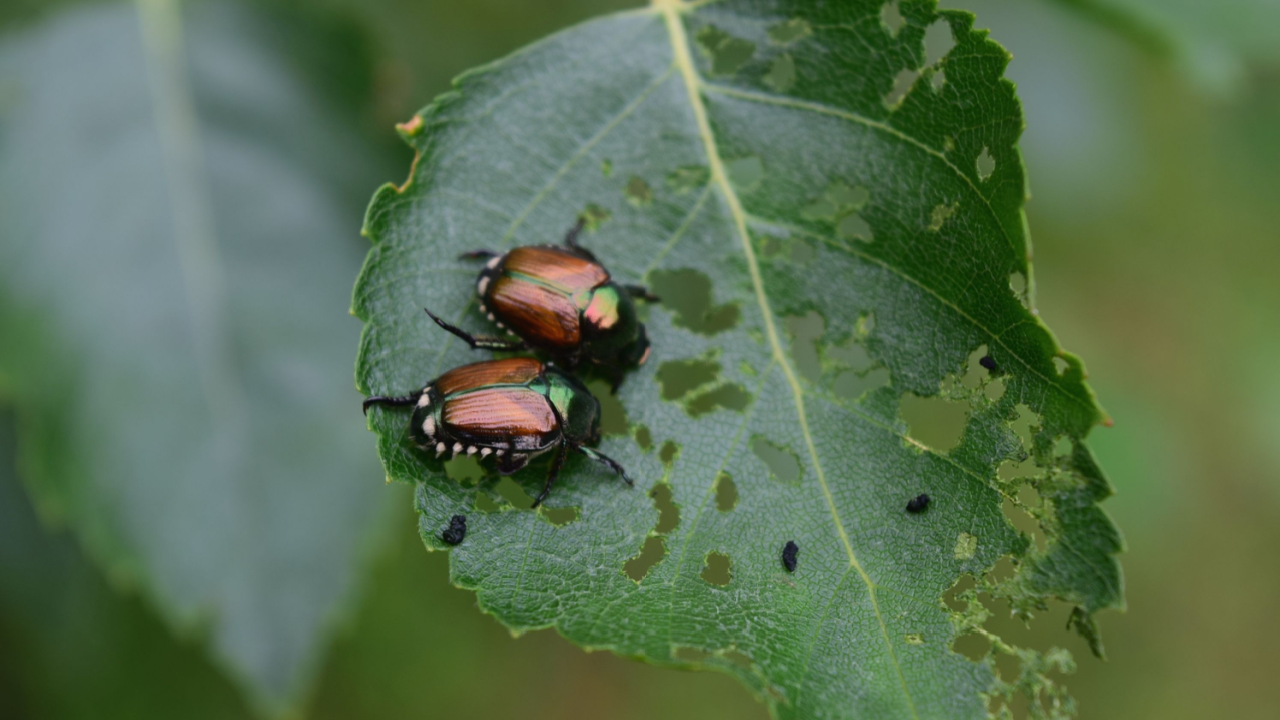
The pests you ignore in August do not just disappear. According to the University of Maryland Extension, late summer is when many garden pests lay eggs that will overwinter in your soil and plant debris, emerging as a full-blown infestation the following spring. Handpick Japanese beetles, hornworms, squash bugs, and cabbage worms early each morning when they are sluggish and easy to collect. Remove all diseased plant material and compost it away from the garden. Margaret Roach describes this as a head start on a scrupulous fall pest-control regimen, and the effort you put in now directly reduces the number of problems you will face next May.
A safety note for pet owners: August is also peak season for snakes in many regions, and tall grass, debris piles, and unmulched garden beds are exactly where they hide. The ASPCA reminds gardeners that common late-summer plants including foxglove, oleander, and sago palm are toxic to dogs and cats. Keeping your garden tidy is not just about aesthetics; it is a safety measure for your family and pets.
7. Never Forget to Order Spring Bulbs and Garlic Before August Ends
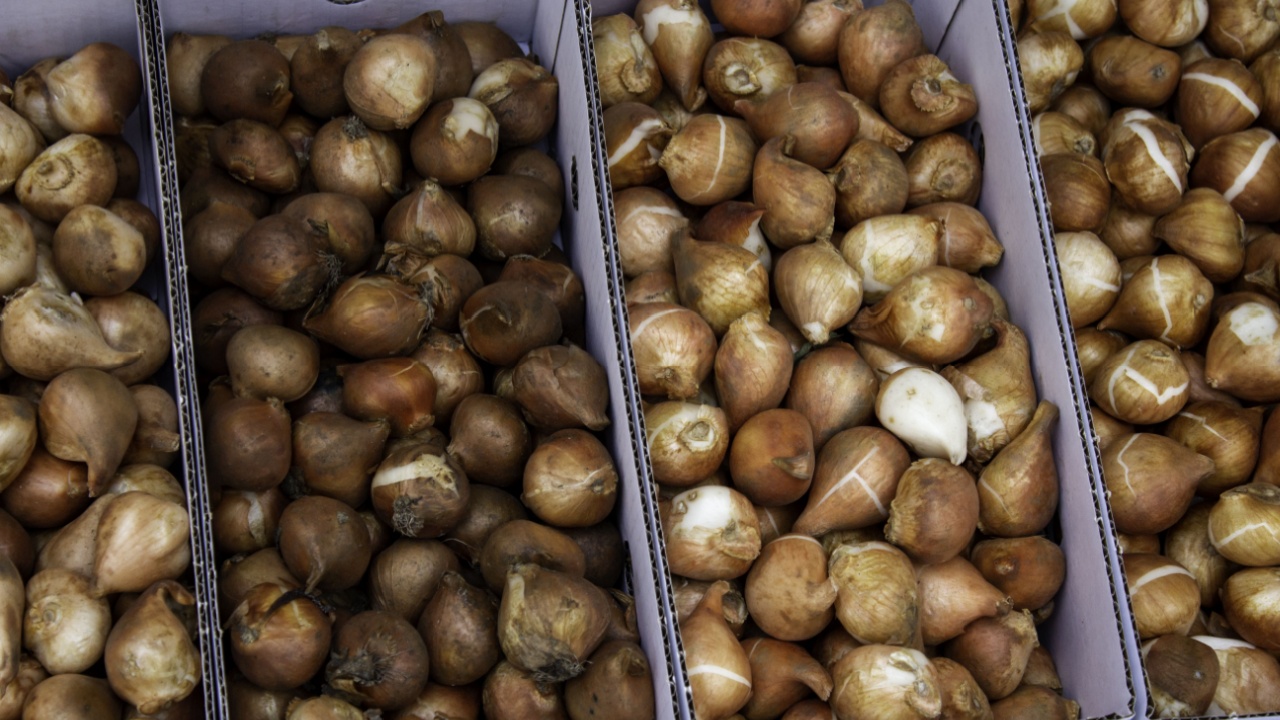
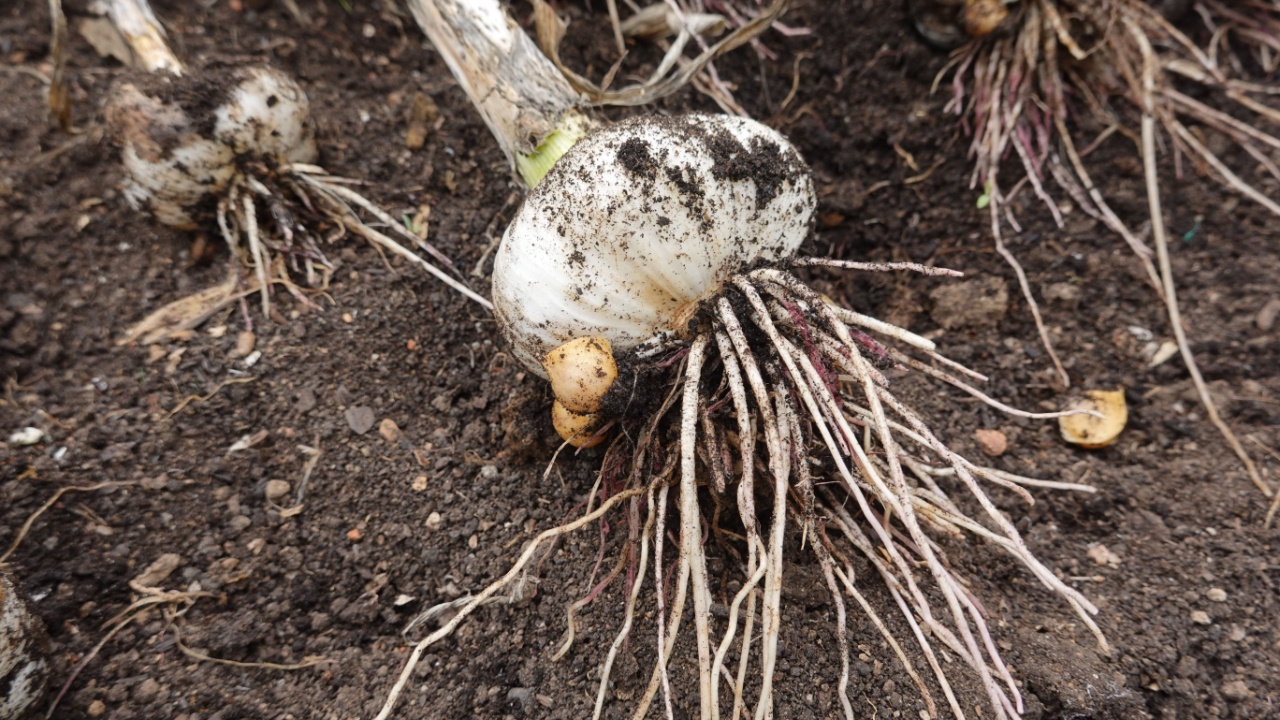
This is the chore that catches gardeners off guard every single year. According to Good Housekeeping, if you wait until planting time in September or October to order garlic and spring-flowering bulbs, the best stock will already be gone. Reputable bulb companies ship when it is time to plant in your area, but they sell out of popular varieties months in advance. Order now while selection is still strong. A $30 investment in garlic bulbs planted in October can produce an entire year’s supply of garlic, which would cost you $80 to $120 at the grocery store.
8. Stop Wasting Your Lawn With August Overwatering
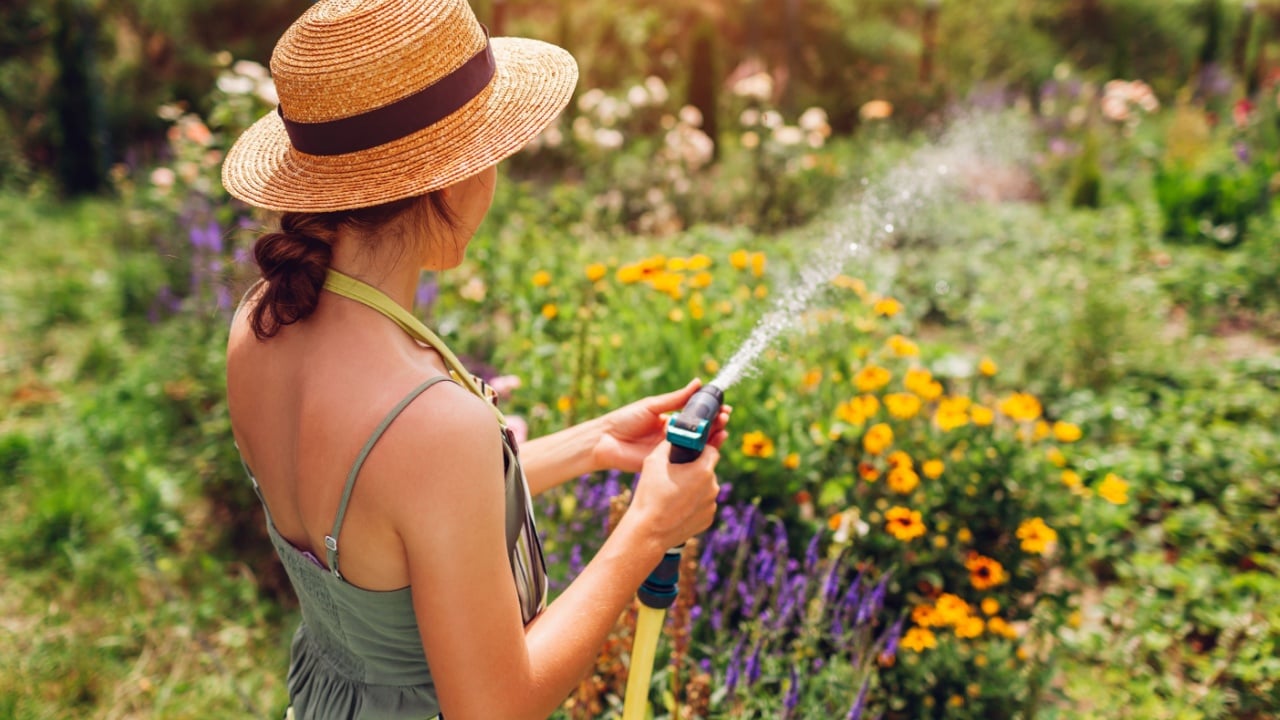
If you are pouring water onto your lawn every day in August, you are wasting money and making the problem worse. Both the New York Botanical Garden and Michigan State University Extension agree: let your lawn go dormant during hot, dry stretches. It will green up again when rain and cooler temperatures return in September. Grass that goes dormant naturally is not dead; it is conserving energy. Forcing it to stay green through aggressive watering raises your water bill, promotes shallow root growth, and can actually create ideal breeding conditions for grub-laying insects like Japanese beetles. Mid-August through mid-September is prime lawn renovation time in most regions, so save your water budget for overseeding bare patches when the timing is right.
A Little August Effort Goes a Long Way
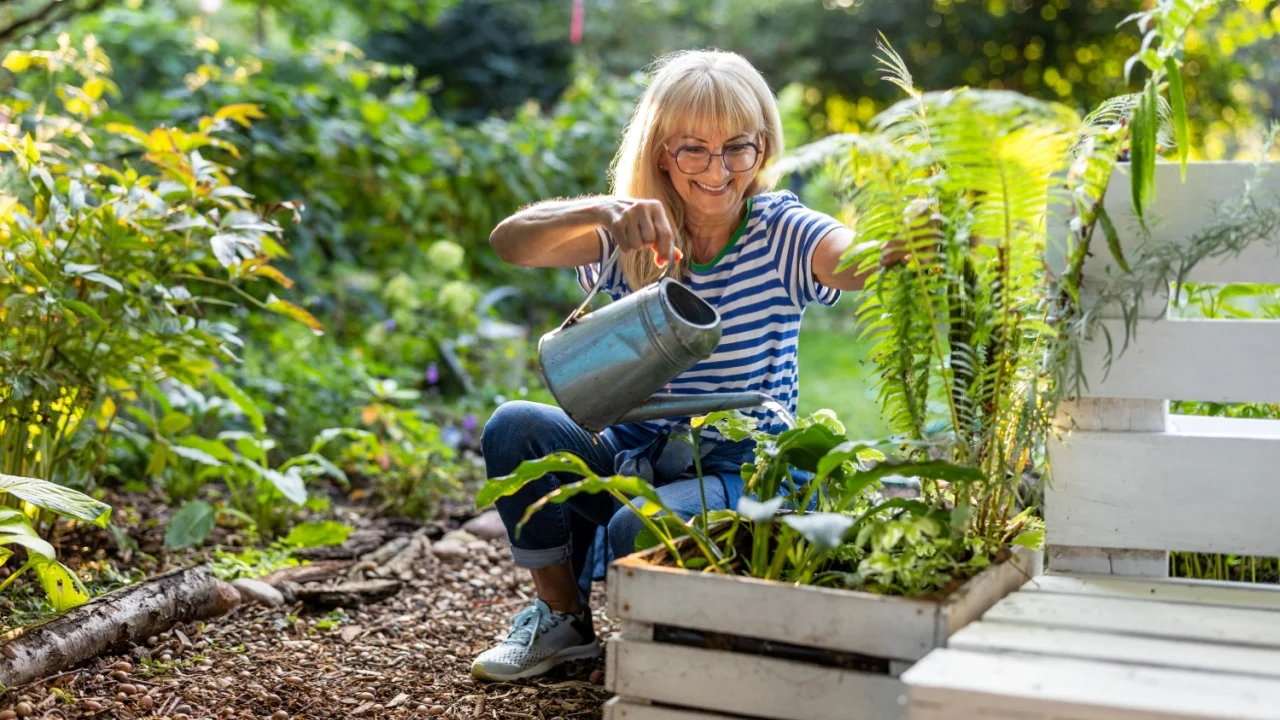
August has a way of making even experienced gardeners feel like quitting. The heat is relentless, the garden looks rough, and the couch is air-conditioned. But the truth is that no other month offers this kind of return on so little effort. A few dollars in seeds, a Saturday morning of weeding, and the discipline to stop making the mistakes on this list can save you hundreds of dollars and set your garden up for its best season yet.
The best August garden strategy is simple: water deeply but less often, weed and mulch one bed at a time, plant something for fall, and stop doing the things that waste your time and money. The gardeners who figured this out years ago are the ones whose yards still look beautiful in October, and they will tell you the same thing: August is not the month to stop. It is the month that matters most.
Read more:
Is Your House A Wildfire Target? 7 Things That Increase Your Risk At Home
Is The Heat To Blame for Your Struggling Vegetable Garden This Summer? Stop Making These 7 Mistakes