13 Drought-Tolerant Plants That Make a Xeriscape Look Lush
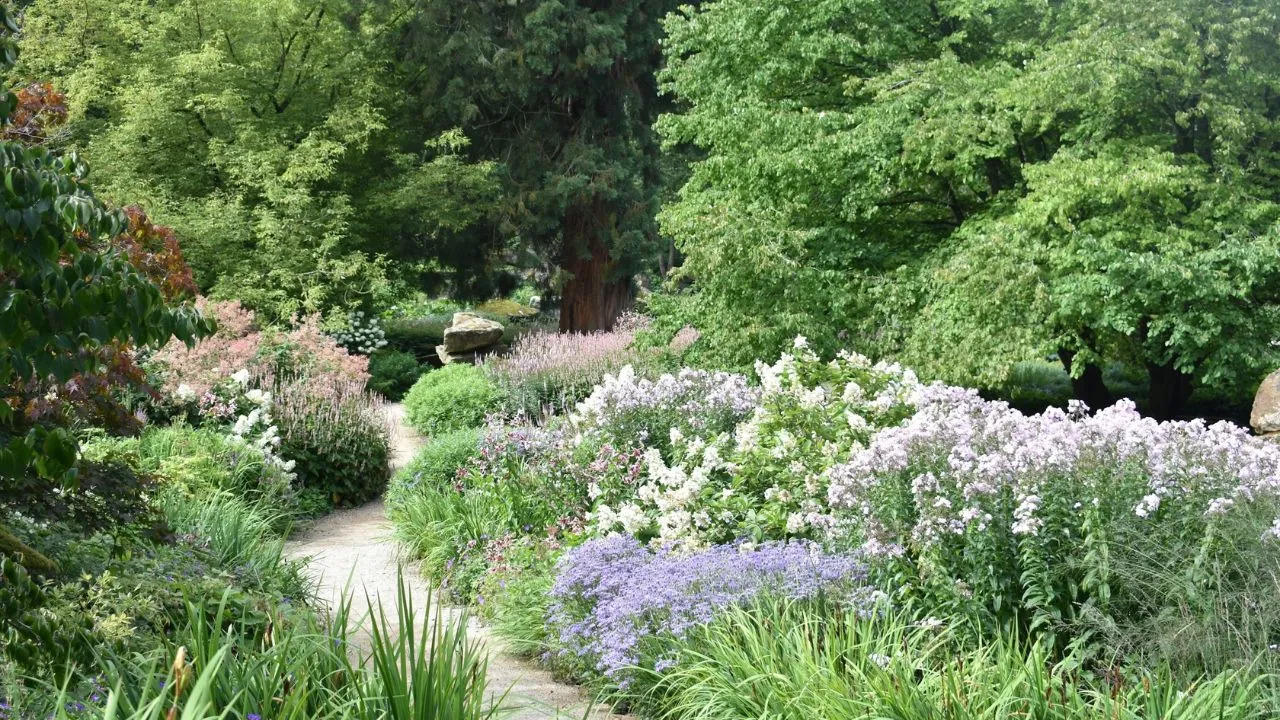
Most people picture xeriscaping as a gravel pit with one sad cactus gasping in the sun. That image has scared off more would-be converts than any water bill ever could. The truth is that the most stunning xeriscape gardens are dense, colorful, and alive with pollinators, and the plants that create that effect are so well-adapted to dry conditions that once they’re established, they largely take care of themselves.
According to National Geographic, switching to a xeriscape can cut your outdoor water use by 50 to 75 percent. In some communities, that translates to 120 fewer gallons of water used per household per day. Your lawn, meanwhile, guzzles more water than anything else in your home, and returns very little for it.
Not every plant labeled “drought-tolerant” at the nursery earns the title. True xeriscape plants do more than survive dry stretches; they are adapted to thrive in them, requiring only minimal supplemental water once their root systems are established, which typically takes one full growing season.
The key principle to understand before you choose plants is hydrozoning: grouping plants by their water needs so you are not drenching a sedum to save a thirsty rose next door. As Colorado State University Extension explains, matching the right plant to the right place matters more than any single species choice. Even the toughest plant on this list will struggle if it is planted in the wrong sun exposure or competing with plants that need three times as much water.
It is important to highlight, however, that drought-tolerant does not mean waterless. Every plant on this list needs consistent moisture during its first season in the ground. Plant it, water it well through establishment, and then step back. Here are 13 plants that belong in every xeriscaped garden.
1. Purple Coneflower (Echinacea purpurea)
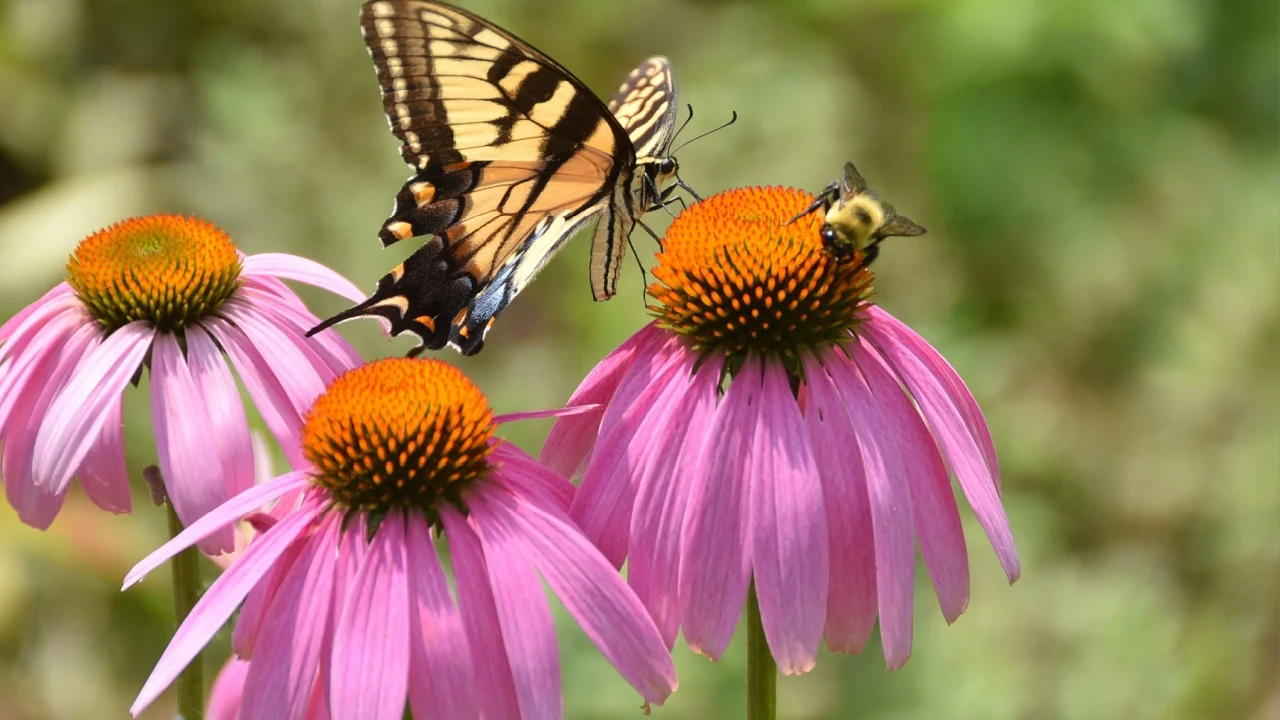
Purple coneflower is probably the easiest entry point into xeriscape gardening for anyone who wants color without complexity. Its large, daisy-like blooms in shades of pink and purple appear from midsummer into fall, and the dried seed heads feed goldfinches through winter.
It thrives in zones 3 through 9, tolerates clay and sandy soils equally well, and rebounds reliably year after year, according to the Old Farmer’s Almanac.
2. Lavender (Lavandula angustifolia)
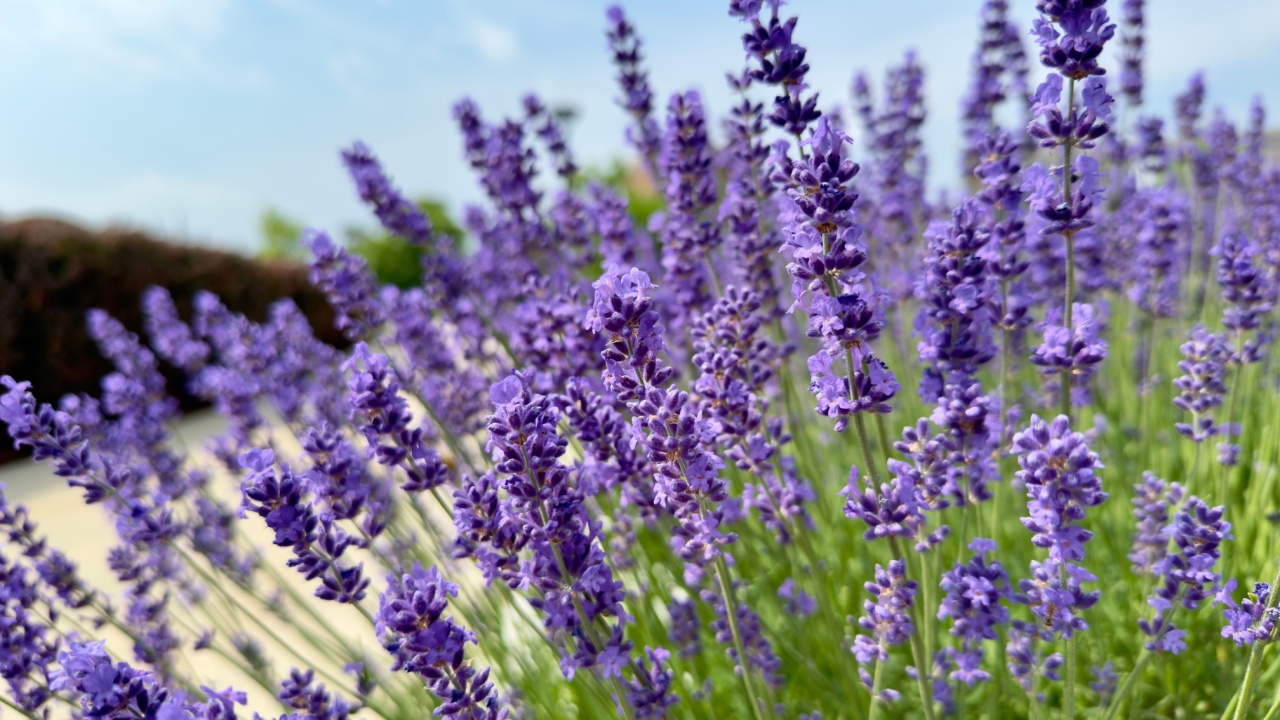
Lavender is the plant that makes non-believers rethink everything they thought they knew about drought-tolerant gardening. Silver-green foliage, fragrant purple flower spikes, and a long bloom season that runs from late spring through midsummer — all on less water than almost any other flowering perennial.
It thrives in zones 5 through 8, demands full sun and well-drained soil, and is deeply attractive to bees and butterflies.
3. Agastache (Hummingbird Mint)
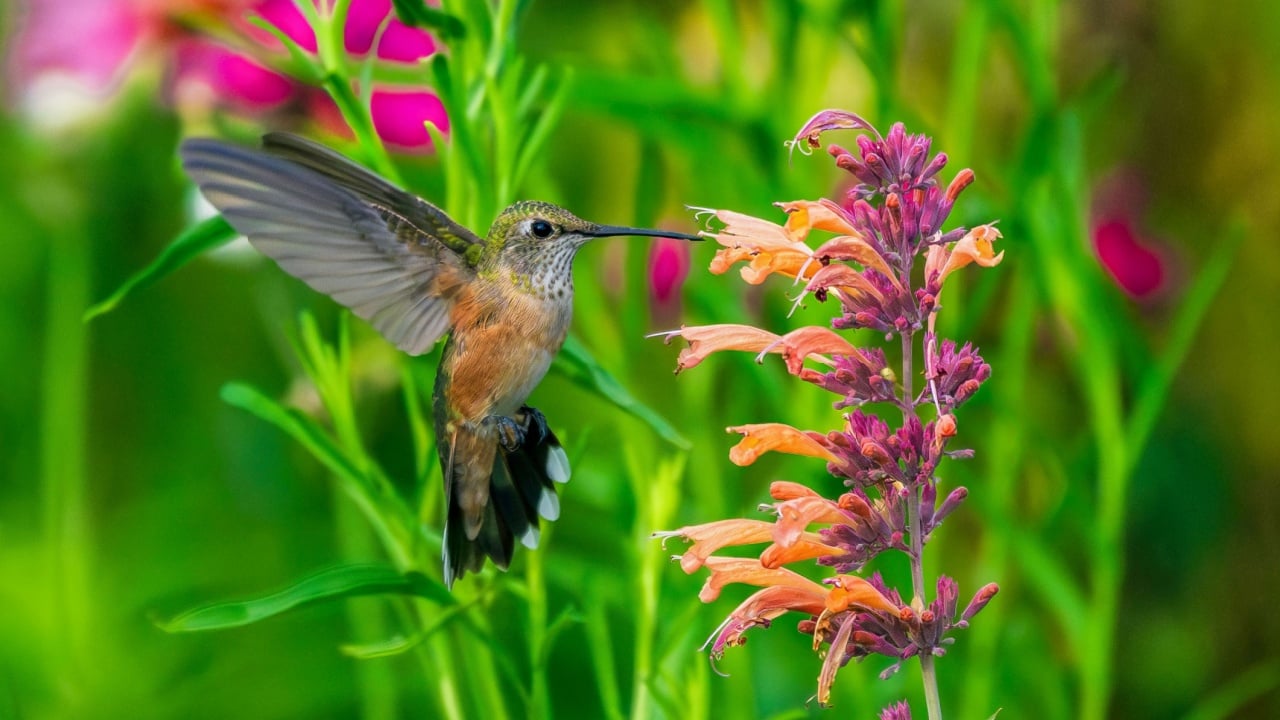
If you want hummingbirds in your yard from July through September, plant agastache and step back. This showy perennial produces long spikes of tubular flowers in orange, coral, purple, and pink, and it blooms for months without any deadheading.
Zones 5 through 10, full sun, and well-draining soil are all it asks. It is also rabbit-tolerant and deer-resistant. According to A-Z Animals, agastache can handle soil running dry on occasion without skipping a beat.
4. Catmint (Nepeta)
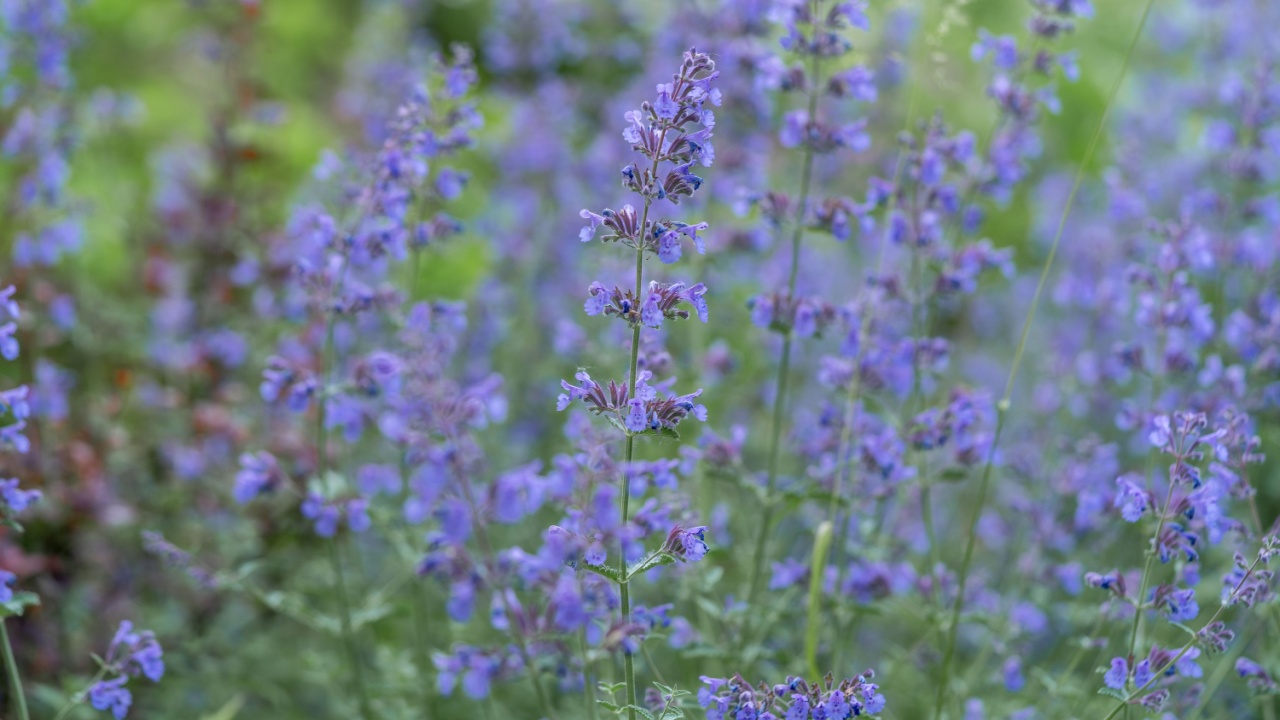
Catmint is the reliable workhorse of the xeriscape perennial border. Its soft blue-purple flower spikes emerge in spring, and if you cut the plant back by about a third after that first flush, it rebounds with a second wave in late summer.
Zones 3 through 8, minimal water once established, and a natural insect-repelling quality that helps protect neighboring plants. It spills beautifully over the edges of pathways and looks elegant paired with the upright structure of penstemon or salvia.
5. Penstemon (Beardtongue)
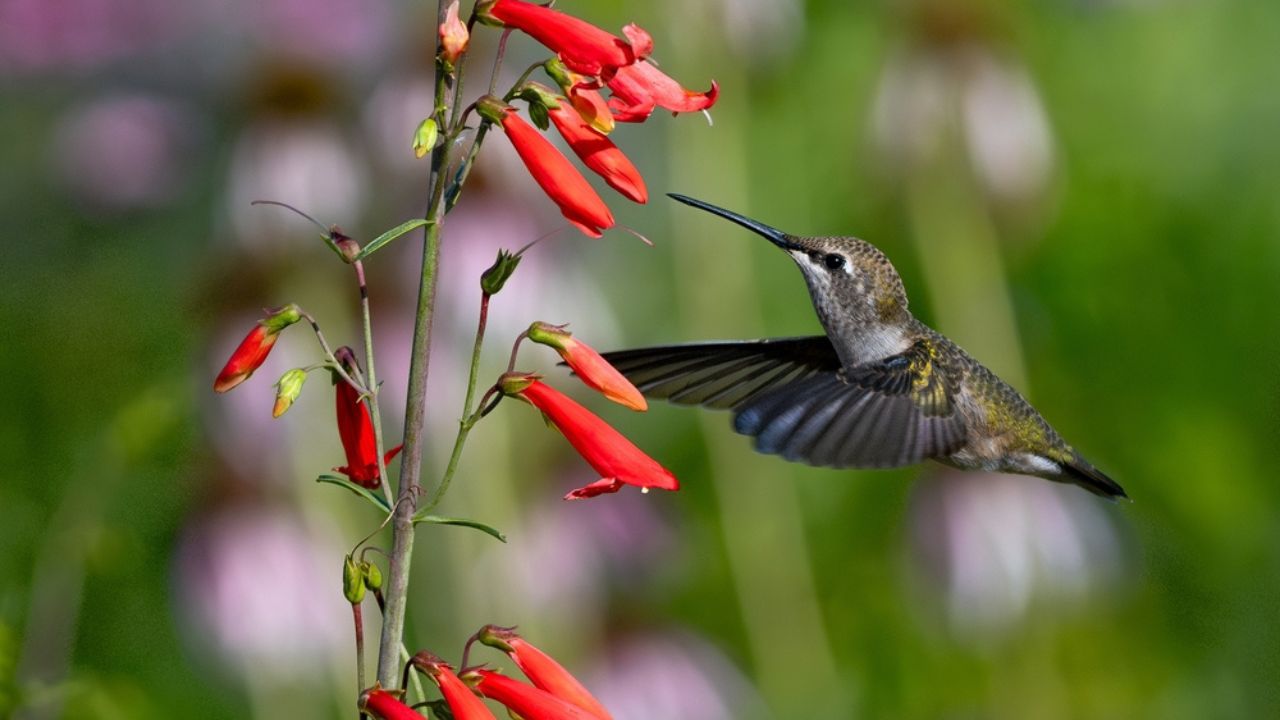
Penstemon is the plant that landscape designers in dry climates reach for when they need something that is both tough and genuinely beautiful. Its tubular flowers in red, pink, purple, and white appear on tall spikes in late spring and early summer, and hummingbirds treat them as a reliable food source.
According to Colorado State University Extension, several native penstemon varieties require virtually no supplemental irrigation once established, making them among the most water-efficient perennials available.
6. Salvia (Ornamental Sage)
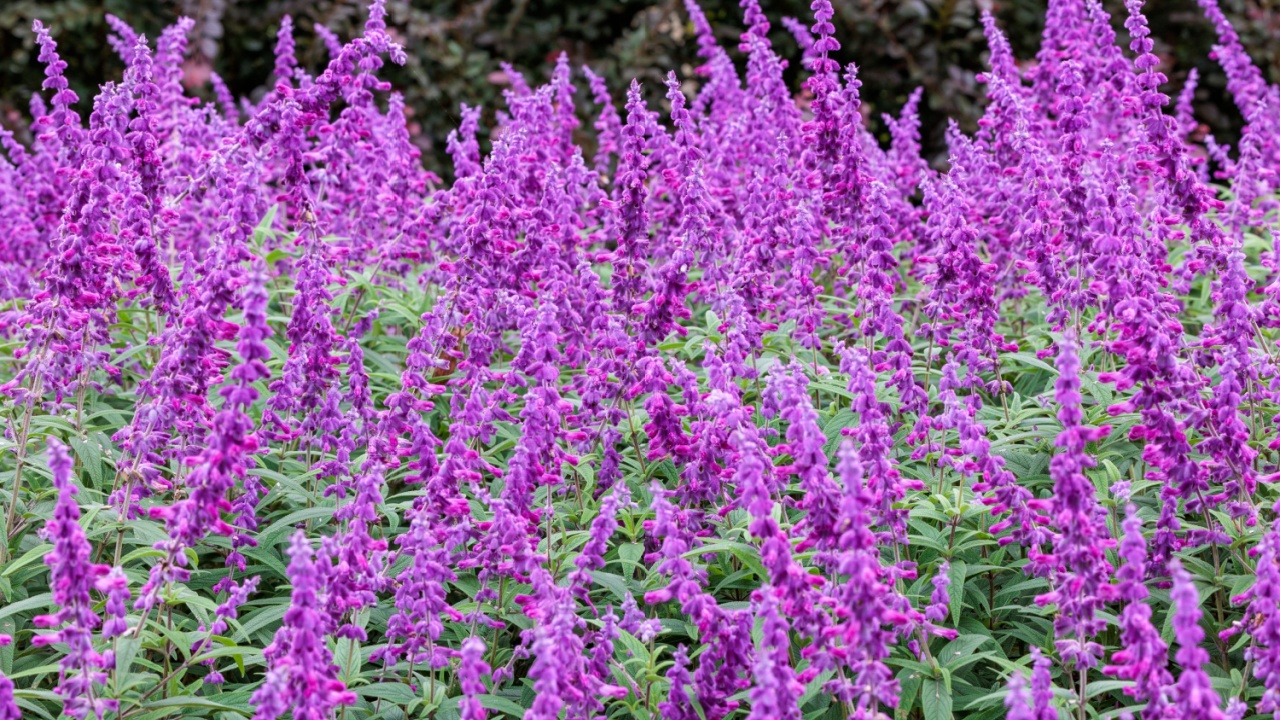
Few plants earn their place in a xeriscape more decisively than ornamental sage. Species like Salvia nemorosa produce dense flower spikes that bloom for months and attract every pollinator in the neighborhood.
Full sun, lean soil, and minimal water are the preferred conditions. According to Gardening, Etc., Mediterranean salvias perform particularly well in climates with hot, dry summers and can tolerate minimal watering once established.
7. Blanket Flower (Gaillardia)
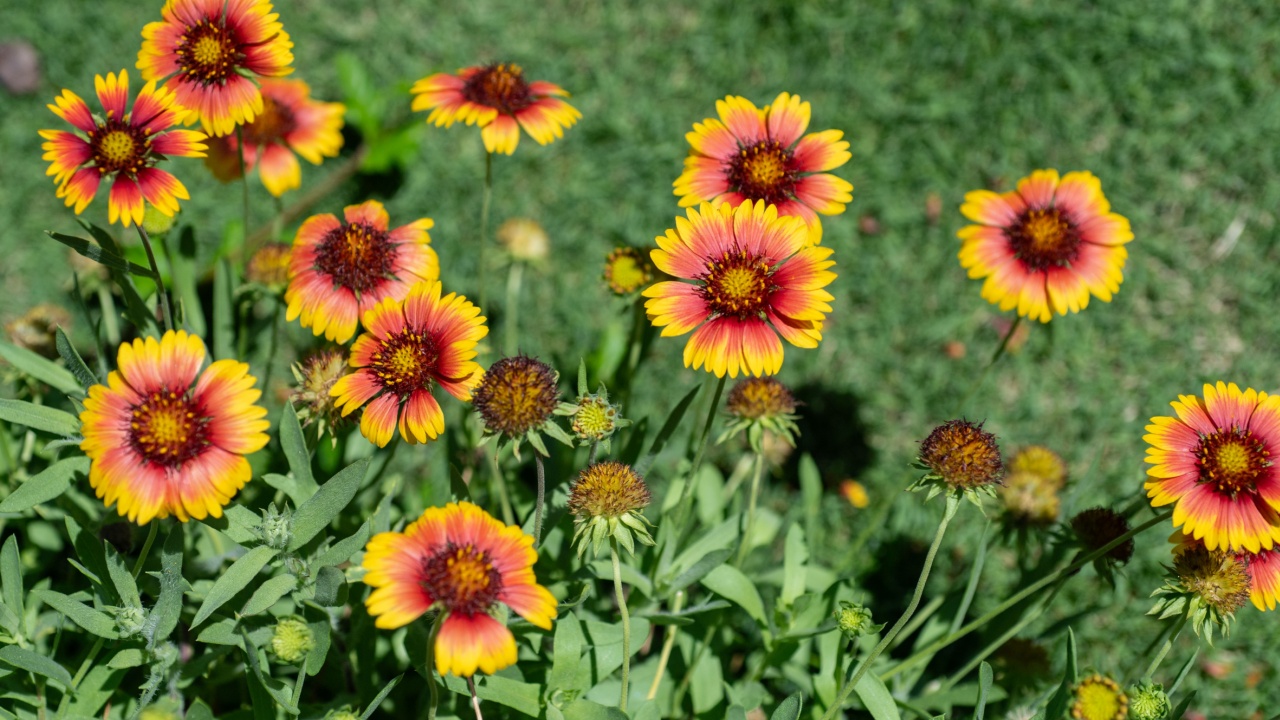
Blanket flower is the boldest color in the xeriscape palette. Bright daisy-like blooms in fiery combinations of red, orange, and yellow appear from early summer through the first hard frost, and the plant practically thrives on neglect. Rich soil and excess moisture actually shorten its life; lean, dry conditions are where it excels.
Zones 3 through 10, full sun, and no deadheading required to keep it blooming. Colorado State University Extension recommends it as a standout perennial for water-wise front yards.
8. Yarrow (Achillea)
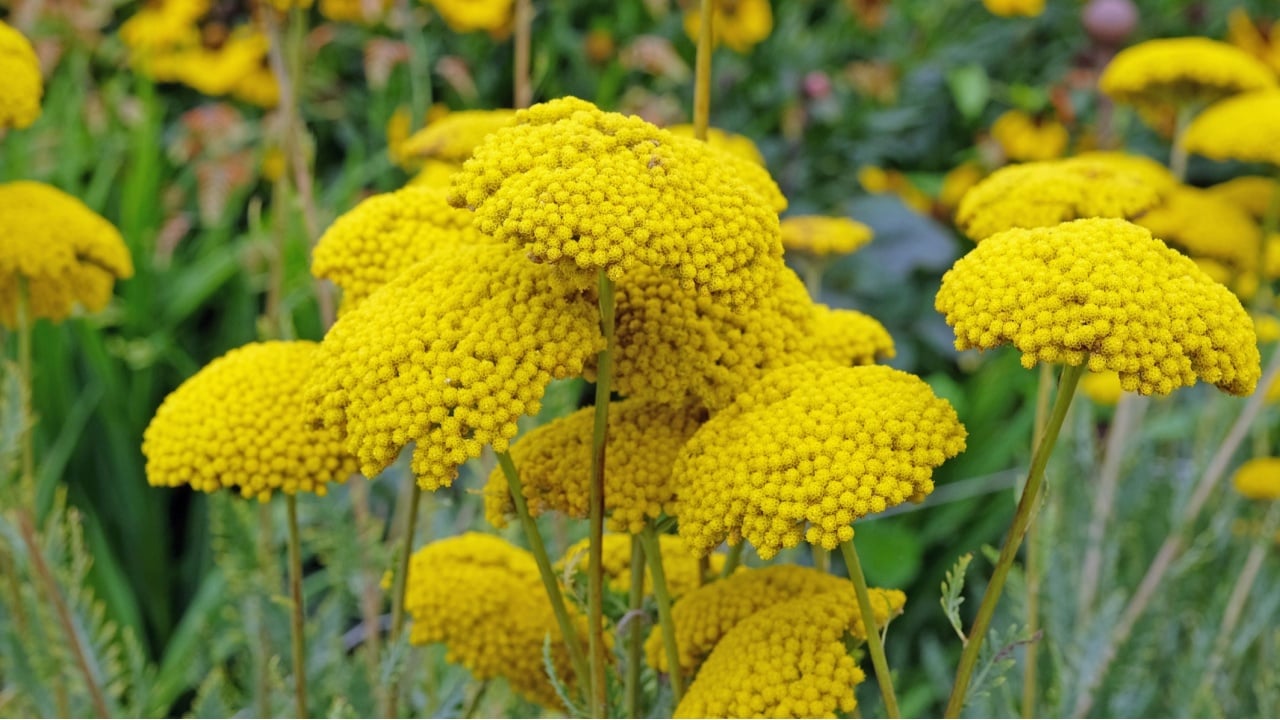
Yarrow has been grown in gardens for centuries, and it earns its longevity. Flat-topped flower clusters in yellow, white, pink, and red sit above ferny, aromatic foliage from early summer into fall. It spreads steadily to fill gaps, tolerates both drought and poor soil, and is one of the best plants available for attracting beneficial insects. The silver-leaved woolly yarrow variety is visually striking even when not in bloom.
Zones 3 through 9 require almost no maintenance once established.
9. Sedum (Stonecrop)
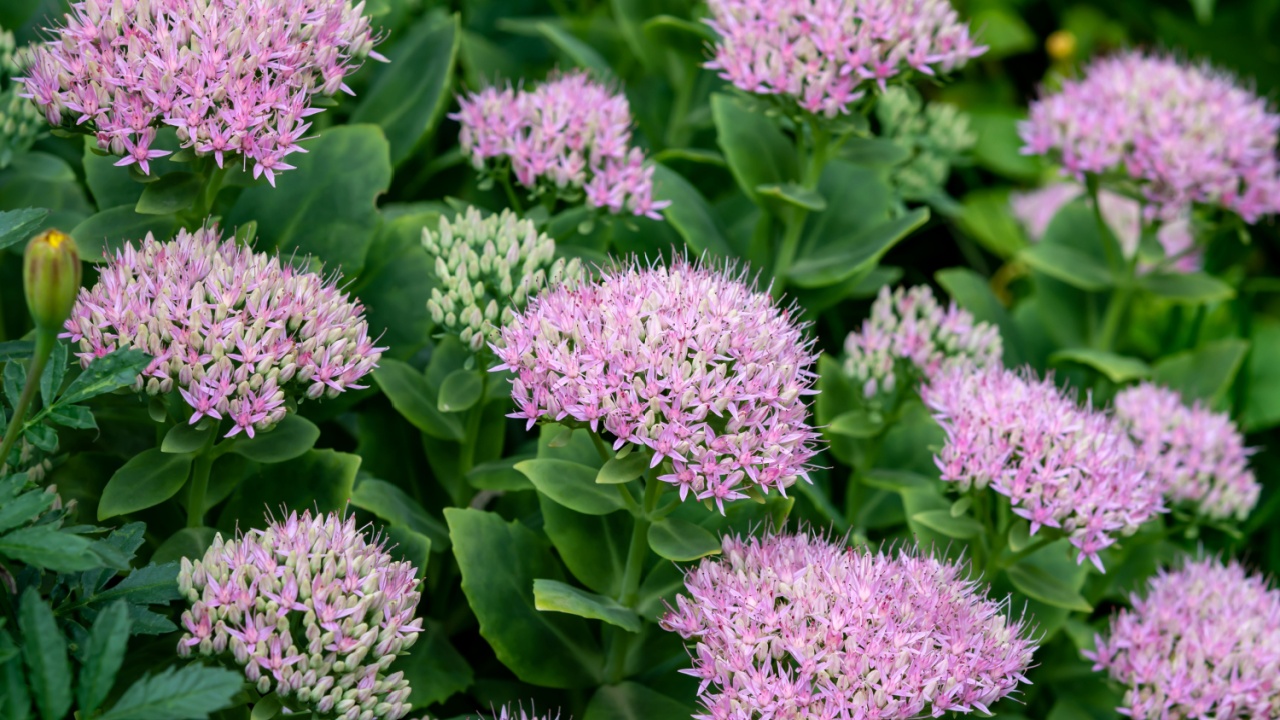
Sedum is a category, not a single plant, and the range of forms available makes it one of the most versatile choices in any xeriscape. Low-growing varieties like ‘Dragon’s Blood’ function as dense, colorful groundcovers. Upright varieties like ‘Autumn Joy’ serve as mid-border perennials, shifting from pink to deep russet as autumn arrives.
All sedums store water in their fleshy leaves, which is why they require almost no irrigation once established. Zones 3 through 9 for most varieties.
10. Blue Fescue Grass (Festuca glauca)
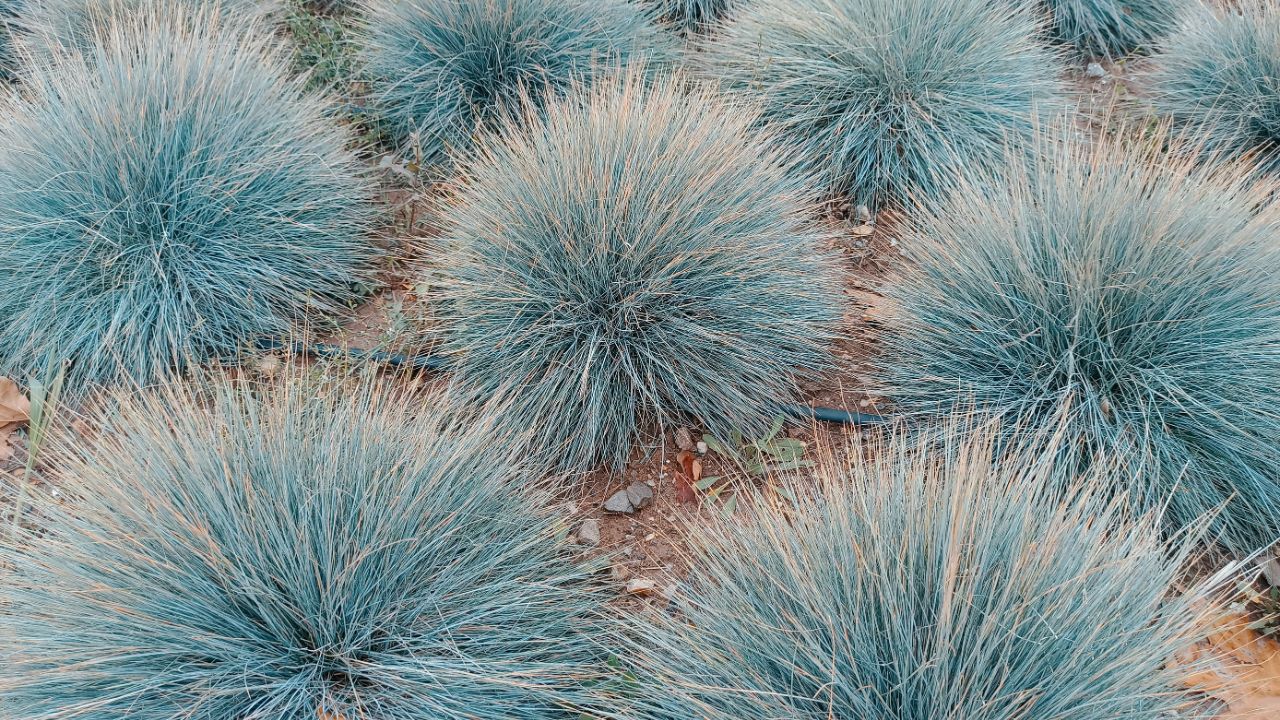
If you have never considered ornamental grasses for a xeriscape, blue fescue is the place to start. Its tight, powder-blue tufts are architectural and striking, growing 6 to 15 inches tall and holding their color through most of the year. It is drought-tolerant, deer-resistant, and pairs beautifully with the silver foliage of lavender or yarrow.
Full sun is required; it will fade in shade. Zones 4 through 8.
11. Creeping Thyme (Thymus praecox)
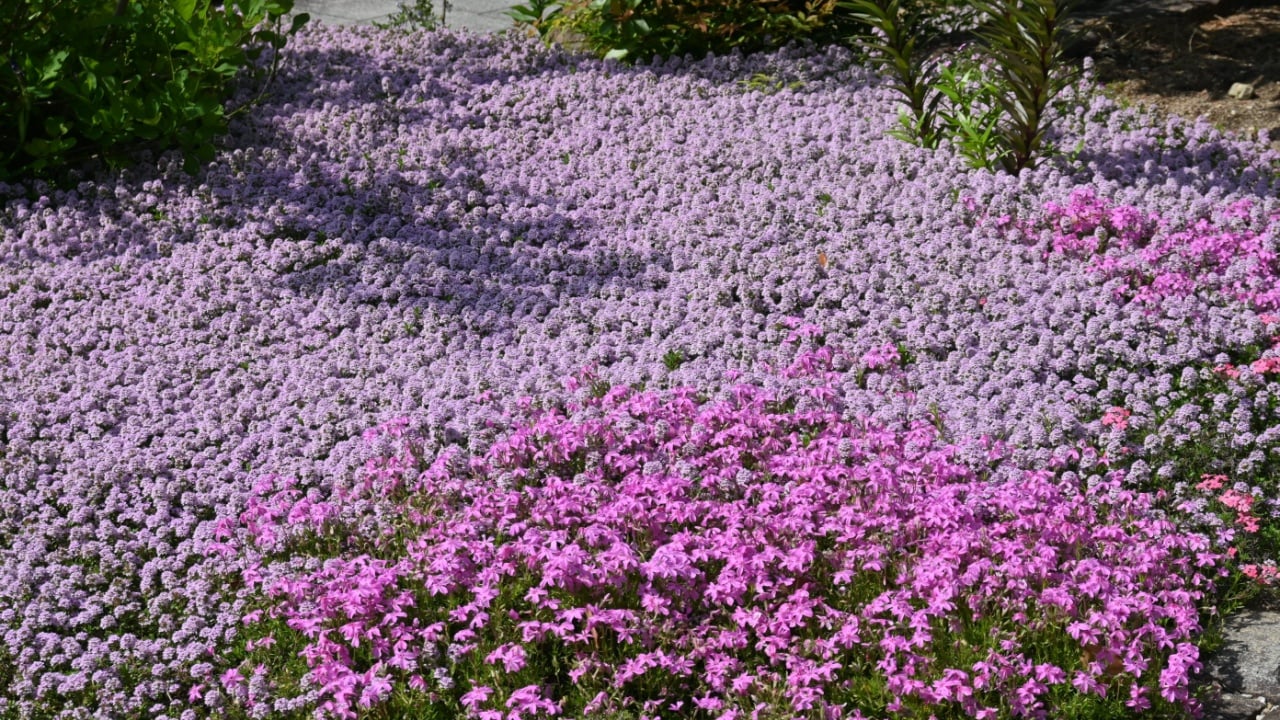
Creeping thyme is the answer to every question about what to plant between flagstone pavers, along path edges, or on a gentle slope that is too steep to mow. It stays at 1 to 4 inches tall, produces a carpet of pink flowers in spring, and releases a pleasant fragrance when stepped on. It tolerates light foot traffic, requires almost no water once established, and remains evergreen in most temperate climates.
It thrives in zones 4 through 9, and it is edible, which is a bonus most groundcovers cannot offer.
12. Purple Poppy-Mallow (Callirhoe involucrata)

Purple poppy-mallow is one of the most underused plants in American gardens. It produces cup-shaped magenta flowers from late spring through summer on trailing stems that spread up to 3 feet wide. Its deep taproot gives it exceptional drought tolerance, making it reliable even in summer heat that wilts most flowering perennials.
Native to the central United States, zones 4 through 8. It is spectacular cascading over a retaining wall or filling the front edge of a sunny border.
13. Ice Plant (Delosperma)
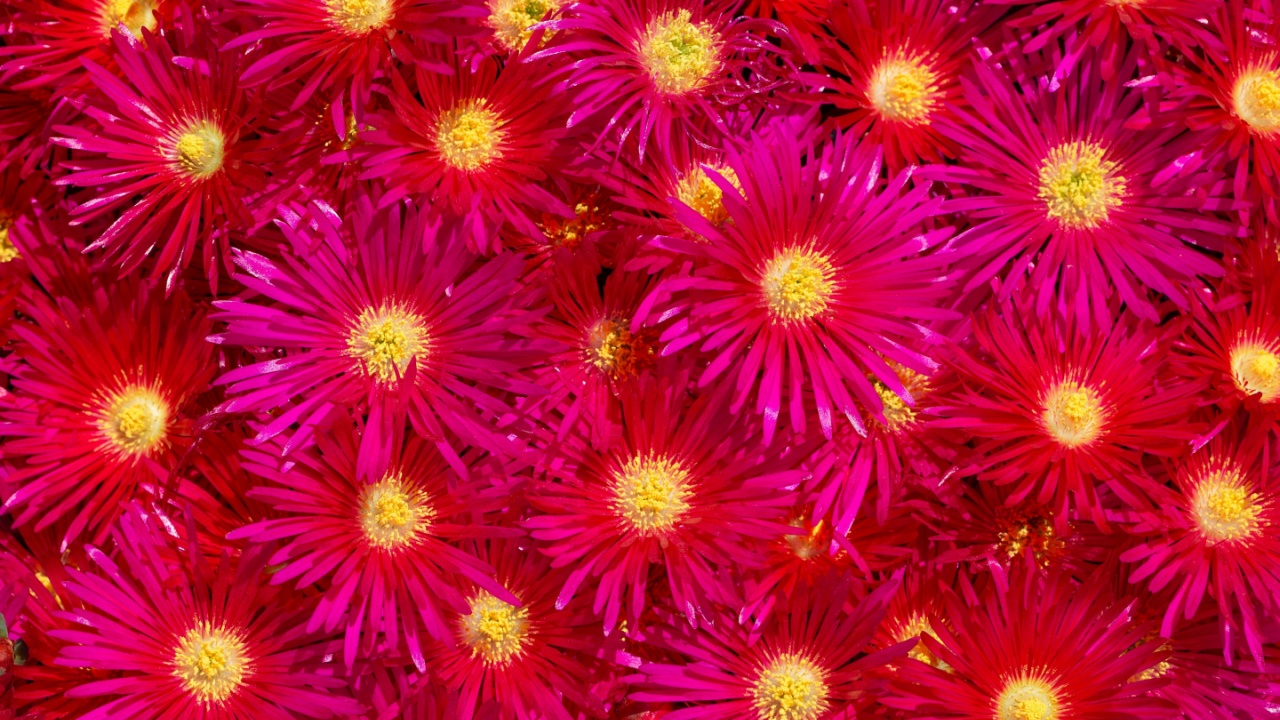
The ice plant brings the most vivid color of anything on this list. Brilliant daisy-like flowers in fuchsia, salmon, yellow, and red appear from spring through frost on a plant that stays under 6 inches tall and spreads steadily to form a dense, weed-suppressing mat. It is heat-tolerant, drought-tolerant, and attracts bees and butterflies reliably through late summer.
For Zones 5 through 8, Colorado gardeners in particular know it as one of the most reliable performers in the state’s notoriously difficult alkaline soils.
The One Mistake That Kills Even the Toughest Xeriscape Plants
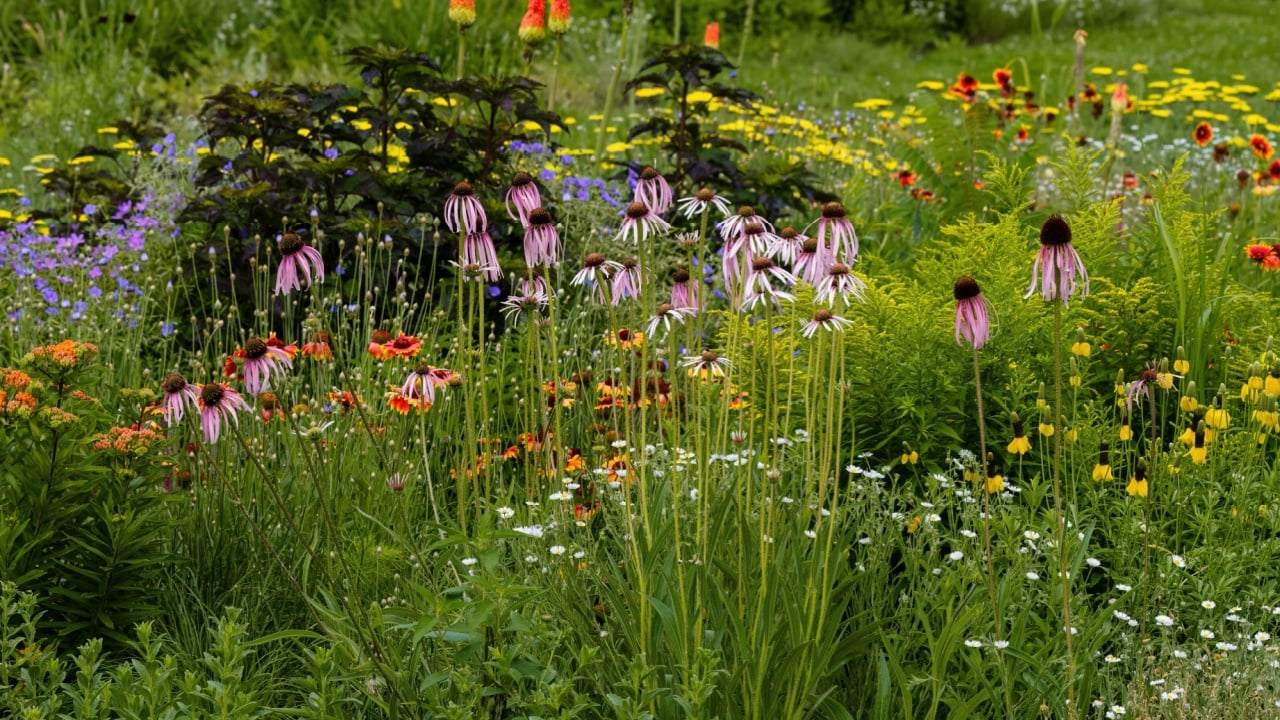
The most counterintuitive threat to a xeriscape is too much water, not too little. Lavender, sedum, ice plant, and agave are among the most commonly killed plants in American gardens — not from drought, but from root rot caused by overwatering or poor drainage. Once established, most of the plants on this list want their soil to dry out between waterings. A research finding from Arizona State University reinforces this starkly: some xeriscaped properties actually received more irrigation water than traditional landscapes because homeowners never adjusted their watering schedules after switching to drought-tolerant plants. Changing your irrigation habits matters as much as changing your plants.
The second mistake is putting the wrong plant in the wrong place and expecting drought tolerance to compensate. A shade-loving plant in blazing full southwestern exposure will fail regardless of how little water it needs. Before you plant anything, observe where your sun actually falls and for how long.
How to Make Your Xeriscape Look Designed, Not Abandoned
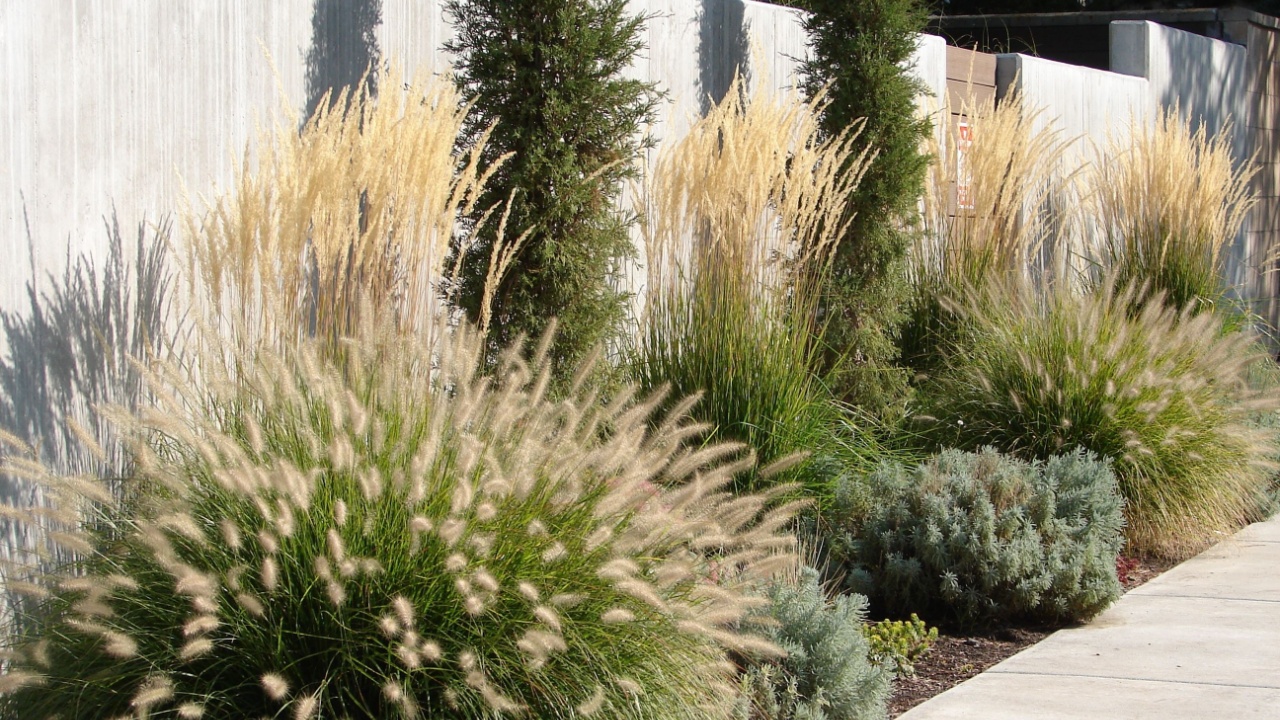
The difference between a xeriscape that looks intentional and one that looks neglected comes down to three things: layering, mulch, and mixed bloom times.
Layering means using plants of different heights together. Tall structural plants like penstemon or agastache in the back, mid-height bloomers like blanket flower and salvia in the middle, and low-growing groundcovers like creeping thyme or ice plant at the front edge. This creates visual depth that reads as “garden” rather than “empty lot.”
Clean, visible mulch signals care and intention. A 3-inch layer of uniform wood chips or decomposed granite between plants tells anyone looking that the space is tended. It also dramatically reduces the time you will spend pulling weeds.
Finally, choose plants with staggered bloom times so something is always in color from April through October. The list above is designed for exactly that: penstemon and creeping thyme lead in spring, coneflower and salvia carry summer, and sedum and blanket flower close out fall with warm, rich tones.
The xeriscape that surprises people is the one that looks better in September than their lawn does in June. That yard is achievable. March is the month to start building it.
Read more:
Direct Sow These 9 Seeds in June Before the Window Closes for Good
June Is National Pollinator Month. Are You Accidentally Harming the Bees You Want to Help?