The Thermostat Debate: 7 Heating Tips From HVAC Experts
The battle over the thermostat dial is a winter tradition for many households. One person sits comfortably in a t-shirt while another shivers under heavy blankets. Finding a temperature that maintains harmony without resulting in an astronomical energy bill is a delicate balancing act.
However, HVAC professionals agree on specific strategies to keep homes comfortable and systems efficient. Understanding how a furnace actually operates helps homeowners avoid common mistakes that waste energy and money.
1. The 68-Degree Gold Standard

The Department of Energy suggests setting the thermostat to 68°F (20°C) during waking hours. This recommendation creates a balance between comfort and energy conservation.
While 68 degrees might initially seem cool to some, wearing warmer clothing allows the body to adjust naturally. Keeping the temperature at this level prevents the HVAC system from overworking during the coldest parts of the day. Every degree above this benchmark can increase energy costs significantly, so acclimating to a slightly lower indoor temperature pays off over a long winter.
2. Resist the Urge to Crank It Up
A common misconception suggests that raising the thermostat to a high temperature, like 85 degrees, will heat a cold home faster. Furnaces do not work like gas pedals. They deliver heat at a constant rate until the target temperature is reached.
Setting the dial higher simply means the system runs longer to reach that excessive target, often resulting in an uncomfortably hot room and wasted energy. Patience allows the home to reach the desired 68 or 70 degrees without putting unnecessary strain on the heating unit.
3. Embrace the Nighttime Setback

Sleep experts often recommend a cooler environment for optimal rest, and HVAC pros agree for efficiency reasons. Lowering the thermostat by 7 to 10 degrees at night or when the house is empty for eight hours can save up to 10% a year on heating and cooling.
The blanket of cooler air signals to the body that it is time to sleep, and heavy bedding keeps occupants warm. Modern programmable thermostats make this adjustment automatic, removing the need to remember a nightly ritual.
4. Don’t Neglect Humidity Levels
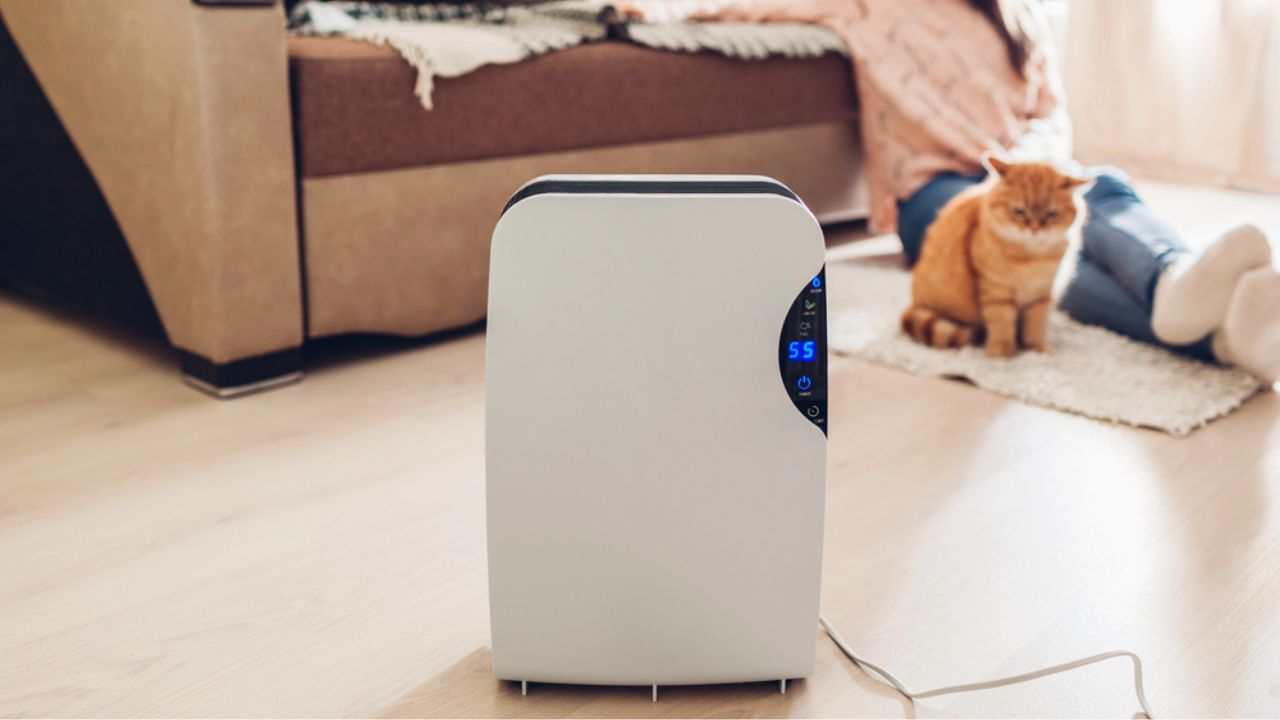
Temperature is only one part of the comfort equation. Dry air evaporates moisture from the skin effectively, creating a cooling effect even when the room is technically warm. Winter air is naturally dry, and furnaces dry it out further.
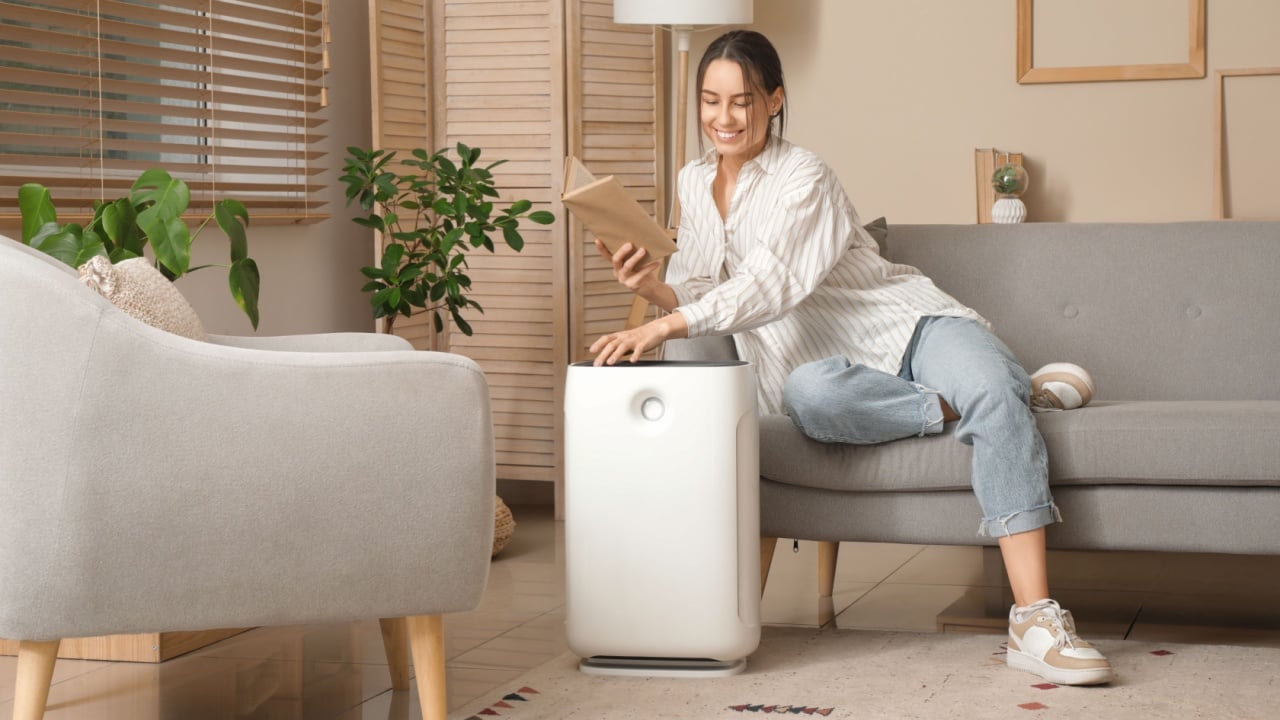
Maintaining indoor humidity between 30% and 50% makes the air feel warmer, allowing homeowners to keep the thermostat lower without noticing a difference. Using a humidifier adds necessary moisture back into the air, protecting wood furniture and sinuses while improving perceived warmth.
5. Avoid Turning the System Off Completely
Turning the heating system off entirely when leaving for vacation might seem like the ultimate money-saving move, but it poses serious risks. If a cold snap hits, the interior temperature can drop dangerously low, causing pipes to freeze and burst. Recovering from a completely cold state also forces the furnace to run for hours to reheat the walls and furniture.
Instead, HVAC experts recommend lowering the setting to a safe minimum, typically around 55°F, to prevent freezing while conserving energy.
6. Keep Air Vents Open and Unblocked
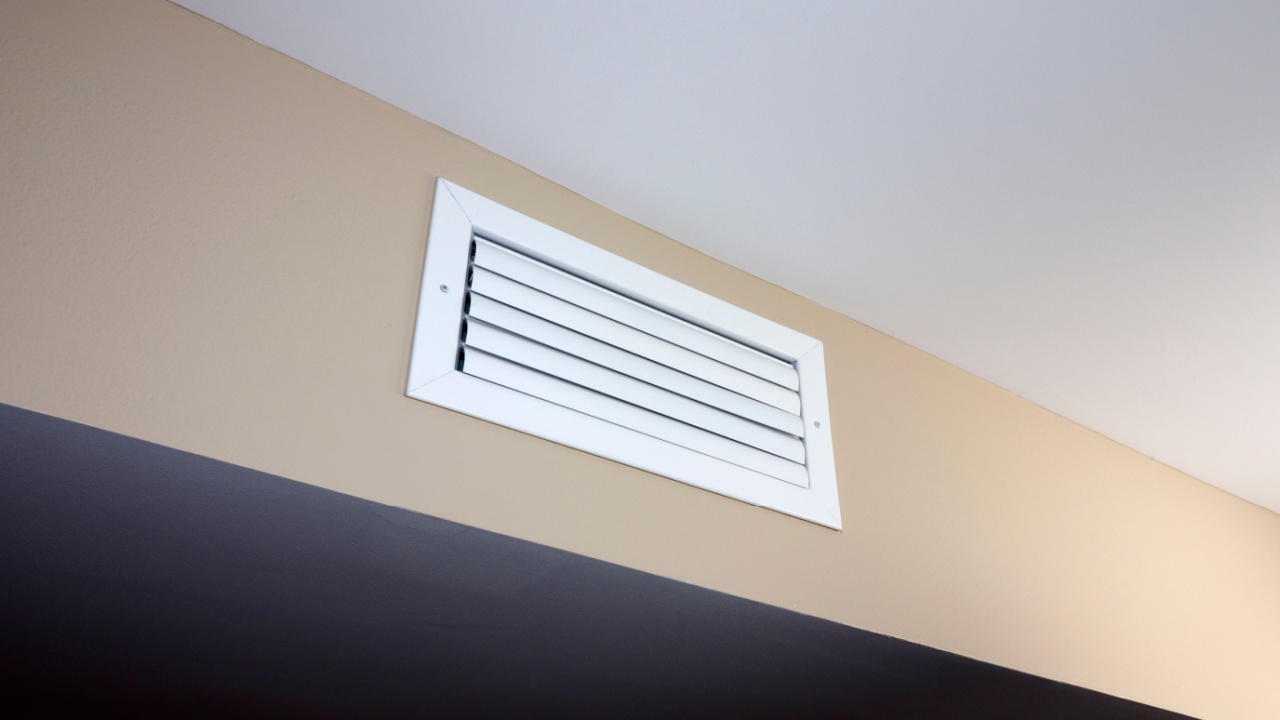
Closing vents in unused rooms creates pressure imbalances within the ductwork. This buildup forces the blower motor to work harder and can even push conditioned air out through leaks in the ducts.
The system is designed to heat the entire square footage based on airflow calculations. Blocking vents disrupts this balance and reduces overall efficiency. Furniture placed directly in front of vents absorbs heat meant for the room, so rearranging the layout provides an immediate improvement in airflow.
7. Invest in a Smart Thermostat
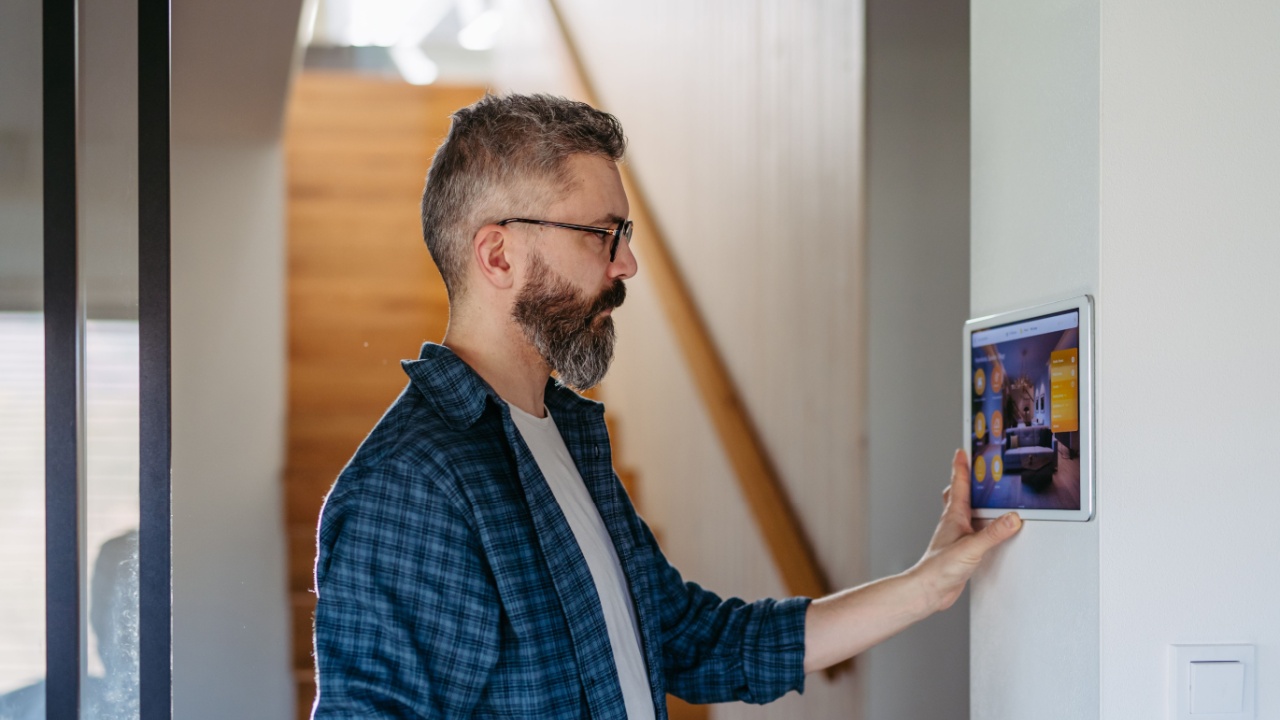
Manual adjustments often lead to human error or forgetfulness. Smart thermostats remove the guesswork by learning the household’s schedule and adjusting automatically.
These devices can detect when the house is empty using geofencing technology and lower the temperature accordingly. They also provide detailed usage reports, helping homeowners identify patterns and make informed decisions about their energy consumption. The initial investment typically pays for itself through consistent utility savings.
Upgrade Your Heating Strategy Today
Adopting these habits creates a more consistent and efficient home environment. While there is no single temperature that satisfies every human on earth, following these guidelines from HVAC experts provides the best balance of comfort and cost savings.
Start by checking the current settings and inspecting air vents for obstructions. Small adjustments to the daily routine can lead to noticeable differences in both comfort levels and monthly expenses.