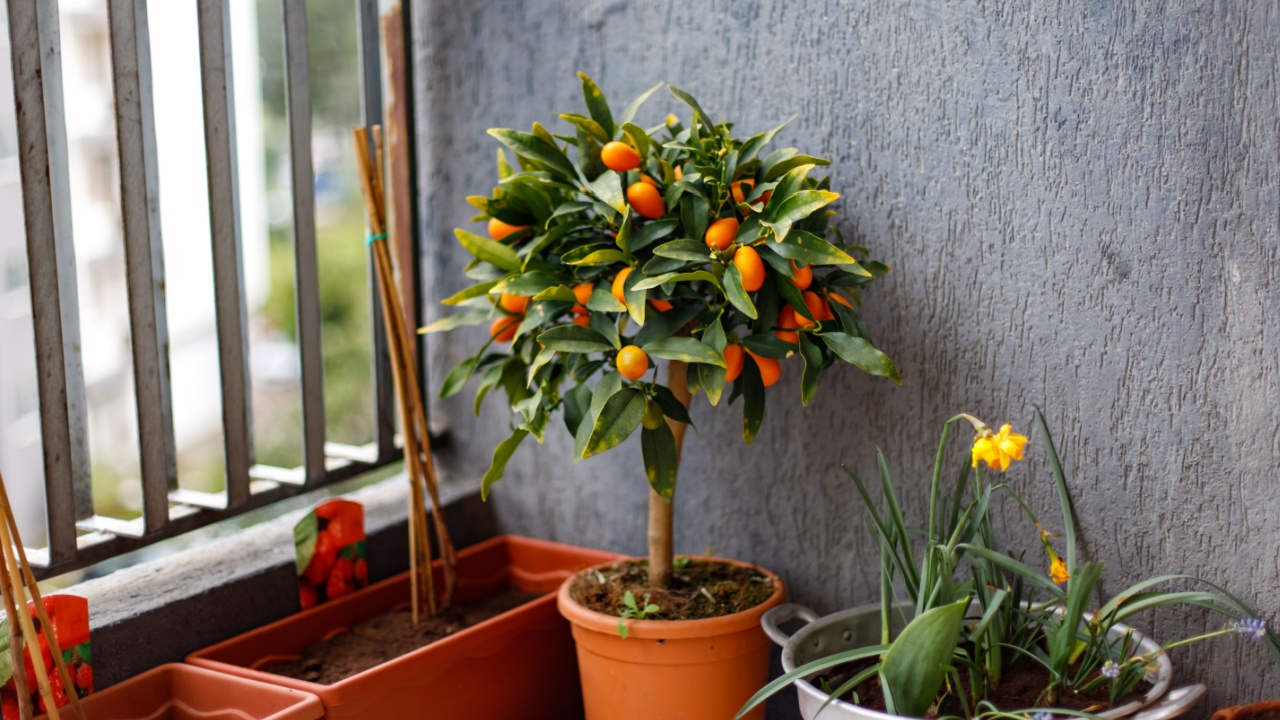
12 Dwarf Fruit Trees Perfect for Small Spaces, Patios, and Indoors
Many homeowners harbor secret dreams of planting an orchard and becoming more self-sufficient. The cost of fresh fruit can be high in the off-season, in addition to the price of driving to buy it.
Furthermore, with space at a premium, fruit-growing dreams often become supplanted by wishful thinking. Thankfully, dwarf fruit trees are a great alternative to their space-and soil-hungry doppelgangers taking over your garden.
Moreover, dwarf fruit trees mean that those with little or no outdoor space can join the fruit-growing community. Therefore, we have looked at viable options and the care needed for success in your new fruit-growing adventure.
Note: You will need to check your garden’s growing zone to ensure these trees will survive winter (or that you have space to bring them indoors).
1. Patio Peach Trees
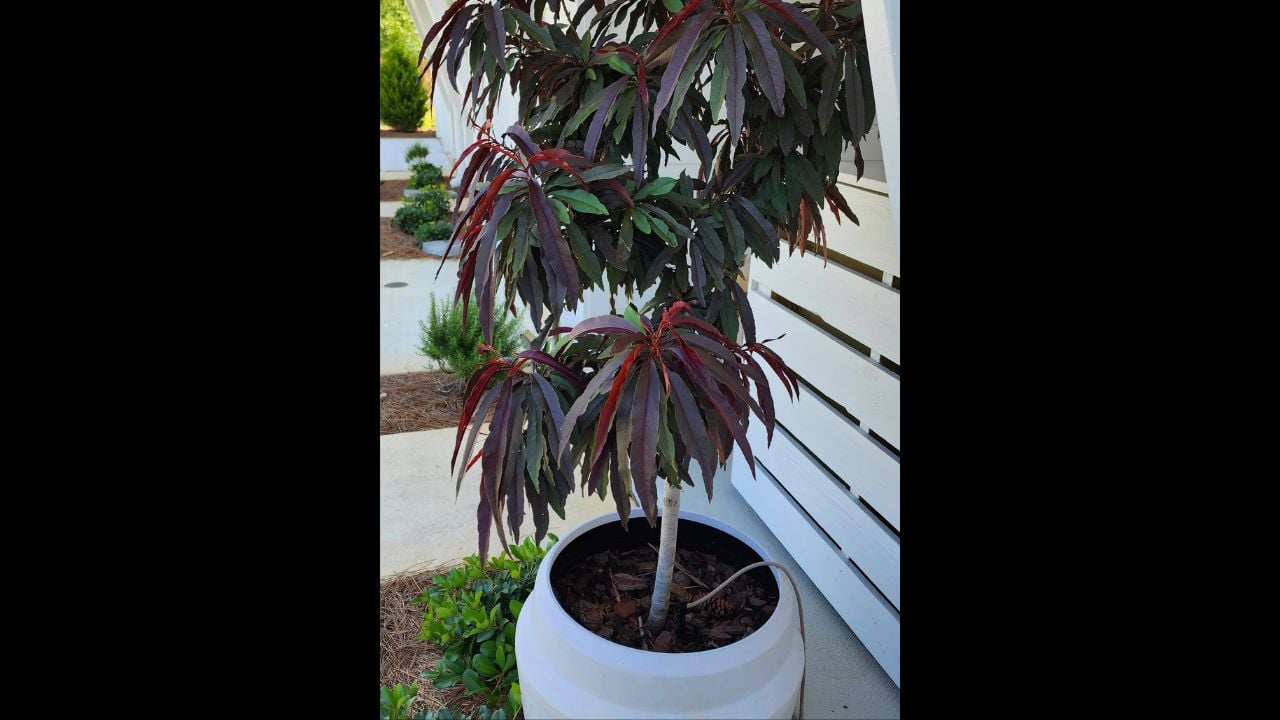
Dwarf patio peach trees, like the ice peach variety, are bred specifically for compact fruit production and small yards. A Raintree Nursery profile for dwarf peach trees sings the trees’ praises. “These trees are perfect for those with restricted planting space,” it says. “They grow well in garden beds or large containers, providing flexibility for urban settings.”
A webpage from Chris Bowers & Sons details the planting process, but be warned: soil is king with this fruit. “Never use garden soil. Peat-based compost is okay but tends to lose its body sooner than loam-based,” explains the site page. “I haven’t found any peat substitute composts that work well with trees in containers, it has to be said. But experiment if you want to.”
2. Calamondin and Kumquat Citrus
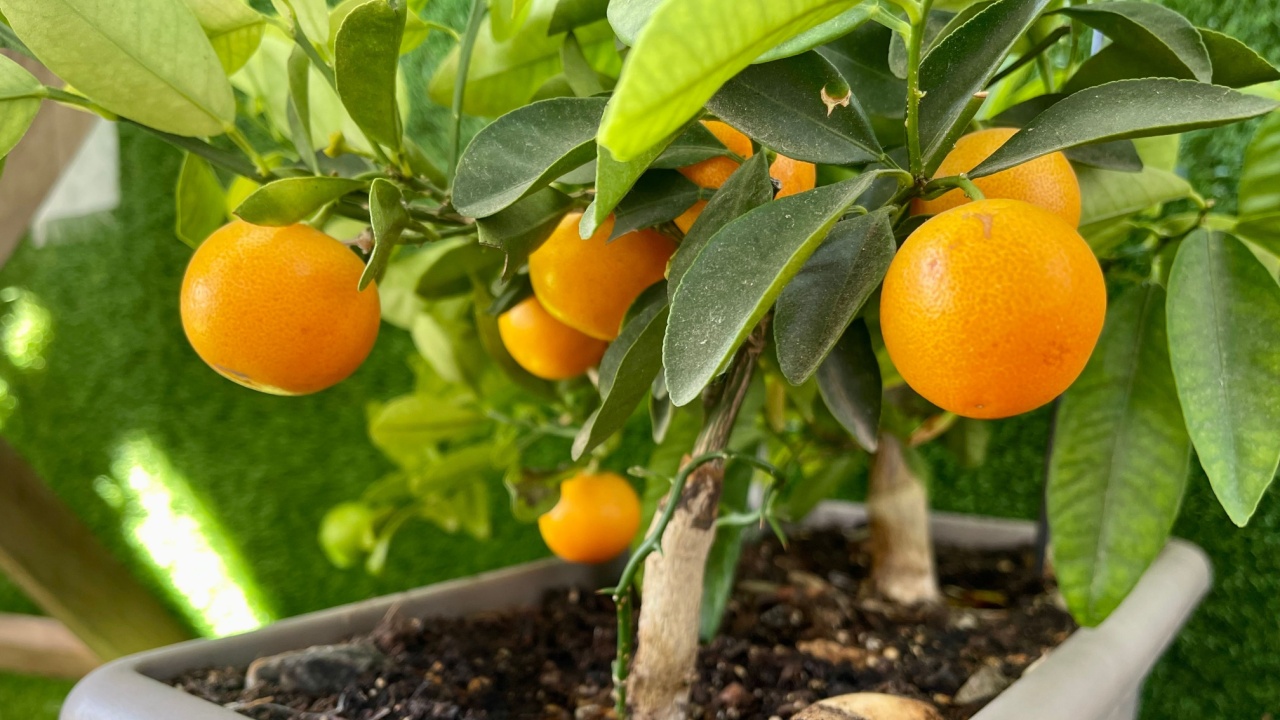
If you are feeling adventurous this year, why not try one of these two East Asian cousins, Calamondin and kumquat? These perky little container growers are terrific options for those who want edible, ornamental citrus that works indoors and outdoors. According to Almanac’s container citrus page, varieties like calamondins have tiny fruits that “can hold onto the plant for a year, making it decorative as well as practical.”
Some important adjustments are also mentioned: frost-tender citrus should be moved indoors in cold climates. What’s more, watering can be adjusted so “the soil dries out slightly between watering sessions.” For American gardeners, start spring growing outdoors once nights are reliably warm, and shift indoors before temperatures drop into the forties.
3. Dwarf Bearrs Lime
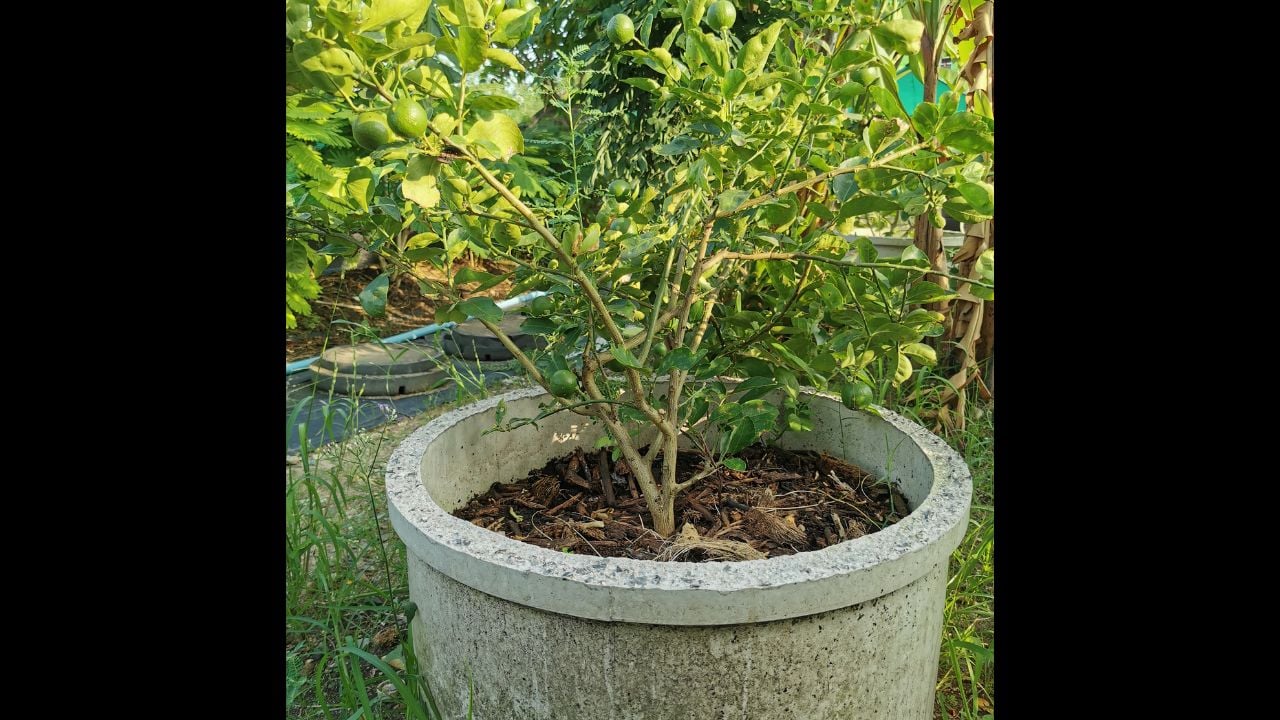
The weirdest name in our collection has to be the Dwarf Bearrs lime, a citrus option worth considering for growers who want regular fruit without a full orchard. Hobbyist site GardeningElsa describes the Bearrs lime as staying “under ten feet tall, making it suitable for patios or sunny indoor areas.” Of course, this fact means they are ideal for space-conscious gardeners.
For care, Elsa advises that the tree species “grows best in full sun and prefers well-draining soil.” Further, in colder regions, growers often move the container inside during winter to protect it from frost. Steps like choosing light, good soil, and seasonal movement help the lime set fruit reliably even in northern climates where frost risk remains in spring.
4. Satsuma Mandarin
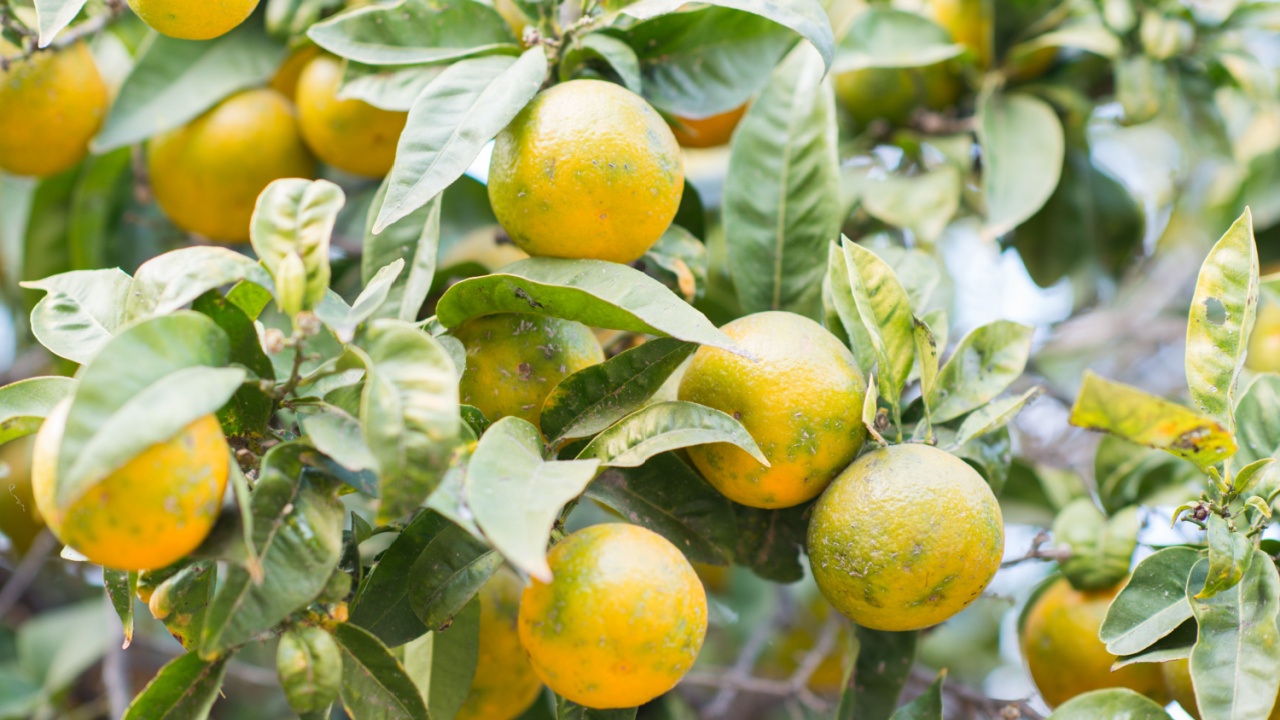
If you’ve hesitated to grow citrus because you live outside Florida or Southern California, satsuma mandarins deserve your attention. The team at the University of Florida IFAS Extension explains that “Satsuma mandarins are among the most cold-tolerant of commercially grown citrus varieties.” It is precisely why they’ve become a favorite along the Gulf Coast and in parts of the Southeast.
For U.S. gardeners coming out of spring, this is your cue. If you’re in Zones 8–10, in places like coastal Texas through northern Florida, now is the time to plant. “This evergreen tree grows in zones 8, 9, 10, and 11,” states a Planting Tree guide. “Just be sure to move it inside or to a protected spot when the temperatures drop below 40 degrees.”
5. Meyer Lemon

Meyer lemons are a standout choice for gardeners with limited space because they combine container adaptability with year-round greenery and eye-pleasing fruit. Foresty’s Emma Hudson says, “Despite their compact size, they’re just as productive as their full-sized counterparts and often begin fruiting within two to three years of planting.”
She adds that a Meyer lemon tree is ideal for indoor/outdoor growing, as it stays compact and productive, even in patio pots. It means small yards and urban balconies can support them just as well as gardens.
To help them thrive, that same guide emphasizes light and placement: “All fruit trees need at least six hours of full sun daily … position them where they can get consistent morning and afternoon light,” it reads. For American growers in cooler zones, that means bringing pots into bright, sunny rooms during late-season cold snaps. Making sure outdoor plantings catch full sun once nights settle into spring warmth is important.
6. Dwarf Apple Trees
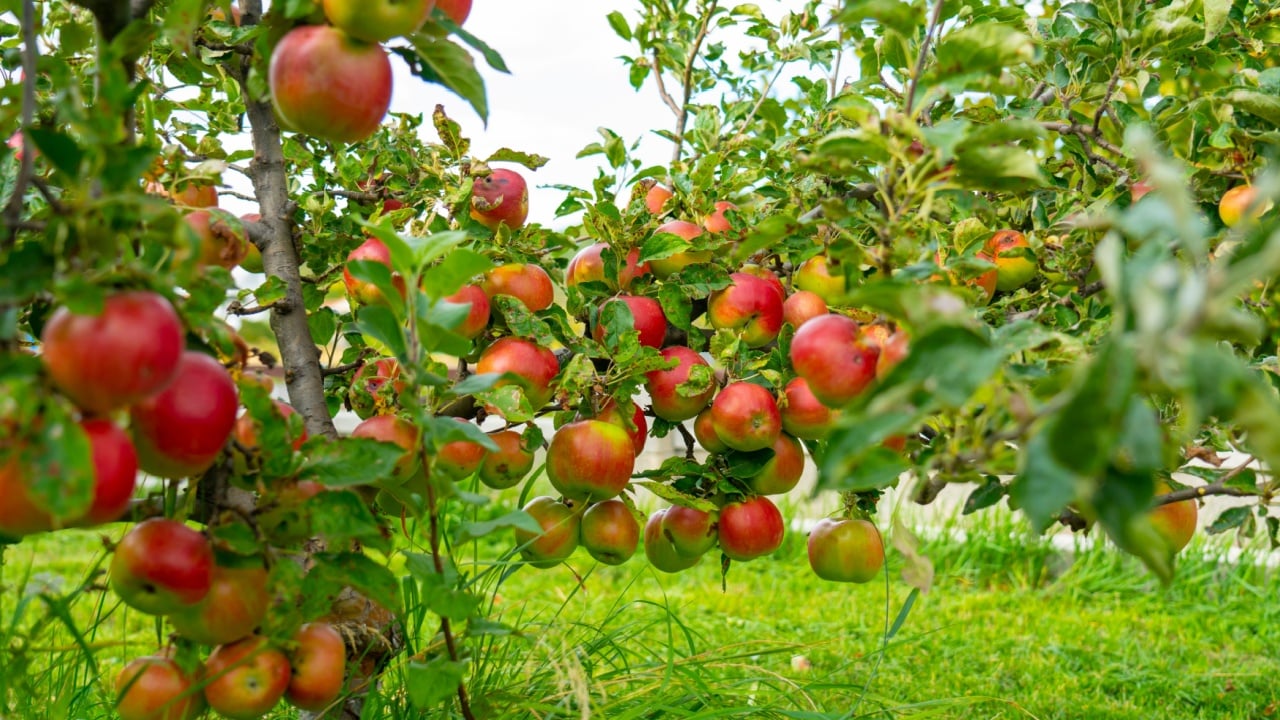
Columnar and dwarf apple varieties are excellent bearers of quality fruit in limited space because they stay upright and narrow. According to a Tree Care Zone guide, dwarf apple trees are prized for delivering “full-sized, flavorful fruit without overwhelming your limited area.”
In those same recommendations, apples are most productive when they receive consistent sunlight and compatible pollination partners if you’re not using self-fertile cultivars. Spring is the prime time to plant apples in most U.S. zones, not least Zones 4–8, for success. Furthermore, ensuring six to eight hours of direct sun can make the difference between a sparse and bountiful fruit set.
7. Dwarf Fig Trees
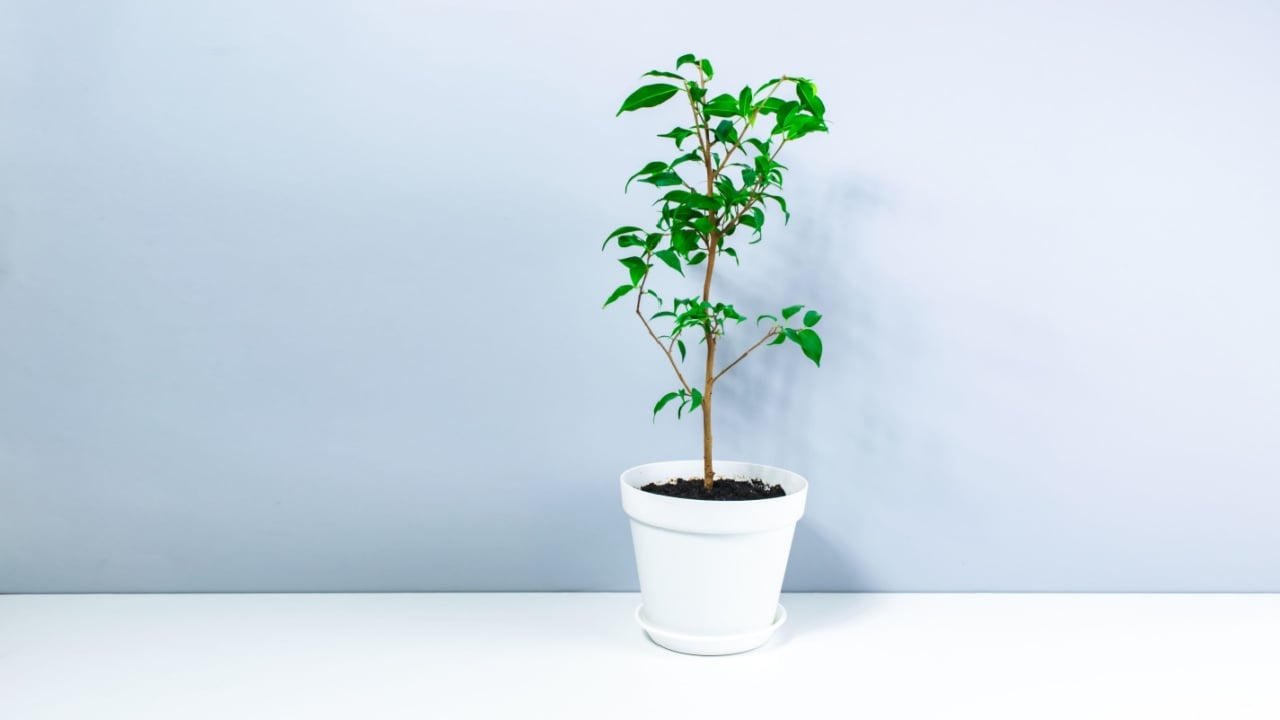
Nothing beats a fresh fig, so imagine being able to produce them in a limited area like a balcony or porch. Fine Gardening’s Stephanie Cohen says the variety named “Fignomenal” is the one for this scenario, growing no more than three feet high and wide.
When planting, the hole needs to be twice as wide and deep as the root ball. “For containers, select a pot that is twice the width of your plant,” writes Cohen. “Make sure it has adequate drainage holes and a good organic mix, and place it inside or outside in a sunny location.” Within two or three years, the bounty will be worth it.
8. Clementine Mandarin
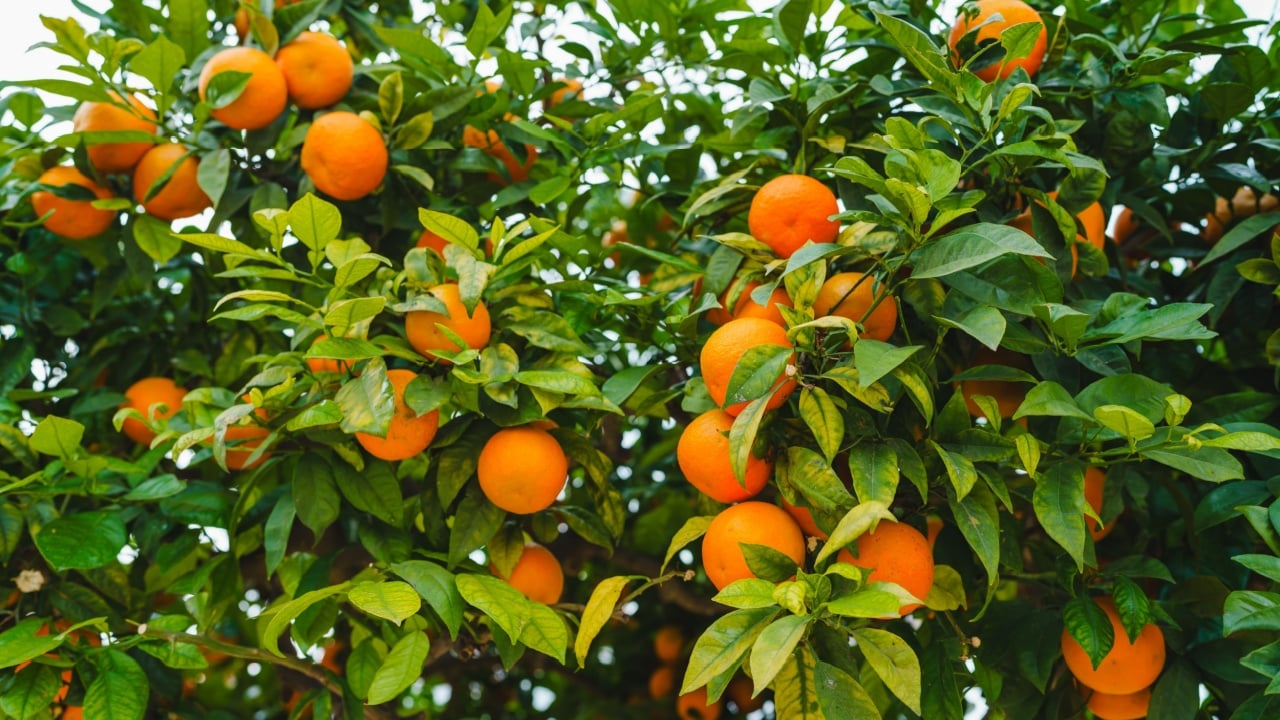
Clementine mandarins are a compact fruit tree that can add both edible value and visual appeal to small-space gardens. According to a gardening roundup by Martha Stewart’s Emily Hayes, these varieties “do well on patios or balconies that receive full sun.” What makes the clementine mandarin so adaptable is that they’re self-pollinating and don’t require a second tree to fruit.
For best results, “you’ll want to plant it in an extra-large container with sandy, loamy soil,” and keep it in full sunlight. Subsequently, clementines are especially forgiving for spring planting in America’s hardiness zones 8–11, as long as you provide a sunny location and a well-draining potting method.
9. Mini Clementine Variegated Lemon

Another great citrus choice for space-challenged growers is the exhaustively named mini clementine variegated lemon tree. This peculiar-looking lemon is a sweeter alternative to its standard eureka rival, and it needs far less space.
“For container growing, soil selection is paramount. Use mineral-based soil (Super Soil) instead of regular potting mix,” advises the U.S. Citrus Nursery directory. “This specialized soil provides better drainage and prevents common root problems that can plague citrus trees in containers.”
That same profile stresses that these trees need full sun for six to eight hours each day and well-draining soil to thrive in containers. Furthermore, it notes caution about bringing them inside when temperatures dip. Plant this sprightly little tree in spring after frost and give it regular sunny placement for best bloom and fruiting results.
10. Compact Pear Trees

Nothing says homegrown fruit like pear harvests from your patio. The Royal Horticultural Society emphasizes that dwarf pear trees on rootstocks like Quince C stay small enough for terraces or pots while still producing seasonal pear crops. “If you don’t have a suitable site to plant in the ground, a tree grafted on a dwarfing rootstock can be grown in a large pot,” their guide explains. It highlights how portable fruiting is possible.
Moreover, Guter Boden’s potted pear directory notes a practical watering rhythm. “In the heat of summer, check the soil every two days,” it explains. “If it feels dry, give it a good soak (about 2.5 gallons)” to keep young trees thriving.”
Therefore, a sunny, warm spot that gets at least six hours of light, placed in rich, loose compost, keeping consistent moisture without waterlogging. Planting in spring after frost danger has passed is ideal in most U.S. zones. If you’re farther north, container planting gives you the flexibility to move the tree under cover during late cold snaps as it establishes.
11. Dwarf Pomegranate Trees
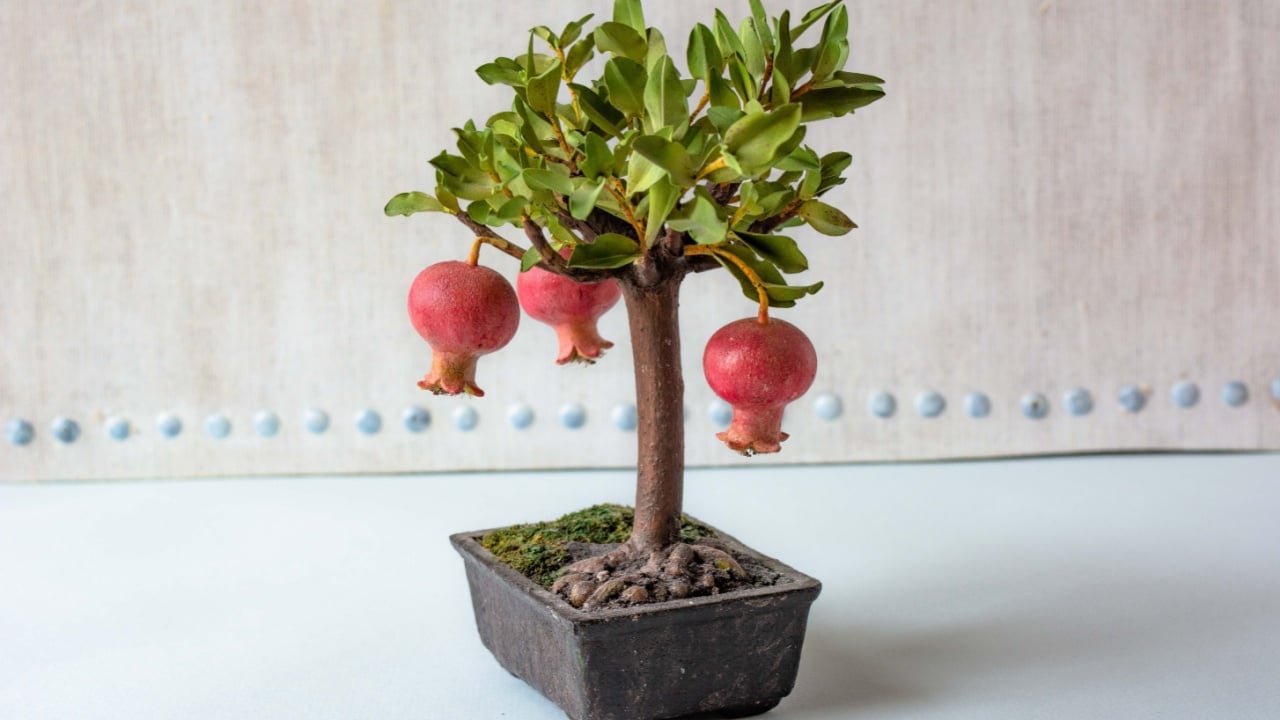
For many U.S. gardeners, pomegranate trees bring both vibrant flowers and edible fruit to patios and larger balconies. Flowing Well Tree Farm’s care sheet explains a great starting point: “Dwarf pomegranates are typically grown in USDA hardiness zones 7–11, although they can be grown in containers and brought indoors in colder climates.” You can enjoy them outdoors now and move them indoors if frost looms.
GardenGuides also fills in practical steps, outlining routine care. The lowdown: pomegranates thrive on bright sun and warm temperatures and will produce fruit in containers between 12–16+ inches. Finally, good drainage and a well-draining soil mix are essential. Plant them in spring once any threat of heavy frost has passed.
12. Dwarf Cherry Trees
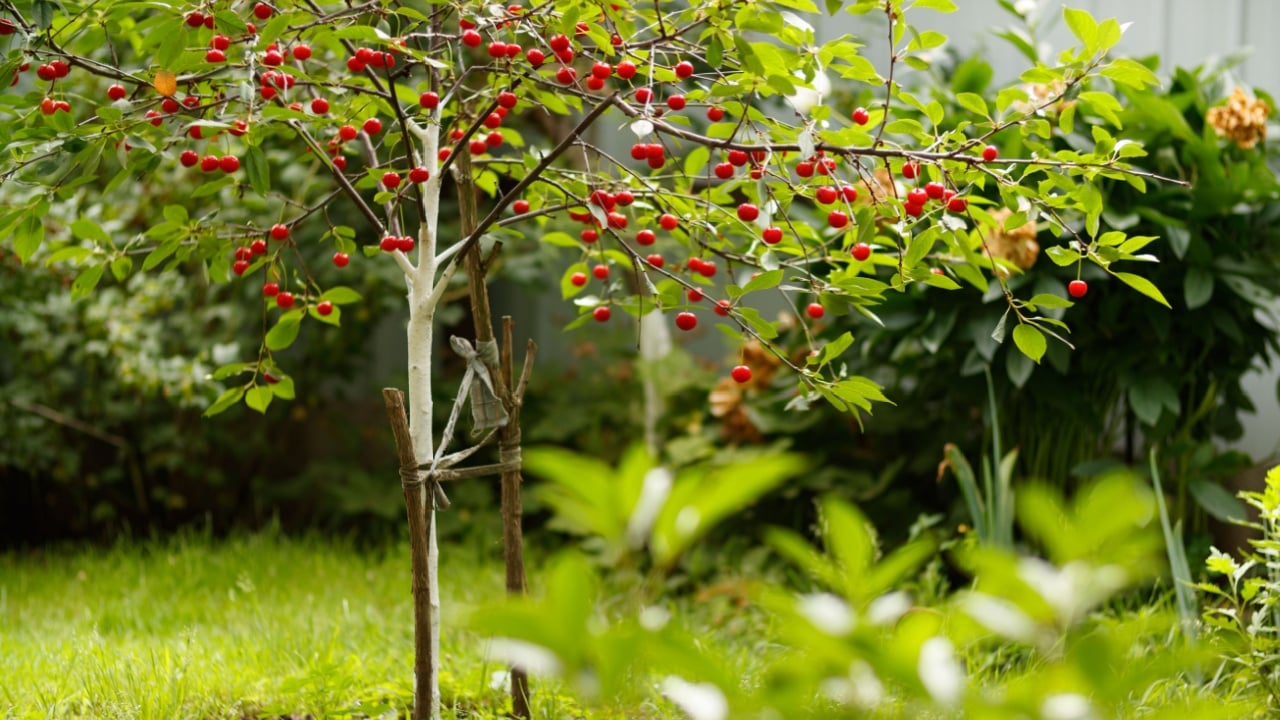
The beauty of dwarf cherry trees, compared to their larger variety, is that they take up a fraction of the space and produce the same-sized berries. In addition, the trees bring two shows in one year: springtime blossoms and late-summer fruit.
A small-space resource from the Promesse de Fleurs website explains that container-ready dwarf cherry trees are possible. It adds that “dwarf cherry trees in containers can be planted almost any season, except during frost or heatwave periods,” making them ideal for patios or balconies.
For ongoing care, the TreeLine Hedgeservice site gives a clear maintenance rhythm. “Keep soil consistently moist but not soggy,” read the instructions. “Containers need more frequent watering, especially in summer.” This regimen is followed by light pruning in late winter to “remove dead or crowded branches” for healthy airflow and better fruit set.
Read More
Stop Pouring These 10 Things Down the Drain — Plumbers Say It’s a Costly Mistake