15 Gorgeous Flowers That Won’t Wilt in the Upcoming Summer Heat
Brutally hot summer days are often the toughest days of the year for a gardener. Watching your favorite flowers wilt while the sun beats down can be discouraging, but the right plants make all the difference. Some species are naturally built to handle extreme temperatures and dry spells without breaking a sweat. These are the true survivors that keep your yard looking fresh even when everything else starts to turn brown.
Many of these varieties have special features like deep roots or thick leaves that help them store water for a long time. Picking species that are naturally suited for your environment helps you stop worrying about the weather forecast. Your garden becomes a self-sustaining space that looks great with little effort on your part.
This guide features fifteen of the most durable and beautiful plants that thrive in direct sunlight. You will find options for every part of the yard, including ground covers that stay green and tall shrubs that offer plenty of color.
Creating a beautiful landscape is more about picking the right tools (and plants0 than having a special skill. Once these hardy plants are settled into the soil, they require much less water and attention than traditional garden flowers. This means you can put away the garden hose and actually enjoy your outdoor space this season.
1. Lantana
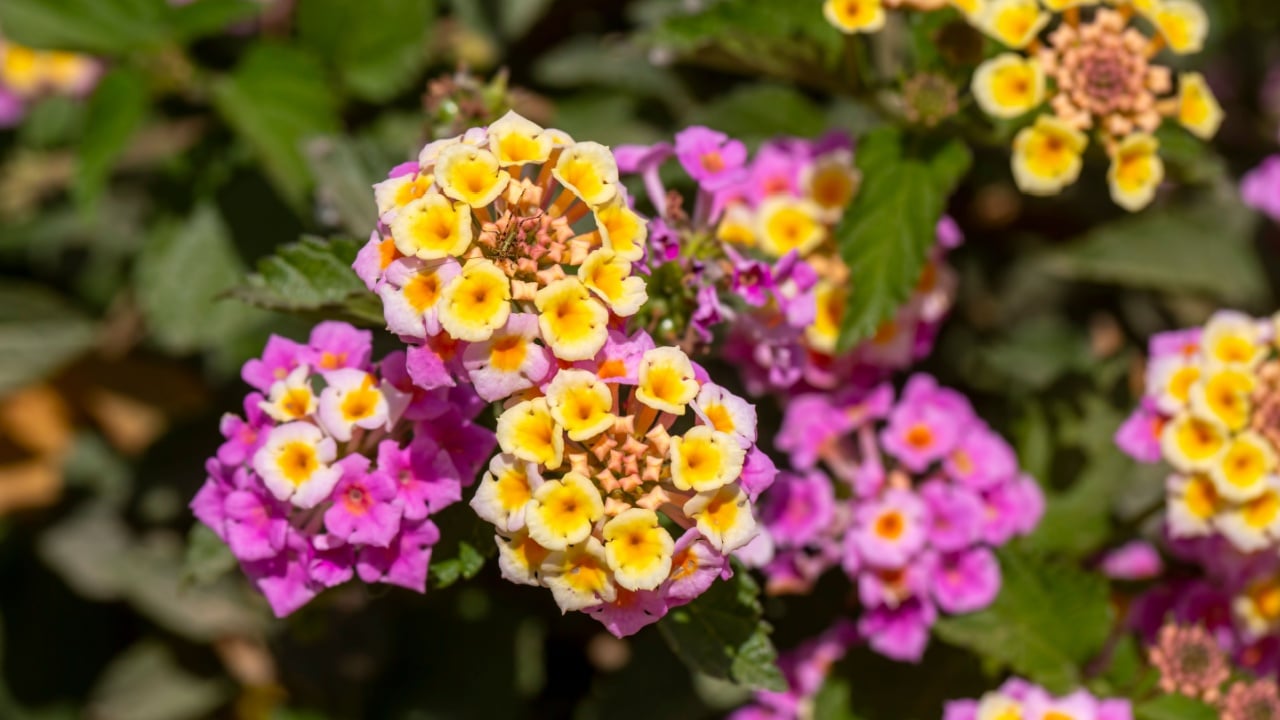
Lantana is the ultimate summer workhorse, producing clusters of tiny, bright flowers in shades of neon orange, yellow, and red. These plants are essentially heat-tolerating perennials; the hotter it gets, the more they seem to bloom. As a bonus, they are irresistible to butterflies and hummingbirds, turning your garden into a lively nature hub.
To get the best results, give Lantana the sunniest spot you have. It needs at least six to eight hours of direct light to really show off. While it isn’t picky about soil, it does need good drainage so the roots don’t get soggy during summer rainstorms. Once it’s settled in, it is incredibly drought-tolerant, making it perfect for those who may forget to water.
This plant is a great gap filler because it spreads quickly and covers a lot of ground with dense, green foliage. If it starts to look a bit wild or leggy, a quick trim will encourage a fresh flush of flowers. It’s a rugged, low-fuss choice that stays vibrant while more delicate flowers are throwing in the towel.
2. Sedum (Stonecrop)
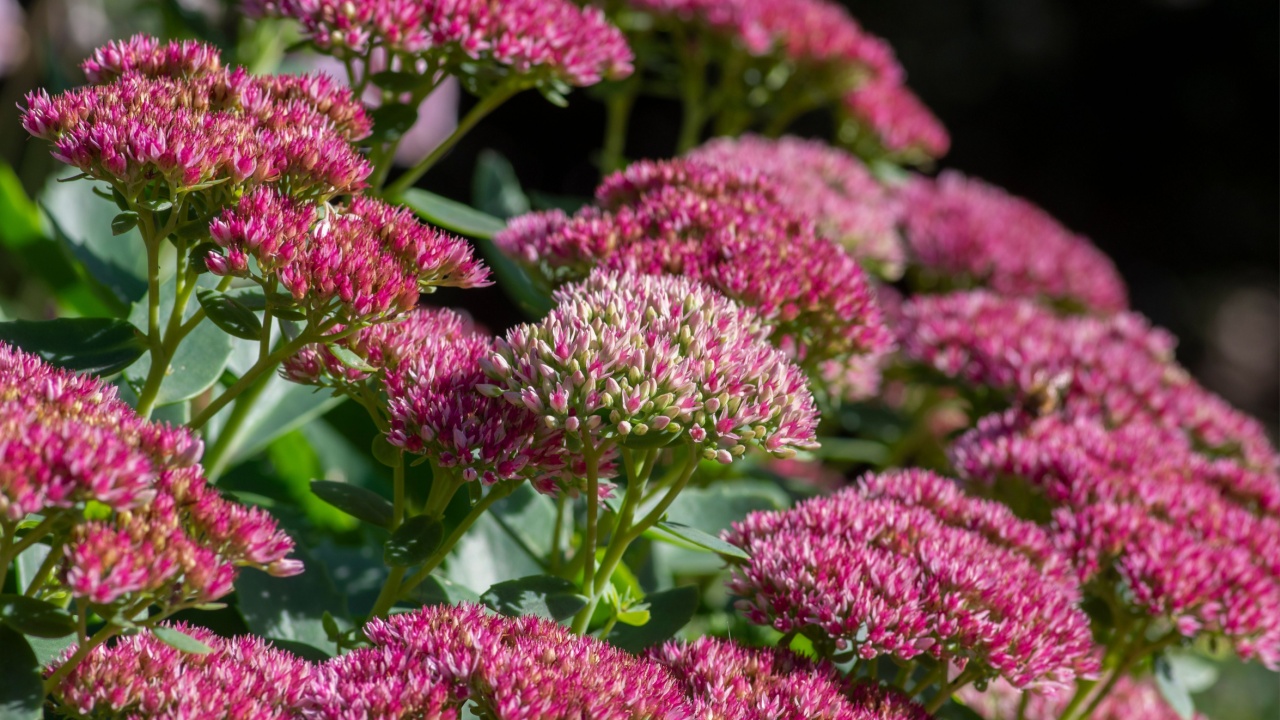
Sedum is a succulent that acts like a living water tank, storing moisture in its thick, rubbery leaves to get through dry spells. It produces star-shaped flowers that often start pale and deepen in color as the summer turns to autumn. Because it’s so tough, it’s the perfect candidate for rocky areas or sandy patches where nothing else seems to grow.
The biggest mistake you can make with Sedum is being too kind to it; overwatering is its only real enemy. It thrives on neglect and prefers soil that stays on the dry side, making it suitable for containers or hot walkways. You can find creeping varieties that hug the ground or upright types that add structural height to your flower beds.
Even when it isn’t in bloom, the interesting texture of its leaves provides great visual interest. It’s a set it and forget it plant that adds a modern, architectural look to the landscape.
3. Russian Sage
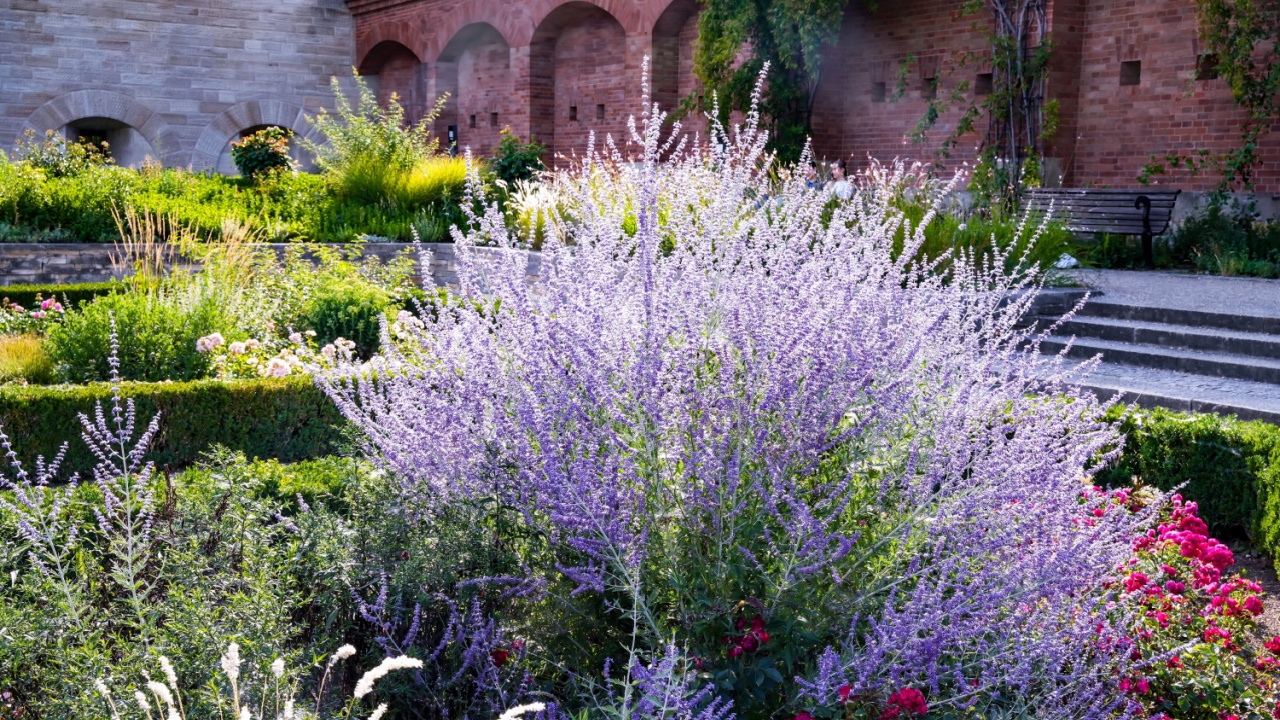
Russian sage is famous for its hazy, lavender-blue flower spikes and silvery foliage that looks cool and refreshing even on a 100-degree day. It’s a sturdy perennial that won’t flop or wilt when the humidity levels soar. Plus, the leaves have a distinct herbal scent that deer and rabbits absolutely hate, keeping your garden safe from nibblers.
This plant is a sun-worshipper through and through, so don’t even think about putting it in the shade. It loves well-drained soil and is tough enough to handle the intense reflected heat that bounces off driveways or stone walls. To keep it looking its best, cut it back close to the ground in early spring to make room for new growth.
Adding Russian sage to your garden provides a soft, airy texture that balances out plants with bigger, heavier leaves. It’s a long-lasting performer that brings a sophisticated meadow vibe to your yard. It’s the perfect way to add a splash of cool color to a landscape that is otherwise dominated by the harsh light of summer.
4. Lavender
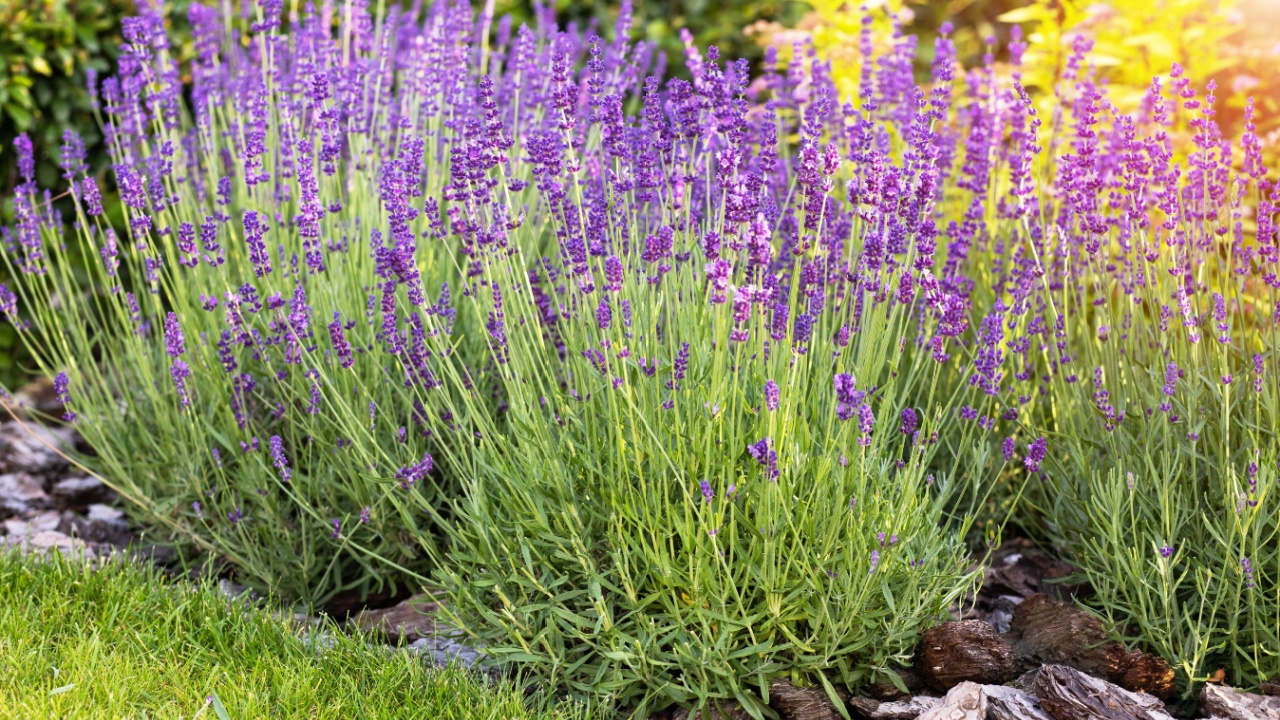
Lavender is a classic Mediterranean beauty that thrives in the kind of heat that would make other plants shrivel. Known for its iconic fragrance and purple flower spikes, it’s a plant that actually prefers lean conditions. The silver-green tint of its leaves is a natural sunblock, helping the plant reflect heat and stay hydrated during a drought.
The secret to happy lavender is gritty, well-drained soil and plenty of elbow room for air to circulate the branches. It hates having wet feet, so avoid heavy mulch and go easy on the watering once the plant is established. You can even harvest the flowers to dry for indoor use, which actually encourages the plant to stay tidy.
Lavender is visually stunning and serves as a magnet for bees and other helpful pollinators. It’s a staple for any sunny garden because it provides structure, scent, and style all season long. If you have a hot, dry spot with lots of sun, lavender will feel right at home and thrive with minimal attention.
5. Bougainvillea
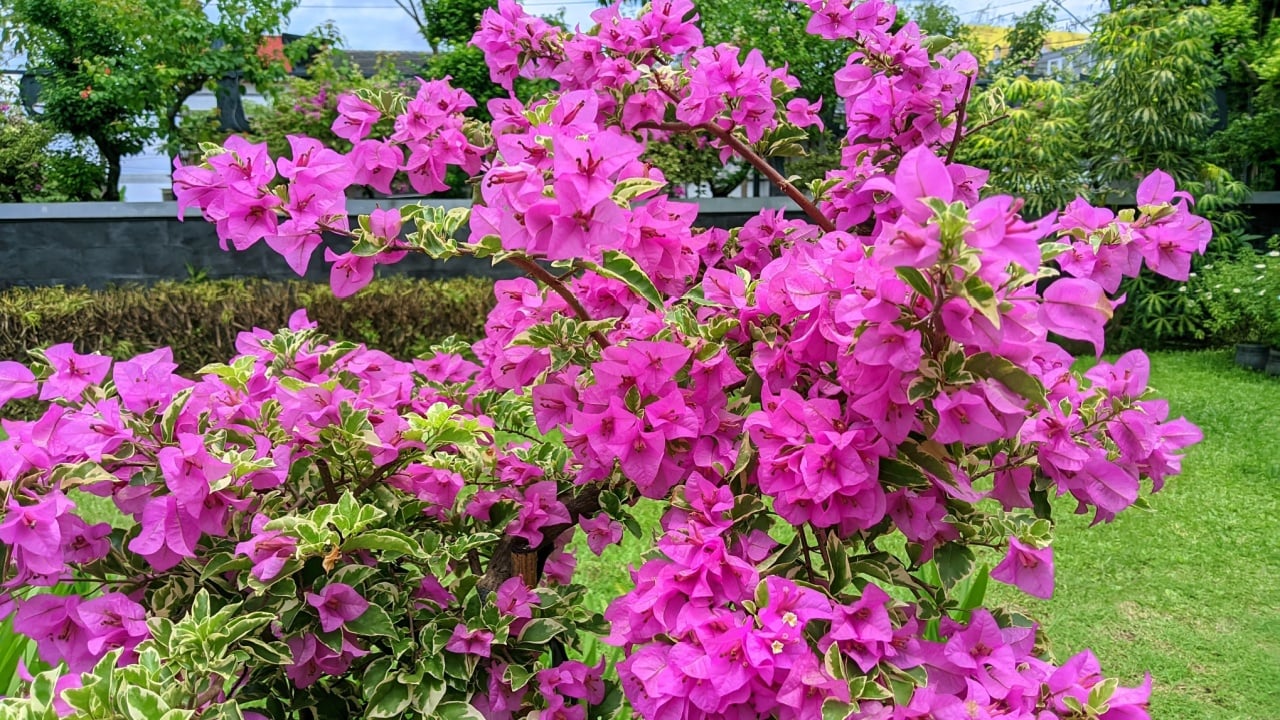
Bougainvillea is a high-energy climber that thrives in tropical heat and produces massive explosions of color. The flowers are actually colorful leaves called bracts, which are incredibly tough and don’t fade under the punishing midday sun. It can be trained to climb a fence, cover a trellis, or even spill out of a large hanging basket.
This plant actually blooms better when it’s a little bit stressed, so let the soil dry out completely between waterings. It needs a sunny location to maintain those electric pinks, purples, and oranges. In colder climates, it’s often kept in pots so it can be moved indoors when the first frost of the year hits.
Using Bougainvillea is the fastest way to add vertical drama and a vacation vibe to your outdoor space. It’s a fast grower that loves the heat and provides a level of color saturation that is hard to beat by any other species. Just give it something to climb and plenty of sunshine, and it will take care of the rest.
6. Crape Myrtle
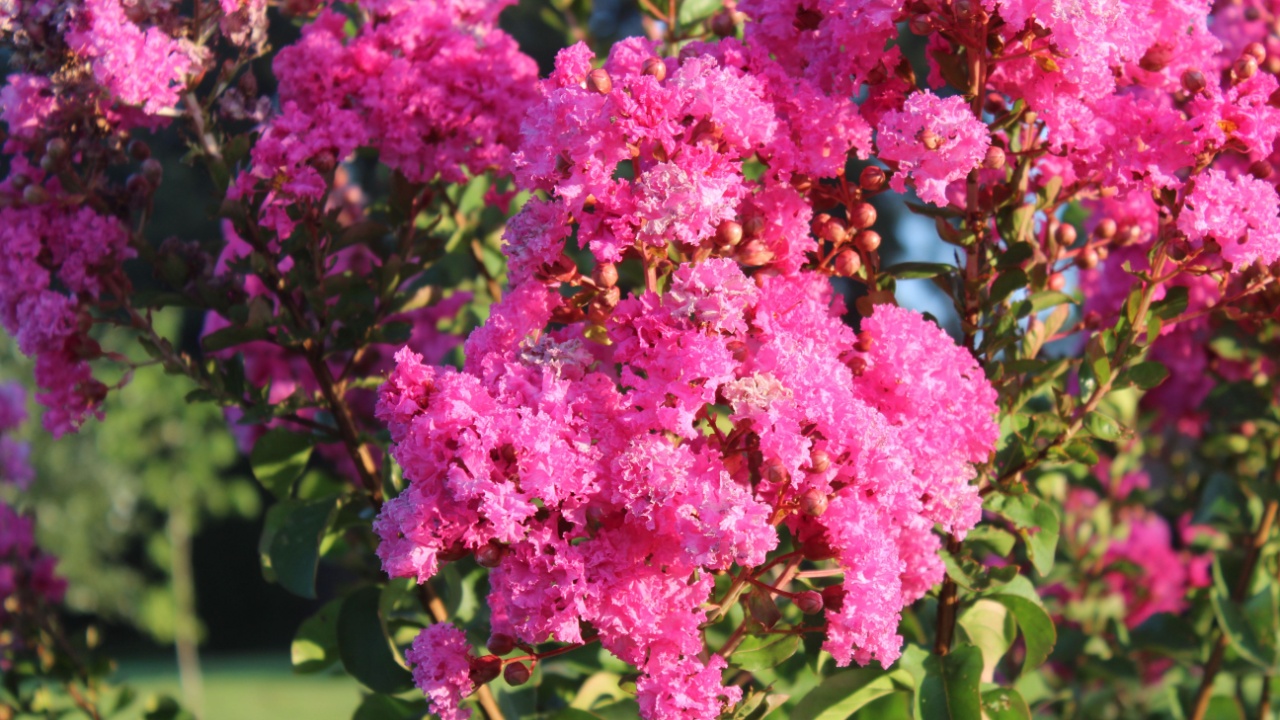
Often called the Lilac of the South, the Crape Myrtle is a heat-loving shrub or small tree that produces huge, ruffled flower clusters. It’s a favorite for urban areas because it can handle the tough conditions near hot pavement and car exhaust without breaking a sweat. Its flowers come in everything from snowy white to deep watermelon red.
To keep it healthy, plant it where it can catch a breeze and plenty of sun, which helps prevent mildew on the leaves. While it can handle a drought, a little extra water during the hottest weeks will keep the blooms looking lush and vibrant.
Even in winter, its peeling, multicolored bark adds a beautiful architectural element to the yard. This is a great anchor plant for any garden because it provides shade and a permanent structure for years to come. If you want a statement plant that doesn’t mind a heatwave, this is the one to choose for your landscape.
7. Oleander
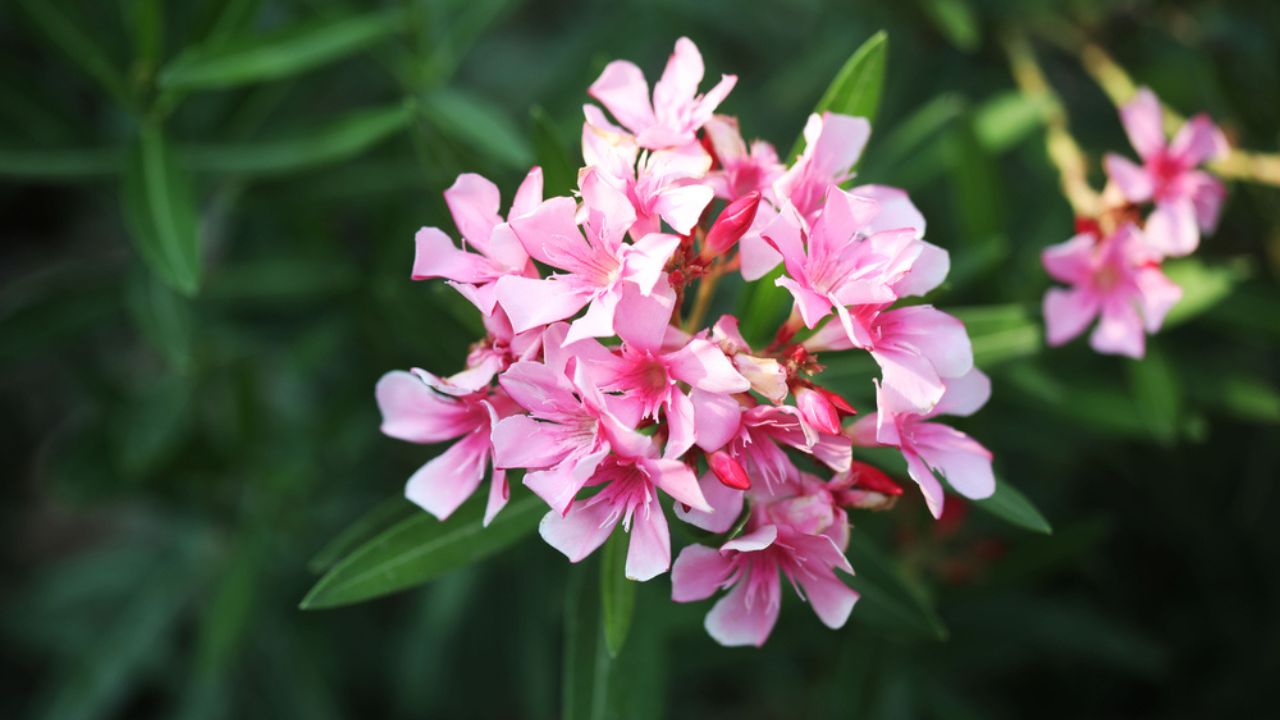
Oleander is one of the toughest plants on the planet, often found lining hot highways because it can handle salt, smog, and intense heat with ease. It’s an evergreen shrub that stays green and lush all year, producing clusters of funnel-shaped flowers in pink, white, or red. Its leathery leaves are specifically designed to stop water from evaporating.
Because it can grow quite large, make sure you give it plenty of room to spread out in your yard. It’s a low-maintenance dream that rarely gets hit by pests or diseases once its roots are down in the soil. Just a heads-up: all parts of the plant are toxic if eaten or burned, so it’s best planted away from areas where pets or kids play.
Oleander is the perfect choice if you need a living privacy screen or a windbreak that stays beautiful in the sun. It blooms for months at a time, providing a constant backdrop of color for your outdoor living areas. It’s a tough-as-nails shrub that turns a harsh environment into a private and colorful sanctuary.
8. Portulaca (Moss Rose)
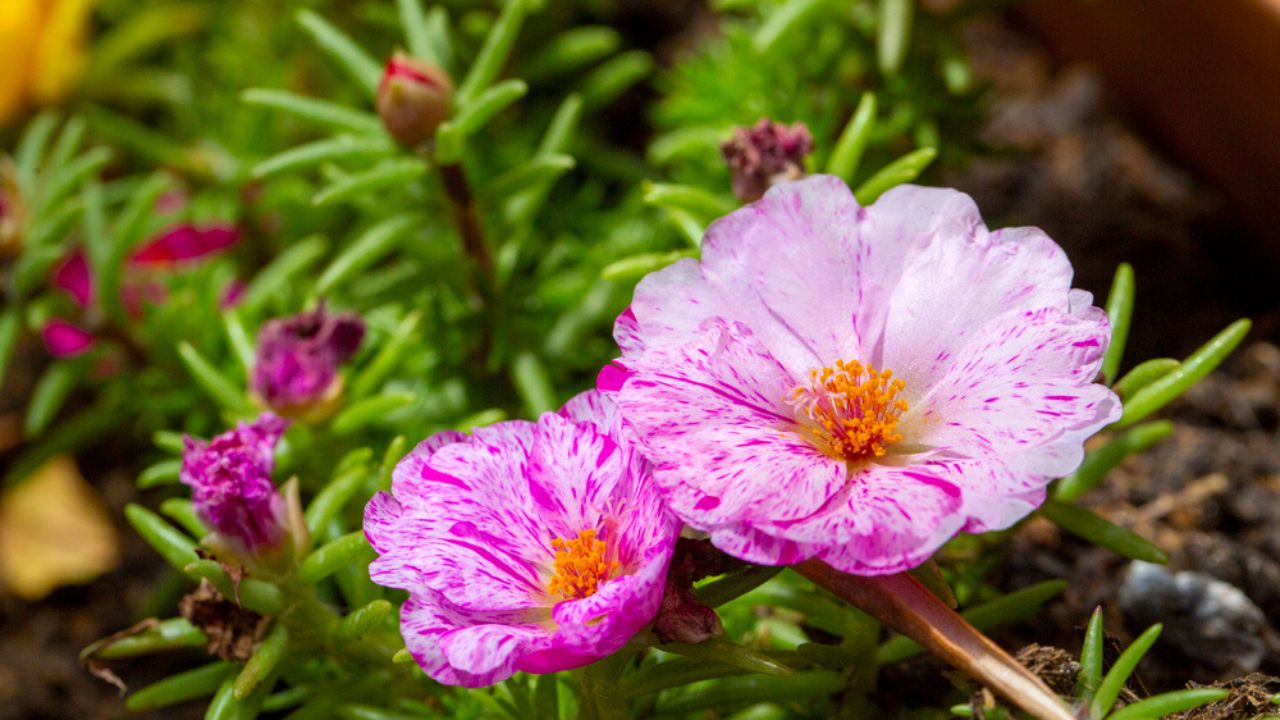
Portulaca, or Moss Rose, is a low-growing succulent that produces flowers so bright they almost look like they’re glowing. The flowers have a cool habit of opening in the morning sun and closing up at night or on cloudy days. Because it stores water in its needle-like leaves, it can live in the cracks of a stone wall or along a baking-hot sidewalk.
This plant is incredibly easy to grow from seed and will quickly fill in any bare, sunny spots in your garden. It loves sandy soil and needs almost no water once it starts spreading across the ground like a carpet. It often drops seeds that will sprout on their own next year, giving you a free garden every summer.
If you have a problem area where the sun is too intense for grass or typical flowers, Portulaca is the answer. It’s a resilient little annual that treats the hottest months as its prime time to shine. It’s the easiest way to add a carpet of jewel-toned color to your yard without any difficult maintenance.
9. Zinnia
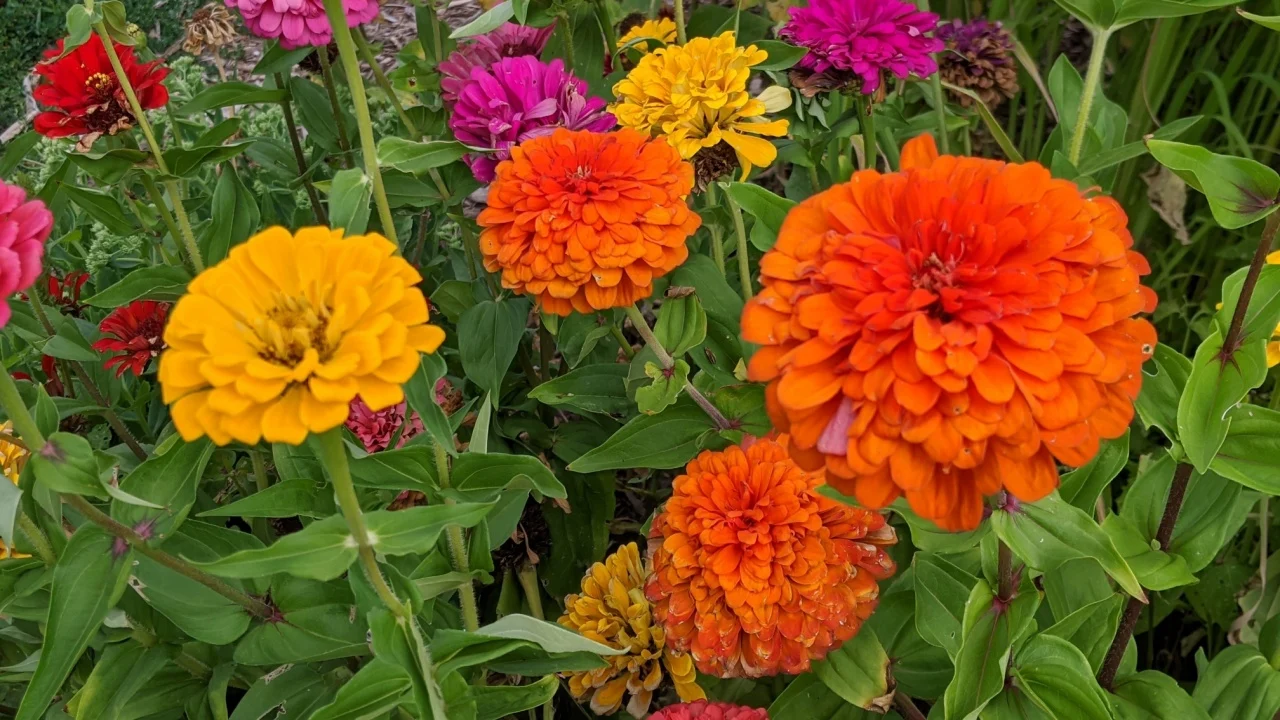
Zinnias are the undisputed champions of the summer cutting garden, blooming nonstop from the first heatwave until the first frost. They come in every color except blue and range from tiny buttons to massive, pom-pom-like heads. They are incredibly sturdy and stay upright even when the humidity is thick enough to cut with a knife.
To keep the flowers coming all summer long, you should deadhead or cut the old blooms regularly. This tells the plant to stop making seeds and start making more flowers, giving you plenty of stems for indoor bouquets. They love full sun and stay healthiest if you water them at the base rather than getting the leaves wet.
These are some of the easiest flowers to grow from a packet of seeds, making them a very cheap way to fill a large space with color. They are a classic choice for a reason: they are reliable, beautiful, and they absolutely love the summer sun. No hot-weather garden is complete without a few rows of these vibrant flowers.
10. Yucca
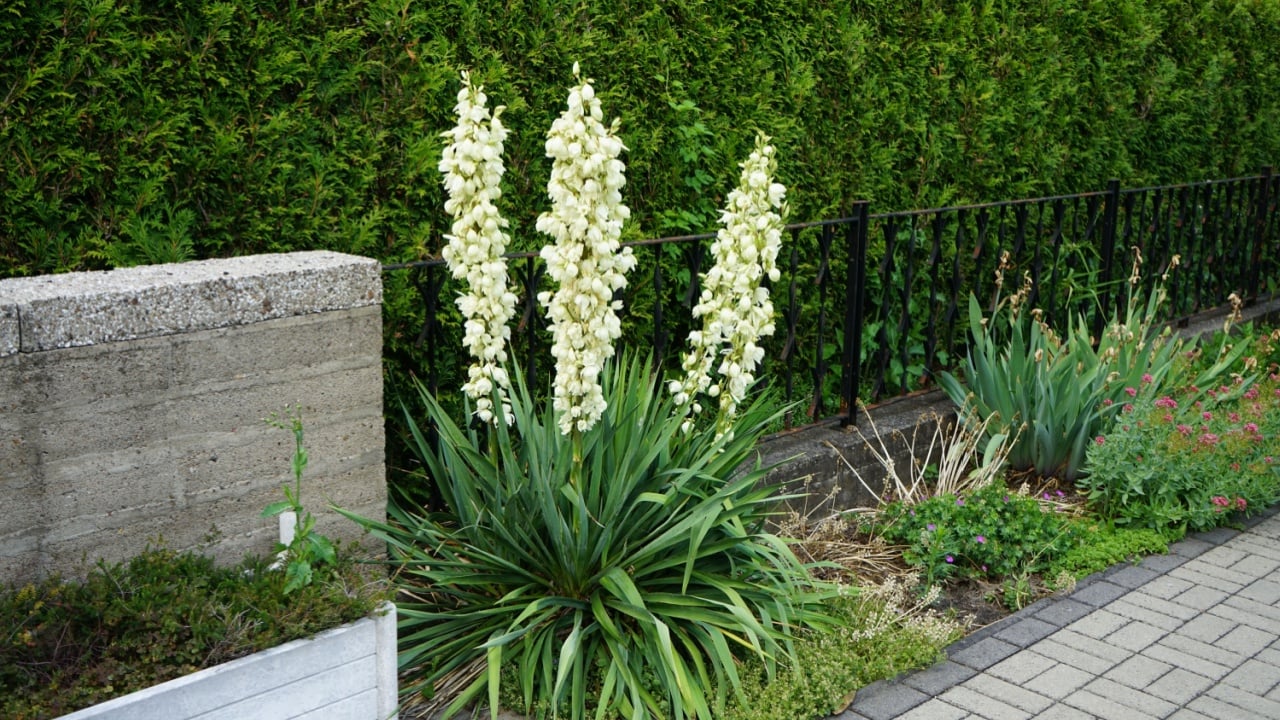
Yucca is a structural masterpiece with tough, sword-like leaves that look like they belong in a desert landscape. In mid-summer, it sends up a massive stalk covered in creamy, bell-shaped flowers that attract unique pollinators at night. It’s built to survive in arid regions, so it handles intense heat and zero rain without any trouble.
The only way to really hurt a yucca is to give it too much water; it needs very well-drained soil to keep its roots healthy. It’s a slow-growing plant that can live for decades with almost no pruning or feeding required. You can choose from solid green leaves or variegated types that have cool yellow or white stripes.
This plant adds a permanent, bold silhouette to your garden that doesn’t change regardless of how hot the weather gets. It’s a great background plant that provides a steady, green presence all year long. If you want a plant that is truly indestructible in the sun, the yucca is your best bet for a low-maintenance yard.
11. Blanket Flower (Gaillardia)
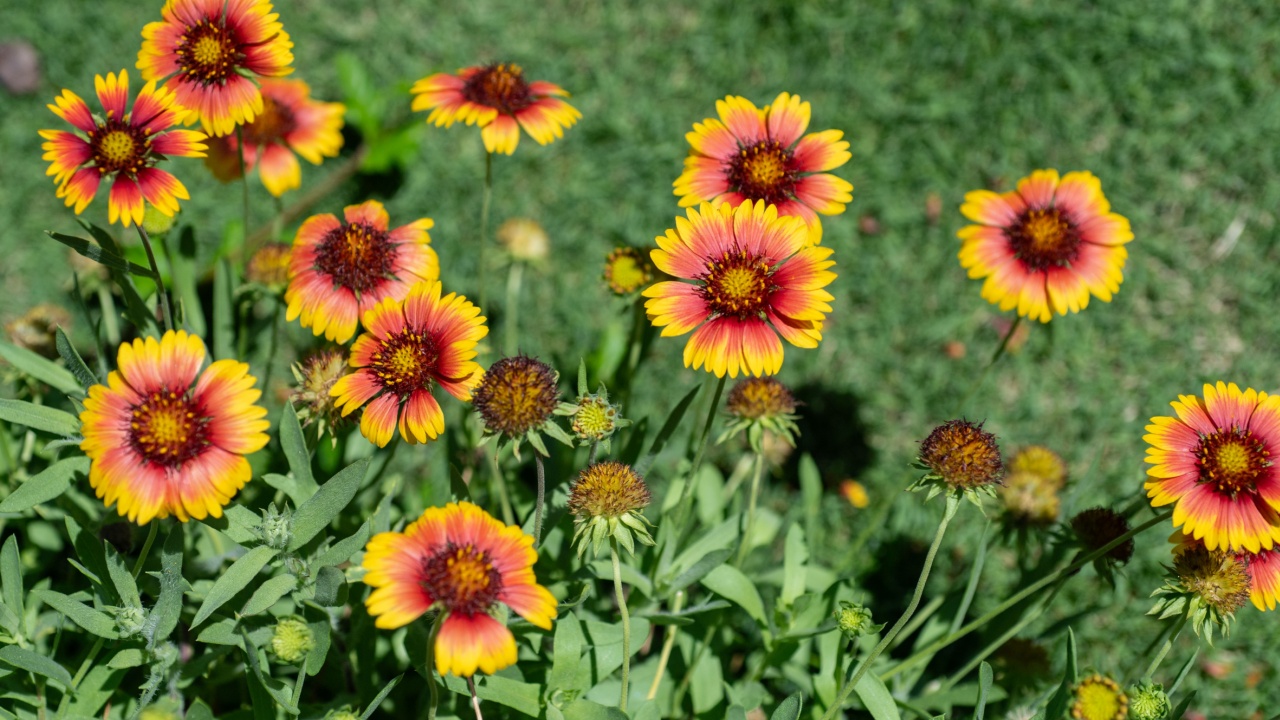
Blanket flowers are cheery, native wildflowers that look like mini sunflowers in shades of fiery red, orange, and yellow. They are exceptionally drought-tolerant and actually thrive in the bad soil that other flowers hate. They have a massive blooming window, providing a constant feast for local bees and butterflies.
These flowers actually perform better if you don’t fertilize them, as rich soil can make them grow too fast and fall over. If you trim off the faded flower heads, you’ll extend the blooming season well into the late summer months. They are short-lived perennials, but they usually drop enough seeds to ensure a fresh crop of babies every spring.
The warm, sunset colors of the blanket flower perfectly capture the energy of a summer afternoon. It’s a rugged and reliable choice if you want a natural, meadow-like look with very little maintenance. It’s a tough little plant that brings a lot of personality to a sunny border without needing a lot of water.
12. Celosia
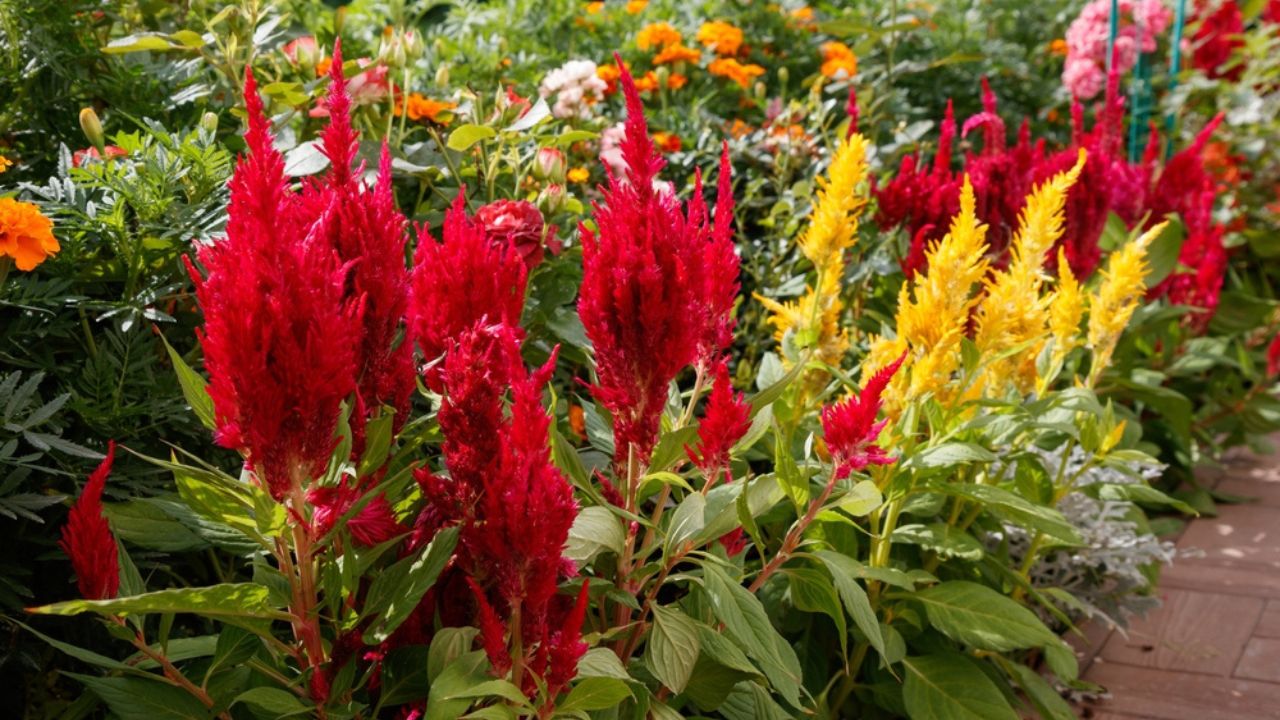
Celosia is a tropical plant that looks like something out of a fairy tale, with flowers that resemble feathery plumes or velvety fans. Because it’s tropical, it absolutely adores the heat and humidity that make other flowers wilt and fade. The colors are incredibly intense, ranging from neon pink to deep, dark burgundy.
To get the most dramatic flower heads, plant your celosia in a sunny spot with soil that drains well. While it can handle a dry spell, it’s one of the few heat-lovers that likes a bit of consistent moisture to keep its stems strong. It looks fantastic in containers or as a bold statement piece in the middle of a flower bed.
The unique textures of celosia add a layer of fun to your garden that you can’t get from standard daisy-shaped flowers. It stays upright and vibrant even during the most intense heatwaves of July. If you want a flower that looks exotic but is actually easy to care for, celosia is the one for your garden.
13. Coneflower (Echinacea)
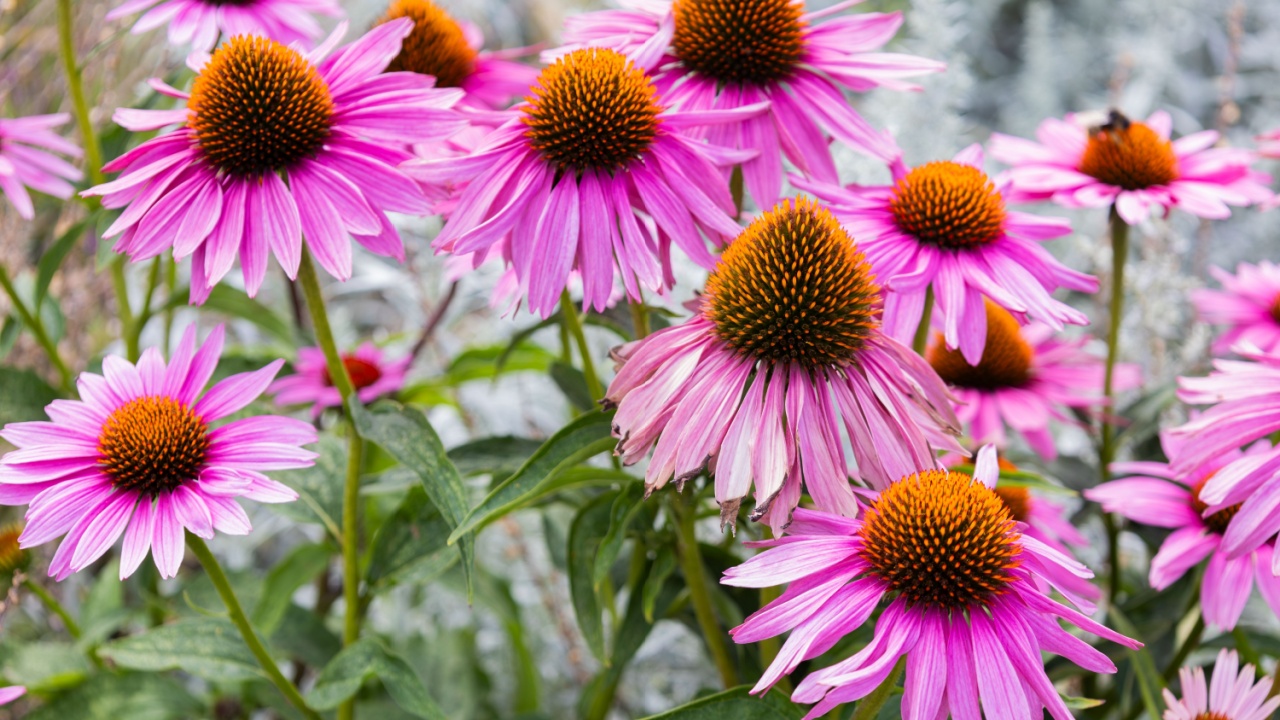
Coneflowers are tough-as-nails perennials that come from the American prairies, so they are born to handle sun and wind. They feature a distinct central cone surrounded by colorful petals that now come in shades of lime, orange, and red. Their deep taproots allow them to find water far below the surface during a drought.
Once these plants are established in your garden, they will return year after year with more and more blooms. They prefer full sun and are very self-sufficient, requiring almost no extra care once they’ve settled into their new home. If you leave the dried seed heads on in the fall, you’ll be providing a natural winter snack for local birds.
This is the perfect set-and-forget plant for anyone who wants a beautiful yard without a high water bill. It’s a favorite for sustainable gardening because it supports so many local pollinators and beneficial insects. It’s a sturdy, reliable plant that anchors any summer flower bed with ease and elegance.
14. Salvia
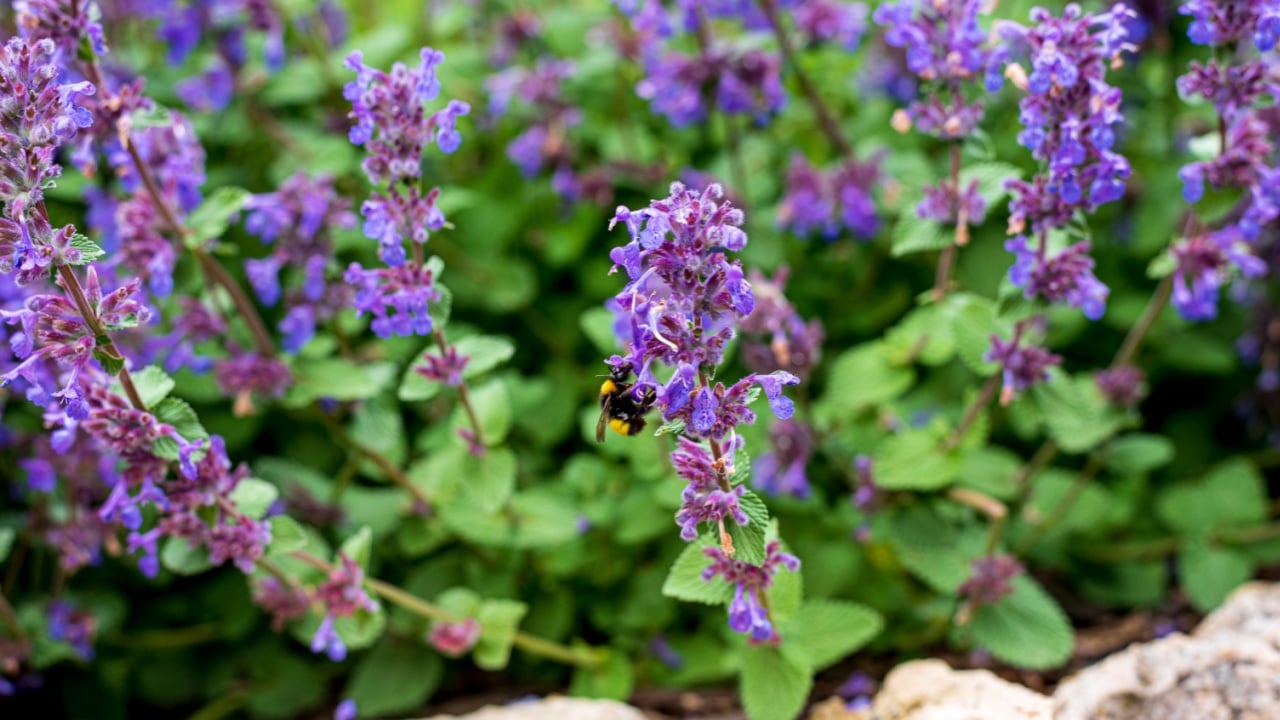
Salvia comes in many forms, but the heat-tolerant types usually feature long spikes of deep blue, purple, or red flowers. They are part of the mint family, which gives them aromatic leaves that deer and rabbits usually find unappetizing. They are incredibly resilient and will often bloom in waves all the way through the summer heat.
If the plant starts to look a little tired after its first big show of flowers, just shear it back slightly to encourage a whole new round of blooms. They love the sun and prefer soil that isn’t too heavy or clumpy. Many salvia plants are perennials, meaning they’ll stay in your garden and get bigger and better every single year.
Salvia is a versatile filler plant that adds height and movement to your garden as it sways in the breeze. It’s a reliable source of nectar for hummingbirds, who love the tubular shape of its flowers. It’s a smart choice for adding vertical color to both formal and casual garden styles alike.
15. Coreopsis
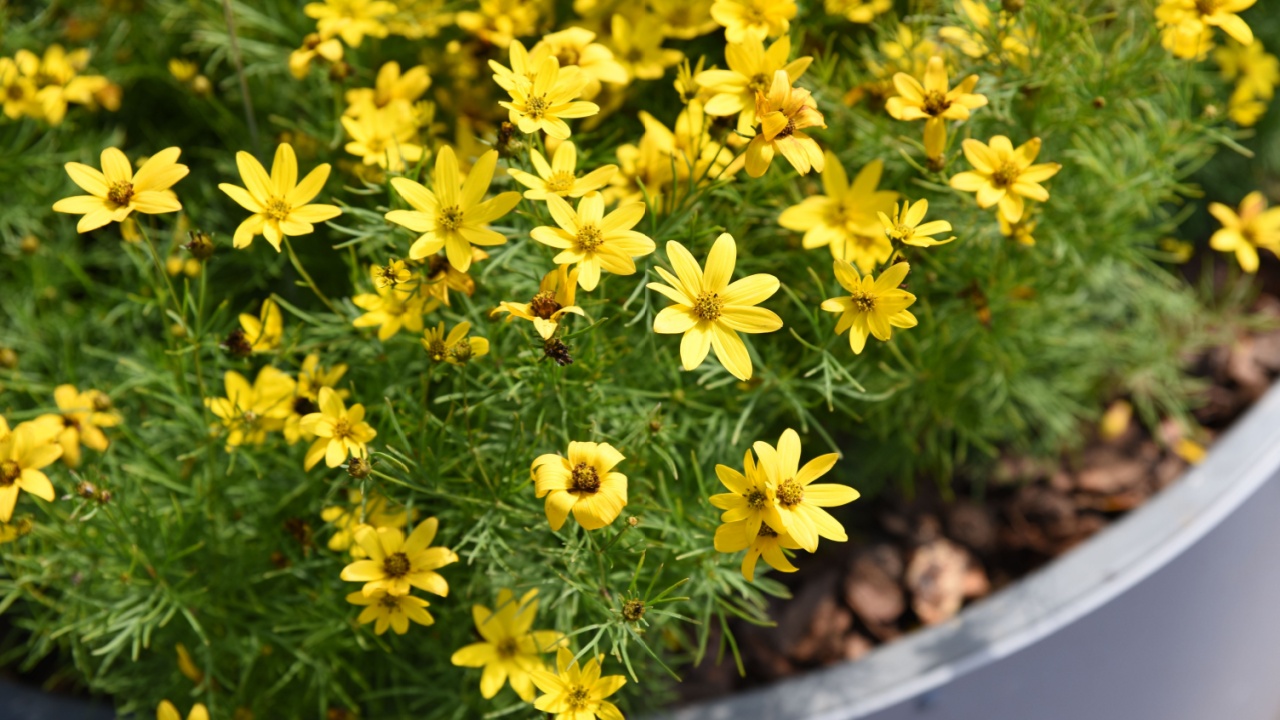
Coreopsis is a sunny, cheerful plant that produces a massive amount of yellow or orange flowers that look like tiny suns. It’s a true workhorse that can handle heat, high humidity, and even poor soil without complaining. The foliage is fine and feathery, staying green and healthy even when the weather is consistently scorching.
For the best results, just put it in a sunny spot and leave it alone once it’s established. Over-watering will actually do more harm than good. Many varieties are self-cleaning, so you don’t even have to pick off the old flowers to keep the new ones coming. It’s a great choice for filling in the edges of a garden or creating a sea of yellow.
This plant provides a steady supply of bright color with almost zero effort on your part. It’s a durable, happy addition that keeps your garden looking cheerful even on the hottest days of the year. If you need a reliable blanket of color, coreopsis is the way to go for your summer oasis.
Building a Garden That Can Handle the Heat
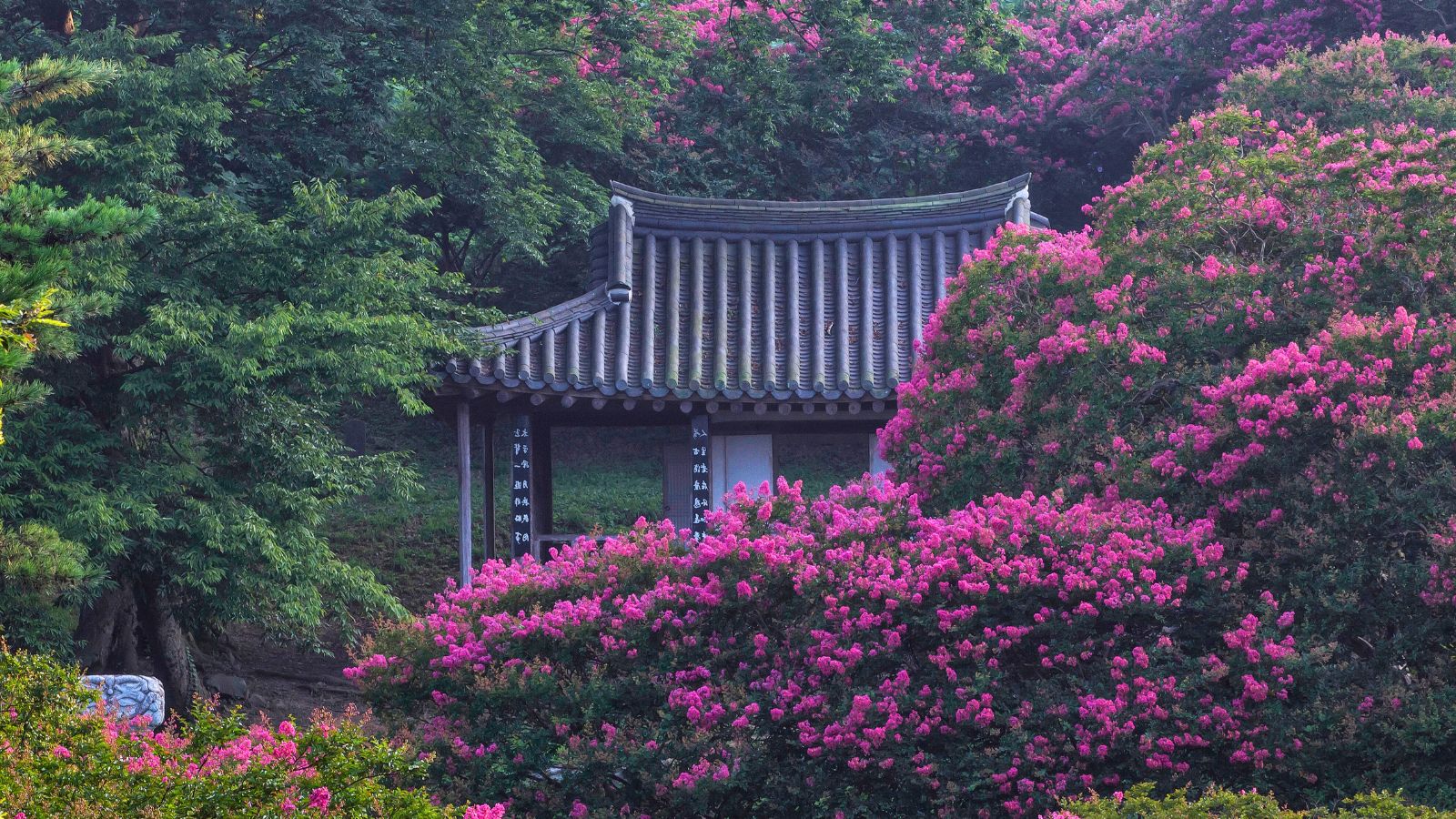
A heat-friendly garden starts with knowing where the sun hits hardest and which plants can handle it. A little prep before peak summer makes a big difference. Mulch helps keep moisture in the soil, and grouping plants with similar watering needs saves time and effort later on.
Once everything is planted, pay attention to how your flowers respond during the hottest part of the day. Some may thrive in full sun, while others might need a bit of shade until they settle in. Small changes, like moving a plant or adjusting watering, can keep the whole garden looking healthy through long heatwaves.
The more you observe your space, the easier it becomes to build a garden that stays colorful and strong all summer long.