Stop Buying Bags of Compost and Use 8 Free Alternatives Already in the Yard and Kitchen
Every spring, gardeners across the country load their carts with bags of compost at the garden center, spending $15-$30 or more per raised bed without a second thought. It feels like the responsible thing to do.
What most of those gardeners don’t realize is that several of the most effective soil amendments available are already sitting in their kitchen, piled in their yard, or available from their city for free. The entire bag-buying habit may be one of the most unnecessary expenses in the home garden.
Much of what you find in those store-bought compost bags has been heat-treated during commercial processing, which kills not only weed seeds and pathogens but also the beneficial microbes, fungi, and microbial life that make compost worth using in the first place.
As the University of Florida IFAS Extension notes, alternative composting methods can reduce water use, save money, and produce results that rival or outperform bagged products. The free versions, made from what you already have, often retain more biological activity.
Below are eight free or nearly free alternatives to store-bought compost, each backed by research and used by experienced gardeners who stopped spending money on something they could produce at home.
Some of these will surprise you. At least one of them, you’ve almost certainly been throwing away.
1. Coffee Grounds
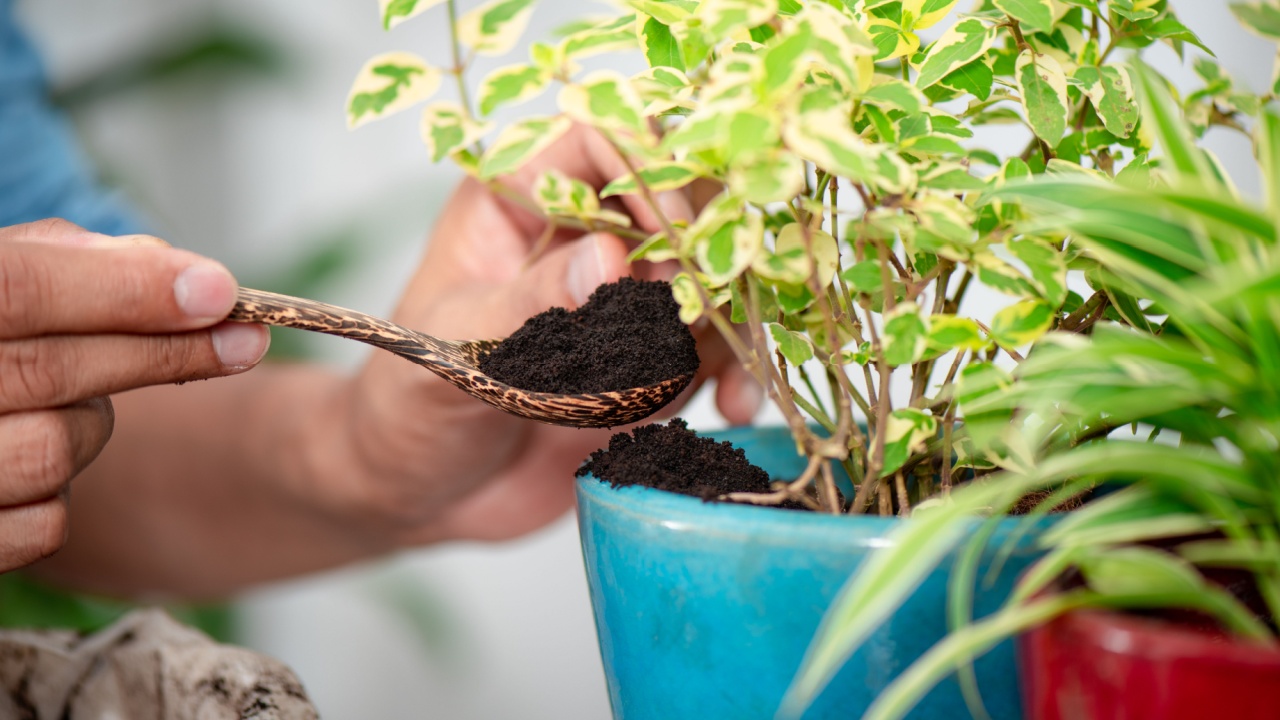
Used coffee grounds are one of the most overlooked soil amendments in the home garden. They improve water retention, boost aeration, and enhance drainage, all key functions that gardeners pay for in bagged compost. They’re also high in nitrogen and loved by earthworms, which will naturally congregate in beds where grounds are worked into the soil.
According to the Laidback Gardener, you don’t need to do anything complicated; spread used grounds around your plants or work them lightly into the top inch of soil, and they’ll begin improving soil structure within weeks.
Apply grounds in thin layers, no more than a half-inch at a time. A thick crust of dried coffee grounds can form a water-repellent barrier on the soil surface, working against the very drainage benefits you’re after. The trick is the thin layer, worked in or left loose.
And if you’re a tea drinker rather than a coffee drinker, or simply want more grounds than your household produces, many Starbucks locations and local coffee shops give away their used grounds for free upon request. It’s been a quiet secret among serious gardeners for years.
2. Grass Clippings

Grass clippings are arguably the most underused soil amendment in the American yard. The University of Missouri Extension has confirmed that returning grass clippings to the soil can supply up to 25 percent of a lawn’s total annual fertilizer needs, and clippings contain about 4 percent nitrogen, 2 percent potassium, and 1 percent phosphorus.
A peer-reviewed study published in Science of the Total Environment found that returning clippings to soil was equivalent to doubling the amount of nitrogen applied through conventional fertilizer. Most gardeners bag those clippings and set them at the curb.
For garden beds, apply clippings in thin one-inch layers and let each layer dry before adding the next. Thick, wet clumps of fresh clippings mat together, block airflow, and lock nitrogen away from plants as anaerobic decomposition takes over. Done right, clippings break down quickly and begin feeding soil microbes within days.
For an even faster nitrogen hit, steep a bucket of fresh clippings in water for three to five days, then water your vegetables with the resulting liquid tea. It costs nothing and delivers results that rival liquid fertilizers sold for considerably more.
3. Fallen Leaves
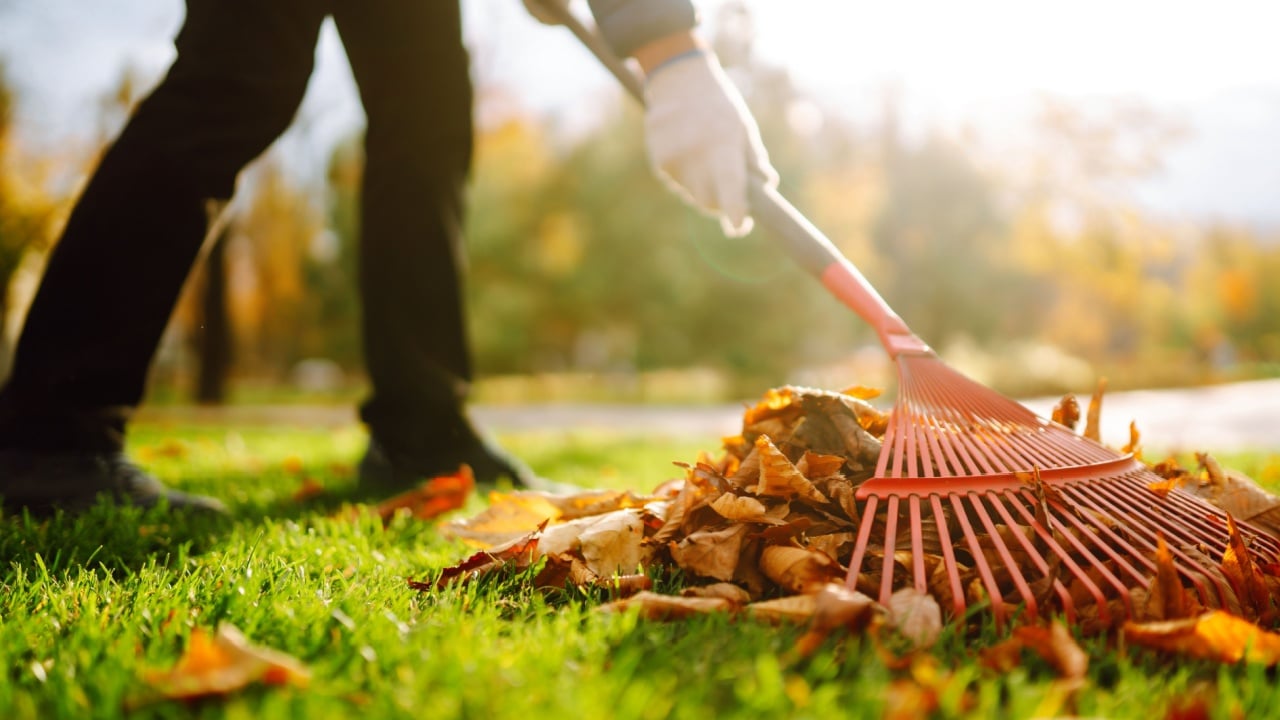
Every fall, most households send their best soil amendment to the curb in plastic bags. Leaf mold, made by piling fallen leaves and allowing them to decompose over one to two growing seasons, is one of the most effective moisture-retention amendments available. According to Gardening Know How, leaf mold can absorb up to 500 percent of its own weight in water, a quality that transforms sandy soil into something that holds moisture through drought and loosens compacted clay into something roots can actually navigate.
Unlike traditional compost, leaf mold is broken down primarily by fungi rather than bacteria, which means it doesn’t require turning, layering, or monitoring. Pile leaves in a corner, dampen them occasionally, and wait. The North Carolina Cooperative Extension confirms that leaf mold is rich in calcium, potassium, and magnesium, nutrients that commercial fertilizers rarely provide in bioavailable form.
One important warning from PBS NewsHour: avoid using black walnut leaves in your leaf mold pile. They contain a compound called juglone that is toxic to many plants and can persist through the breakdown process, damaging the beds you’re trying to improve.
4. Trench Composting

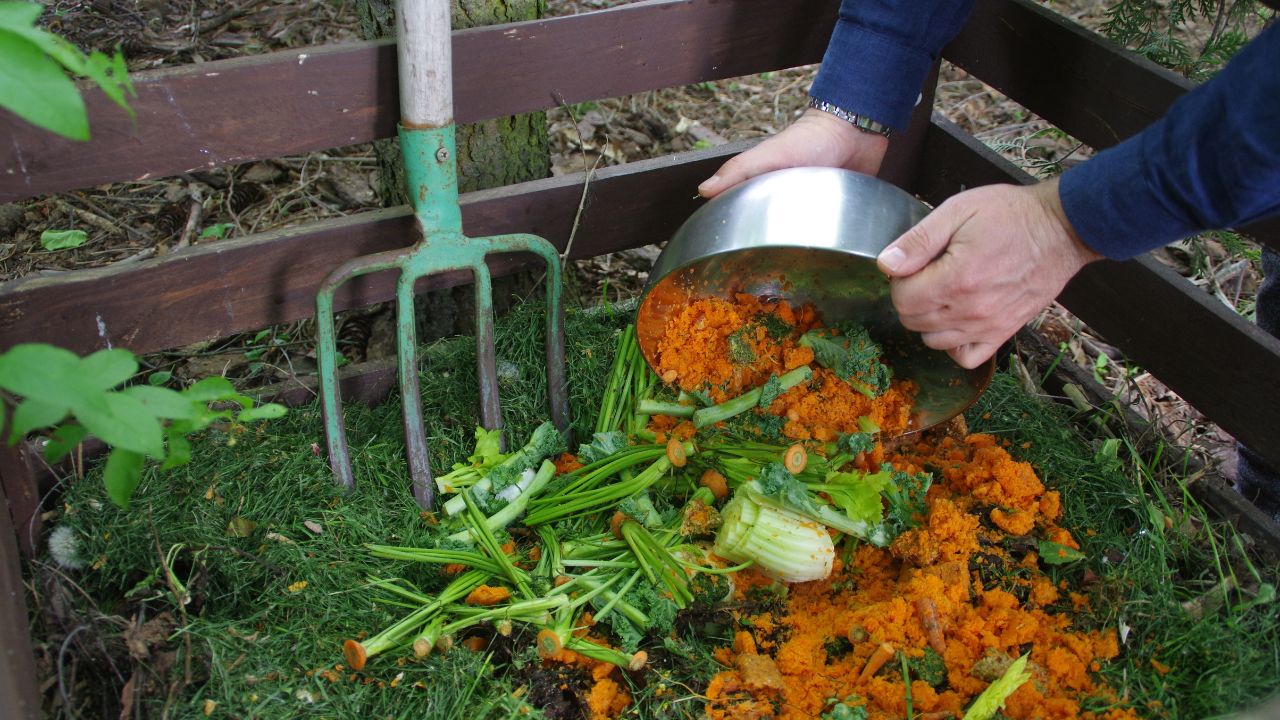
Before composting became a structured hobby with three-bin systems and thermometers, your grandmother probably walked her vegetable peelings to the garden, dug a small hole, and buried them. That practice, now called trench composting or in-situ composting, is one of the most effective soil-building methods available, and it requires no equipment, no pile management, and no turning.
According to Rural Sprout, composting in place delivers nutrients directly to the underground worms and bacteria that decompose the material, enriching the surrounding soil immediately rather than after a months-long pile process.
For gardeners in their 50s and beyond who find hauling and turning a traditional compost pile increasingly demanding, trench composting is a genuine revelation. Dig a hole or trench six to eight inches deep in a bed that’s between plantings, add kitchen scraps, cover with soil, and move to the next section. Rotate through your beds over the season, and each one will be dramatically richer by the time you plant.
There’s a bonus that nursery professionals rarely advertise: burying scraps in resting tomato beds can help starve out soil-dwelling nematodes, a common and expensive pest problem that compost alone doesn’t address.
5. Cardboard
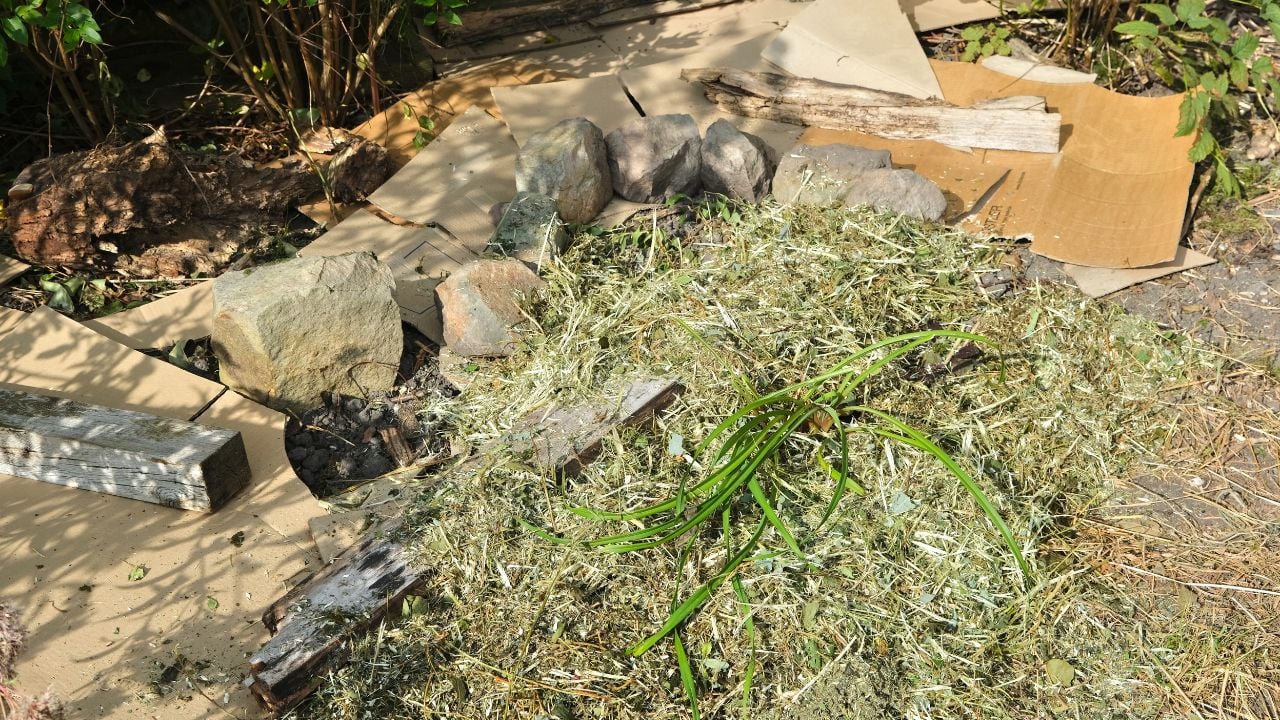
Cardboard is carbon-rich, widely available for free, and one of the most effective tools in the no-dig gardening toolkit. Laid directly on top of existing soil or grass, a double layer of cardboard smothers weeds, eliminates the need for tilling, and begins breaking down within a single growing season, feeding soil microbes as it goes.
The Royal Horticultural Society recommends covering cardboard with a 10–15 cm (4–6 inch) layer of organic matter such as wood chips or straw immediately after laying it, which locks moisture in and accelerates decomposition underneath.
Appliance stores, furniture delivery services, and moving companies are reliable sources of large, clean cardboard. Make sure to remove any staples, plastic tape, and any glossy or heavily printed sections before using. Plain corrugated cardboard is the goal. Avoid using it near edibles with very shallow roots until the layer has substantially broken down, usually after three to four months. As a path material between raised beds, cardboard lasts a full season and costs nothing.
6. Wood Chips
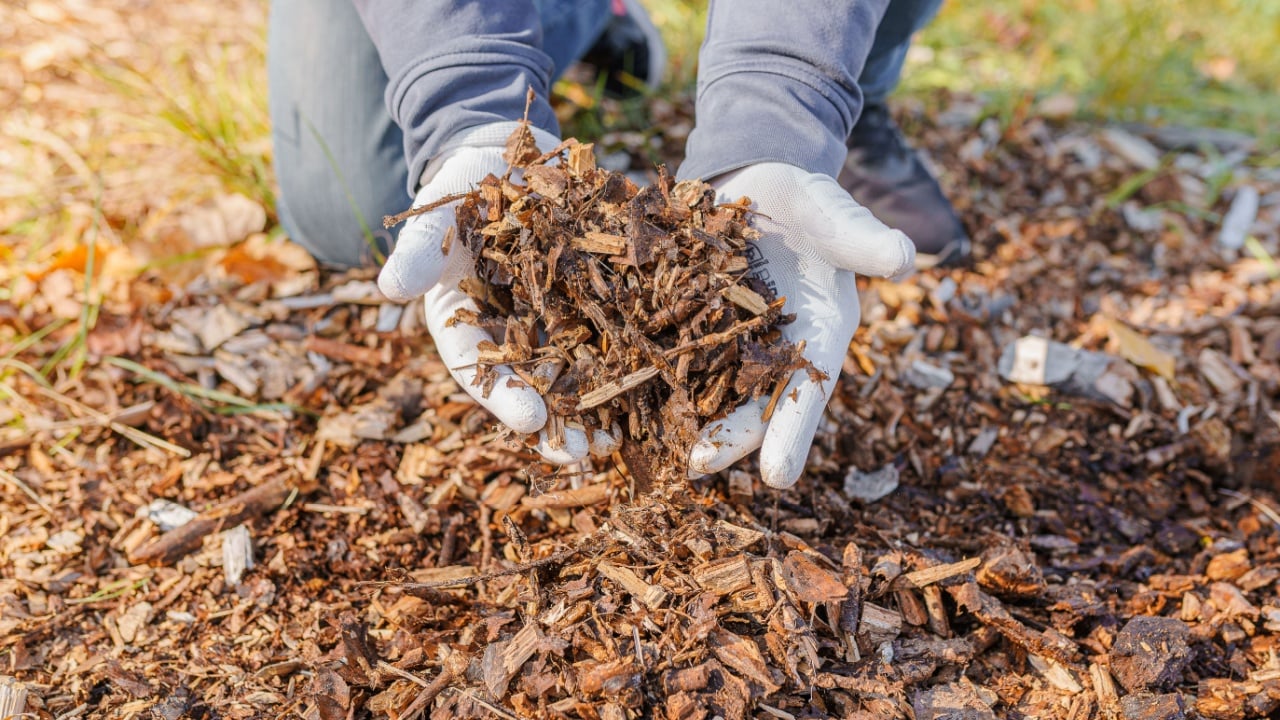
Three inches of wood chips applied to a garden bed in spring does three things simultaneously: it suppresses weeds, retains soil moisture through summer heat, and begins breaking down into soil organic matter that will be feeding your plants by fall. Most gardeners assume wood chips are something you buy. They are not.
Municipal tree trimming crews routinely need to offload chips and will often deliver a full truck load to any willing homeowner for free. The service ChipDrop, available in many metro areas, connects homeowners directly with arborists who need to drop loads.
Fresh wood chips should be layered on top of soil as mulch, not dug into it. Working fresh chips into the soil triggers a nitrogen draw-down as soil microbes work to decompose the carbon-rich material, which can temporarily starve plants of the nitrogen they need. On top of the soil, that process happens at the surface and feeds the bed gradually. Leave the chips on top and let them work their way down naturally over the season.
7. Your City May Already Be Giving Away Free Compost
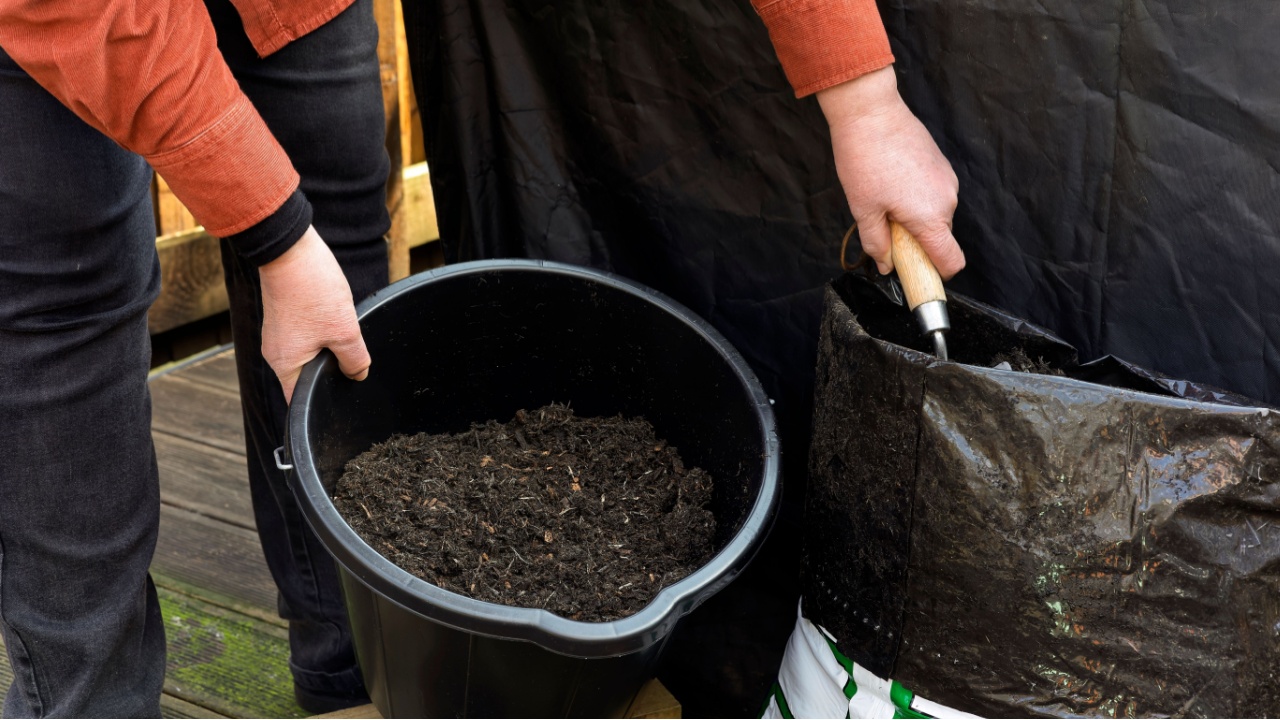
Hundreds of U.S. municipalities distribute finished compost to residents for free, year-round or seasonally, and the vast majority of eligible households never take advantage of it.
New York City’s Compost Giveback program, operated by the Department of Sanitation, distributes free bags of finished compost at borough-based pickup sites from April through September. Berkeley, California, offers free compost year-round at the Berkeley Marina. Philadelphia, Chicago, and Kansas City operate similar programs, and according to Savings Grove, bagged compost costs $8 to $15 per bag at garden centers, which means a single municipal pickup can save $40 to $60 in a single visit.
To find out whether your municipality offers this, search your city or county name alongside the phrase ‘free compost program’ or check your local public works department website. Some programs require registration or proof of residency; most are completely free. The quality is often equivalent to mid-range bagged compost and perfectly suited for top-dressing perennial beds, fruit trees, and established vegetable gardens. If your city doesn’t yet have a program, your county waste management office may offer free compost at drop-off facilities year-round.
8. Cover Crops
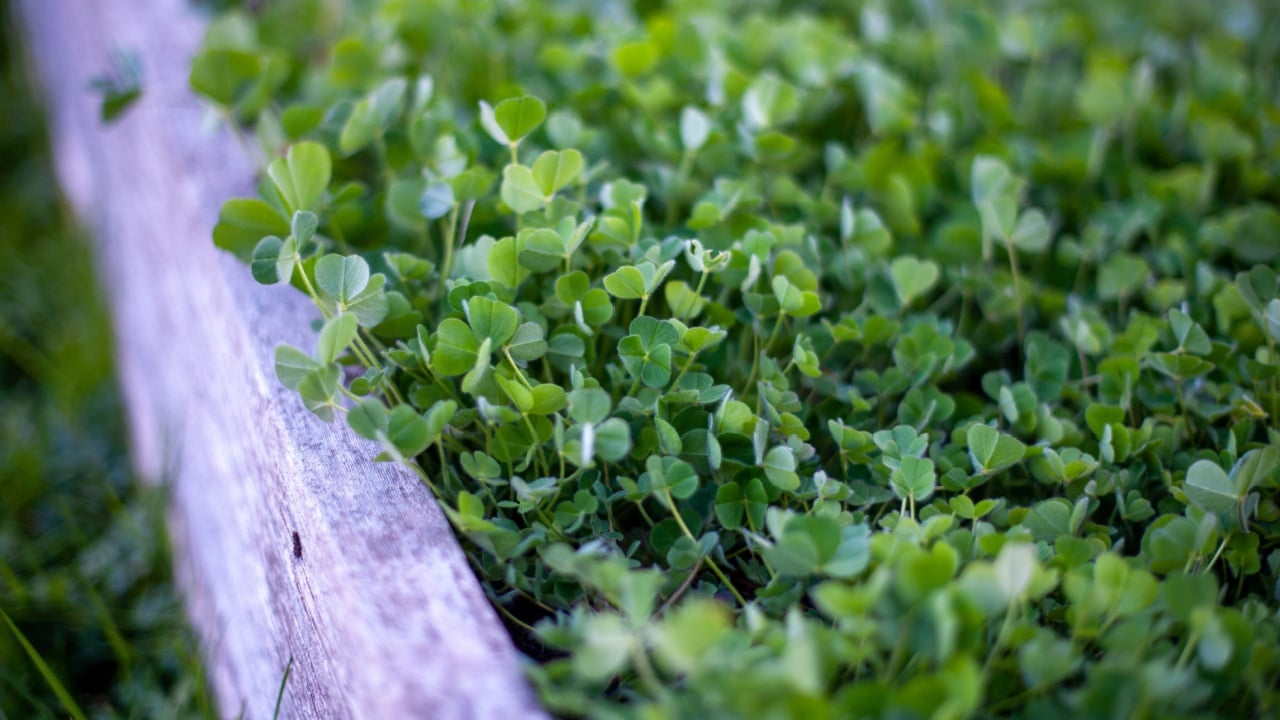
Cover crops are the lowest-effort, highest-return soil amendment available to the home gardener, and they’re rarely mentioned alongside the alternatives to store-bought compost.
Sow clover, buckwheat, phacelia, or winter rye into a resting bed in May, and by fall you’ll have a dense mat of organic matter to cut down and turn under, feeding soil microbes through winter and releasing nutrients in early spring exactly when your seedlings need them most. Legume cover crops, specifically clover and field peas, fix atmospheric nitrogen directly into the soil through root nodules, building fertility that doesn’t require anything you’d purchase in a bag.
For gardeners looking to reduce the physical demands of a high-maintenance garden, cover crops are a genuine set-it-and-forget-it alternative to annual compost applications. The Old Farmer’s Almanac has recommended green manure crops for exactly this reason for more than a century, and the principle hasn’t changed: healthy soil built by plants costs less and lasts longer than soil maintained by purchased inputs.
The Smartest Approach: Combine What You Already Have
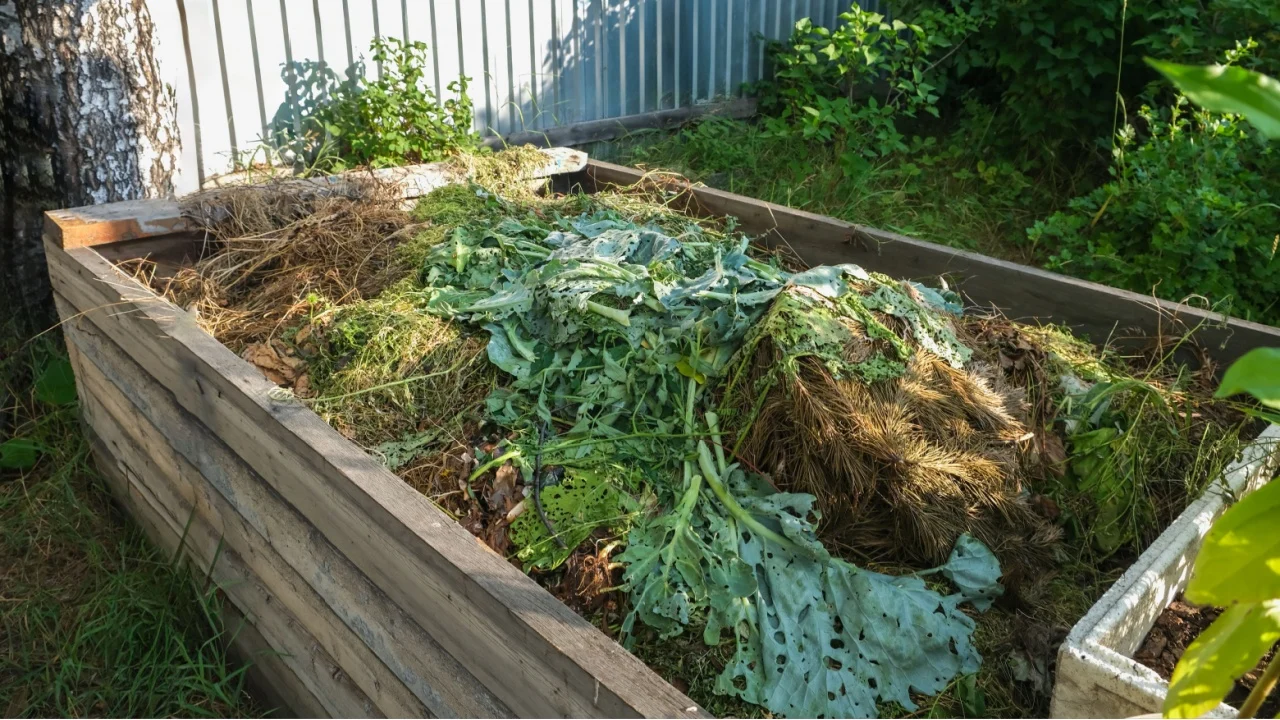
No single alternative replaces every function of finished compost all at once, but a combination of two or three works remarkably well. Coffee grounds for nitrogen and drainage, leaf mold for moisture retention and fungal activity, and either grass clippings or trench composting for organic matter, and you have a complete soil amendment strategy that costs nothing and takes materials most gardeners currently throw away. For raised beds specifically, a top dressing of wood chips and a regular application of grass clipping tea provides both the moisture retention and nitrogen that bagged compost typically delivers.
The one step worth taking this week, before anything else, is checking whether your municipality runs a free compost program. One pickup before Memorial Day could cover all your beds for the season at no cost, freeing the rest of your gardening budget for the things that actually make a difference: great seeds, healthy starts, and the time to enjoy the garden you built.
Read More
Washing Your Lettuce Won’t Remove Cyclosporiasis, But Growing Your Own Will
Your Grandmother Stored These 8 Foods All Winter Without Canning a Single Jar