The 9 Plants Nursery Workers Quietly Add To Their Own Gardens Every Fall
The most beautiful gardens you will see next spring are not being planned in March. They are being planted right now, in the fall, by gardeners who know something most people do not: the perennials that go into the ground this season will come back next year with deeper roots, stronger stems, and more blooms than anything planted in April could ever match.
Fall is, quietly, the best planting season there is. The soil is still warm from summer, the air is cooling to a temperature plants actually enjoy, and pest pressure drops dramatically. Roots can spread and settle without the stress of scorching heat or the urgency of pushing out flowers. It is the closest thing to a head start that gardening offers, and the results show up beautifully the following spring.
“Fall planting is ideal in warm to hot climates because it provides the longest window of good growth conditions before challenging weather sets in,” says Stacey Hirvela, horticulturalist with Proven Winners in Southern Living. By the time your neighbors are browsing nursery aisles next April, your fall-planted perennials will already be waking up with established root systems, ready to put on a show that first-year spring transplants simply cannot compete with.
These nine perennials are the ones experienced gardeners come back to again and again. They are beautiful, resilient, and perfectly suited to fall planting. Put them in the ground this season, and you will have a garden next spring that looks like it has been there for years.
1. Coneflower: The Native That Earns Its Keep for Decades

Coneflower (Echinacea purpurea) belongs in every fall-planted garden, full stop. Hardy in Zones 3 through 9, it is drought-tolerant once established, attracts pollinators all season, and is listed as non-toxic to dogs and cats by the ASPCA. “They hold up in late-summer heat and come back stronger every year,” says Melissa Rolston, gardener and chief strategy officer at Paramount Landscaping in The Spruce. Leave the seed heads standing through winter; they feed finches and add sculptural interest to an otherwise bare garden. A single $8 plant will bloom for 10 years or more.
2. Black-Eyed Susan: The One That Thrives Where Nothing Else Will
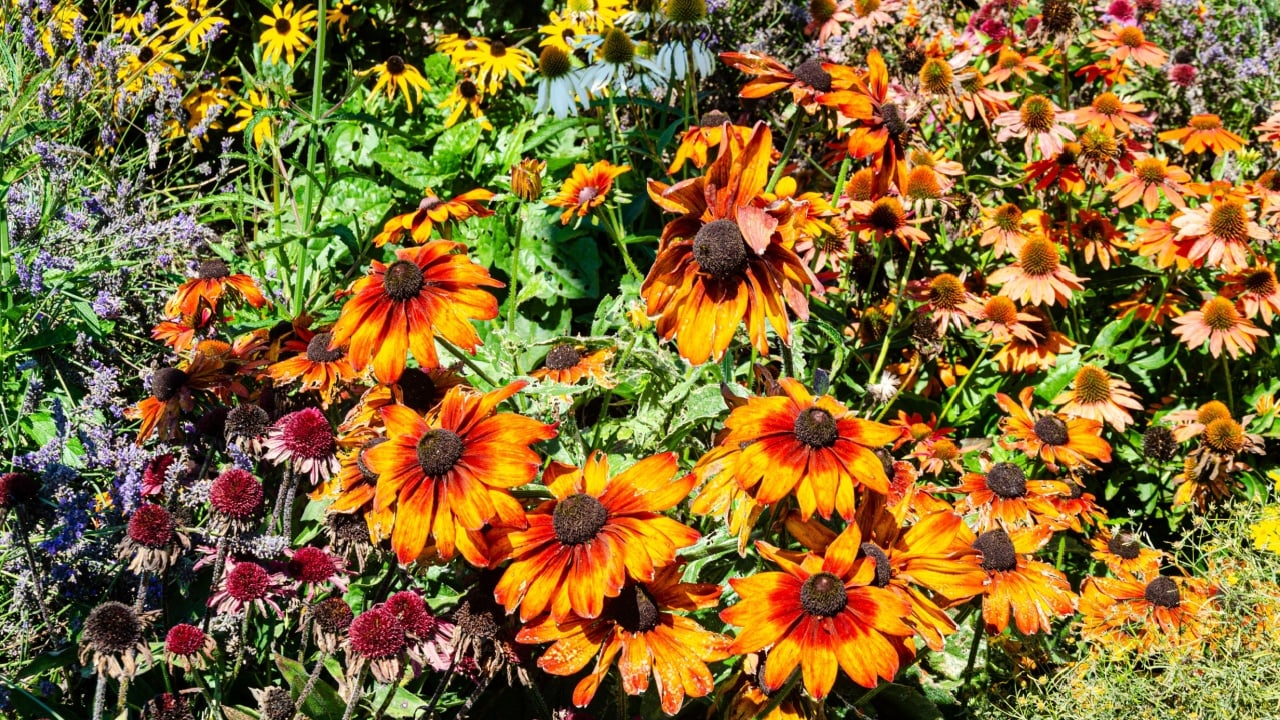
If you have a sunny spot with mediocre soil and no desire to baby a plant, black-eyed Susan (Rudbeckia fulgida) is the answer. It handles poor, dry ground with almost suspicious ease and blooms golden yellow through the entire fall. “These golden beauties handle poor soil like champs and bloom throughout fall,” notes Rolston in The Spruce. No fertilizer needed and no soil amendments required. For gardeners who have learned the hard way that high-maintenance plants are not worth the effort, this one is a revelation.
3. Daylilies: 500 Blooms From a Single Plant
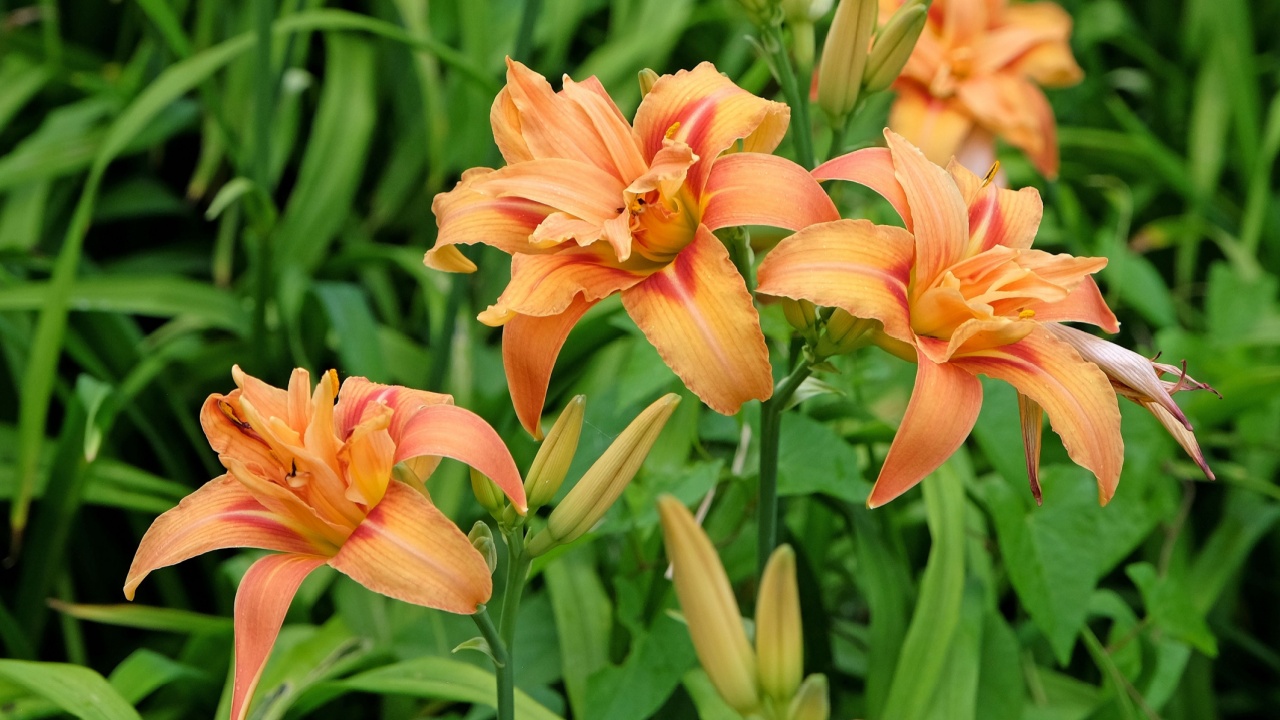
Here is a number that stops most gardeners cold: a single mature re-blooming daylily can produce up to 500 blooms in a season, according to American Meadows. These plants forgive bad soil, missed watering, and even the occasional deer visit. Your grandmother’s garden almost certainly had daylilies, and for good reason; they are one of the few perennials that genuinely thrive on neglect. Fall planting gives them months to root before their first real performance the following summer.
4. Sedum: The Set-It-and-Forget-It Champion
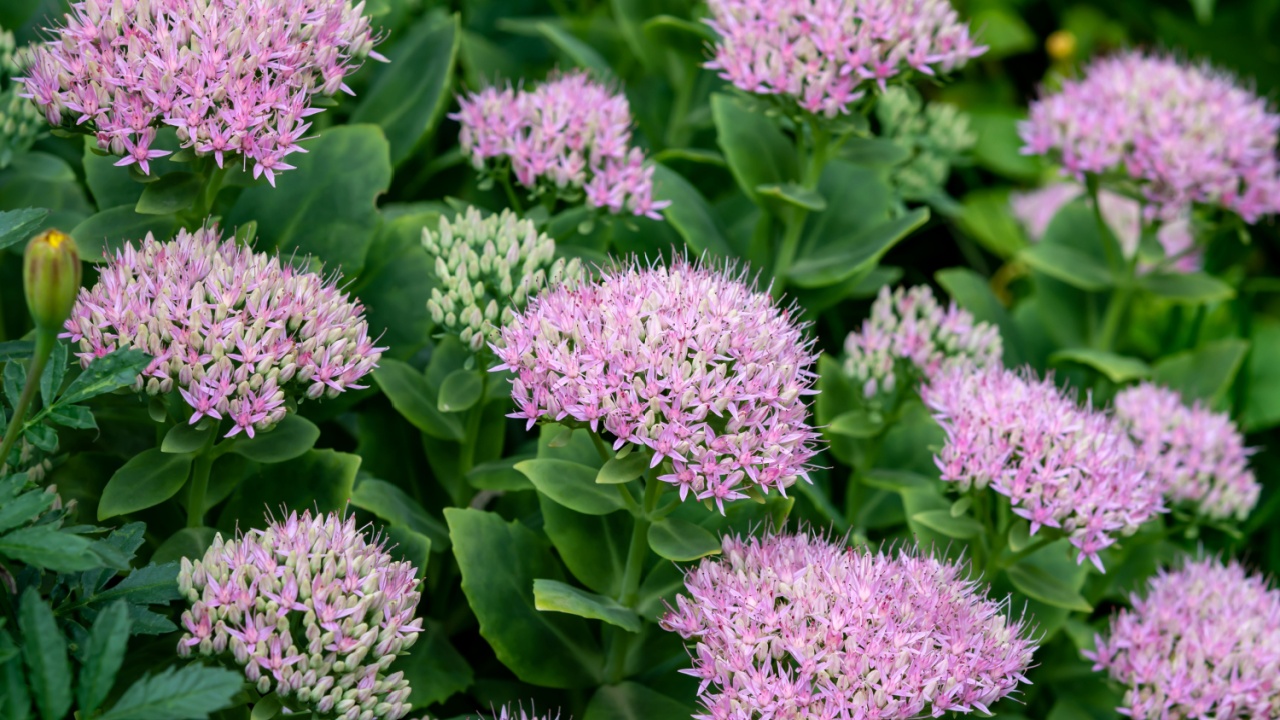
If your garden has a hot, dry corner where everything else has failed, plant sedum. ‘Autumn Joy’ is the classic variety: its flower heads start green, turn pink in late summer, then deepen to rusty copper by fall. The dried heads hold through winter, providing structure when nothing else is standing. Sedum needs no fertilizer, no supplemental watering once established, and no fussing of any kind. It costs almost nothing to maintain. This is the plant that makes experienced gardeners look effortlessly competent.
5. Coral Bells: The Shade Solution Most Gardeners Overlook
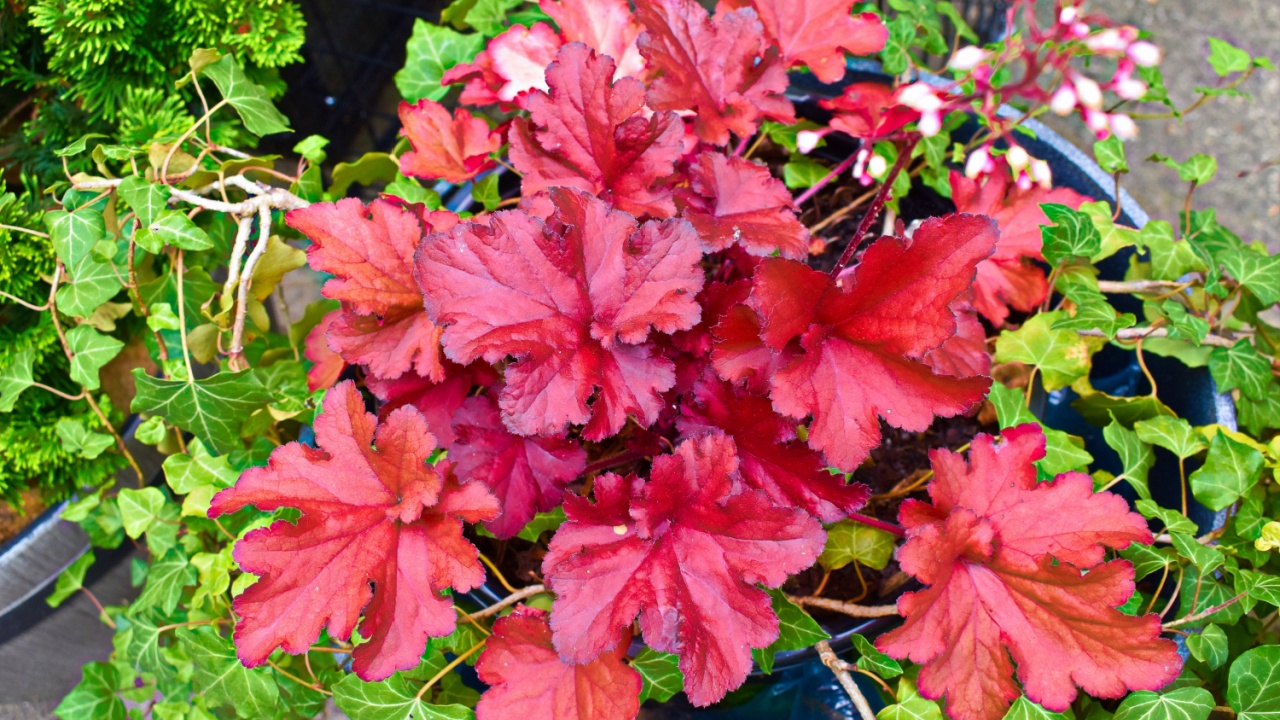
Most perennial lists skew heavily toward sun-loving plants, which leaves gardeners with shady yards feeling left out. Coral bells (Heuchera) solve that problem beautifully. “With a range of colors from chartreuse to pink, silver, and orange, heuchera adds a shot of color to a garden or serves as a backdrop for a star plant,” says Erin Schanen of The Impatient Gardener in Martha Stewart. They are compact enough for containers and borders, and their foliage holds color well into fall when flowers have long since faded.
6. Russian Sage: Plant It Once and Walk Away
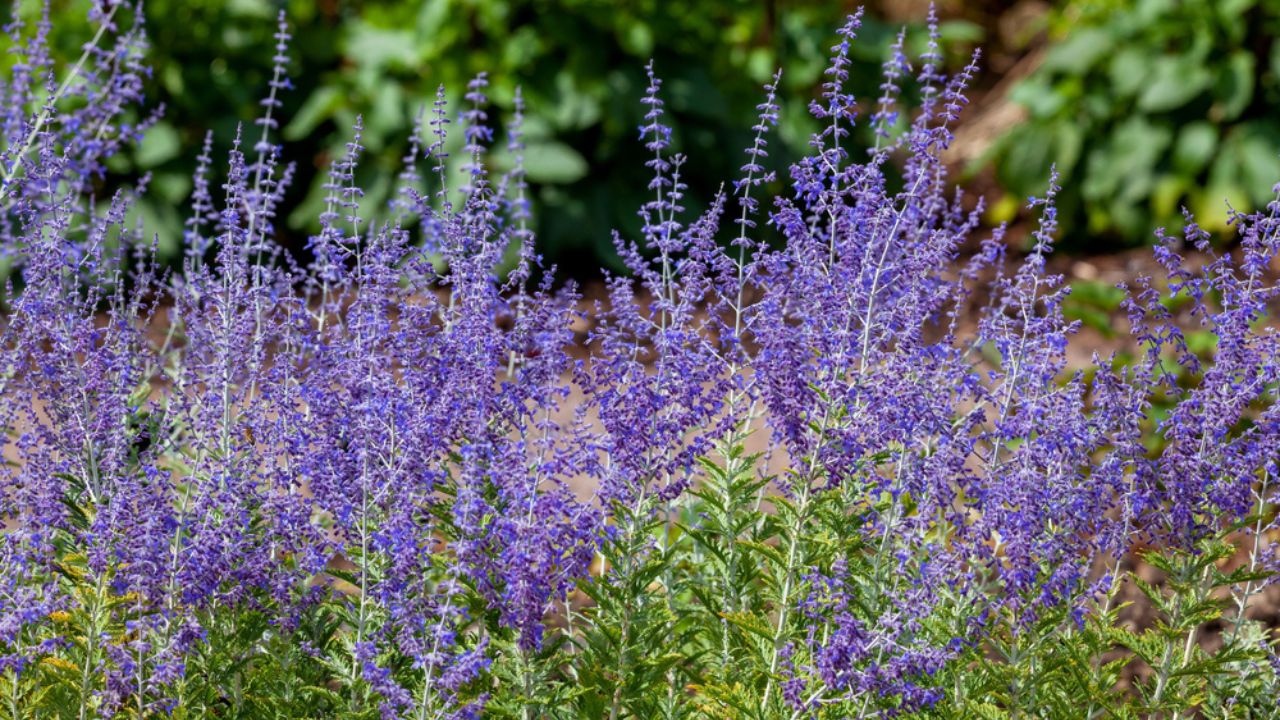
Russian sage is the plant for people who want a gorgeous garden without the work. Its silvery foliage and lavender-blue flower spires look expensive and intentional, but the plant itself needs almost nothing. Lucie Bradley, a greenhouse expert at Easy Garden Irrigation, notes in The Spruce that it is “really low maintenance, only needing to be hard pruned back to the ground in late winter”. Once established, it is drought-tolerant and rarely needs feeding. No fertilizer budget and no watering schedule. Just beauty, year after year, for free.
7. Catmint: Nature’s Own Pest Deterrent
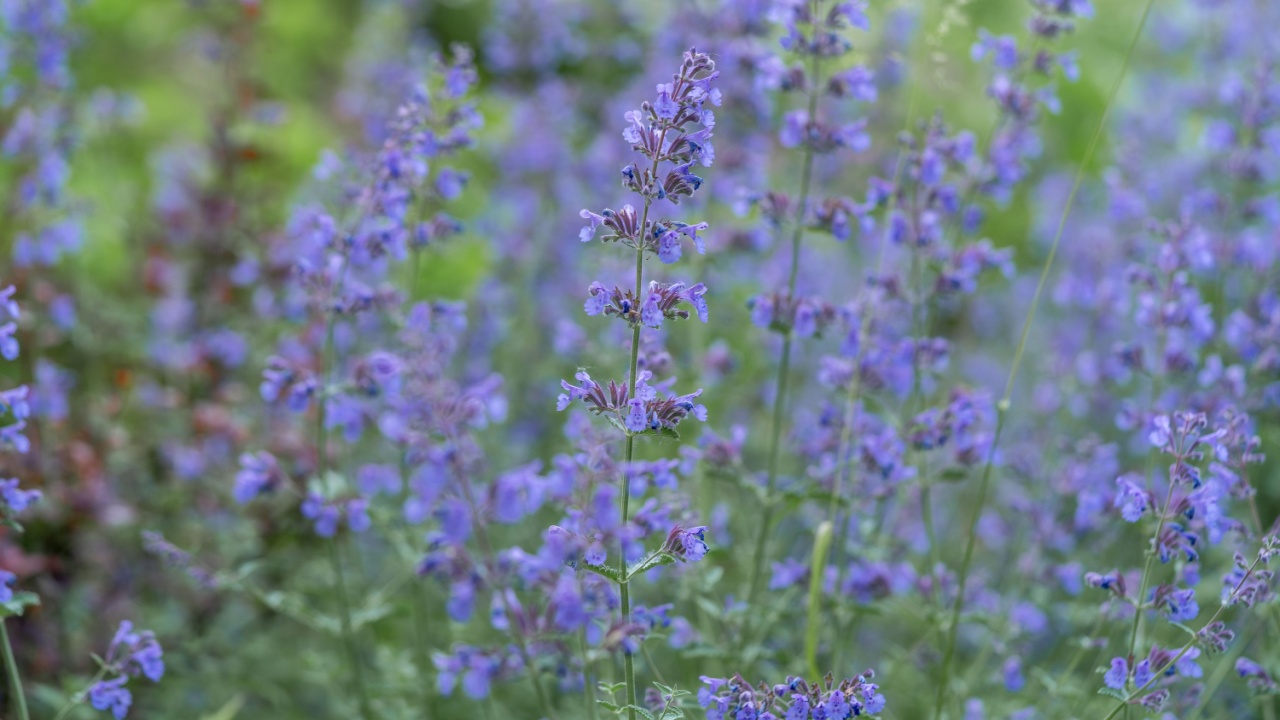
Catmint’s minty, spicy-scented foliage naturally repels deer and rabbits, which means you can stop spending money on chemical deterrents and fencing. It blooms in waves of purple-blue spikes for weeks in mid to late summer, and if you cut the spent flowers back, it will often bloom a second time. Hardy, drought-tolerant, and adaptable to poor soils, catmint is the kind of plant that makes you wonder why you ever bothered with anything fussy.
8. Japanese Anemone: The Late-Season Surprise Nobody Expects
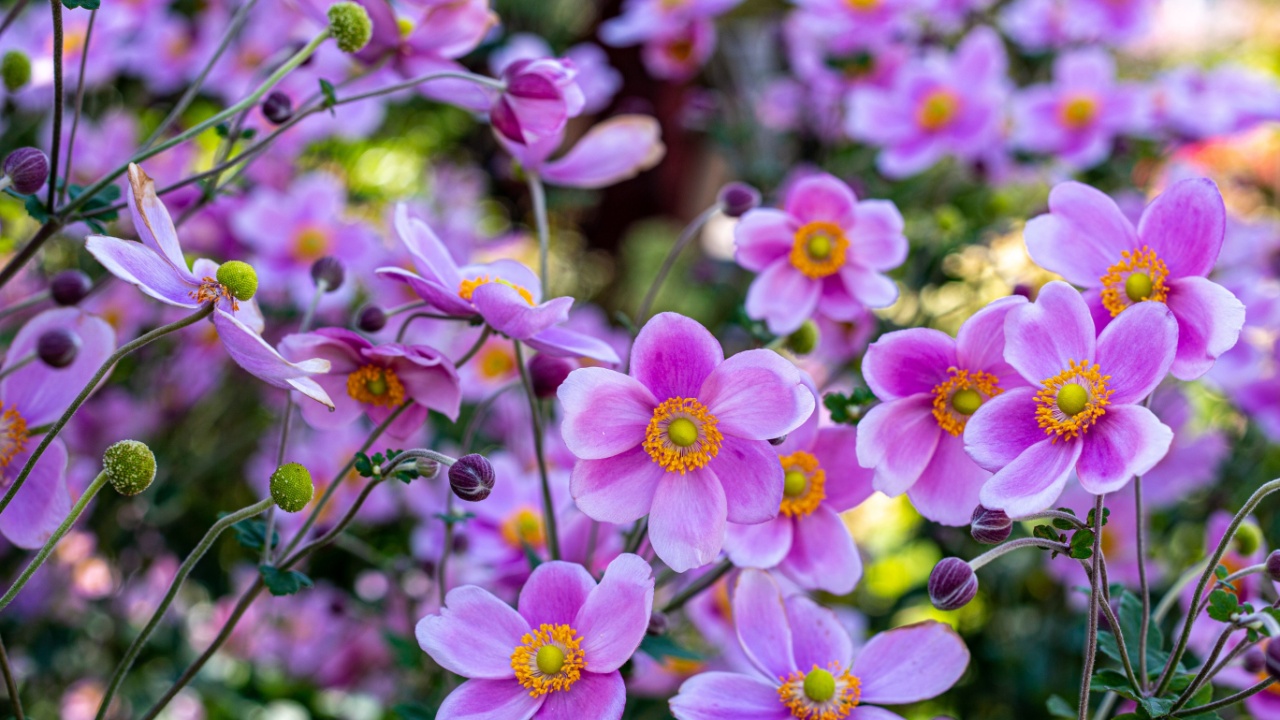
Most gardens look tired by September. Japanese anemones (Anemone hupehensis) refuse to participate in that decline. Their pink or white blooms hover on wiry stems above handsome foliage, bringing grace to partly shaded beds just as everything else is calling it quits. They take a season to settle in, but once happy, they spread gently on their own, filling space for free over time. In a garden of workhorses, this one is the quiet showstopper.
9. New England Aster: The Grand Finale Your Garden Deserves
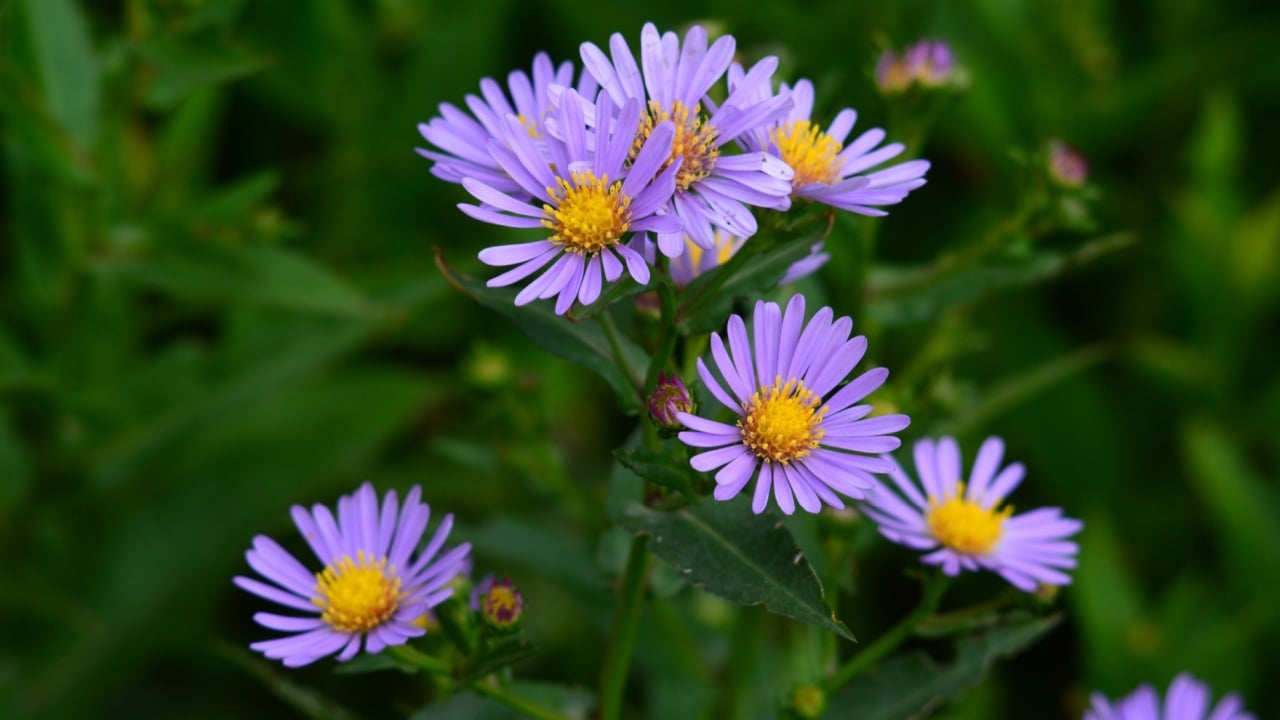
When every other perennial has retired for the season, New England aster (Symphyotrichum novae-angliae) is just getting started. Its purple, pink, or blue flowers arrive in late September and October, feeding monarch butterflies and bees at a time when food sources are running out. A fall garden without asters is like a concert without the encore; technically complete, but missing the part everyone remembers.
The Fall Planting Mistake That Costs Gardeners Hundreds
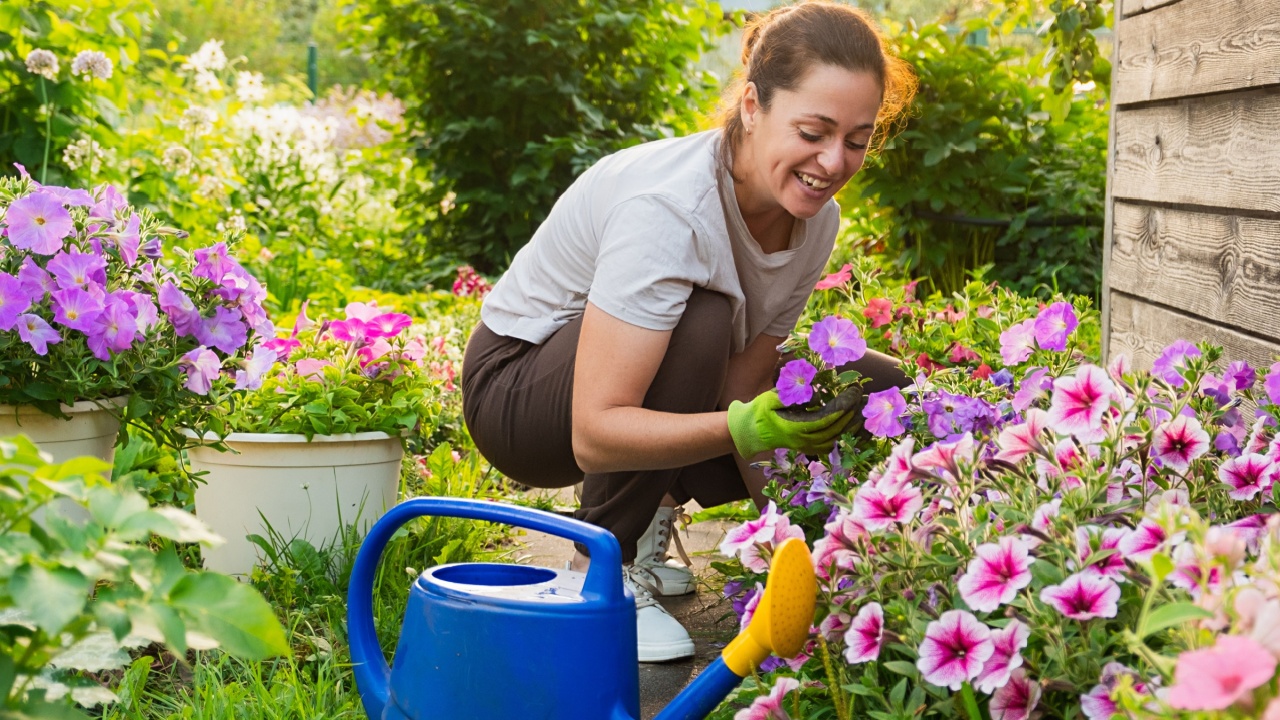
The villain in fall planting is not cold weather. It is neglect. The three most common mistakes are planting too late (roots need at least six weeks of growing conditions before the ground freezes), skipping watering after planting (plants die from drying out, not from cold), and volcano mulching, which means piling mulch against stems and crowns until they rot. Mulch around the base, not against it; two to three inches is plenty.
The best-kept secret in fall planting is the price. Nurseries mark down perennials 30 to 50 percent in late summer and early fall to clear stock before winter. The plants are perfectly healthy; they are just not as photogenic as they were in June. Experienced gardeners know this and shop accordingly. A $12 coneflower in May is a $6 coneflower in September, and it will perform identically.
Read More
Washing Your Lettuce Won’t Remove Cyclosporiasis, But Growing Your Own Will
Your Grandmother Stored These 8 Foods All Winter Without Canning a Single Jar