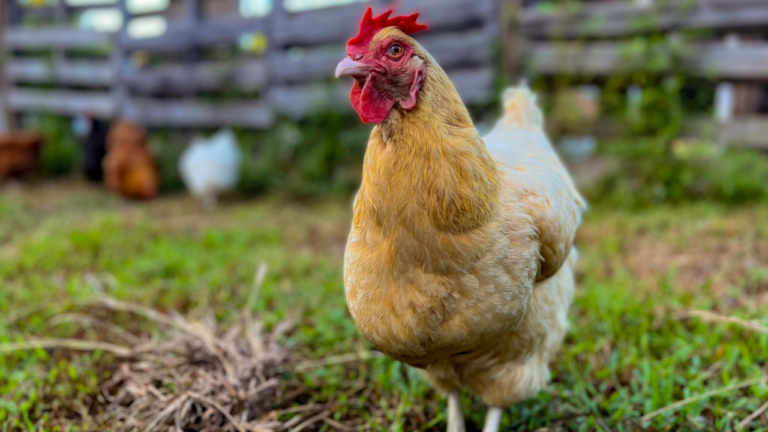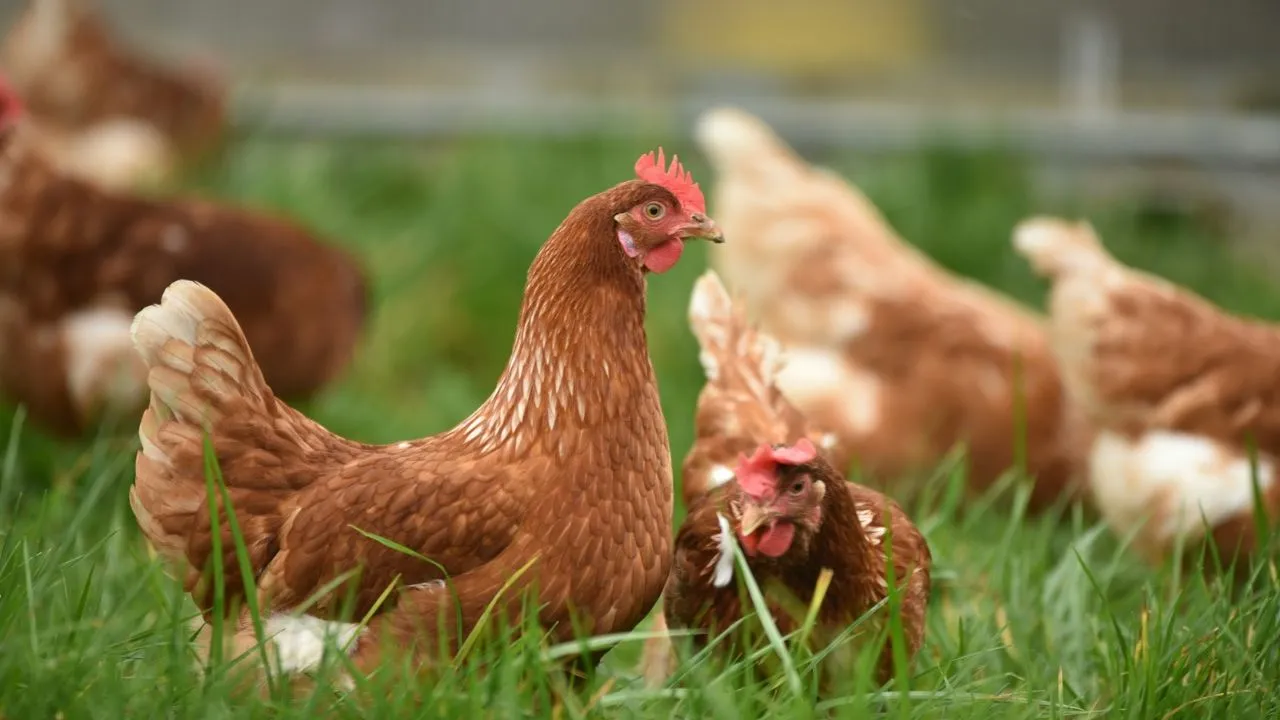
Stop Buying Fertilizer: 7 Reasons to Add Chickens to Your Garden Setup This Fall
The average American gardener spends over $300 a year on fertilizer, pesticides, and soil amendments, and most of it ends up doing a worse job than a half-dozen hens scratching around the yard for free. Chicken manure is one of the most nutrient-dense organic fertilizers on the planet, and the birds that produce it also eat the bugs, till the soil, and turn your kitchen scraps into next season’s garden gold.
The gardeners who rush in without doing their homework end up with shredded garden beds, fines from the city, and neighbors who will never speak to them again. The CDC reported ongoing salmonella outbreaks linked to backyard poultry in 2026, with over a quarter of cases in children under five. Chickens are not a casual weekend project. They are a system, and systems only work when you understand the rules first.
Fall is the smartest time to make this decision. Start planning now, build the coop over winter, establish your composting system by early spring, and have your first batch of chicken-enriched soil ready for April planting. If you have been gardening for 20 years and still hauling bags of synthetic fertilizer every March, this is the year to stop. A flock of four to six hens gives you free fertilizer, free pest control, natural tilling, and four to six fresh eggs a day, all for the cost of a bag of feed every few weeks.
Here are seven reasons experienced gardeners are adding chickens to their setup this fall, and the lessons that separate the ones who thrive from the ones who wish they had never started.
1. They Replace $300+ in Fertilizer, Pesticides, and Soil Amendments
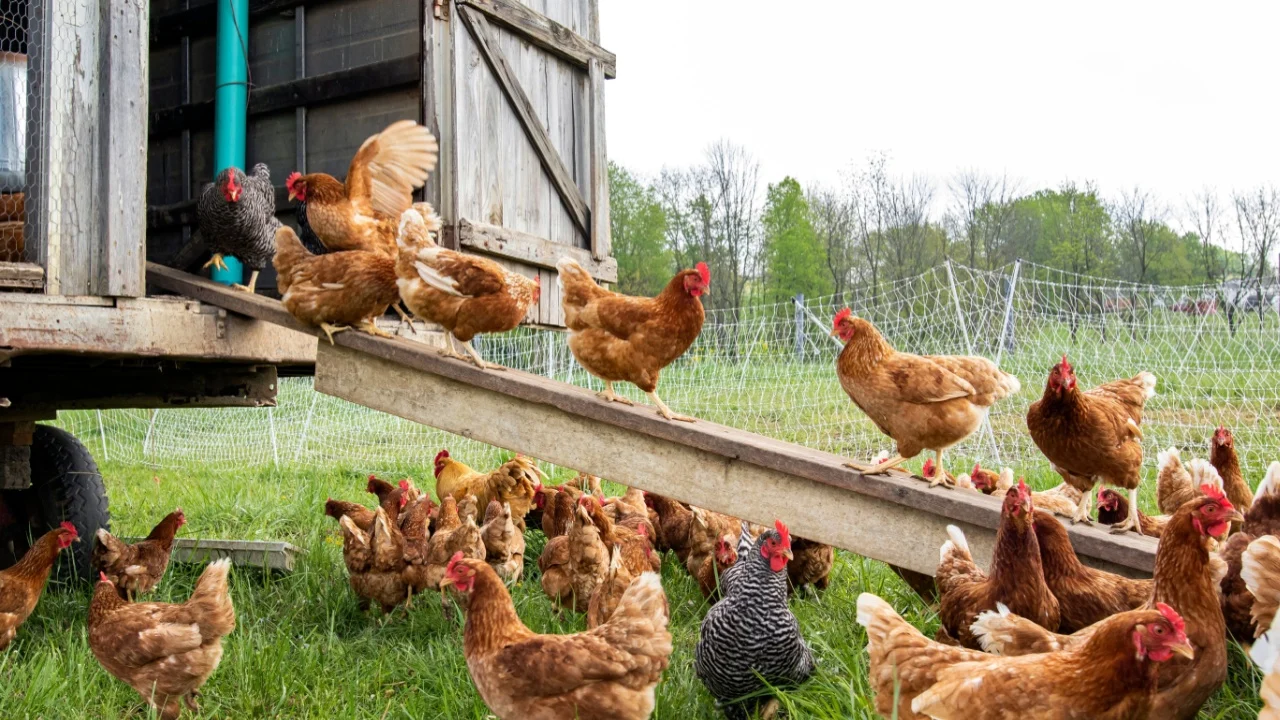
Chicken manure is so rich in nitrogen and phosphorus that fertilizer companies charge $15 a bag for inferior versions. A backyard flock produces it daily, for free. “Chicken manure is hands-down the best fertilizer a gardener can get,” writes Lisa Steele of Fresh Eggs Daily, in an interview with Joe Gardener. “Composted properly, it outperforms anything you can buy at a garden center.”
The deep litter method, where bedding and manure compost inside the coop over winter, gives you spring-ready soil amendment without lifting a finger. Chicken manure tea replaces $50 or more in liquid fertilizer per season. Gardeners who switch report eliminating commercial fertilizer purchases entirely.
2. They Do the Tilling and Weeding for You
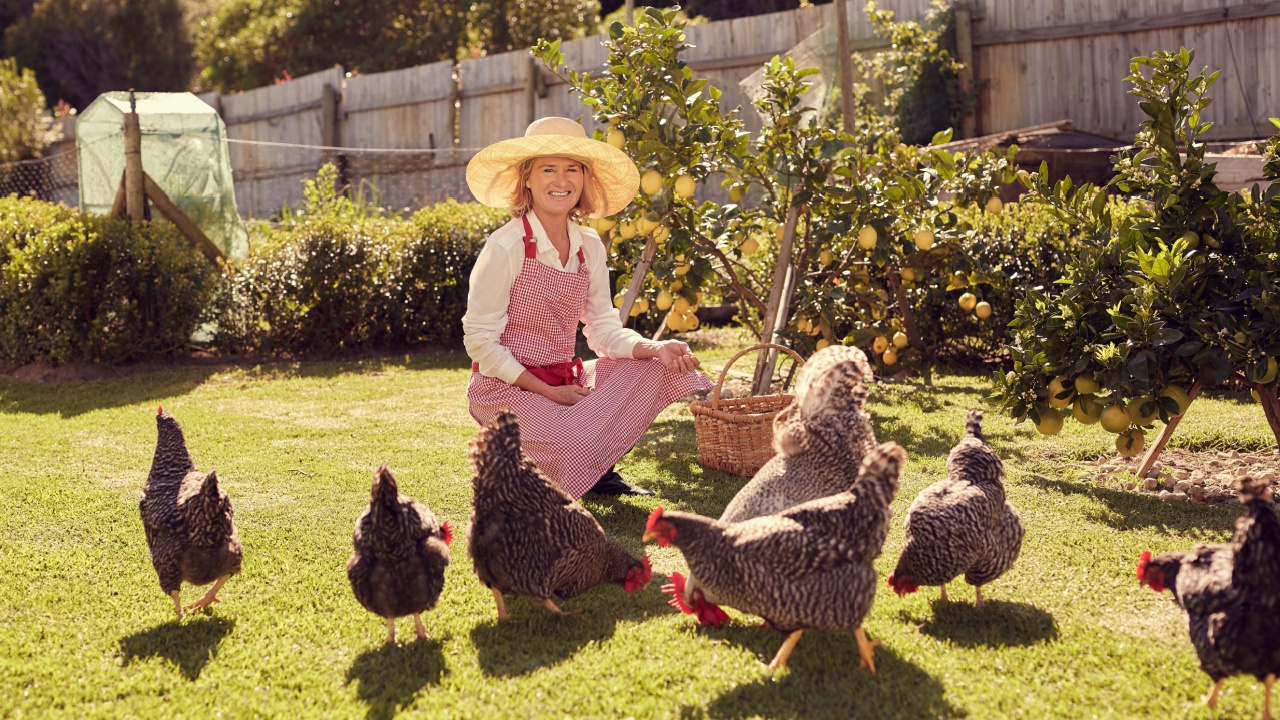
The gardeners with the best soil never own a rototiller. Chickens scratch and dig instinctively, breaking up compacted earth and working organic matter into the top layer without machinery. Let a flock loose on a weedy patch for a week or two, and they will clear vegetation, turn the soil, and leave behind natural fertilizer.
“Chickens are the best garden prep crew you’ll ever find,” notes GrowVeg. “They’ll clear a new bed faster than most people can manage with a spade.” For gardeners in their 50s and 60s who are tired of the physical toll of spring bed preparation, this is not a small thing. The chickens do the work while you plan where to plant.
3. They Eliminate Garden Pests Without a Single Chemical

A foraging hen devours slugs, grubs, beetles, ticks, crickets, grasshoppers, and even small snakes; all creatures gardeners fight with sprays and granules that cost money and leave residues on food crops. Multiple gardeners report that Japanese beetle infestations were eliminated within one season of targeted chicken foraging.
The tick reduction alone is significant. The CDC estimates over 476,000 Americans are diagnosed with Lyme disease each year, and backyard chickens significantly reduce tick populations wherever they free-range. According to The Beginner’s Garden, “chickens are one of the most effective natural pest control methods available to home gardeners.”
4. Free-Range Eggs Cost Less Than Store-Bought Organic
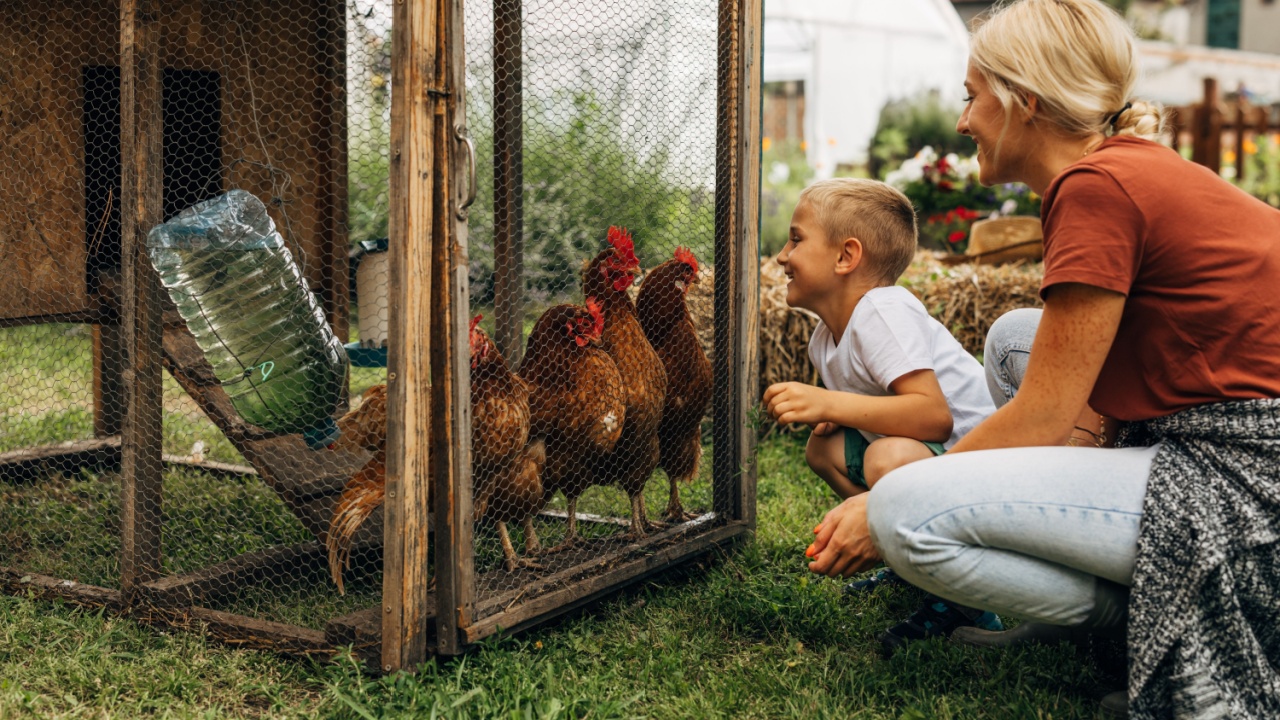
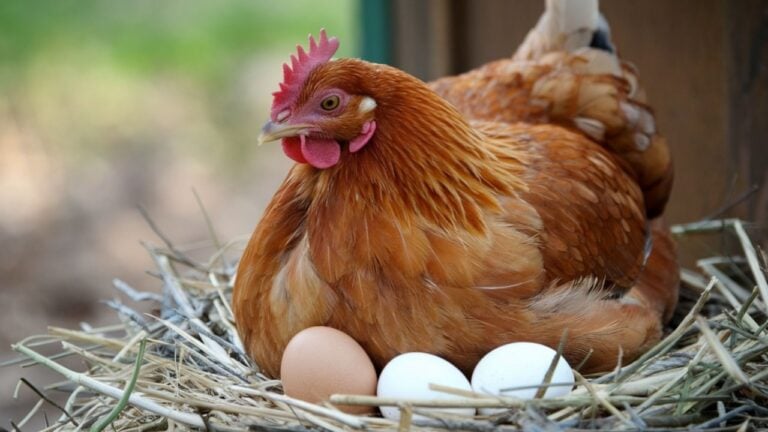
Your grandmother never bought eggs from a store, and her garden was better for it. A flock of four to six hens produces enough eggs for most families year-round, and those eggs are more nutritious; studies show free-range eggs contain more Vitamin A, Vitamin E, and Omega-3s with less cholesterol than commercial cage-raised eggs.
Backyard eggs cost roughly $3 to $6 per dozen, factoring in feed, compared to $4 to $8 for organic at the store. “The savings add up quickly,” writes the Cincinnati Mom Collective, “especially once your hens are established and foraging.” When you add fertilizer savings, pest control, and the reduced grocery bill, the chickens-plus-garden combination can cut $50 to $100 off your monthly spending.
5. They Turn Your Kitchen Scraps Into Next Season’s Soil

Every vegetable peel, bread crust, and garden trimming you toss into the chicken run comes back as manure, which comes back as compost, which comes back as food. This closed-loop system is the foundation of permaculture design. Abundant Permaculture recommends “placing chicken runs adjacent to orchards and gardens to create a self-sustaining cycle where chickens control pests while fertilizing the soil.”
Even the byproducts are useful. Molted feathers provide slow-release nitrogen; commercial feather meal is an expensive product you get for free. Crushed eggshells supply calcium to the soil, exactly what tomatoes and peppers need to prevent blossom end rot. Stop buying calcium supplements at the garden center.
6. The Setup Costs Less Than You Think

A basic backyard chicken setup runs $250 to $1,000 for the coop, run, feeders, waterers, and fencing. That sounds steep until you realize the annual savings in fertilizer, pest control, and eggs recoup it within 18 months. By year two, the annual cost drops dramatically.
But here is the villain in this story: unsupervised garden access. A chicken can destroy a mulched bed in under 10 minutes. They will dig up seedlings, scatter mulch, and excavate craters in raised beds if you let them roam freely. “Chickens can’t be trained to avoid areas the way dogs can,” warns Joe Gardener. “Physical barriers are the only thing that works.” Chicken tunnels along garden perimeters are the proven compromise, letting birds patrol for pests without ever touching planted beds. Portable chicken tractors allow targeted grazing exactly where you need it. The gardeners who succeed design the system before the first chick arrives.
But Here’s What Nobody Tells You Before You Start

Most homeowners do not realize that their city, county, or HOA may prohibit or restrict backyard chickens entirely. Fines for keeping an illegal flock range from $50 to over $500 per violation, and forced removal is common. Roosters are banned in most urban and suburban areas, and even quiet hens have triggered neighbor complaints over smell, noise, and property value concerns. “Check your local ordinances before you buy a single thing,” advises Cincinnati Mom Collective. “The last thing you want is to fall in love with your flock and then be told to get rid of them.”
The predator threat is real. Hawks, raccoons, foxes, coyotes, and neighborhood dogs all target backyard flocks, and experienced keepers say losses are not a question of “if” but “when.” Trail cameras near coops have become standard practice. The CDC’s 2026 backyard poultry salmonella data is another serious consideration: always wash your hands after handling chickens, never let children kiss or snuggle the birds, and keep the flock away from nightshade plants like tomatoes, peppers, and eggplant, which are toxic to them. The gardeners who do this well are the ones who learned the rules before they built the coop, not after they lost a bird or got a letter from the city.
The Smartest Garden Upgrade You’ll Make This Year
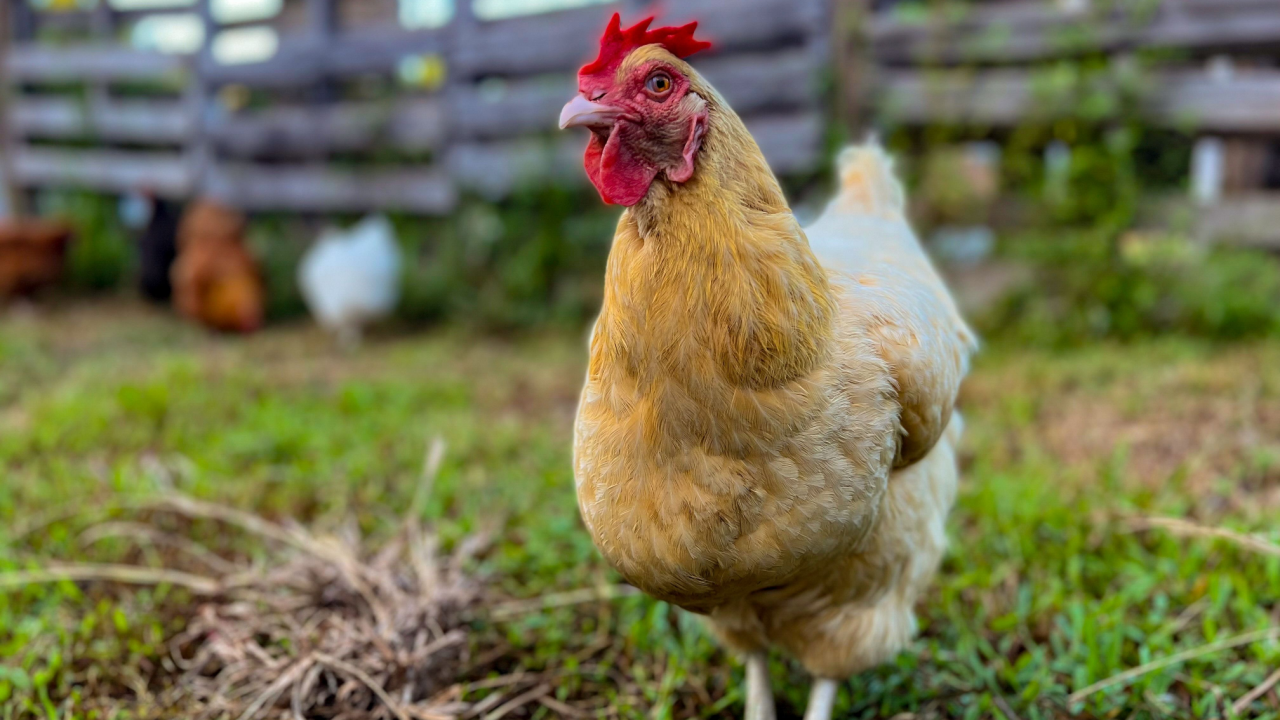
Your grandmother did not need a garden center because she had a chicken coop. She did not buy pesticides because the hens ate the bugs. She did not haul bags of fertilizer because the manure pile did the work. After decades of the gardening industry selling us products that a small flock replaces for free, experienced gardeners are circling back to the setup that worked for generations. Adding chickens to your garden is not a trend; it is a return to what worked. Start this fall, do the homework first, and by next spring, the only thing you will wonder is why you waited so long.
Read More
Washing Your Lettuce Won’t Remove Cyclosporiasis, But Growing Your Own Will
Your Grandmother Stored These 8 Foods All Winter Without Canning a Single Jar