The 5 Best Ways to Refresh the Air After Frigid Indoor Days and Viruses
Being cooped up indoors during a cold snap or while nursing a household through a round of sickness can leave your home feeling a little stale. That closed-in feeling often comes with lingering odors and an invisible layer of airborne irritants.
This guide will walk you through six methods to clear out the old and welcome in the new.
1. Open Your Windows

The simplest solutions are often the most effective. Opening your windows for just 10 to 15 minutes a day allows for a complete exchange of air, pushing out pollutants that have built up inside. This practice, sometimes called “house burping,” is a great way to dilute indoor contaminants like dust, pet dander, and lingering germs. It helps reduce moisture that can lead to mold and disperses the carbon dioxide we exhale, which can cause headaches and drowsiness in high concentrations.
Even during colder months, this brief ventilation is beneficial. A short period of open windows will not drastically lower your home’s temperature, but it will significantly improve the quality of the air you breathe. Consider doing this in the morning as you start your day or in the afternoon when temperatures are typically at their peak.
2. Introduce Natural Scents
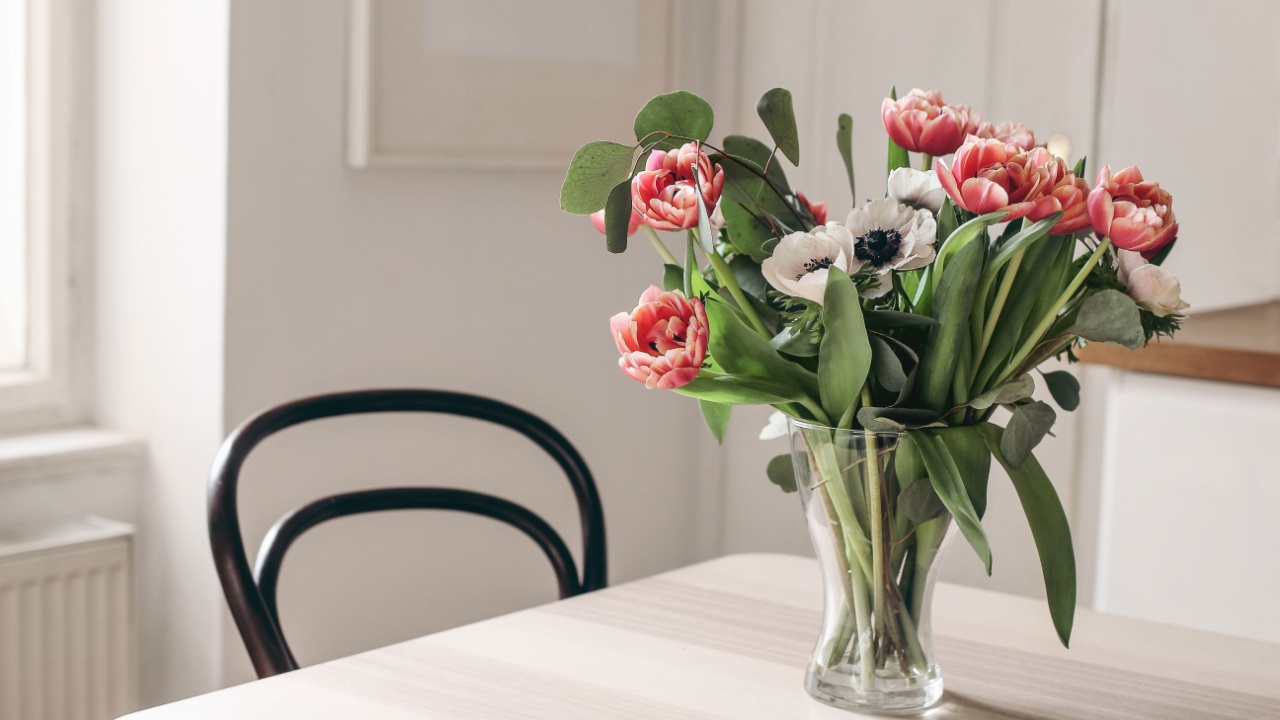
Instead of masking stale air with artificial fragrances, which can introduce more chemicals into your home, try using natural sources of pleasant aromas. A vase of fresh flowers, like eucalyptus or lavender, can lightly perfume a room while adding a touch of natural beauty. Another option is to simmer a pot of water on the stove with citrus peels, cinnamon sticks, or herbs like rosemary.
Essential oil diffusers offer another way to bring natural scents indoors. Oils such as lemon, peppermint, or tea tree have purifying properties and can create an uplifting atmosphere. A few drops are all it takes to fill your space with a clean, natural fragrance. This method smells wonderful and adds a bit of humidity to dry winter air.
3. Declutter and Clean Surfaces

Clutter does more than just make a space feel chaotic; it traps dust and odors. Piles of mail, stacks of magazines, and general disarray create more surfaces for dust particles and allergens to settle. Regularly clearing away these items removes their hiding spots and makes it easier to clean the surfaces underneath. A tidy space inherently feels fresher and more open.
Once you have decluttered, thoroughly clean hard surfaces. Wipe down countertops, tables, shelves, and even walls with a simple cleaner. This physically removes the dust, grime, and microscopic particles that contribute to poor air quality and musty smells. Focusing on high-traffic areas like the kitchen and living room will make a noticeable difference in how clean the air feels.
4. Care for Your Soft Furnishings

Fabrics are notorious for absorbing and holding onto odors from cooking, pets, and general daily life. Items like curtains, cushion covers, and throw blankets can trap smells and dust, releasing them back into the air whenever they are disturbed. Taking the time to wash these textiles can dramatically refresh a room. Most fabric items can be machine-washed, which effectively removes any lingering unpleasantness.
For items that cannot be easily washed, like upholstered furniture or large rugs, airing them out is a good alternative. If possible, take cushions or smaller rugs outside and let them sit in the sun and fresh air for a few hours. The sunlight has natural sanitizing properties, and the breeze will help dissipate any trapped odors. You can also use a vacuum with an upholstery attachment to pull dust and dander from deep within the fibers.
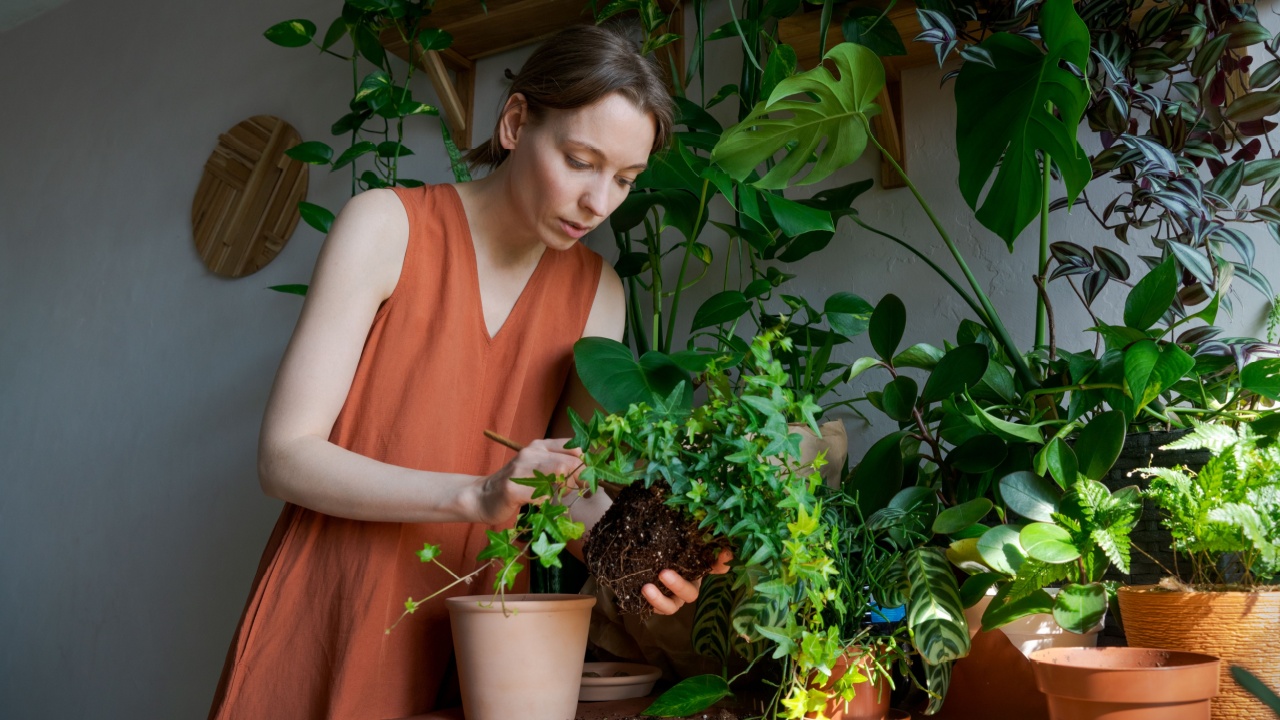
5. Add Houseplants to Your Space

Bringing plants indoors is a fantastic way to naturally improve air quality. Through the process of photosynthesis, plants absorb carbon dioxide and release oxygen. Some plants are particularly skilled at filtering common indoor air pollutants, such as formaldehyde and benzene, which can be found in furniture, paints, and cleaning products.
Spider plants, snake plants, and pothos are all hardy, low-maintenance options that are known for their air-purifying abilities. Beyond their air-cleaning benefits, houseplants add life and visual appeal to a room. Tending to them can be a relaxing activity, connecting you with a bit of nature even when you are stuck inside.
Keep the Freshness Flowing
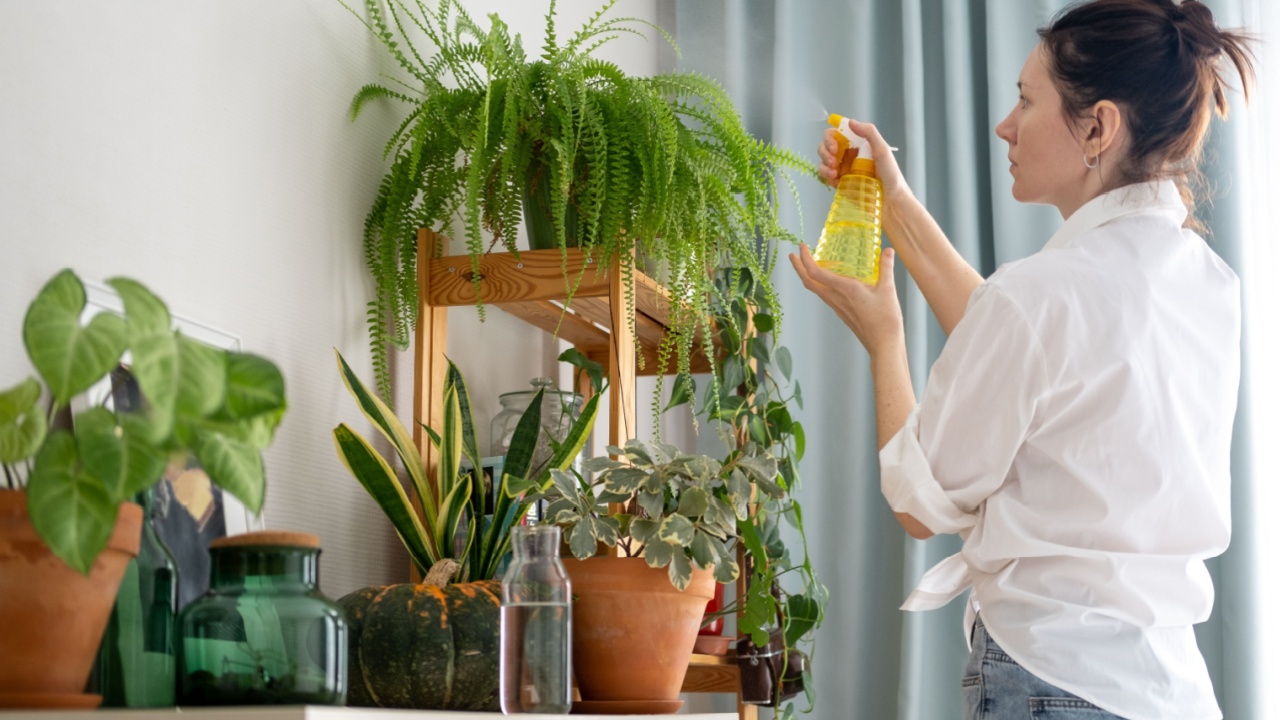
If your living room is starting to smell more like last week’s leftovers and less like a sanctuary, it’s time for a little routine overhaul. Work these six habits into your daily and weekly groove: toss open those windows while you check the morning weather, give your couch cushions a regular shake out, and send your plants some loving side-eye on the way to your coffee pot. Notice a pile creeping up on the counter? Sweep it away before it earns permanent residence.