4 Kitchen Countertops Consumers Regret the Most
Kitchen renovations involve massive decisions and significant financial investments. Homeowners often spend hours staring at samples in a showroom, imagining how a specific surface will transform their cooking space. It is easy to fall in love with a shiny square of stone or wood without understanding the daily maintenance required to keep it looking pristine.
A material might look beautiful in a magazine spread yet fail miserably under the pressure of hot pans, spilled wine, and sharp knives. Understanding the drawbacks of popular choices saves money and frustration down the road. Here are four materials that frequently lead to buyer’s remorse.
1. Marble
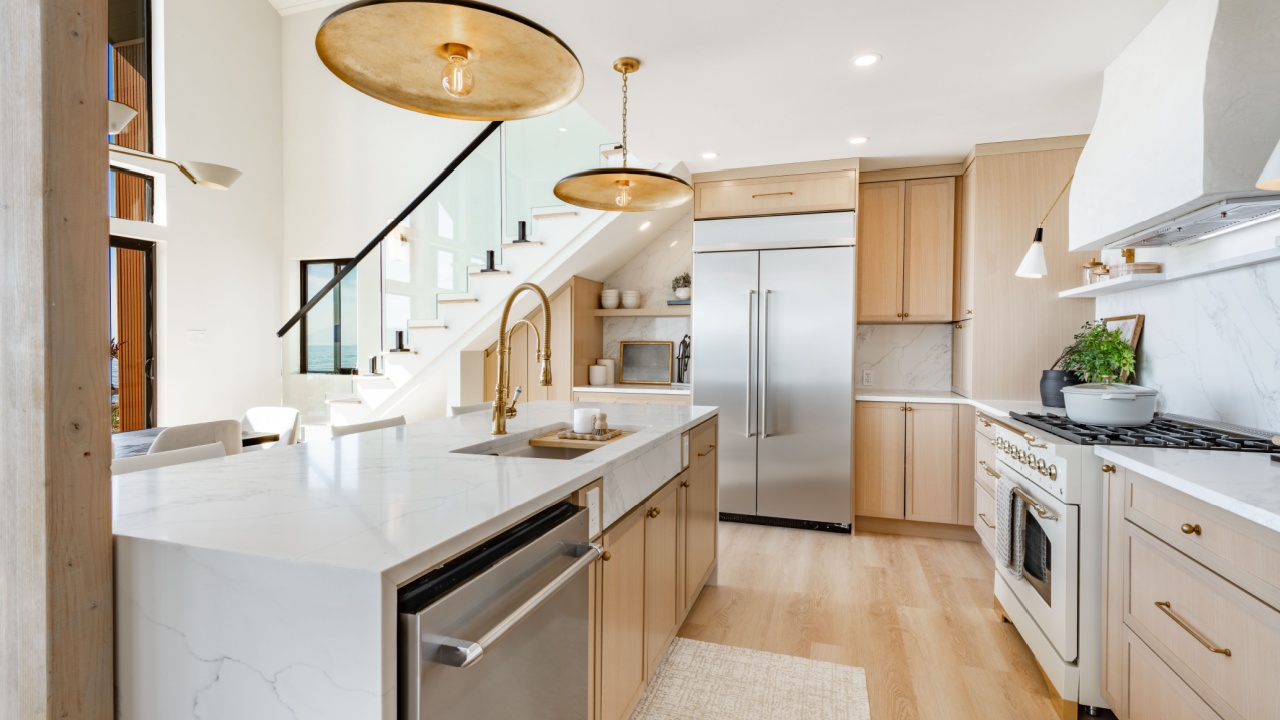
Marble offers undeniable elegance and brightness to a kitchen, screaming luxury in a way few other materials can match. However, this natural stone functions essentially like a sponge waiting to absorb every spill. Lemon juice, tomato sauce, and red wine leave permanent etch marks on the surface almost instantly. Keeping it flawless requires constant vigilance and frequent sealing, which quickly becomes a tedious chore for a busy household.
Homeowners who accept the inevitable patina might enjoy marble for many years. Those who desire a consistently perfect surface often find themselves frustrated by every new scratch and stain. Using marble in a low-traffic area or strictly as a baking station works better than covering the entire kitchen with it. If perfection is mandatory for your peace of mind, looking for a durable alternative is a smarter move.
2. Concrete

Industrial aesthetics remain popular for modern homes, and concrete countertops fit this style perfectly with their raw and edgy appearance. Sadly, this material is prone to cracking as a house settles, creating permanent fissures that ruin the smooth look. Hairline fractures appear unexpectedly and can grow larger over the years, turning a sleek design element into a source of stress. The porous nature of concrete also means it soaks up liquids and oils rapidly.
Keeping concrete looking good demands regular waxing and sealing, similar to maintaining a stone floor. Even with protection, odd spots and shadows develop where wet glasses sit too long. This material is heavy and often requires reinforced cabinetry to support the weight, adding hidden costs to the installation. Unless a rustic and worn appearance is the objective, the maintenance level usually outweighs the visual appeal.
3. Butcher Block

Wood countertops bring warmth and texture into a cooking space, softening the hard lines of stainless steel appliances. The problem arises when water and sharp blades come into play near the surface. Wood swells and warps when exposed to moisture, making it a poor choice for areas around sinks or faucets. Bacteria also find a happy home in the cuts and gouges left by knives, creating sanitation concerns.
Regular oiling is non-negotiable to keep the wood from drying out or cracking. While sanding out scratches is possible, it adds another labor-intensive chore to the list of household duties. Using a butcher block for a dry island surface is a safer bet than installing it in wet zones. Homeowners seeking a low-maintenance kitchen usually find wood to be too much trouble for daily use.
4. Laminate
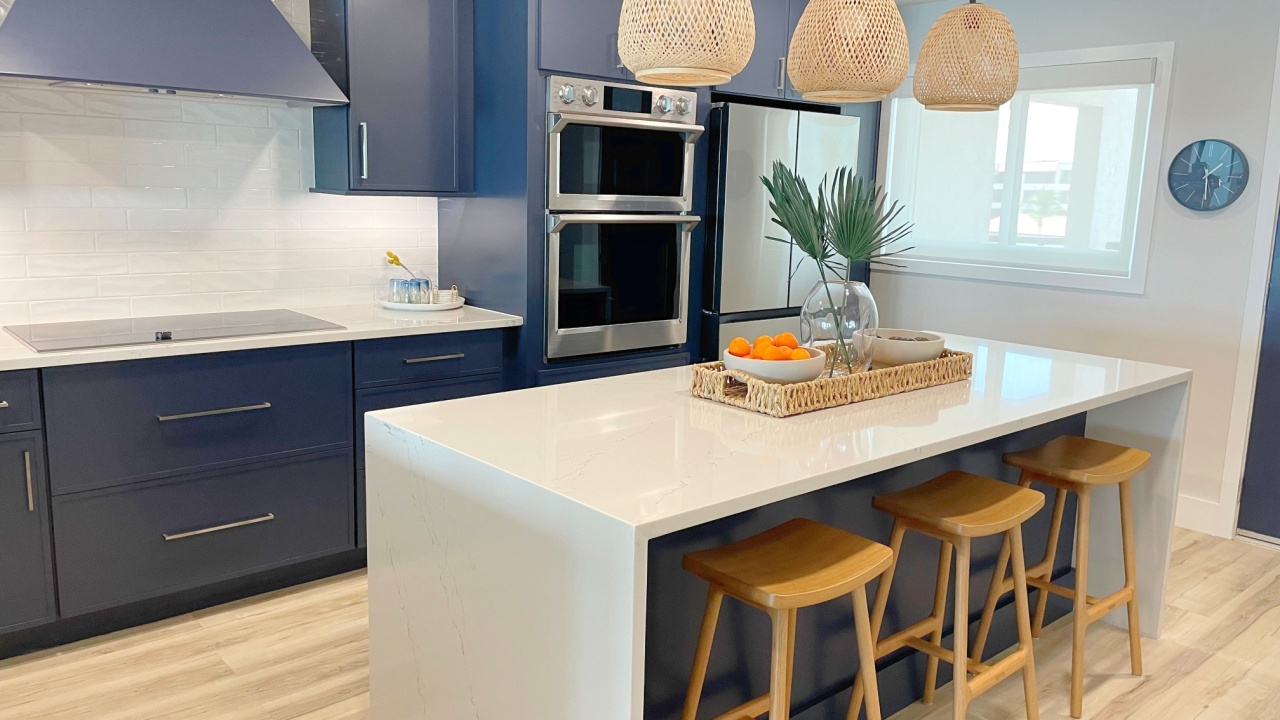
Budget restrictions often lead buyers to laminate surfaces because they come in endless colors and patterns. While the price point attracts many, the durability leaves much to be desired compared to stone or solid surfaces. Hot pans melt the top layer immediately, leaving behind scorched rings that cannot be buffed out. Knives slice through the material with ease, exposing the particleboard underneath to moisture damage.
Once significant damage occurs, there is no easy way to fix it without replacing the entire section. Peeling edges and burns remain permanent eyesores that degrade the overall look of the kitchen. It lacks the longevity of other options, often hurting the resale value of the home. Investing a bit more upfront for a sturdier material prevents the need for a premature replacement later.
Countertop Clarity

Some countertops are falling out of favor; choosing the right surface requires balancing aesthetics with lifestyle reality. Falling for a look without understanding the upkeep leads to disappointment.
Take home large samples and test them against daily messes like coffee spills or lemon juice before committing to a purchase. Watching how a material reacts to real-life abuse reveals far more than a showroom display ever could. A beautiful kitchen should serve the cook.