8 Humidity-Loving Plants That Fight Mold Naturally
Mold is the uninvited roommate that never pays rent and ruins the wallpaper. It creeps into damp corners, settles on window sills, and wreaks havoc on indoor air quality. While ventilation and scrubbing are standard defenses, nature offers a quieter, greener ally.
Certain plants feast on ambient moisture, effectively starving mold spores before they can take root. Incorporating these botanical defenders into a home leads to cleaner air and fewer respiratory irritants.
1. English Ivy (Hedera helix)

This climbing vine is a powerhouse when it comes to air filtration. Studies have shown that English Ivy can reduce airborne fecal matter and mold spores, making it a particularly smart choice for bathrooms or areas near pet litter boxes.
It absorbs moisture through its leaves, which helps keep the surrounding air too dry for mold to thrive. While it prefers moderate light and cooler temperatures, it adapts well to various indoor conditions.
Pro Tip: Keep this plant high up on a shelf or in a hanging basket. While it helps manage mold, it is toxic to cats and dogs if ingested.
2. Peace Lily (Spathiphyllum)
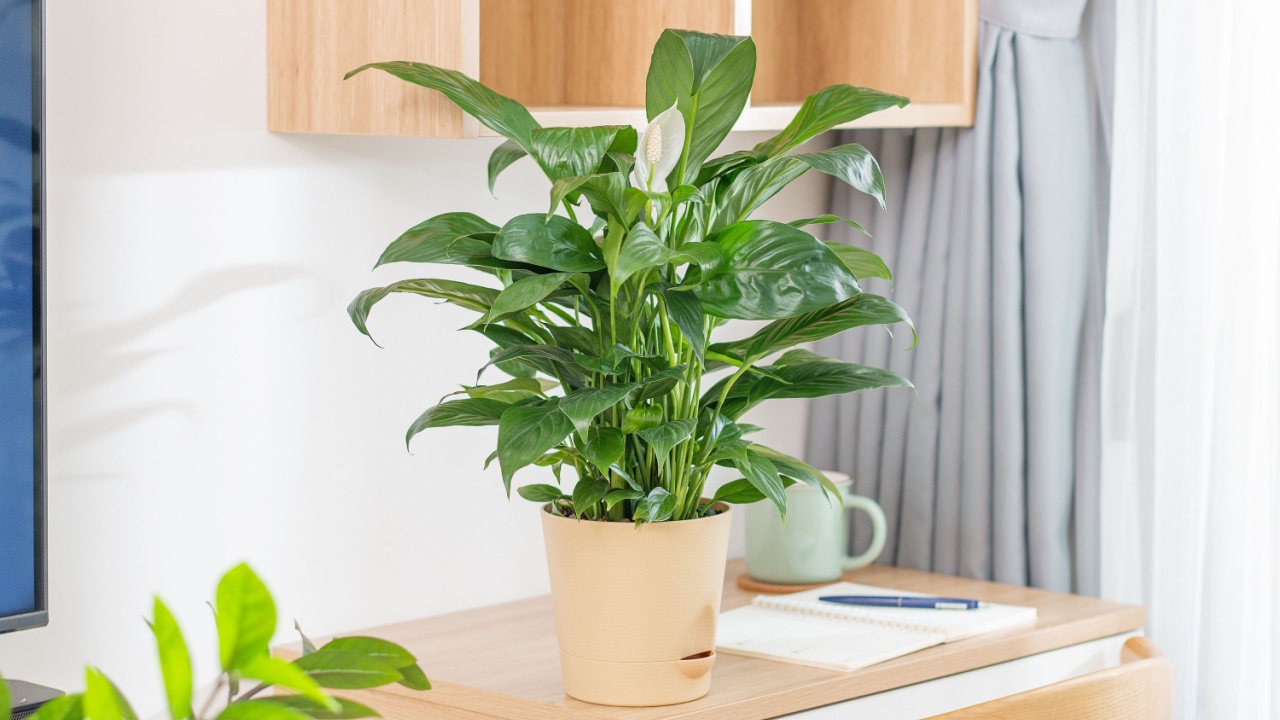
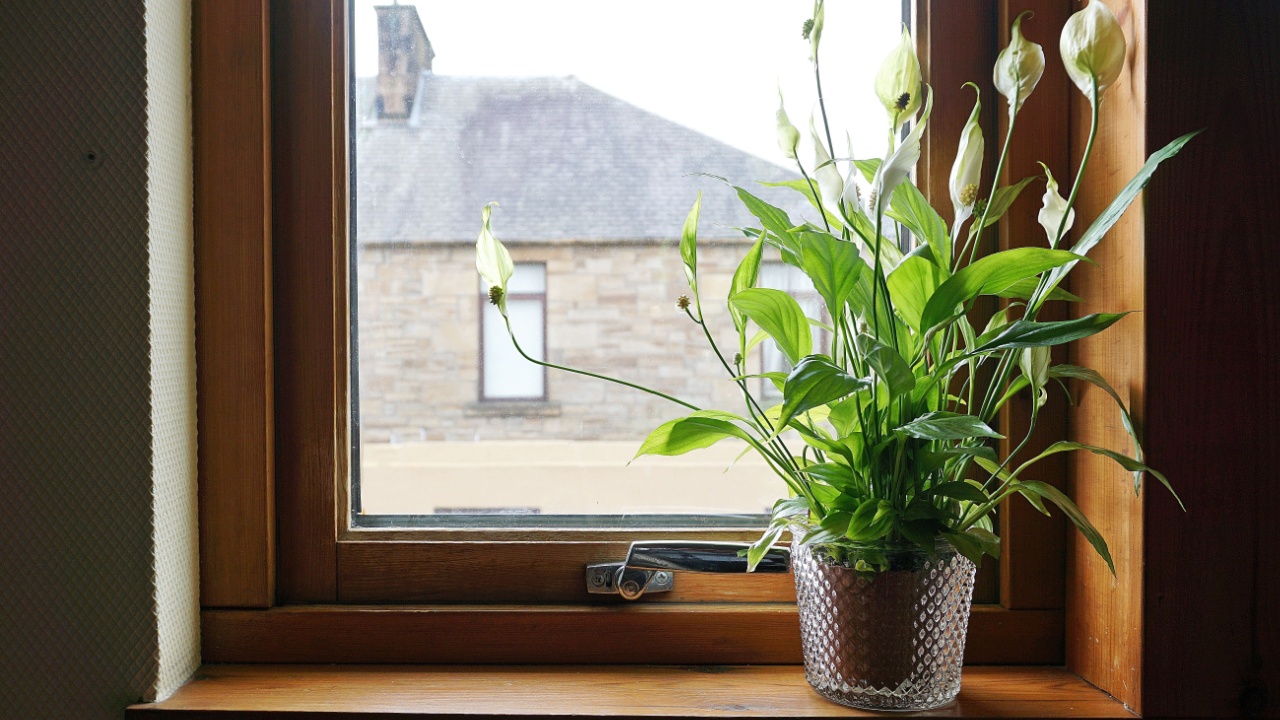
Peace Lilies are not just decorative; they are functional moisture magnets. These plants absorb humidity from the air through their broad, glossy leaves. They are also adept at breaking down airborne toxins like acetone and alcohol, which are common in household cleaning products.
Unlike many other plants, they thrive in low-light conditions, making them perfect for dim corners where mold often hides.
Pro Tip: Watch the leaves for communication. The Peace Lily will droop dramatically when it needs water, taking the guesswork out of its care schedule.
3. Boston Fern (Nephrolepis exaltata)
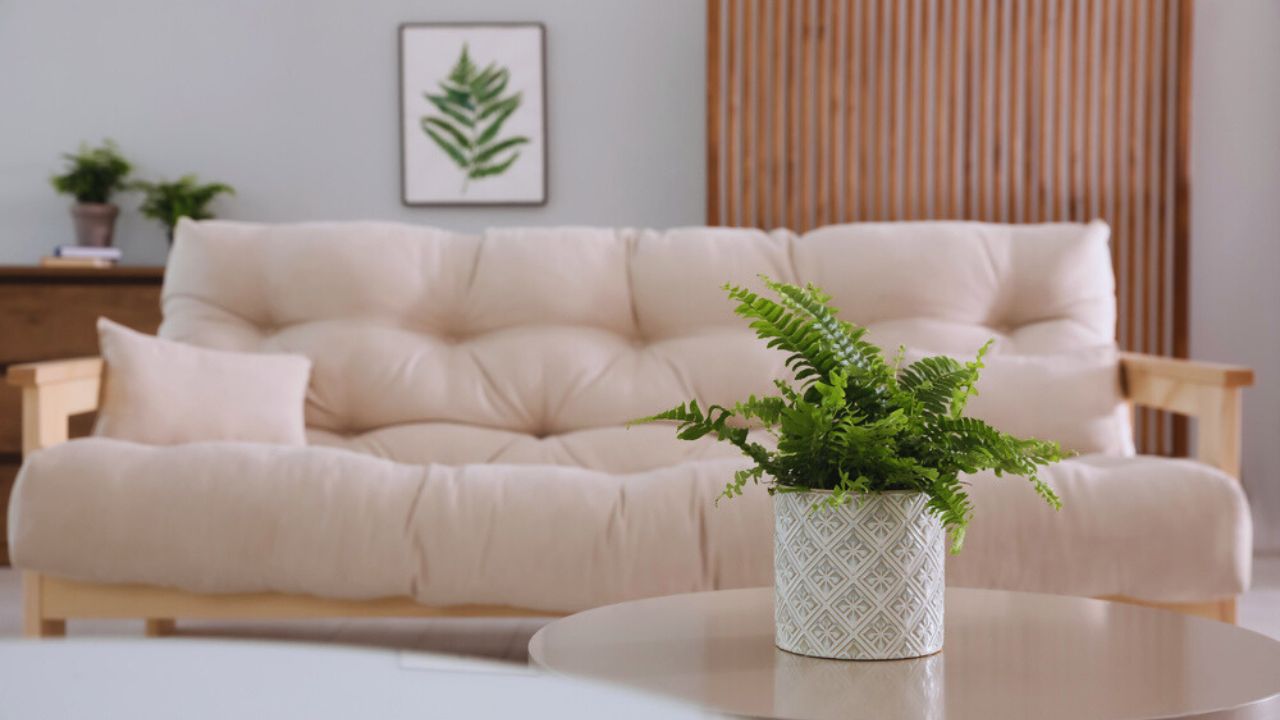
Ferns are native to humid forest floors, so they naturally crave moisture. The Boston Fern acts as a living humidifier and dehumidifier, balancing indoor air levels to create a comfortable environment.
Its high rate of transpiration allows it to cycle water quickly, pulling moisture from the room. A steamy bathroom with filtered light serves as the ideal habitat for this lush, feathery plant.
Pro Tip: Rotate the pot every week to encourage even growth and prevent the fronds from growing toward the light source on just one side.
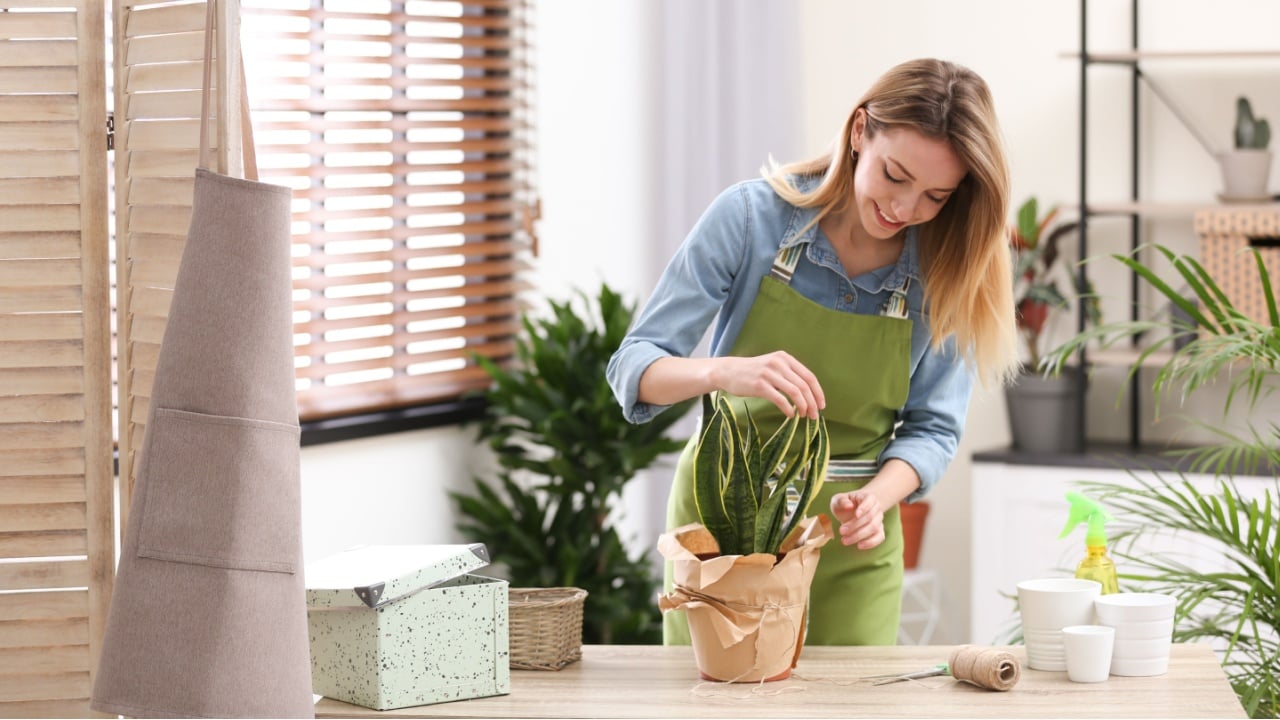
4. Snake Plant (Sansevieria trifasciata)
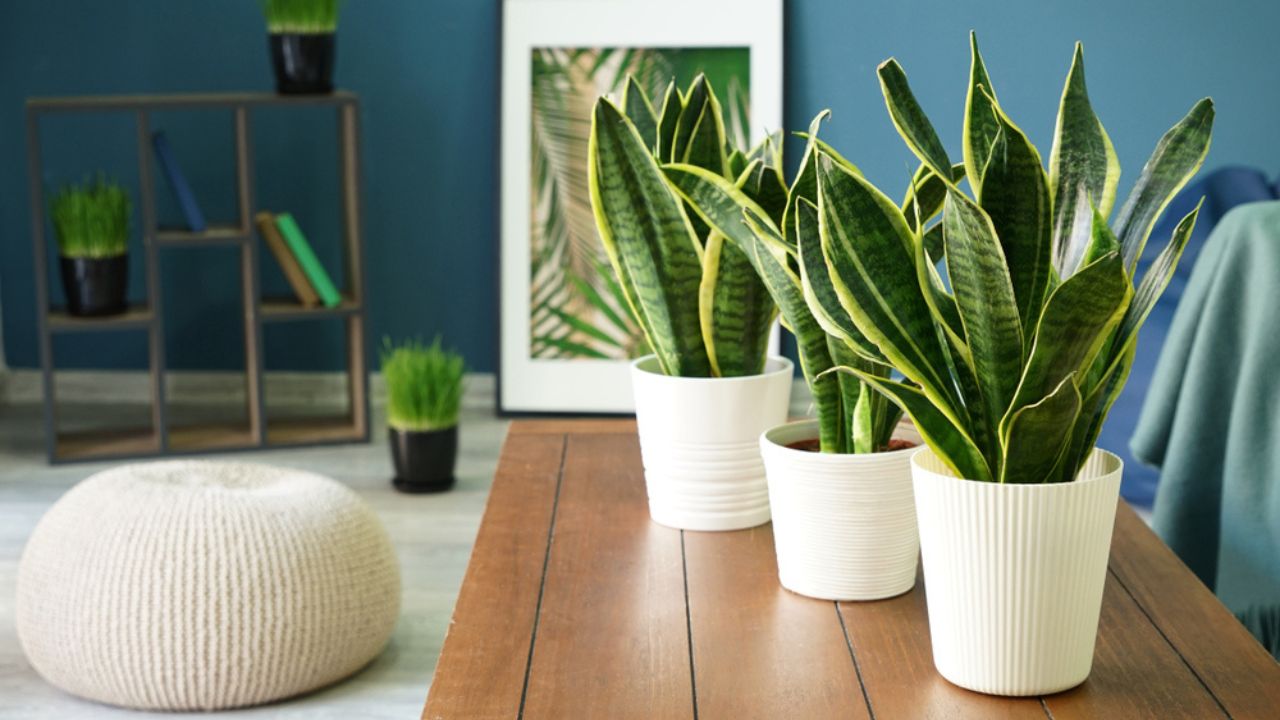
Often called Mother-in-Law’s Tongue, this architectural succulent is virtually indestructible. It utilizes Crassulacean Acid Metabolism (CAM), meaning it absorbs carbon dioxide and releases oxygen at night.
This makes it a superior choice for bedrooms. While it is drought-tolerant, it happily exists in humid environments like bathrooms, provided it has well-draining soil to prevent root rot.
Pro Tip: Err on the side of neglect. The fastest way to kill a Snake Plant is by giving it too much water.
5. Aloe Vera
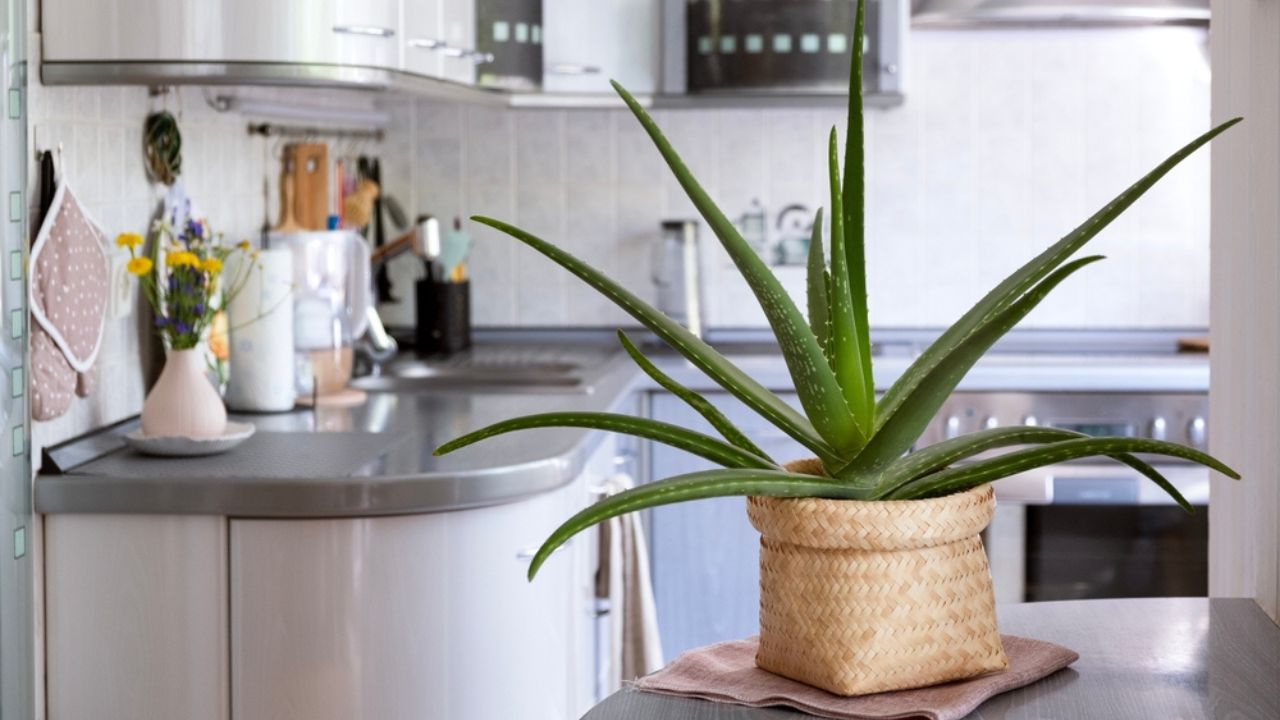
Most people know Aloe Vera for its skin-soothing gel, but it also serves as an effective dehumidifier. As a succulent, it stores water within its thick leaves, pulling moisture directly from the environment to sustain itself. It helps clear the air of benzene and formaldehyde, common byproducts of chemical cleaners and paints. This plant loves a sunny kitchen window where it can soak up bright rays.
Pro Tip: Allow the soil to dry out completely between waterings. The leaves will become slightly soft when the plant is ready for a drink.
6. Spider Plant (Chlorophytum comosum)
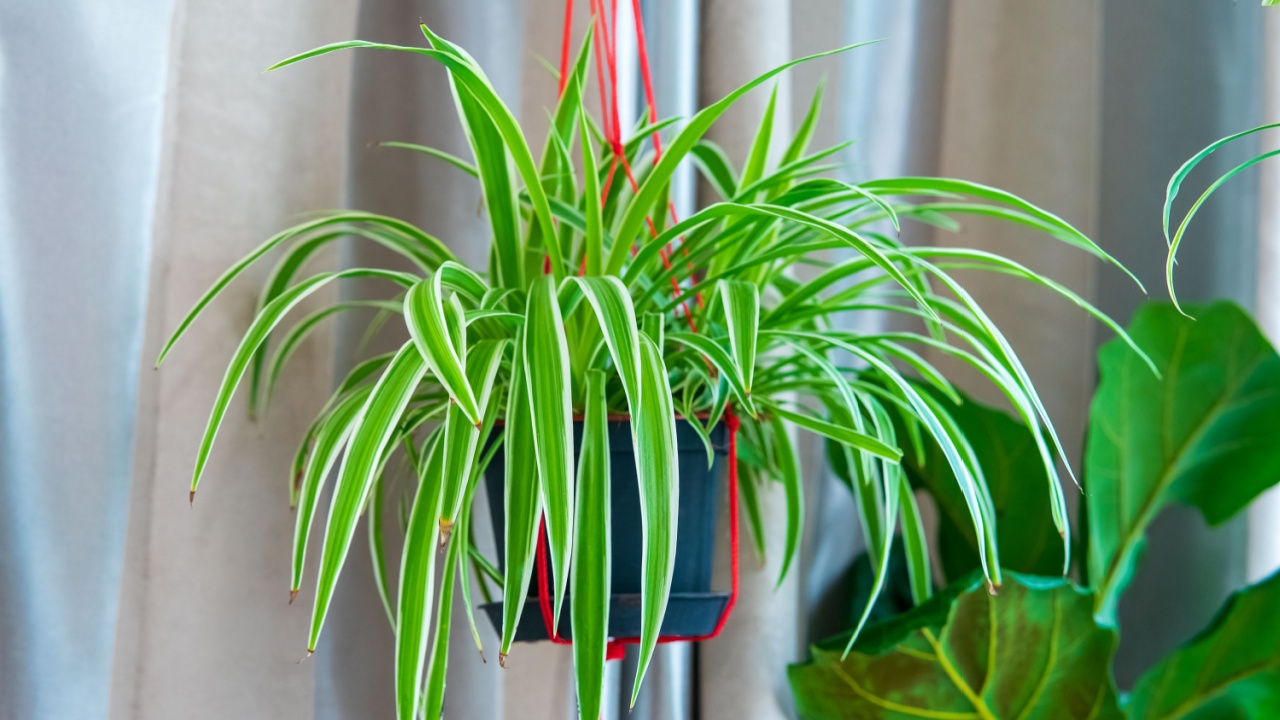
The Spider Plant is a resilient option for those lacking a green thumb. Its arching leaves are efficient at scrubbing the air of pollutants like carbon monoxide and xylene. It removes moisture from the air to support its rapid growth.
One healthy plant will produce “spiderettes” or baby plants on long stems, which can be snipped off and repotted to expand the mold-fighting army throughout the house.
Pro Tip: If the tips of the leaves turn brown, try switching to distilled or rainwater, as fluoride in tap water can cause salt buildup in the soil.
7. Tillandsia (Air Plants)
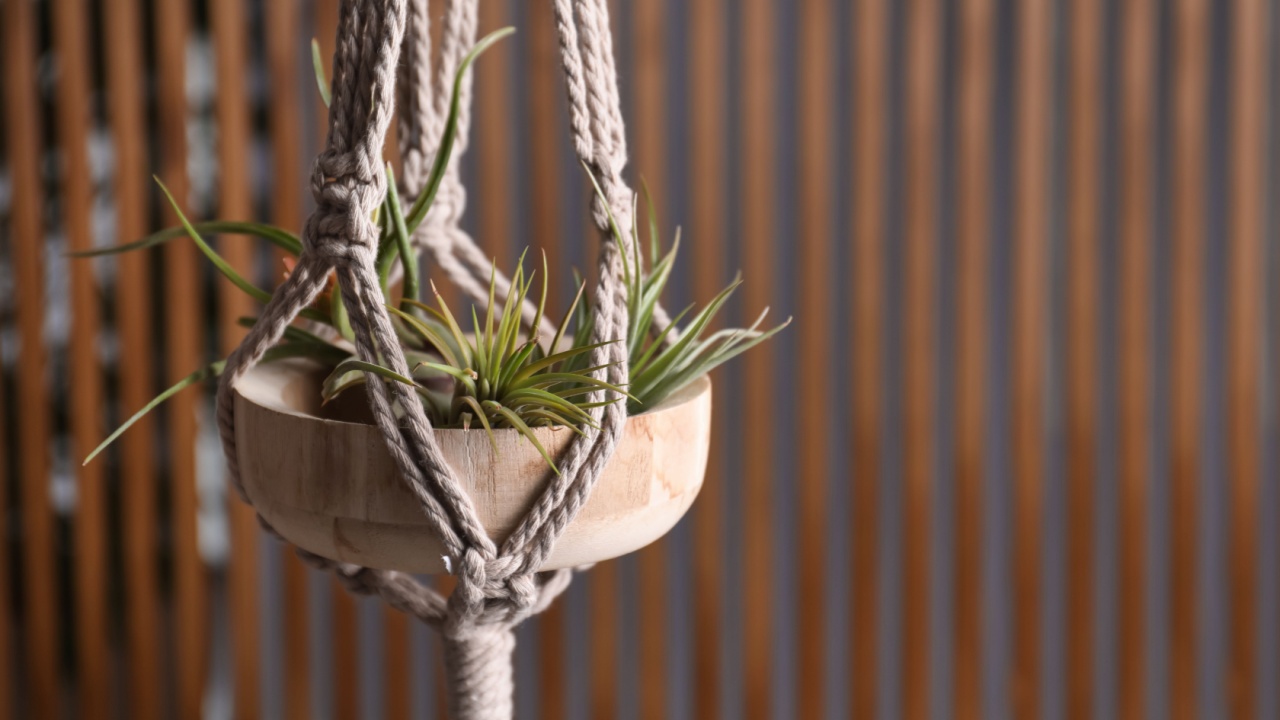
These botanical curiosities require no soil to survive. Tillandsia absorb all their nutrients and water through trichomes on their leaves, pulling moisture directly from the air. This unique adaptation makes them exceptional for humid rooms where counter space is limited. They can be mounted on walls, placed in glass globes, or set on driftwood, serving as living art that actively reduces humidity.
Pro Tip: Mist them regularly, but give them a good soak in a bowl of water for 20 minutes once a week to ensure they stay hydrated.
8. Reed Palm (Chamaedorea)
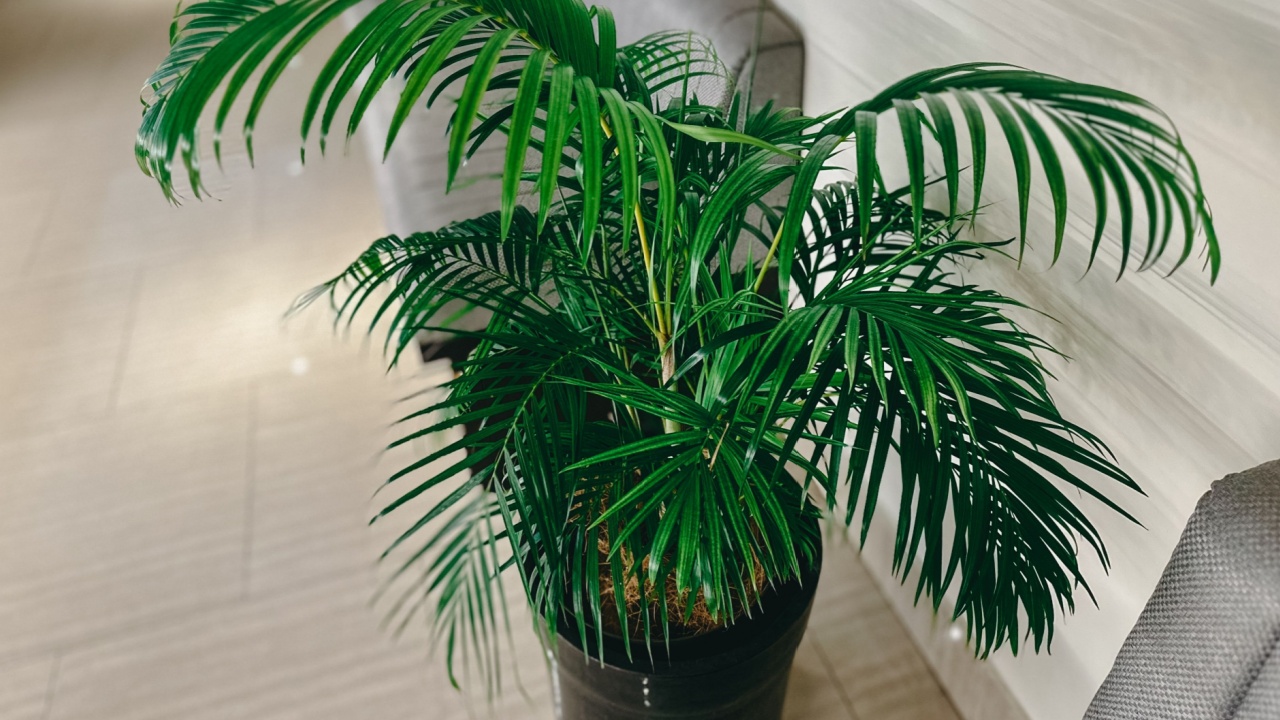
For larger spaces like living rooms or hallways, the Reed Palm offers a substantial defense against dampness. These palms can grow quite tall and have a large leaf surface area, allowing them to process significant amounts of air. They are particularly good at filtering trichloroethylene and benzene.
Unlike many palms that demand blazing sun, the Reed Palm tolerates lower light levels, making it suitable for indoor use.
Pro Tip: Keep the soil consistently moist but never soggy. A layer of pebbles in the saucer can help increase humidity around the plant without drowning the roots.
Create a Healthier Home Today
Transforming a damp house into a fresh sanctuary does not require heavy machinery or harsh chemicals. A quick trip to a local nursery or garden center is all it takes to start building a natural defense system against mold.
Assess the humidity levels in different rooms, pick up a few of these green allies, and breathe easier knowing nature is handling the hard work.