The 15 Most Pesticide-Soaked Produce to Grow Yourself
Your grocery store produce looks fresh and healthy, but it often hides a problem. Those gleaming bell peppers and ruby-red strawberries promise health and freshness, yet they often carry a hidden chemical burden. A quick rinse may remove dirt, but pesticides and other residues can stay deep in the fruit and vegetables. Growing your own food at home gives you control (cleaner, safer, and tastier produce).
According to the Environmental Working Group (EWG) and 2026 reports, many common crops test positive for pesticides, including persistent “forever chemicals” that build up in soil and water. These end up in the food you eat.
Below are fifteen crops that usually carry the highest chemical loads. For each, you’ll see why they’re risky and how you can grow them at home. Focusing on these will give you healthier food and the unbeatable flavor of produce straight from your garden.
1. Strawberries

Strawberries are small, soft, and porous, which makes them perfect for absorbing chemicals. Commercial farms use heavy fungicides to prevent rot and keep the fruit looking flawless during shipping, so even thorough washing won’t remove all residues. Large monoculture fields also attract pests, which drives more chemical use.
At home, strawberries thrive in raised beds or hanging pots, keeping them off the ground and reducing mold or rot. Straw mulch and companion plants like borage or garlic help deter pests naturally. Everbearing varieties give multiple harvests throughout the summer, so you can enjoy fresh, sweet berries straight from the garden without worrying about chemical residues. Plus, homegrown berries often taste much sweeter than store-bought ones because they ripen fully on the plant.
2. Spinach
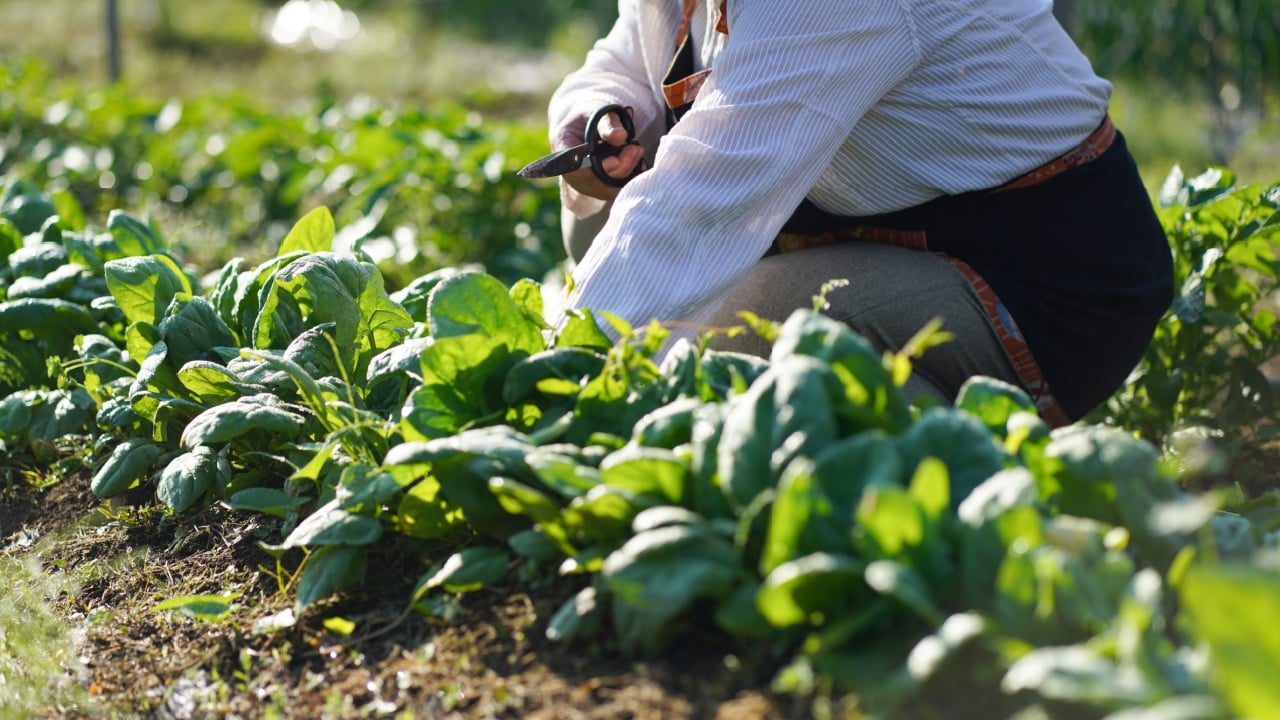
Spinach has broad, thin leaves that trap dust, dirt, and pesticides. Testing often shows high levels of neurotoxic insecticides on conventional leaves. Because spinach grows close to the soil and is harvested quickly, chemicals rarely have time to break down before reaching the store.
Spinach grows quickly and prefers cooler weather, making it ideal for containers, raised beds, or even shady garden corners. Planting in successive batches ensures a constant supply of fresh leaves for salads or cooking. Feeding with nitrogen-rich organic compost encourages lush, healthy growth without synthetic fertilizers. With homegrown spinach, you can control every step, from soil to harvest, ensuring cleaner, safer greens for your family.
3. Kale and Collard Greens
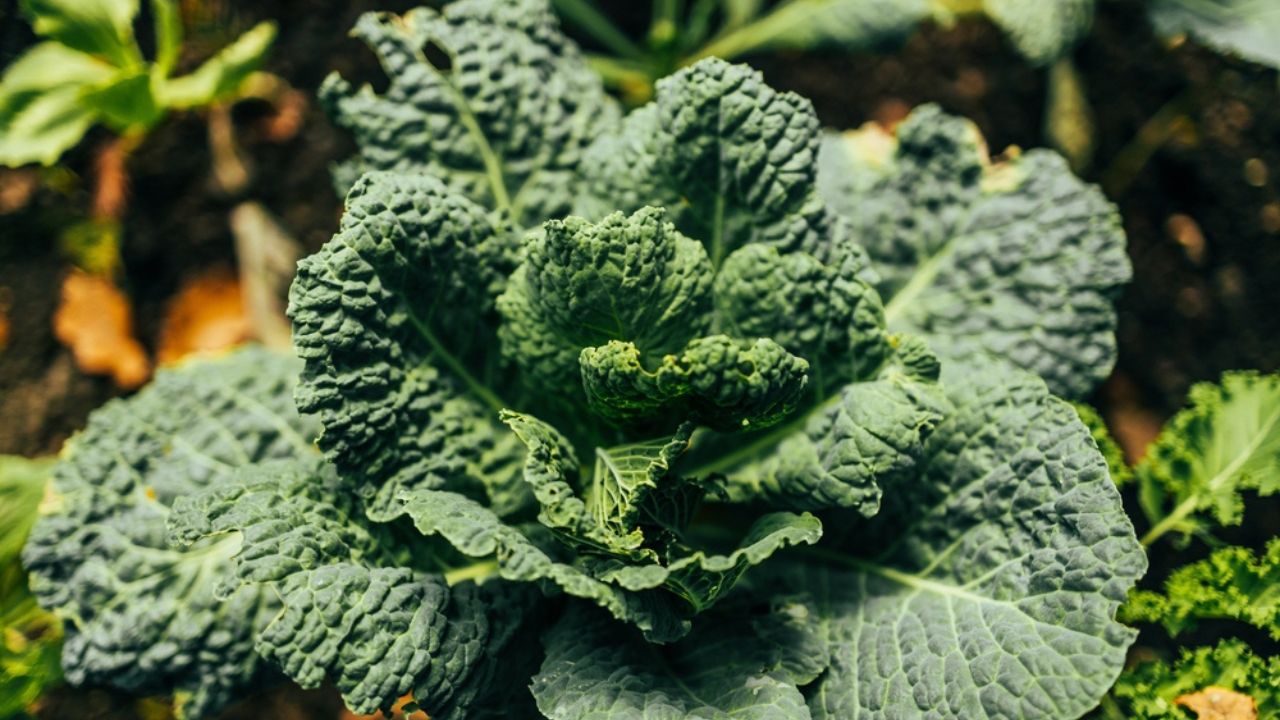
Kale and collards are hardy, nutritious greens, but they attract beetles, worms, and other pests, which is why conventional farms rely on strong insecticides. Their rough, textured leaves also hold onto chemicals, making washing less effective.
These greens are surprisingly easy to grow at home and even tolerate light frosts, which can improve their flavor. Planting them alongside aromatic herbs such as rosemary, mint, or thyme helps repel pests naturally. You can harvest outer leaves continuously while the inner leaves keep growing, giving months of fresh, nutrient-rich greens. Home cultivation also allows you to experiment with varieties and harvest times, maximizing both taste and nutrition.
4. Grapes
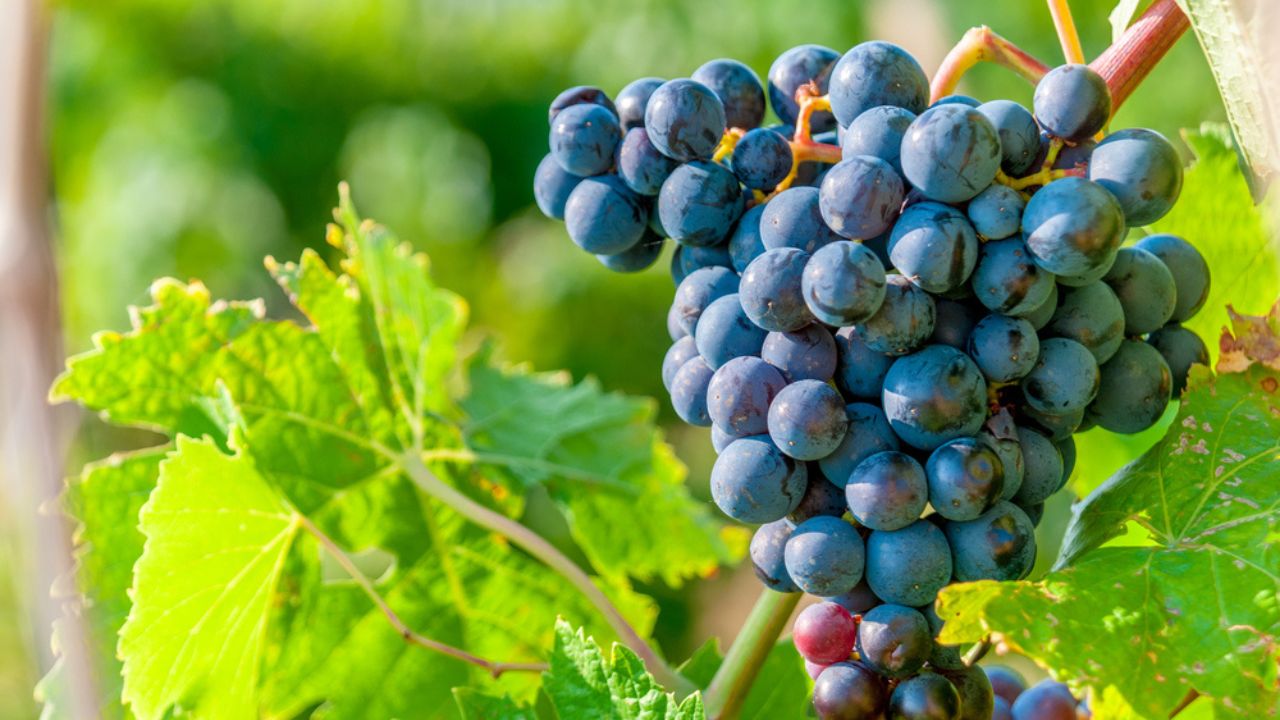
Grapes are delicate and sweet, but their thin skins make them vulnerable to fungus and pests, so commercial growers use multiple pesticide applications. Since grapes are usually eaten whole, peeling isn’t an option, and some samples have tested positive for more than 20 different chemicals.
Growing grapes at home requires a trellis, fence, or other support, but the payoff is sweet, clean fruit and a beautiful addition to your garden. Choose grape varieties suited to your climate to reduce mildew and disease. Pruning in late winter encourages larger clusters and healthier plants. With home cultivation, you can avoid chemicals, experiment with flavors, and even enjoy the shade and greenery grapevines bring to your yard.
5. Peaches
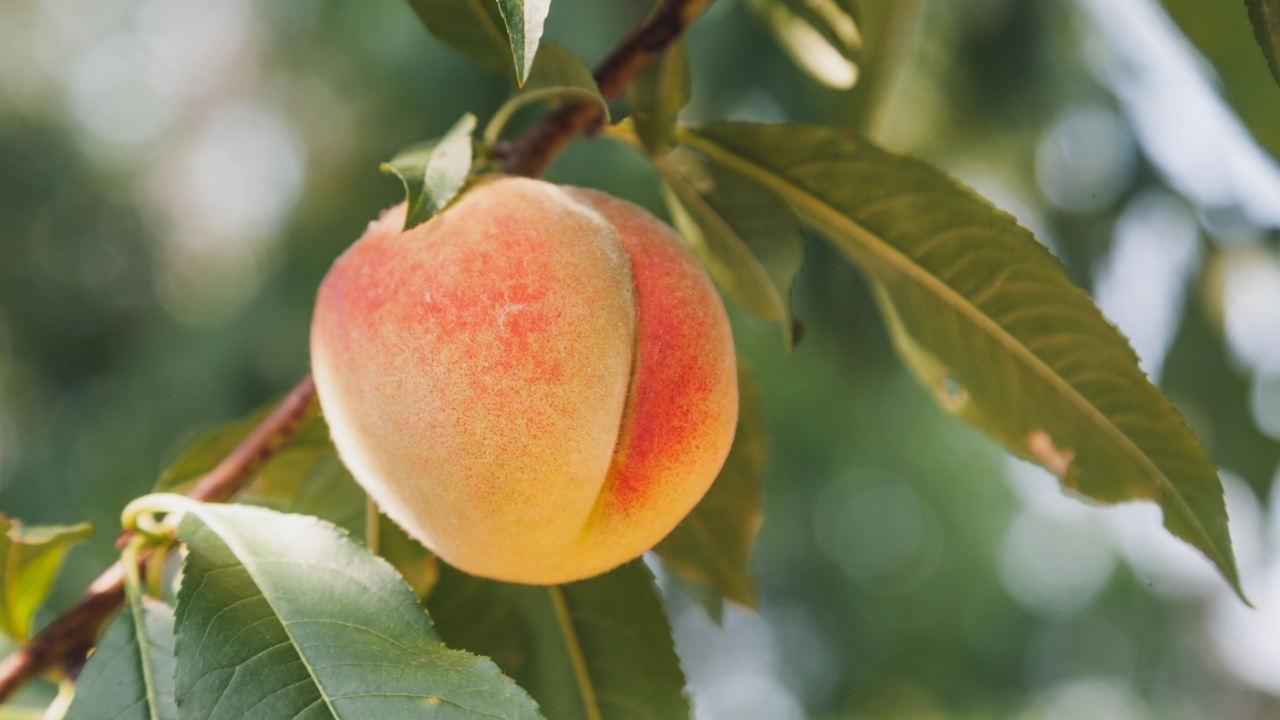
The fuzzy skin of peaches makes them highly absorbent of chemical sprays. To prevent blemishes, commercial growers often spray repeatedly during the season, resulting in fruit that looks perfect but carries hidden toxins.
Dwarf peach trees are perfect for patios, small gardens, or container planting. When grown at home, peaches can ripen fully on the branch, offering richer flavor and juicier flesh than store-bought fruit. Winter applications of organic dormant oil help keep pests in check before growth begins. With a little care in pruning, watering, and harvesting at the right moment, you can enjoy sweet, chemical-free peaches year after year.
6. Pears
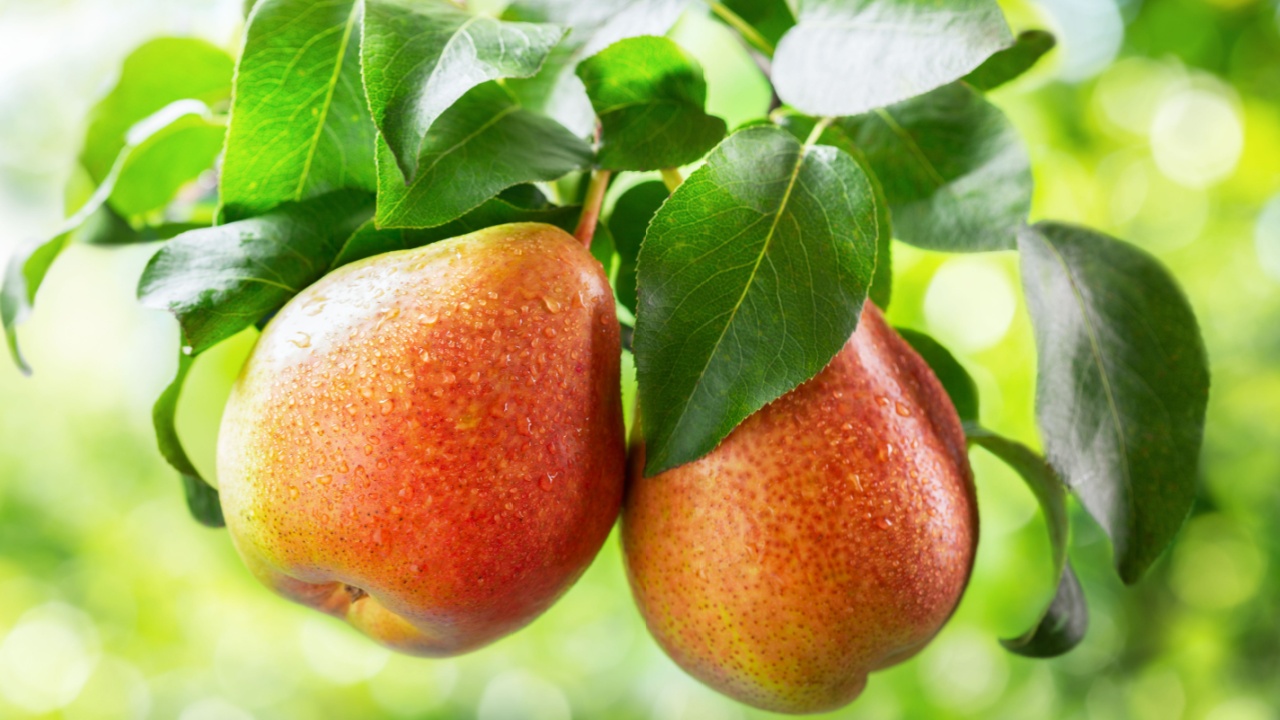
Pears are often sprayed heavily during bloom with fungicides and insecticides. Their thin skins allow chemicals to penetrate, and conventional pears often carry residues even after washing.
Pear trees are hardy and long-lived, requiring relatively low maintenance once established. They can provide fruit for decades, making them a rewarding choice for home gardeners. Choosing self-pollinating varieties is helpful if space is limited, while proper pruning and mulching enhance fruit production and soil health. With patience and care, you can harvest juicy, safe pears year after year, free from industrial chemicals.
7. Nectarines
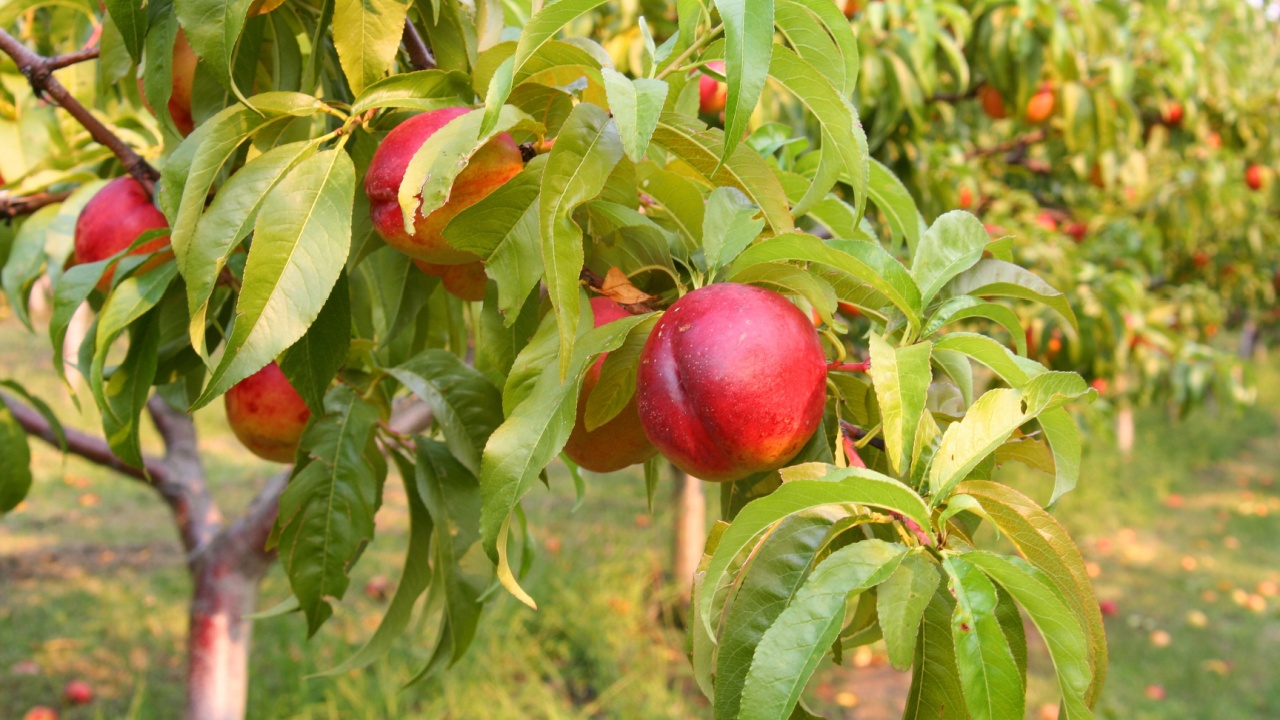
Nectarines are smooth-skinned peaches and are even more vulnerable to pests and disease than their fuzzy cousins. Conventional farms spray heavily to prevent scarring, fungus, and insect damage, which can leave residues on the fruit.
At home, you can manage nectarines safely using neem oil, pheromone traps, or companion planting to reduce pest problems. Thinning fruit early in the season improves size and quality, while letting the remaining fruit ripen fully on the tree ensures maximum sweetness and flavor. Homegrown nectarines are far juicier and more flavorful than store-bought ones, and caring for the trees adds beauty and life to your garden.
8. Apples
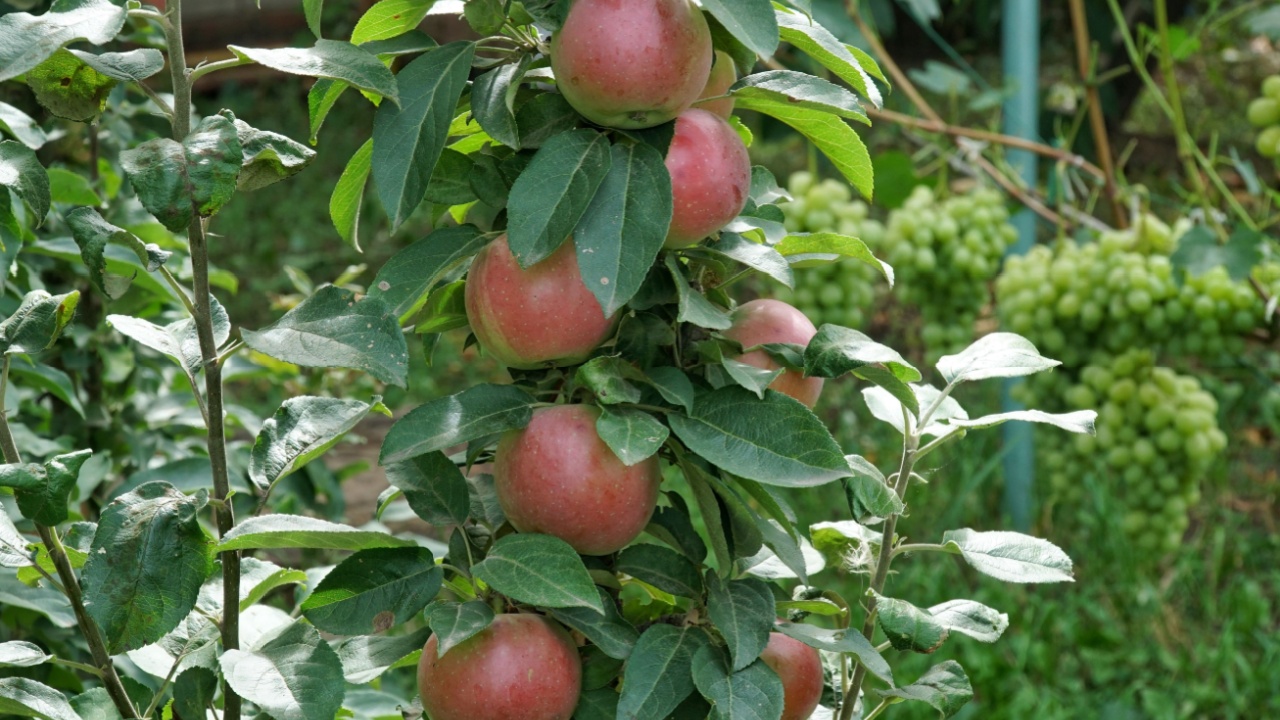
Apples are sprayed repeatedly from the first bud to harvest to remain shiny, blemish-free, and worm-free. Some treatments prevent browning during storage but increase chemical exposure, which is especially concerning for children.
Columnar apple trees are compact and ideal for small spaces or container gardens. Disease-resistant varieties such as Liberty or Freedom reduce the need for chemicals. Mulching around the base retains moisture, improves soil health, and attracts beneficial insects that naturally manage pests. With a little attention to pruning, watering, and harvesting at peak ripeness, you can enjoy crisp, safe apples right from your yard.
9. Bell and Hot Peppers

Peppers attract aphids, thrips, and other pests, prompting conventional growers to apply multiple insecticides. These residues often remain even after washing.
Peppers thrive in heat and full sun and do well in pots or raised beds. Soap-and-water sprays usually handle most pest problems in a home garden. Growing a mix of sweet and hot peppers gives you a variety of colors, flavors, and heat levels far beyond what you can buy at the store. Home cultivation also allows you to experiment with harvesting stages, picking peppers at just the right flavor and ripeness.
10. Cherries
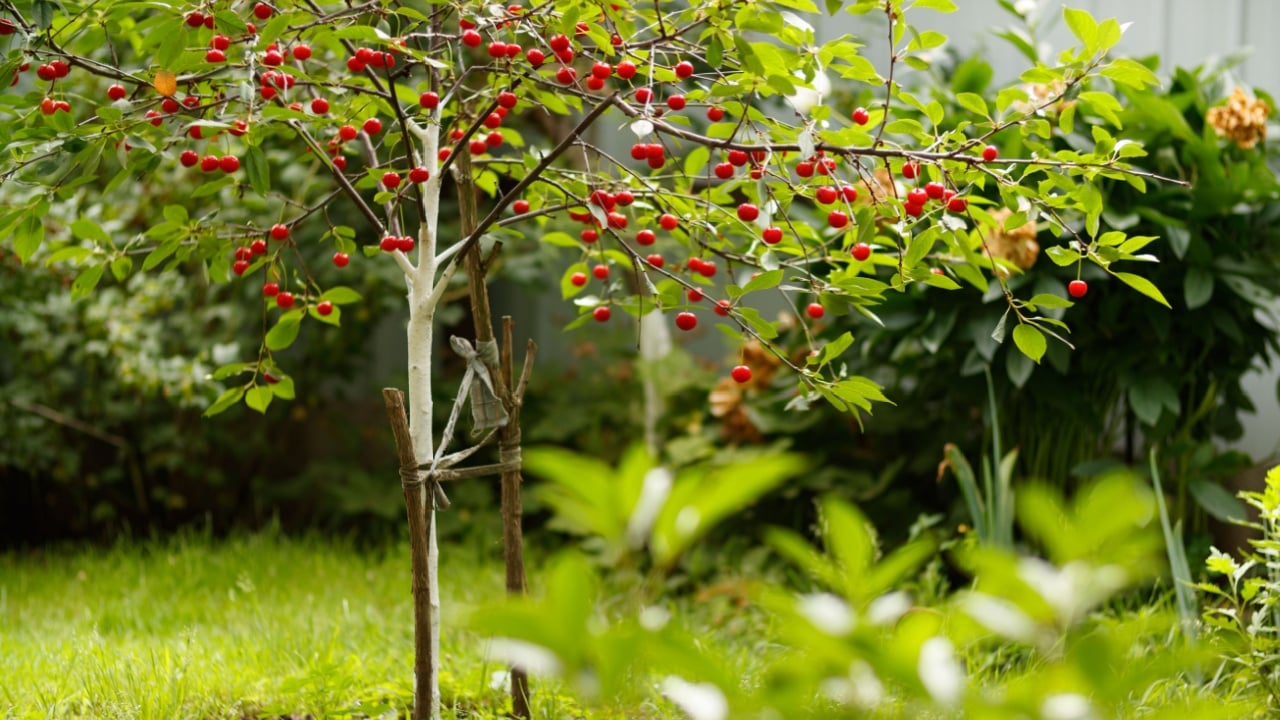
Cherries have a high skin-to-flesh ratio, which makes them particularly vulnerable to pesticides. Many chemicals used on conventional cherries are endocrine disruptors, raising concerns for frequent consumers.
Sour cherry trees are often easier to grow than sweet varieties, being more disease-resistant and less demanding. Bird netting protects the harvest without chemicals, and spring blossoms add beauty to your garden. By growing your own cherries, you can enjoy safe, juicy fruit while adding color and life to your yard.
11. Blueberries

Blueberries are small and often treated with systemic pesticides that penetrate the fruit, making washing ineffective. Residues have been increasing in recent testing.
Blueberries prefer acidic soil, which makes containers with peat moss, pine bark, or specialized blueberry soil ideal. Using acidic mulch, such as pine needles, keeps roots cool and healthy. Homegrown shrubs provide abundant berries, turn vibrant red in fall, and add ornamental beauty to your landscape while supplying safe, nutrient-rich fruit.
12. Green Beans

Green beans have returned to the Dirty Dozen list due to organophosphate insecticides. Because we eat the entire pod, contamination goes straight onto the plate.
Beans are easy to grow and improve soil fertility by fixing nitrogen. Pole beans save space and make harvesting easier, while successive plantings ensure a steady supply all season. With home cultivation, you can enjoy crisp, safe beans straight from the garden without worrying about industrial chemicals.
13. Celery
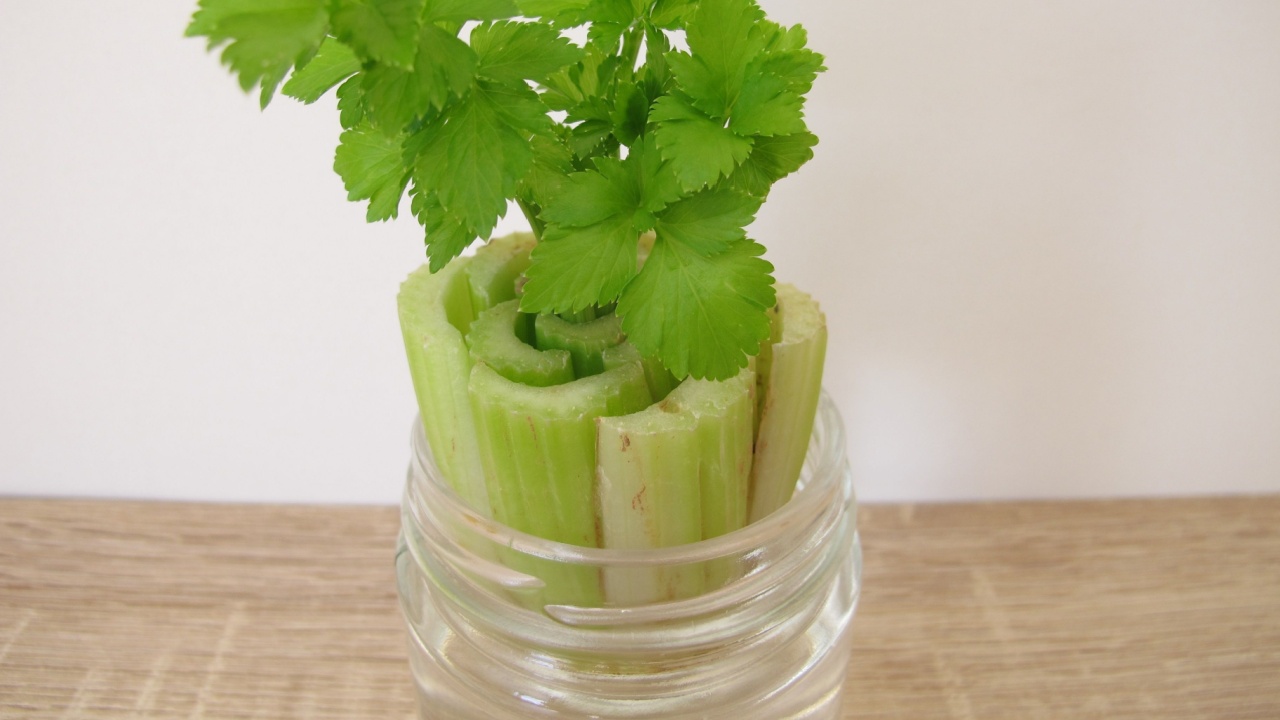
Celery acts like a bundle of straws, drawing water and any chemicals from the soil into the stalks. Some conventional stalks test positive for more than a dozen pesticides.
Celery grows well in containers where soil and moisture are under your control. Harvesting outer stalks allows the center to keep growing, giving you a continuous supply. With the right compost and consistent watering, you can grow tender, flavorful celery free from synthetic chemicals.
14. Tomatoes
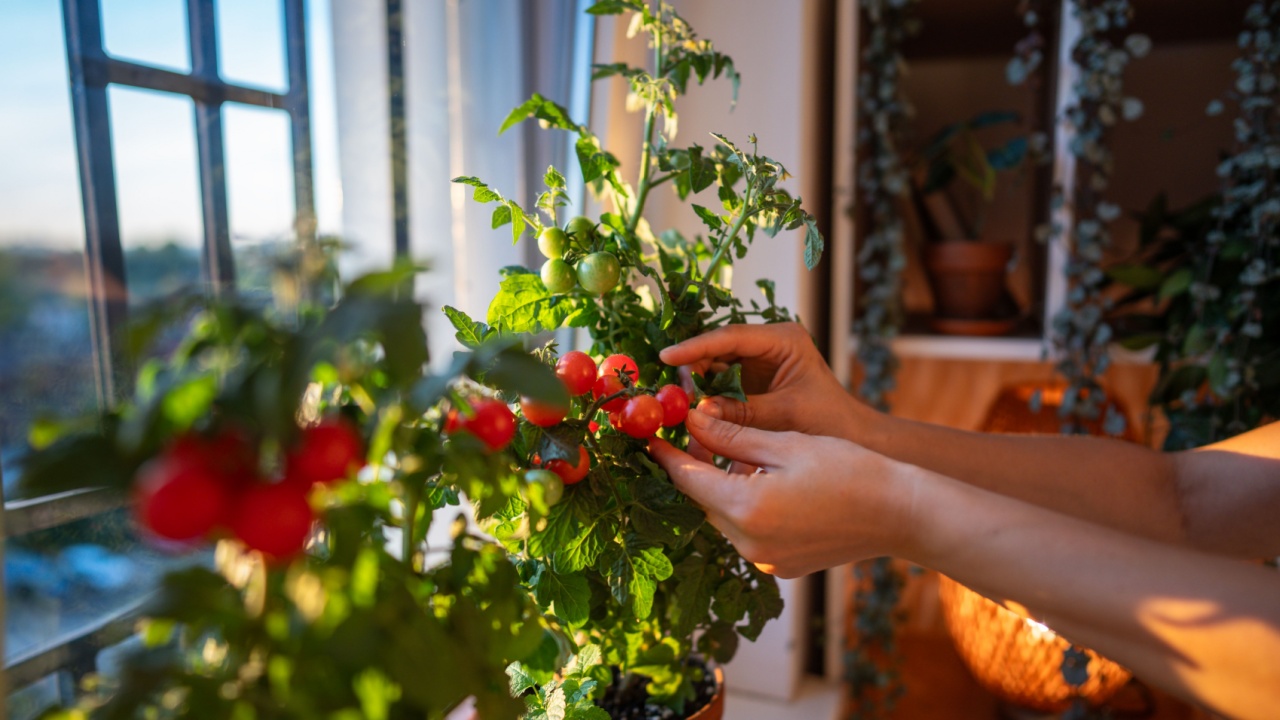
Tomatoes are treated with fungicides to prevent blight and insecticides for pests. Thin skins mean chemicals go directly into sauces, salads, and sandwiches. Store-bought tomatoes are often bland compared to garden-grown varieties.
Cherry tomatoes are particularly prolific and usually have fewer pest problems. Using cages or stakes keeps fruit off the ground, improves airflow, and reduces fungal risks. Saving seeds from successful plants lets you grow the same variety year after year. Homegrown tomatoes are flavorful, juicy, and chemical-free, a huge step up from what you buy in stores.
15. Potatoes
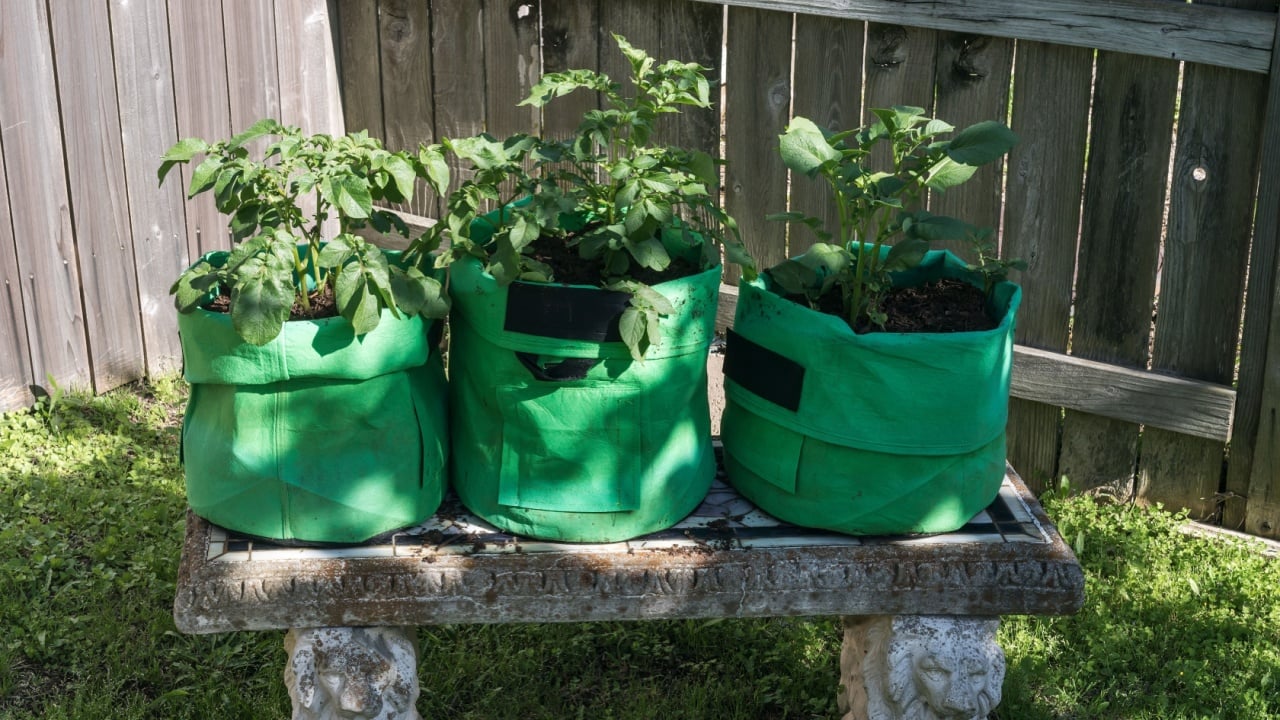
Potatoes grow in soil treated with pesticides and herbicides and are sometimes sprayed with sprout inhibitors after harvest. This means chemicals can be present in both the skin and the flesh.
Growing potatoes in bags, bins, or large containers makes harvesting easy. Organic seed potatoes ensure your crop starts chemical-free, and hilling soil around the plants encourages more tubers along the underground stems. With proper care, you can enjoy healthy, safe potatoes that taste far better than most store-bought varieties.
Harvest Health: Start Small, Reap Big Benefits
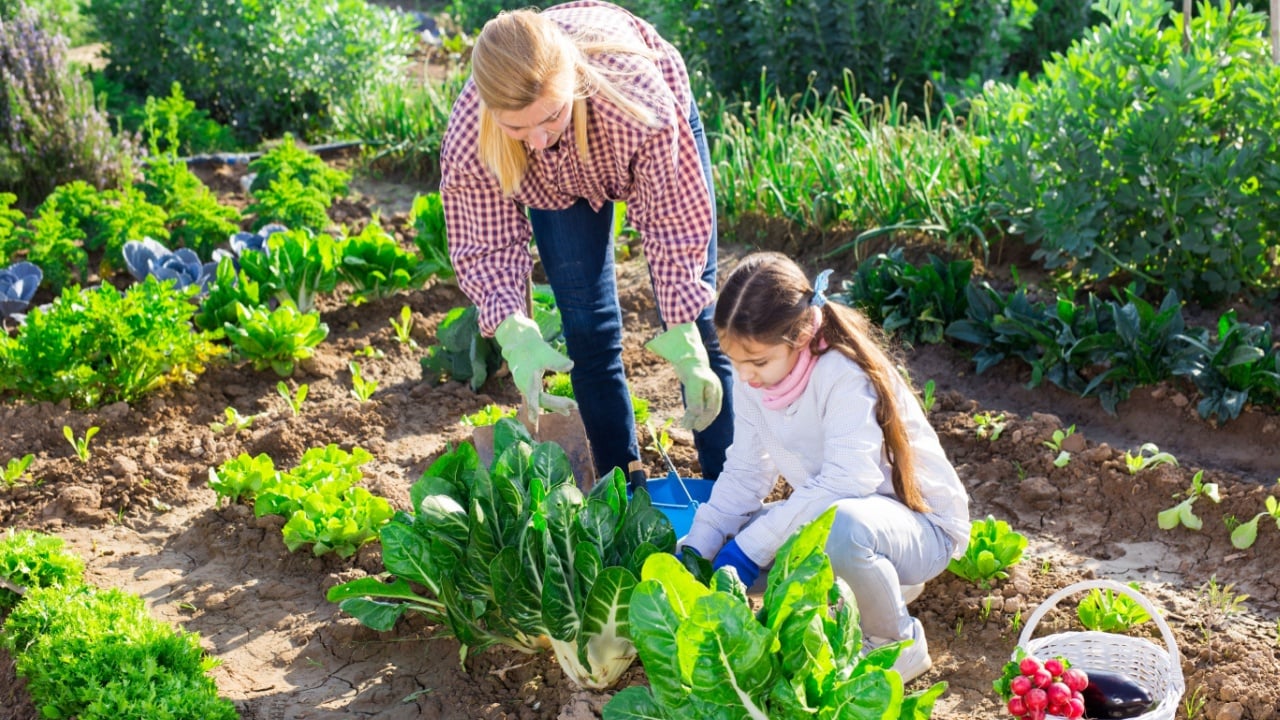
Choosing to grow even a few of these items at home significantly lowers your daily intake of industrial chemicals. While a full garden transformation takes time, starting with the plants that carry the highest toxic loads is a logical strategy for better health.
Every strawberry or leaf of spinach you harvest from your own soil is a victory for your well-being and a step toward a more transparent food system.
Read More: