12 Garden Watering Mistakes That Are Quietly Killing Your Plants
You’re probably watering wrong.
Not because you don’t care, but because you care too much, in all the wrong ways, at all the wrong times. The drooping tomato, the yellowing basil, the rose that never bounced back last August: in most cases, the culprit isn’t drought. It’s you, hose in hand, trying your best.
As the peak growing season locks in, now is the moment to fix what you’ve been doing.
Here are the 12 watering mistakes that most home gardeners make, and exactly what to do instead.
The Watering Mistake That Kills More Garden Plants Than Drought Ever Does
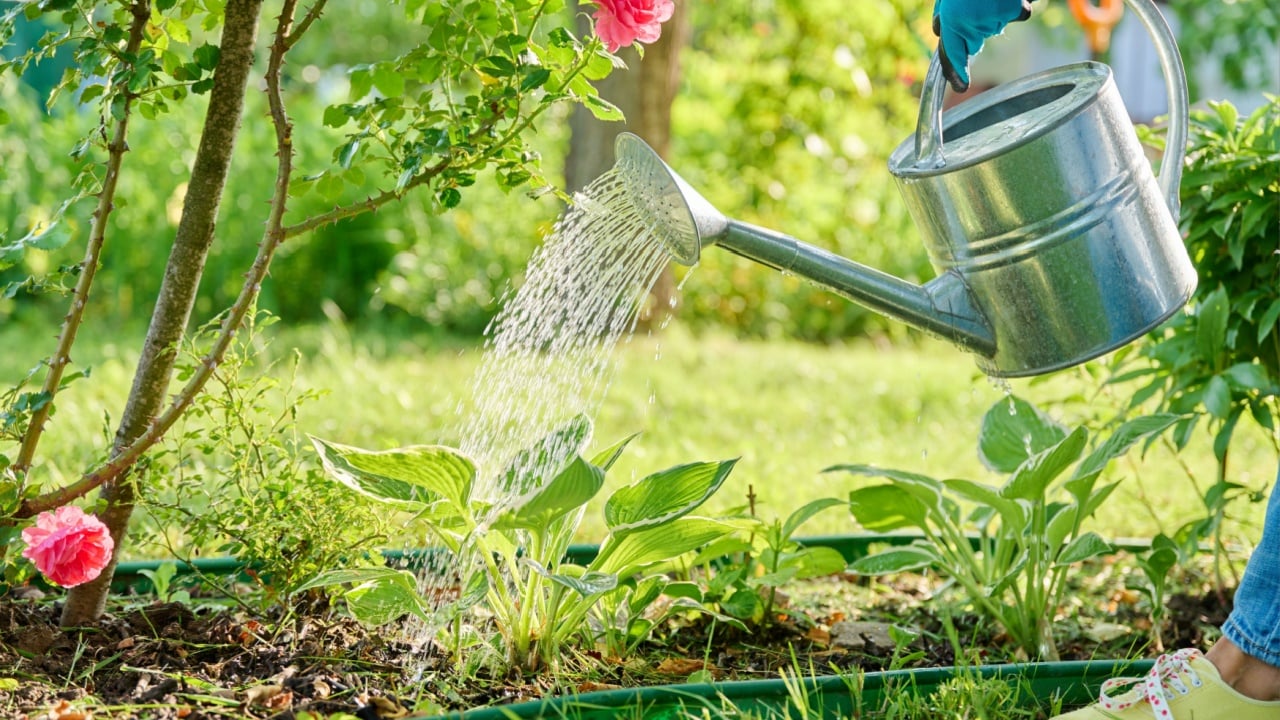
Overwatering kills more garden plants than underwatering does. Full stop.
According to experts at Old World Garden Farms, more harm and damage is done to vegetable plants by overwatering than by under-watering, and the reason most gardeners never realize it is that the symptoms are identical. Wilting, yellowing, brown leaf edges, stunted growth: every one of these signals can mean too much water just as easily as too little. When roots sit in soggy soil, oxygen is displaced. The roots suffocate and die, then lose their ability to deliver water to the plant, which promptly wilts. The gardener sees wilting and waters more. The plant dies faster.
The only way out of this trap is to stop trusting your eyes and start trusting the soil.
Stop Watering on a Schedule — Start Watering by Feel
The most effective watering tool you own costs nothing: your finger. Before you water anything, push it 1–2 inches into the soil. If the soil feels cool and holds together with any moisture, put the hose down and come back tomorrow. If it feels dry and crumbly all the way down, it’s time. Iowa State University Extension recommends checking soil moisture frequently and watering only when the soil feels dry to the touch at one to two inches deep; not on a fixed calendar. A cheap soil moisture meter ($10–15 at any garden center) takes even the guesswork out of the finger test and pays for itself the first time it saves a plant.
Here are the 12 mistakes, and how to fix every one of them.
1. Watering on a fixed daily schedule
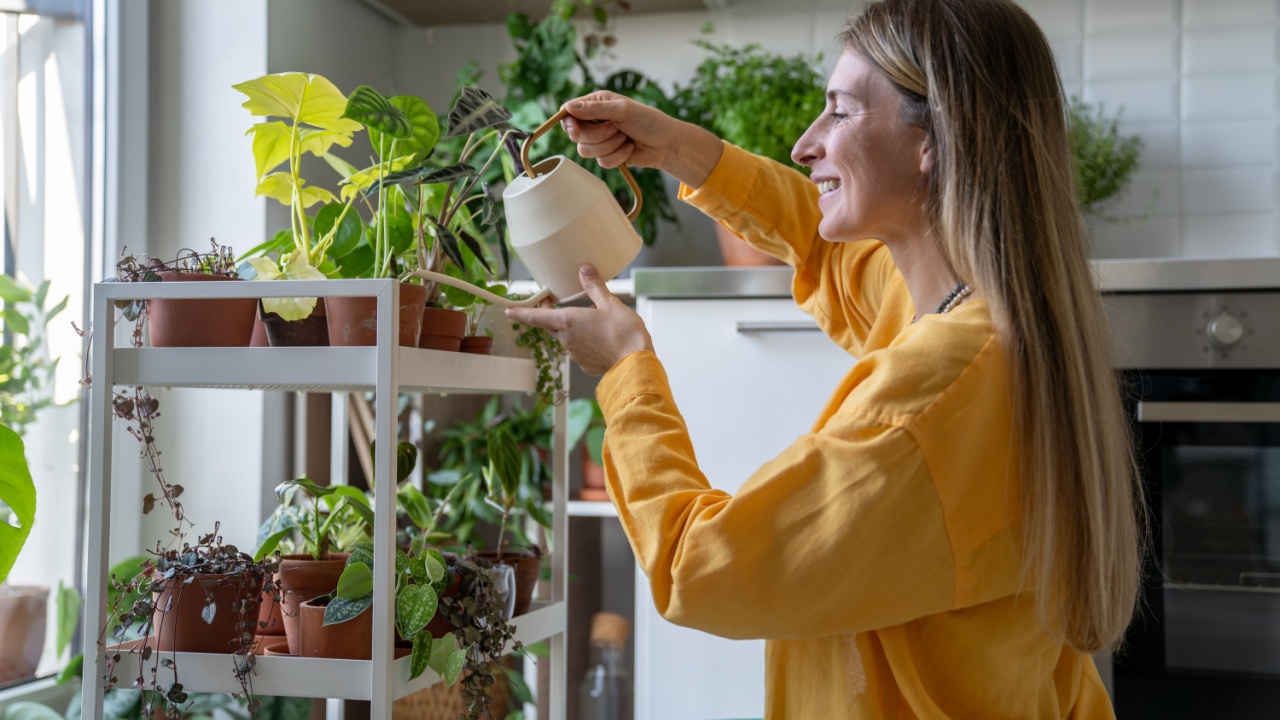
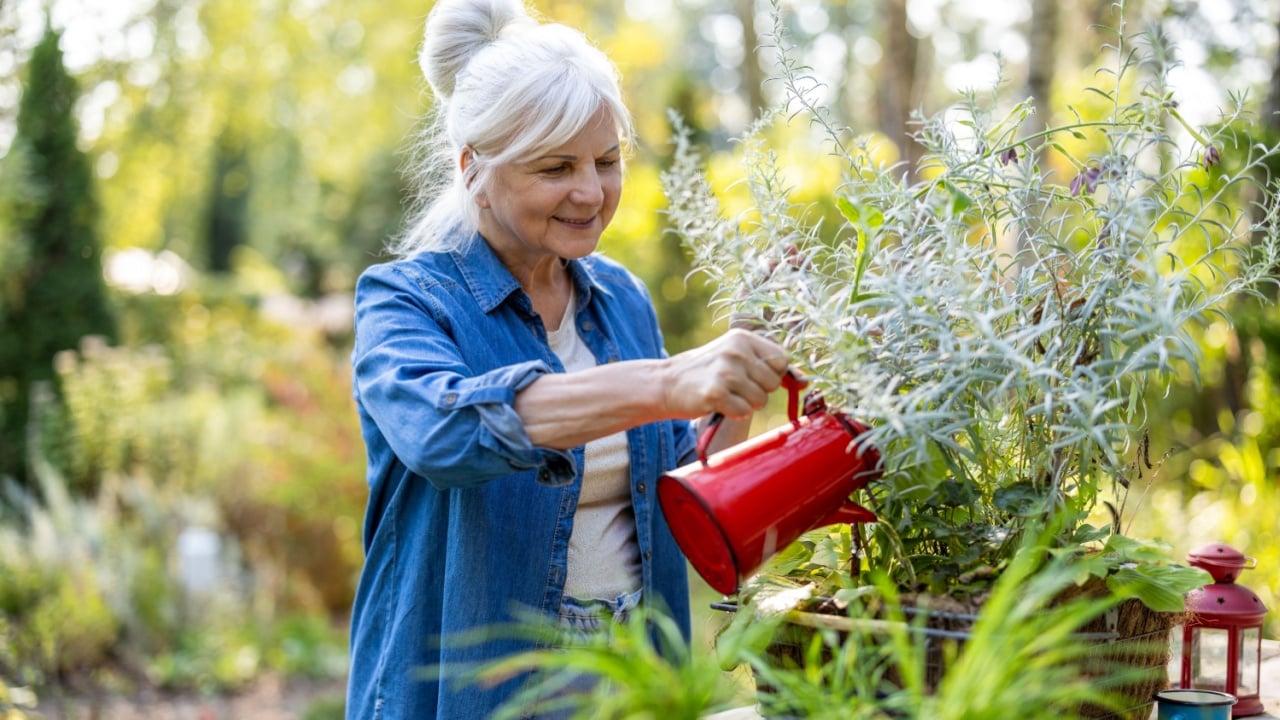
Your plants don’t know what day it is. Soil moisture depends on heat, wind, recent rain, and soil type. Check first; water second. A plant that got an inch of rain on Tuesday doesn’t need you back out there with the hose on Wednesday, no matter what your routine says — and that kind of calendar-blind watering is exactly how well-meaning gardeners slowly suffocate their roots.
2. Ignoring the finger test
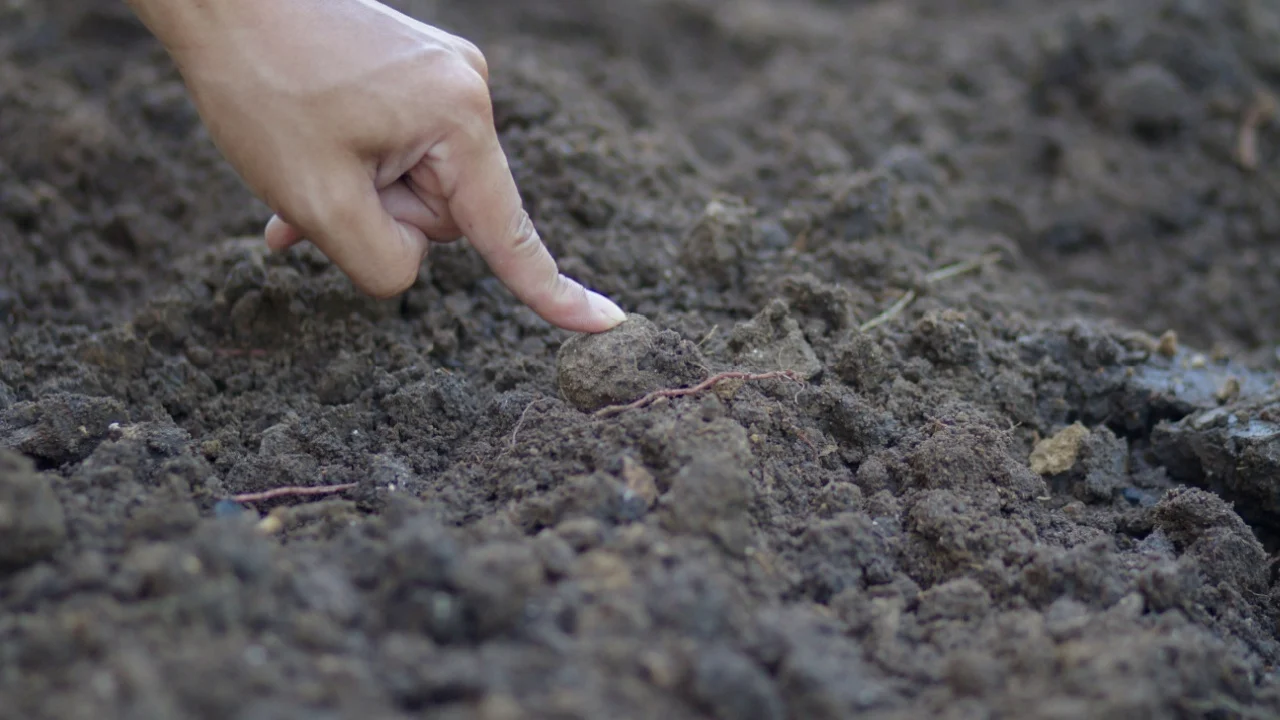
If you’ve never stuck your finger two inches into the soil before watering, start now. This single habit change prevents more plant loss than anything else. It takes three seconds, costs nothing, and will immediately tell you whether you’re about to help your plants or harm them, which is more than any watering schedule, app, or timer can ever do.
3. Watering when plants wilt midday
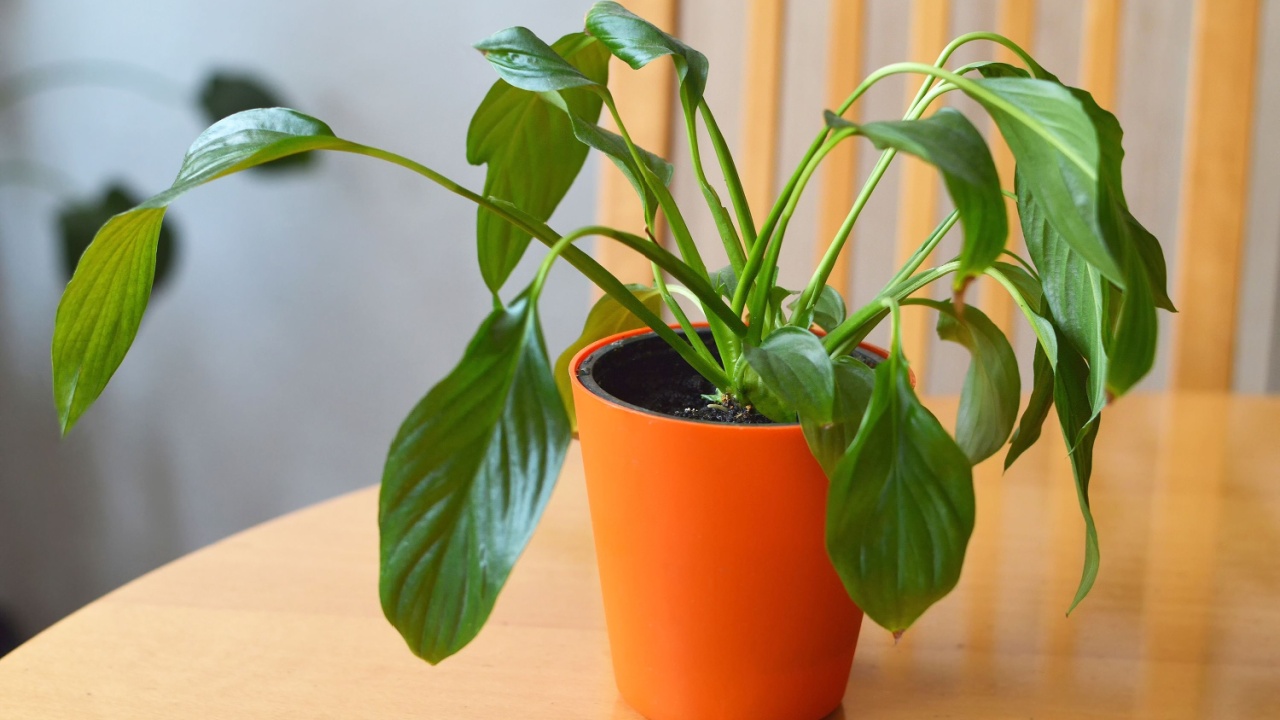
Temporary afternoon wilting is often a normal heat response, not a distress signal. Wait until evening; if the plant recovers, it doesn’t need water. If it stays limp, then water. Many plants, squash and hydrangeas especially, droop dramatically in afternoon heat as a self-protective mechanism, and a gardener who rushes out with the hose at 2 PM is solving a problem that was going to solve itself by sunset.
4. Misreading overwatering as underwatering
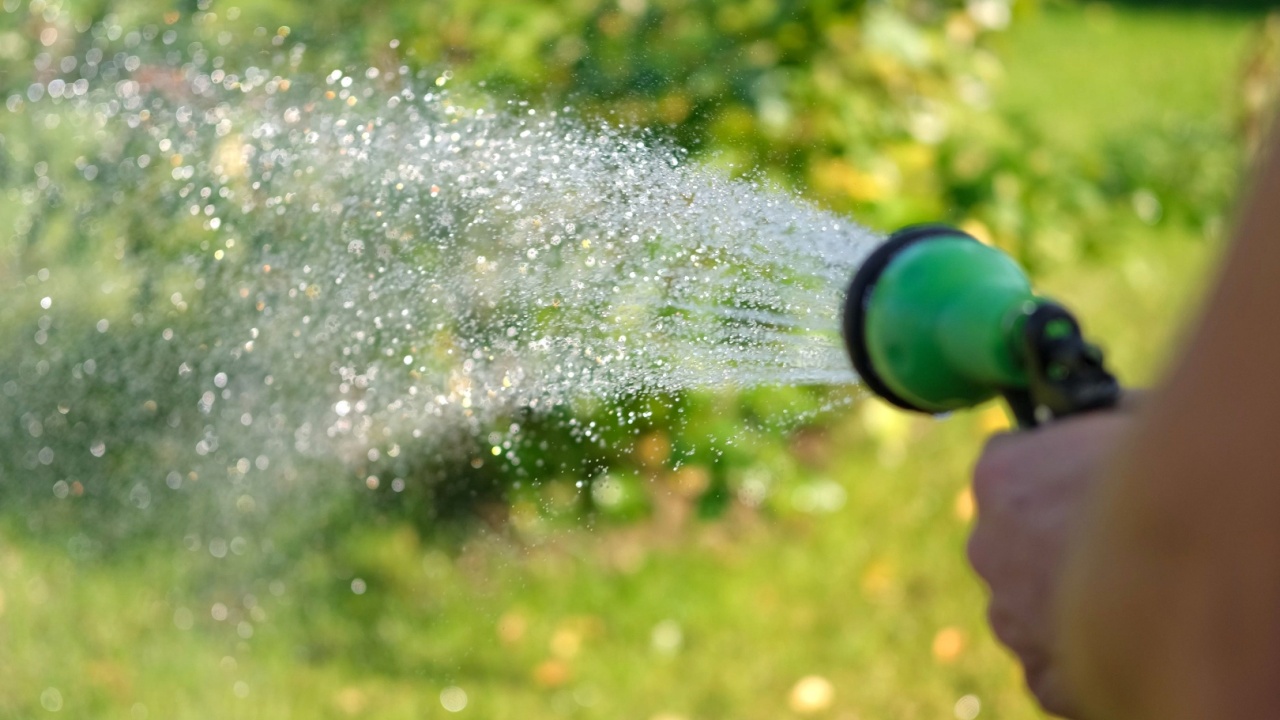
When plants yellow, wilt, or drop leaves, most gardeners water more. If the soil is already wet, adding more water accelerates root death. Always check the soil before you reach for the hose. This is the mistake that causes the most heartbreak, because the gardener does everything right in their mind — they see a struggling plant and respond immediately — but the response itself is what finishes the plant off.
5. Watering the leaves instead of the roots
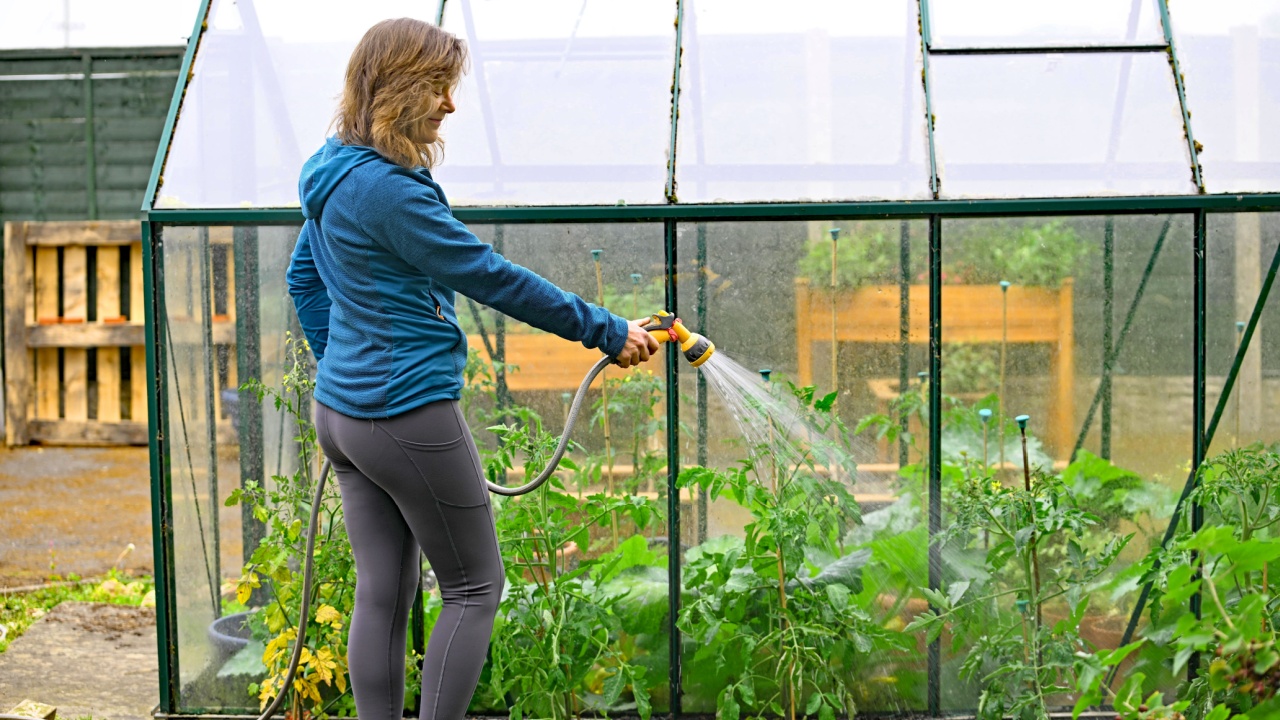
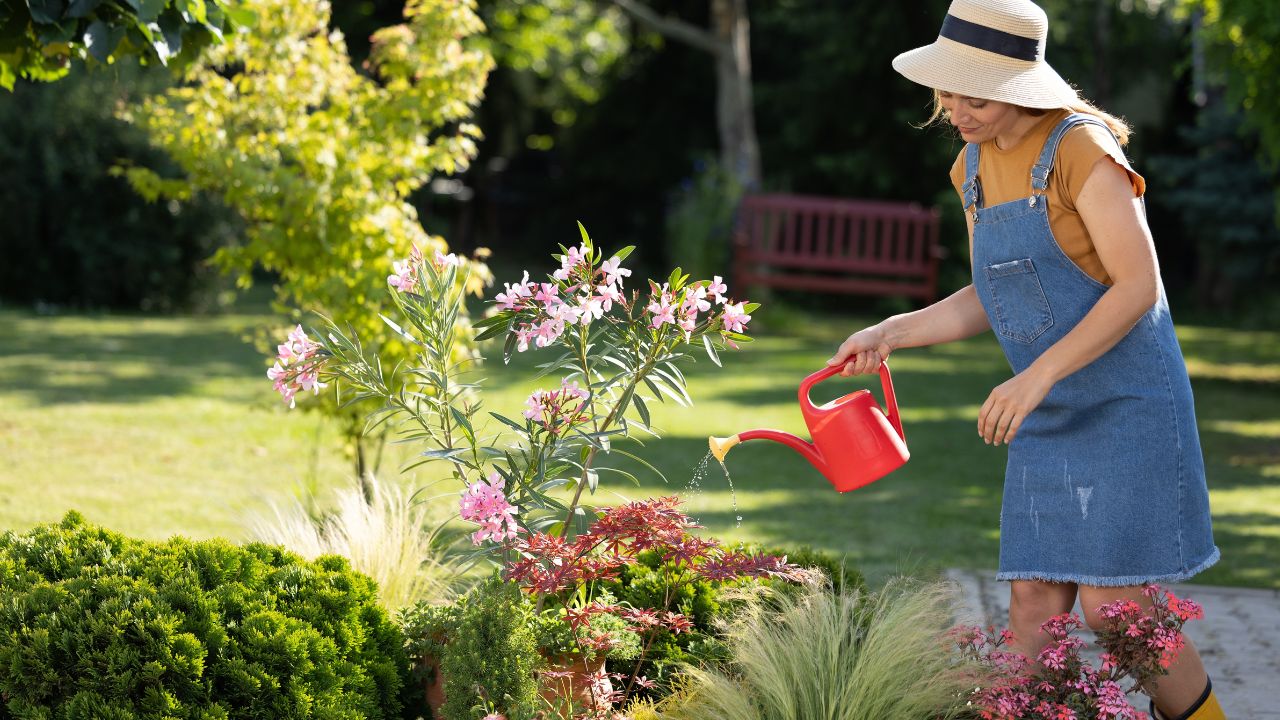
If you’re watering with an overhead sprinkler or standing with a hose raining down on your plants’ leaves, you’re wasting water and inviting disease. The Old Farmer’s Almanac notes that soaker hoses ensure around 90 percent of water reaches plants, whereas overhead watering loses significant amounts to evaporation and surface runoff. Wet foliage, especially overnight, creates ideal conditions for fungal infections, powdery mildew, and leaf spot. Tomatoes, roses, and squash are particularly vulnerable. The fix is simple: aim at the soil, not the plant.
6. Using a high-pressure hose spray

A blasting jet of water erodes soil from around plant roots, can dislodge seedlings, and damage soft stems. Use a gentle setting or a watering wand with a breaker head. This is especially critical in spring, when newly transplanted seedlings haven’t had time to anchor their roots — a hard blast at the wrong moment can set a young plant back by weeks or kill it outright.
7. Running sprinklers during windy conditions.

Water dispersed through moving air distributes unevenly and loses a significant portion to wind drift before it ever reaches the soil. According to Texas A&M AgriLife Extension, irrigation during winds exceeding 5 mph results in uneven distribution across the garden, meaning some plants get too much while others stay dry. If you can’t avoid watering on a breezy day, switch to a soaker hose or drip line at ground level, where wind has no opportunity to intercept the water.
8. Watering lightly every day.
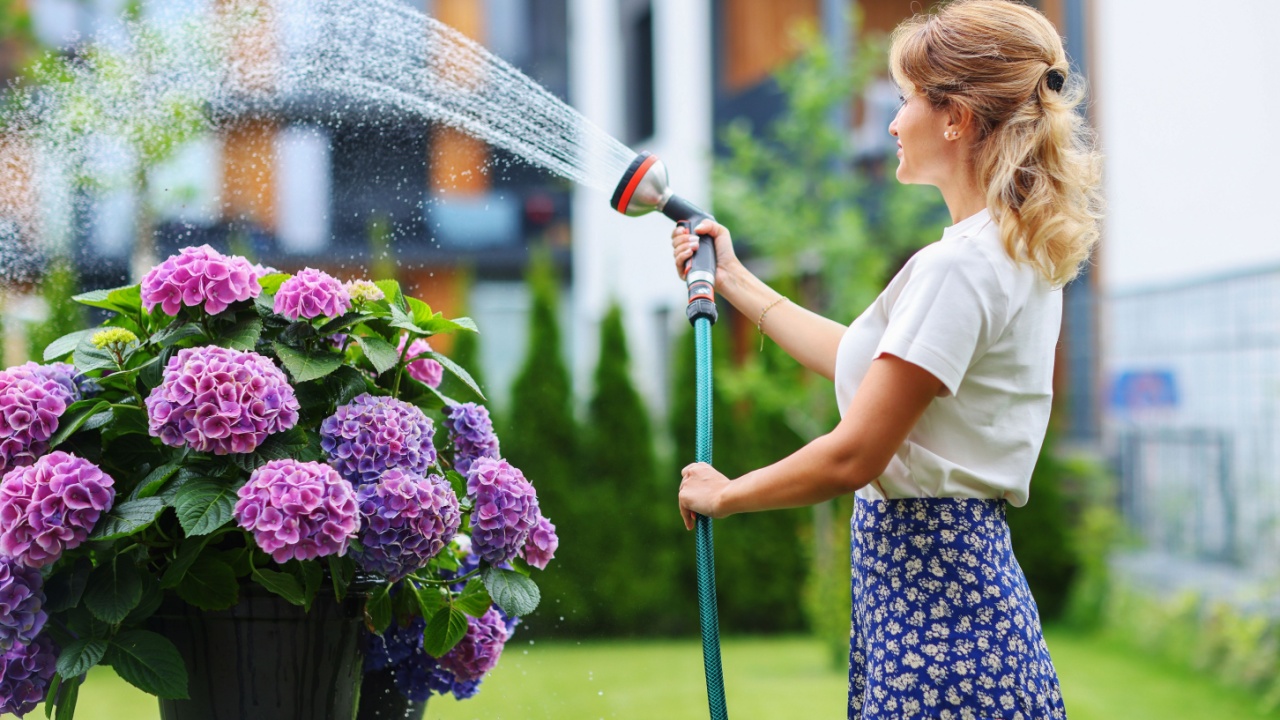
Light, frequent watering is one of the most seductive habits in home gardening — it feels attentive, even nurturing. But according to Texas A&M AgriLife Extension, it is actually harmful to lightly sprinkle plants every day. Frequent shallow applications wet only the top inch of soil. Plant roots follow water, so they stay near the surface, where soil dries out fastest during heat stress. A plant with surface roots is essentially on its own the moment a hot week arrives. Instead, water deeply and less often. Soil moistened to 5–6 inches deep stays cool and accessible to roots for several days. You water less, and your plants become dramatically more resilient.
One inch of water applied slowly over 6 hours will soak in without runoff. A quick 5-minute sprinkle will not.
9. Stopping before water reaches the root zone
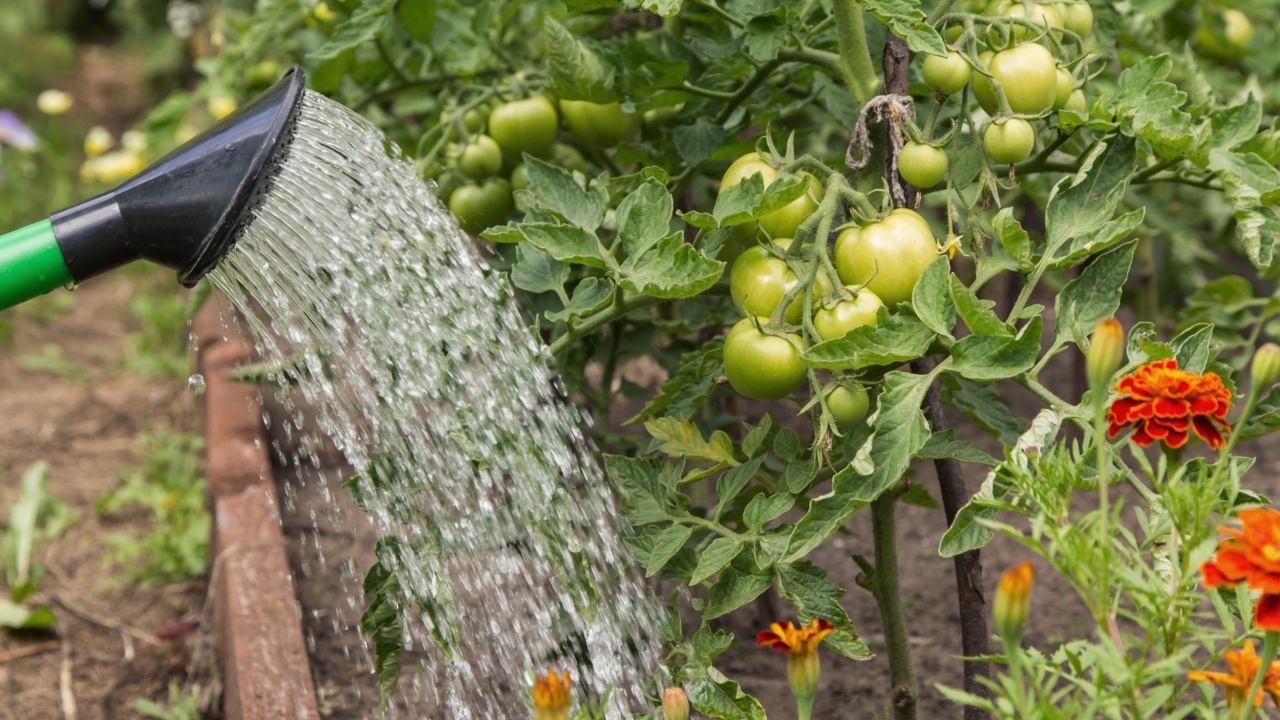
Most gardeners dramatically underestimate how long it takes for the soil to wet to 5–6 inches. Dig a small hole an hour after watering to check how deep the moisture actually went. The answer may surprise you.
10. Watering in the middle of the day
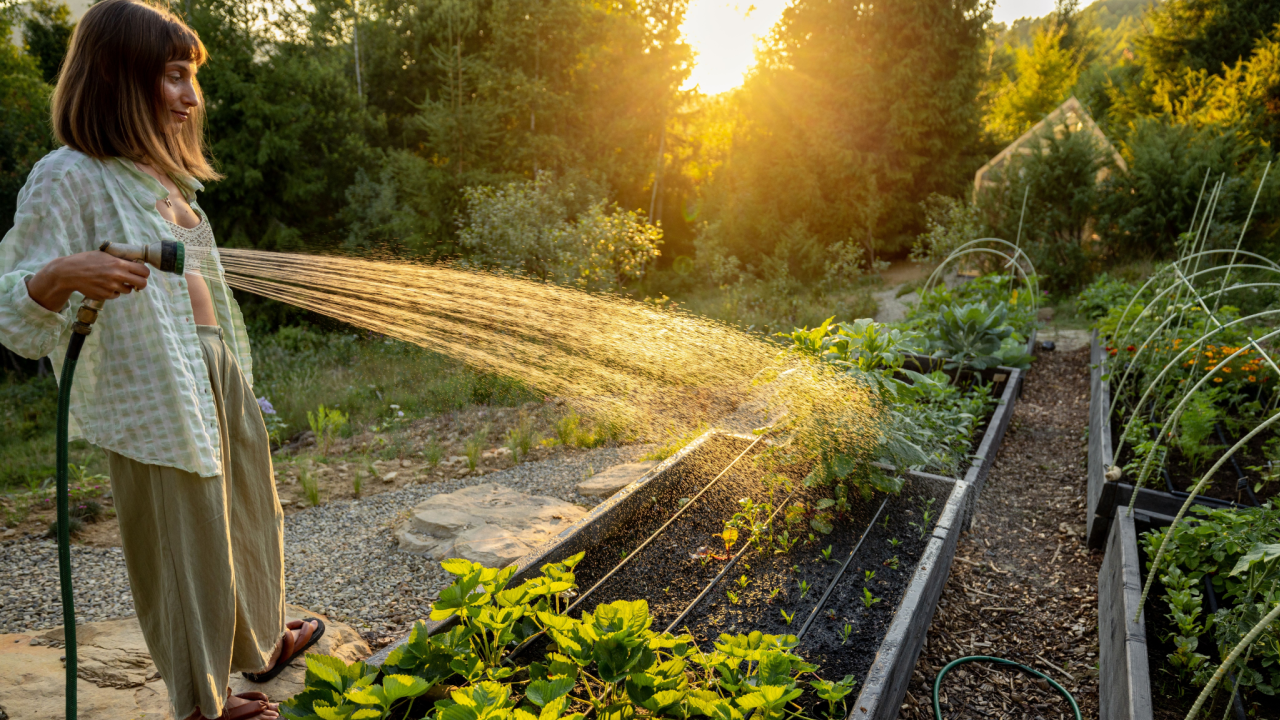
Timing is not a minor detail — it can mean the difference between effective irrigation and wasted effort. The Almanac is direct on this point: watering during afternoon heat can result in up to 50 percent of your water being lost to evaporation before it ever reaches a root. The best time to water is early morning, between 4 and 9 AM.
At this hour, temperatures are low, wind is calm, and water has maximum time to soak in before the heat of the day pulls it back into the air. Foliage also dries quickly in morning sun, preventing the fungal conditions that evening watering can create.
11. Skipping mulch
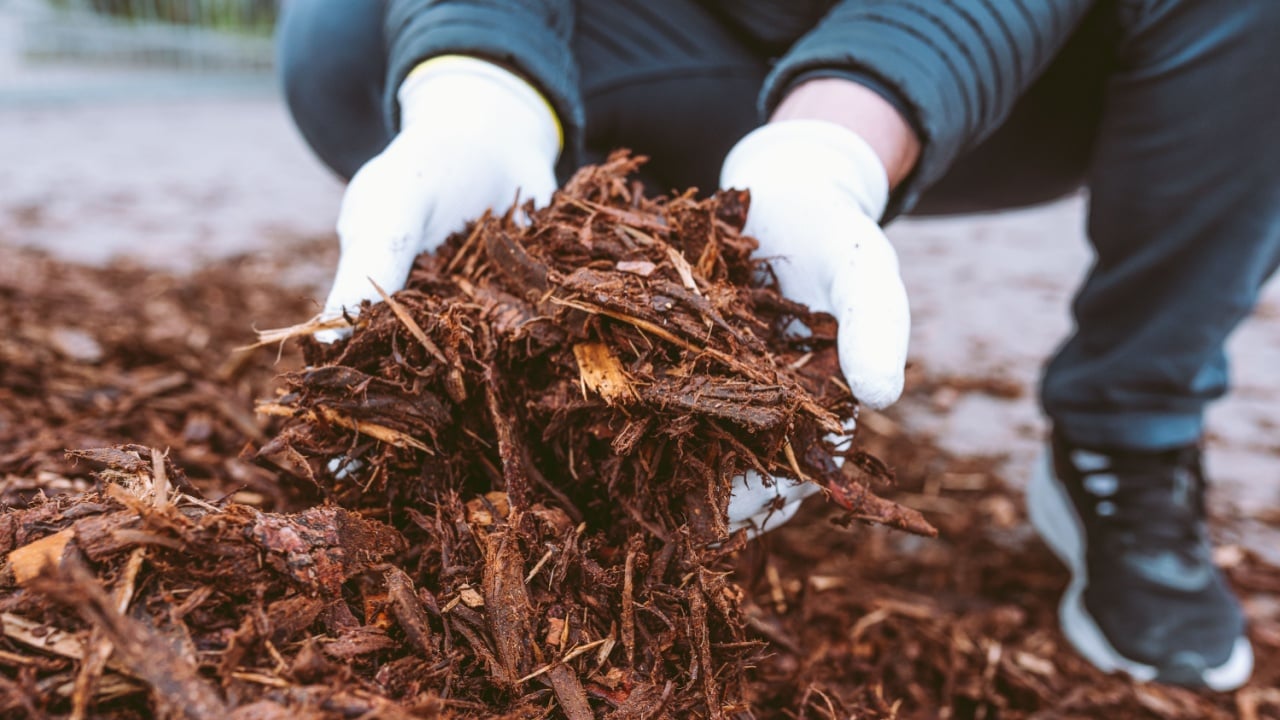
If there is a single, low-cost change that transforms how a garden handles heat, drought, and your absence, it is this: mulch. A 3–4 inch layer of organic mulch such as straw, shredded leaves, and wood chips, laid around your plants, dramatically slows moisture evaporation from the soil surface. Texas A&M AgriLife Extension states that mulching does more to help newly planted trees and shrubs establish than any other factor except regular watering itself.
Bare soil, by comparison, can lose up to three-quarters of the rain that falls on it to runoff and evaporation before a root ever touches it. Mulch also moderates soil temperature, suppresses weeds, and prevents soil compaction from heavy watering. Lay it in March, before the heat arrives, and you’ll water less all summer.
Small Changes This March, Big Payoff This Summer
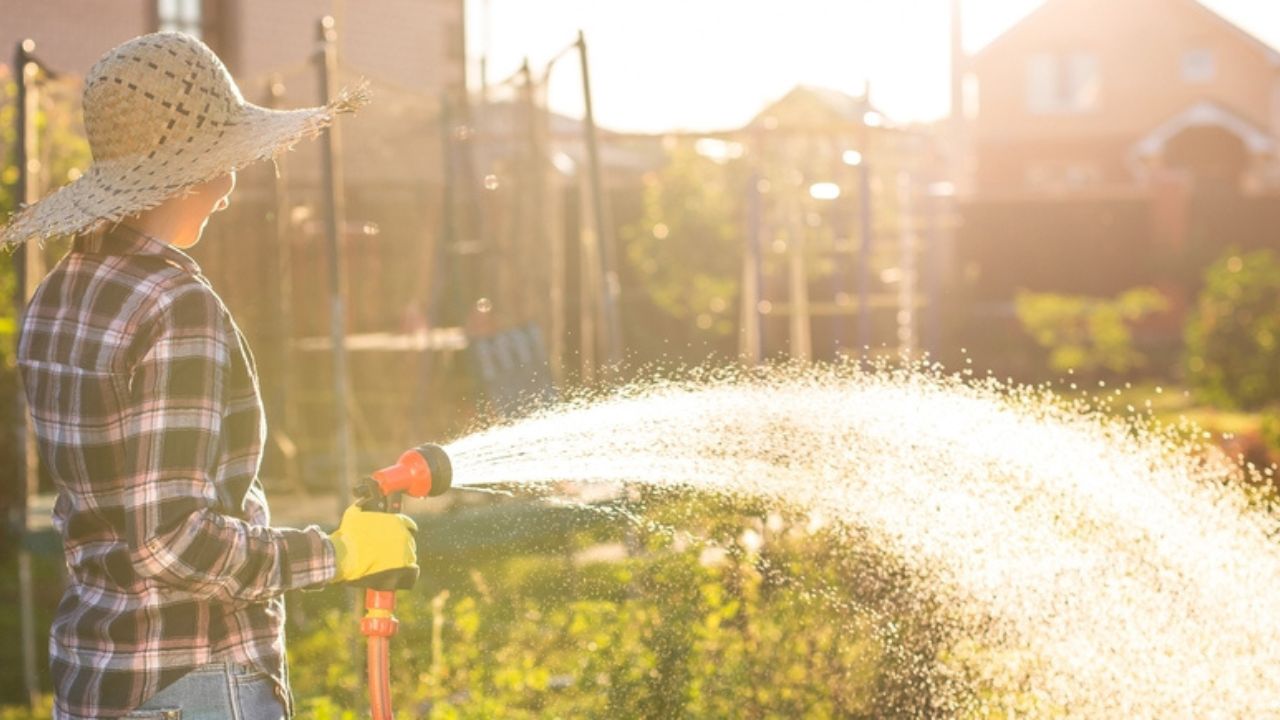
The watering habits you set now will carry your garden through the fall. None of the fixes above requires expensive equipment or significant time. They require different attention: checking the soil before reaching for the hose, watering in the morning instead of the evening, laying mulch before the heat arrives, and giving your plants deep, infrequent drinks instead of constant shallow sips.
Good watering isn’t about doing more. It is about doing less, done well. Your garden and your water bill will thank you.
Read More
Washing Your Lettuce Won’t Remove Cyclosporiasis, But Growing Your Own Will
Your Grandmother Stored These 8 Foods All Winter Without Canning a Single Jar