12 Reasons Bagged Salad is a Total Disappointment (And What to Buy Instead)
Grabbing a bag of pre-washed greens with all the fixings from the supermarket can feel like a win. Tossing those leaves into a bowl saves time on busy weeknights when making a big meal feels like too much work. Convenience is king when life gets hectic.
But research shows there are some serious downsides to those innocent-looking plastic bags. Environmental scientists and platforms like Mother Jones highlight significant water usage and high energy costs associated with processing. Nutrition experts also warn that as soon as lettuce is chopped and sealed in plastic, its vitamin content starts to drop.
This list breaks down why pre-packaged greens don’t live up to the hype. Keep reading to find easy alternatives and simple prep ideas that will upgrade your meals and be better for the planet.
1. Nutritional Benefits Decline Rapidly

Prepackaged greens might sit in transit for weeks before reaching a grocery cart. The longer those greens wait in plastic packaging, the more antioxidants and essential vitamins degrade before consumption. Ripping fresh lettuce right before serving creates a fourfold increase in antioxidant activity compared to eating older, pre-cut leaves.
Instead of buying chopped leaves, purchase whole heads of lettuce from local farmers. Rinse the intact leaves at home and tear them into bite-sized pieces right before eating to maximize nutritional value.
2. Industrial Washing Wastes Massive Amounts of Water

Most companies boast about their triple-washed greens as a major selling point. However, this industrial washing process consumes staggering amounts of water. Since a huge percentage of lettuce is produced in drought-prone states like California, this intensive water consumption strains already vulnerable ecosystems.
Buying whole vegetables allows you to control the exact amount of water needed for cleaning. A quick rinse in a small bowl of cold water cleans fresh produce thoroughly without draining municipal water supplies.
3. Processing Facilities Consume Huge Amounts of Energy
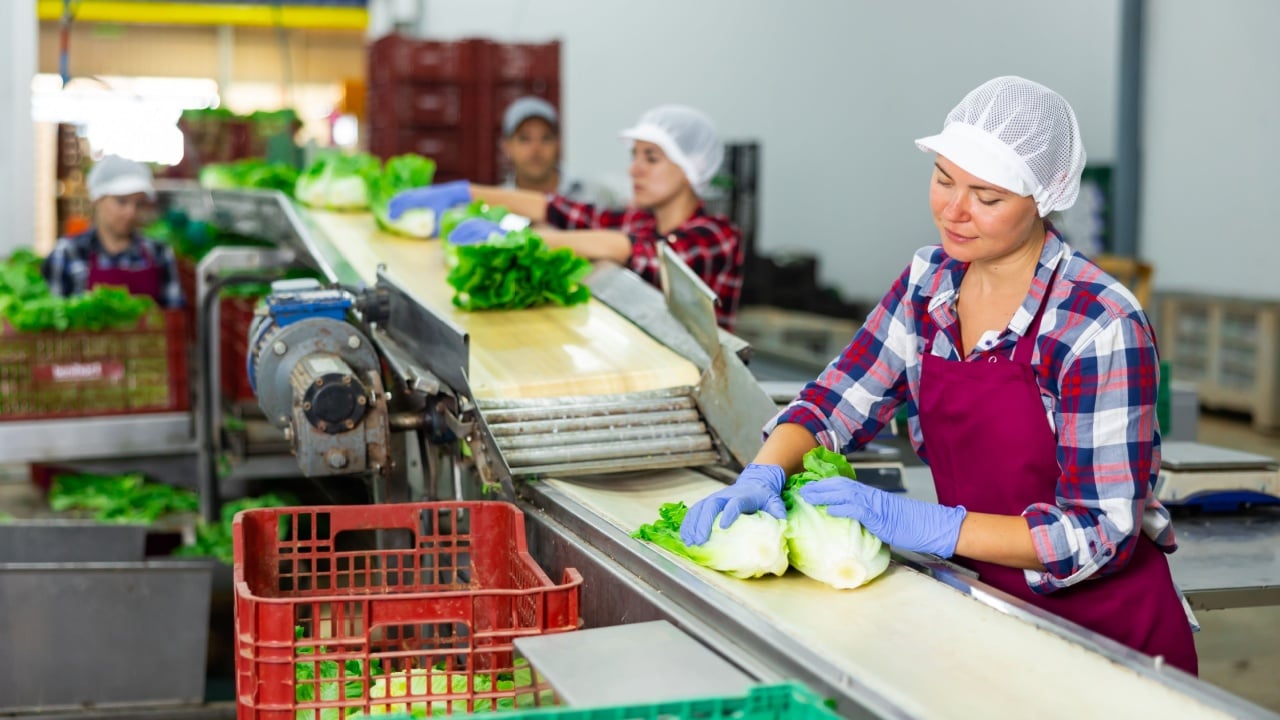
Bagged salads need a lot of mechanical prep that whole vegetables don’t. Processing plants use heavy machinery, refrigeration, and tons of electricity just to wash and package the leaves. The environmental cost of running these industrial plants just isn’t worth saving a few minutes in the kitchen.
Choosing unprocessed veggies cuts out the energy-guzzling middleman and reduces your carbon footprint. Washing produce at home uses way less electricity than a massive factory.
4. Unwanted Surprises Slink Into the Packages
Factory processing lines occasionally miss foreign objects hidden among the green leaves. One famous incident in California involved a consumer finding a live frog inside a sealed, organic salad mix. While finding an amphibian might be rare, discovering bugs or debris in a sealed package destroys any appetite immediately.
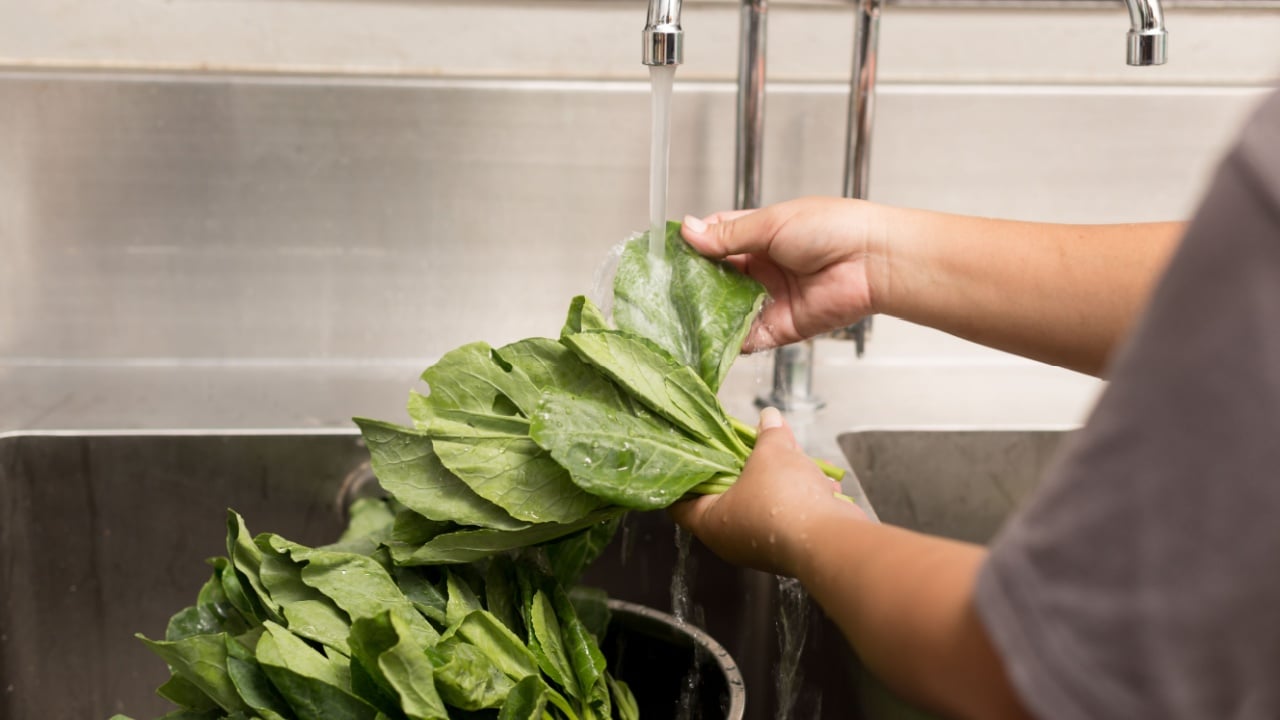
Washing whole vegetables leaf by leaf eliminates the risk of strange surprises landing on a dinner plate. This manual process gives you complete control over the cleanliness of the food you consume.
5. Heavy Chemical Treatments Linger on the Leaves
Leafy greens often top the lists for pesticide residue, according to the Environmental Working Group. To kill bacteria, commercial facilities also soak their produce in chlorinated water that can be as concentrated as a swimming pool. If you have a sensitive stomach, these chemical baths might cause some discomfort.
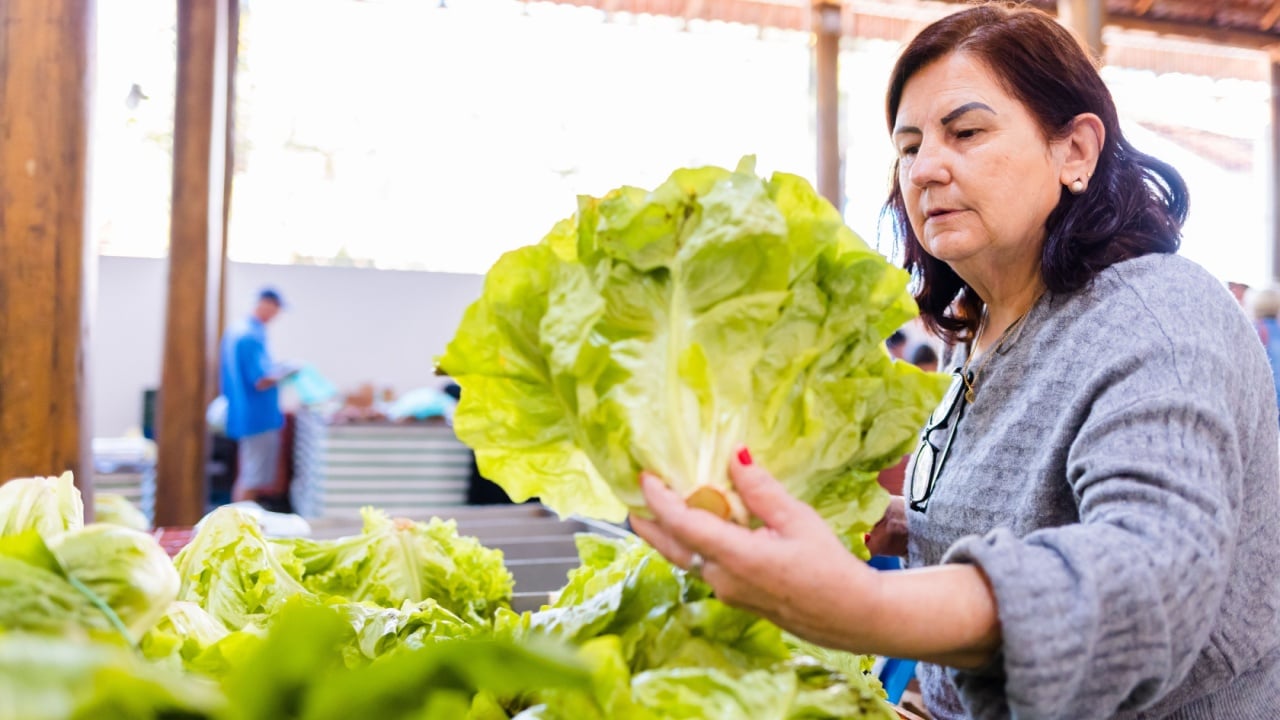
Choosing organic, whole heads of lettuce means less exposure to synthetic pesticides and harsh chlorine. A quick scrub with a vegetable brush under tap water is all you need for peace of mind.
6. Plastic Packaging Creates Severe Waste Problems

Every single bag of pre-washed salad contributes to the mounting plastic crisis polluting global waterways. These specific thin plastics are rarely recyclable and end up sitting in landfills for centuries.
Bring reusable cotton bags to the grocery store or farmers’ market to carry whole heads of lettuce. Storing greens in glass containers or wrapping them in damp cloth towels keeps them fresh without contributing to plastic pollution.
7. Bacterial Contamination Remains a Serious Threat
Even after those heavy chlorine washes, triple-washed greens can still carry dangerous bacteria. Researchers at the University of California, Riverside, found that bacteria can cling to the tiny nooks on spinach leaves, making it through the entire industrial washing process. Once inside a closed plastic bag, these surviving bacteria can multiply, increasing the risk of foodborne illness.
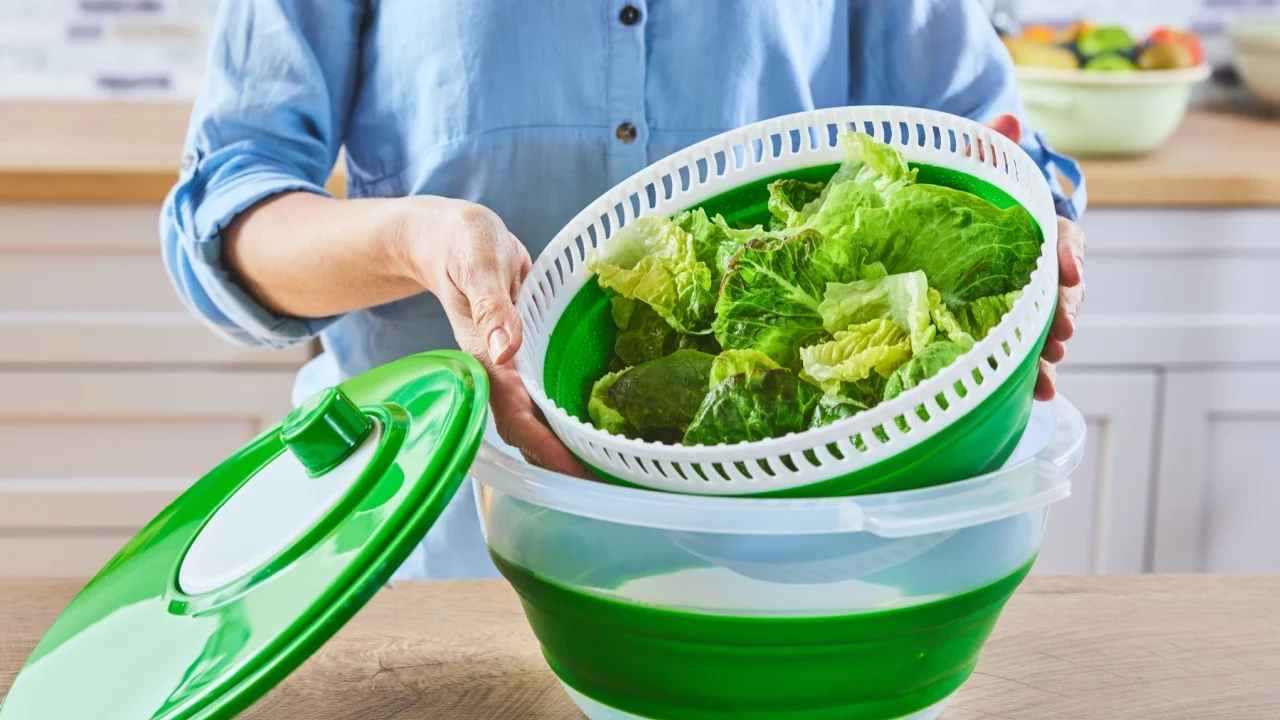
Washing your own greens at home is a much safer bet. Just make sure to dry the leaves completely in a salad spinner before storing them to stop any bacteria from growing.
8. Slime Factor Ruins the Texture
Trapped moisture inside plastic salad bags creates a breeding ground for premature rotting. The delicate leaves at the bottom of the bag quickly dissolve into an unappetizing green slime before the expiration date even arrives. This common spoilage issue leads to immediate frustration and wasted grocery money.
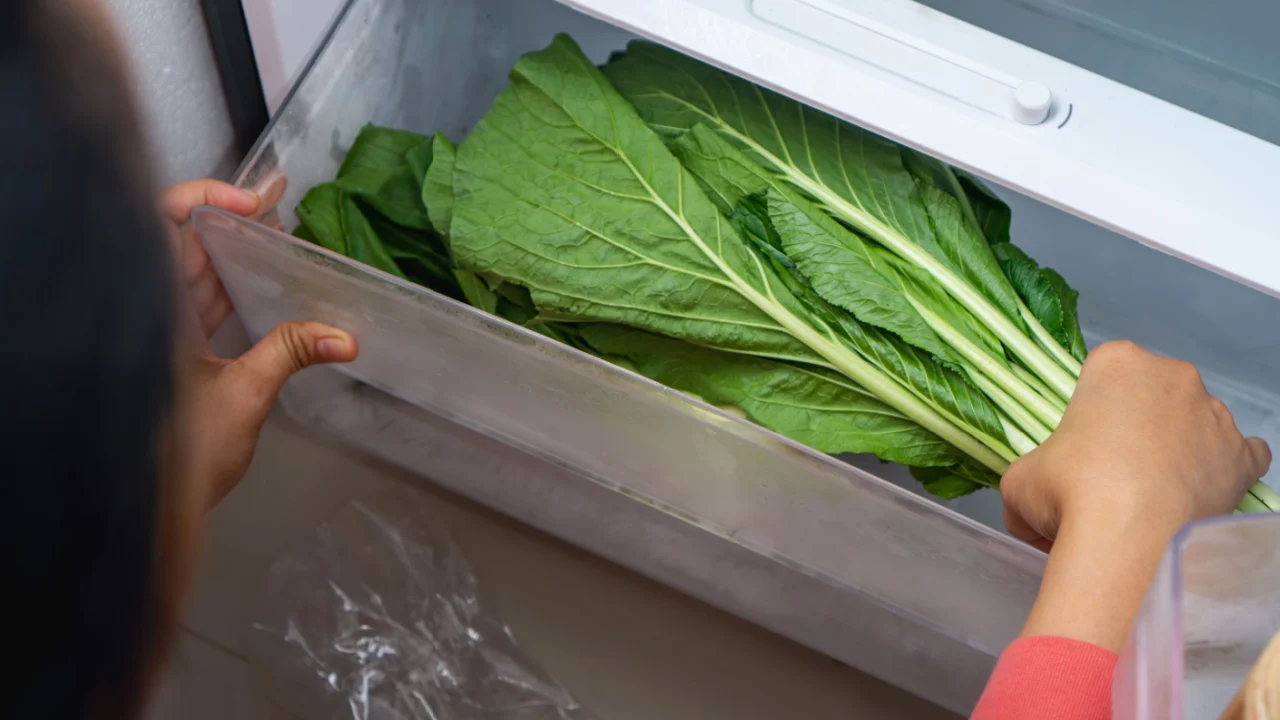
Store whole heads of lettuce in the refrigerator crisper drawer with a dry paper towel to absorb excess moisture. This simple storage trick extends the lifespan of leafy greens by several weeks.
9. Pre-Cut Greens Cost Significantly More
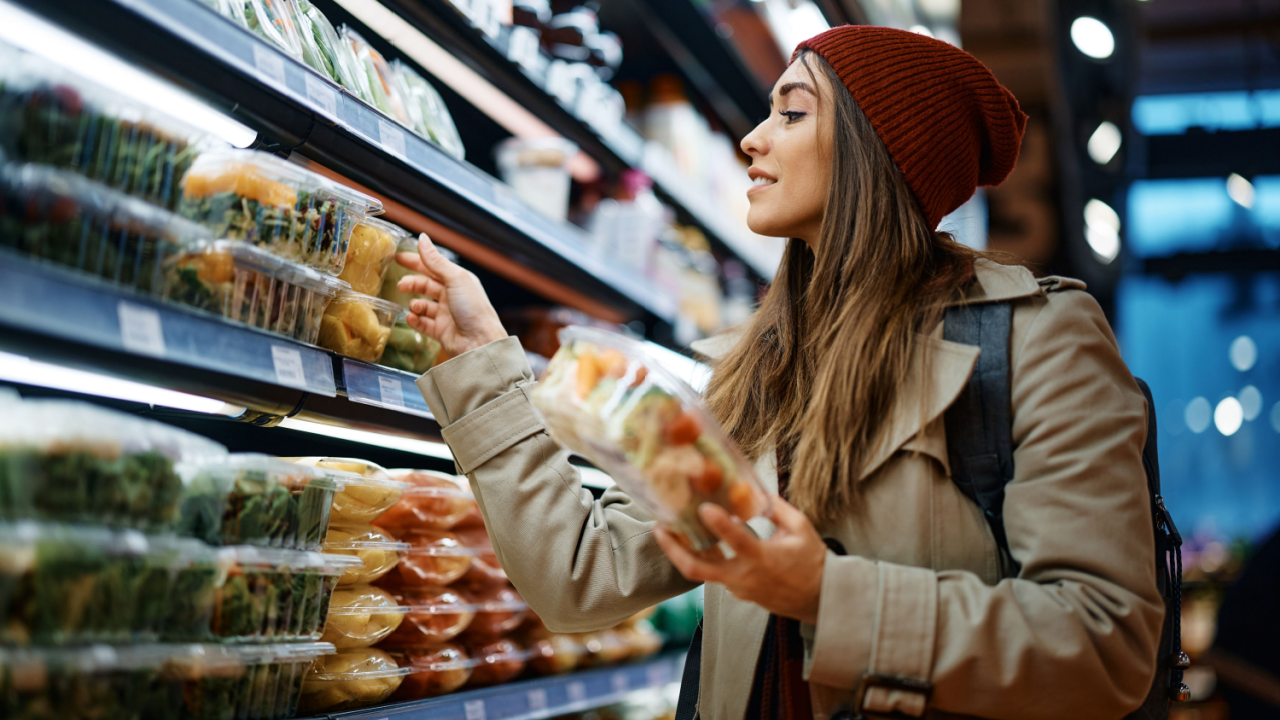
Supermarkets charge a massive premium for the labor involved in chopping and bagging vegetables. Comparing the price per ounce reveals that packaged salads often cost triple the amount of whole produce sitting just a few feet away. Paying for someone else to chop leaves drains monthly grocery budgets unnecessarily.
Invest those saved dollars into higher-quality, locally grown produce instead of factory-processed bags. Spending two minutes chopping a fresh cabbage head yields significantly more food for a fraction of the price.
10. Flavor Profiles Suffer Greatly

The extended storage time and harsh chemical washes strip the natural, earthy flavors from delicate greens. Packaged salads often taste bland, metallic, or vaguely like the plastic they are stored in. A lack of flavor makes eating vegetables feel like a chore rather than a culinary delight.
Freshly harvested greens possess a vibrant, peppery, and sweet flavor profile that elevates any recipe. Sourcing greens directly from a local garden or market delivers a taste experience that factory products cannot replicate.
11. Limited Customization Restricts Creativity
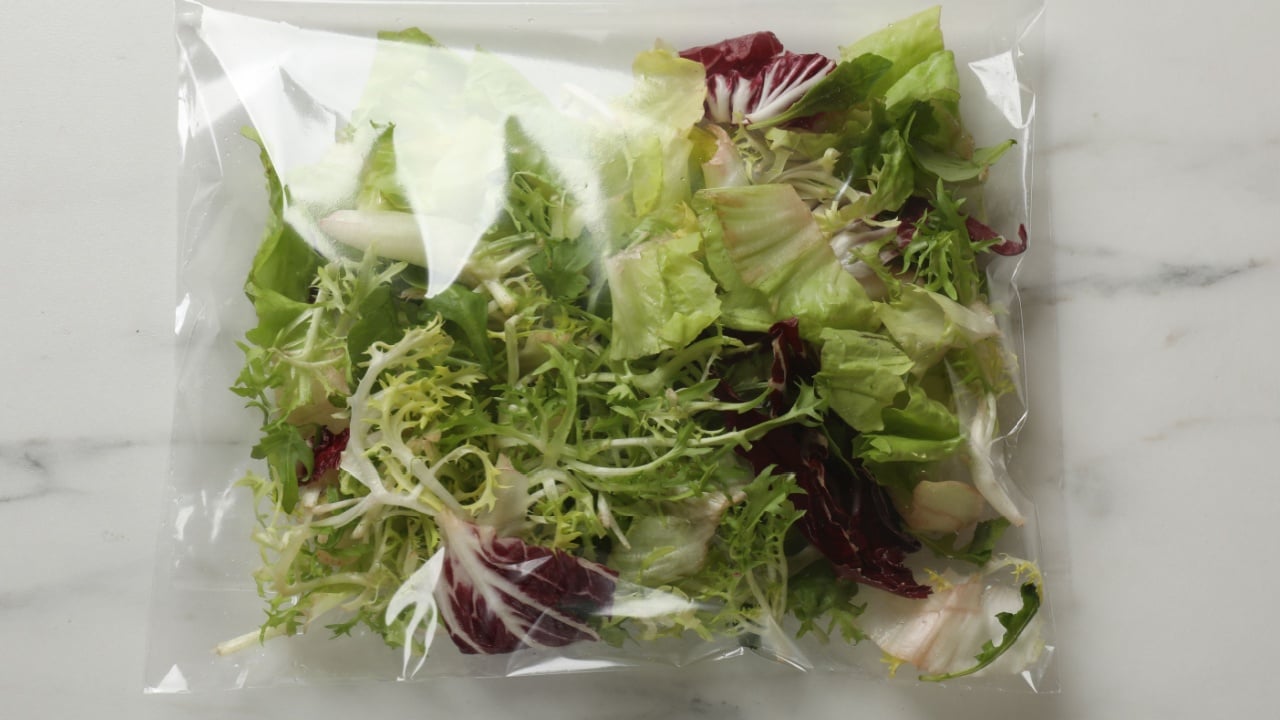
Buying pre-mixed bags forces reliance on whatever ratios the factory decided to include. If a mix contains too much bitter radicchio and not enough sweet spinach, the entire meal suffers. This rigid structure prevents culinary exploration and leads to boring, repetitive meals.
Building salads from scratch allows for total control over the flavor balance and texture variety. Mixing different whole greens like arugula, butter lettuce, and kale creates dynamic dishes tailored perfectly to individual preferences.
12. Manual Preparation Builds Culinary Confidence
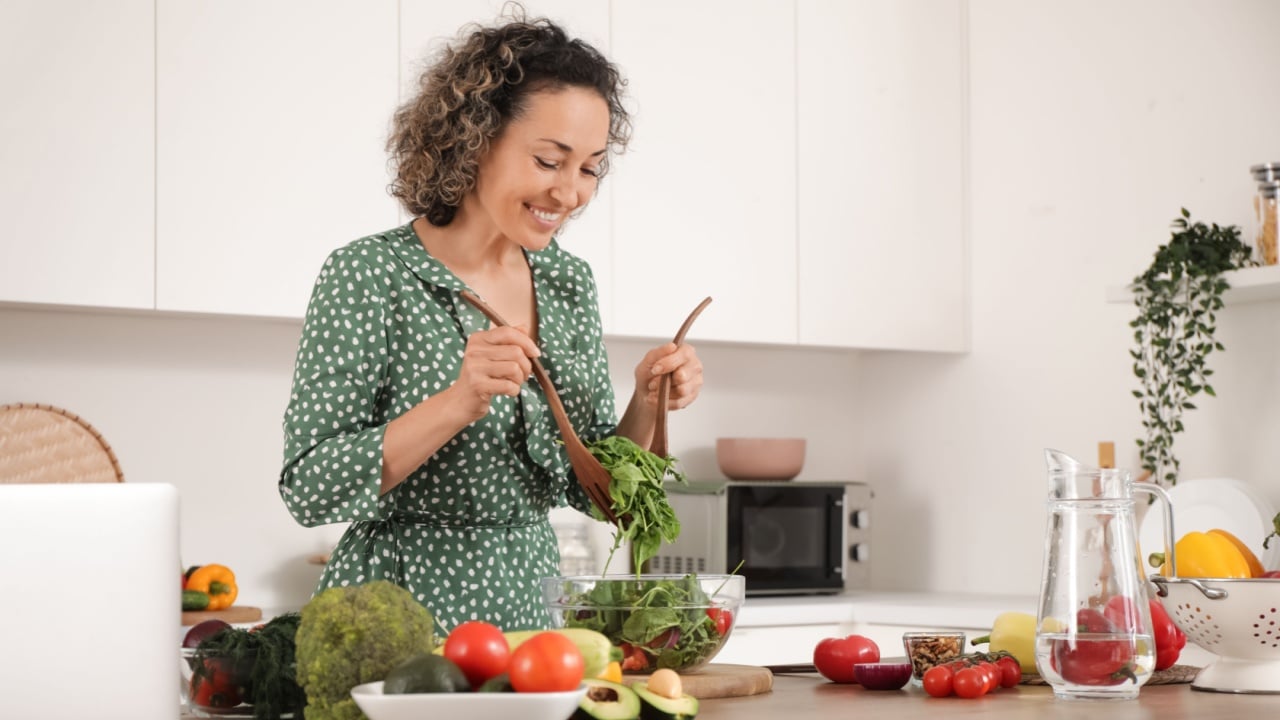
When you lean too heavily on pre-packaged foods, you miss out on the cooking experience itself. This disconnect can make you dependent on big food companies and can dull your basic kitchen skills. Simple things like tearing lettuce or mixing a vinaigrette are building blocks for more complex recipes down the line.
Try to see washing and prepping your veggies as a relaxing daily habit. Next time you’re at the store, grab a head of fresh lettuce and see how good it feels to prepare your own food.
The Art of Mindful Meal Preparation
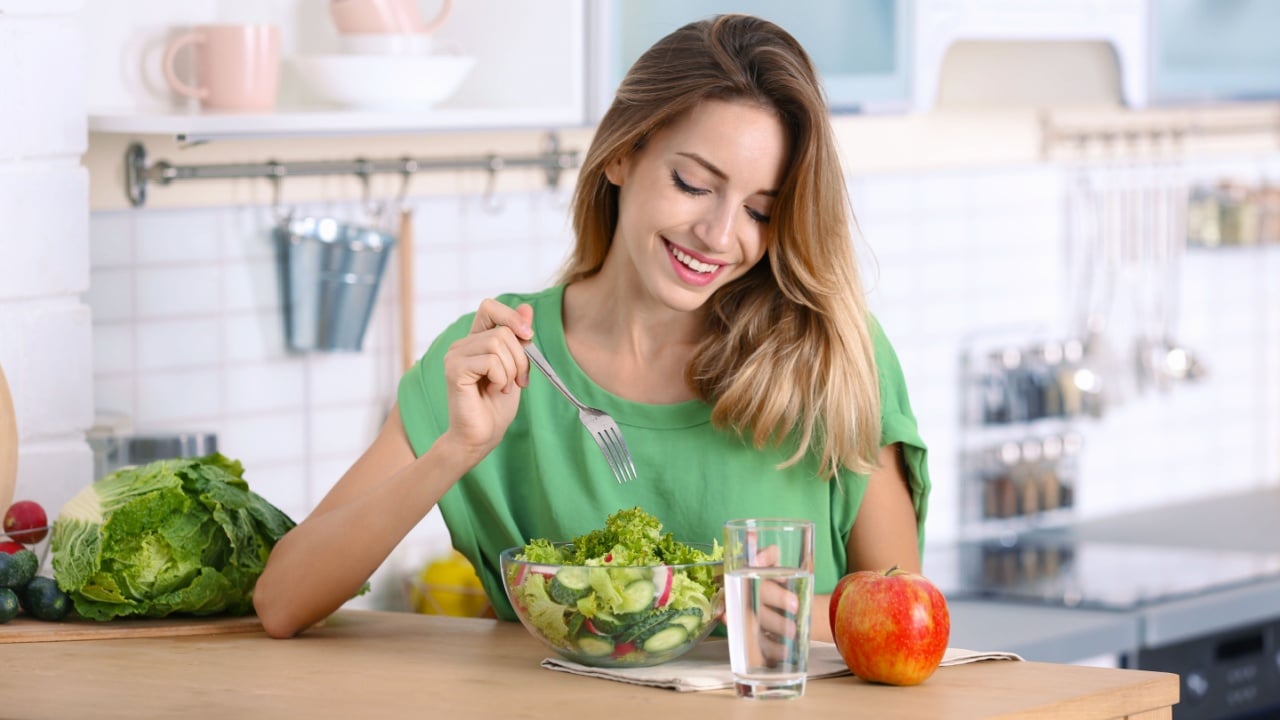
Ultimately, reconnecting with the process of preparing fresh, whole ingredients can transform how we perceive and enjoy our meals. By taking the time to cook with intention, we not only nourish our bodies but also cultivate a deeper appreciation for the food we consume.
This simple yet powerful act has the potential to bring balance, creativity, and satisfaction into our daily lives.
Read More: