Stop Trashing Your Kitchen Scraps: 9 Top Reasons to Start Vermicomposting
The coffee grounds and carrot peels you scraped into the trash this morning are the raw ingredients for a fertilizer that sells for as much as $7 a pound, and, in a growing number of places, throwing them away can now get you fined.
That sounds like an exaggeration. It isn’t. Vermont made food scraps illegal to put in the trash for every resident in 2020, and New York City began fining property owners for unseparated food waste in April 2025. Meanwhile, most of us are buying bagged soil amendments every spring while sending the makings of a better one to the landfill every week.
The fix fits under a kitchen sink, costs almost nothing to start, and asks less of you than a houseplant. It’s called vermicomposting, and October happens to be the smartest month of the year to begin. Start a bin now, and your first harvest of worm castings lands right when you’re filling seed trays next spring.
Below are the top reasons to start vermicomposting this fall, plus the two mistakes that sink most beginners before they ever harvest a handful.
1. Stop Tossing Food Scraps: Your Trash Can May Already Be Breaking the Law
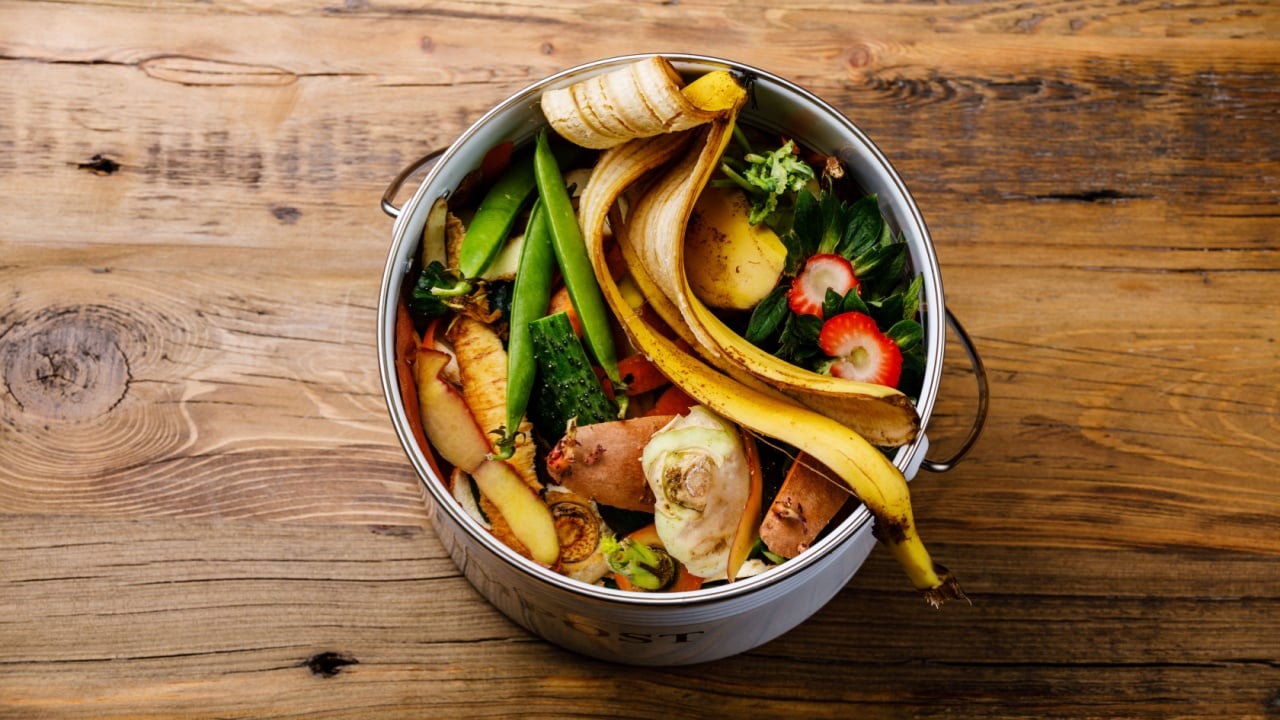
Most homeowners don’t realize food scraps have quietly become regulated waste. According to the Vermont Department of Environmental Conservation, “food scraps are banned from the trash for everyone in Vermont,” a rule in effect since July 1, 2020. New York City’s Department of Sanitation now fines owners of one- to eight-unit buildings $25 for a first offense, rising to $100 for repeat violations, when food waste lands in the regular trash.
Even where no law applies yet, the direction is clear. A worm bin keeps your scraps out of the garbage entirely, which means one less rule to worry about and one less bag at the curb.
2. You’re Paying for Fertilizer While Throwing Away the Ingredients
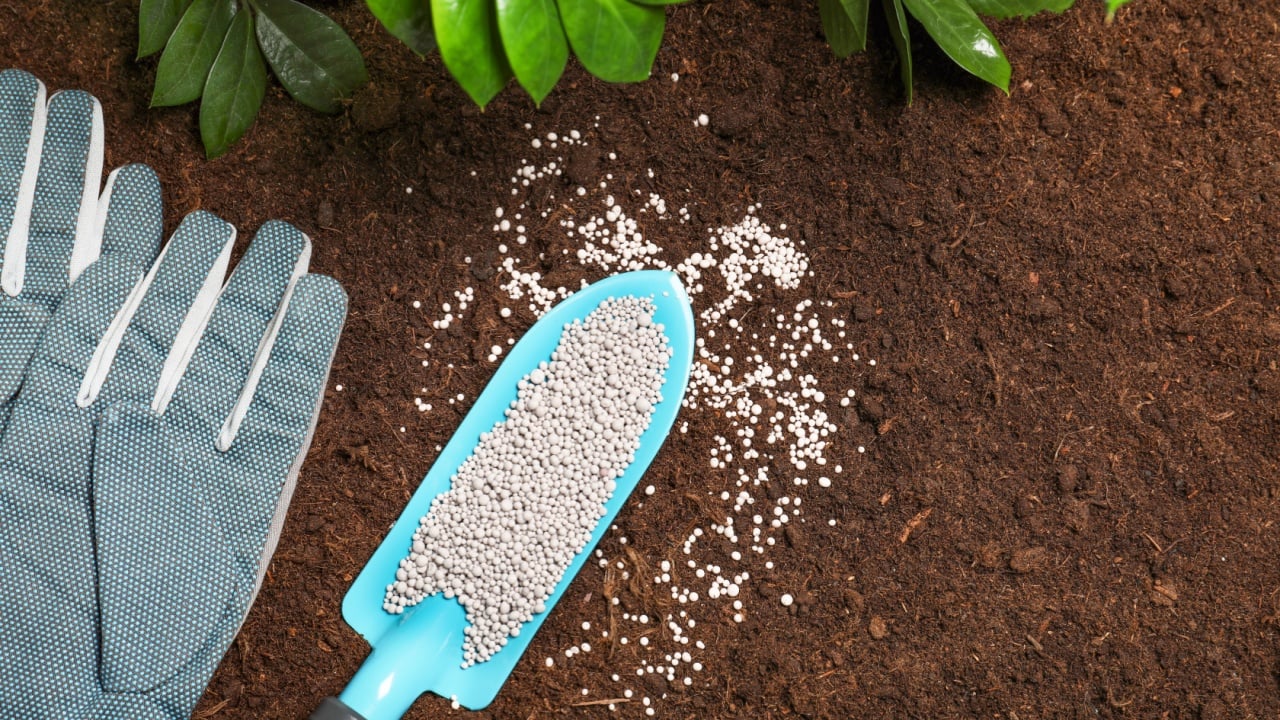
Every banana peel you toss is fertilizer you paid for twice: once at the grocery store and again at the garden center.
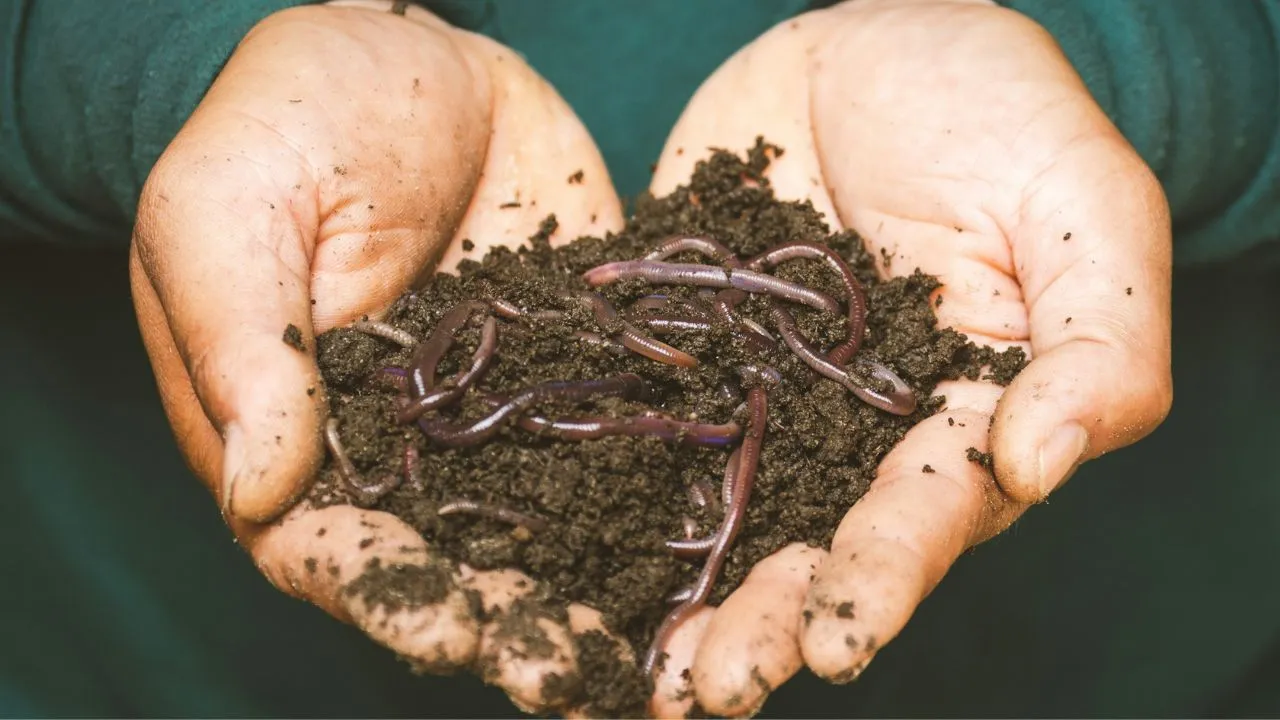
Penn State Extension notes that a single pound of red wigglers, about 1,000 worms, will process half a pound to a full pound of scraps each week once established. That’s up to 52 pounds a year per pound of worms turned into castings. Urban Worm Company reports finished castings can fetch as much as $7 a pound at farmers’ markets. The Indiana Department of Environmental Management puts it simply: vermicomposting “produces a free, high-quality soil amendment.” Your bedding costs nothing, either; shredded newspaper, cardboard, and fallen leaves all work.
3. Your Kitchen Trash Is a Methane Machine

The U.S. Environmental Protection Agency found food makes up only about 24 percent of what goes into municipal landfills, yet it produces an estimated 58 percent of the methane those landfills release into the air. Food rots so quickly that much of the gas escapes before collection systems are even installed.
The EPA’s own conclusion is that diverting food scraps is “an effective way to reduce methane emissions.” A worm bin does exactly that, one dinner plate at a time.
4. It Fits Under the Sink, and It Won’t Smell
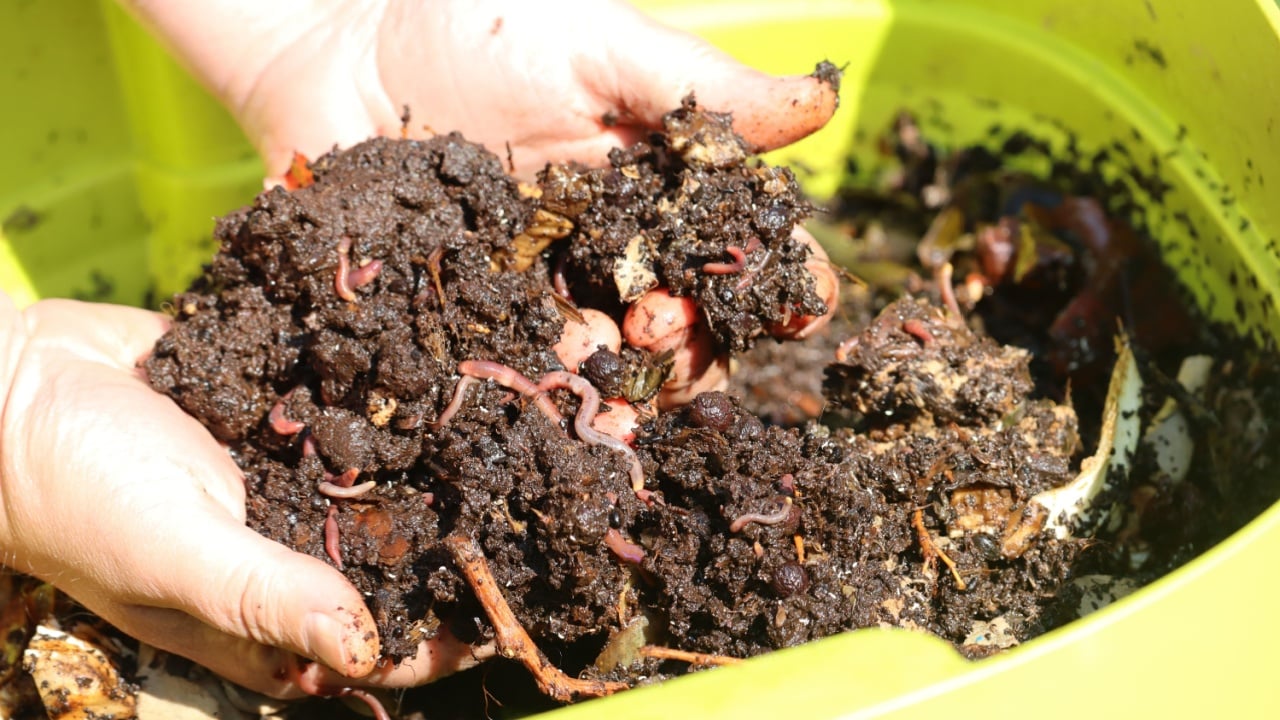
No yard, no problem. Garden Culture Magazine notes that a balcony, garage, basement, or quiet corner of the house works, as long as you have room for an 18- to 20-gallon bin. The Rodale Institute specifically recommends it for renters and anyone short on outdoor space.
The odor worry is the number one reason people never start, and it’s mostly unfounded. The University of Connecticut‘s soil lab says plainly, “A well-maintained worm bin should not smell.” Unlike an open backyard pile, a closed bin won’t draw raccoons or irritate the neighbors, either.
5. No Turning, No Hauling: The Easy Compost for Gardeners Over 50
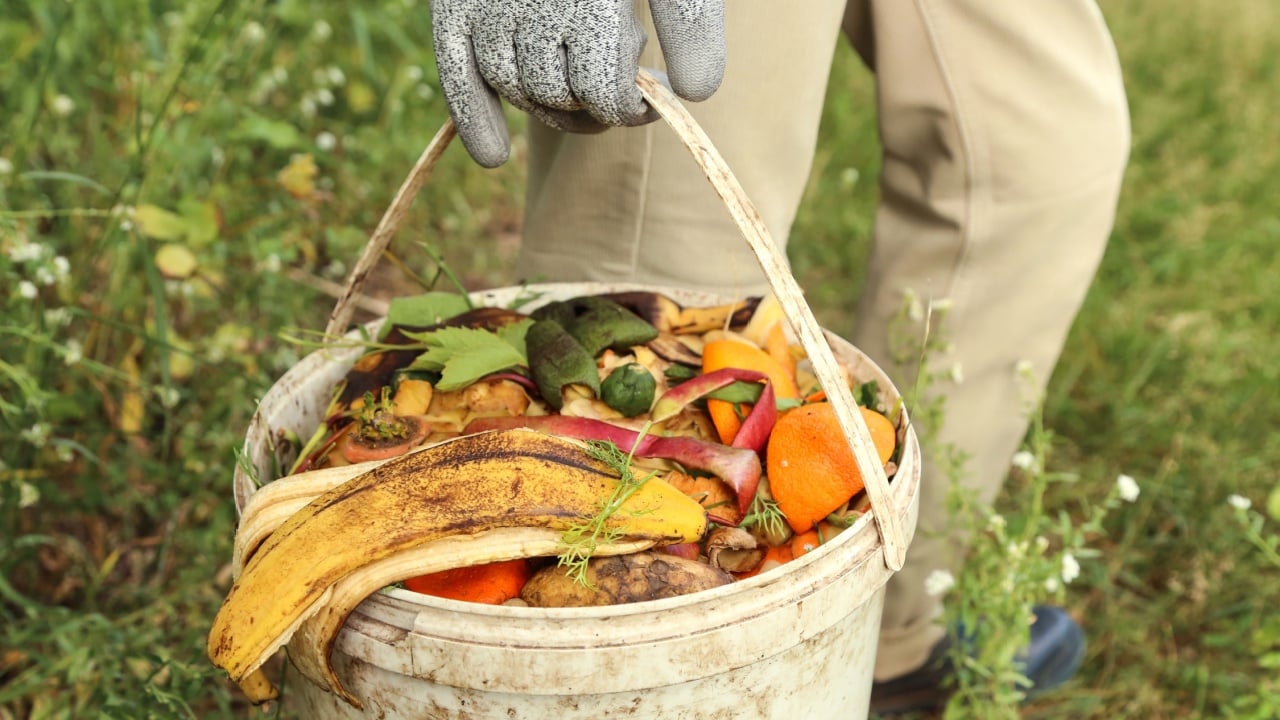
If your back has retired from forking a compost pile, this is your permission slip to stop. Worms do the turning themselves as they tunnel through bedding looking for food, and a home bin weighs a fraction of what a backyard heap demands.
Rodale Institute calls the ideal approach “kind of like beneficial neglect,” meaning the less you fuss, the better the worms do. For gardeners in their 50s and 60s who want the soil benefits of compost without the heavy lifting, few projects give more back for less effort.
6. Your Tomatoes Will Know the Difference
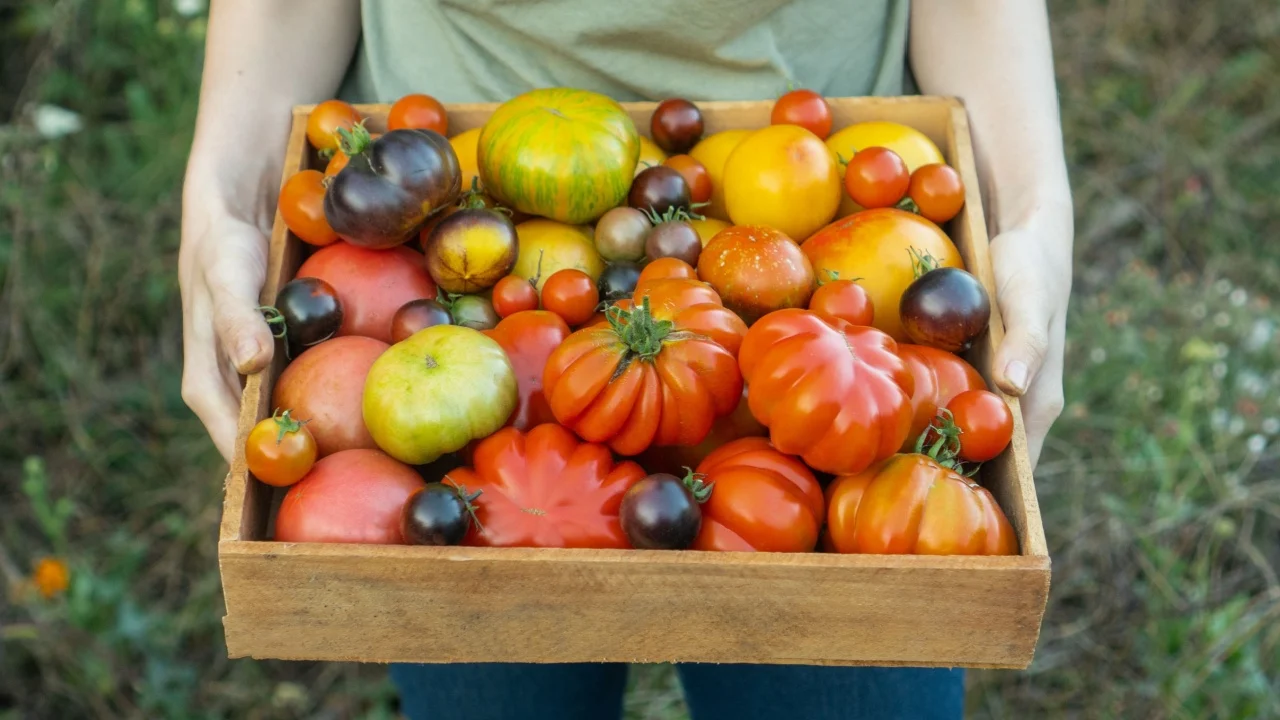
In a 2017 greenhouse study published in Frontiers in Plant Science, tomatoes grown with vermicompost in fresh soil produced 74 percent more fruit than unfertilized plants, with 47 percent more vitamin C and a sweeter sugar-to-acid balance. Penn State Extension adds that castings improve how soil holds water and “may also decrease plant diseases and attacks by pests.”
The insider trick most gardeners never hear: more is not better. Rodale Institute recommends mixing castings into potting soil at about 10 percent by volume. A little truly goes a long way.
7. October Is the Smartest Month to Start
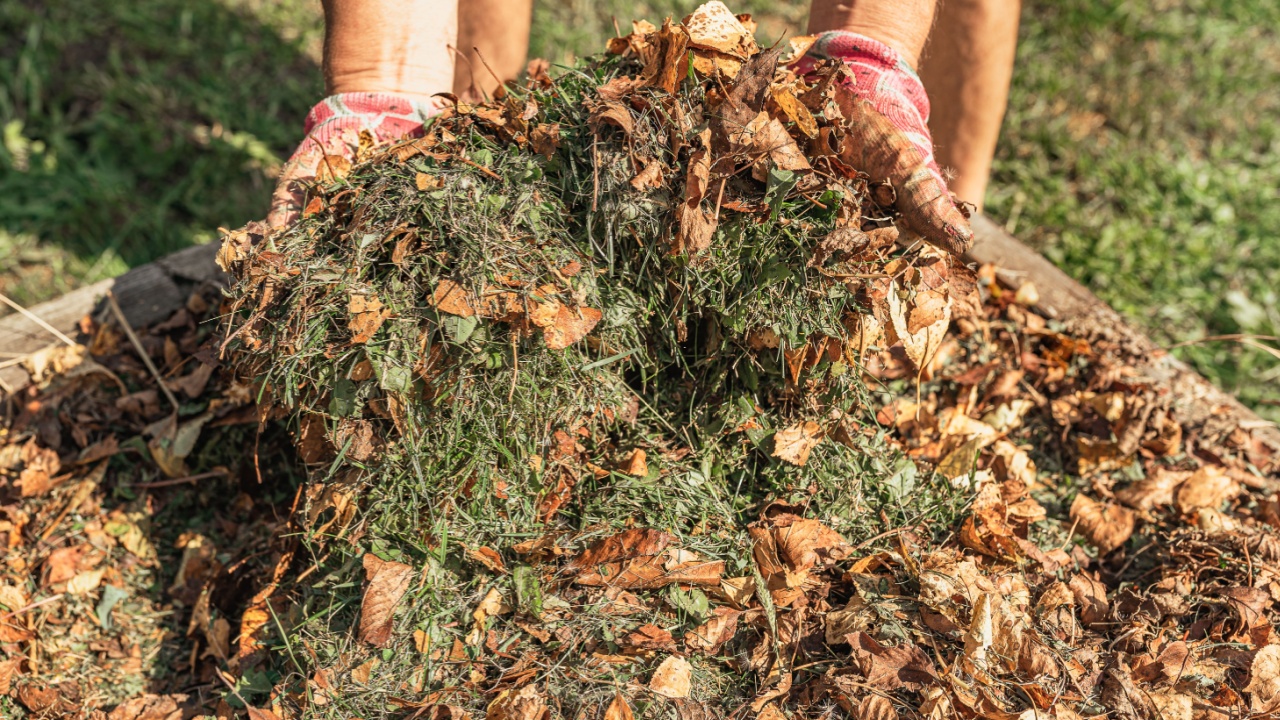
Timing matters more than most beginners realize. Fall hands you free bedding in the form of dry leaves, and it’s the right moment to set up an indoor bin before temperatures drop. Penn State Extension notes red wigglers prefer the same 60 to 75 degree range we do, which makes a basement or pantry ideal all winter.
NC State Extension says most bins are ready to harvest four to six months after startup. Start before October ends, and your first castings arrive in February or March, just in time for seed starting. Its advice for keeping them on track is refreshingly modest: “Check your worms at least once a week.”
8. Never Drown Your Worms: The Mistake Behind Most Failed Bins
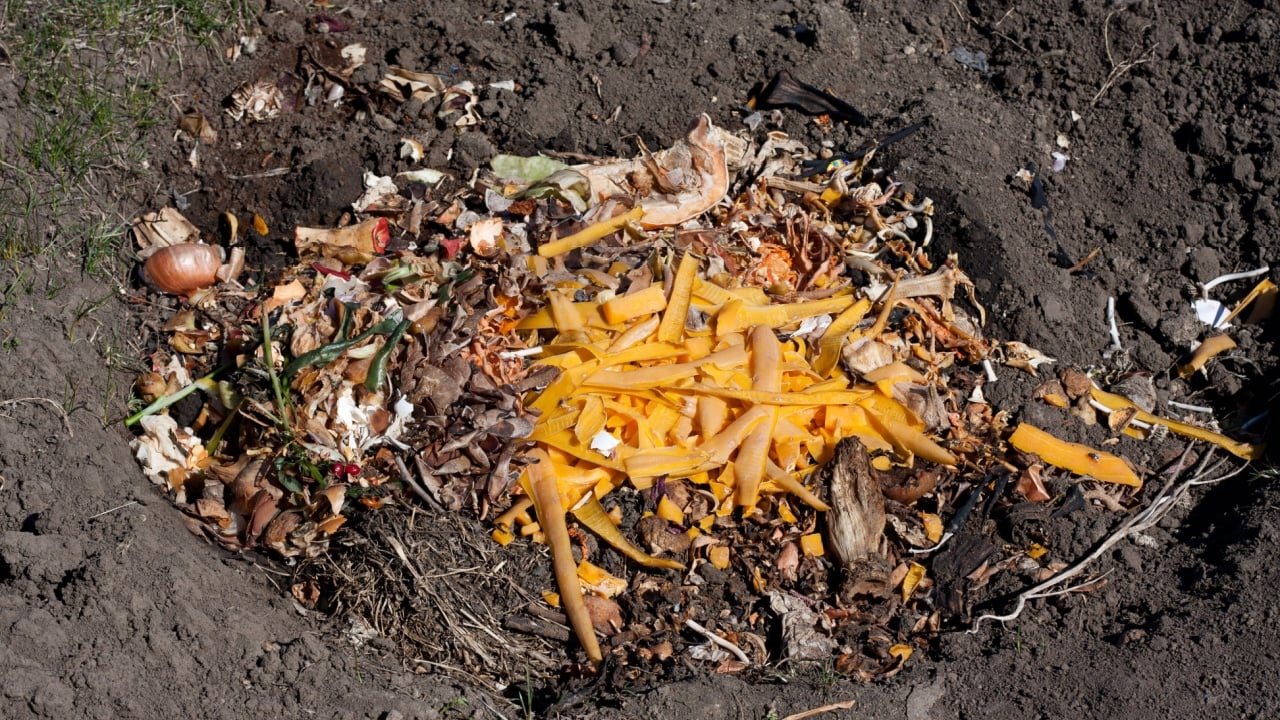
The villain in nearly every failed worm bin is too much kindness. Food scraps are mostly water, so every feeding also waters the bin. Overfeed, and scraps rot faster than worms can eat them, which is what brings the smell and the fruit flies.
Beware the spigot on store-bought bins, too. Urban Worm Company notes that NC State Extension specialist Rhonda Sherman nicknamed that runoff “stinky mystery juice,” and it signals a bin that’s too wet. The fix is almost always the same: stop feeding for a week and add dry, shredded paper. Freezing scraps before feeding kills fruit fly eggs and helps worms eat faster.
9. Never Buy “Alabama Jumpers” for Your Bin
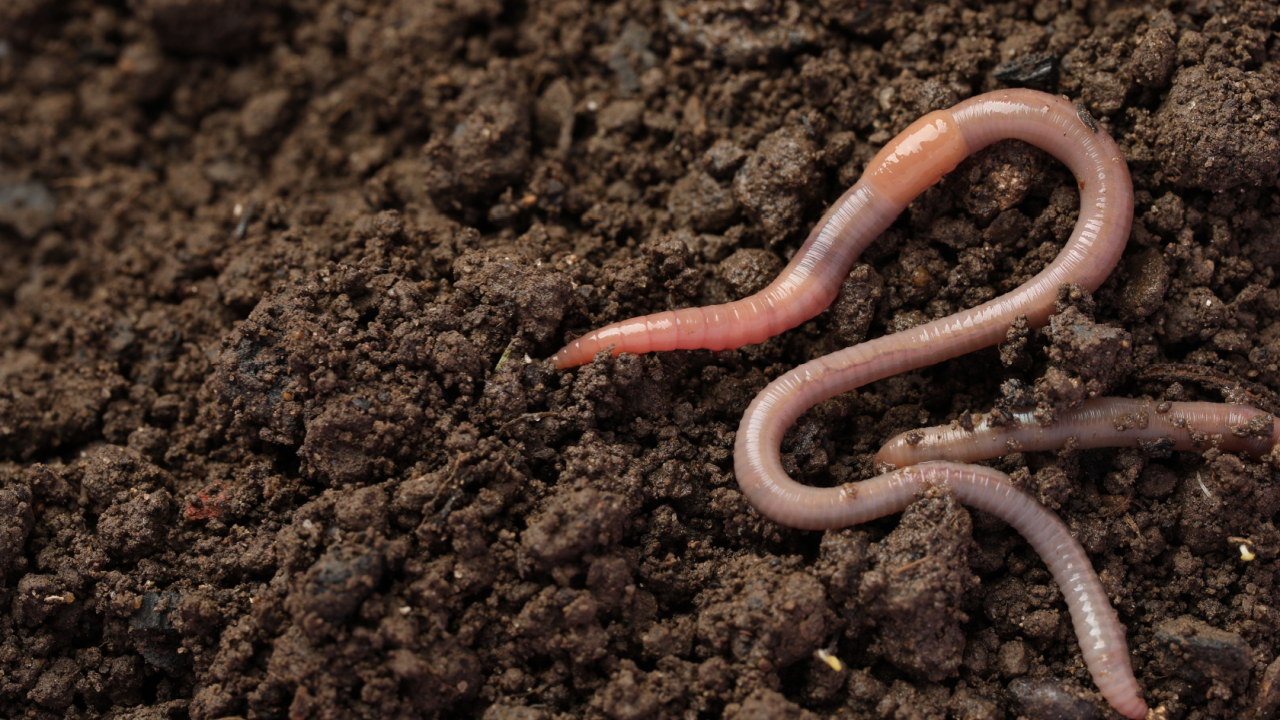
Not every worm sold for composting is legal to own. Jumping worms, sometimes marketed as “Alabama jumpers,” “snake worms,” or “crazy worms,” are invasive and damage garden soil. In Minnesota, possessing them without a permit is a misdemeanor, and New York lists them as a prohibited species. The Minnesota Department of Natural Resources is blunt: “Don’t buy worms advertised as jumping worms.”
Stick with red wigglers (Eisenia fetida). Rodale Institute also warns that ordinary garden earthworms won’t thrive in a bin, so skip the backyard dig and buy the right species.
How To Get Started
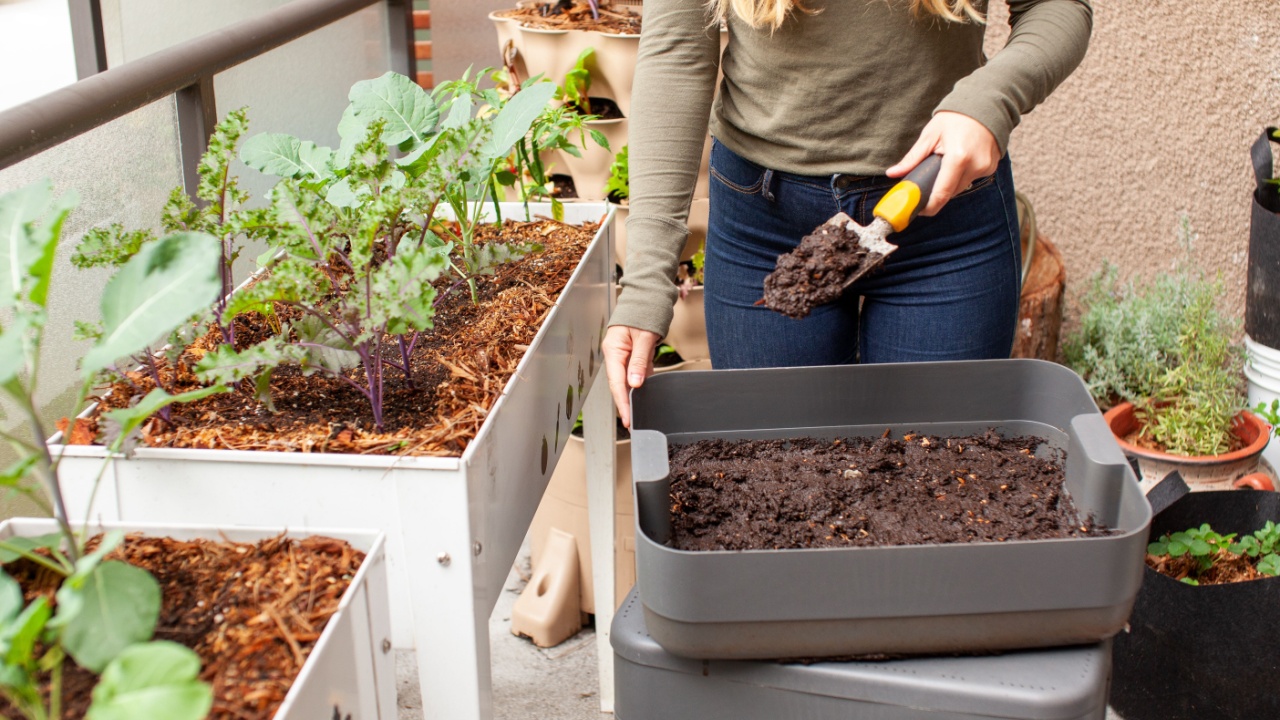
Grab an opaque plastic tote with a lid, drill a few dozen small holes in the bottom and sides, and fill it halfway with damp, shredded newspaper and a handful of leaves. Order one pound of red wigglers from a reputable supplier. The University of Arizona Cooperative Extension agrees: “Red worms are the best choice for vermicomposting.” Then feed small amounts, bury scraps under bedding, and let the worms work.
Start small this October, keep it a little dry, and by spring you’ll be holding the best fertilizer you’ve ever used.
Read More
Is Your Garden Hurting You? 9 Tools Doctors Say Could Save Your Joints
Ten Companion Plants Your Peppers Need For A Successful Growing Season