9 Plants That Actually Thrive in Clay Soil (And Can Save You Hundreds)
Most gardeners treat clay soil like a personal insult. They dig, amend, haul in topsoil, spend hundreds of dollars on bagged compost, and still end up with a sticky, rock-hard mess that turns into a swamp in April and cracks by July. The mistake isn’t the clay. It’s the strategy.
Clay soil doesn’t need to be conquered. It needs to be understood, and more importantly, planted. The right plants don’t just tolerate heavy clay and compaction; they actively break it apart from the inside out. Their roots drill down through compacted layers, creating channels for air and water. When those roots die and decompose, they leave behind organic matter and aeration tunnels that make the soil more workable every single season. You’re not just growing plants; you’re building better ground for everything that comes after.
This matters more in May than at any other point in the gardening year. Right now, the soil is workable, the season is young, and the plants on this list are actively looking for a home. Gardeners who plant in clay this month will watch their yards transform over the next two to three seasons with almost no added fertilizer, because clay holds nutrients longer than any other soil type. That’s money you won’t have to spend at the garden center.
The nine plants below aren’t just clay-tolerant survivors. They’re problem-solvers. Some of them have been doing this work on American prairies and farmsteads for centuries, long before anyone had a bag of amendment to reach for. Here’s what experienced gardeners know, and what most beginners never get told.
What Your Clay Soil Is Actually Hiding
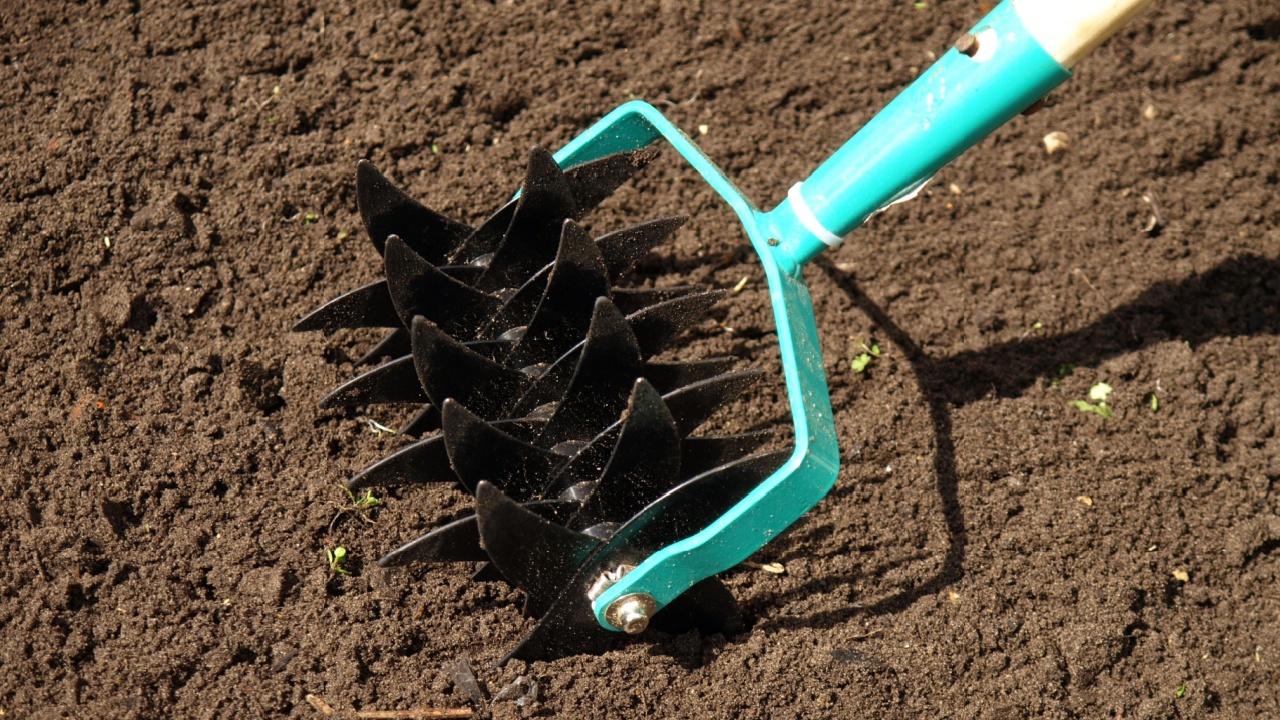
Before the plant list, there’s one thing worth understanding: clay soil isn’t infertile. It’s structurally challenged. According to the University of California Cooperative Extension, clay particles hold on to moisture and fertilizer far longer than sandy soil, which means clay gardens can require significantly less watering and feeding once the right plants are established. The problem isn’t what’s in clay soil; it’s that the particles are so fine and tightly packed that roots struggle to penetrate and access what’s there.
For example, daikon radish, a common grocery store vegetable, has been documented to be four times more effective than leaving ground fallow at helping plant roots penetrate compacted subsoil, according to research from Purdue University. And a single acre of decomposing daikon produces over 3,700 pounds of organic matter directly inside the soil where it’s needed. That’s not a garden hack; it’s agricultural science that home gardeners are only beginning to use.
The goal with clay isn’t to replace your soil. It’s to plant into it strategically, and let the plants do the renovation for you.
1. Black-Eyed Susan: The Deep Driller That Costs Almost Nothing to Maintain
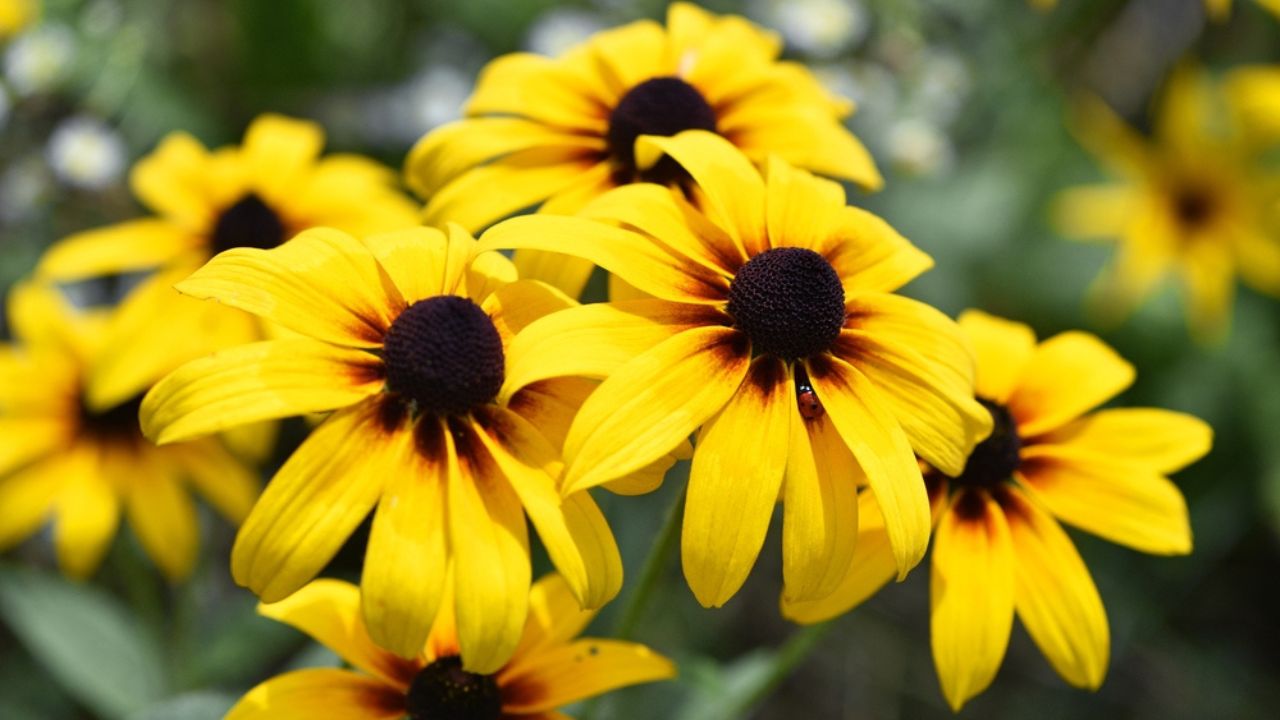
Black-eyed Susan is a workhorse, and in clay soil, it actually has an advantage over softer garden beds. According to Kelly Funk, president and CEO of Jackson & Perkins, in Martha Stewart Living, this native perennial’s deep taproot breaks through compacted soil layers and makes it drought-tolerant once established. The dense clay also supports its upright stems during summer storms in a way that looser soil cannot.
Plant it once and it will bloom for months, spread gradually on its own, and come back reliably for years. No fertilizer, and no fussing. For gardeners who are rethinking high-maintenance plantings, Black-eyed Susan is the answer to a lot of exhausting habits.
2. Coneflower: The Zero-Fertilizer Clay Champion
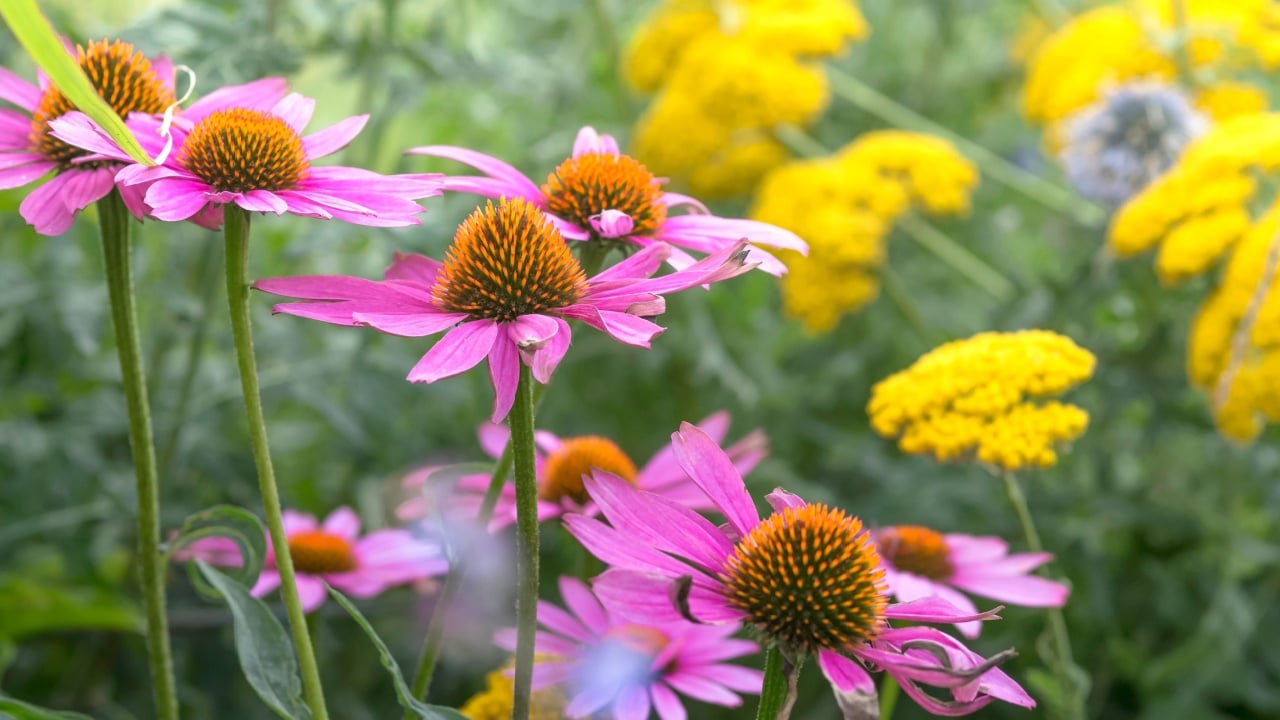
Coneflowers are the closest thing to a free garden that clay can offer. “They tolerate all soil types, including clay, are bothered by few diseases, and resist deer, heat, and drought,” according to Richard Zondag, horticulturist and owner of Jung Seed Company, in Martha Stewart Living. Once established, Echinacea doesn’t need to be watered, fertilized, or maintained in any significant way, according to Epic Gardening.
In clay, the roots anchor deeply, and the soil’s moisture retention actually protects the plant during dry summer stretches. Coneflowers also self-seed freely, which means every $5 plant you put in the ground this May could be giving you $50 worth of offspring by next spring, for free.
3. Daylilies: Decades of Color for Almost Nothing
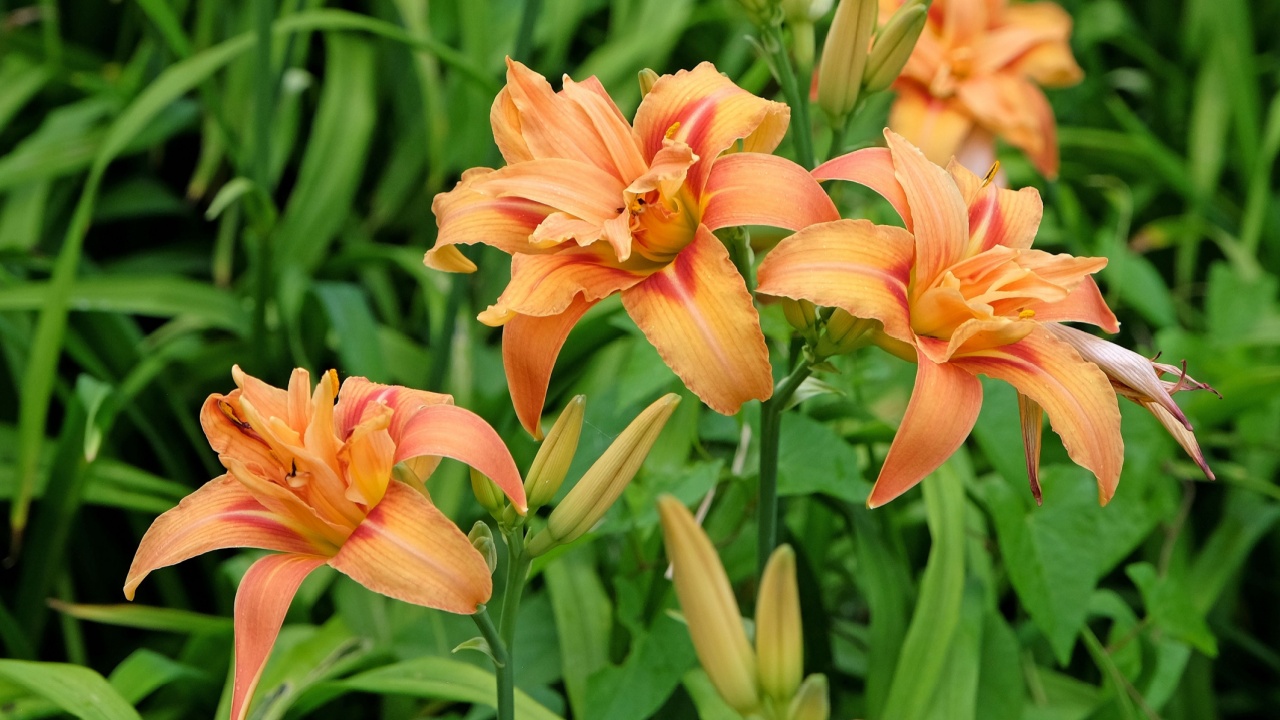
Daylilies might be the most forgiving plant in the gardening world, and clay soil is one of their best environments. According to Garden Design, their thick, fibrous roots adapt to clay soils, and the dense earth actually provides extra stability for taller varieties after summer storms. Even neglected clumps continue blooming for decades, which is why older farmhouses and roadside ditches still feature thriving daylilies long after anyone stopped tending them.
The money-saving angle here is real: divide daylilies every three to five years, and you’ll have dozens of new plants to fill gaps, share with neighbors, or sell at plant swaps. Your initial investment multiplies itself season after season at zero cost. Reblooming varieties now extend the color show well past early summer, which makes them even more valuable per dollar spent.
4. Blazing Star: The Plant That Actually Prefers Clay
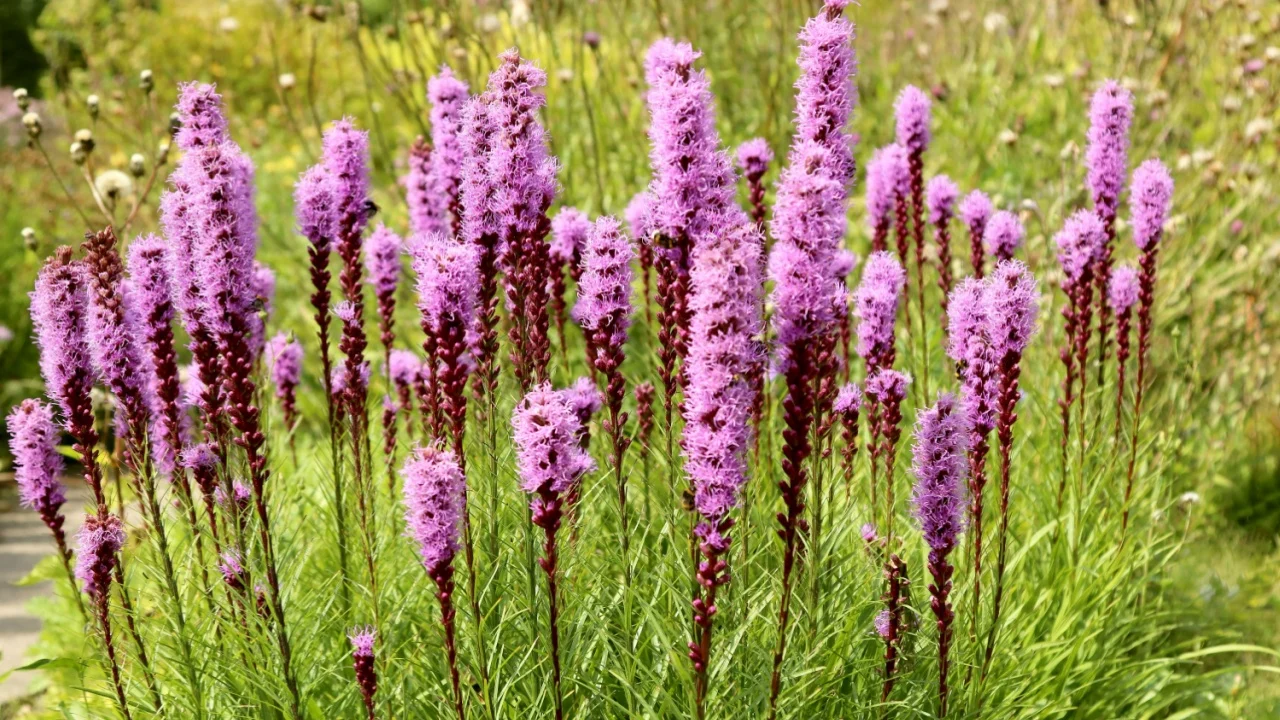
Here’s the one that surprises every gardener who hears it: blazing star performs worse in rich soil than in clay. Proven Winners notes that fertile soil actually causes blazing star plants to flop, while the stress of clay keeps them compact and upright. This native prairie plant’s tall flower spikes in shades of purple and white are a magnet for monarch butterflies and pollinators, and the denser the soil, the more structurally sound the plant.
Stop spending money amending the bed where your blazing star lives. The clay is doing the right thing.
5. Bee Balm: The Clay Spreader That Earns Its Keep
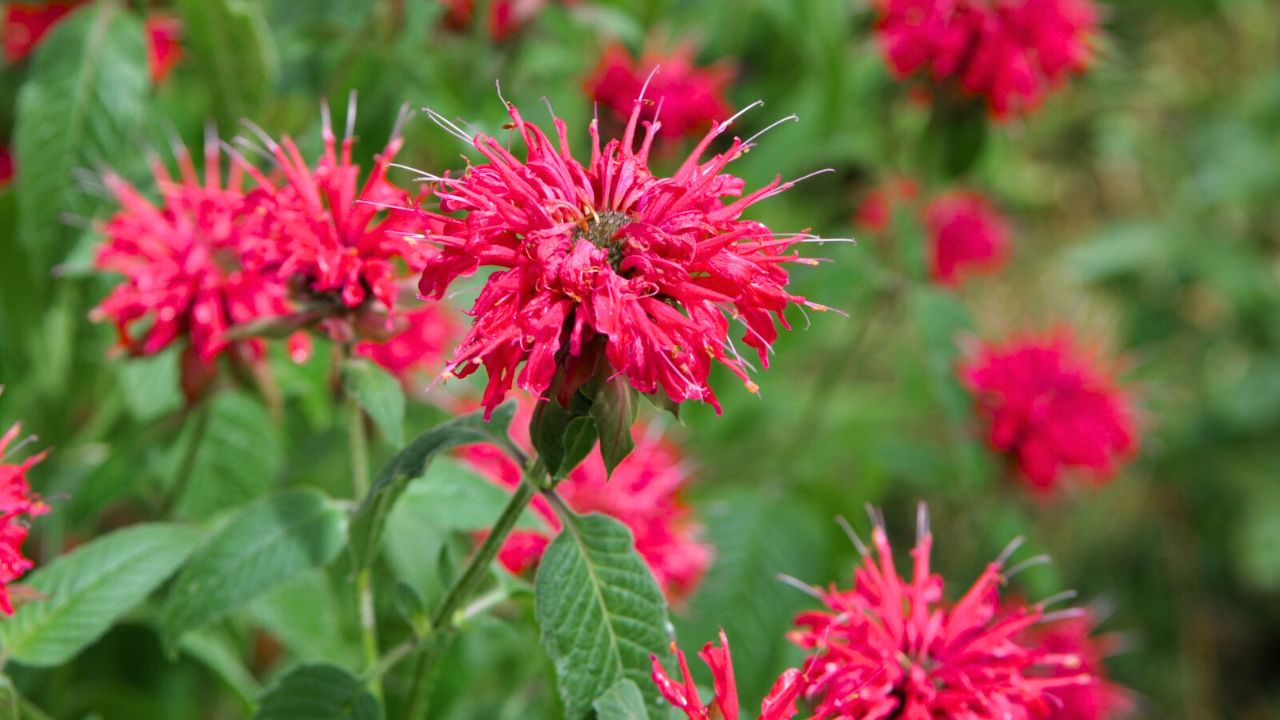
Bee balm is one of the few plants whose spreading root system is an asset rather than an annoyance in clay soil. According to Kelly Funk in Martha Stewart Living, its preference for moist conditions makes it exceptionally well-suited for heavy clay that retains water. As its roots spread through the season, they open up the clay structure and create pathways where none existed before. Combined with its minty-smelling foliage that deters deer and rabbits, bee balm is pulling double duty in every clay garden.
The flowers, in shades of red, pink, and purple, bloom mid-summer through fall and bring hummingbirds to yards that otherwise see very few. Grandmothers across the Midwest grew bee balm for exactly this reason: it works without asking for much in return.
6. Hostas: The Shade Solution That Quietly Thrives in Clay
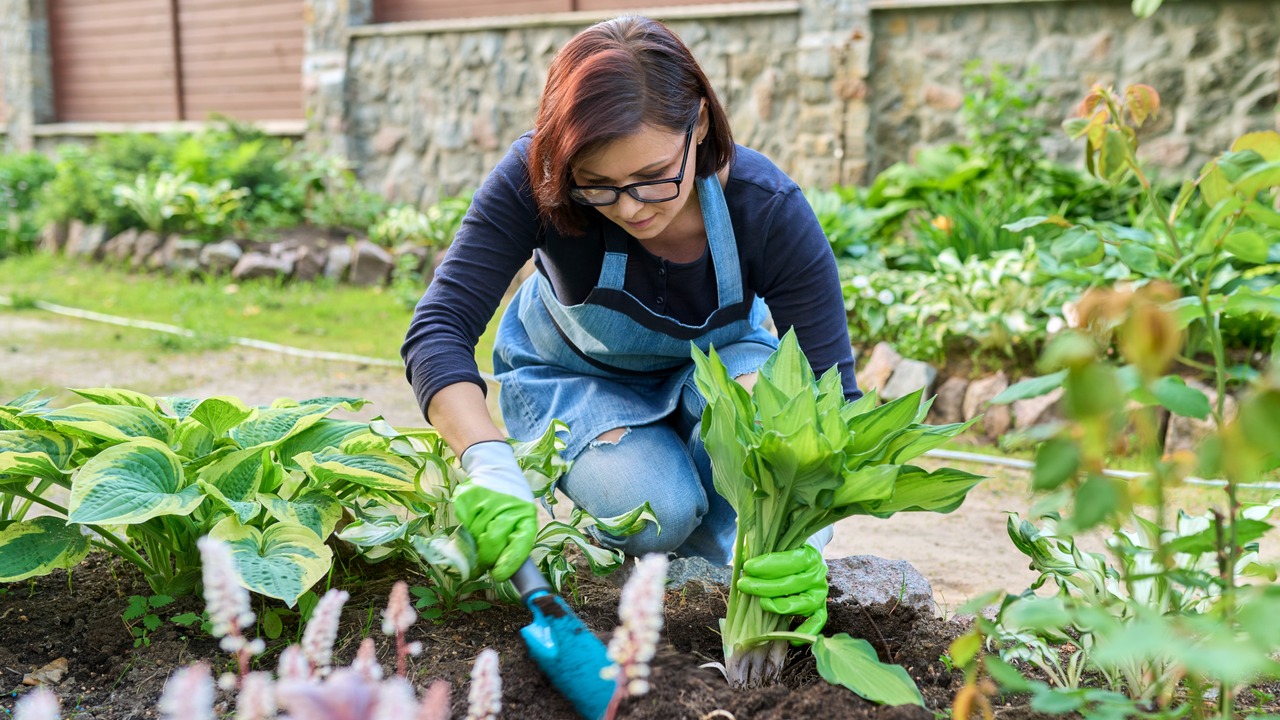
Most shade-garden plants are fussy. Hostas are not. “Their thick, fleshy roots help them anchor in heavy soils, and they thrive in the consistent moisture that clay retains,” says Funk in Martha Stewart Living. Adding compost to the planting hole improves aeration and makes clay an excellent growing medium for hostas; one that can actually outperform looser, drier beds in shaded spots.
Clay is the one soil type where you stop apologizing, and hostas simply thrive. For shaded areas under trees, along north-facing foundations, or anywhere grass refuses to grow, hostas in clay are one of the easiest and most cost-effective solutions available. A single container-grown hosta planted this May will divide into three or four plants within two seasons, again at no cost.
7. Daikon Radish: The Secret Weapon Most Gardeners Have Never Tried
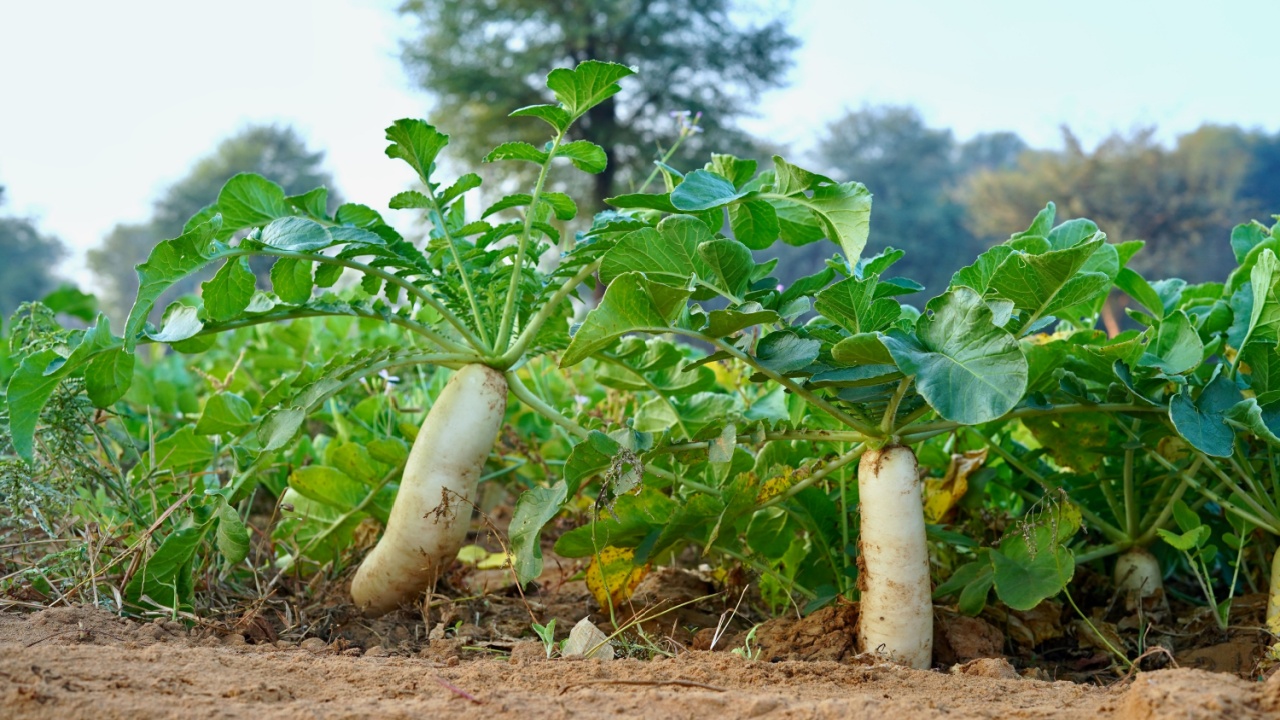
Most gardeners have never thought of daikon radish as a garden improvement tool, but experienced clay gardeners treat it like a cheat code. Its taproot drills 10 to 20 inches into compacted soil and is sometimes referred to as a “biodrill” in agricultural circles. According to research cited by Purdue University, daikon radish was four times more effective than leaving ground fallow at helping subsequent crop roots penetrate compacted subsoil.
The system is simple. According to Sow Right Seeds, when the taproot decomposes after winter-kill or manual cutback, it leaves behind aeration channels and pounds of organic matter exactly where the soil needs it most. You plant daikon in the fall, let it work all winter, and come spring, your clay bed is noticeably more workable. And unlike every other plant on this list, you can eat the radishes first, then let the roots do their soil-building work below ground.
Stop fighting your clay with a rototiller. Plant daikon and let the garden do it for you.
8. Ornamental Grasses: Better Under Stress Than in Rich Soil
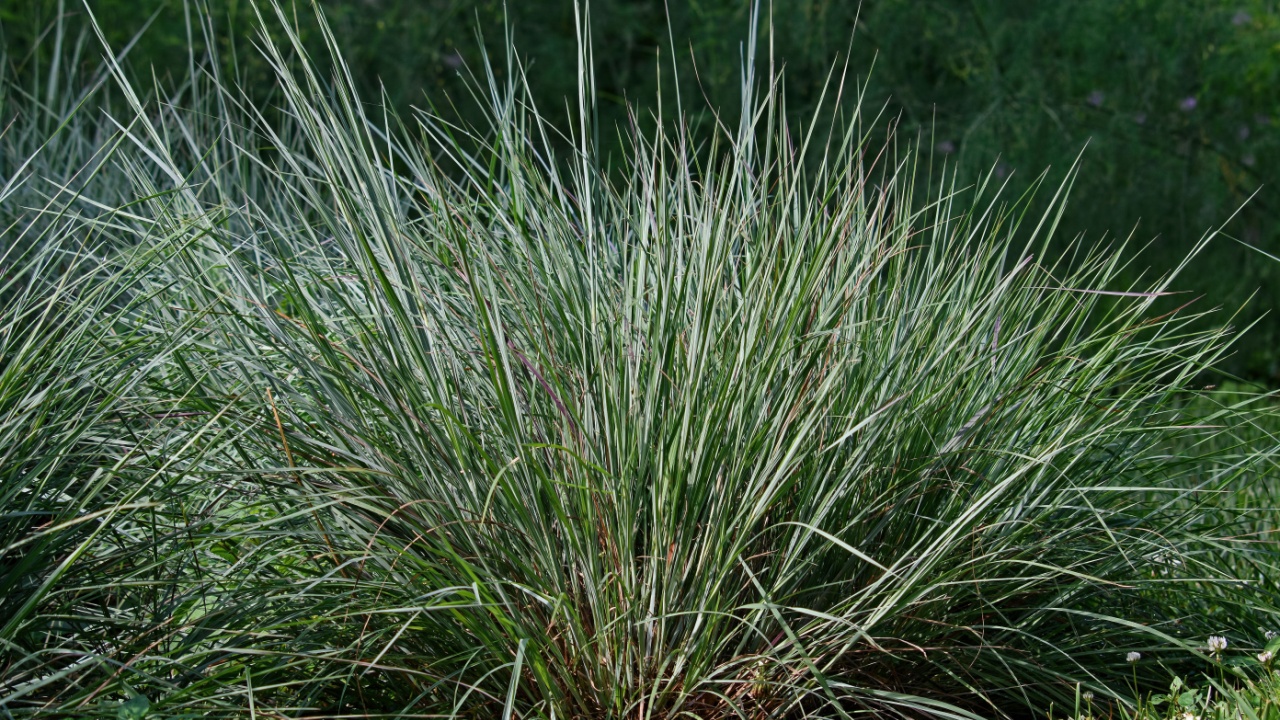
This is the clay paradox that Fine Gardening has noted for years: big bluestem, once the most common plant in North America, actually becomes unstable and floppy in rich garden soil. In clay, it stays compact, upright, and structurally beautiful. Little bluestem behaves similarly, with blue-green summer foliage turning a stunning reddish orange in fall. Both grasses have deep, fibrous root systems that work their way through clay over time, improving drainage season by season.
Ornamental grasses also fill large areas of compacted soil economically. A single clump of little bluestem purchased for under $15 will expand steadily without any intervention, turning a problem area into a low-water, low-maintenance focal point.
9. Panicle Hydrangea: The Showstopper That Loves Heavy Clay
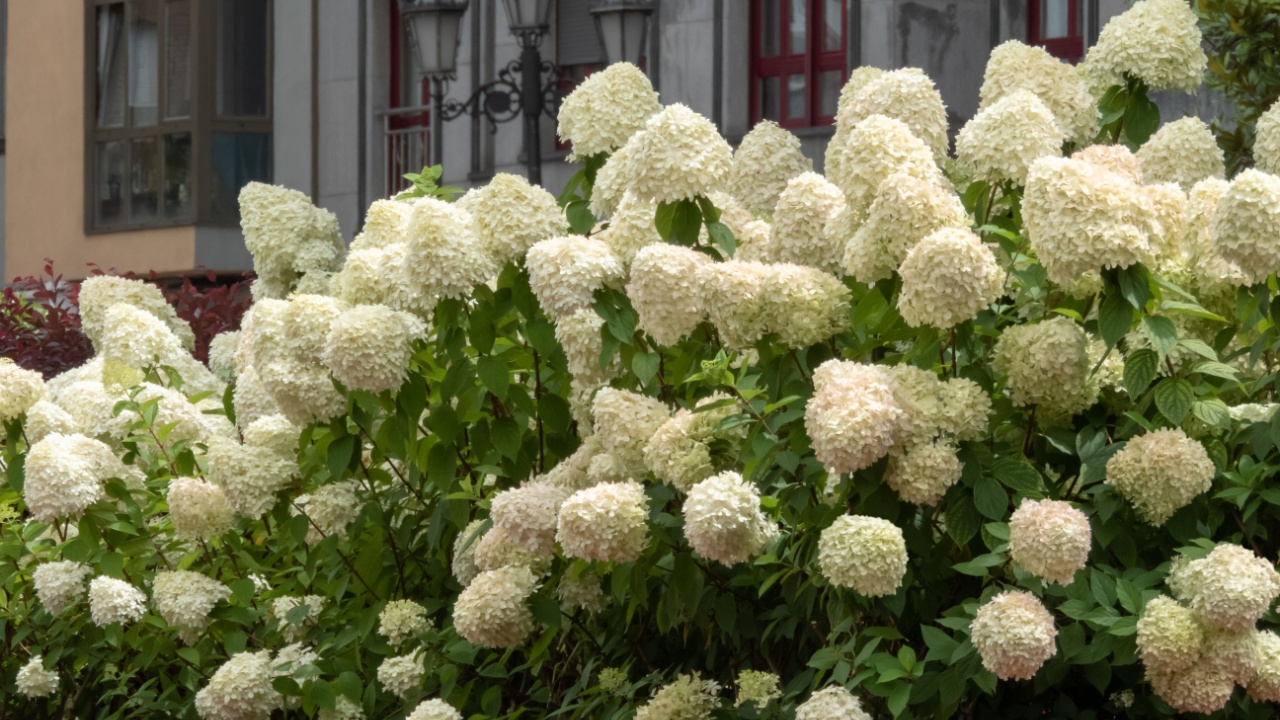
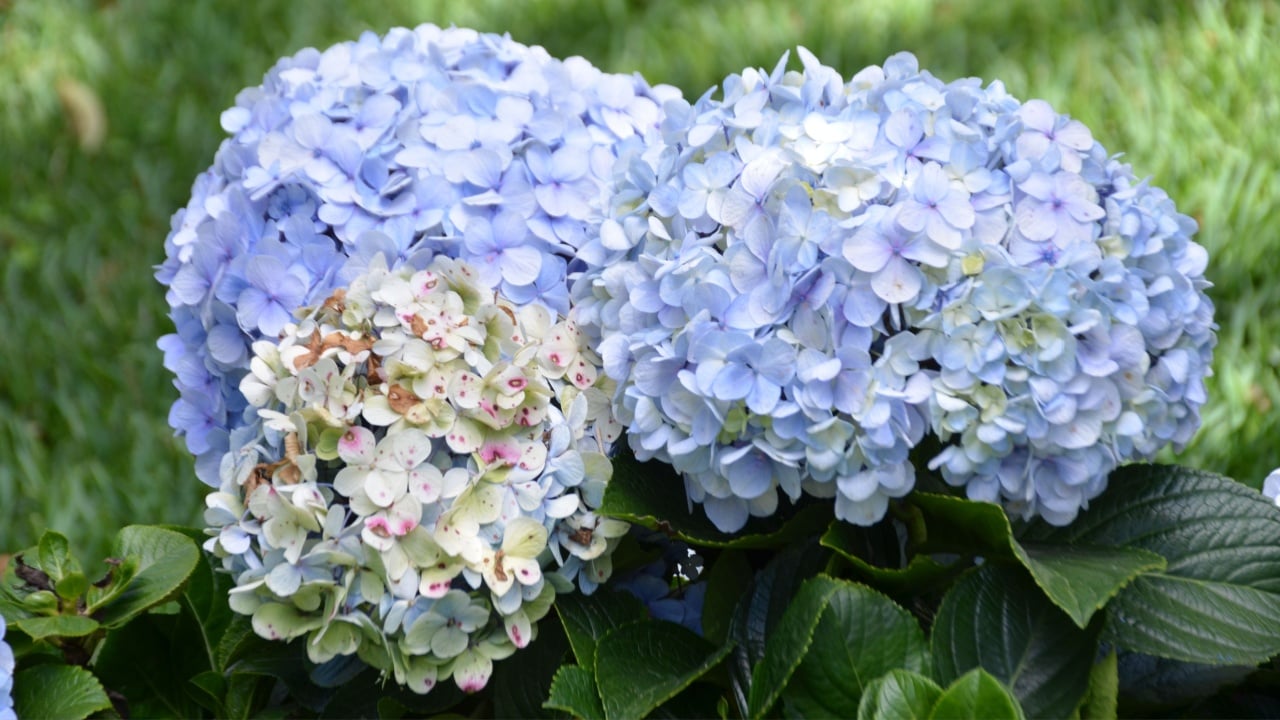
Most flowering shrubs sulk in clay. Panicle hydrangea does not. According to Funk in Martha Stewart Living, Hydrangea paniculata is “particularly tolerant of heavier clay,” and benefits from added compost to improve drainage and aeration, though it doesn’t demand it. The large cone-shaped flower heads in white, cream, and blush pink make it one of the most dramatic shrubs in any summer garden, and it earns that drama without asking for perfect soil.
For gardeners who have given up on flowering shrubs after watching expensive purchases fail in compacted beds, panicle hydrangea is worth a second look. Plant it once in clay this May, and it will reward you for decades.
Stop Fighting Your Soil and Start Working With It

The single most expensive mistake clay gardeners make is treating their soil like a problem to be solved with products. Bagged amendments, imported topsoil, and gypsum treatments all have their place, but none of them come close to the long-term improvement that strategic planting delivers. Every plant on this list is doing the same essential work: pushing roots through compacted layers, adding organic matter as those roots die back, and creating a progressively more workable bed with every passing season.
Clay gardeners should mulch the surface annually, plant slightly high to allow for settling, and never work wet soil. But the most powerful tool in a clay gardener’s toolkit has always been the plants themselves.
Stop amending. Start planting. Your soil will do the rest.
Read more:
Why wildlife experts are telling people to take down their bird feeders
Plant these 10 companion plants with your tomatoes — and stop planting these 4