
Stop Throwing These 14 Things in the Recycling Bin
Tossing everything into the blue bin (or however it’s sorted in your area) feels like a good deed for the planet. People frequently toss paper, plastic, and metal in without a second glance. This well-intentioned habit is known as wish-cycling, and it often causes major problems at local sorting facilities.
Recycling centers process massive amounts of waste daily, but their automated systems have limits. The Environmental Protection Agency estimates the recycling contamination rate sits right around 25 percent across the United States. Items that do not belong can easily jam expensive sorting machines and contaminate entire batches of otherwise good materials.
Understanding the rules saves time and prevents useful materials from heading straight to the landfill. Here is a look at 14 common household items that need a different disposal method, complete with simple tips on how to handle them correctly.
1. Aerosol Cans

Aerosol cans have metal bodies and plastic caps. Sorting machines can’t handle both parts at once. Also, the cans might still have chemicals inside. This can be dangerous for workers. The cans are also under pressure, which means they can explode if they get crushed.
To dispose of aerosol cans, first make sure they are empty. This means using up all the contents or spraying them until nothing comes out. Then, remove the plastic cap and separate it from the metal body. The metal body can be recycled with other metals, while the plastic cap should go in your regular recycling bin.
2. Batteries
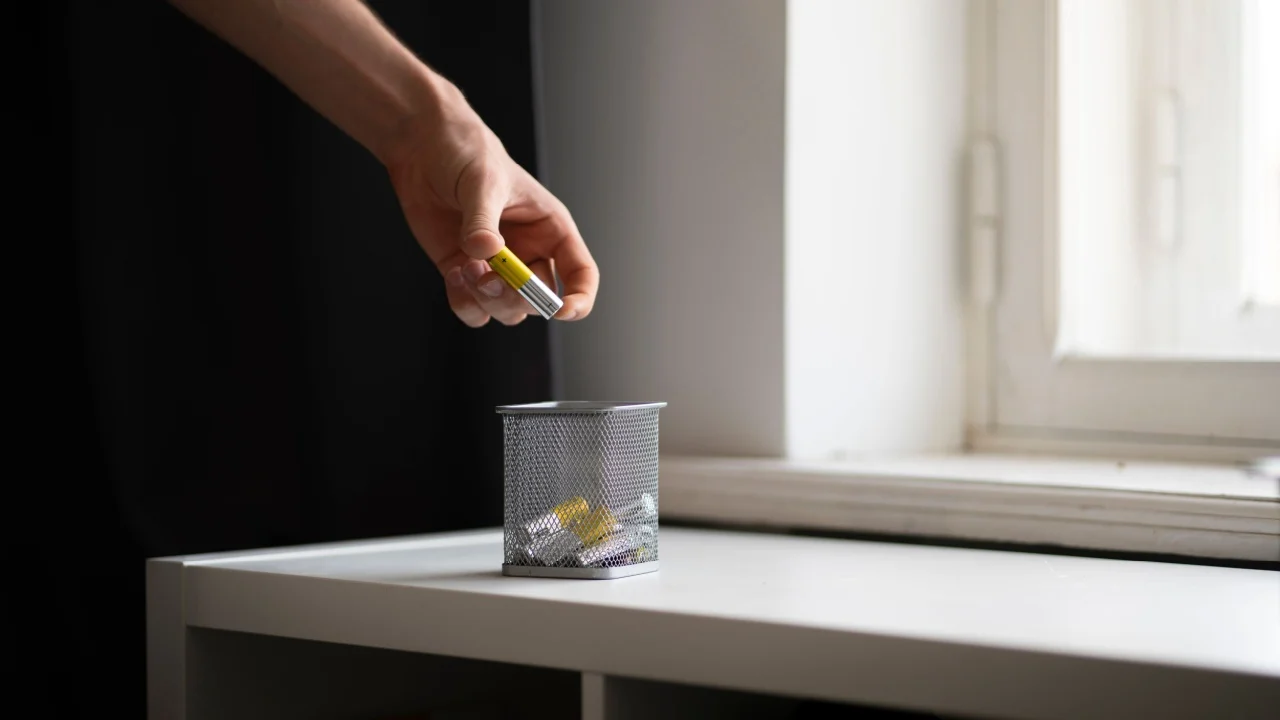
Batteries contain chemicals that can be harmful to both humans and the environment if not disposed of properly. Regular household batteries like AA, AAA, C, and D batteries can typically be thrown away in your regular trash bin as long as they are fully discharged (check your local regulations). However, rechargeable batteries, car batteries, and any other large or specialty batteries
Make sure the can is totally empty. Then, find a special place to drop it off. Your local hazardous waste center is often a good place. They can take the empty cans and recycle the metal safely. Don’t forget to take off the plastic cap and throw it in the regular trash. This helps the recycling machines work better.
3. Chip Bags and Snack Wrappers
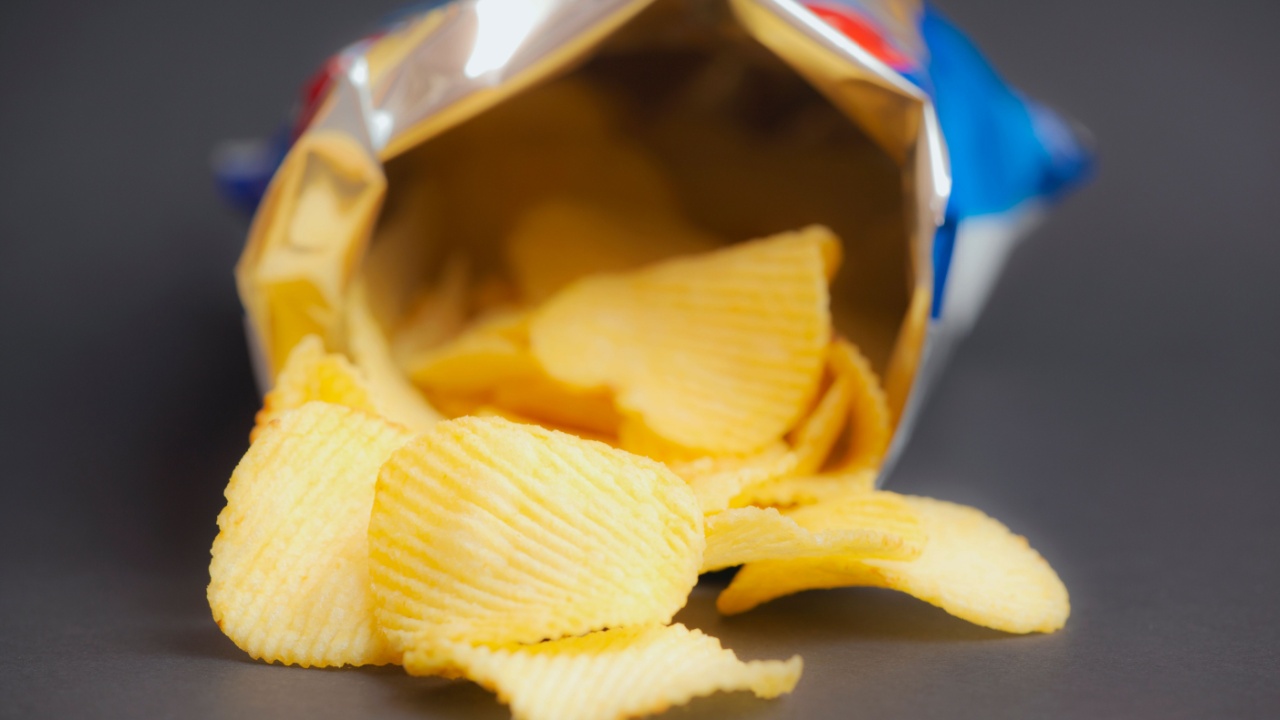
Snack packaging feels like thin plastic, but it actually contains multiple fused layers of material. Manufacturers combine aluminum foil on the outside with a protective plastic coating on the inside to keep snacks fresh. Standard recycling machines simply cannot separate these distinct layers from one another.
Throw empty chip bags and candy wrappers directly into the garbage. Some specialty programs accept snack packaging if you are willing to collect them at home and mail them in. Check with local grocery stores to see if they host drop-off boxes for multi-layer films and wrappers.
4. Coffee Mugs and Ceramics

Ceramic material has a vastly different melting point than standard glass bottles and jars. Tossing a broken coffee mug into the blue bin will ruin an entire batch of recycled glass. The tough material also causes severe damage to the grinding equipment used at recycling plants.
Donate intact coffee mugs to a local thrift store or charity shop. Broken ceramics belong in the regular household garbage. Wrap sharp ceramic shards in newspaper before tossing them in the trash to protect sanitation workers from accidental cuts.
5. Coffee Pods

Single-use coffee pods consist of plastic, an aluminum foil top, and wet coffee grounds. Even when you separate the foil and wash the plastic cup, the tiny size causes major problems. Objects smaller than two inches easily fall through the gaps in large sorting machines.
Search for a mail-back program sponsored by your specific coffee pod manufacturer. Many popular brands now provide prepaid shipping bags to return empty pods for specialized processing. Switching to a reusable pod filled with your own coffee grounds eliminates this waste entirely.
6. Disposable Diapers

Diapers consist of complex plastics mixed with absorbent cellulose materials. Facilities cannot separate these components using traditional recycling methods. Used diapers also introduce severe biohazards that contaminate massive bales of clean paper and plastic.
Place all disposable diapers directly into the household garbage. You can look into specialized diaper recycling programs that use chemical gasification, though these services remain rare in most regions. Switching to cloth diapers significantly reduces the volume of waste your household produces.
7. Electronic Waste
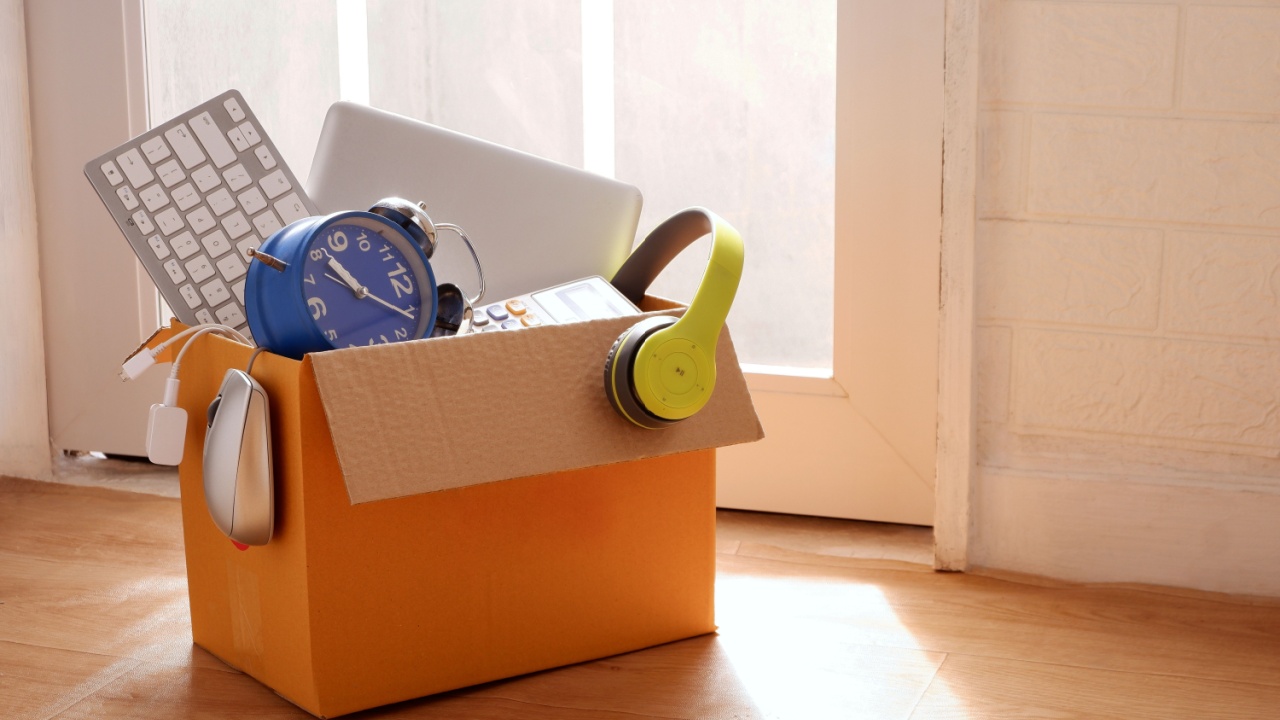
Old cellphones, computer monitors, and broken printers contain a messy blend of plastic, glass, and precious metals. Standard curbside programs lack the specialized tools required to dismantle and sort these intricate devices safely. Toxic heavy metals inside electronics can also leach out and harm the environment if mishandled.
Drop off unwanted electronics at municipal e-waste collection sites. Many major office supply retailers accept old printers and computers for free recycling. Erase all personal data from your devices before handing them over to any collection program.
8. Pool Toys
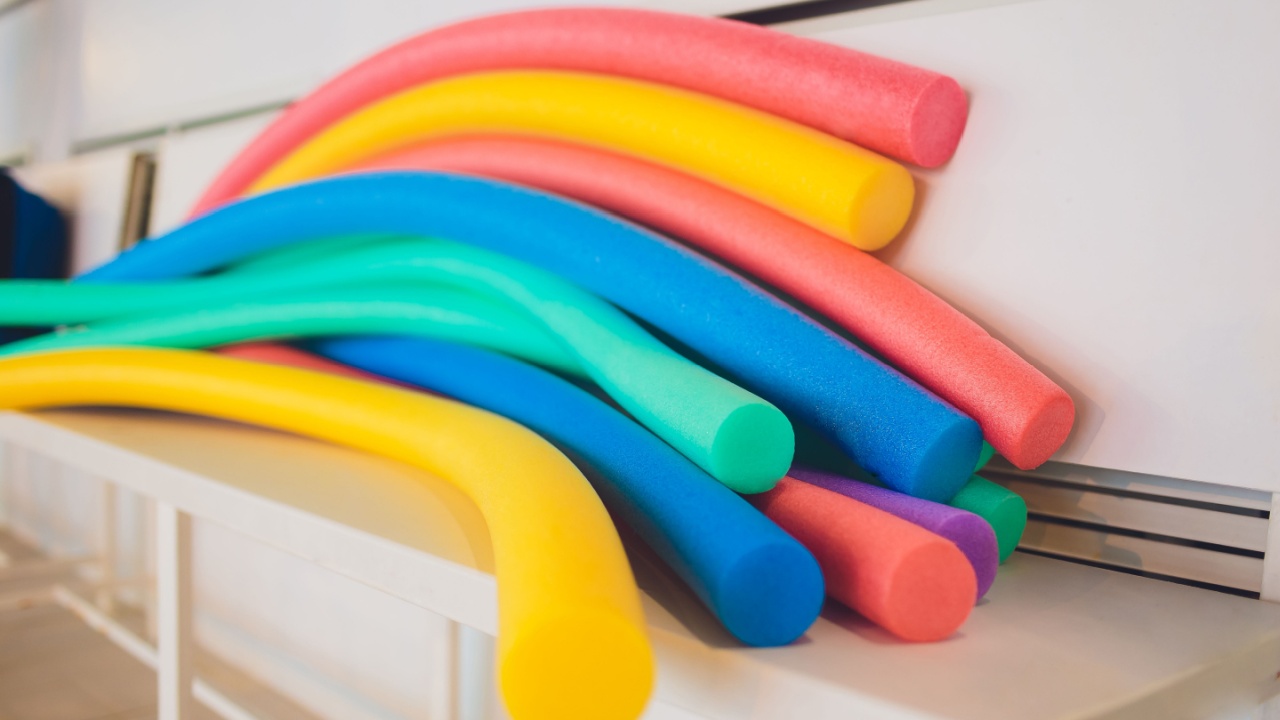
Brightly colored pool floats and inflatable toys utilize a specific plastic known as PVC. Facilities categorize this under resin identification code 3, which is notoriously difficult to process. The flexible material wraps around rotating gears and forces entire recycling plants to halt operations.
Try to patch small holes in your inflatable toys using a simple vinyl repair kit. When an inflatable item is entirely beyond repair, throw it in your regular garbage bin. Purchasing durable outdoor toys made from hard plastic or wood reduces the need for frequent replacements.
9. Napkins and Paper Towels

Paper towels and napkins contain extremely short paper fibers that cannot withstand the recycling process again. They also frequently carry food grease and cleaning chemicals. A single greasy paper towel can ruin a large batch of high-quality recyclable paper.
Toss soiled paper towels and napkins directly into the trash bin. If the paper products are free of harsh cleaning chemicals, you can add them to a backyard compost pile instead. Using washable cloth rags for household cleaning drastically cuts down on daily paper waste.
10. Greasy Pizza Boxes

Cardboard is highly recyclable until it absorbs oil and melted cheese. The grease from a pizza prevents the paper fibers from binding together during the recycling process. Sorting facilities routinely send contaminated pizza boxes straight to the landfill.
Tear the clean cardboard lid off the box and place that piece in your recycling bin. Throw the grease-stained bottom half of the pizza box into the regular garbage. You can also rip the greasy cardboard into small pieces and compost it at home.
11. Plastic Shopping Bags
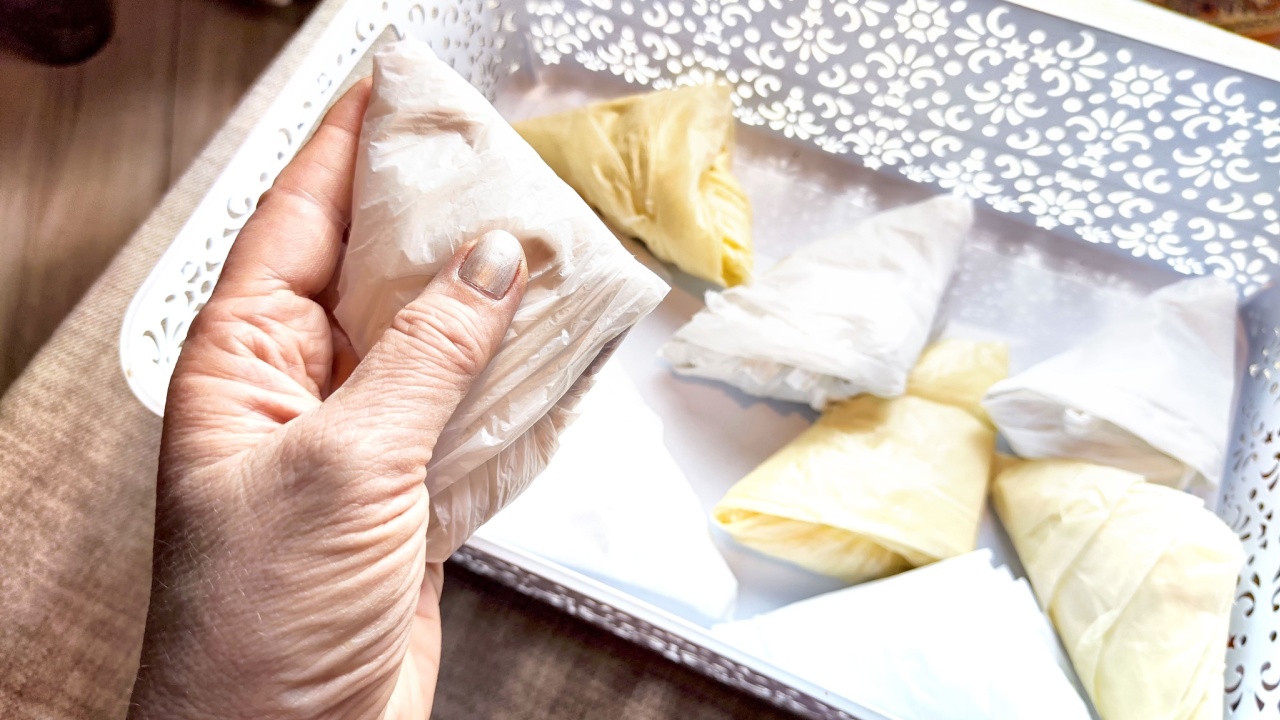
Thin plastic grocery bags behave like tangled hair in a vacuum cleaner brush. The stretchy film wraps tightly around the spinning discs of recycling machinery. Workers must manually cut the tangled plastic away, which creates massive delays and safety hazards.
Bring empty plastic bags back to the grocery store. Most supermarkets provide designated collection bins near the front entrance specifically for plastic film and bags. Keep reusable canvas totes in your vehicle so you never need to accept plastic bags at the checkout counter.
12. Store Receipts
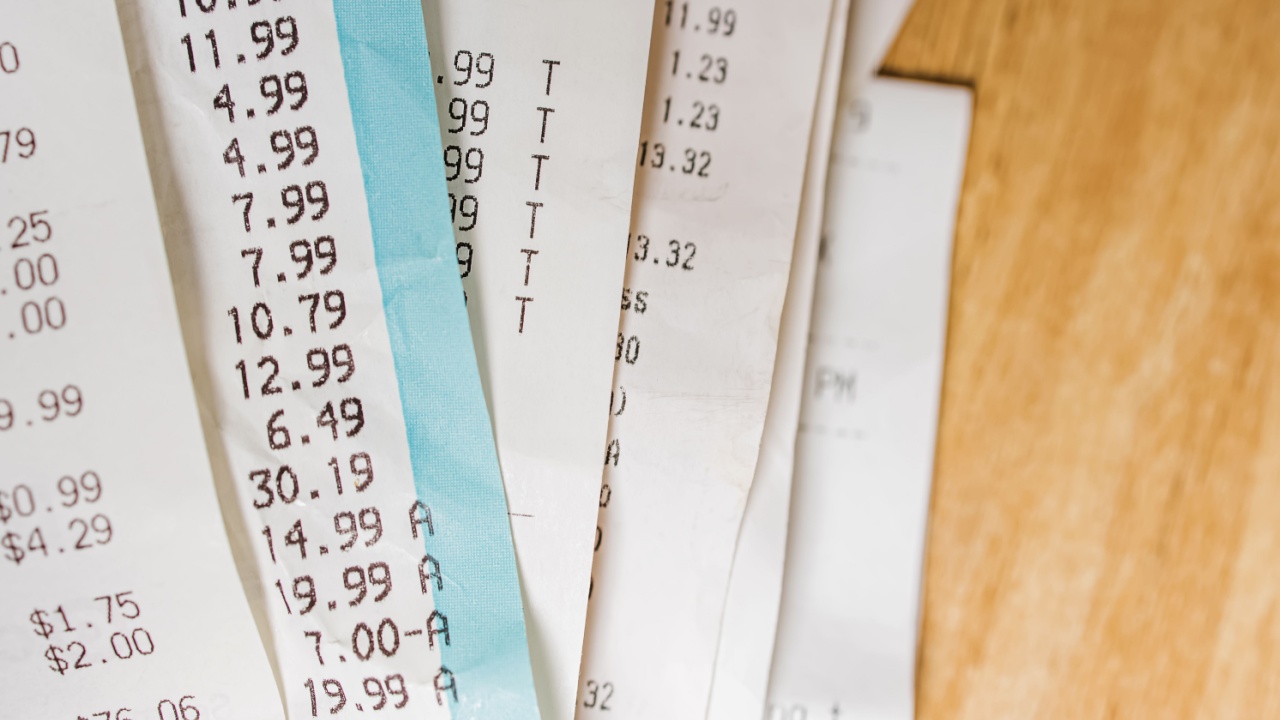
Receipts printed on slick thermal paper contain hidden chemical compounds like Bisphenol-A. These chemicals contaminate the paper recycling stream and eventually seep into the recycled products. Adding thermal paper to the blue bin poses environmental and health risks down the line.
Throw all printed store receipts into your regular garbage. Ask cashiers to email or text your receipt instead of printing a physical copy. Organizing digital receipts in a dedicated email folder makes returns and budgeting much easier anyway.
13. Wire Clothing Hangers
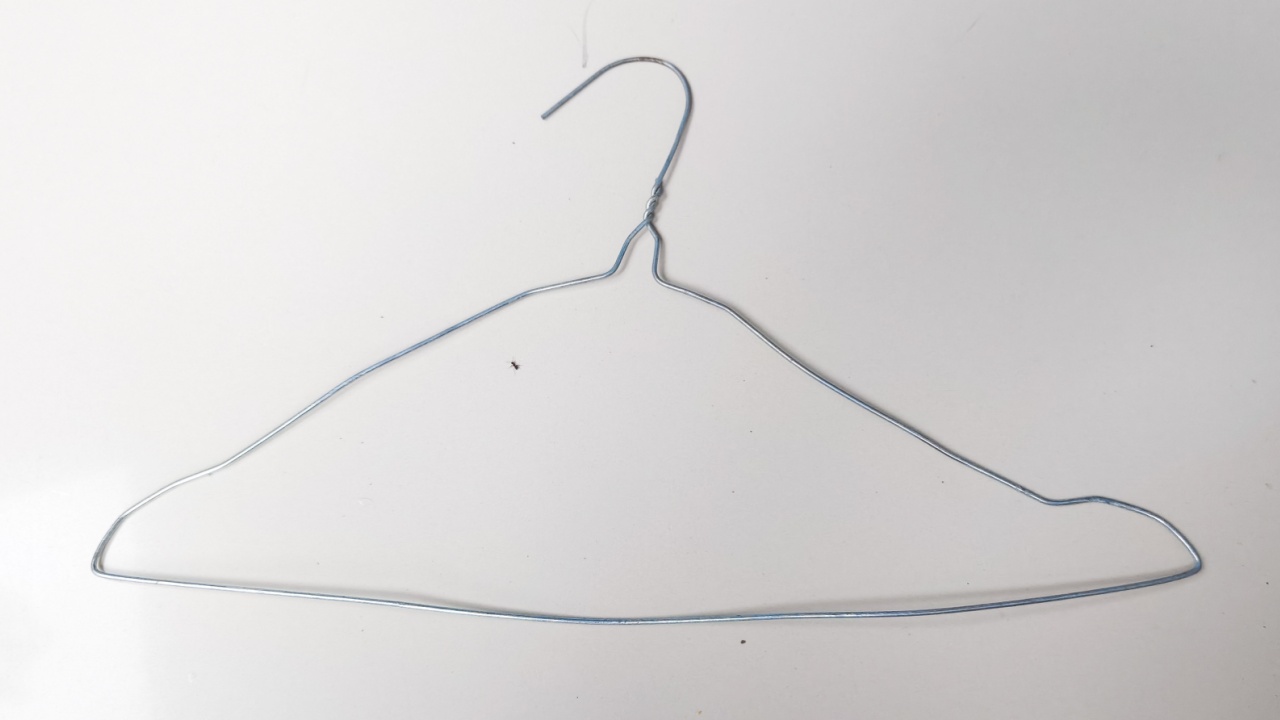
Metal hangers have an awkward shape that easily catches on conveyor belts. The stiff wire jams machinery and snags other recyclable items as they move through the facility. Most local centers prohibit wire hangers due to the constant equipment damage they cause.
Return unwanted wire hangers to your local dry cleaner. Most dry cleaning businesses gladly accept and reuse metal hangers for their own daily operations. Upgrading your closet to durable wooden hangers prevents this specific type of metal waste.
14. Broken Drinking Glasses

Glass used for drinking cups features a different chemical composition than standard glass bottles. Drinking glasses undergo special treatments to withstand high temperatures and daily washing. Mixing this treated glass with regular bottles alters the melting temperature and ruins the recycled batch.
Carefully wrap broken drinking glasses in thick layers of old newspaper. Place the wrapped shards securely in the regular trash bin to protect the sanitation workers handling your garbage. Donate any intact, unwanted drinking glasses to a local charity or thrift shop.
Be a Better Recycler
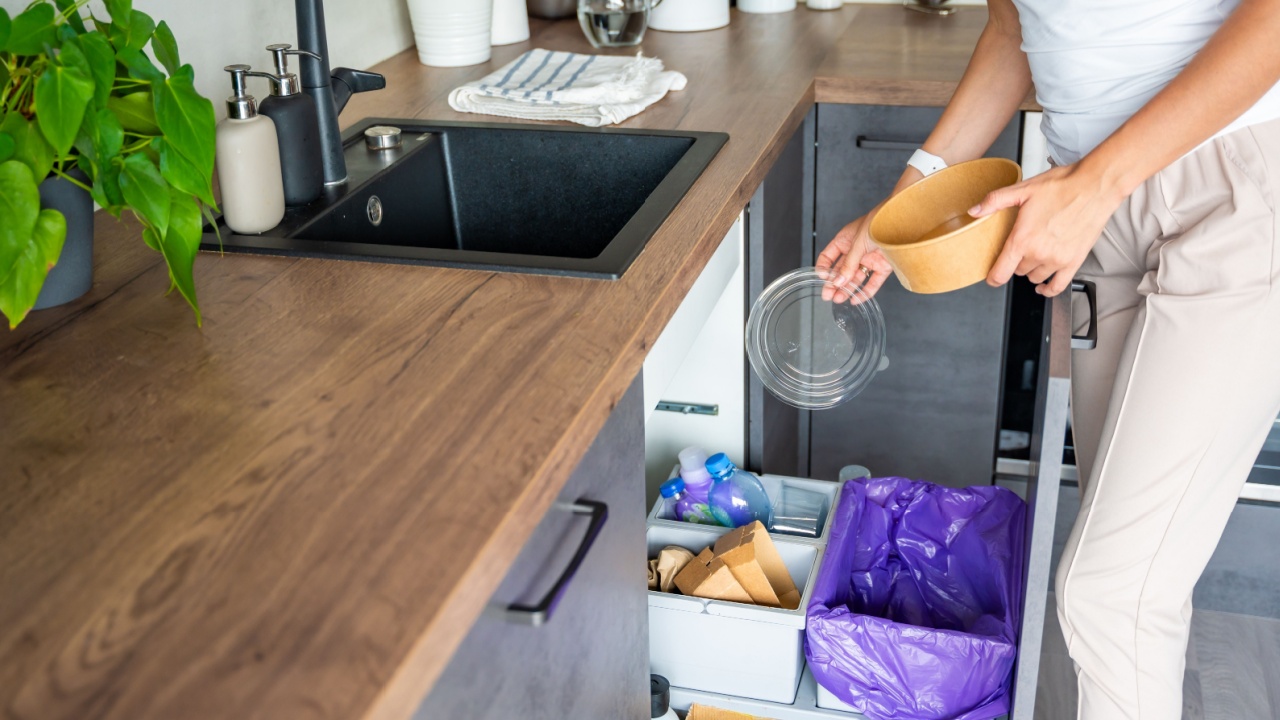
Knowing exactly what goes into the garbage saves local facilities from costly equipment breakdowns and ruined materials. Review your local municipal guidelines online to see exactly which items your specific town accepts. Take a quick moment today to move that bin of tangled plastic bags out of your garage and drop it off at the local supermarket collection box.
Read More: