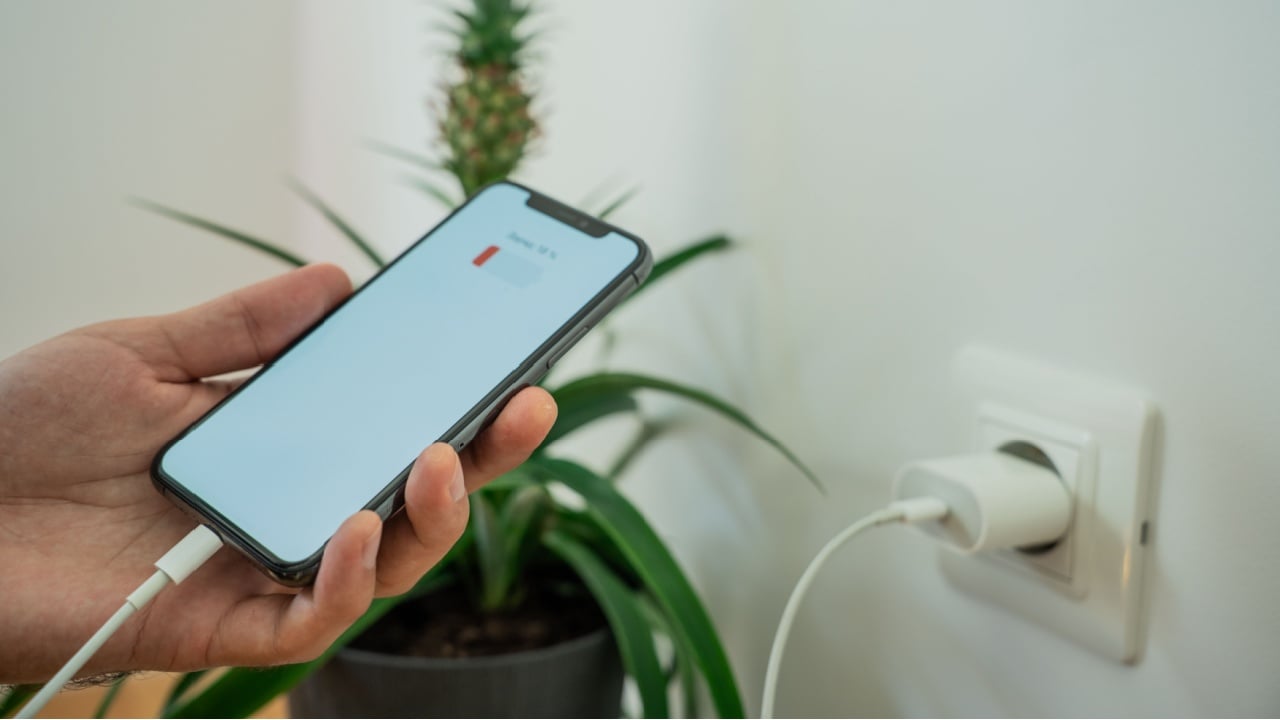
Stop Charging Your Phone at Night, It’s Putting Your Home at Risk and Killing the Battery
Most people plug in their phone before bed without a second thought. It feels responsible, even logical. Wake up to a full battery, ready for the day. But that habit is quietly doing more harm than good.
Lithium-ion batteries, the kind powering every modern smartphone, are sensitive to sustained high charge levels. Holding a battery at 100% for six to eight hours creates a condition called voltage stress.
This breaks down the battery’s internal chemistry faster than normal use does. That degradation is permanent.
Long periods of combined heat and high charge are the fastest path to a battery that won’t hold a charge the way it used to. Plus, in the wrong conditions, it can even overheat the battery to a point of fire risk. This article walks through six reasons overnight charging is a bad idea and what to do instead.
1. Lithium-Ion Batteries Hate Sitting at 100%

Lithium-ion batteries are designed to move charge in and out, not to hold maximum voltage for hours on end. When your phone hits 100% and stays plugged in, the charger sends small “trickle charges” to maintain that level, keeping the battery under constant electrical pressure.
Storing a lithium-ion battery at full charge consistently causes faster capacity loss compared to keeping it in the 40–80% range.
This isn’t a minor inconvenience. A battery sitting at full charge overnight, every night, can lose a noticeable percentage of its total capacity within a year.
Once battery capacity drops, it doesn’t come back, and the only fix is a battery replacement. Charging your phone to 80% and stopping there puts far less strain on the cells and extends how long the battery performs well.
2. Heat is the Real Battery Killer
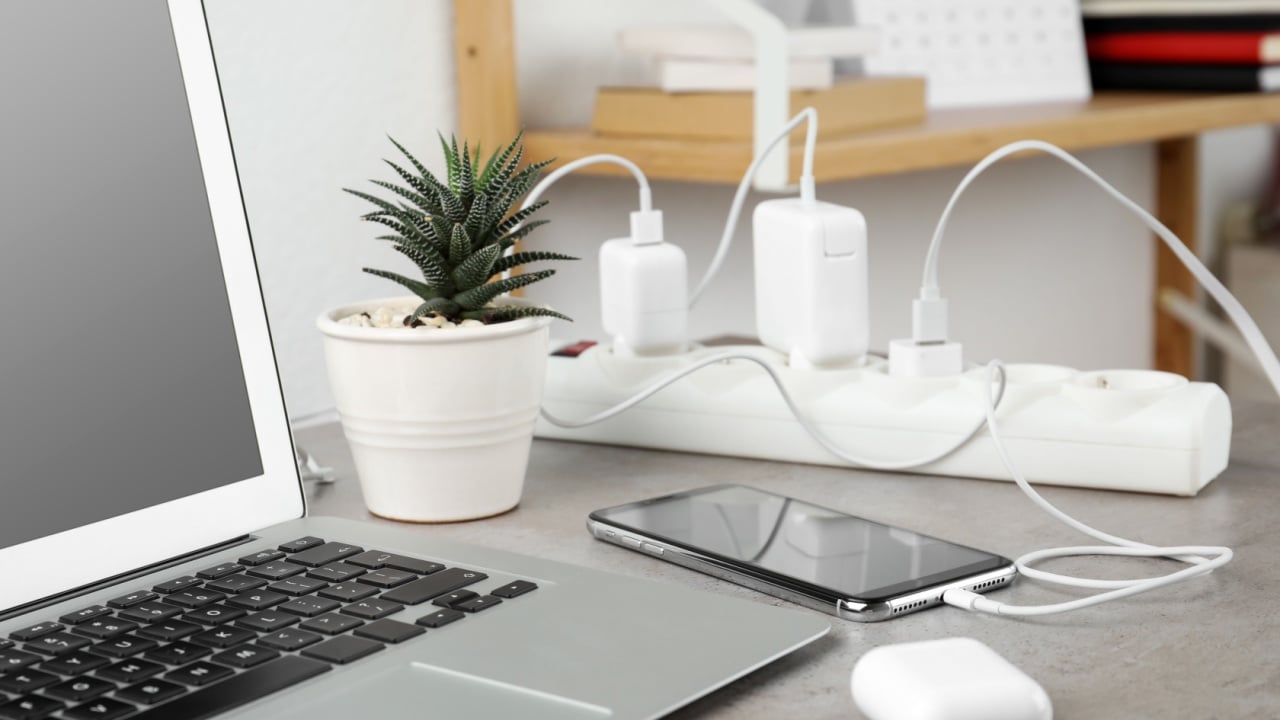
Charging generates heat, and heat is the single biggest factor in battery degradation. The ideal charging temperature range for a smartphone is roughly 16–22°C (61–72°F).
When a phone charges overnight in a warm room, inside a case, or wedged between pillows, temperatures can climb well above that range without any obvious warning.
Apple specifically advises users to remove their phone’s case during charging to allow heat to escape. That’s not a casual suggestion.
The chemical reactions inside a lithium-ion battery accelerate at higher temperatures, speeding up the breakdown of the electrode materials. A phone that regularly charges hot will lose capacity faster than one that charges in cool, open air.
3. Your Home is at Risk, Too
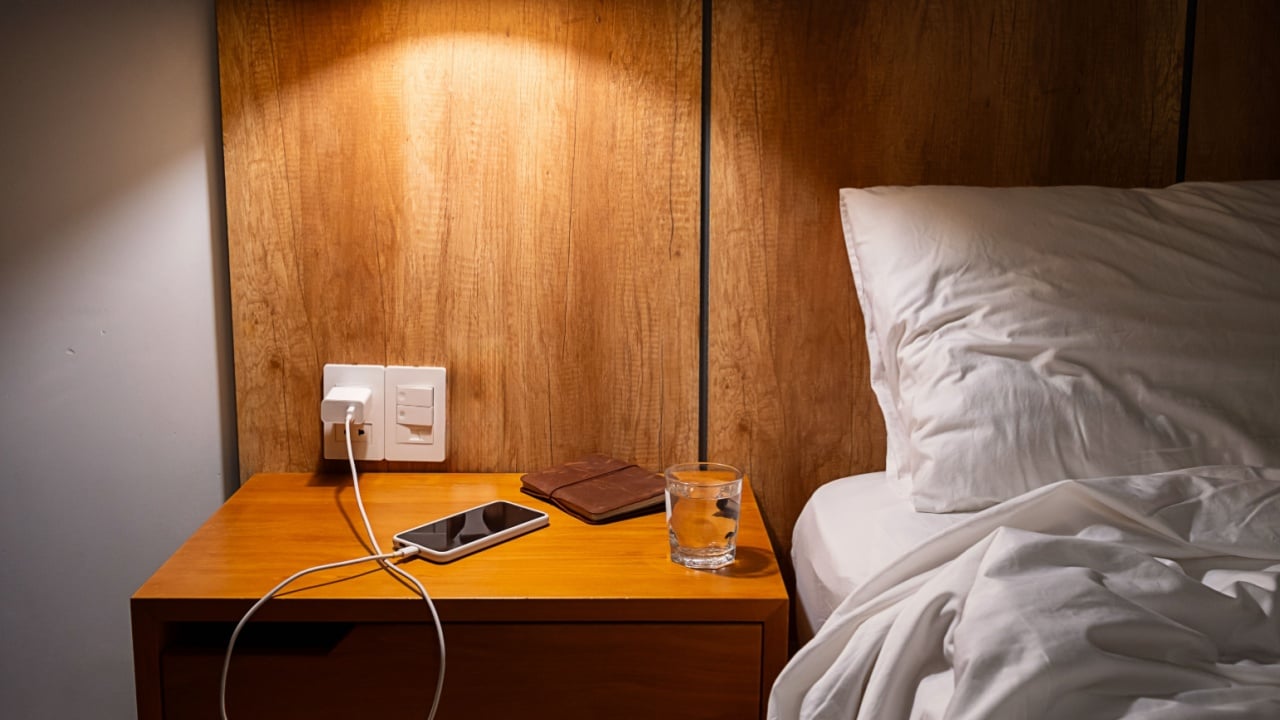
Battery fires from smartphones are rare but real. Damaged cables, cheap third-party chargers, and phones left on flammable surfaces like beds or couches create conditions where thermal runaway can occur.
Thermal runaway is what happens when a battery cell overheats to the point where it triggers a chain reaction, releasing gases and sometimes fire. Charging overnight while you sleep means no one is awake to notice if something goes wrong.
Plugging in before bed on a nightstand covered in books, fabric, or other materials adds unnecessary risk.
Using certified chargers, keeping your phone on a hard surface, and charging while you’re awake are simple ways to reduce that risk.
4. Wireless Chargers Make the Heat Problem Worse
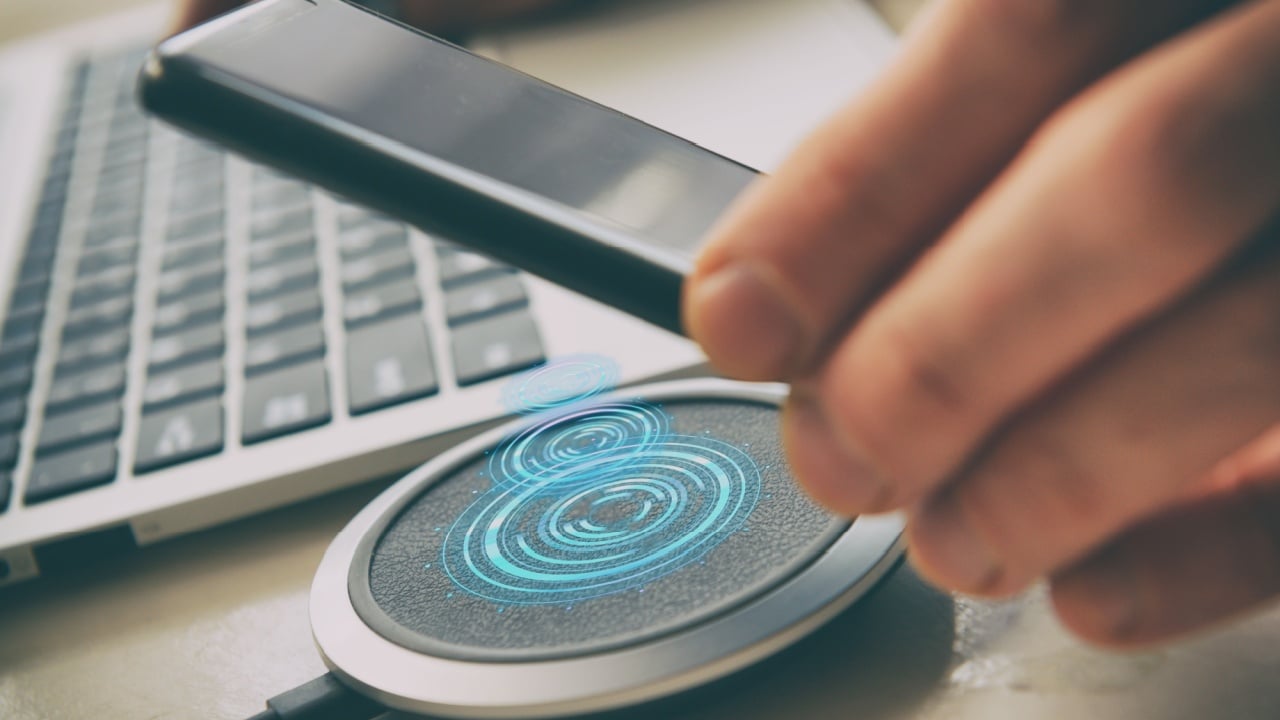
Wireless charging is convenient, but it is less efficient than wired charging, and that lost efficiency turns into heat.
When you use a wireless charger overnight, your phone sits on a warm pad for hours, combining the heat of charging with the heat generated by the wireless coils beneath it.
That sustained warmth does real damage to the battery over time. If you prefer wireless charging, use it during the day when you can monitor your phone and unplug it once it reaches a comfortable level.
Avoid leaving your phone face down on a wireless pad overnight or placing it somewhere with limited airflow. A wired charger in a cool location is always the better option for overnight or extended sessions if you haven’t yet switched your habits entirely.
5. Built-In Charging Tools Are There for a Reason
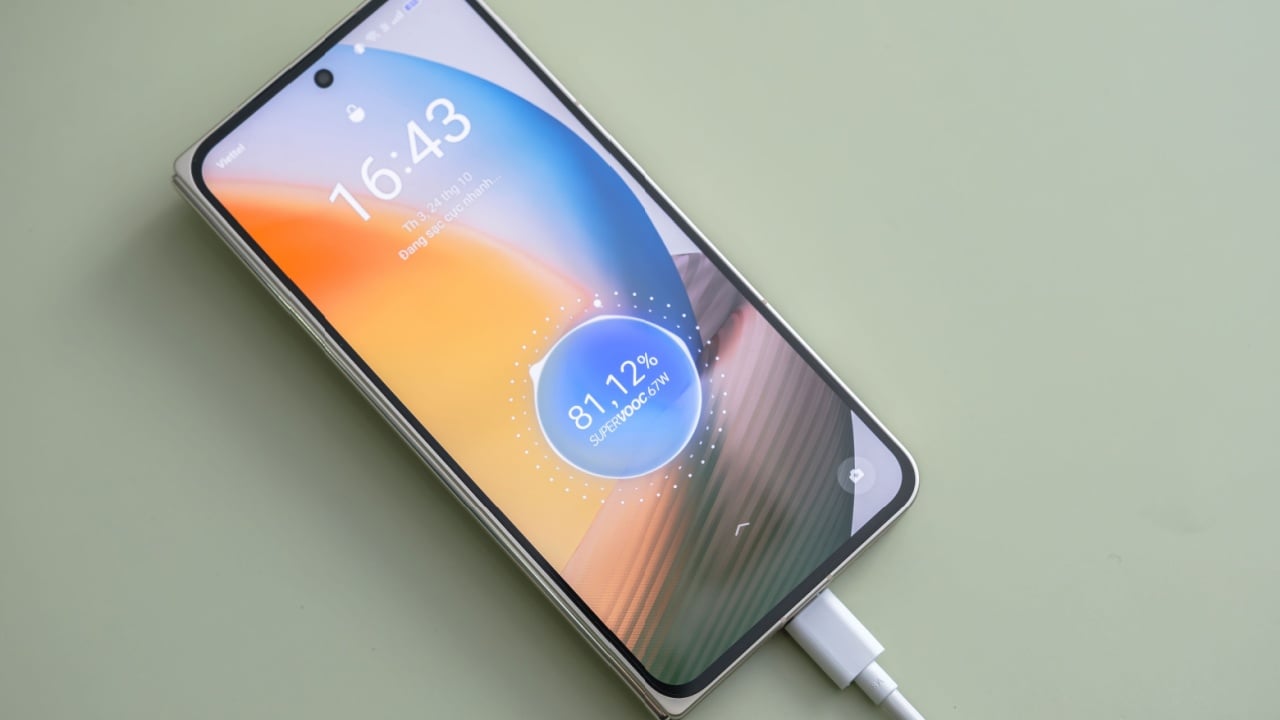
Apple’s Optimized Battery Charging feature tracks your daily routine and pauses charging at around 80%, only finishing the final 20% just before your alarm goes off.
Samsung’s Battery Protect mode caps charging at 85% to reduce the time spent at high voltage. Google’s Adaptive Charging works similarly on Pixel devices, and OnePlus and Xiaomi offer comparable options under their own names.
These features exist because the manufacturers know exactly how their batteries degrade. Turning them on costs nothing and requires no extra effort from you. If you haven’t activated these settings, go into your phone’s battery settings now.
They won’t fully eliminate the risks of overnight charging, but they significantly reduce voltage stress and heat accumulation compared to an unmanaged overnight charge.
6. Shallow, Frequent Charges Are Better for Battery Health
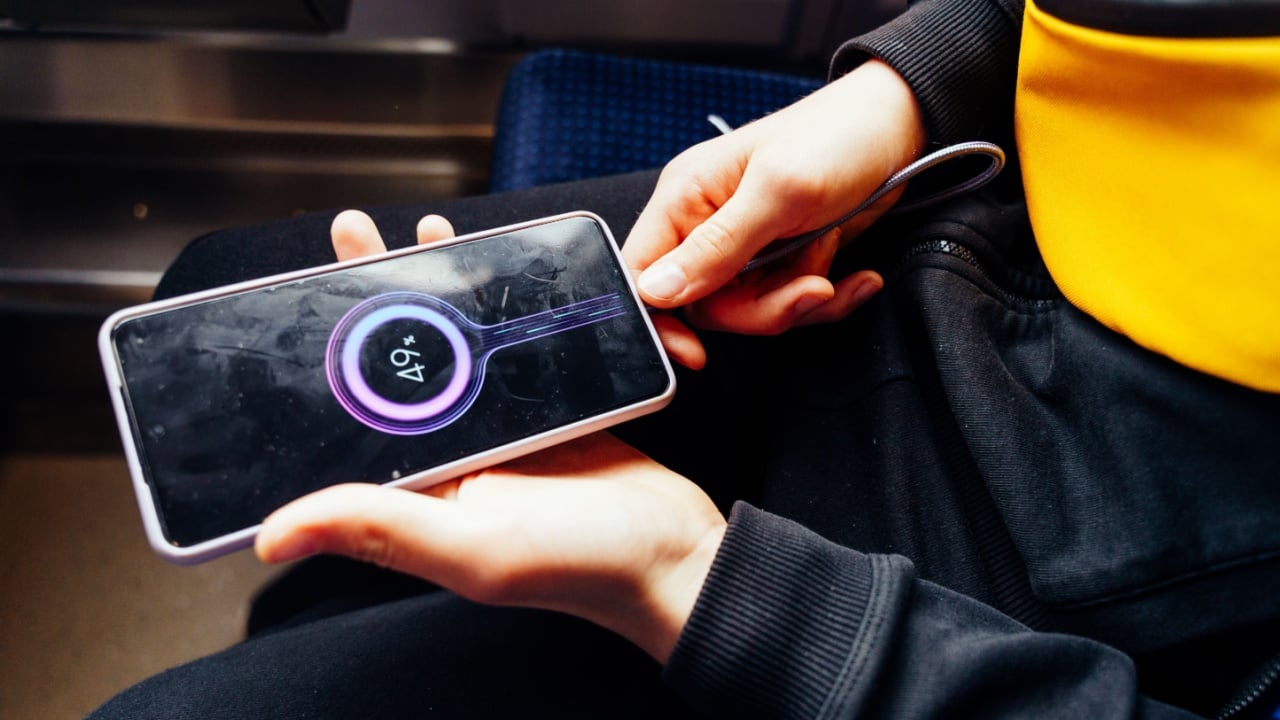
The idea that you need to charge your phone in full cycles, from near-empty to 100%, is outdated.
Lithium-ion batteries actually perform better with frequent, partial charges. Topping up from 50% to 80% several times throughout the day is far gentler on the battery than running it down to 10% and charging it to full every night.
This approach also keeps you more aware of your phone’s charge levels and reduces the temptation to leave it plugged in for hours.
Many battery experts and manufacturers recommend keeping your phone between 20% and 80% as a daily habit.
Charge Smarter, Not Longer
The real issue with overnight charging isn’t convenience, it’s the assumption that more charging time equals better battery health. It doesn’t.
Hours of sustained high voltage, combined with heat and no airflow, are exactly the wrong environment for a lithium-ion battery.
A few simple shifts make a real difference. Charge your phone during the day, stop at 80% when you can, use the built-in optimization features your phone already has, and keep it on a hard, cool surface with the case off.
Certified cables and chargers matter too, not just for battery health but for safety.
Read More:
18 Household Items That Can Be Surprisingly Dangerous
9 Appliances to Unplug When Not in Use and Reduce the Energy Bill