5 Things That Make a Living Room Feel Totally Off
You know that feeling when you walk into a room, and something just feels unfinished? You have the sofa, the TV, and a place to put your coffee, yet the space feels chilly and unwelcoming.
You arrange the furniture exactly as shown in the online diagram, but the result feels more like a doctor’s waiting room than a place where humans actually live.
Creating a space that feels right involves more than just filling it with stuff. Often, the elements that make a room feel disconnected are small details we overlook because we are too busy looking at the big picture.
This guide points out five common culprits that might be sabotaging your living area and explains exactly how to fix them without tearing down walls.
1. Walls That Are Completely Bare
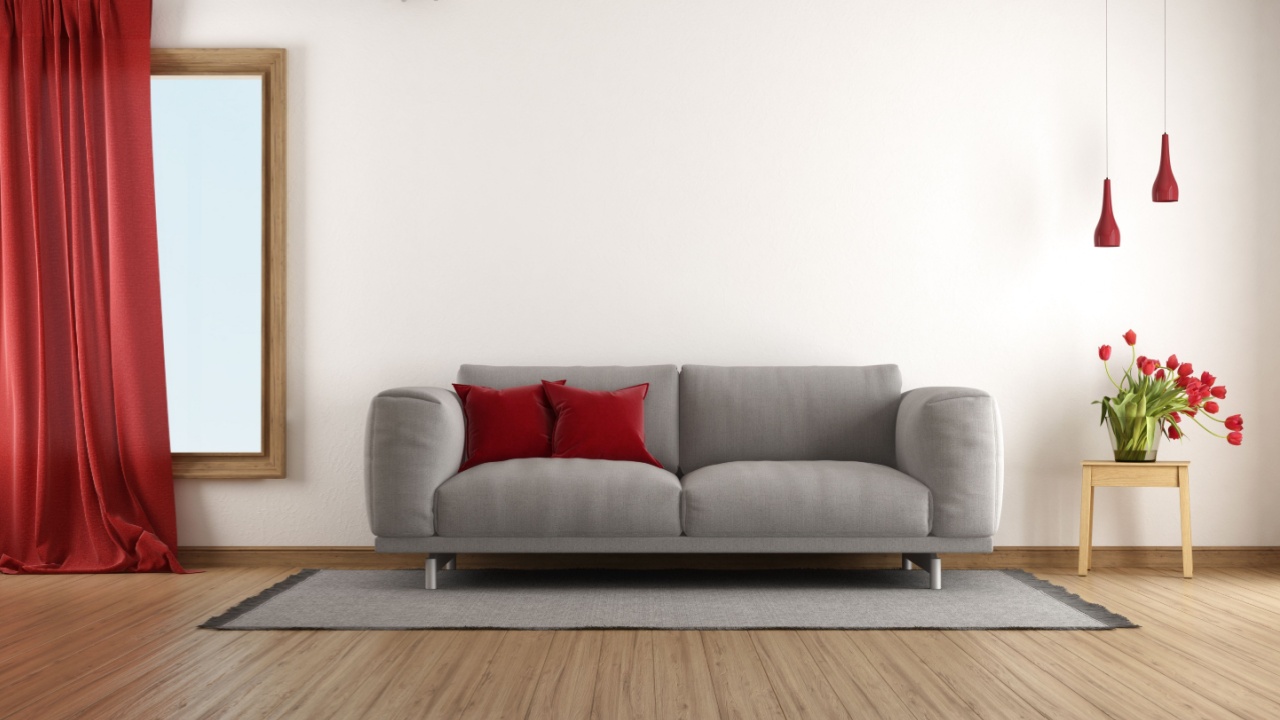
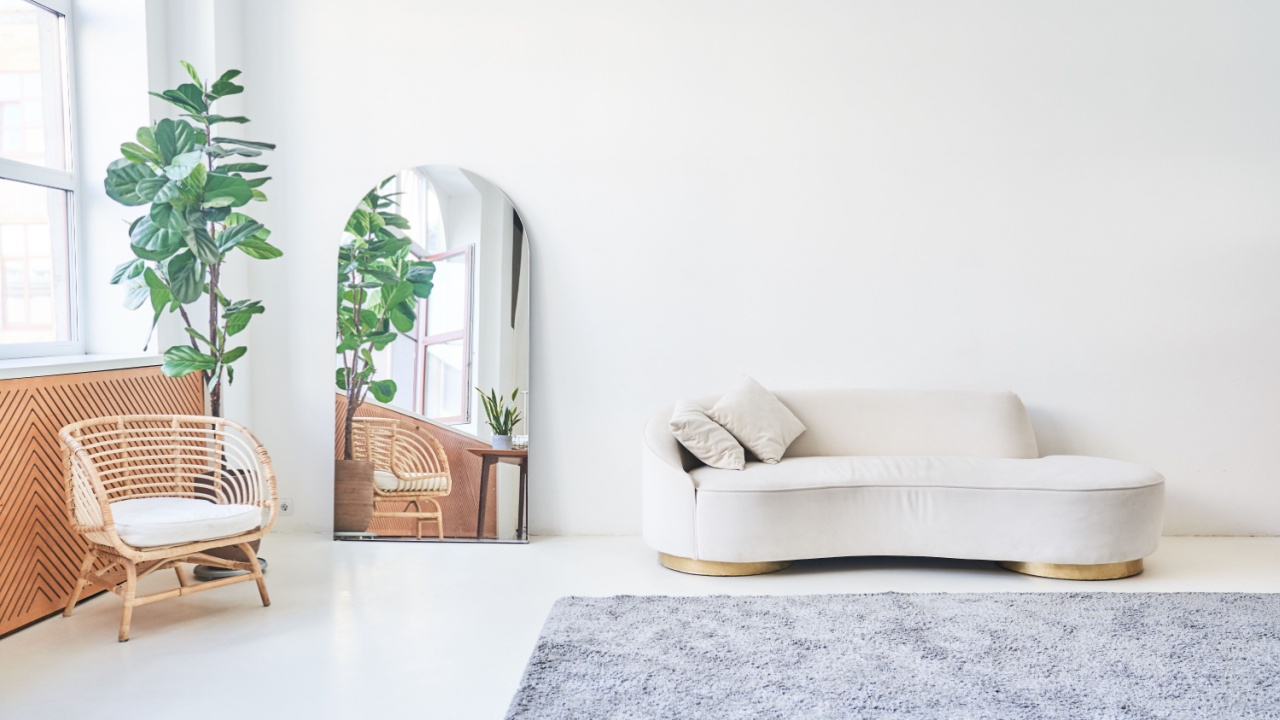
Walking into a room with absolutely nothing on the walls can feel unnerving. It gives off the impression that you just moved in yesterday or that you are currently fleeing the country. While minimalism has its place, four expansive, empty walls often make a room feel sterile and temporary. It lacks personality. A room without art or shelving feels like a box rather than a home.
You do not need to cover every square inch with gallery walls or expensive oil paintings. Adding a large mirror can bounce light around the room, making it feel larger and more finished. Installing a couple of floating shelves gives you a spot to display books or plants. Even a single large piece of art can anchor the room and give your eyes a place to rest. The goal is simply to break up the expanse of drywall so the room feels inhabited and loved.
2. Relying Strictly on Standard Lighting
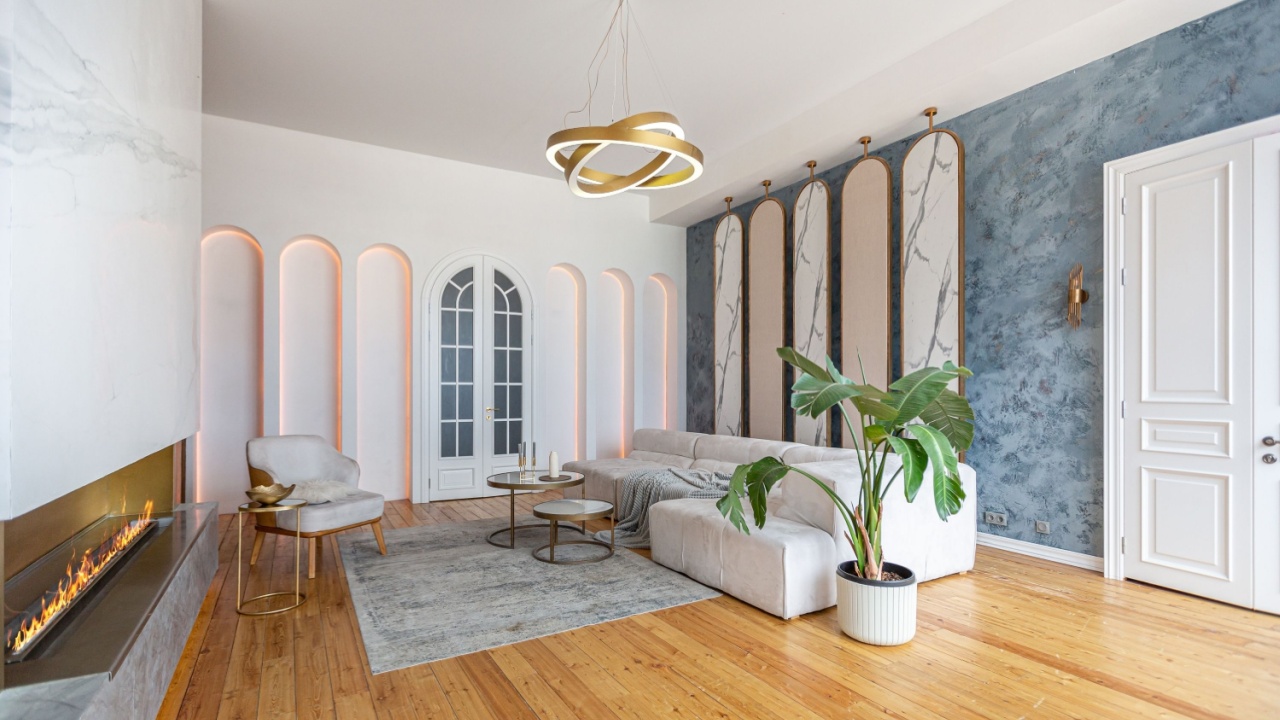
Nothing kills the mood faster than the “big light”, that flush-mount fixture in the center of the ceiling that blasts the room with harsh, unflattering brightness. Relying solely on overhead lighting washes out colors and creates unflattering shadows. It makes the space feel flat and institutional, which is rarely the look anyone wants for their lounge area.
Layering your light sources transforms the atmosphere instantly. Turn off the big light and introduce lamps at different heights. A floor lamp in a dark corner and a table lamp near the sofa create pools of warm light that draw people in. This approach adds depth and dimension to the room. It allows you to control the brightness based on the time of day or the activity. Reading a book requires a different light than watching a movie, and having options makes the room function better for actual human life.
3. Furniture Sets From a Single Store
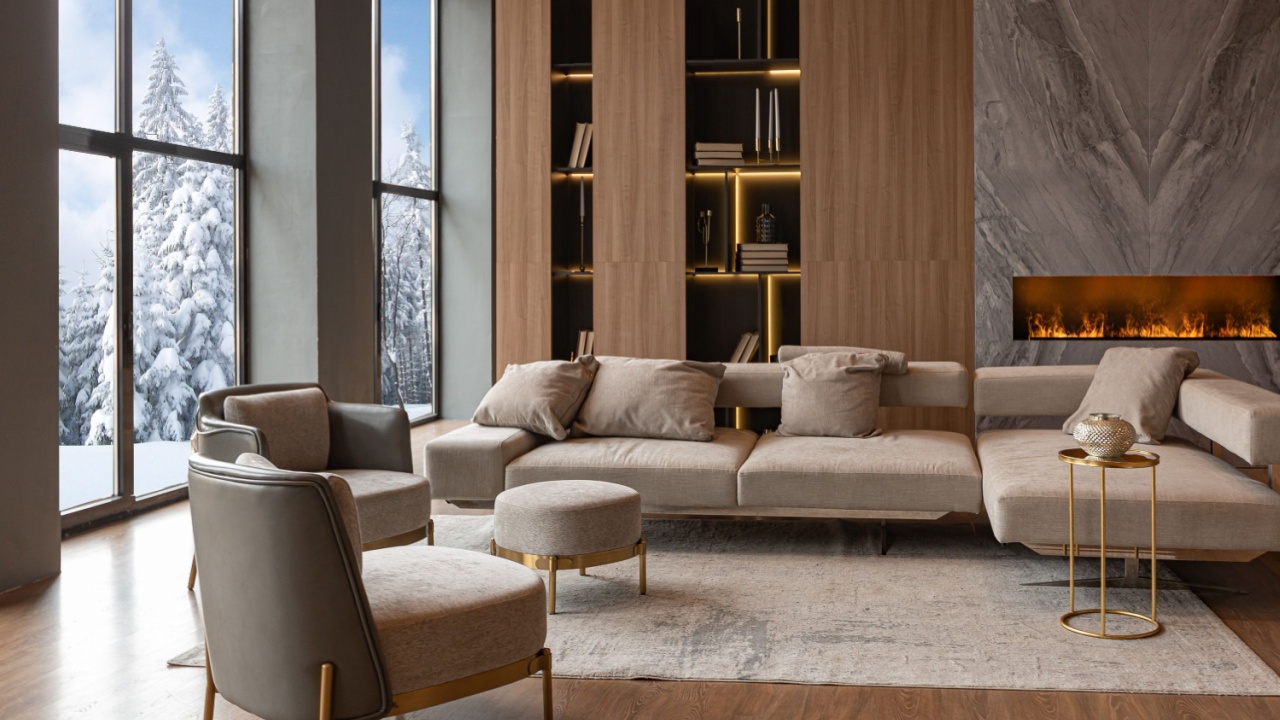
It is tempting to walk into a big-box furniture store, point at a matching display, and say, “I will take it all.” It seems efficient. However, filling your room with a matching sofa, loveseat, coffee table, and TV stand from the exact same collection often results in a space that looks like a showroom, not a living room. When everything matches perfectly, nothing stands out, and the room can feel generic and predictable.
Mixing things up brings life to the space. If you have a modern sofa, try pairing it with a vintage coffee table or a chair with a different silhouette. You want the pieces to speak to each other, not repeat the same sentence. This method makes the room feel collected over the years rather than purchased in a single afternoon.
4. Using a Rug That Is Too Small
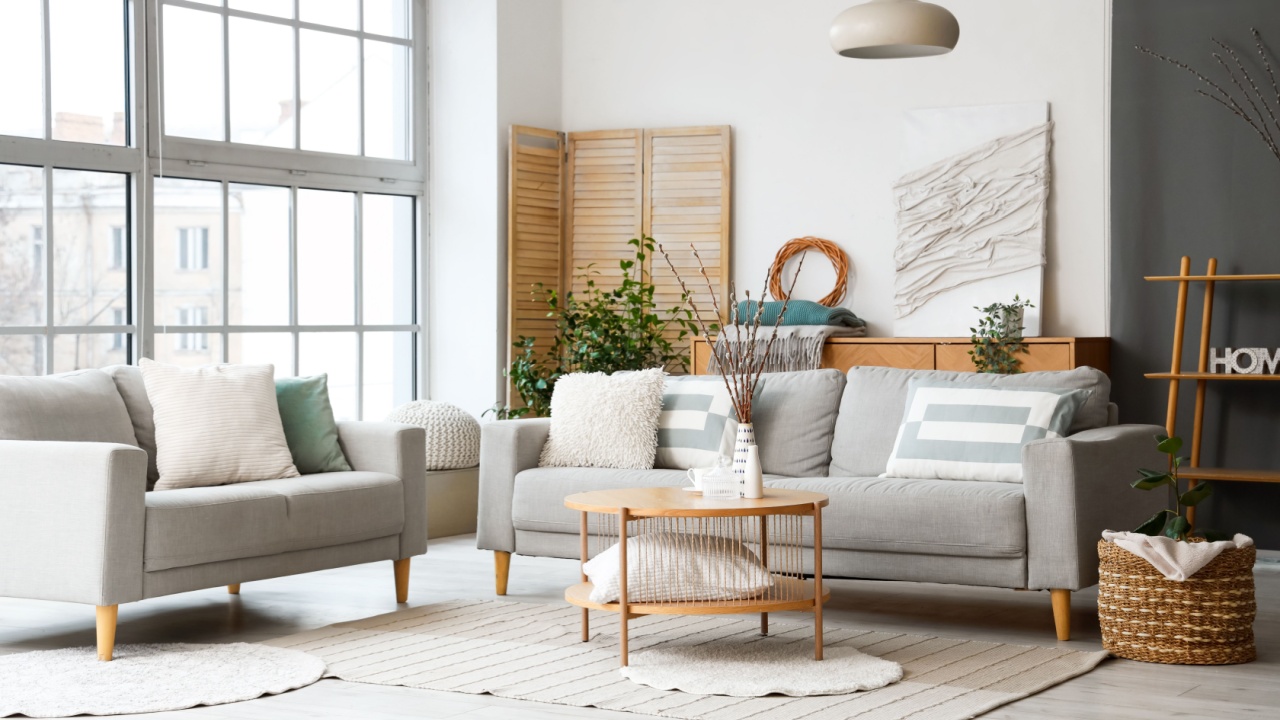
This is perhaps the most common design crime committed in living rooms everywhere. A tiny rug floating in the middle of the room, with none of the furniture touching it, creates a disjointed look. It creates an optical illusion that makes the room feel smaller, and the furniture feel like disconnected islands drifting apart in a sea of flooring.
A rug acts as an anchor. It defines the conversation area and tells the furniture where it belongs. As a general rule, the front legs of your sofa and main chairs should sit on the rug. If you can fit all the legs on it, even better. This simple adjustment visually ties the pieces together, creating a cohesive zone. If you currently have a small rug you love, consider layering it on top of a larger, neutral jute or sisal rug to get the coverage you need without losing the pattern you enjoy.
5. Forgetting to Layer Textiles
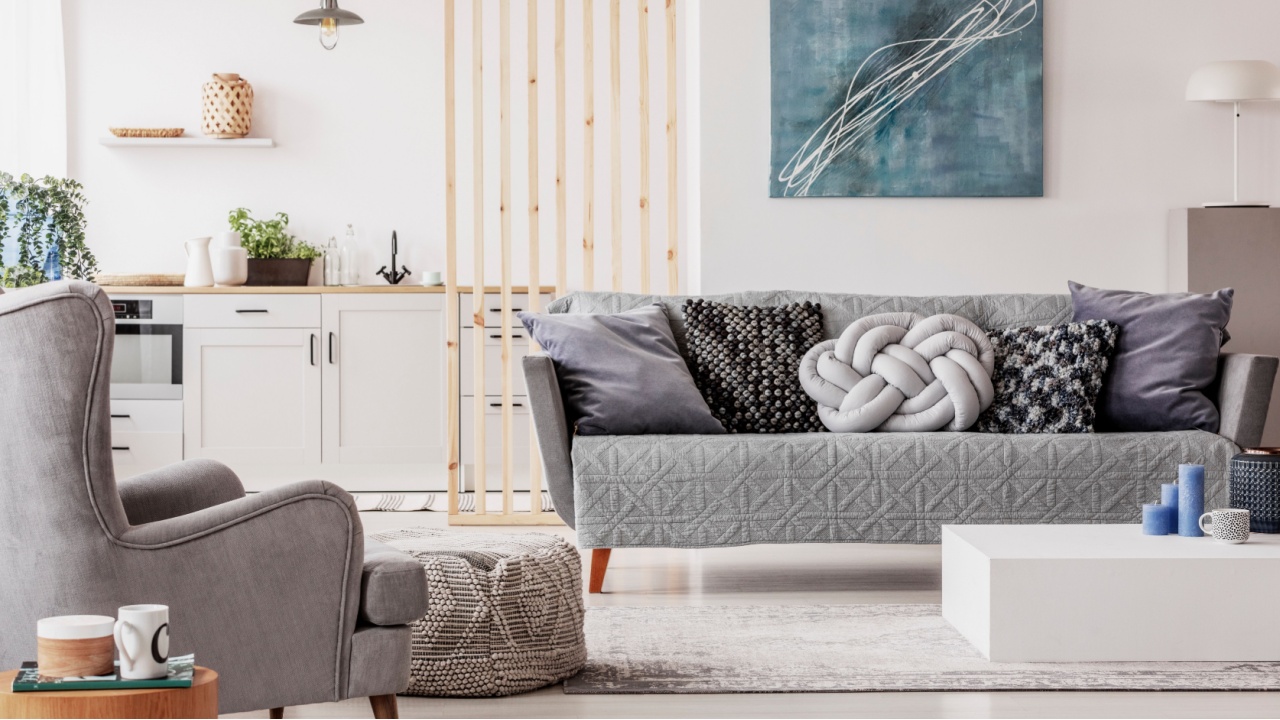
A room with just hard surfaces, wood floors, a leather sofa, and a glass table can feel cold and uninviting. It lacks softness. If your living room feels stiff, you might be missing the textile layers that provide physical and visual comfort. Without throw pillows, blankets, or curtains, a room can echo and feel harsh.
Textiles are the clothing of your room. They add color, pattern, and warmth. Adding a throw blanket over the arm of a chair or placing a few pillows on the sofa instantly softens the edges of the furniture. Curtains flank the windows and soften the natural light coming in. These elements absorb sound and make the space feel finished. Mixing materials like velvet, linen, and wool adds tactile interest that makes you want to settle in and relax.
Finding Your Flow

Fixing a disconnected living room does not require a massive budget or a degree in interior design. Usually, it just requires looking at your space with fresh eyes. Before you buy anything new, try rearranging what you already own. Move that lamp to a different corner. Pull the furniture off the walls. Swap a rug from the bedroom. Often, the solution lies in disruption. Break up the matching set, turn off the overhead light, and put something, anything, on that empty wall.
Read more
15 Ways to Instantly Make a Living Room Feel Cozy
12 Things Designers Wish You’d Finally Remove From the Living Room