Is Your Home Haunted by Generational Design Trauma?
Ever wonder why your living room has all the charm of a museum exhibit or why your dining table could host a small army? It might be the leftovers from decades of shifting trends and family hand-me-downs. Generational design trauma isn’t just a dramatic phrase (okay, it’s a little dramatic, but it totally fits); it’s what happens when homes pass through the hands of different age groups, each with their own design baggage.
This guide breaks down five generations’ design choices, the reasoning behind them, and the modern headaches they can leave behind, so you can make peace with your own space (or finally set that old recliner free).
1. The Silent Generation: Heavy and Here to Stay
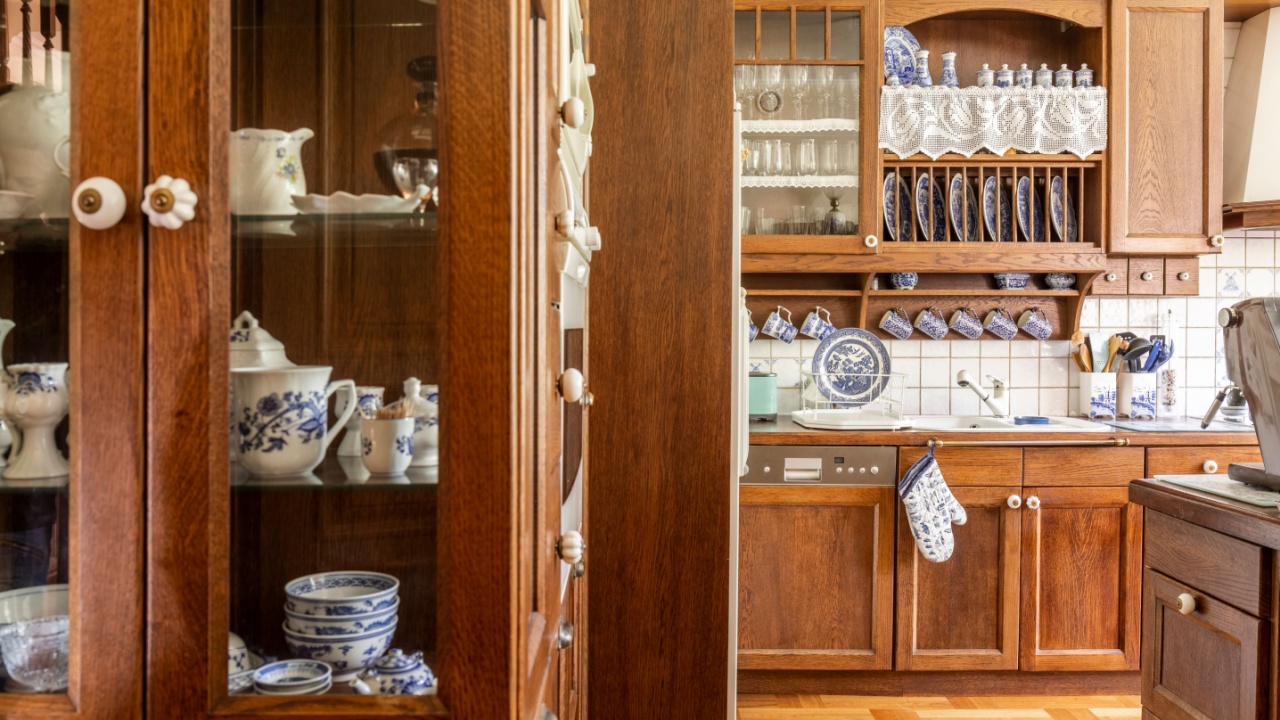
For the Silent Generation (born 1928–1945), durability ruled the day. They grew up during tough times, so furniture had to last longer than leftover fruitcake. Homes featured formal layouts, kitchens for cooking, dining rooms for meals, and living rooms for sitting (quietly). The 40s pieces were massive: hulking china cabinets, solid wood headboards, and dressers that required an army to move.
While these choices made sense for signaling stability and respectability, they can mean trouble for today’s downsized living. Dragging Grandpa’s oak credenza into a modern apartment often blocks light and takes over whatever little space you’re working with. Keeping big heirloom pieces out of obligation can leave your place feeling stuck in the past, literally and style-wise.
2. Baby Boomers: Suburbs, Carpets, and Couch Sets
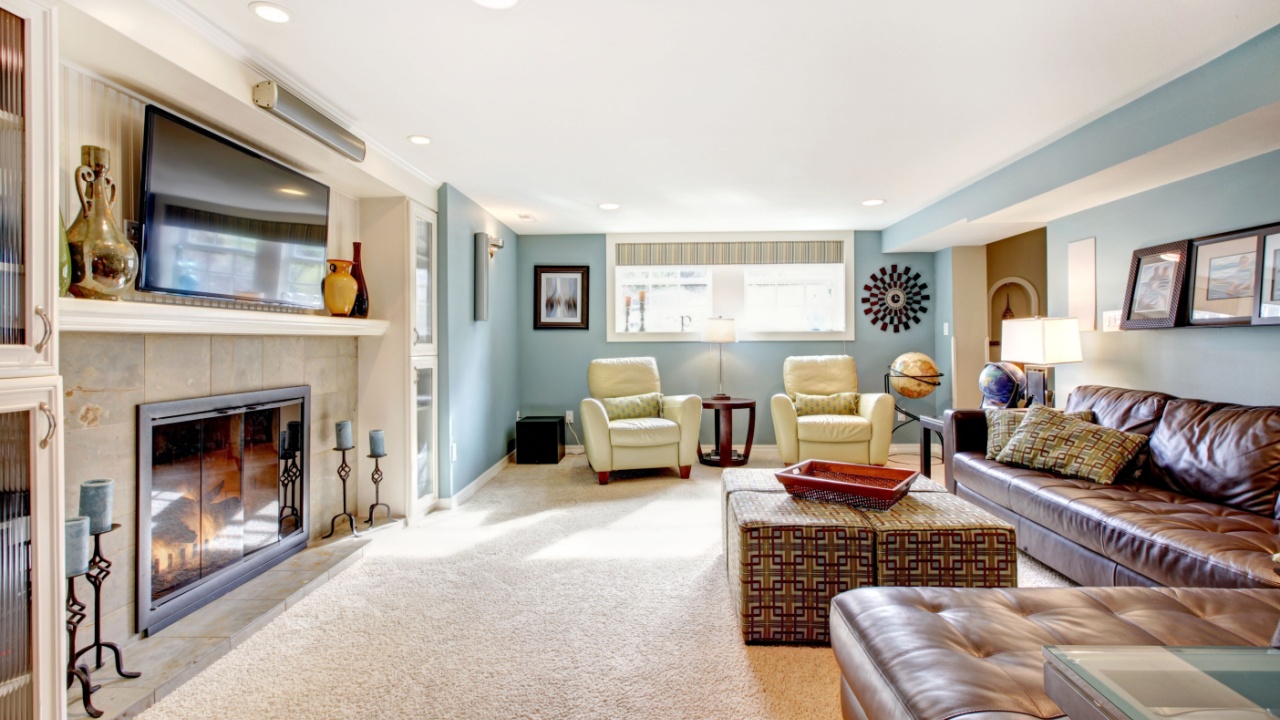
Baby Boomers (1946–1964) grew up craving comfort and room to stretch out, and builders delivered with sprawling ranches and split-level homes. Carpet from wall to wall was the dream. So were big “family rooms” and matching furniture sets; if you bought a couch, you got the whole family: loveseat and armchair included.
But what used to feel like suburban paradise can now seem bland and inefficient. Running the heat or AC for oversized spaces dries out wallets faster than you can say “retro.” The old matchy-matchy furniture sets now look more like a showroom than anyone’s personal taste, and carpeted floors have a reputation for being less than forgiving on allergies.
3. Generation X: DIY Meets Maximal Mayhem
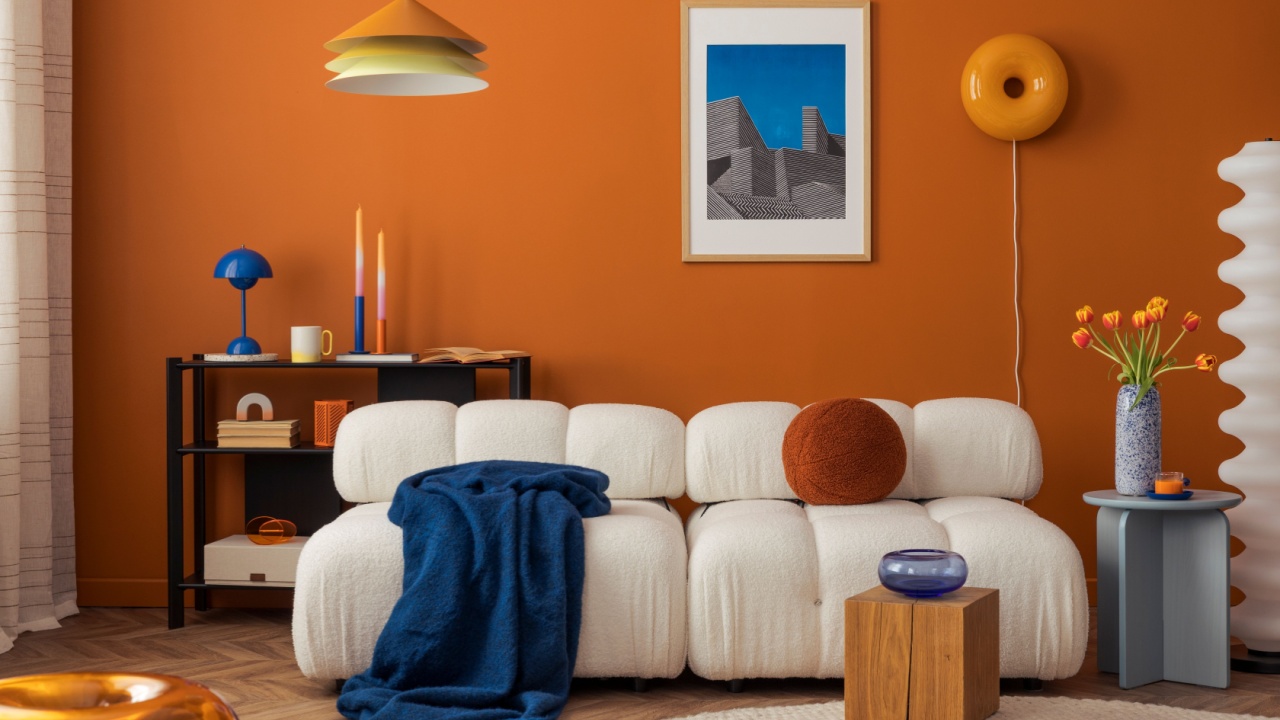
Generation X (1965–1980) went off-script, channeling rebellion and individualism into McMansions, mix-and-match styles, and a whole lotta wood paneling. Oversized entertainment centers became the living room’s crown jewel, and DIY touches, bold patterns, and eclectic décor followed close behind.
This desire for uniqueness sometimes backfired. After a couple of decades, what was once “edgy and expressive” can easily feel overstuffed and dim. Entertainment centers built for clunky TVs and endless shelves crowd rooms, and those busy interiors might need a sledgehammer instead of a light redecoration. Clutter and dated finishes make updates extra challenging.
4. Millennials: Gray Days and Fast Furniture
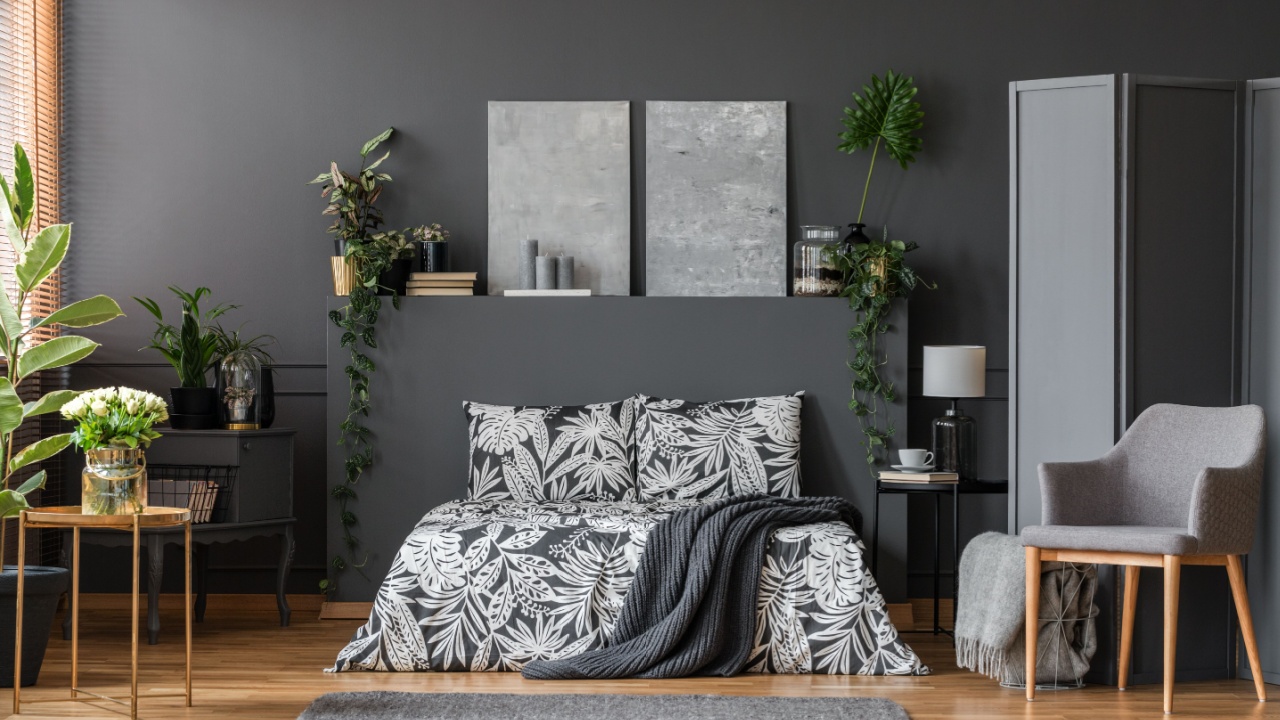
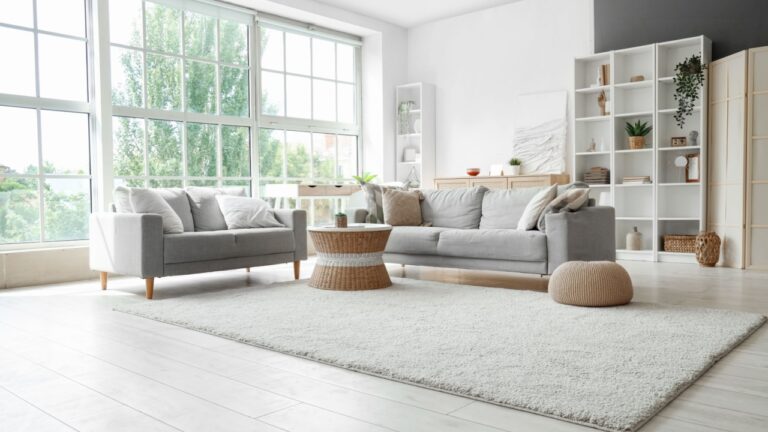
Millennials (1981–1996) entered adulthood during a period of financial uncertainty, so renting and repeated moves were the norm. Out went big, heavy furniture, and in came minimalism; hello, gray paint, simple lines, and scavenger hunts through IKEA. Spaces were tidy, color schemes neutral, and furniture light enough for a solo move.
However, too much restraint created a new problem: lifeless rooms with little warmth or lasting power. Particle-board wonders that survived one move felt impersonal and quick to hit the curb. The sea of gray may keep landlords happy, but it leaves rooms starved of soul, and chasing every trend helped fast furniture thrive while sentimental pieces became rare.
5. Generation Z: Maximalism for the Camera
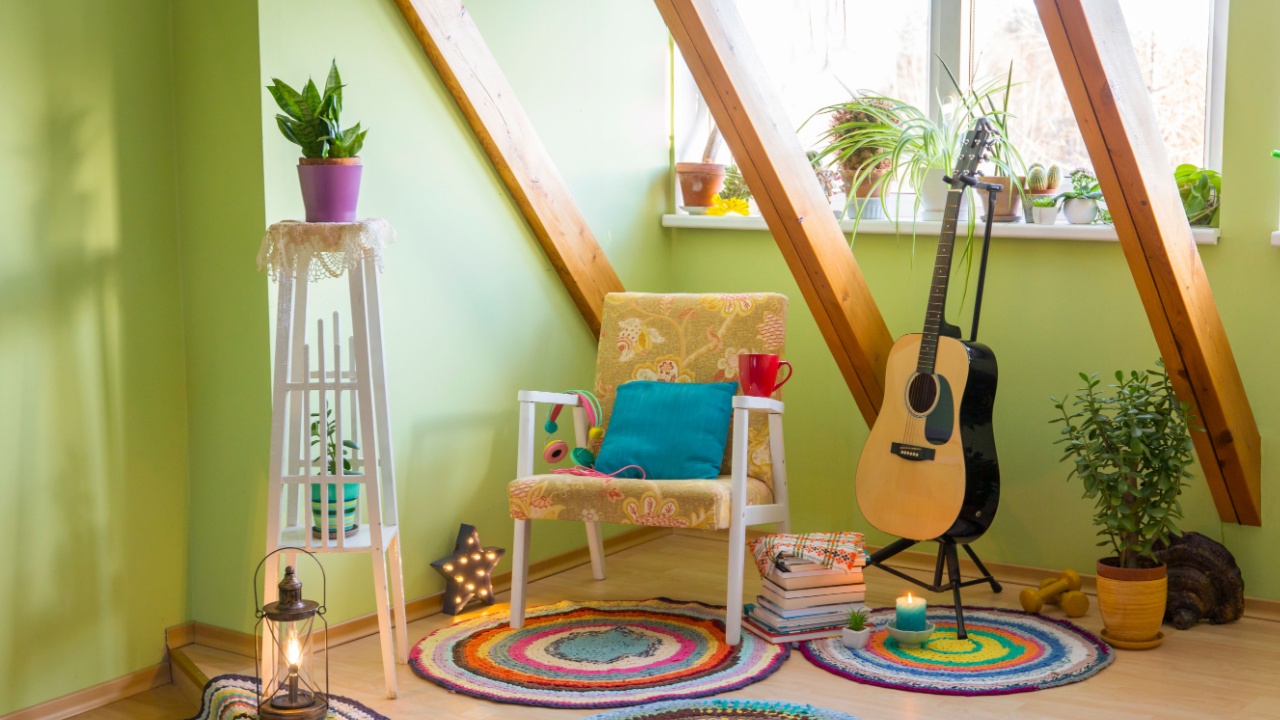
Generation Z (1997–2012) craves spaces that pop, literally, sometimes, with LED lights. Bedrooms transform into visual feasts: gallery walls, thrifted finds, and bold colors all competing for attention. TikTok and Instagram aren’t just hobbies; they’re design inspiration, and a room’s camera-readiness sometimes takes priority over relaxation.
This commitment to maximalism and self-expression has big upsides, but it’s easy to go from energetic to overwhelming. A space curated for social media may look lively but feel chaotic when it’s time to unwind. Ever-evolving trends and layers of décor mean rooms can tire you out before you’ve even found your bed.
Breaking Out of Design History’s Loop
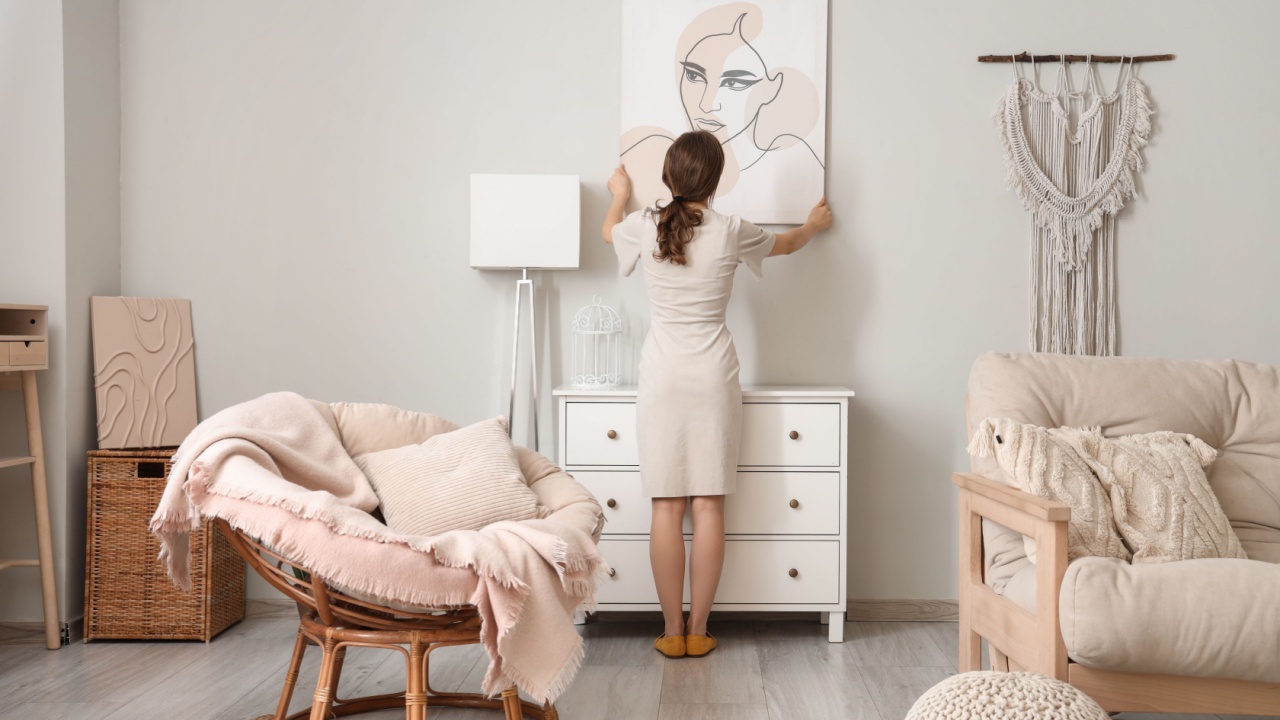
Your space can work for you, not just your ancestors or a social feed. Spot which pieces or layouts are crowding your style or causing stress, and decide what genuinely deserves a spot in your life. A blend of eras, maybe a sturdy old sideboard paired with modern colors, often gives the best results.
Aim for a home that reflects your needs and personality. Edit out what doesn’t serve you, and welcome what feels just right. Every generation left its mark, but your design story is still being written.
Read More: