
6 Reasons to Never Buy a Cheap Charger for a Phone or Any Other Appliance
Cheap chargers sit pretty in a bin near the checkout counter, cost a few dollars, and do the same job as the branded ones, right? Not exactly.
What you actually get inside that flimsy plastic shell is a very different story. The price gap between a certified charger and a cheap alternative is not just a matter of brand markup. It reflects real differences in materials, engineering, and safety testing.
Those differences have consequences that go far beyond a slightly slower charge.
This article covers six specific reasons why a cheap charger puts you, your devices, and your home at risk, and what to look for when choosing a safer option instead.
1. They Can Give You an Electric Shock

Inside a well-made charger, there is careful physical separation between the parts that carry live electrical current and the parts you interact with. Cheap chargers routinely cut corners on this clearance distance, cramming components together in ways that fail basic safety standards.
When the insulation between live and accessible parts is thin, poorly applied, or missing in spots, the voltage can bridge that gap and travel somewhere it should never go, including into your hand.
Weak or undersized capacitors make the problem worse. Capacitors in a charger help regulate the flow of electricity, and when they are low-grade, they can fail under normal load and discharge energy unpredictably.
A shock from a faulty charger can range from a sharp sting to a serious injury, depending on the voltage involved and where contact is made.
2. They Are a Genuine Fire Hazard

Cheap chargers frequently lack any meaningful thermal protection, which means there is nothing to interrupt the charging cycle if the unit starts getting too hot. Overheating can escalate to ignition, especially when the charger is left plugged in overnight or used in a warm environment.
The batteries found in counterfeit or low-grade power banks often carry this same risk, using cells that degrade quickly under heat and are prone to thermal runaway.
Experts have traced house fires directly to off-brand charging equipment, and the pattern is consistent enough to warrant serious attention.
The danger is compounded by the fact that charging often happens while people sleep, removing any chance of catching a problem early. A charger that feels warm after normal use is already showing a warning sign, and one that gets hot to the touch is behaving dangerously.
3. They Can Permanently Damage Your Phone or Appliance
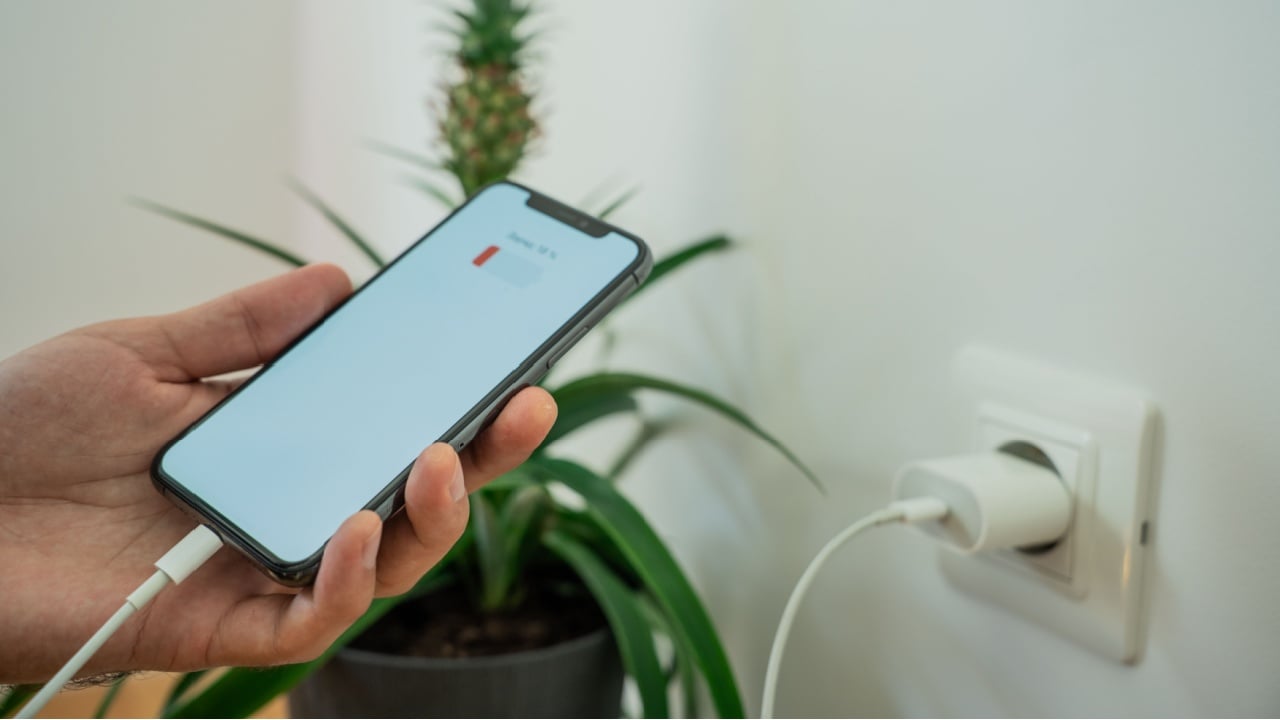
Stable, consistent voltage delivery is what allows a charger to safely transfer power to a device without stressing its internal components. Cheap chargers often deliver fluctuating output because of poor circuit design, and those voltage spikes can quietly degrade or immediately damage the battery.
Bad soldering inside the charger creates loose connections that interrupt the current flow, and those interruptions can cause the kind of internal short-circuit that permanently disables a device.
In a worst-case scenario, the motherboard of a smartphone can be burned out entirely by a single charging session with a defective unit.
What makes this particularly frustrating is that the damage often happens before any visible warning sign appears. Your phone might charge normally several times before the faulty connection causes an irreversible failure, and by then the link back to the charger is easy to miss.
4. They Can Damage Your Wall Socket
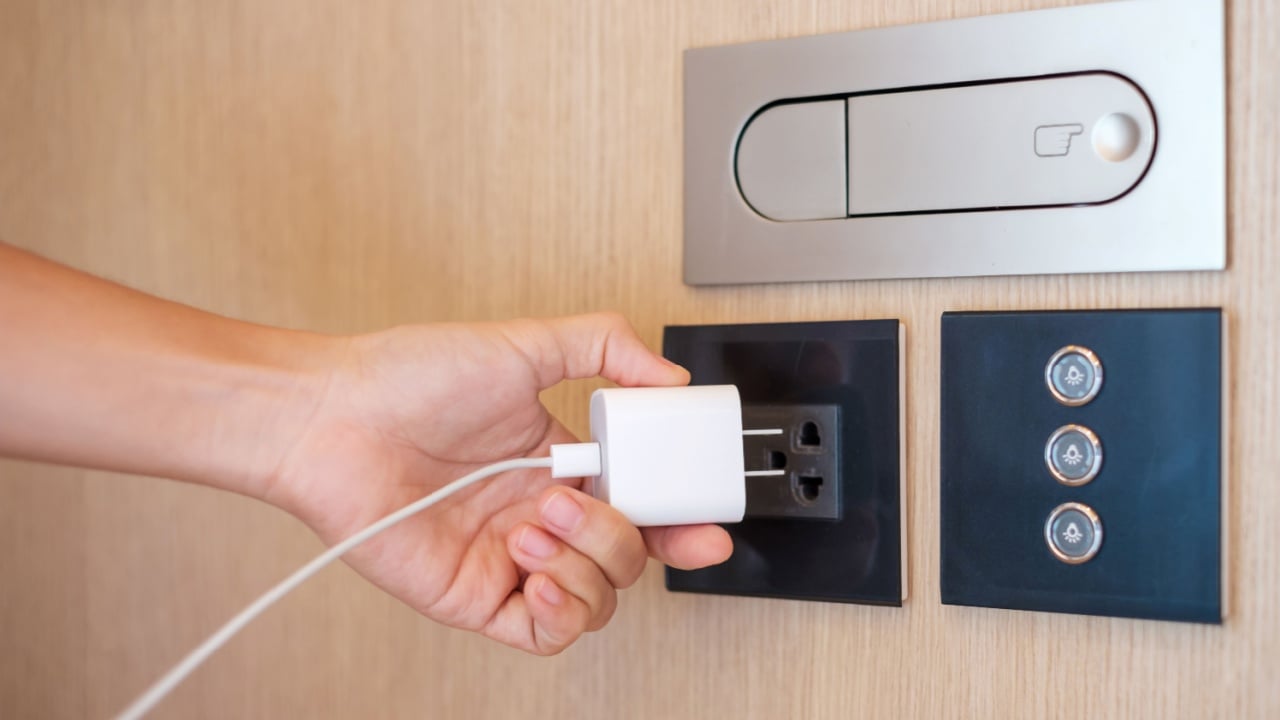
A charger plug that fits loosely, warps under heat, or breaks apart inside a wall socket creates a different category of problem. Cheap plugs are often made with soft or brittle plastic that does not hold its shape reliably, and a piece that snaps off inside a socket leaves behind a fragment that can arc, short, or block access entirely.
Removing a broken piece from a socket is not a simple fix and often requires a licensed electrician, turning a three-dollar charger into a big repair bill.
The electrical damage from a plug arcing inside a socket can also extend to the wiring behind the wall, which is even harder and more expensive to address.
If you notice a charger that feels like it doesn’t seat firmly, gets unusually hot at the plug point, or requires wiggling to make contact, stop using it immediately.
5. They Can Release Toxic Fumes When They Burn
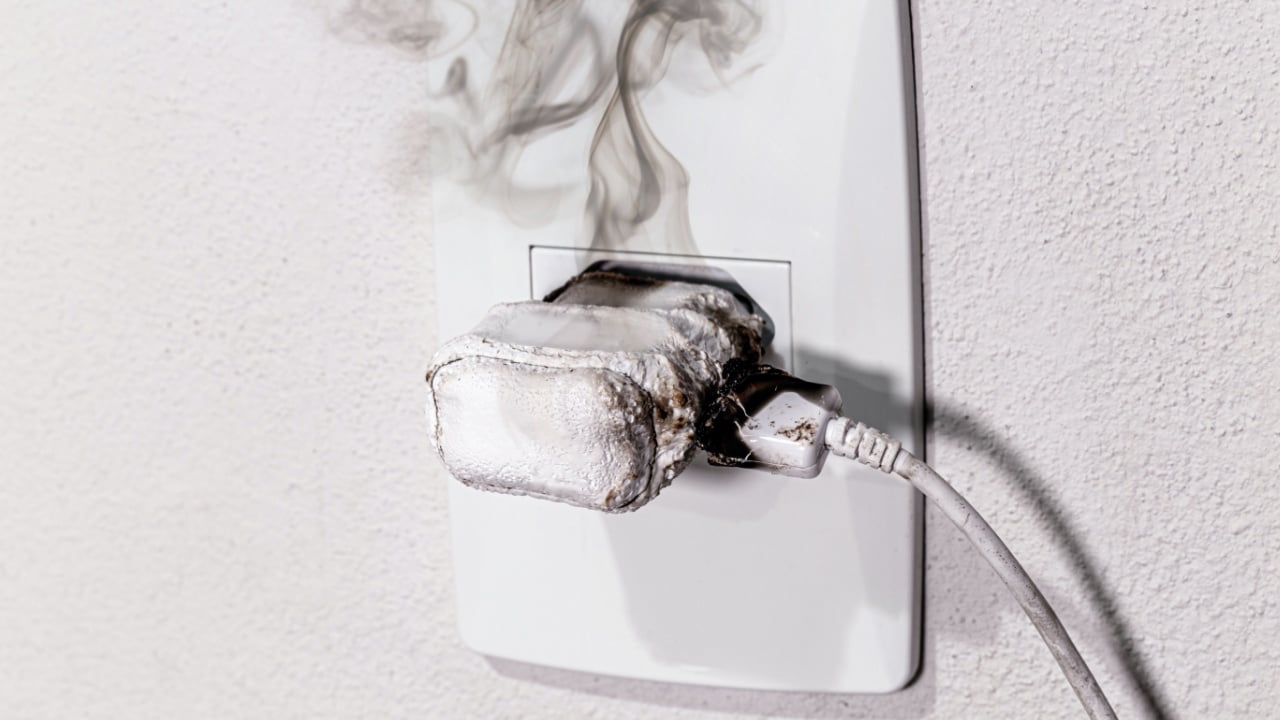
The plastic housing on a cheap charger is frequently made with materials that have no fire-retardant properties. Poly-ABS blends and other low-cost compounds used in counterfeit products are chosen for their price, not their safety profile, and they burn readily when exposed to the heat generated by an overloading unit.
When these materials ignite or even just smolder, they release smoke that contains toxic compounds, including carbon monoxide, hydrogen cyanide, and other byproducts of incomplete combustion.
This is not ordinary smoke. It is the kind that can cause serious respiratory harm and, in an enclosed space, can incapacitate a person quickly.
A legitimate charger uses plastic that has passed flammability testing, specifically designed to resist catching fire and to self-extinguish if it does.
If a cheap charger begins to smoke for any reason, treat it as a chemical exposure risk as well as a fire risk, and get out of the space rather than trying to investigate the source. The smell of burning plastic from any charger is a signal to unplug it immediately and replace it with something certified.
6. They Often Lack Real Safety Certification
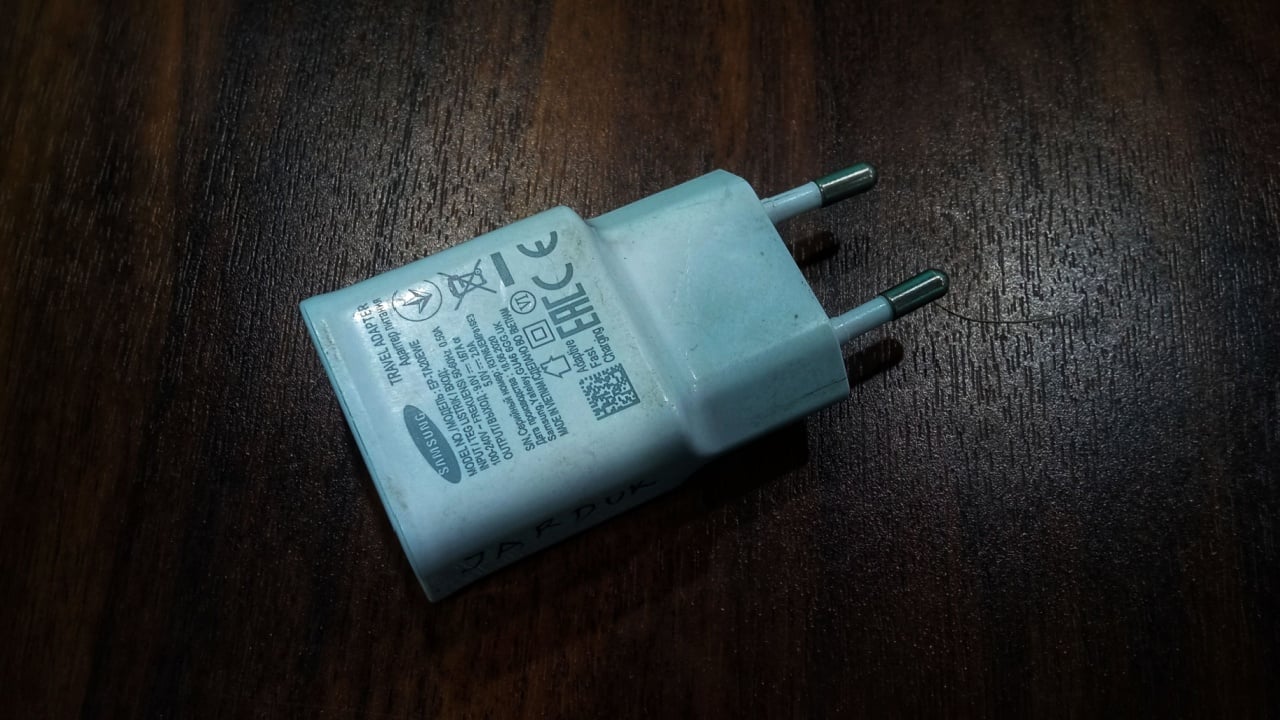
Safety certifications like UL, ETL, and CE exist because independent testing organizations put products through rigorous evaluations before approving them for sale. A charger that carries one of these marks legitimately has been tested for electrical safety, heat resistance, insulation quality, and correct output.
Cheap chargers frequently skip this process because testing costs money and time, or they print counterfeit certification logos on the packaging to make the product look legitimate.
A fake UL mark is not just misleading. It is illegal, and it means the device has never been evaluated against any of the standards that mark is supposed to represent.
Spotting a fake certification is not always simple, but there are reliable indicators. Genuine UL-listed products can be verified through UL’s public database, and if the product’s exact model number does not appear there, the certification is not real.
What to Do Before You Buy

Cheap chargers create risks that stack on top of each other. A single unit can shock you, overheat, damage your device, break inside your wall, release toxic fumes, and carry a certification label that was never earned.
None of those outcomes is a dramatic outlier. They are the direct result of cutting corners on materials, testing, and design. The safer path is to buy chargers from manufacturers with verifiable certification history, match the charger output to your device’s specifications, and replace any charger that shows heat, damage, or physical wear.
Read More:
Millions Are Charging Their Phones Wrong and Firefighters Say It’s a Pending Disaster