Slash the Grocery Bill in Half by Leaving These 8 Items on the Shelf
Staring at your grocery receipt shouldn’t feel like reading a horror story, but with inflation hitting the checkout line, it often does. Most people think saving money means eating nothing but ramen. But the truth is usually simpler: you’re likely paying a “laziness tax” on items you don’t actually need.
If you identify the psychological traps and marketing gimmicks hidden in the aisles, you can stop the silent drain on your bank account. Here are the 8 budget-killers you should stop buying immediately, and what to grab instead to keep your kitchen stocked and your savings intact.
1. Pre-Cut Produce

It is tempting to grab that container of cubed watermelon or sliced onions. However, the markup on pre-cut produce is staggering. You are essentially paying a stranger to wield a knife for you.
These convenient containers can cost three times as much as the whole fruit or vegetable. Furthermore, once cut, these items spoil faster, leading to potential food waste. The plastic packaging also adds unnecessary waste to the environment.
Tip: Invest in a quality chef’s knife and spend five minutes prepping your veggies on Sunday for the week ahead.
2. Individual Snack Packs
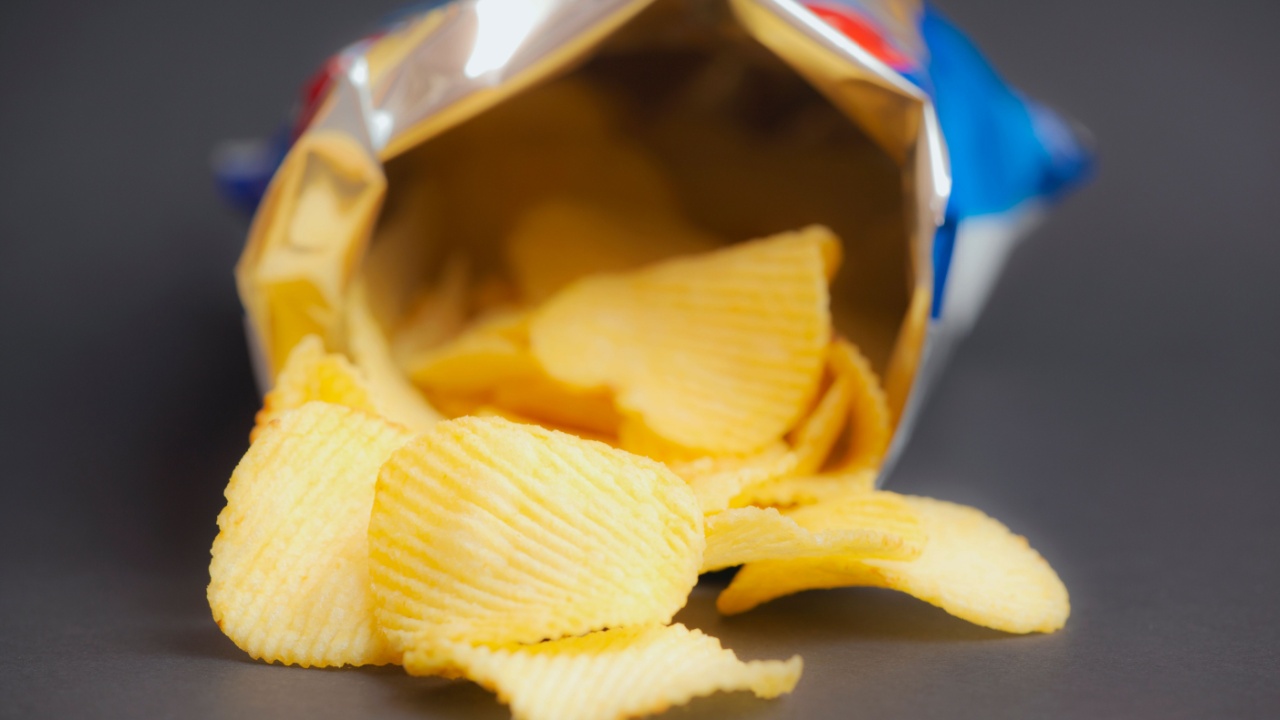
Those tiny bags of chips, cookies, or crackers might seem handy for lunchboxes, but the price per ounce is way higher than just buying the regular-sized bag. You’re basically paying extra for tiny bits of packaging that just get tossed.
Yes, they’re convenient, but is it worth the extra cash when a little prep work can solve the issue? Food companies are banking on you paying for portion control, but you can save that money by doing it yourself.
Tip: Buy the family-size bag and portion servings into reusable containers or silicone bags.
3. Bottled Water
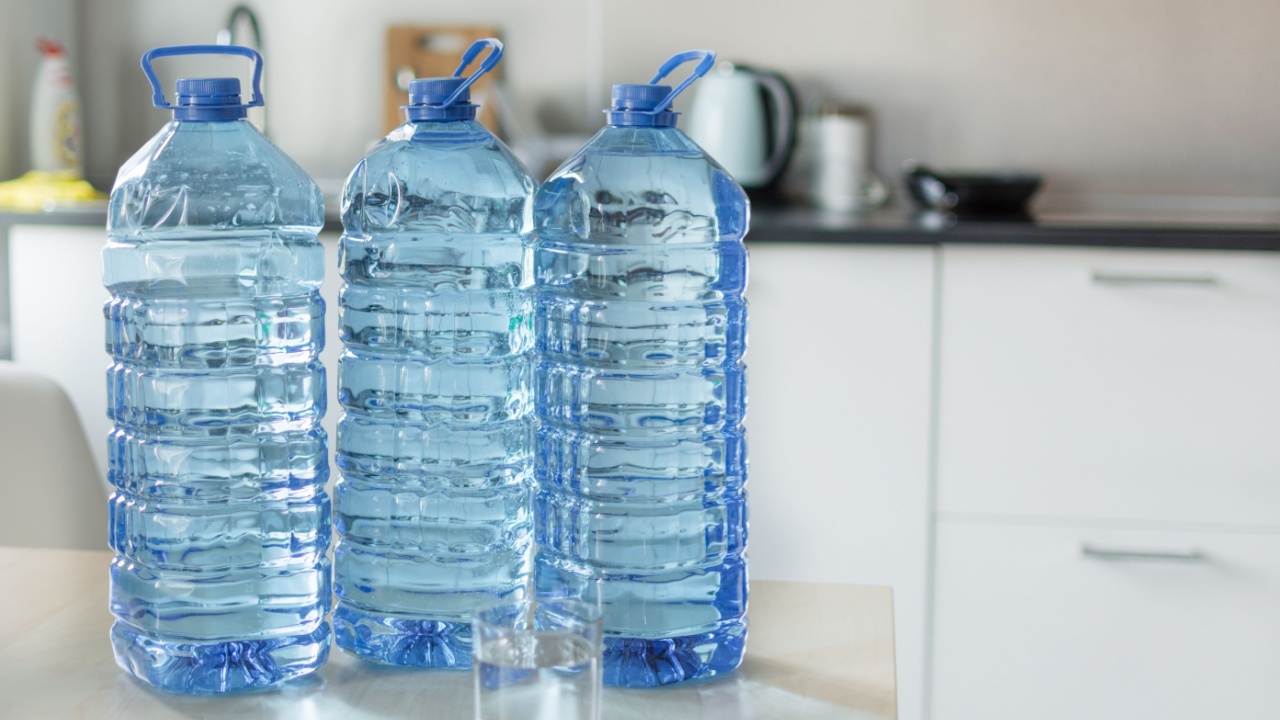
Unless local tap water is unsafe, buying bottled water is like pouring money down the drain. It costs roughly 2,000 times more than tap water. Beyond the financial impact, the plastic waste generated is enormous. Many bottled water brands are simply filtered municipal water anyway, meaning you are paying a premium for something available in your kitchen for pennies. The marketing might suggest purity, but your wallet only sees depletion.
Tip: Purchase a high-quality water filter pitcher or install a faucet filter to enjoy crisp, clean water at a fraction of the price.
4. Brand-Name Spices
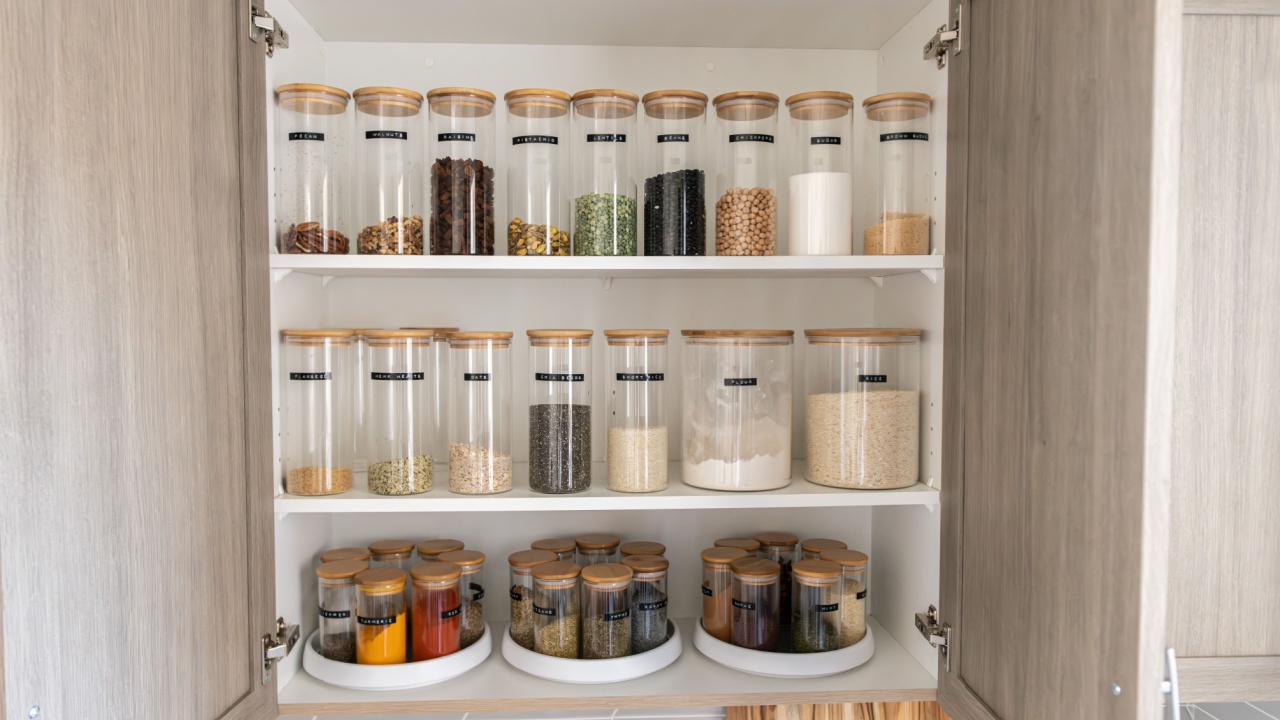
That little glass jar of basil or cumin in the baking aisle comes with a hefty price tag, largely because of the logo on the label. Inside, the product is virtually identical to generic or bulk options. Spices do not need a fancy brand to taste good. In fact, many ethnic food aisles or bulk bins offer fresher spices for pennies on the dollar compared to the major spice brands. You are often paying for the glass jar rather than the seasoning itself.
Tip: Visit the bulk section of your grocery store to refill your existing jars for a fraction of the cost.
5. Pre-Grated Cheese
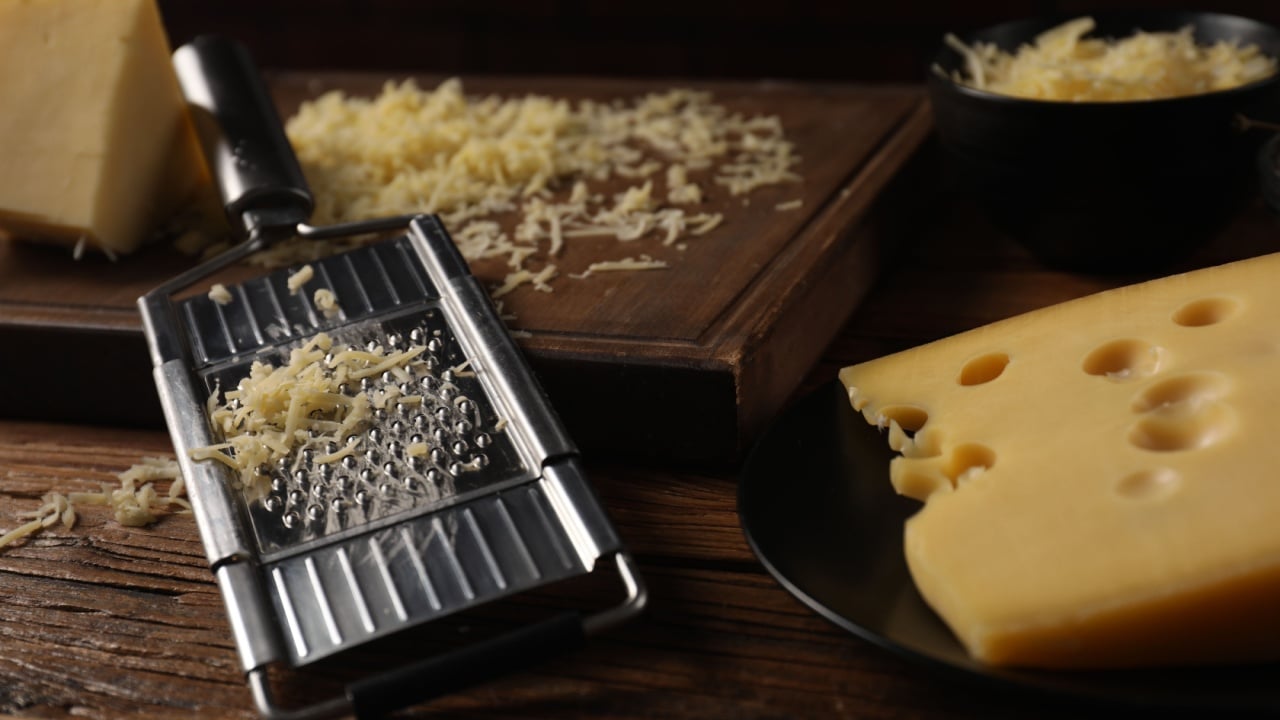
Bags of shredded cheese contain additives such as potato starch or cellulose to prevent the strands from clumping. These anti-caking agents can affect how the cheese melts and tastes.
On top of the additives, you pay a premium for the shredding service. A block of cheese is cheaper by weight, melts better, and lacks unnecessary fillers. The convenience of opening a bag is nice, but the superior flavor of fresh cheese is worth the thirty seconds of effort.
Tip: Grate a whole block of cheese at once and freeze what you do not need immediately so it stays fresh for pizza night.
6. Canned Beans
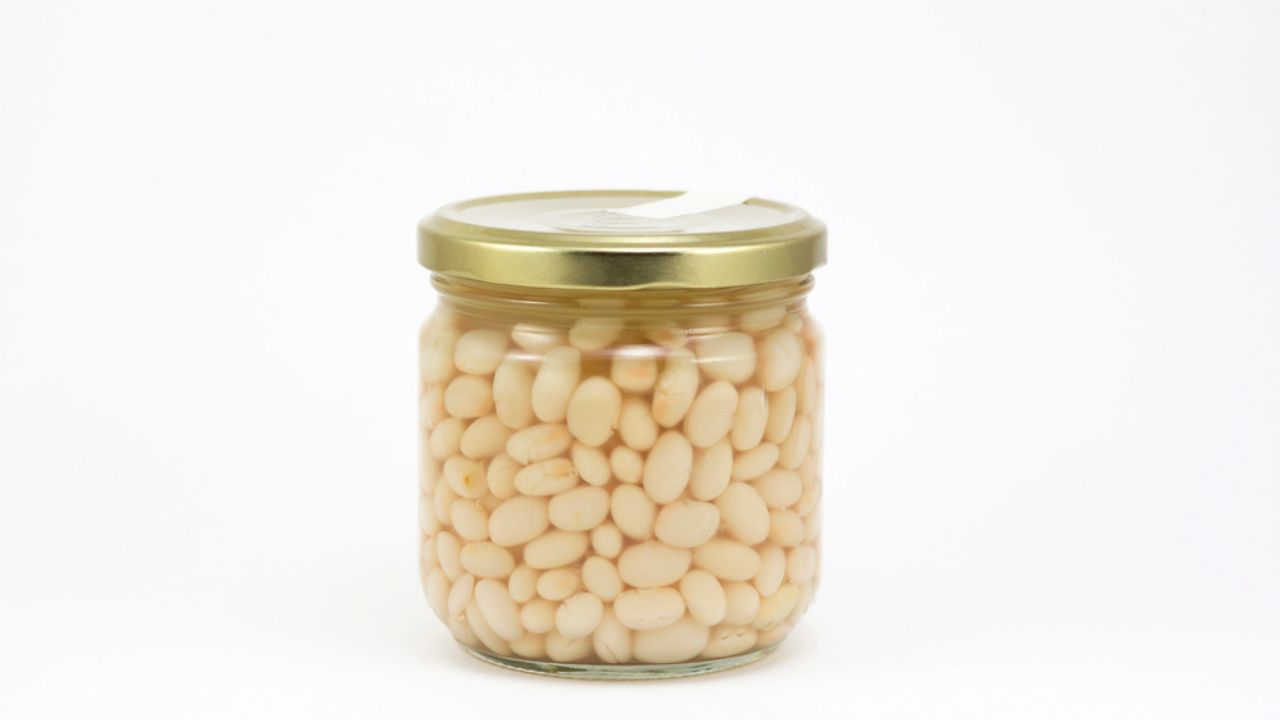
Canned beans are undeniably convenient, but dried beans are the true winners of budget-friendly protein. A bag of dried beans costs significantly less per serving and yields a massive amount of food.
Canned varieties often contain high levels of sodium and can have a metallic aftertaste. Cooking dried beans requires time, but the flavor and texture are superior. You also avoid the potential chemicals found in can linings.
Tip: Cook a large batch of dried beans in a slow cooker or pressure cooker and freeze them in portions for quick future meals.
7. Salad Kits
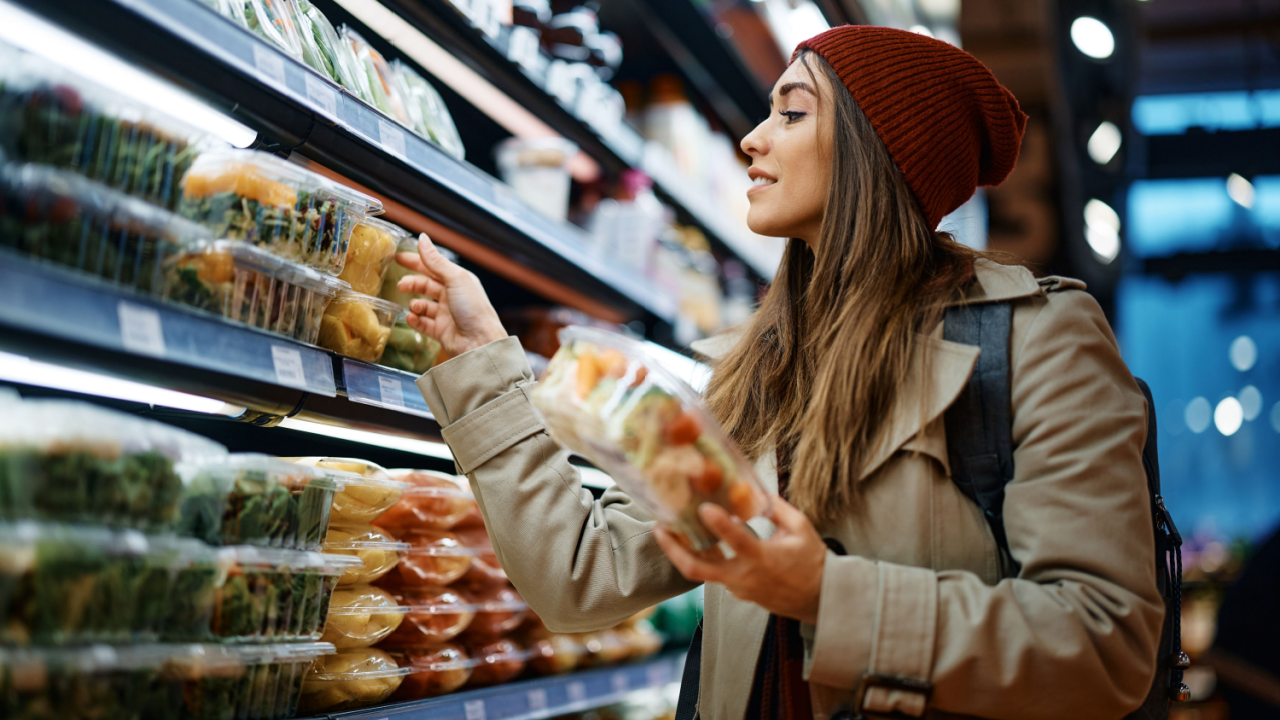
Bagged salad kits promise a gourmet side dish in seconds, but the price is steep for a bag of lettuce, a tiny packet of dressing, and a handful of croutons.
The greens in these bags often get slimy quickly, leading to waste. Buying the components separately allows for fresher ingredients, larger portions, and a lower total cost. You also gain the freedom to customize your salad without being limited to the dressing provided in the kit.
Tip: Buy a head of lettuce and a bottle of dressing separately to make fresh salads for days at a lower price point.
Save Money Without Sacrificing Flavor

Saving money on groceries does not require extreme couponing or eating rice and beans for every meal. It simply involves identifying where convenience costs the most and choosing smarter alternatives. Small changes in shopping habits accumulate into massive savings.
Next time you head to the store, breeze past the pre-cut fruit and grab the family-size bag of snacks. Your bank account will show the difference sooner than you expect.