I’m a Master Gardener: If You Only Do One Thing for Your Garden in Winter, Make It This
Winter is when many gardeners unknowingly put their plants at risk. With snow on the ground and bare branches overhead, it’s the time of year when you can easily neglect your garden because it feels like nature is in a long, deep rest.
In reality, winter dryness can pose a danger that threatens to leave lasting damage to your garden perennials.
As a Master Gardener in Colorado, I’ve learned the hard way not to skip on winter watering. It’s never fun in spring when you realize you’ve lost a favorite tree or rosebush over the winter months.
Committing to winter watering throughout the cold season’s dry spells can make the difference between a vibrant garden in springtime and heading back to the nursery to replace a few lost plants.
What Is Winter Watering?
Winter drought is becoming increasingly common, especially in the Midwest, Rocky Mountains, High Plains, and other cold, dry regions. Climate shifts have brought warmer days, windier conditions, and less reliable snowfall, making winter watering even more important than it once was.
Winter watering is the practice of deliberately watering trees, shrubs, and other outdoor plants during dry winter periods when the soil is unfrozen. According to the New Mexico State University Extension, most outdoor plants still need water even though they aren’t visibly growing in the winter.
This is especially important during a dry winter, when light and inconsistent snowpack, scarce rainfall, and cold air leave little moisture in soil and foliage. As roots dry out, some perennials may die or will just barely survive and end up struggling when the growing season starts.
When and How to Winter Water
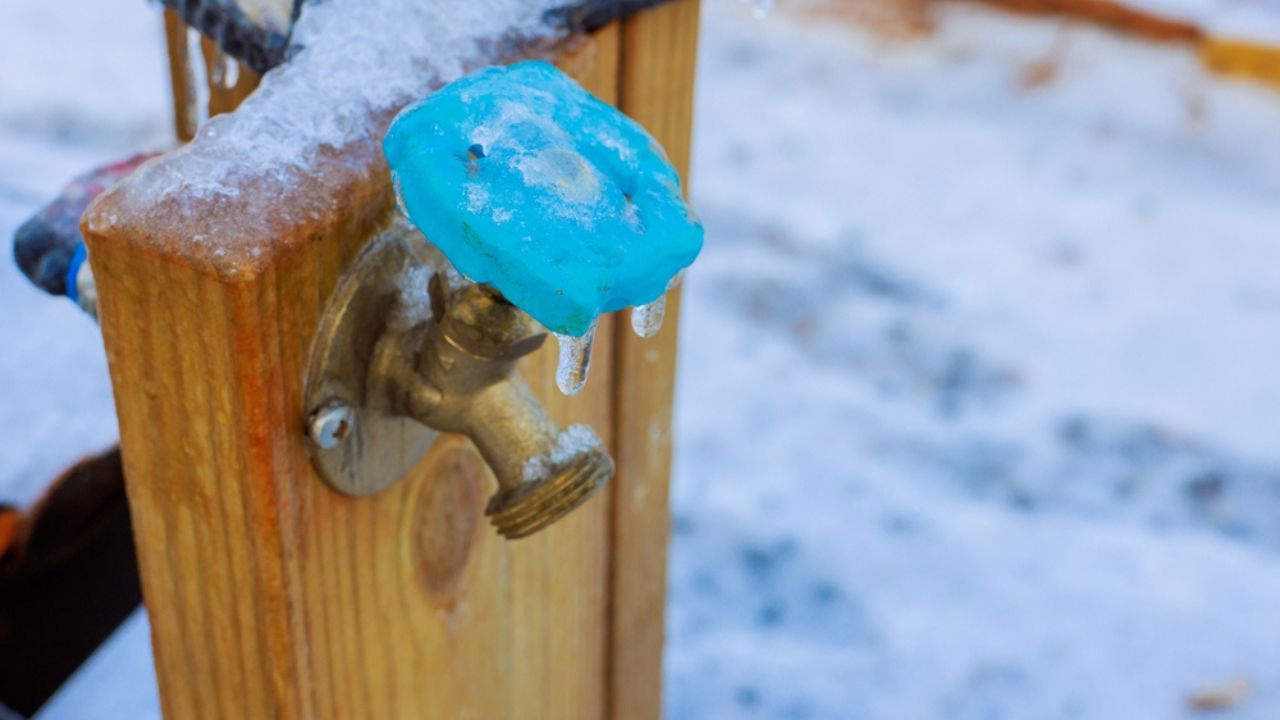
Colorado State University Extension recommends watering when the soil is unfrozen, daytime temperatures rise about 40℉, and there has been little precipitation for several weeks. Midday watering is best, which allows water to soak into the ground before temperatures drop overnight.
Gardeners should water deeply but infrequently, about every 3-4 weeks during dry winters. Deep watering means allowing moisture to reach the root zone, not just ponding on the surface. This approach avoids overwatering and reduces fears of root rot or ice damage.
Newly planted trees and shrubs are more vulnerable to drought stress in winter, followed by evergreens and plants in exposed, windy, or south-facing areas. Raised beds and containers will also dry out quickly, and trees near buildings or hardscape often miss out on natural moisture. Lawns generally need less attention – if water is limited, trees should be watered first.
Winter Watering is Insurance for a Productive Summer
Many gardeners only learn about winter watering after losing an expensive perennial or tree. We may not want to head out in the garden in the cold to water mid-winter, but think of it like insurance for the next growing season: a slow soak on a sunny, “warm” winter day can result in healthier leaves, stronger growth, and fewer lost plants come spring.