Crack the Code: How to Buy Humane and Clean Eggs Without the Headache
Trying to buy eggs can feel like you need a secret decoder ring. Cartons are covered in pictures of cute red barns and happy hens, with words like “Natural” and “Farm Fresh” everywhere. But what does any of it actually mean? Often, the reality is a lot less sunny than the picture on the box.
This guide will help you cut through the marketing fluff, understand what egg labels really mean, and shop with confidence so that you aren’t paying extra just for a pretty package.
1. Organic

The “Organic” seal is one of the few labels that the USDA strictly regulates. To be certified organic, hens must be cage-free and eat feed grown without synthetic fertilizers or pesticides. Essentially, their diet is clean and chemical-free.
However, the “organic” lifestyle for a hen isn’t always what you’d imagine. The USDA requires that hens have “access to the outdoors,” but what this “access” looks like can vary. It might just be a small concrete porch, not a big green pasture. So, while the “Organic” label guarantees a cleaner diet for the hen, it doesn’t guarantee a happy life with plenty of space.
2. Non-GMO
This label focuses entirely on the diet of the bird rather than its living conditions. A “Non-GMO” seal means the hens weren’t fed genetically modified crops, which is great if you’re focused on dietary purity.
But don’t confuse “Non-GMO” with “Organic.” A hen could eat non-GMO corn while still living in a crowded cage or being treated with antibiotics. Since this label tells you nothing about animal welfare, think of it as a dietary choice rather than a guarantee of humane treatment.
3. Vegetarian Feed
Chickens are natural omnivores and, in a pasture environment, they scratch for worms, grubs, and insects. A “Vegetarian Feed” label means the hens might not be foraging outdoors as they naturally would (although this isn’t a detail that is actually clear with this label).
What is clear is that it indicates their feed contains no animal byproducts, like ground-up remains of other animals. While this avoids questionable ingredients, it also means the birds depend entirely on the provided feed instead of a natural, varied diet.
4. Cage-Free

“Cage-free” is another term regulated by the USDA, and it means exactly what it says: the hens do not live in cages. They can walk, spread their wings, and lay their eggs in nests. This is much better than “battery cages,” where birds are trapped in spaces smaller than a sheet of paper.
However, “cage-free” doesn’t mean “outdoors.” Most of these hens live inside giant warehouses or sheds. Since the USDA doesn’t set rules for how much space each bird gets or require any outdoor access, these facilities can still be very crowded and rely entirely on artificial light.
5. Free-Range
The “Free-range” label evokes images of hens roaming open fields, but the regulatory reality is less romantic. The USDA requires that free-range hens have “continuous access to the outdoors during their production cycle.” However, this regulation does not specify the quality or size of that outdoor space.
In practice, “access” often translates to a small door at the end of a large shed leading to a tiny enclosed area. Some birds may never find their way to that door. Unless accompanied by a specific animal welfare certification, “free-range” guarantees very little about the quality of life or the amount of time the birds actually spend outside.
7. Natural
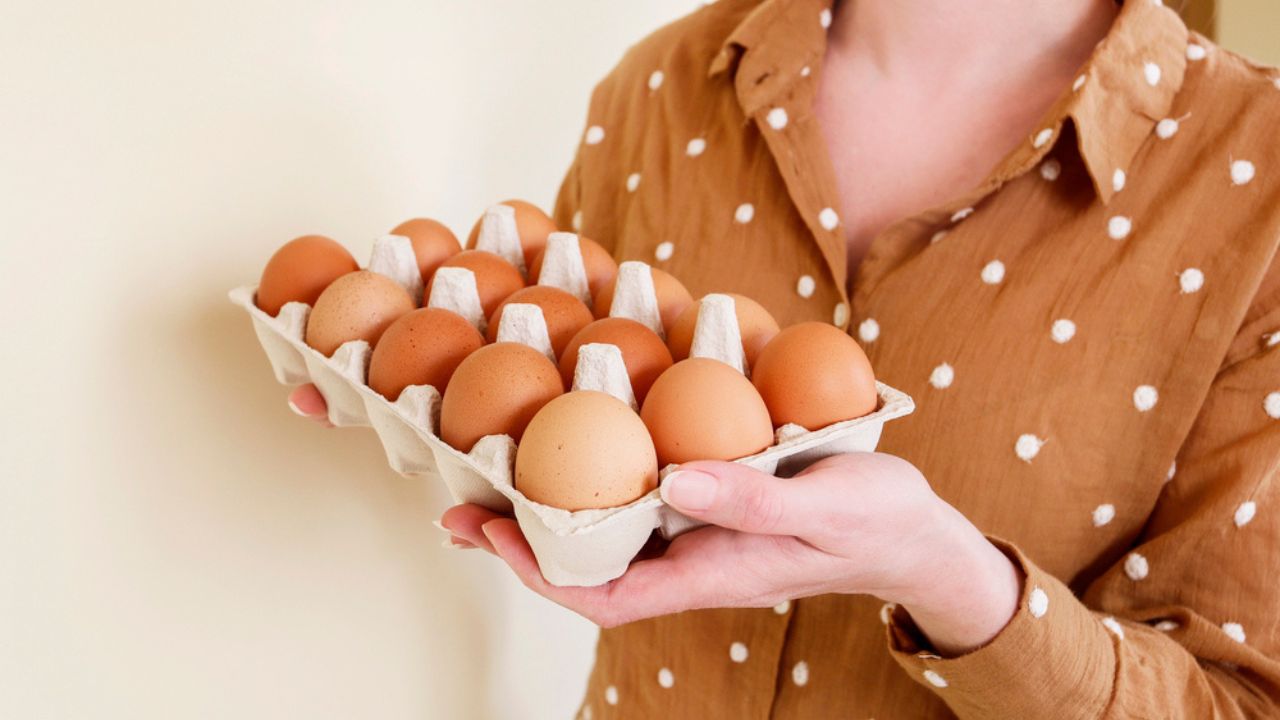
“Natural” is one of the most misleading labels in the grocery store. According to the USDA, it only applies to how meat and egg products are processed, meaning they have no artificial ingredients and are minimally processed. For something like a raw egg, this label doesn’t actually add any value.
The term says nothing about farming practices, animal welfare, or antibiotic use. It’s mostly a marketing term designed to attract attention without guaranteeing anything about how the egg was produced.
8. No Added Hormones
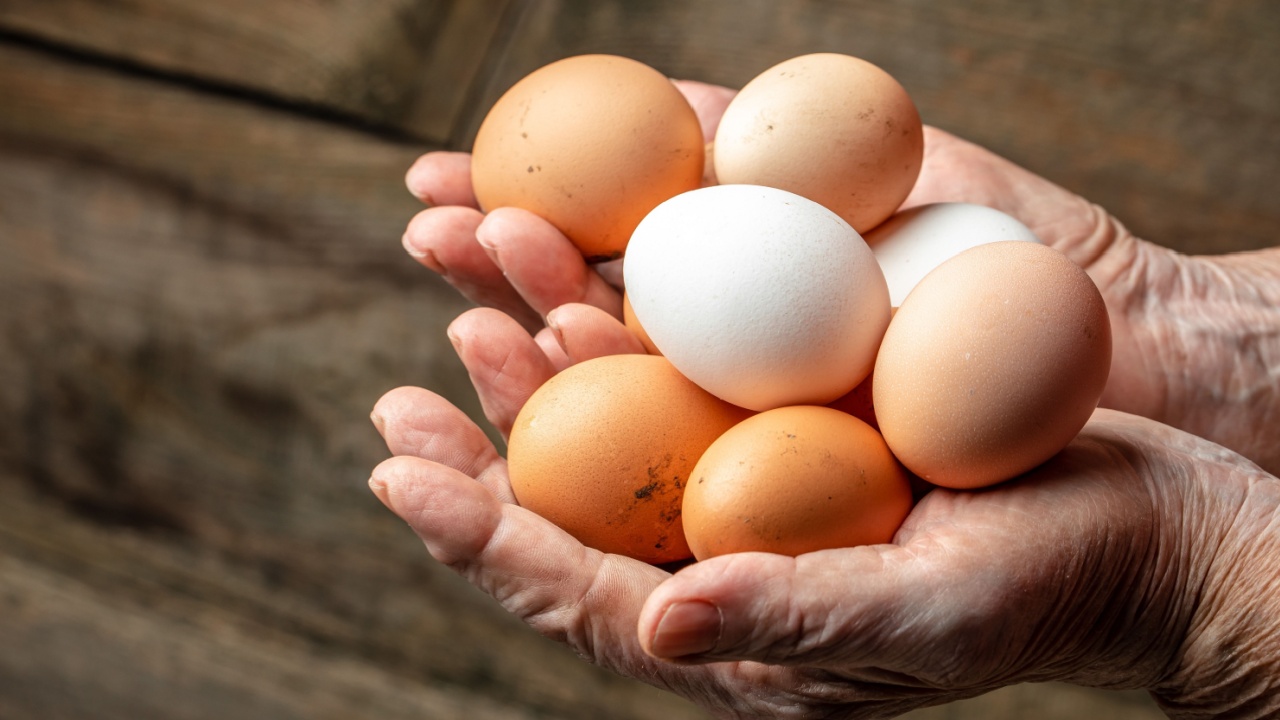
Seeing “No added hormones” on a carton might seem reassuring, but it is largely redundant. Federal regulations in the United States already prohibit the use of hormones or steroids in poultry production.
Therefore, every egg on the shelf is hormone-free, regardless of whether the carton explicitly states it. While it is technically a truthful claim, it serves mostly to differentiate a brand in a crowded market rather than offer a unique benefit.
9. Certified Humane
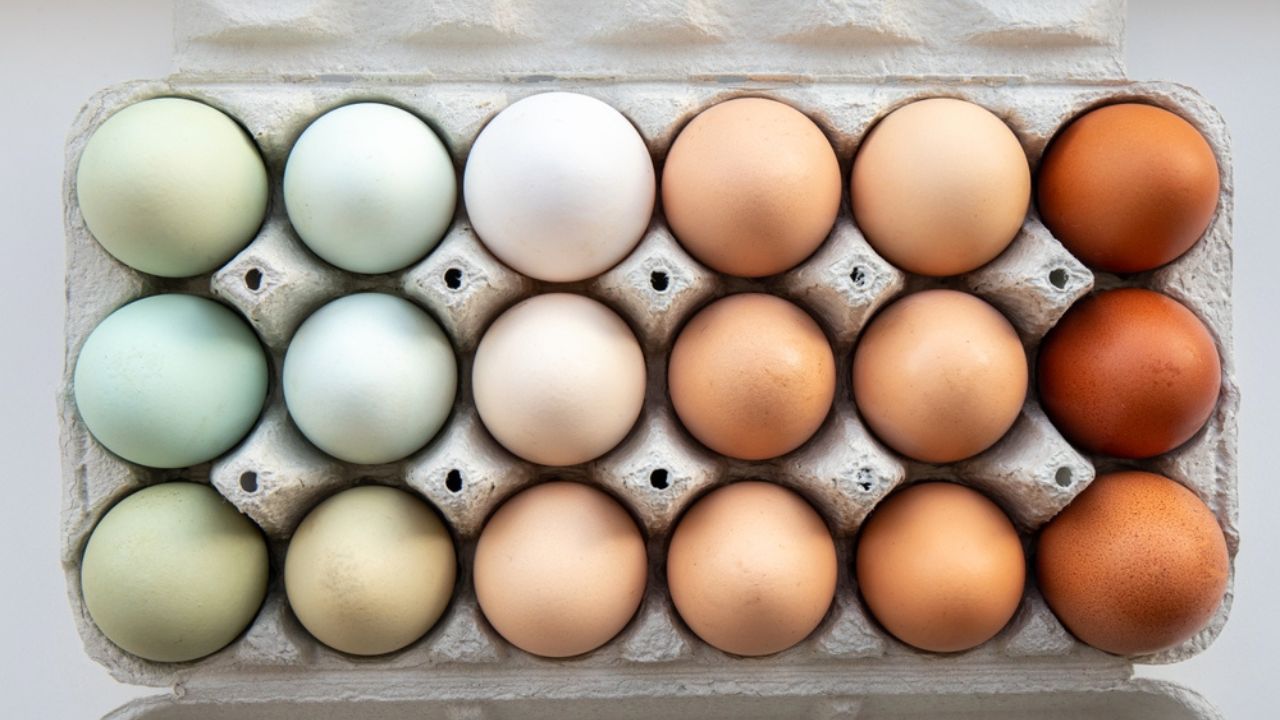
Third-party certifications give consumers more confidence than vague government labels. The “Certified Humane” seal, created by Humane Farm Animal Care (HFAC), ensures better treatment for farm animals.
To earn this seal, farms must follow strict rules, like providing a healthy diet without antibiotics, proper shelter, resting areas, and enough space for animals to behave naturally. HFAC also conducts yearly inspections to ensure farms follow the rules.
When you see this seal with labels like “Free-range” or “Pasture-raised,” it means the space requirements, such as 108 square feet per animal for pasture, are fully met.
Start Your Own Flock or Shop Local
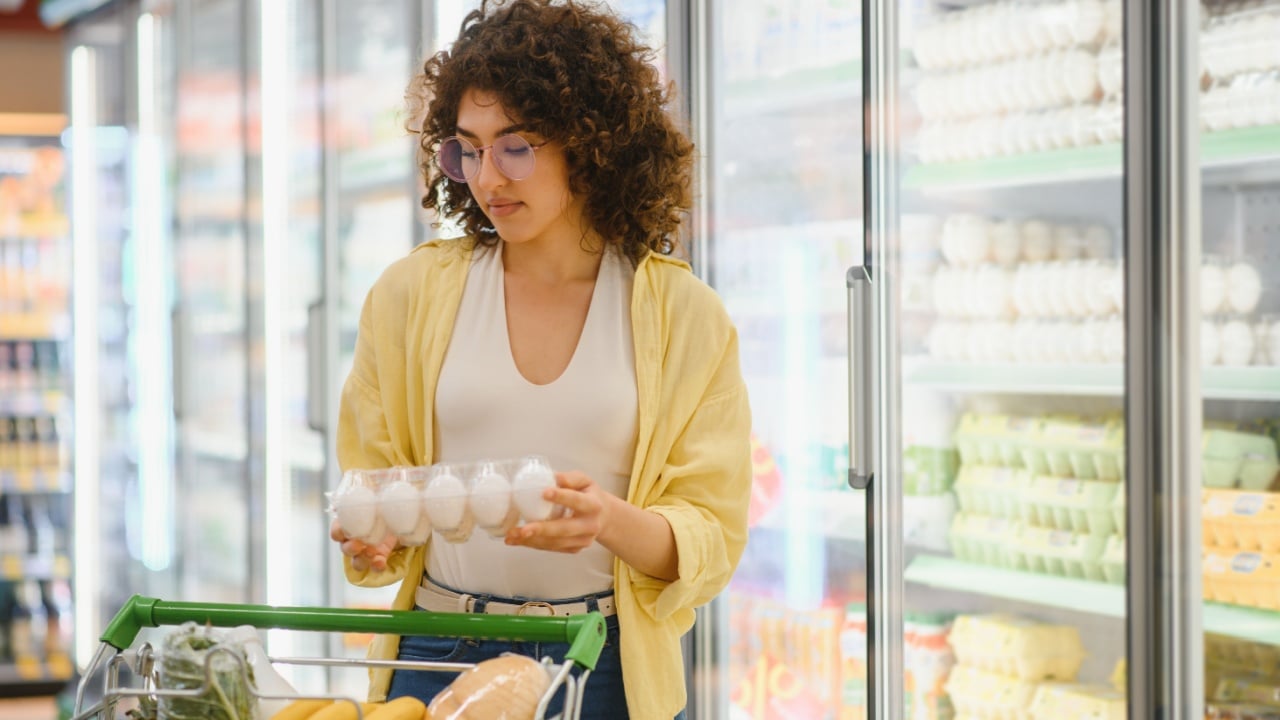
Decoding labels is a smart way to navigate the grocery store, but the most transparent way to source eggs is often closer to home. Visiting a local farmers’ market allows shoppers to speak directly with producers, ask about their practices, and see photos of the farm.
For those with a bit of backyard space, raising a small flock of hens creates a direct connection to the food source. Not only does this guarantee the highest welfare standards, but chickens also provide excellent pest control and fertilizer for the garden. Taking control of the supply chain, even in a small way, brings peace of mind that no carton label can match.