5 Ways Our Feathered Friends Stay Warm in Cold Snaps
Sometimes you stand at the window on a freezing morning, coffee in hand, staring at a little sparrow on the fence and wondering how on earth it hasn’t turned into a tiny ice cube. It seems impossible that something weighing less than a slice of bread can survive temperatures that send us running for the thermostat. But birds are tougher than they look. They have developed some truly impressive strategies to keep their internal furnaces burning when the thermometer drops.
This article explores five specific ways wild birds manage to survive bitter cold snaps. You will learn about the physical changes they undergo, the behavioral tricks they use to conserve energy, and how their anatomy is perfectly designed for winter survival.
1. Puffing Up Like a Tennis Ball
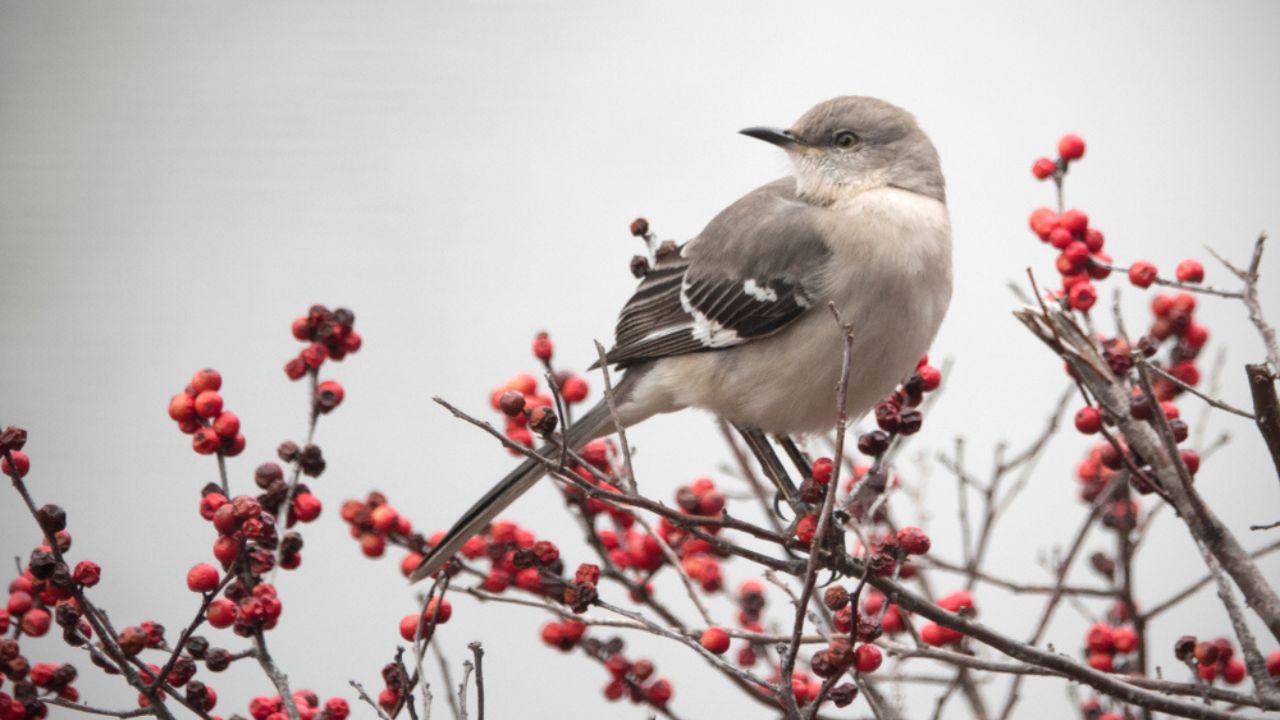
You have likely seen birds looking significantly rounder in winter than they do in summer. This isn’t because they overindulged at the bird feeder, but rather a deliberate tactic to trap heat. Birds have thousands of feathers, and by using specific muscles to raise them away from their bodies, they create pockets of air.
This trapped air acts as a natural insulation layer, separating their warm skin from the freezing air outside. It is the exact same principle as wearing a down jacket, except they grow theirs themselves. The more they can trap that warm air against their skin, the less body heat escapes into the environment. This simple adjustment allows a bird to maintain a body temperature of around 105 degrees Fahrenheit even when the air around them is well below freezing.
2. The Head Tuck Maneuver

Birds lose a significant amount of heat through their extremities, particularly their bills, which lack the insulating feathers found on the rest of their bodies. To combat this, you will often see birds resting with their heads turned backward, their bills buried deep into the shoulder or back feathers. It might look like they are just being shy or taking a nap, but this posture serves a critical survival function.
By tucking that bare skin into the warmest part of their plumage, they stop heat from radiating off their face. Breathing presents another challenge in freezing temperatures, as inhaling icy air cools the body from the inside out. When a bird tucks its bill into its feathers, it creates a warmer microclimate around its nostrils. The air they breathe in is pre-warmed by their own body heat trapped in the feathers. This reduces the energy cost of maintaining their internal temperature and protects delicate lung tissue from the shock of frigid air.
3. The Buddy System
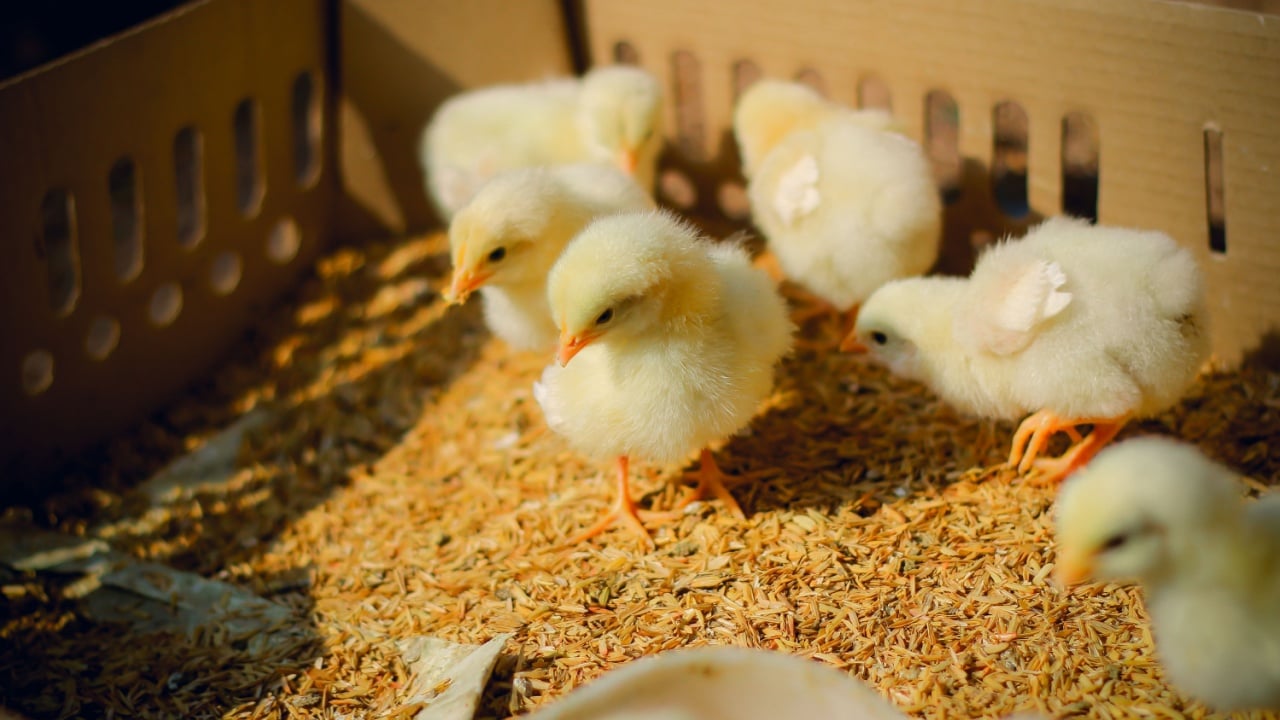
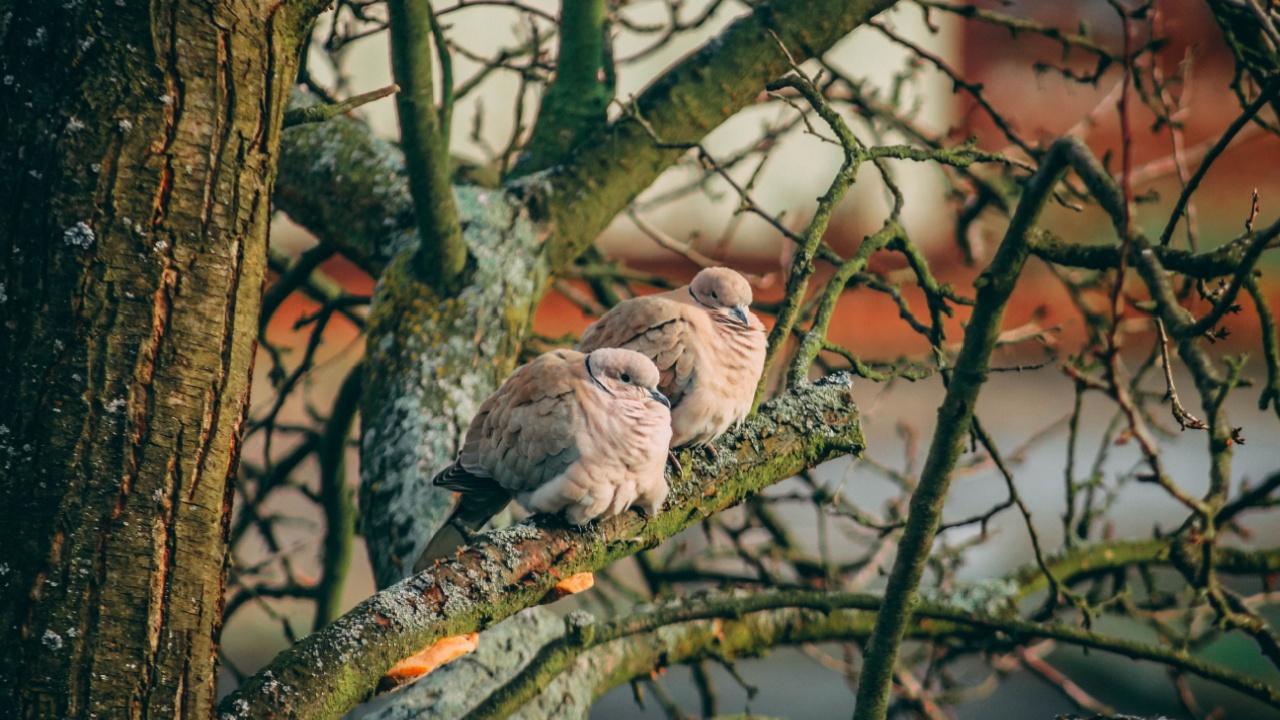
While many birds are territorial during breeding season, winter changes the rules entirely. Survival takes precedence over personal space. Small birds like bluebirds, chickadees, and wrens will often pack themselves tightly together in a cavity or roost box to share body heat. This communal roosting reduces the surface area each individual bird exposes to the cold air. It is essentially a giant group hug designed to keep everyone alive through the night.
The physics behind this is solid. A solitary bird has to fight the cold on all sides, burning through its fat reserves rapidly. But in a cluster, a bird in the center is insulated by its neighbors, while the birds on the outside only lose heat on one side. They often rotate positions so everyone gets a turn in the warmer middle section.
4. Generating Heat Through Shivering
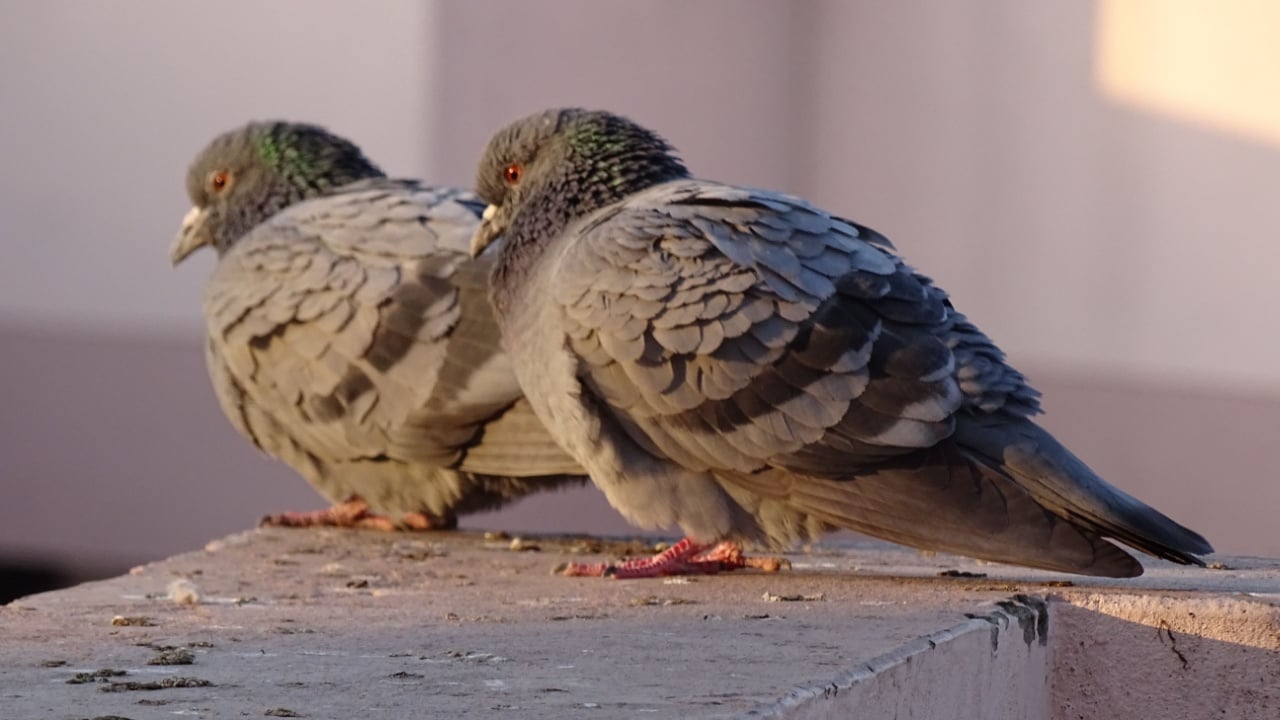
We associate shivering with being uncomfortably cold, but for birds, it is a primary method of heat production. Birds can activate opposing muscle groups to contract rapidly and rhythmically, a process that generates heat as a metabolic byproduct. This is not the uncontrollable trembling humans experience (which also warms the body), but a more controlled physiological response.
It is expensive in terms of energy, requiring plenty of calories to sustain, but it provides a burst of immediate warmth when insulation alone isn’t enough. Pectoral muscles, the large flight muscles in the chest, play a huge role here. Because these muscles are so massive relative to a bird’s size, they can generate substantial heat when shivering.
5. Finding the Perfect Hideout
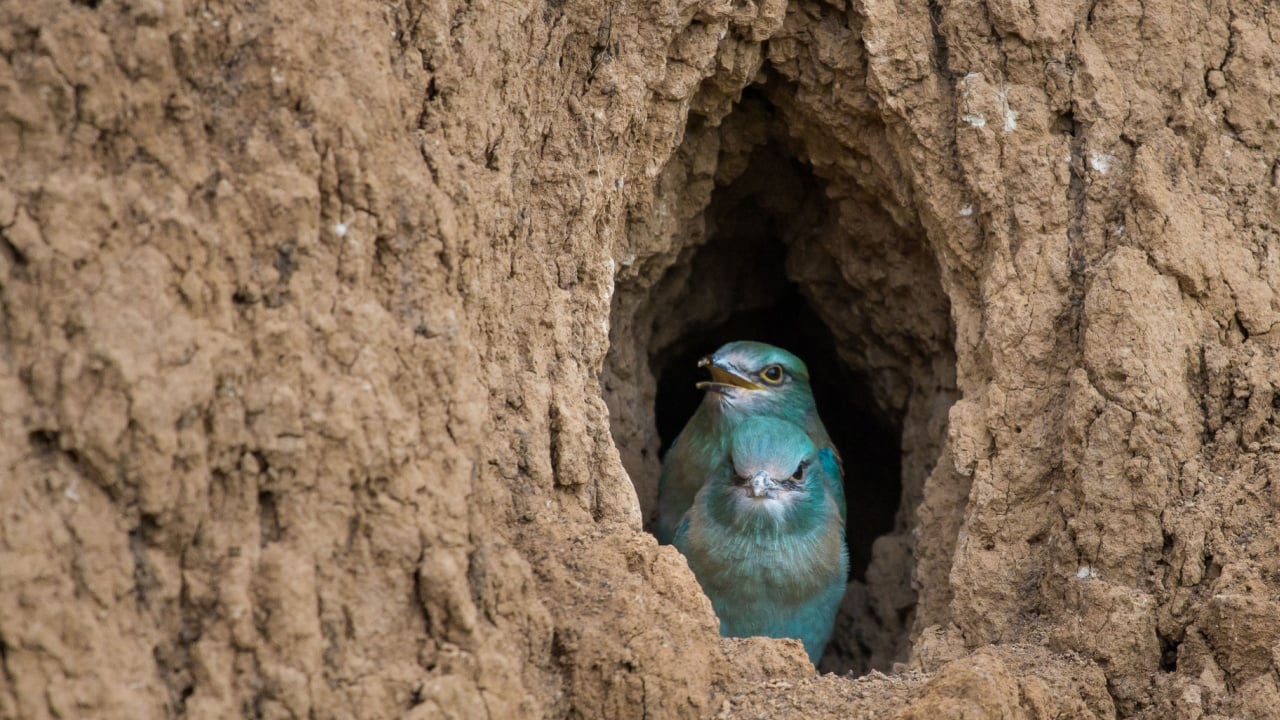
Exposure to wind and precipitation strips heat away faster than cold air alone. Birds instinctively know this and seek out dense shelter to get out of the elements. Coniferous trees like pines and spruces are favorites because their needles provide a windbreak and a roof against snow.
Ideally, birds look for cavities, holes in dead trees, dense shrubbery, or even the eaves of a house, where the wind chill is significantly reduced. This strategy is about energy conservation. If a bird stays out in the open wind, it has to burn calories rapidly just to stay at baseline temperature. By finding a sheltered spot, specifically on the side of a tree or bush away from the prevailing wind, they lower the demand on their metabolism.
Helping Birds Make It Through
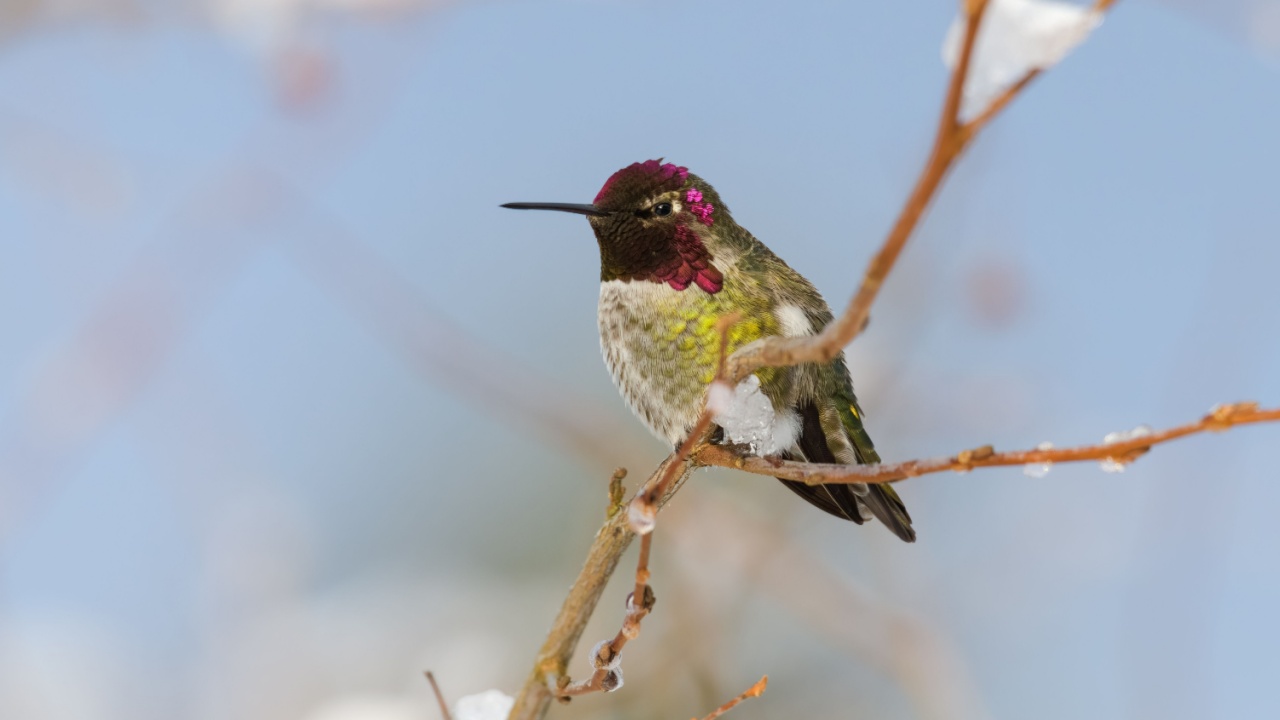
Birds have an incredible toolkit for winter survival, but they operate on thin margins. A single night of extreme cold without enough food or shelter can be fatal. While their bodies are adapted for the freeze, we can tip the odds in their favor and help protect the birds in your backyard.
Consider leaving dead flower heads on plants for cover, keeping your feeders stocked with high-fat foods like suet and black oil sunflower seeds, and providing a heated water source if possible. Even a small brush pile in a corner of the yard gives them a place to escape the wind.