3 Toxic Cleaning Ingredients to Be Wary Of
Keeping a home tidy often feels like a non-negotiable part of life, but recent evidence suggests that the very products used to clean surfaces might introduce unwanted risks.
Many everyday cleaning products still rely on chemicals tied to respiratory irritation, organ damage, and long-term disease risk. New research is shining a brighter light on ingredients that quietly linger in cabinets, spray bottles, and under-sink storage, long after their safety has been questioned.
Below are the cleaning ingredients that experts urge homeowners to remove or sharply limit, along with smarter replacements and practical steps.
1. Perchloroethylene (PCE)
Perchloroethylene is a solvent used in dry-cleaning, degreasers, and some stain removers, often found in older products. Exposure happens through fumes or skin contact and builds quickly indoors. Research links PCE to liver damage, neurological effects, kidney harm, and increased cancer risk.
In December 2024, the EPA finalized a risk management rule that bans many uses of PCE and imposes strict workplace controls for those not prohibited.
Check labels for perchloroethylene, PERC, or 127-18-4, dispose of products at hazardous waste sites, and switch to enzyme-based or plant-derived cleaners.
2. Quaternary Ammonium Compounds (QACs)

Often listed as “benzalkonium chloride” or “ammonium chloride,” these chemicals are staples in disinfectant wipes and “antibacterial” sprays. They kill germs effectively but tend to leave residues behind, which can increase everyday exposure on frequently touched surfaces.
Regular contact with QACs is linked to asthma flare-ups and skin irritation, with children and pets facing a higher risk due to floor contact. For routine cleaning, plain soap and water handle most messes without adding unnecessary chemical residue.
3. Formaldehyde and Hidden Preservatives

Some cleaning products contain formaldehyde or preservatives that slowly release it, such as bronopol, to extend shelf life. These compounds may not be obvious on labels, making ingredient transparency especially important.
Formaldehyde is classified as a human carcinogen and can cause irritation, allergic reactions, and breathing difficulties. Because it can accumulate indoors, repeated exposure raises concern for long‑term health. Avoiding products that list formaldehyde or formaldehyde‑releasing preservatives helps reduce risk.
A Cleaner Reset
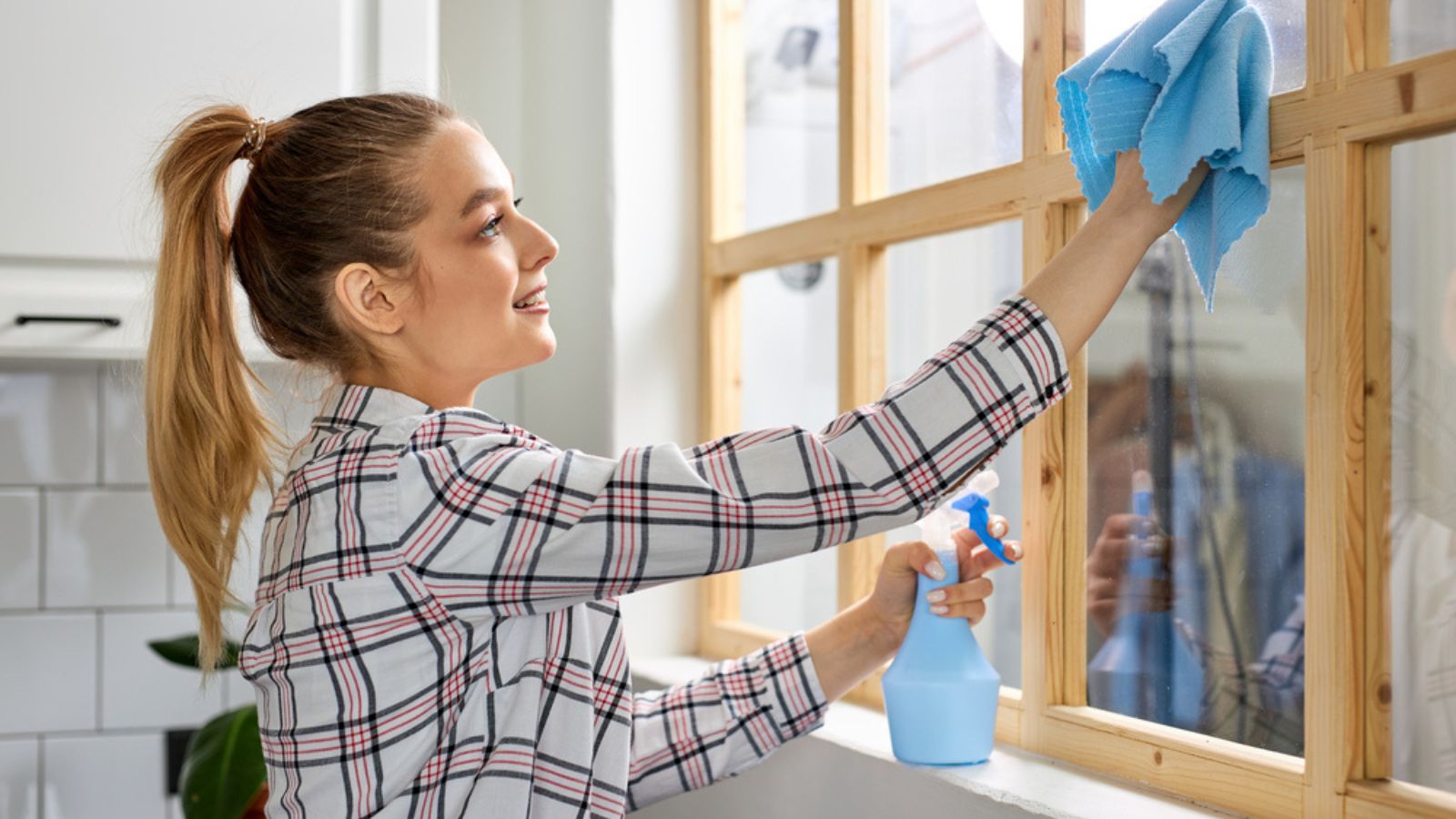
A quick cabinet check goes a long way. Scan labels for the ingredients flagged above and swap out the products used most often first. Moving toward simpler, clearly labeled formulas lowers the chemical presence in indoor air and on everyday surfaces.
For extra peace of mind, microfiber cloths that clean with water alone or steam cleaners for floors can cut back on bottled products even more. Small shifts like these help create a home that feels genuinely clean, not just freshly sprayed.
Read more:
12 Things Professional Cleaners Recommend Never Doing at Home