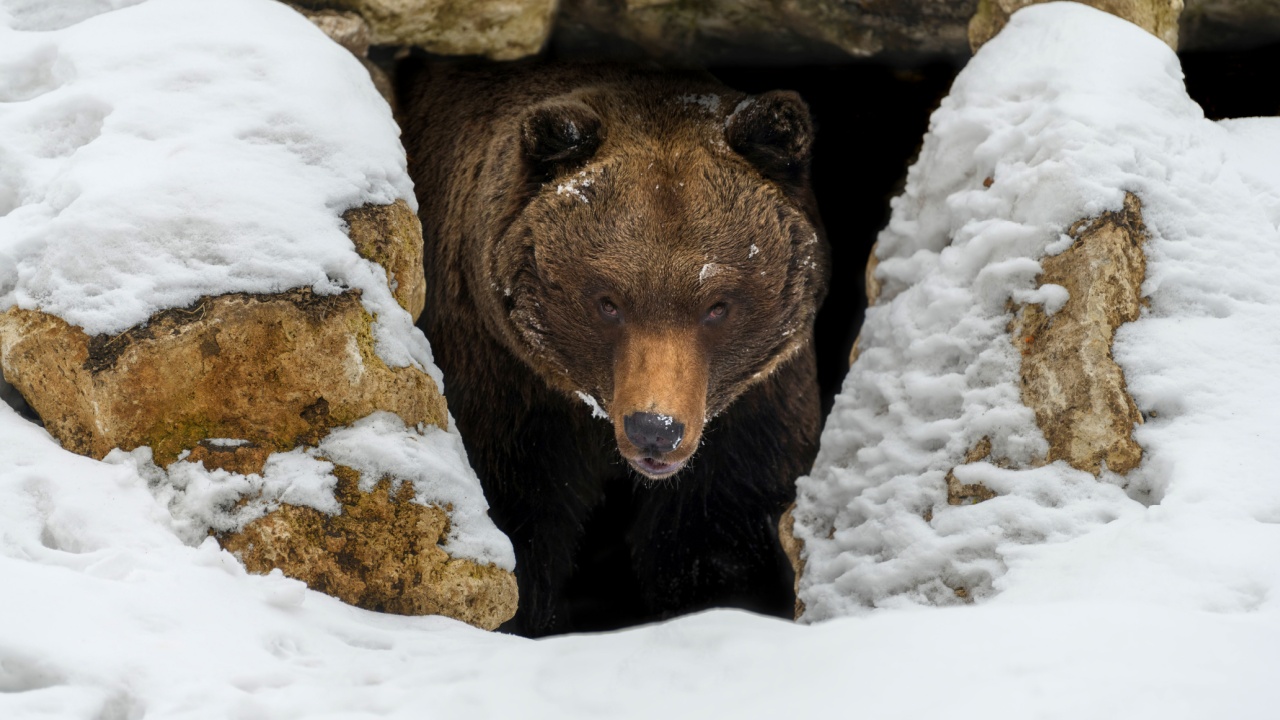
Safety Alert: It’s So Warm in the West, Bears Are Already Up
The expression “like a bear with a sore head” just took on a whole new meaning. A recent social media update from Grand Teton National Park exemplifies how those going snowshoeing this winter may need to show caution.
Winter, the post claims, may be getting shorter for our four-pawed mountain companions, and it’s mostly our fault. Being bear aware for many may extend well into winter from now on.
“Did you know—bears are super hibernators and as a result can easily be woken up?” reads the national park’s Instagram post. It goes on to outline factors that make this phenomenon possible, including breathing patterns, a lowered heart rate, and body core temperature control.
Adapted to Survive
“These adaptations allow bears to wake much more easily than other hibernators,” states the update. “Though groggy, bears may exit their den if they are disturbed or when winter weather is moderate.” Remarkably, bears’ warm bodies keep their brains activated, even in mid-slumber: a trait that keeps them ready to avert threats if needed.
The post warns anyone hiking the Grand Tetons this winter to “always be alert” to their surroundings, looking out for tell-tale signs. Even in midwinter, walkers may encounter bear tracks or scat. “If sighted, never approach a bear and maintain at least a 100 yards’ distance,” the wildlife service update concludes.
Human Encroachment
There is no shortage of reports over the years of bears leaving their dens early, depending on the year. A 2017 study from the Journal of Applied Ecology found that human development and climate were “dramatically altering habitat conditions for wildlife.”
The study looked at black bear hibernation behavior using GPS collar data from 131 den events with adult female black bears. Experts tracked specific habitat information related to natural and human-adjacent food availability. They also monitored the weather’s effect on the start and end of their subjects’ hibernation periods.
Access to human food and warming weather were key components in predicting hibernation behavior. Hence, the study found that more negative human interactions would be inevitable. “We speculate that longer active periods for bears will result in subsequent increases in human–bear conflicts and human-caused bear mortalities,” wrote Heather E. Johnson et al.
A Warming West
Furthermore, we all know North America has a very complex weather system. ABC News confirms this tale of two winters currently sweeping the Contiguous United States. This year has been particularly frigid for Eastern states. Meanwhile, much of the West has seen below-average snowfall.
“With sharply reduced mountain snowpack, the region’s water supplies and winter tourism are facing mounting challenges,” writes Julia Jacobo. Notwithstanding a poor tourist season and potential water supply problems, there might be another four-legged problem for those living near bear habitats.
Yellowstone Grizzlies Are Already Awake
For illustration, the Cowboy State Daily reported how a grizzly bear was spotted in Yellowstone National Park in January. “This would be one of the earliest sightings on record,” says bear biologist Frank van Manen, whom the news site quoted.
Images of the brown bear circulated across social media, as this Yellowstone Wildlife Profiles Instagram post showed.
Therefore, if you are in your garden this winter, it may pay to become a little more bear aware, not least when it feels warmer than usual.