Protect Your Pipes in a Freeze: Should You Let the Faucet Drip?
A burst pipe is one of the messiest and most expensive headaches winter can bring. As water freezes, it expands, creating massive pressure inside your pipes that can make them crack without warning. You’ve probably heard that leaving a faucet dripping can prevent this, but the advice isn’t always clear. Just cracking open a tap might not be enough to prevent serious water damage.
Knowing exactly how and when to drip your faucet makes all the difference. It’s about being strategic. You need to know which faucets to use, what the water temperature should be, and what else you can do to keep your plumbing safe. Follow these four tips to help protect your home the next time temperatures plummet.
1. Prioritize the Cold Water Line
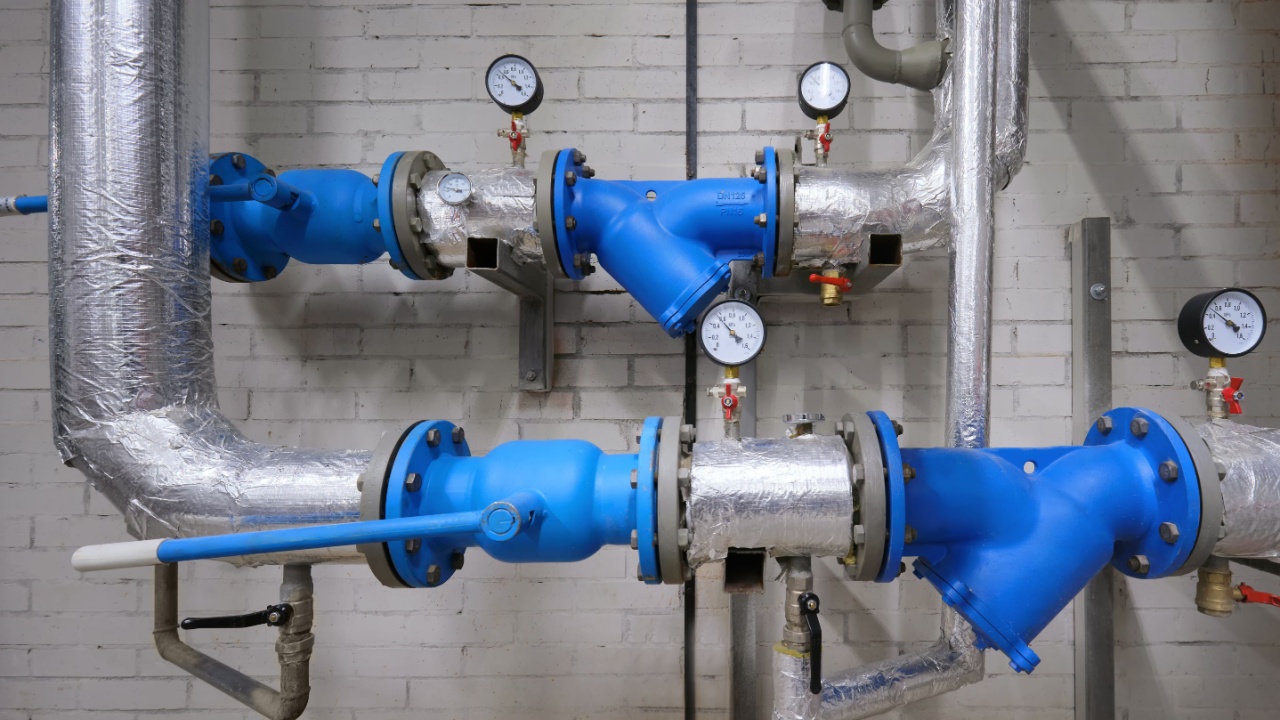
Most obviously, cold water lines are at a greater risk of freezing. Cold lines often run through exterior walls, crawl spaces, or unheated areas, while hot water lines get some protection from the warmth of the water heater.
If you’re leaving a faucet dripping to prevent freezing, pick the cold tap. Try to choose the faucet farthest from the main water shut-off valve or water heater to keep water moving through the whole system. If a pipe is in an especially cold area, letting both the hot and cold taps drip can provide extra protection.
2. Perfect the Flow Rate
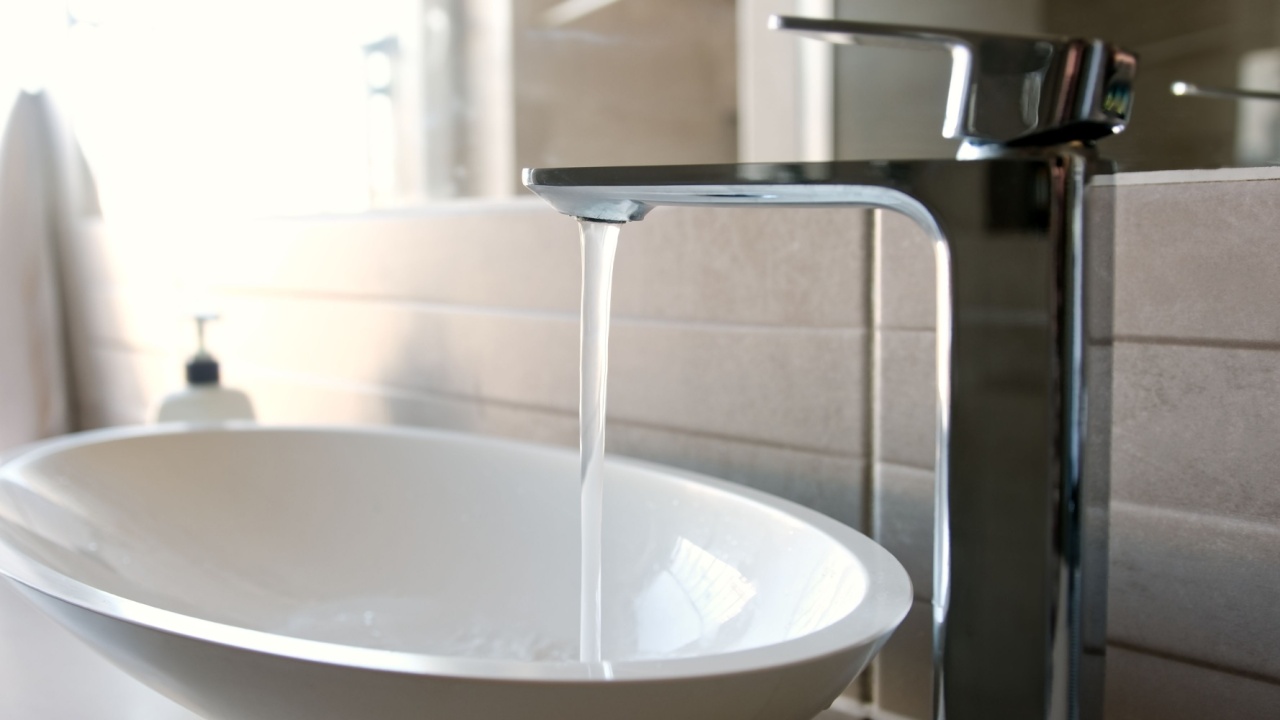
When we say “drip,” we don’t mean just one slow drop at a time. If the water moves too slowly, it can actually freeze right at the faucet and block it up. On the other hand, you don’t want a full stream that wastes a ton of water. The goal is a steady, tiny trickle.
Keeping the water moving helps in two ways. First, moving water is much harder to freeze than water sitting still. Second, an open faucet lets out pressure. Even if the water does start to freeze inside the pipe, the open tap gives it room to expand, which helps prevent your pipes from bursting.
3. Open Cabinet Doors
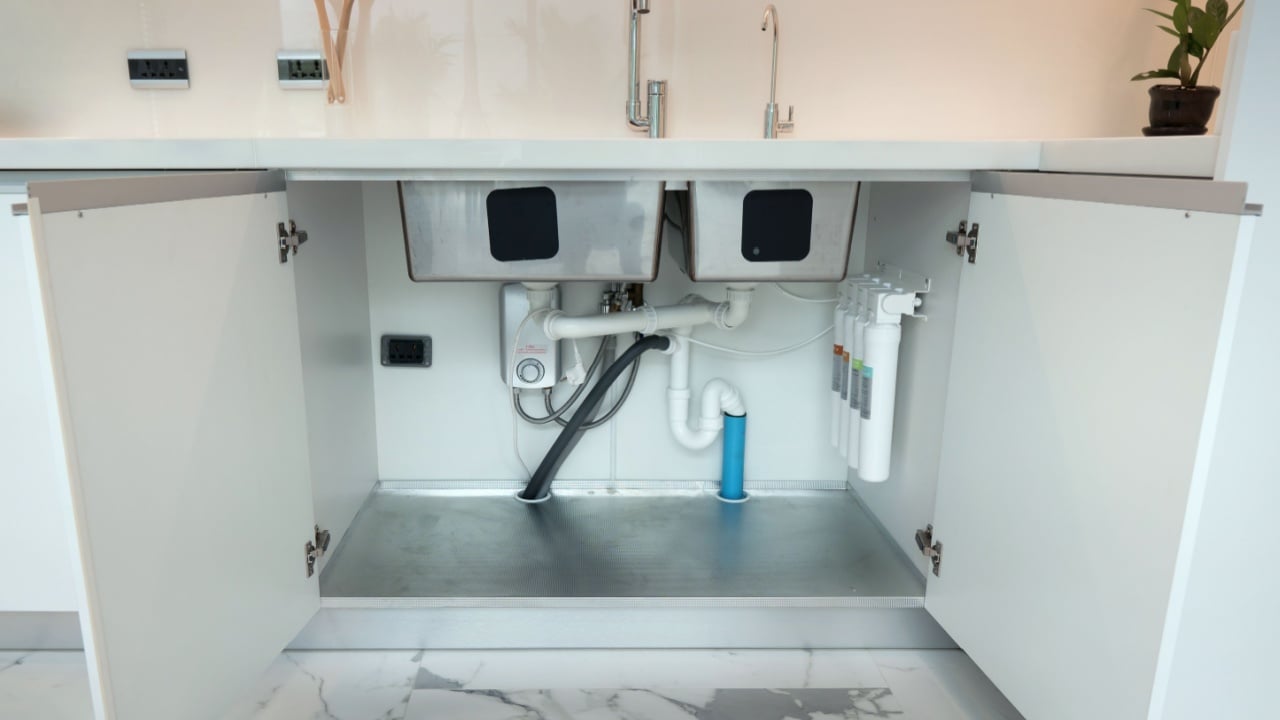
Pipes located under kitchen and bathroom sinks are often insulated from the rest of the home by cabinet doors. While the room might be a comfortable 70 degrees, the air inside the cabinet can be significantly colder, especially if the plumbing sits against an exterior wall.
Opening these cabinet doors allows warm indoor air to circulate through the pipes. This simple step raises the temperature of the plumbing and reduces cold spots that lead to freezing.
(For households with pets or small children, remember to move any cleaning supplies stored under the sink to a safer location before leaving the doors open.)
4. Maintain a Consistent Indoor Temperature

Many homeowners lower their thermostat at night to save on heating costs, but during a freeze, this fluctuation increases risk. Letting the house cool down while outdoor temperatures plunge can drop the temperature in wall cavities and basements below the freezing point.
Keep the thermostat set to the same temperature during both day and night. Maintaining a steady internal temperature provides a consistent buffer against the cold outdoors. If you plan to be away from home during a freeze, leave the heat on and set it no lower than 55 degrees Fahrenheit to keep the interior structure warm enough to protect the plumbing.
Protect Your Home When the Temp Drops
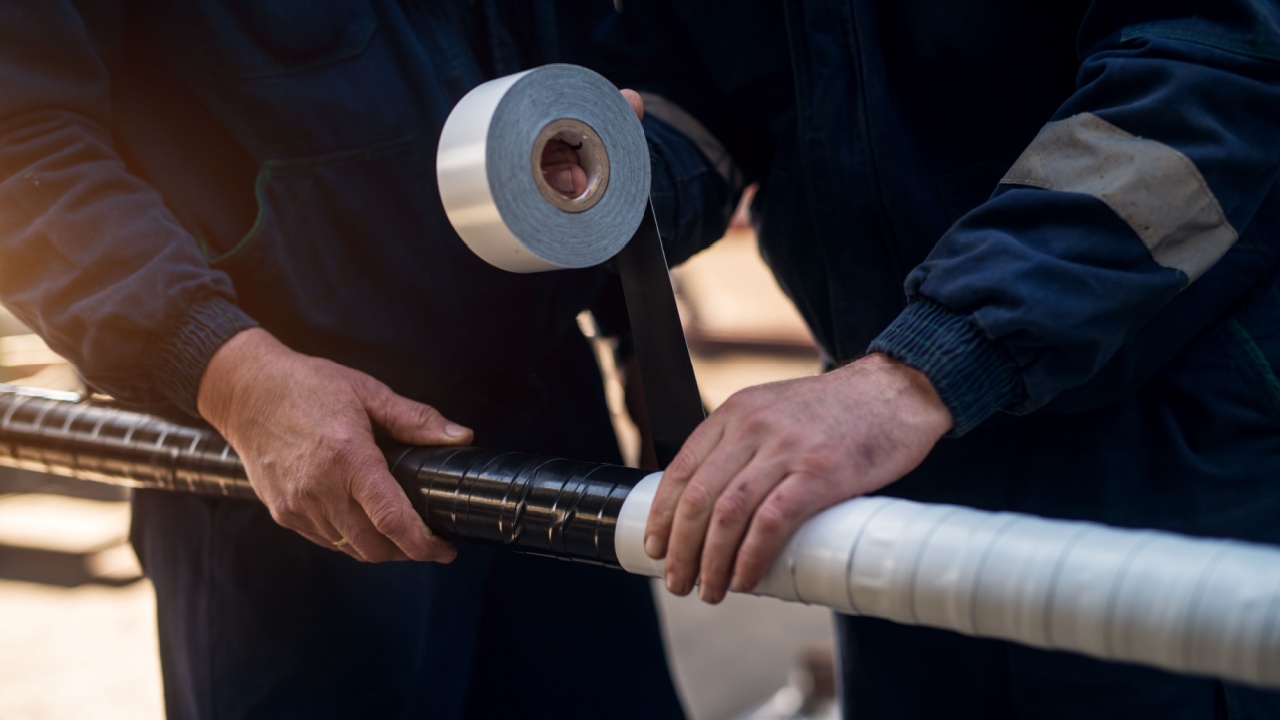
Taking these precautions transforms a stressful weather forecast into a manageable situation. Rather than waiting for a pipe to burst, assess the plumbing now. Check for exposed lines, verify the heating system works efficiently, and stock up on insulation supplies.
If any pipes seem particularly vulnerable or if you are unsure about the main shut-off valve, contact a licensed plumber for an inspection. Proactive maintenance keeps the water flowing and the home dry, no matter how low the temperature goes.