7 Rare and Wonderful Fruits That Actually Grow in the Backyard
Tired of the usual apples and oranges? What if you could grow something truly extraordinary in your own garden? Imagine harvesting fruits with flavors you can’t find at the grocery store, turning your backyard into a unique and delicious oasis.
We’ll introduce you to seven rare fruits that are surprisingly easy to grow in many parts of the United States. From the tropical-tasting pawpaw to the vibrant dragon fruit, get ready to discover your next favorite homegrown treat.
Where We Got This Info
All of these fruit-growing tips come from trusted horticulture experts, agricultural research, and long-standing gardening know‑how. We checked details against reliable extension programs, plant science references, and growers with hands‑on experience. In short, this isn’t guesswork; it’s practical advice backed by people who study and grow these plants every day.
1. Pawpaw (Asimina triloba)
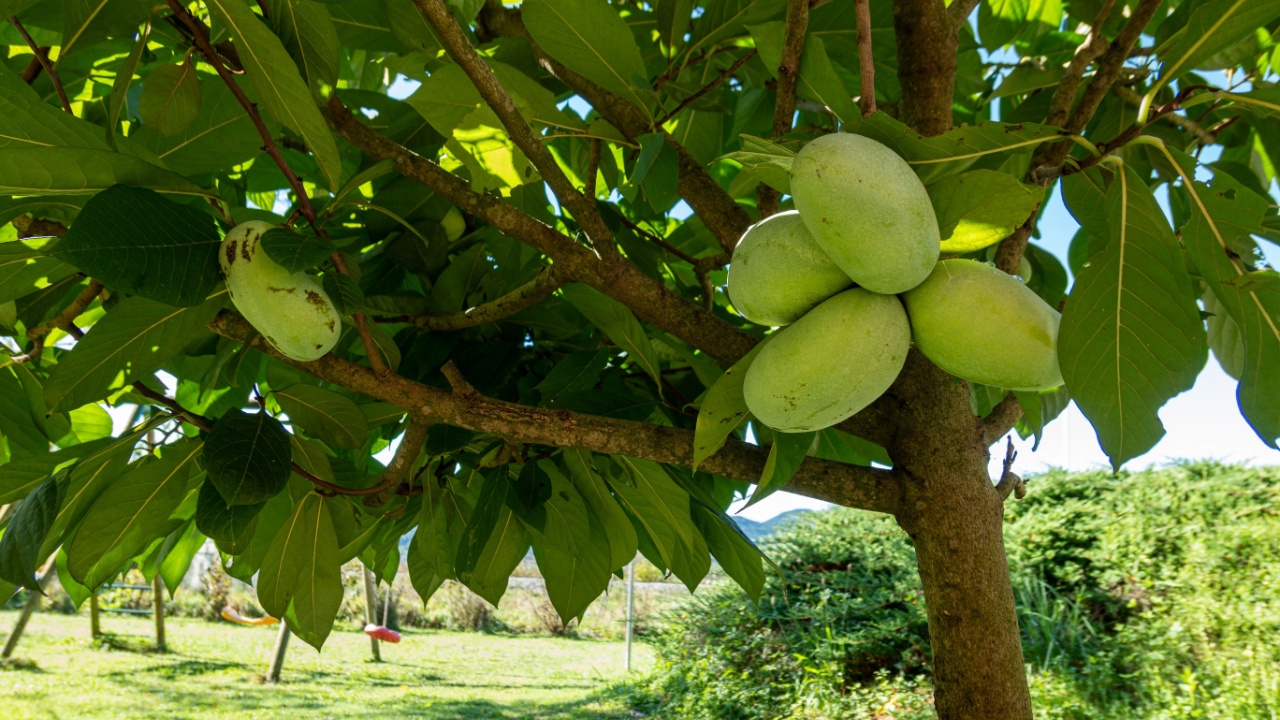
Known as the “Indiana banana,” the pawpaw is North America’s largest native fruit. Its creamy texture and tropical flavor combine notes of banana, mango, and cantaloupe. This hardy, low-maintenance tree thrives in USDA zones 5–8, not all U.S. regions.
Care Tip: Plant at least two genetically different trees to ensure fruit production. Keep the soil consistently moist, especially during the first few years. avoid waterlogging.
2. Dragon Fruit (Hylocereus undatus)
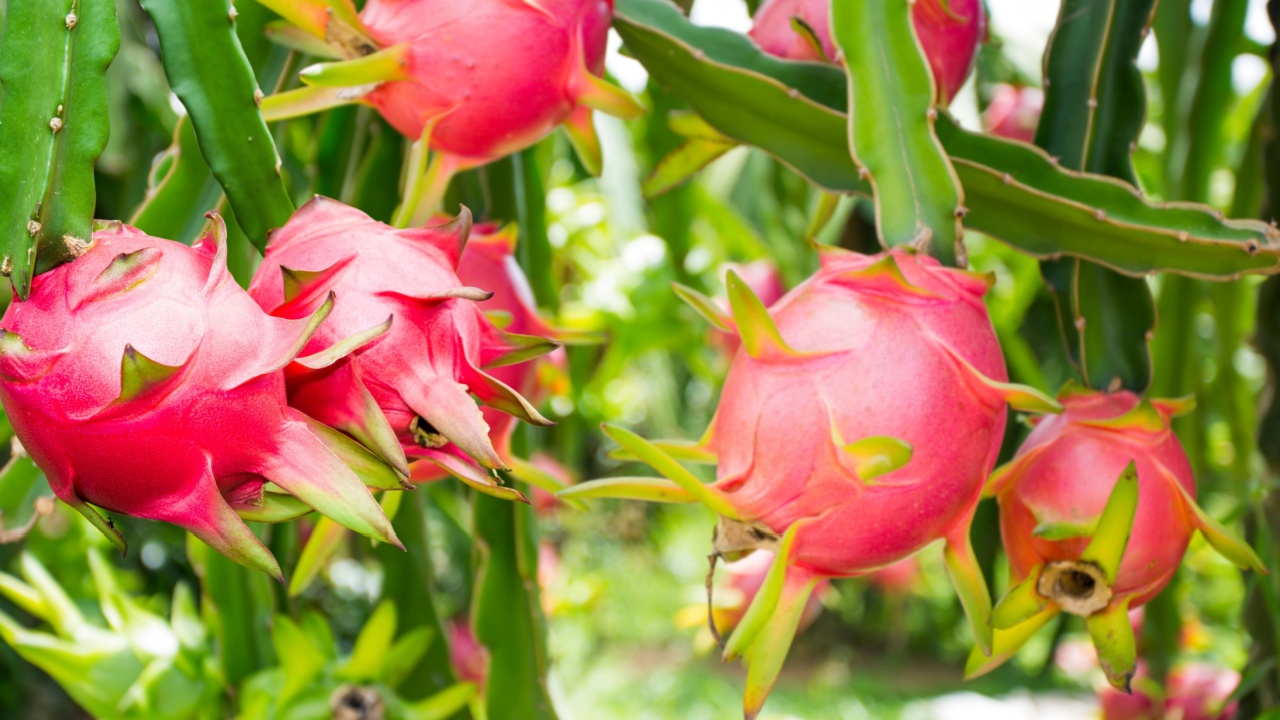
Don’t let its otherworldly appearance fool you, this vining cactus can be grown in many parts of the U.S. Its vibrant pink skin and flame-like scales hide a subtly sweet flesh, often described as a mix of pear and kiwi.
Dragon fruit needs full sun, a sturdy trellis, and well-draining soil. Best suited for USDA zones 10–11. In colder climates, grow it in a large pot and bring it indoors for the winter. Plus, its stunning flowers bloom for a single night, offering a spectacular show.
Care Tip: Provide a sturdy support structure for the vine to climb. Hand-pollination at night may be necessary for some varieties to ensure a good fruit yield.
3. Goji Berries (Lycium barbarum)
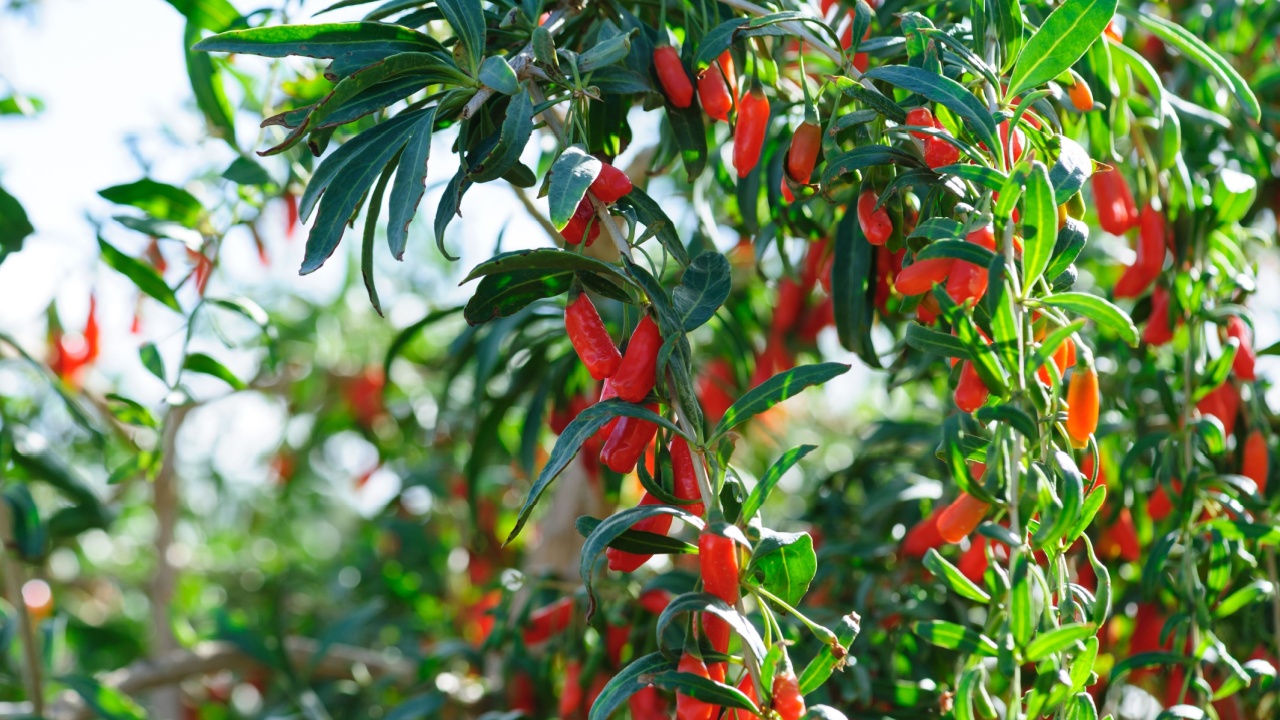
You’ve likely heard of goji berries as a superfood, but did you know they’re also easy to grow? These hardy, drought-tolerant shrubs produce bright red-orange berries with a sweet-tart flavor, similar to a cranberry.
While it may take a couple of years for a significant harvest, goji berries can be grown in various soil types as a hedge or in a container. Enjoy them fresh, dried, or in smoothies. Recommended for USDA zones 4–7.
Care Tip: Prune the shrubs in the spring to encourage new growth and higher berry production. Plants are self-fruitful, so cross-pollination isn’t required.
4. Kumquat (Fortunella)
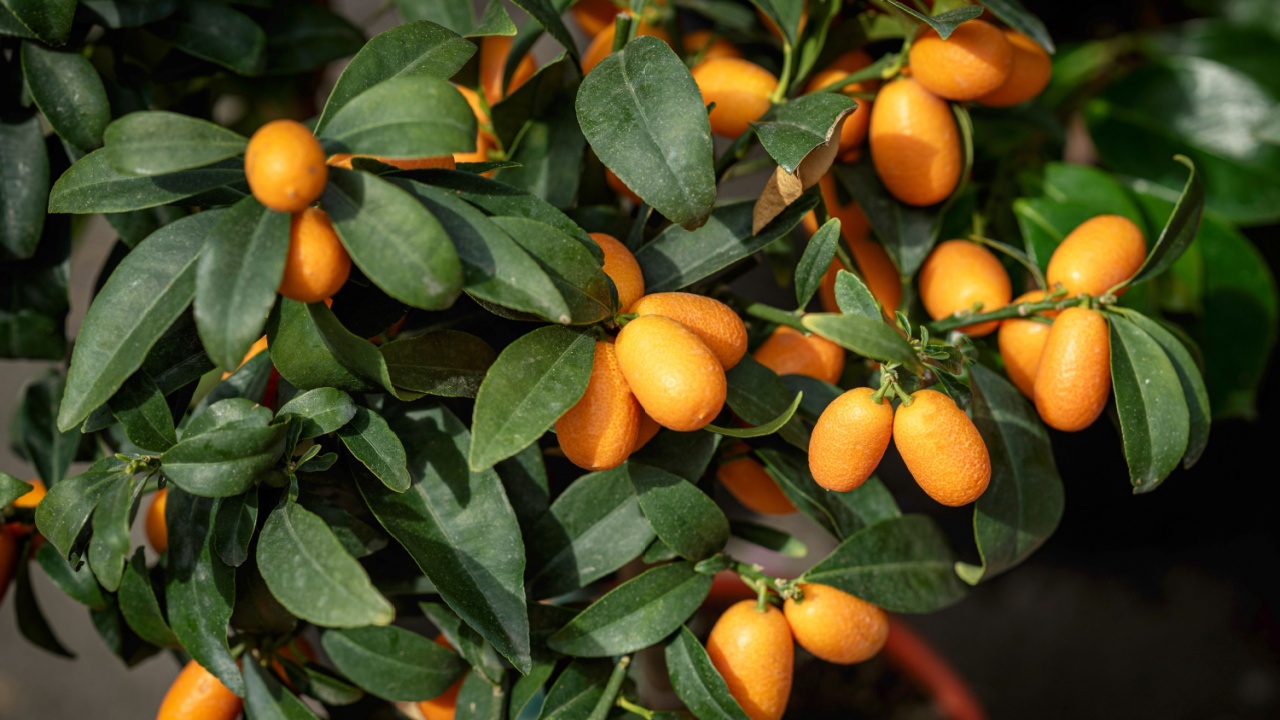
Kumquats are small, olive-sized citrus fruits with sweet skin and tart flesh, and they grow on attractive evergreen trees ideal for container gardening or small yards. These trees are more cold-hardy than most citrus. Best in USDA zones 8b–11.
Plant them in sunny, well-drained spots, or bring potted trees indoors during cold weather. They often produce fragrant white blossoms and can bear fruit year-round in warmer climates.
Care Tip: Water regularly, allowing the soil to dry out slightly between waterings. Fertilize with a citrus-specific fertilizer during the growing season.
5. Feijoa (Acca sellowiana)
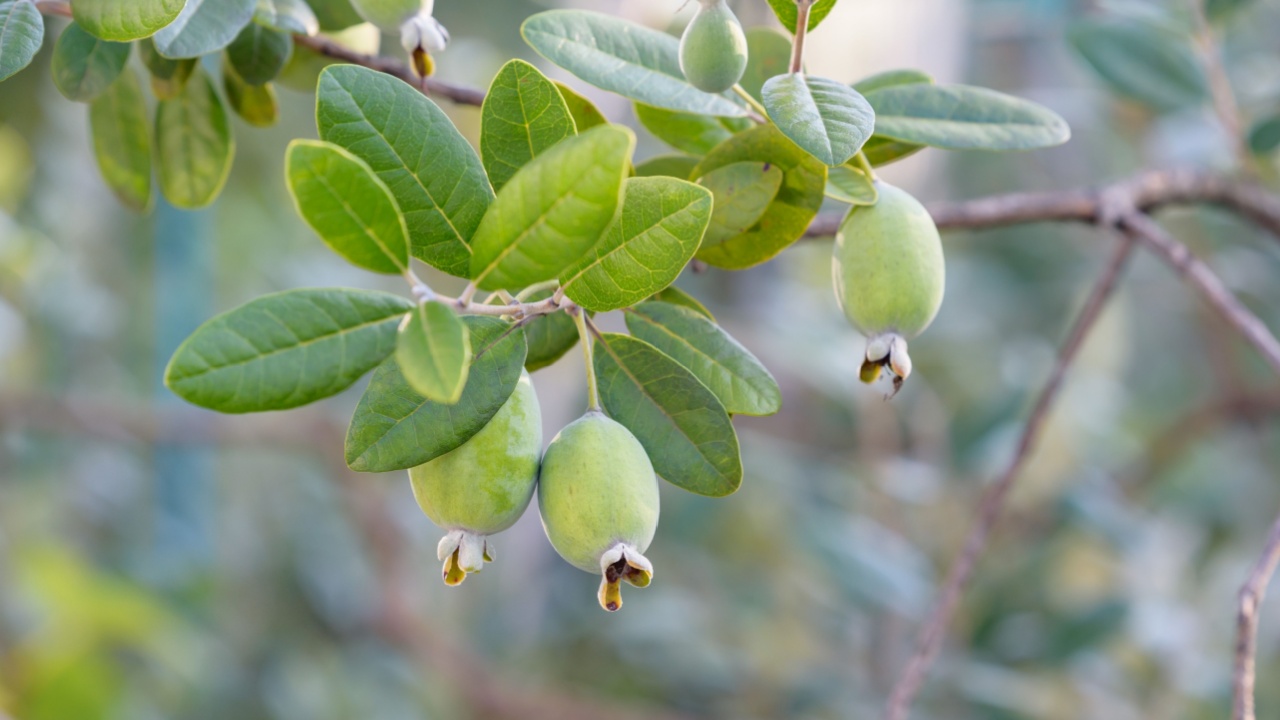
Also known as pineapple guava, the feijoa has a unique flavor blend of pineapple, guava, and mint. The fruit is egg-shaped and green with a sweet, grainy pulp. Feijoas are adaptable, tolerating both heat and moderate cold, making them an excellent hedge.
While some varieties are self-fertile, planting two or more cultivars will yield a better harvest. The flower petals are also edible, adding a sweet, slightly spicy flavor to salads.
Care Tip: The fruit is ready when it falls from the tree. Simply gather the fallen fruit from the ground each day during the harvest season. Hardy to USDA zones 8–10
6. Cape Gooseberry (Physalis peruviana)
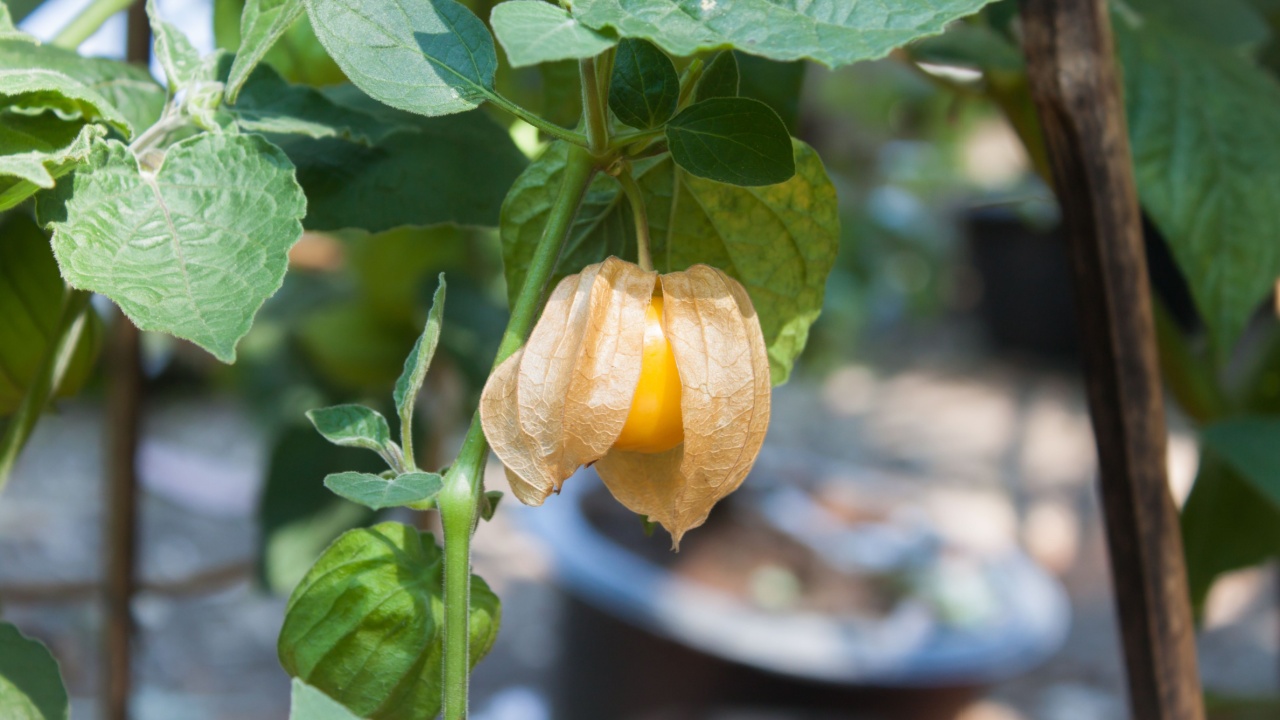
Cape gooseberries are bright orange, marble-sized fruits with a sweet-tart flavor, like a tropical tomato or pineapple. Easy to grow from seed, they thrive in full sun and well-drained soil, producing fruit in their first year.
Their protective husks make them a low-maintenance crop, perfect as an annual in most climates or a perennial in frost-free zones.
Care Tip: Wait to harvest until the papery husk is dry and the fruit inside is a vibrant orange. The fruit will store for several weeks inside its husk.
7. Yuzu (Citrus junos)
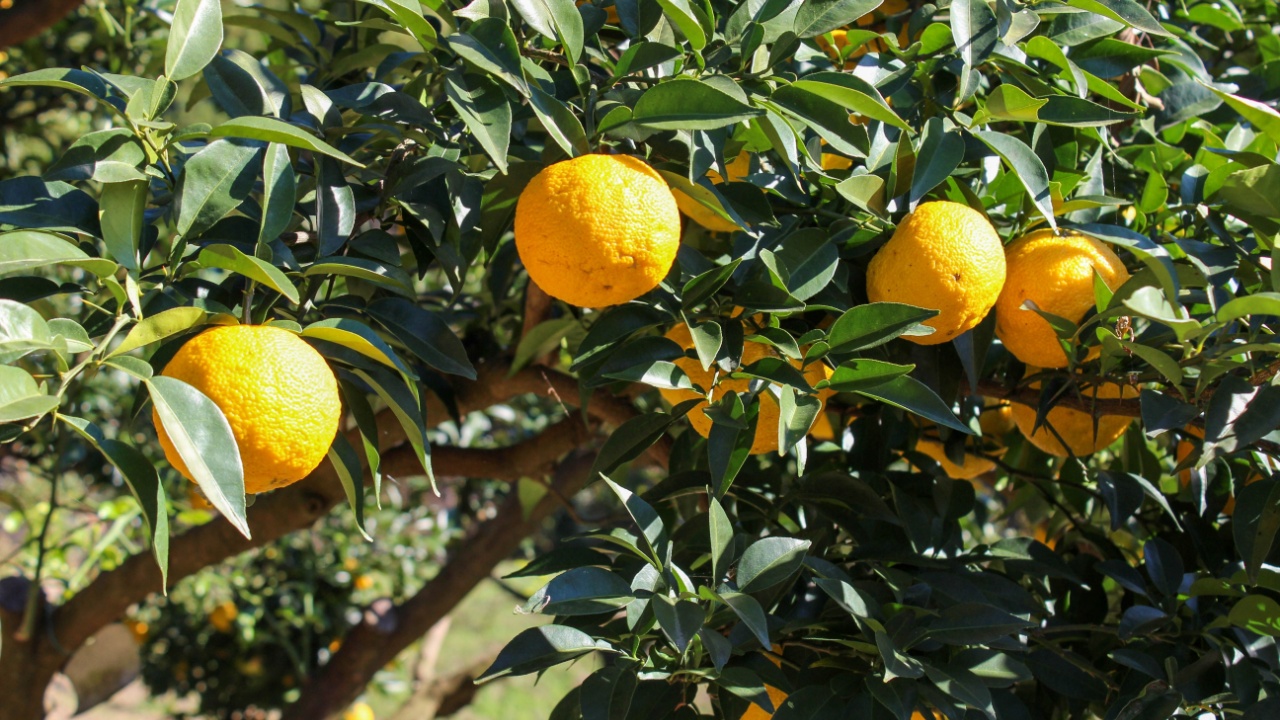
If you’re a fan of unique citrus flavors, yuzu is a must-try. This Japanese citrus is known for its aromatic zest and tart juice, a mix of grapefruit, lemon, and mandarin orange flavors. While full of seeds, its juice and peel are staples in Japanese cuisine.
The yuzu tree is very cold-hardy, surviving temperatures down to 10°F (-12°C). This thorny, shrub-like tree can be planted in the ground or a large container. Place it in a sunny spot with well-drained soil for a fall harvest of fragrant, bumpy fruit. USDA zones 8–10.
Care Tip: Be careful of the long, sharp thorns when pruning or harvesting. The fruit is best used for its zest and juice rather than for eating out of hand.
Time to Get Planting
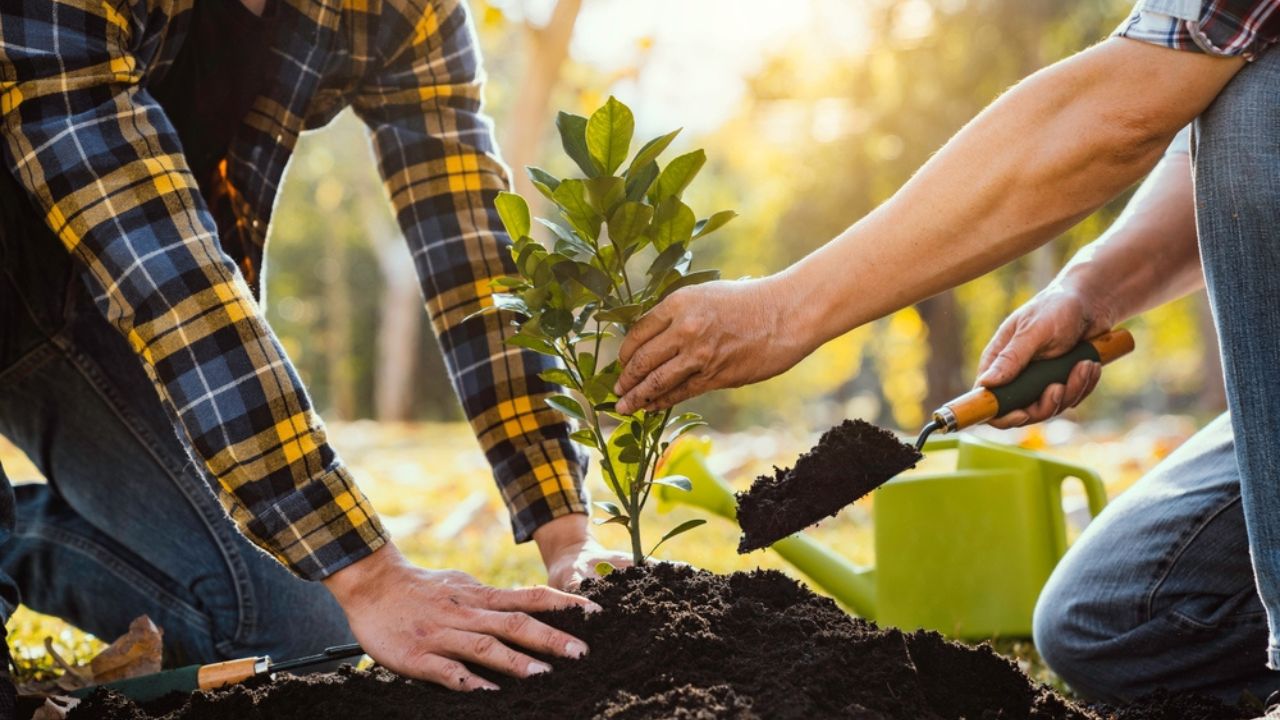
Now that you’re armed with a list of exciting new fruits to try, it’s time to choose one and get started. Begin by checking your USDA Hardiness Zone to see which of these plants will thrive in your climate. With a little planning and care, you can soon enjoy the satisfaction of harvesting something truly unique from your own garden.