
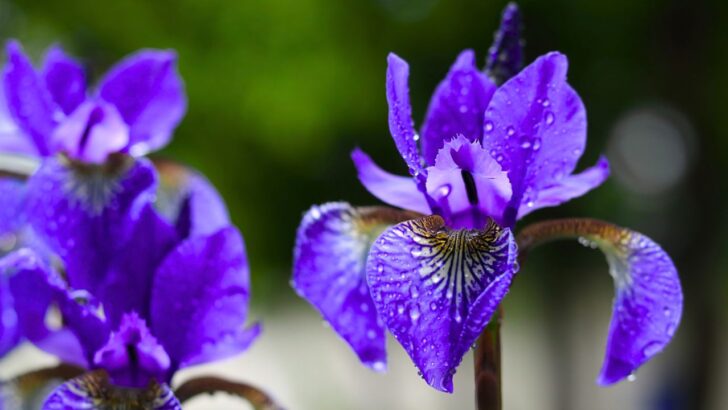
Not every beautiful plant is a good fit for your garden. Some popular perennials can turn into high-maintenance headaches—spreading aggressively, flopping over, or requiring constant cleanup. Before you fall for a pretty bloom at the nursery, check this list of plants that often cause more stress than they’re worth—and see what you can grow instead.
Of course, there are always caveats to a list like this. Each gardener has their own expertise and preferences. Ultimately, it’s up to each gardener to choose what works for their space.
Isn’t That What Ground Covers Are For?
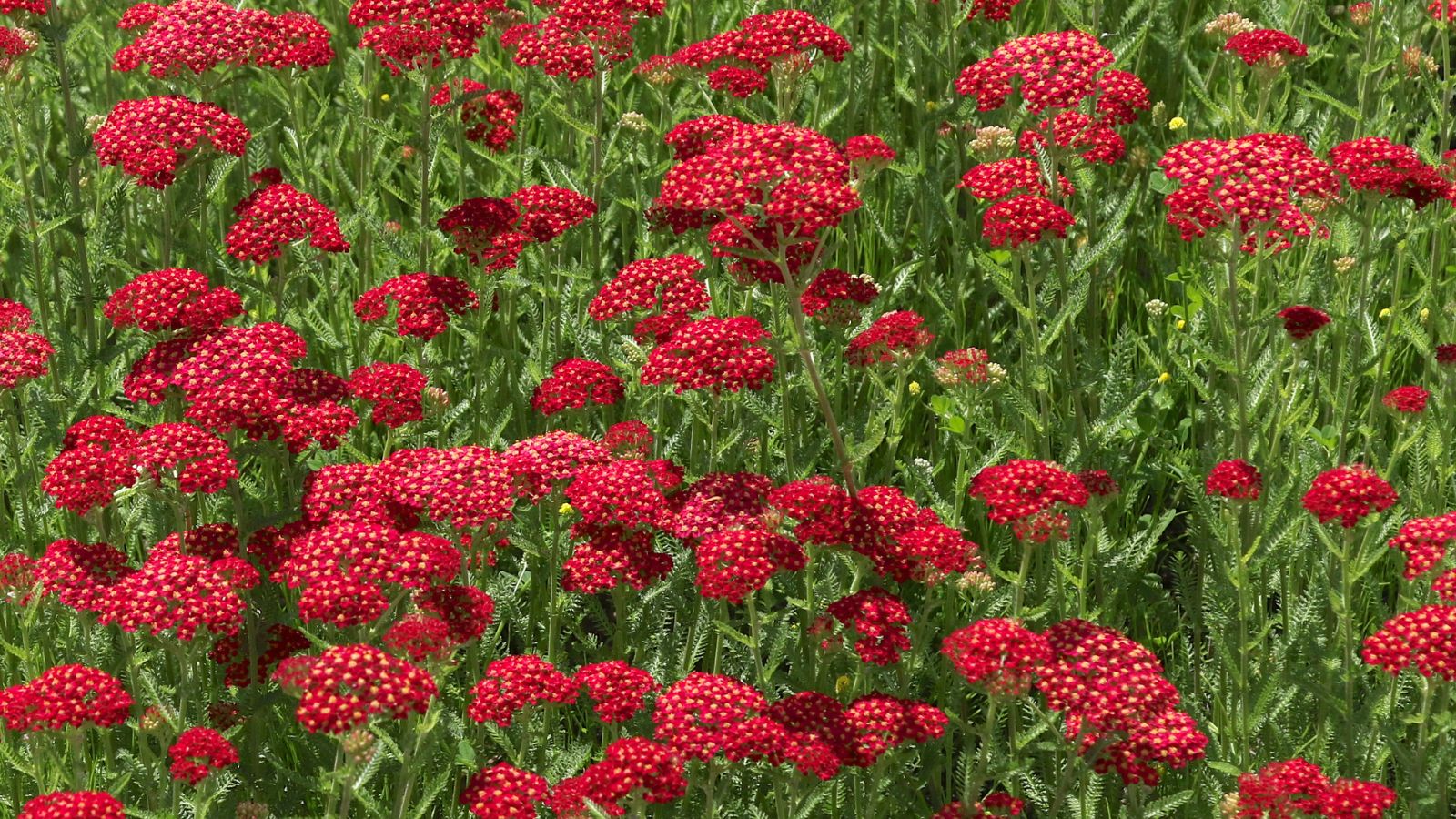
Image Credit: Depositphotos.com.
Many perennials on this list are ground covers. The reason people use them is often for their naturally “invasive” tendencies that help with soil erosion, fill in space, and replace traditional lawns. What works for one yard might not work for the next; keep this in mind.
1. Siberian Iris (Iris sibirica)
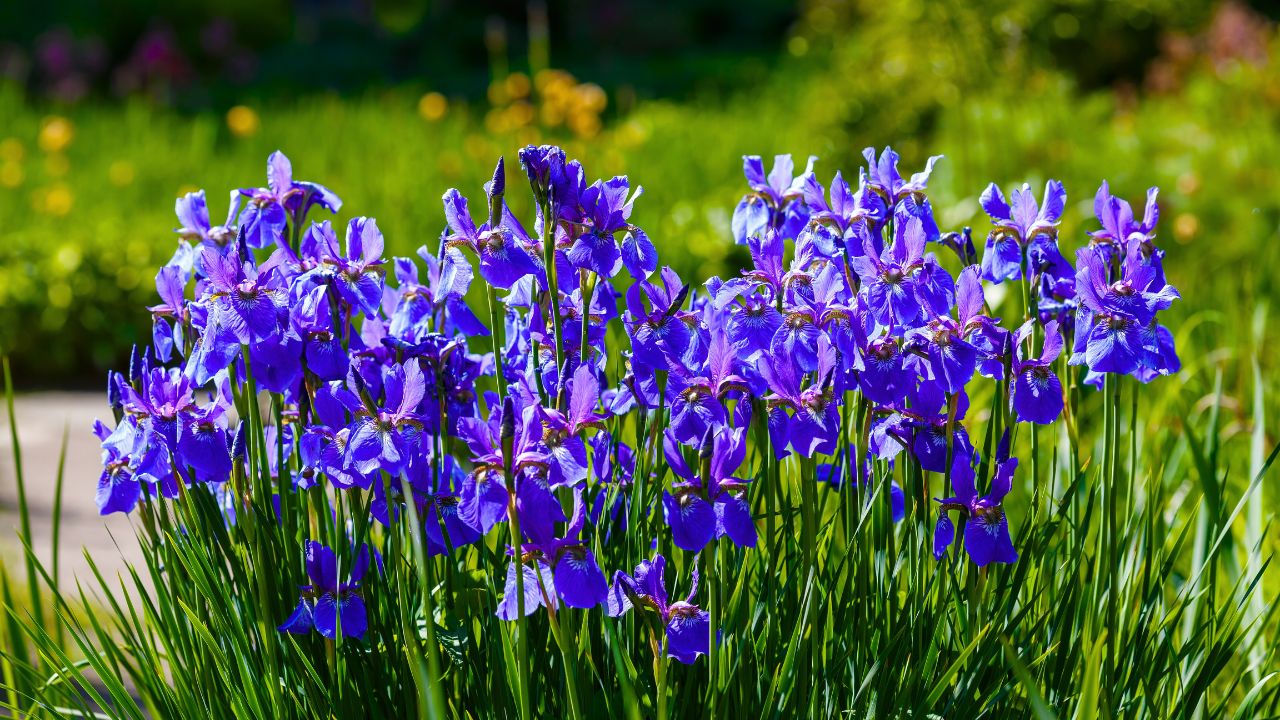
Image Credit: Shutterstock.
Though Siberian irises produce elegant, colorful flowers, their blooms are fleeting—lasting only a few days—offering limited floral reward for the effort. The plant’s dense, thick root system makes dividing and transplanting difficult (talk about a workout!), which is frustrating for gardeners wanting to propagate or control their beds. Worse, these irises can easily become overwhelmed by aggressive neighbors like bishop’s weed or vinca, leading to a battle for space. Their dense foliage looks good all summer, but managing the roots and controlling competition requires patience and labor.
Try this instead: Japanese Iris (Iris ensata) offers longer-lasting blooms with a more manageable root system and thrives in similar garden conditions without the aggressive competition. Consider planting them with other suitable iris companions, too!
2. Forsythia (Forsythia spp.)
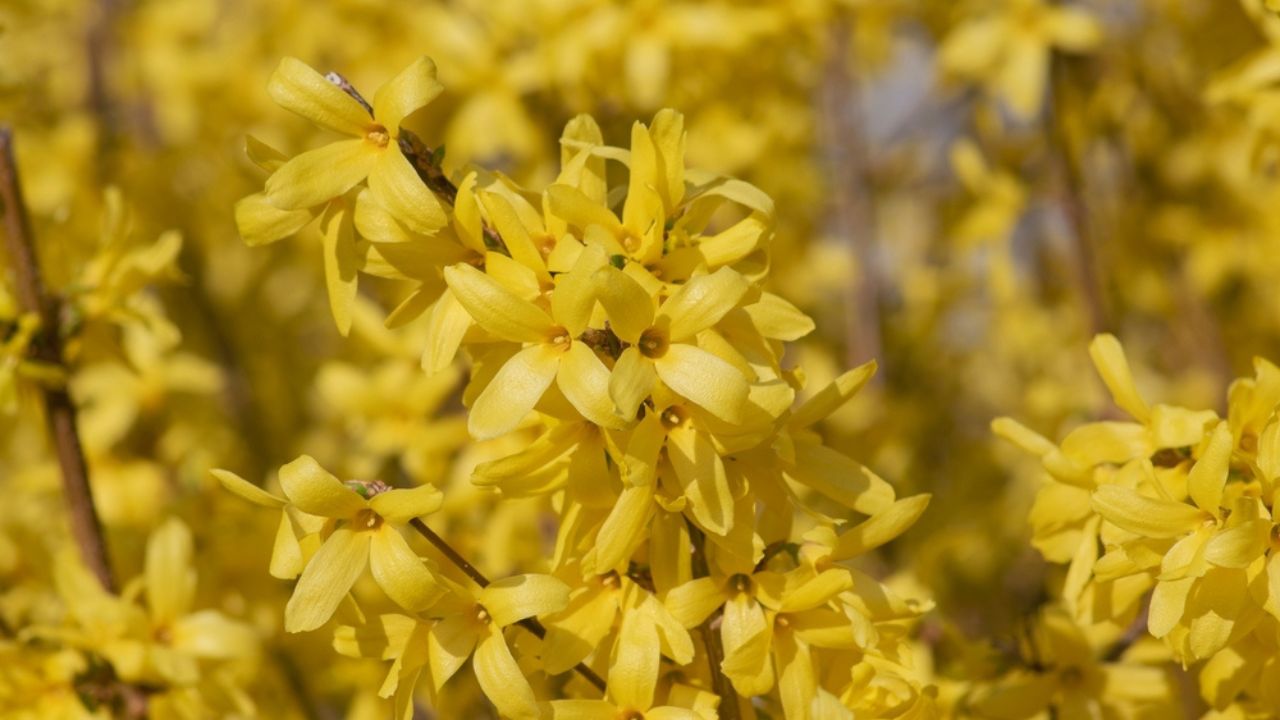
Image Credit: Shutterstock.
Forsythia shrubs are nostalgic favorites for their bright yellow early spring flowers, but they have drawbacks that many don’t anticipate. These shrubs grow very large and develop deep root systems that make removal or relocation difficult. Forsythias require regular pruning to prevent the growth of “crown galls” — unsightly, swollen branch bumps that damage or kill branches if left unchecked. Without attentive maintenance, they quickly look scraggly and untidy, turning what could be a charming early-season display into a year-round chore.
Try this instead: Japanese Kerria (Kerria japonica) produces similarly cheerful yellow flowers, grows in a more controlled form, and is easier to prune annually. It’s hardy in many zones but should be monitored in Oregon, where it can become invasive.
3. Lamb’s Ear (Stachys byzantina)
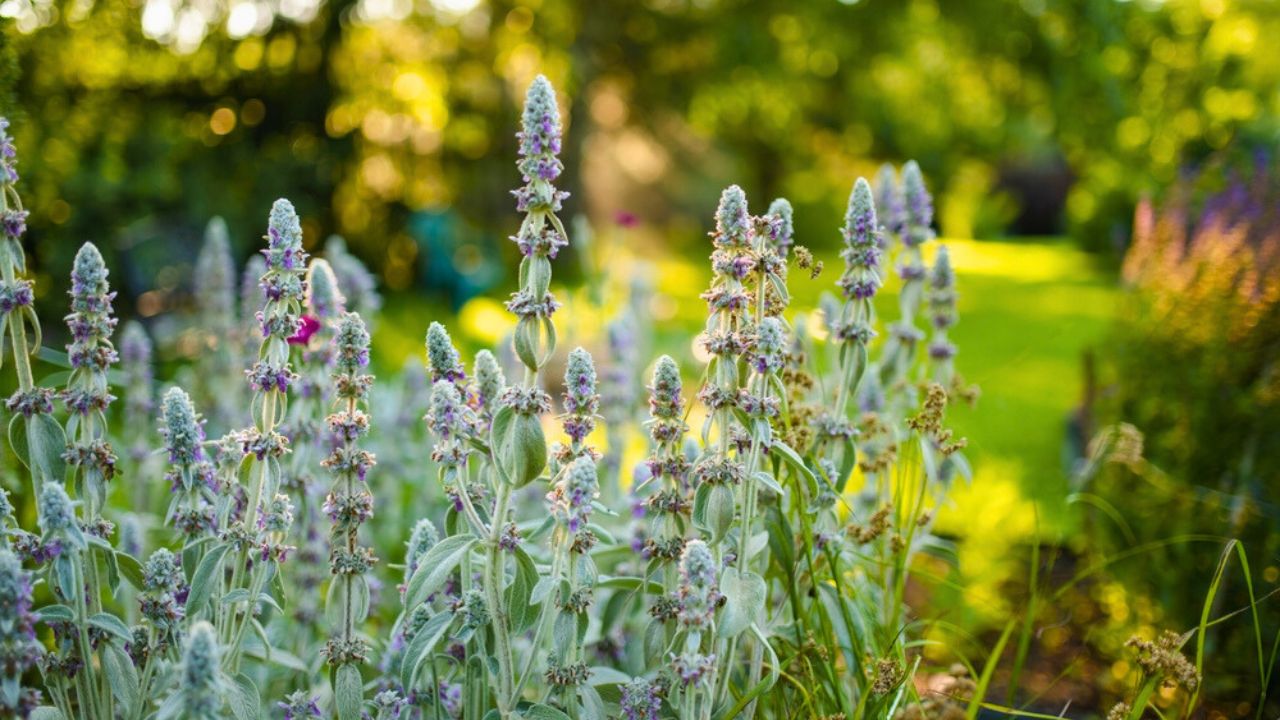
Image Credit: Shutterstock.
Lamb’s ear is prized for its velvety, silvery leaves and charming, tiny magenta flowers, but it has two key issues in garden use. First, it spreads quite aggressively, often invading areas where it’s not wanted. Second, its fuzzy leaves tend to become moldy and mushy late in the season, creating an untidy appearance that requires a lot of cleanup. This maintenance can frustrate gardeners expecting a neat, evergreen-like groundcover.
Try this instead: Artemisia ‘Silver Mound’ (Artemisia schmidtiana) offers beautiful silvery foliage with a more controlled, mound-shaped habit. It is hardy across a wide range of zones and maintains its neat form well with periodic division.
4. False Sunflower (Heliopsis helianthoides)

Image Credit: Depositphotos.com.
False sunflowers are bright and cheerful but notorious for their rampant growth and tendency to flop over after rain or wind, ruining their visual appeal. Their aggressive spread through rhizomes can quickly take over beds, making them nearly impossible to eradicate once established. Gardeners often regret planting these when faced with constant staking or invasive spreading.
Try this instead: Consider Coreopsis or Helenium species, which provide similarly vibrant, daisy-like yellow flowers but hold their shape better and spread in a more manageable way. Even classic Black-eyed Susans tend to be less aggressive and easier to maintain.
5. Bishop’s Weed (Aegopodium podagraria)

Image Credit: Shutterstock.
Bishop’s weed, also called goutweed or “snow on the mountain,” is infamous for its invasive underground root system. Originally a popular groundcover, it’s now one of the most difficult plants to control, as any remaining root fragments can regrow, necessitating total eradication to eliminate it. Many homeowners unknowingly fuel its spread by simply mowing over seedlings instead of removing them.
Try this instead: Lamium (Deadnettle) is a variegated groundcover with attractive foliage that spreads slowly and is far easier to manage, making it a safer alternative for shady spots where you want coverage without takeover.
6. Chameleon Plant (Houttuynia cordata)
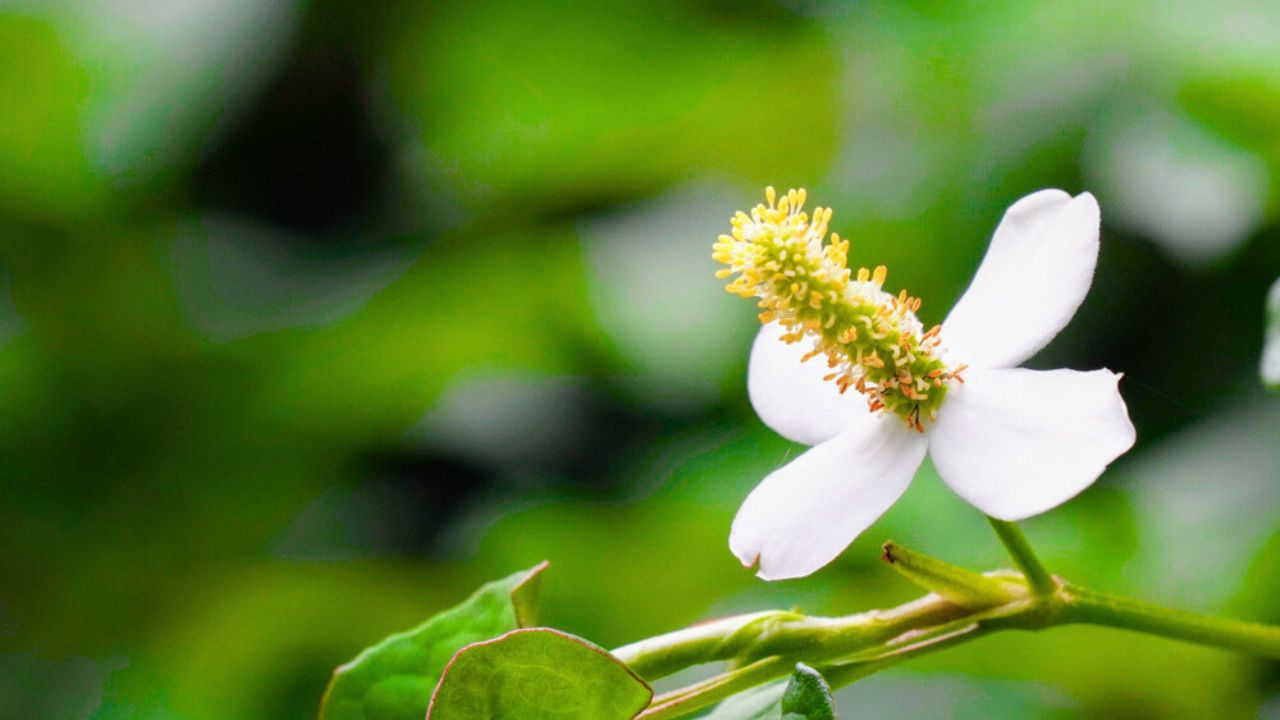
Image Credit: Shutterstock.
The chameleon plant sports pretty heart-shaped leaves with cream, pink, and green variegation, but it spreads aggressively underground and can quickly crowd out other plants. It’s listed as invasive in states like New Jersey and carries a pungent odor that many gardeners find unpleasant, especially when leaves are bruised or crushed. Although lovely from a distance, it’s best grown in contained areas or avoided altogether unless you have a dedicated spot.
Try this instead: Ajuga reptans (Bugleweed) provides colorful foliage and blooms with much less invasive tendencies, and is also effective as a groundcover (although also considered invasive in some areas).
7. Wisteria (Wisteria sinensis and W. floribunda)

Image Credit: Shutterstock.
Wisteria’s cascading flowers and intoxicating fragrance make it a standout, but this beauty comes with a price. Its vines grow rapidly and aggressively, wrapping tightly around structures, trees, or fences, causing significant damage over time. Japanese and Chinese wisteria species are invasive in many states, making their cultivation risky. Unless carefully trained and contained with sturdy supports, wisteria can overwhelm a garden and nearby plants.
Try this instead: Clematis vines provide stunning flowers in a variety of colors, with less aggressive growth and easier control.
8. Rose of Sharon (Hibiscus syriacus)
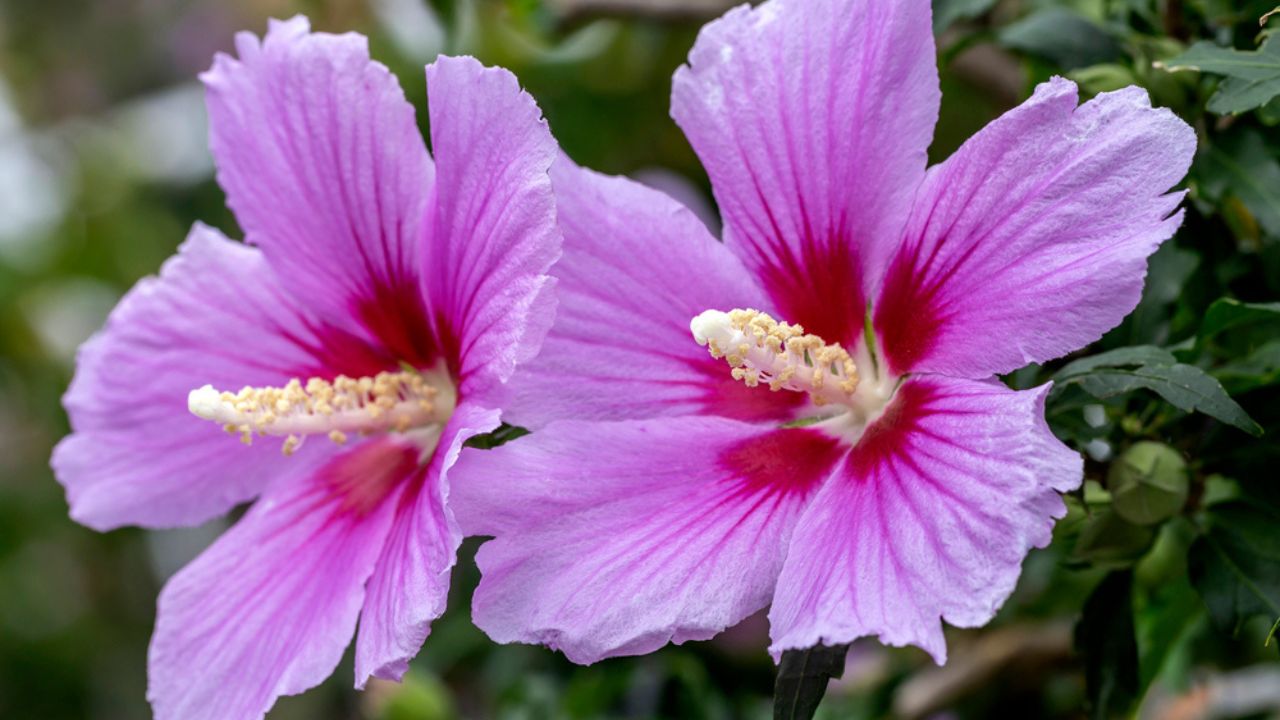
Image Credit: Shutterstock.
Rose of Sharon is beloved for its large, colorful blooms and is often used as a flowering hedge. However, it produces copious seedlings that can take over garden beds if left unchecked. Weeding these out is an ongoing task, and in some areas, it’s listed as invasive. If you do love this shrub, heavy mulching around the base and prompt removal of seedlings can help keep it under control.
Try this instead: Hardy Hibiscus (Hibiscus moscheutos) provides similarly large, tropical-looking flowers with less reseeding and is easier to manage in most climates.
9. Black-eyed Susan (Rudbeckia hirta)
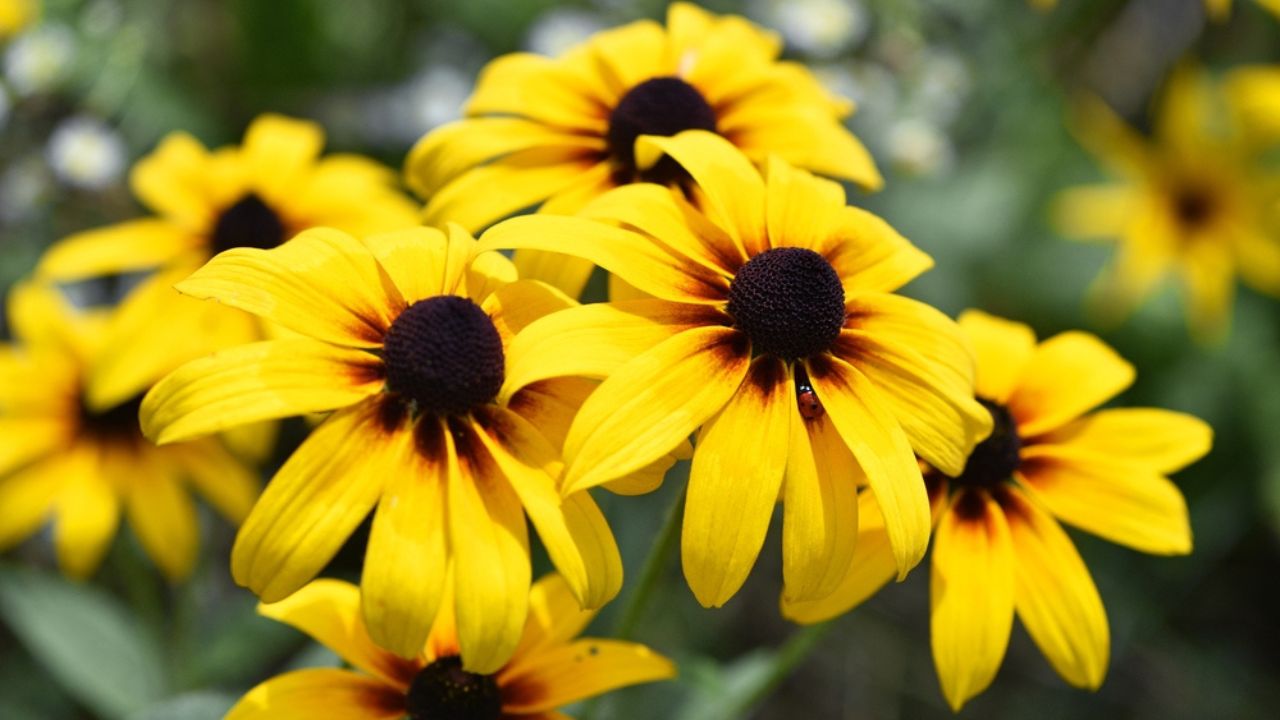
Image Credit: Shutterstock.
Black-eyed Susans are classic favorites but can quickly become garden bullies. The common variety reseeds prolifically, spreading beyond intended boundaries and sometimes crowding out other plants. However, newer hybrids like ‘Prairie Sun’ or ‘Cappuccino’ offer similar cheerful blooms without rampant spreading, making them much better choices for well-behaved garden color.
Try this instead: Look for these newer hybrid Rudbeckias that maintain attractive flowers with less aggressive reseeding.
10. Spiderwort (Tradescantia spp.)
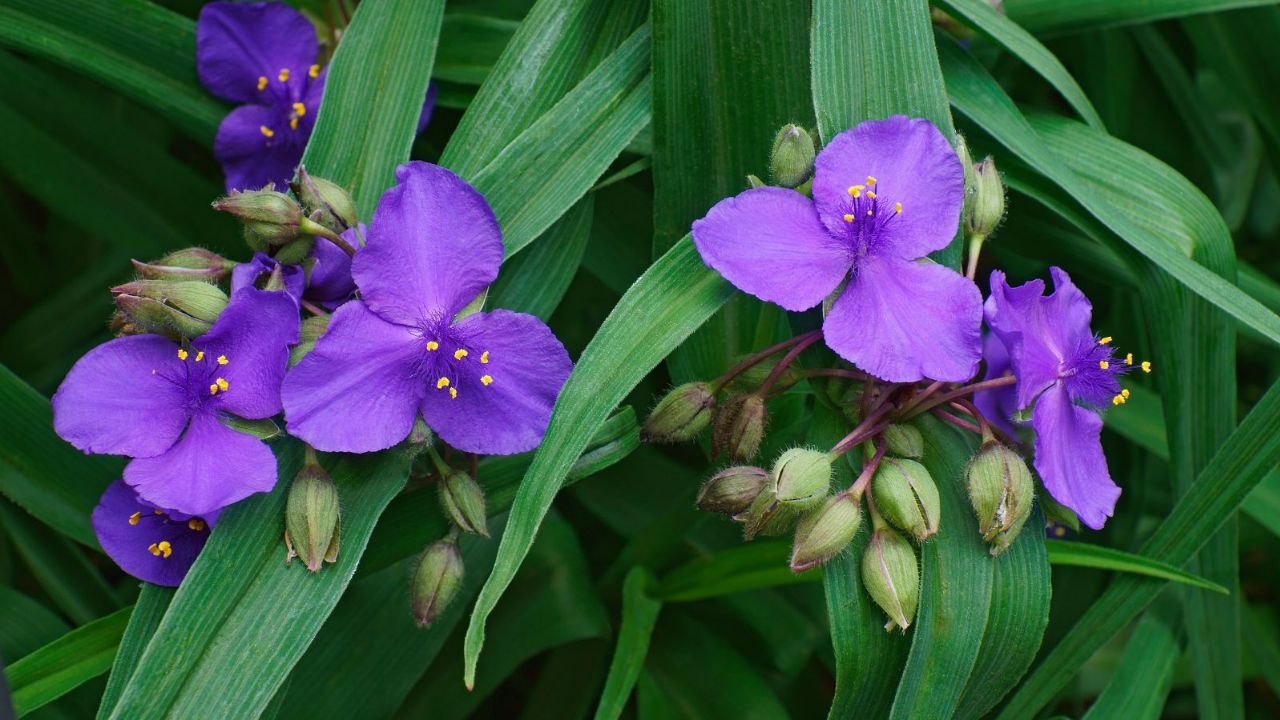
Image Credit: YAY Images.
Spiderwort’s tri-petaled flowers and clumping habit are attractive, but it tends to reseed excessively and spread into inconvenient spaces like cracks or foundations. Even digging up roots may not fully control it, as tiny root pieces regenerate. Additionally, some species are invasive in states like Florida, complicating their use.
Try this instead: Penstemon digitalis (Beardtongue) offers similarly upright flower spikes and color variety without the invasive tendencies.
11. Evening Primrose (Oenothera biennis & O. speciosa)
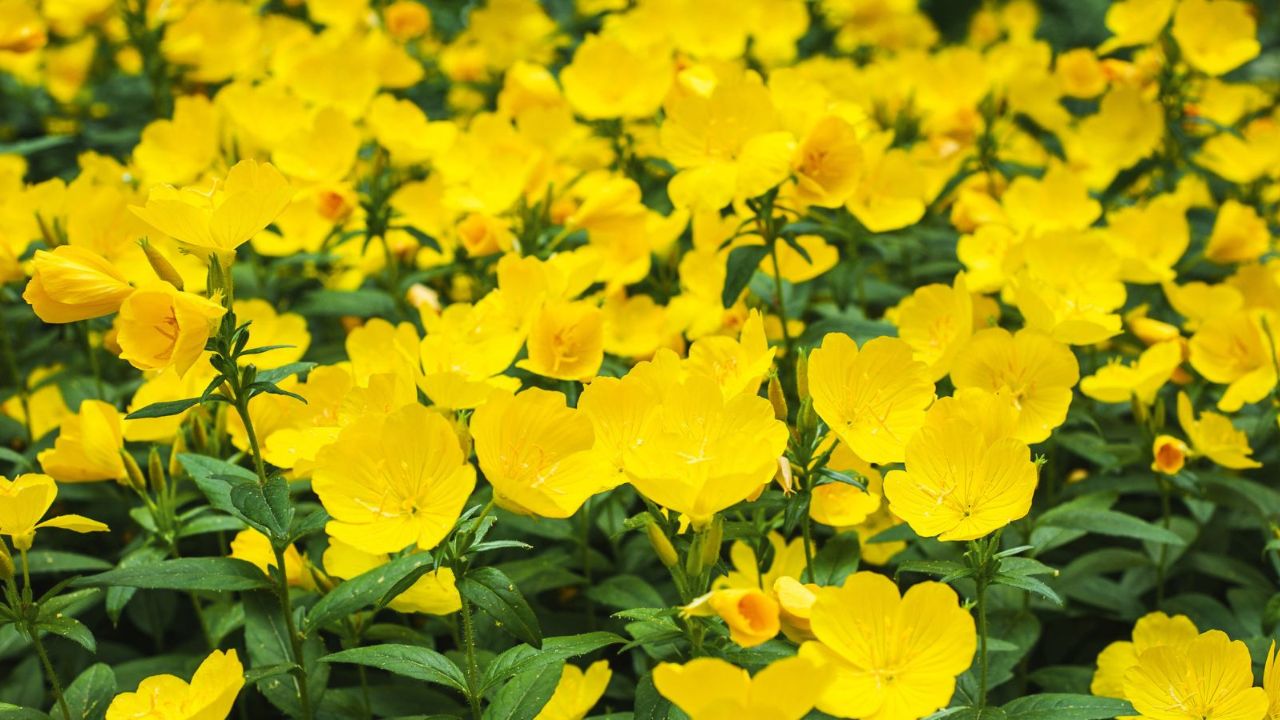
Image Credit: Depositphotos.com.
Evening primrose produces pretty cup-shaped flowers but spreads aggressively by reseeding, quickly becoming unwelcome in garden beds. Both the common and showy varieties can become persistent weeds in some areas, requiring constant management.
Try this instead: Agastache (Hummingbird Mint) offers tubular flowers that attract pollinators, with a more contained growth habit and similar visual appeal.
12. Mint (Mentha spp.)
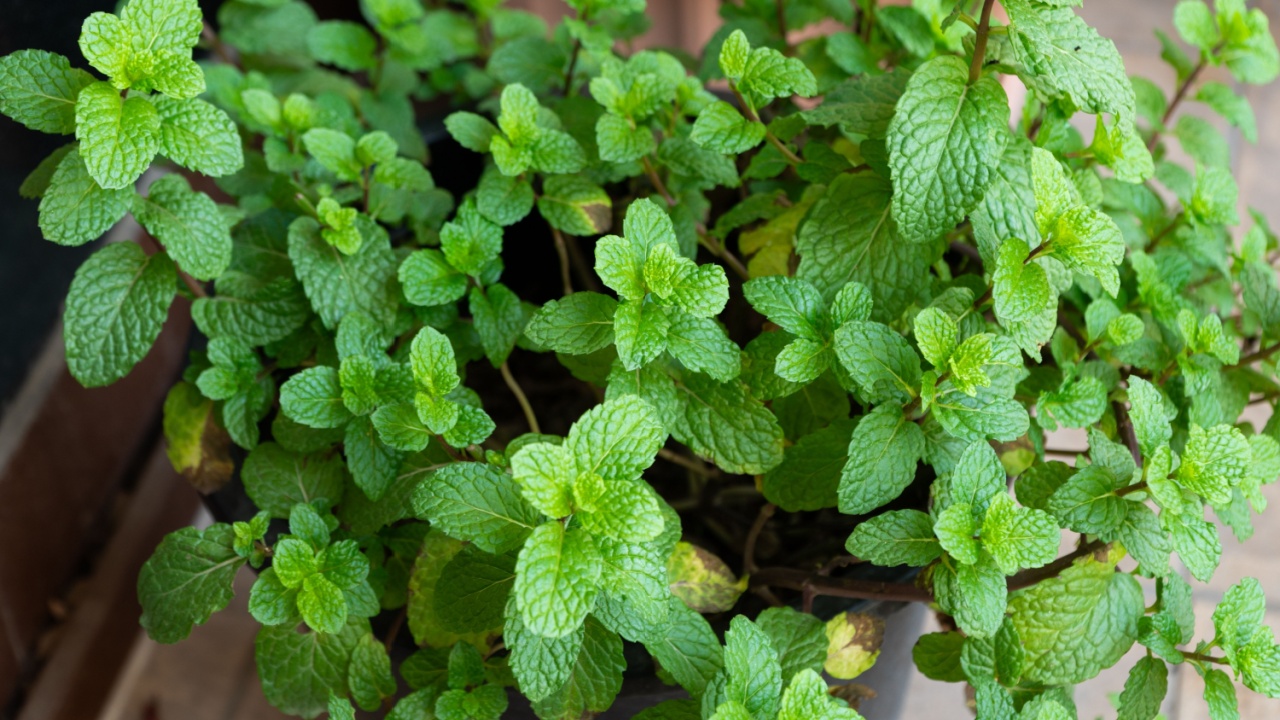
Image Credit: Shutterstock.
Mint is a favorite herb, but a nightmare in the garden. Once planted in open soil, it spreads rapidly through underground runners and can overtake large areas, choking out other plants.
Try this instead: Grow mint exclusively in containers, or select less aggressive herbs like Calamintha for garden beds.
13. Obedient Plant (Physostegia virginiana)
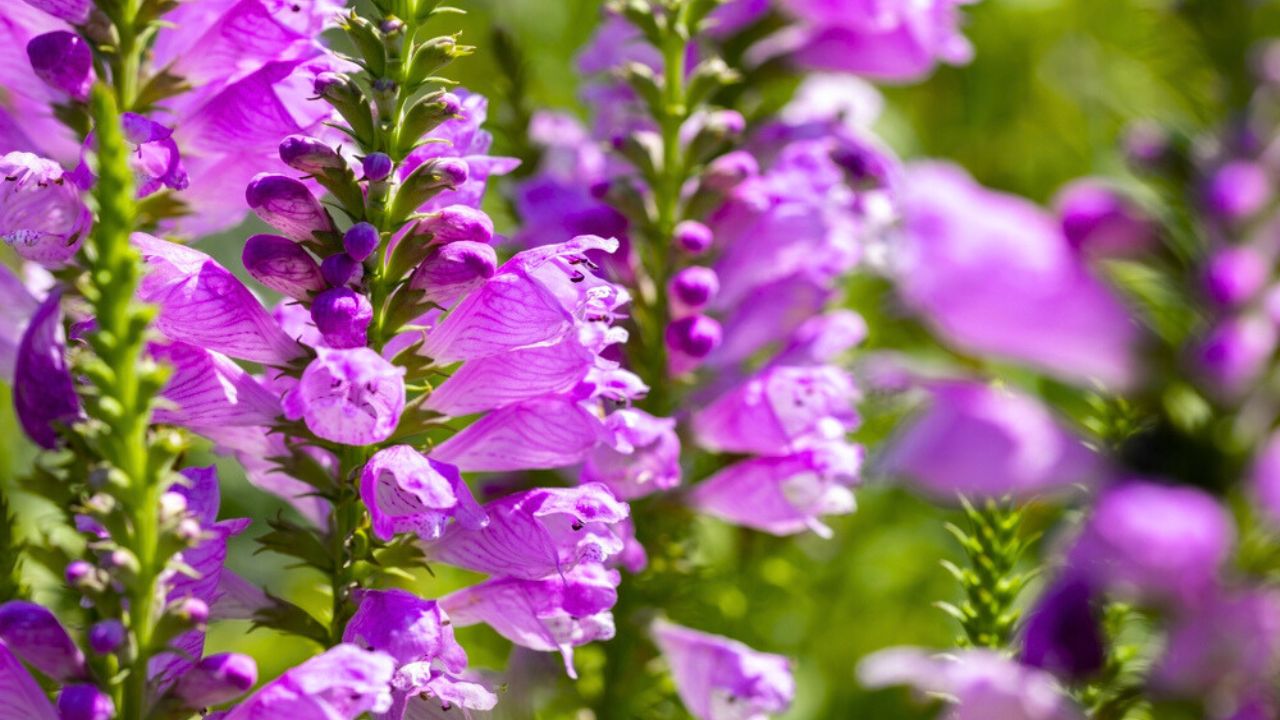
Image Credit: Shutterstock.
Despite its name, the obedient plant is anything but well-behaved—it spreads aggressively via underground rhizomes and can quickly dominate a flower bed if unchecked. It’s difficult to eradicate once established and requires heavy pruning or division.
Try this instead: Veronica spicata (Speedwell) has similar vertical flower spikes but grows more compactly and doesn’t spread invasively.
14. Yarrow (Achillea millefolium)
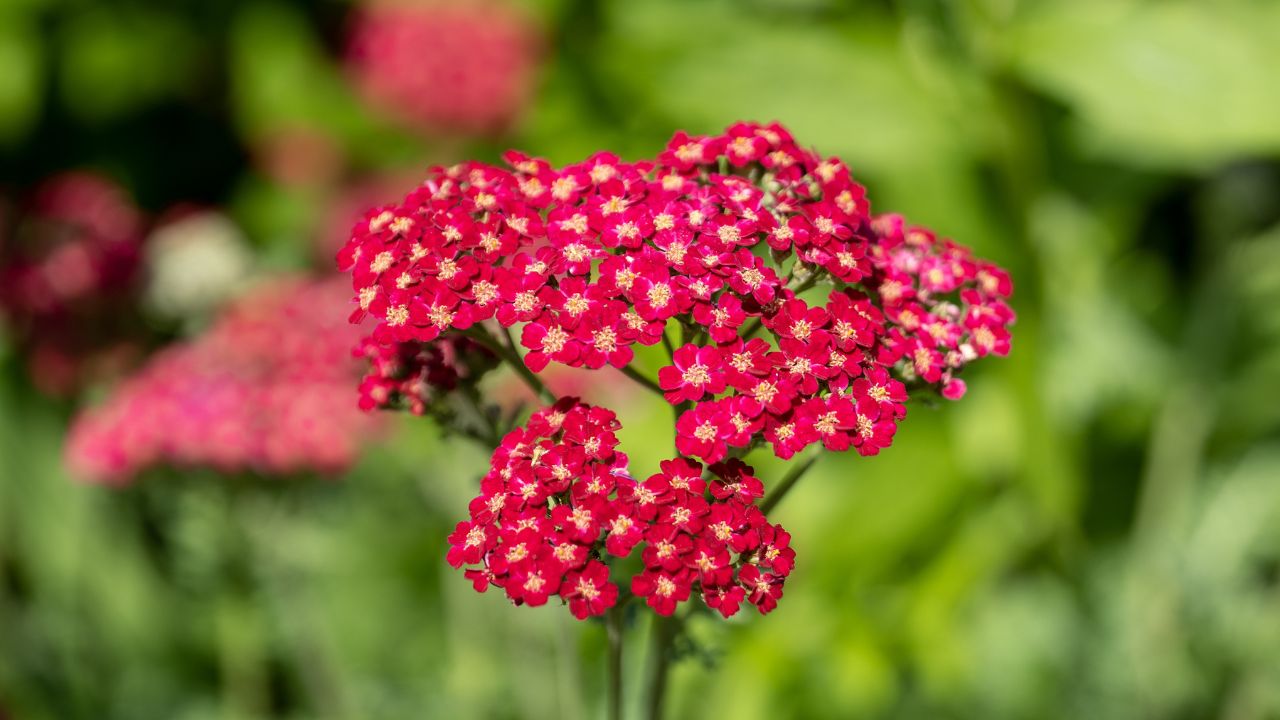
Image Credit: Shutterstock.
Yarrow is often sold as low-maintenance, but many varieties reseed excessively and can be short-lived in less-than-ideal conditions. This leads to patchy beds and the need for frequent replacement or thinning.
Try this instead: Coreopsis verticillata provides delicate, long-lasting blooms with less reseeding and a tidy growth habit.
15. Perennial Sweet Pea (Lathyrus latifolius)
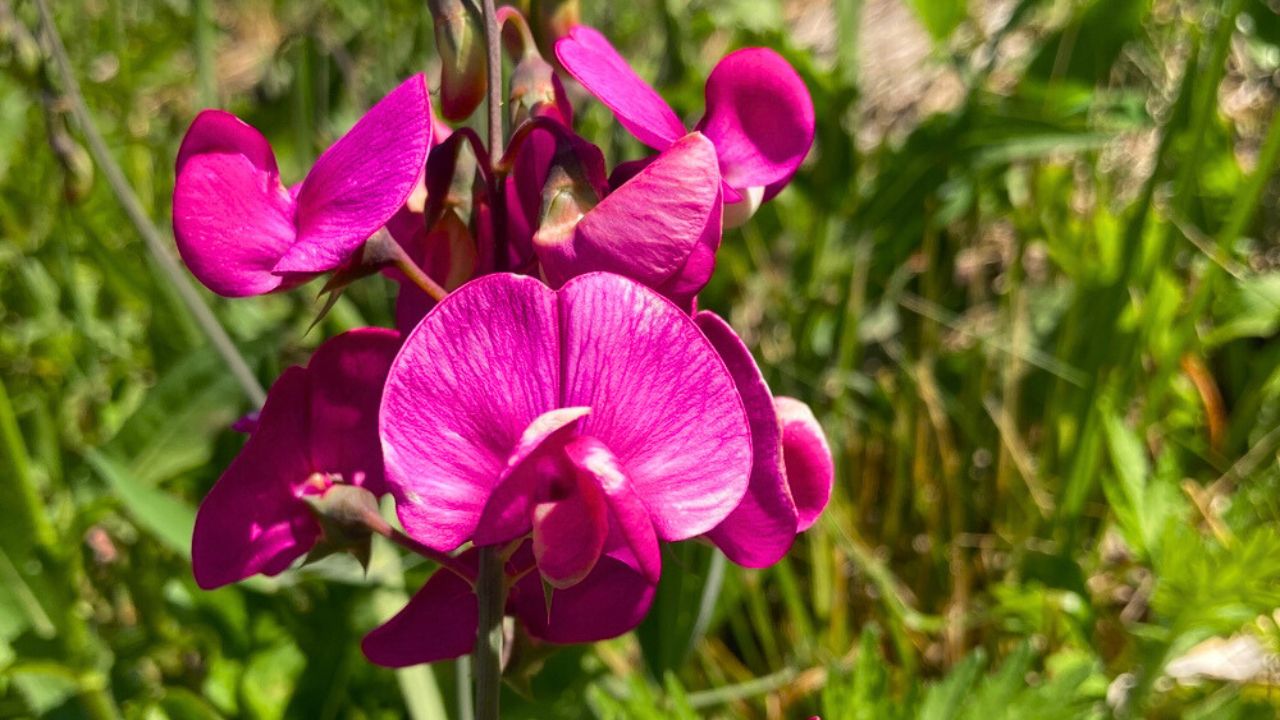
Image Credit: Shutterstock.
Perennial sweet peas offer charming pink blooms but reseed and spread aggressively, sometimes outcompeting other plants. While the annual sweet pea provides wonderful fragrance and flowers, the perennial can be a nuisance.
Try this instead: Stick with Annual Sweet Pea (Lathyrus odoratus) for controlled growth and abundant bloom without persistent reseeding.
16. Bee Balm (Monarda didyma)
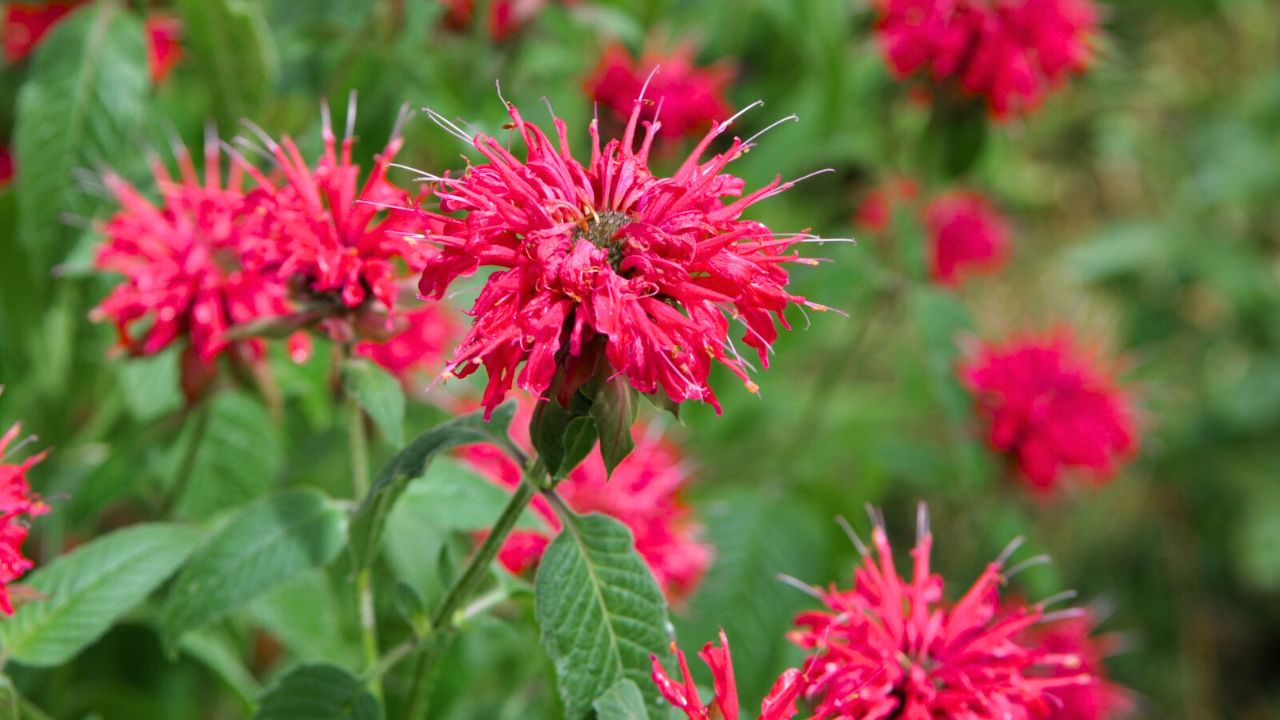
Image Credit: Depositphotos.com.
Bee balm is a showy, pollinator-friendly perennial but is prone to spreading rapidly and developing powdery mildew, especially in humid climates. The mildew can damage leaves and reduce bloom quality, making this plant a challenge to keep healthy and contained.
Try this instead: Monarda ‘Petite Delight’ is a compact, mildew-resistant cultivar that keeps the charm and color with easier maintenance.
Think Twice Before Planting

Image Credit: Shutterstock.
Choosing the right perennials means balancing beauty with manageability. These popular plants often cause frustration due to their aggressive growth, difficult upkeep, or invasiveness. Swapping them out for better-behaved alternatives helps create a thriving, low-maintenance garden that you’ll enjoy for years without the stress.